Can Birds Eat Pancakes: What You Need to Know Before Feeding
Birds are fascinating creatures, and many people enjoy sharing food with them, especially in backyard gardens or at bird feeders. However, not all human foods are safe or suitable for birds, making it important to understand what they can and cannot eat. One common breakfast item that often raises questions is pancakes, which are sweet, fluffy, and easily shareable.
When considering feeding pancakes to birds, you need to think about the ingredients and nutritional content. Pancakes often contain sugar, salt, butter, or syrup, which are not ideal for birds. Birds have delicate digestive systems, and foods high in sugar or fat can cause health issues over time.
Observing birds’ natural diet can help determine whether certain foods are appropriate. Many species thrive on seeds, fruits, insects, and small grains, which provide essential nutrients and energy. Sharing a small, plain portion of pancake may not immediately harm them, but frequent feeding can be risky.
Understanding these factors is key to keeping birds healthy while enjoying the experience of watching them eat. This article will explore can birds eat pancakes safely, what types are acceptable, and best practices for feeding them without harming their health.
Nutritional Components of Pancakes
Understanding the nutritional components of pancakes is essential when considering whether they are safe for birds. Pancakes are primarily made from flour, eggs, milk, and often sugar, butter, or oil. While humans enjoy them as a breakfast treat, many of these ingredients can be unsuitable for birds. Evaluating each component helps determine the risks and benefits of feeding pancakes to wildlife.
Flour and Carbohydrates
Flour is the main ingredient in pancakes and provides a high amount of carbohydrates. For humans, carbohydrates serve as a primary energy source, but for birds, refined flour lacks essential nutrients. Birds require a diet rich in proteins, fats, and vitamins for optimal health, and flour alone does not meet these needs.
Carbohydrates in pancakes are also digested differently by birds. Unlike grains, which many birds naturally consume, processed flour can cause digestive issues when fed in large quantities. While a small amount of plain, cooked flour is unlikely to harm them immediately, regular feeding may lead to nutritional deficiencies.
Additionally, pancakes often contain other carbohydrate sources such as sugar or syrup, increasing calorie content without adding vitamins or minerals. Birds cannot process refined sugars efficiently, which can cause weight gain and long-term health problems. Therefore, while flour forms the bulk of a pancake, it is not a suitable dietary staple for birds.
Understanding the role of carbohydrates in pancakes is crucial before offering them to wildlife. It highlights why moderation and careful preparation are necessary, especially when comparing these ingredients to the seeds, grains, and insects birds naturally consume.
Eggs and Protein
Eggs are commonly used in pancake recipes and provide protein, which is vital for bird growth and feather development. Proteins in eggs contain amino acids that birds need, but the method of preparation plays a crucial role in safety. Raw eggs can carry bacteria such as Salmonella, which can be harmful to both birds and humans.
Cooked eggs in pancakes lose some nutritional quality but remain a source of protein. However, pancakes often include eggs mixed with sugar, butter, or milk, which can dilute the beneficial protein content and introduce fats and calories that are not ideal for birds. Birds require protein in a pure, easily digestible form, like insects or mealworms, rather than baked into processed batter.
Feeding eggs within pancakes also reduces bioavailability of nutrients. Birds digest whole or lightly cooked eggs more effectively, whereas protein in pancakes may be bound with starch or fat, limiting absorption. Over time, this can prevent birds from getting sufficient nutrition even if they eat the pancakes regularly.
While eggs offer some nutritional value, relying on pancakes as a source of protein for birds is not recommended. Understanding the limitations of protein in processed foods highlights the importance of offering natural sources to maintain bird health.
Fats, Sugars, and Additives
Pancakes often contain added fats such as butter or oil, along with sugars or syrups. These components make pancakes tasty for humans but are not suitable for birds. Excess fats can lead to obesity and liver problems, while sugars can cause digestive disturbances and metabolic issues.
Additives like vanilla, chocolate chips, or salt also pose risks. Birds are highly sensitive to salt and sweeteners, and even small amounts can be harmful. Processed ingredients can accumulate toxins over time or interfere with the absorption of essential nutrients from their natural diet.
While a plain, small piece of pancake might not immediately harm a bird, repeated feeding can create serious health issues. It is important to recognize that the majority of pancake components are designed for human taste and do not align with avian dietary needs.
Understanding these nutritional limitations is essential before offering pancakes to birds. By evaluating the impact of fats, sugars, and additives, you can make informed decisions about safe feeding practices and avoid unintentionally harming the birds you wish to help.
Safe vs Unsafe Additions
When considering feeding pancakes to birds, it’s crucial to understand the difference between safe and unsafe additions. Pancakes are often enhanced with ingredients like syrup, butter, chocolate, or fruits, but not all of these are suitable for birds. Recognizing which additions can harm or benefit them helps protect their health while allowing you to observe them safely in your backyard.
Safe Additions for Birds
Some pancake ingredients can be considered relatively safe for birds if offered in moderation. Plain, unsweetened fruits like small pieces of blueberries, apples, or bananas provide vitamins and antioxidants that birds naturally consume. These fruits mimic components of their natural diet and offer a safe source of nutrients without the risks associated with sugar-laden toppings.
Plain oatmeal or tiny seeds mixed into pancakes can also be safer additions. Seeds such as sunflower, millet, or crushed oats supply essential proteins and healthy fats. These ingredients can enhance the nutritional value of a small portion of pancake without introducing harmful sugars or fats. It is important to serve these in small, plain amounts and avoid cooking them with excessive butter or syrup, which diminishes their benefits.
Even when using safe ingredients, portion control is essential. A small piece of plain pancake with safe fruit or seeds is enough for a bird to enjoy without risking overfeeding. Serving these in a controlled manner encourages natural foraging behaviors while minimizing health risks.
By focusing on safe additions, you can provide a treat that offers mild nutritional benefits while keeping birds healthy. Avoiding processed or sugary ingredients ensures they can enjoy your offering without negative consequences.
Unsafe Additions for Birds
Many common pancake additions are unsafe for birds and should be avoided entirely. Sugars, syrups, chocolate, butter, and salt are all harmful in even small amounts. Sugar and syrup can cause digestive problems, rapid weight gain, and long-term health issues, while chocolate contains compounds toxic to birds, affecting their heart and nervous system.
Butter and other fats are difficult for birds to metabolize. High-fat content can lead to liver problems and obesity, especially for small species. Salt, even in tiny quantities, is dangerous, potentially causing dehydration and kidney damage. Other additives like vanilla extract, flavorings, or processed toppings can contain alcohol or artificial chemicals, which are toxic to birds.
Offering pancakes with these ingredients may seem harmless, but repeated exposure increases the risk of serious health issues. Birds have sensitive digestive systems and are not equipped to process highly processed human foods. Even “small treats” can accumulate negative effects over time.
Avoiding unsafe ingredients is critical for responsible feeding. Birds should only receive foods that mimic their natural diet, and pancakes should never be heavily sweetened, salted, or combined with chocolate or processed toppings. Understanding these risks ensures the birds’ safety while you enjoy observing them.
Tips for Safe Feeding Practices
You can minimize risks by preparing pancakes specifically with birds in mind. Use plain batter with minimal ingredients and add small, safe portions of fruits or seeds. Avoid any toppings that contain sugar, salt, or artificial additives. Always cut the pancake into tiny pieces suitable for the bird’s size, encouraging natural feeding behavior.
It is also important to monitor how birds respond to your offerings. Some birds may show interest in new foods while others avoid them. Introduce small quantities gradually and never make pancakes a regular part of their diet. Focus on feeding during times when natural food sources are scarce to prevent dependency on human treats.
By combining safe ingredients with careful portion control, you can offer an occasional pancake treat without harming the birds. This approach balances enjoyment for both you and the birds while ensuring their health and long-term survival.
Bird Species That Might Eat Pancakes
Not all birds are interested in human foods, but some species may peck at small pieces of pancakes if offered. Understanding which birds might eat pancakes helps you feed responsibly while minimizing health risks. Birds’ curiosity, opportunistic feeding habits, and size often determine whether they sample such treats. While pancakes should never replace natural food sources, observing certain species enjoying small portions can be safe if ingredients are plain and free of harmful additives.
Songbirds
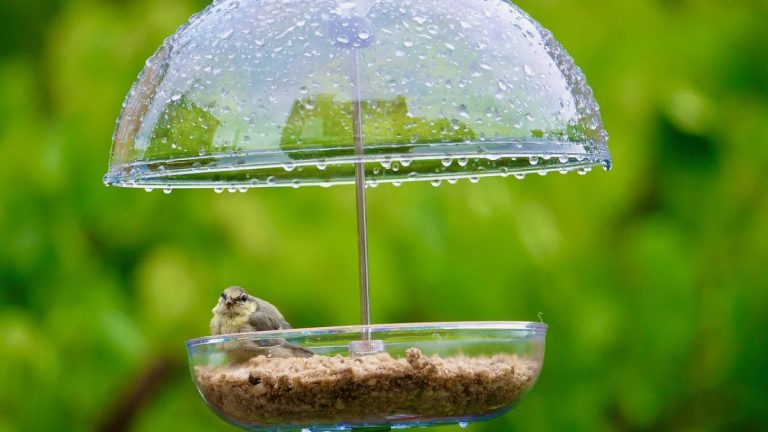
Songbirds, such as sparrows, finches, and chickadees, are small and often opportunistic feeders. They may show interest in tiny pieces of plain pancake, especially if seeds or safe fruits are mixed in. These birds have delicate digestive systems, so only small, occasional treats should be offered.
Songbirds are naturally adapted to a diet of seeds, berries, and insects. A small piece of pancake without sugar, chocolate, or butter can provide curiosity-driven enrichment but should not replace their primary diet. They often peck at soft food and discard anything they cannot swallow safely. Observing their feeding behavior helps you ensure they are consuming safe portions.
During winter, when natural seeds and berries are scarce, songbirds may approach human-provided food more readily. Offering plain, small pieces of pancake with safe fruit mimics a natural energy boost without overloading their system. Even so, you should keep portions tiny and infrequent to avoid dependency.
Their interest in pancakes often depends on presentation. Crumbling pancakes into bite-sized pieces on a clean surface or shallow feeder encourages foraging-like behavior, which is beneficial for mental stimulation. By carefully monitoring portion size, you can allow songbirds to explore this occasional treat safely.
Crows and Jays
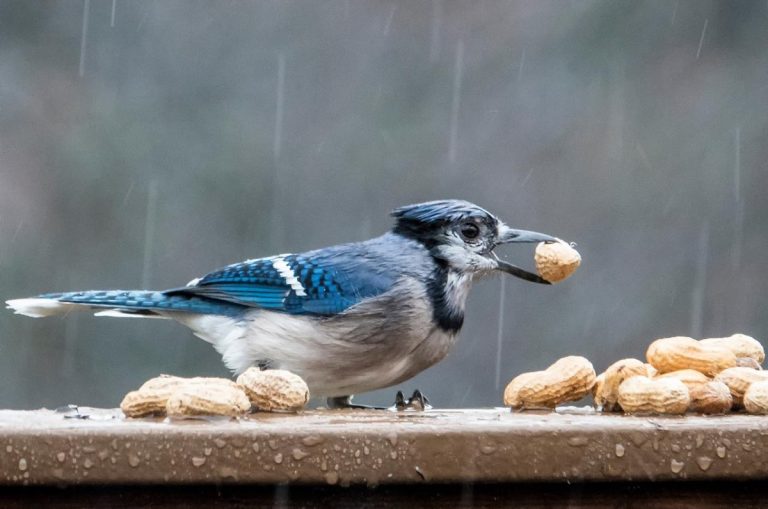
Crows, blue jays, and related species are larger and highly opportunistic. These birds are intelligent and curious, often exploring human foods for easy calories. They may be more willing than smaller birds to peck at pancake pieces, but care must still be taken to ensure ingredients are safe.
Crows and jays have strong digestive systems compared to smaller birds, allowing them to handle small amounts of plain pancake more easily. They can break apart larger pieces and consume them gradually, making them better suited for occasional pancake treats. However, you should avoid sugary syrups, chocolate, or heavily salted butter, as these can be toxic even for these larger species.
These birds are highly adaptable and may quickly recognize feeding spots. Offering plain pancakes with seeds or unsweetened fruit pieces encourages safe interest. Their natural diet includes nuts, grains, and insects, so pancake additions should complement rather than replace these foods. Observing their consumption can also provide insights into their intelligence and social behaviors, as crows often share or cache food.
Even for these larger species, moderation is key. Regularly feeding pancakes can encourage reliance on human foods, reducing natural foraging skills. Occasional, small, safe portions help maintain a balance between curiosity and healthy dietary habits.
Ducks and Other Waterfowl
Some ducks and waterfowl may show interest in pancakes, particularly if they are plain and broken into small pieces. They are naturally omnivorous, consuming grains, seeds, and aquatic vegetation, so soft pancake pieces may appeal to them. However, caution is required to prevent overfeeding and water contamination.
Pancakes offered to ducks should avoid sugar, salt, chocolate, or artificial additives. Small, plain pieces can be tossed on the ground or water edge, encouraging natural pecking behavior. Waterfowl are efficient eaters, so closely monitoring portions ensures that all birds consume safely without leftovers attracting pests or bacteria.
These birds may benefit slightly from plain pancake crumbs as an energy boost in cold weather when natural food is scarce. However, pancakes should never replace grains, seeds, or other natural foods essential for duck health. Providing supplemental grains alongside safe pancake pieces helps maintain a balanced diet.
Introducing pancakes to waterfowl also provides an opportunity to observe social interactions. Ducks often compete for food and demonstrate feeding hierarchies, which can be safely managed by offering small, dispersed portions. Careful observation ensures that no bird consumes unsafe ingredients, protecting their long-term health.
Backyard Birds
Other backyard birds, including doves, pigeons, and sparrows, may occasionally try pancakes if they detect crumbs on a feeder or platform. Their natural diets are varied, and they often consume grains, seeds, and small fruits, making small, plain pancake pieces a safe curiosity treat.
These birds tend to approach food cautiously, pecking at tiny pieces to test safety. Their interest usually spikes when natural food is limited, such as during winter months. Safe additions like small fruit pieces or seeds can enhance interest without introducing harmful ingredients.
Backyard birds are excellent candidates for supervised feeding. Observing their behavior helps you gauge which species can tolerate small pancake portions. Crumbling pancakes into small, manageable bits ensures safe consumption and encourages natural foraging-like behavior. Regular monitoring prevents overfeeding and maintains healthy, independent feeding patterns.
By focusing on the birds most likely to consume pancakes safely and ensuring all ingredients are plain and additive-free, you can provide an occasional treat that engages birds without risking their health or natural dietary balance.
Potential Risks of Feeding Pancakes
Feeding pancakes to birds may seem harmless, but there are several potential risks to consider. Birds have delicate digestive systems, and many pancake ingredients are unsuitable or even dangerous. Understanding these risks helps ensure that any interaction with wild birds remains safe and does not harm their health or natural behavior.
Digestive Issues
One of the main risks of feeding pancakes to birds is digestive problems. Pancakes are made with refined flour, sugar, and sometimes dairy, all of which birds are not naturally equipped to digest. Their digestive systems are adapted for seeds, fruits, insects, and other natural foods, not highly processed human foods.
Consuming pancakes can lead to stomach upset, diarrhea, or malabsorption of nutrients. Birds may feel full from pancake pieces but still be nutritionally deficient, which can affect their energy levels, feather growth, and overall health. Even small amounts of butter, oil, or sugar can disrupt digestion, especially in smaller species like songbirds.
Repetitive feeding of pancakes increases the risk of chronic digestive stress. Birds may develop an inability to process natural foods efficiently if their diet becomes reliant on human treats. Monitoring feeding and understanding digestive limitations is crucial to prevent long-term health issues.
By recognizing that pancakes are not naturally suited for birds, you can make safer choices about offering occasional treats and prioritize their natural diet.
Obesity and Weight-Related Health Problems
Feeding pancakes can contribute to obesity in birds, particularly in smaller species that consume calorie-dense ingredients. Pancakes contain sugars, fats, and carbohydrates that are far more concentrated than birds’ normal diet. Over time, this can lead to unhealthy weight gain, reduced mobility, and strain on internal organs.
Obesity in birds increases the risk of heart and liver problems. Birds may appear lethargic and become less capable of hunting or foraging for natural food. The imbalance caused by regular feeding of human treats can also interfere with their breeding and migratory behavior.
Even occasional indulgence may pose a risk if pancakes are sweetened or contain butter, syrups, or chocolate. Larger birds, like crows or jays, are slightly more resilient but are not immune to long-term effects. Observing portion control and ingredient safety is essential to prevent weight-related health issues in backyard birds.
Understanding the link between calorie-dense human foods and bird obesity highlights why pancakes should never replace natural diets. Limiting exposure ensures birds remain healthy and active.
Toxic Ingredients
Certain pancake ingredients are outright toxic to birds. Chocolate, artificial sweeteners, syrups, and excessive salt can harm or even kill birds. Chocolate contains theobromine, which birds cannot metabolize safely, leading to heart and nervous system complications. Artificial sweeteners can disrupt metabolism, and salt affects kidney function.
Even small amounts of these ingredients can be dangerous. Birds are curious and may consume more than intended, increasing the risk of poisoning. Syrups and sugar, while not immediately toxic, can cause long-term metabolic issues and attract bacteria, which may lead to infections or digestive disturbances.
Monitoring ingredients is critical to prevent accidental poisoning. Only plain, additive-free pancake pieces should ever be considered, and even then, portion control is essential. Awareness of toxic components ensures that you avoid causing harm while still enjoying the experience of feeding birds safely.
Behavioral Changes and Dependency
Feeding pancakes can also lead to behavioral changes in birds. They may become overly reliant on humans for food, losing their natural foraging instincts. Birds may congregate unnaturally around feeding areas, which can lead to territorial disputes, aggressive behavior, or even increased predation risk.
Dependency on human foods can reduce survival skills in the wild. Birds accustomed to calorie-dense treats may ignore natural foods, leaving them vulnerable if humans are not consistently available. Over time, this can negatively impact local populations, especially during breeding or migration periods.
Ensuring that feeding remains occasional and supplementing only with safe ingredients prevents dependency. Encouraging natural foraging behavior while minimizing human food exposure maintains healthy, self-sufficient bird populations.
Frequently Asked Questions
Can Birds Eat Pancakes Safely?
You should know that birds can nibble on plain, small pieces of pancake occasionally, but safety depends on the ingredients. Pancakes with sugar, butter, syrup, chocolate, or salt are harmful and can cause digestive or metabolic problems.
When offering pancakes, it’s best to serve them plain, unprocessed, and in tiny portions. Birds can explore these occasional treats without replacing their natural diet of seeds, insects, and fruits. Moderation is key to ensuring their digestive system is not overloaded or affected by unhealthy additives.
What Ingredients in Pancakes Are Dangerous For Birds?
He needs to be aware that sugar, chocolate, syrup, salt, butter, and artificial flavorings are unsafe for birds. These ingredients can lead to digestive problems, obesity, or even toxicity depending on the bird’s size and species.
Even small amounts of chocolate or artificial sweeteners can cause severe reactions. Birds have delicate digestive systems and cannot process processed human foods effectively. Avoiding harmful additives is essential for safe feeding practices, ensuring that any occasional pancake pieces do not harm their health or natural feeding habits.
Which Bird Species Might Eat Pancakes?
You may notice that smaller songbirds like sparrows, finches, and chickadees, as well as larger birds such as crows, blue jays, or pigeons, may show interest in pancake pieces. Ducks and backyard birds might also try tiny crumbs near feeding areas.
Opportunistic species are more likely to sample human foods out of curiosity, especially when natural food is scarce. However, their ability to safely digest pancakes depends on size and ingredient content. Offering plain pieces ensures that even these adventurous species avoid harmful additives.
How Often Can I Feed Pancakes To Birds?
She should only offer pancakes very occasionally, such as a once-in-a-while treat. Regular feeding of human foods can interfere with natural foraging habits and nutritional balance.
Even safe, plain pancake portions should not replace seeds, fruits, insects, or grains. Birds may become dependent on human treats if fed too frequently, which can reduce survival skills and increase health risks. Keeping pancake feeding rare maintains both curiosity and healthy natural behavior.
Are There Any Nutritional Benefits For Birds Eating Pancakes?
You should understand that pancakes have minimal nutritional benefits for birds. Plain pancakes may offer some energy through carbohydrates, but they lack the protein, fats, and vitamins birds need from natural foods.
Adding safe ingredients like tiny pieces of unsweetened fruit or seeds can improve nutritional value slightly. However, pancakes should be treated strictly as a novelty, not a dietary supplement. Relying on them for nutrition is ineffective and potentially harmful.
What Is The Best Way To Feed Pancakes To Birds?
He should prepare pancakes specifically for birds by keeping them plain, additive-free, and cutting them into very small, manageable pieces. Avoid butter, syrup, sugar, chocolate, or salt entirely.
Place pieces on a clean platform, shallow dish, or feeder to mimic natural foraging. Monitor the birds while they eat to prevent overeating and ensure smaller species can safely consume the pieces. This approach minimizes health risks while allowing birds to enjoy the occasional curiosity treat safely.
Final Thoughts
Feeding birds human foods can be tempting, but it’s important to understand the effects on their health. Pancakes, especially those with added sugar, chocolate, or syrup, can pose significant risks to birds’ digestive systems and overall well-being. Even small amounts offered occasionally should be given with caution and careful consideration.
When considering whether to share breakfast treats, understanding the nutritional content is crucial. Ingredients like butter, refined flour, and sweeteners are not naturally part of a bird’s diet and can lead to obesity, digestive issues, or even more serious health problems. Observing birds’ reactions and choosing safer alternatives helps ensure their diet remains balanced and suitable for their species.
By exploring the question of can birds eat pancakes, it becomes clear that moderation and knowledge are key. Opting for seeds, grains, and fruit-based treats is a safer approach, allowing you to enjoy feeding wild birds while protecting their health and promoting long-term survival.