Can Birds Eat Cake? What You Should Know About Feeding Birds
Birds are curious creatures, often investigating the foods humans eat and exploring new tastes. Observing them peck at crumbs or leftover treats can be entertaining, but not every human food is safe for their delicate digestive systems. Understanding which foods support their health and which may harm them is essential for responsible feeding.
Sweet treats like cake may seem harmless in small amounts, but the ingredients commonly used in baked goods can pose risks to birds. Sugar, chocolate, artificial flavorings, and certain dairy products can lead to digestive upset, toxicity, or long-term health issues in these sensitive animals.
Knowing how birds metabolize food differently from humans helps explain why some seemingly innocent foods can be dangerous. Nutritional needs vary widely between species, and offering inappropriate foods can disrupt their natural diet and well-being.
Exploring whether birds can safely eat cake provides insight into safe feeding practices and highlights the importance of offering appropriate treats that support their overall health.
Ingredients in Cake and Their Effects on Birds
Cakes are made from a variety of ingredients that create rich flavors and textures for human enjoyment. However, many of these components can be harmful to birds. Understanding how each ingredient affects avian health is essential for ensuring safe feeding practices and preventing accidental poisoning or nutritional imbalance.
Sugar and Sweeteners
Sugar is a primary component of most cakes, providing sweetness and structure. For birds, high sugar content can be harmful. Birds metabolize sugars differently than humans, and excessive consumption may lead to obesity, liver problems, and digestive issues.
Artificial sweeteners, often found in low-calorie cakes, can also pose risks. Some sweeteners may interfere with normal metabolism or cause gastrointestinal discomfort. Even small amounts of sugary cake can upset a bird’s natural diet, which is typically high in fiber and low in refined sugars. Limiting exposure to sweet treats is crucial to maintaining their overall health and energy balance.
Chocolate and Cocoa
Chocolate is toxic to birds due to compounds like theobromine and caffeine. Even small quantities can lead to vomiting, diarrhea, seizures, or cardiac issues. Dark chocolate and baking cocoa are particularly dangerous because of higher concentrations of these compounds.
Birds lack the enzymes necessary to safely metabolize theobromine and caffeine. Any ingestion requires immediate observation for symptoms of poisoning. Chocolate in cake represents one of the most significant risks, making cakes containing chocolate strictly unsafe for birds. Understanding this helps prevent accidental exposure and ensures safer feeding environments.
Dairy Ingredients
Cakes often contain milk, butter, or cream. Birds are generally lactose intolerant, as their digestive systems cannot efficiently process dairy products. Consuming these ingredients can cause diarrhea, digestive upset, and dehydration, especially in smaller bird species.
Butter and cream are also high in fat, which can disrupt a bird’s normal diet and contribute to obesity over time. While dairy is a staple for humans, it is unnecessary and potentially harmful for birds, making cakes with these ingredients unsuitable for consumption by avian visitors.
Eggs and Baked Goods
Eggs are common in cakes and provide structure and protein. While cooked eggs in moderation are generally safe for birds, in the context of sweet cakes, they are mixed with sugar, chocolate, and fats, which negates any potential nutritional benefit.
Baked goods may also contain preservatives, artificial flavorings, and additives that birds cannot process safely. The combination of sugar, fat, and artificial ingredients makes most cakes inappropriate for bird consumption. Even small crumbs can be problematic if birds consume them regularly.
Nuts, Fruits, and Flavorings
Some cakes contain nuts, dried fruits, or flavorings like vanilla or almond extract. Nuts may be safe for certain bird species in small amounts but can pose choking hazards or be high in salt when processed. Dried fruits often contain added sugar, and flavor extracts can contain alcohol or artificial compounds toxic to birds.
Careful consideration is necessary before offering any human food. While some ingredients could theoretically be safe individually, the combination in cakes creates a product that is unsuitable for birds. Recognizing these risks helps ensure responsible feeding practices.
Cakes contain multiple ingredients that can negatively affect birds, including sugar, chocolate, dairy, and artificial additives. Understanding the specific risks of each component allows bird owners and enthusiasts to prevent accidental harm and maintain a diet that supports avian health and well-being.
Safe Treat Alternatives for Birds
Offering treats to birds can be a rewarding way to engage with them and provide enrichment. While human foods like cake are unsafe, there are many nutritious and bird-friendly alternatives. Providing safe treats supports their health, encourages natural foraging behaviors, and strengthens the bond between birds and their caregivers.
Fresh Fruits and Vegetables
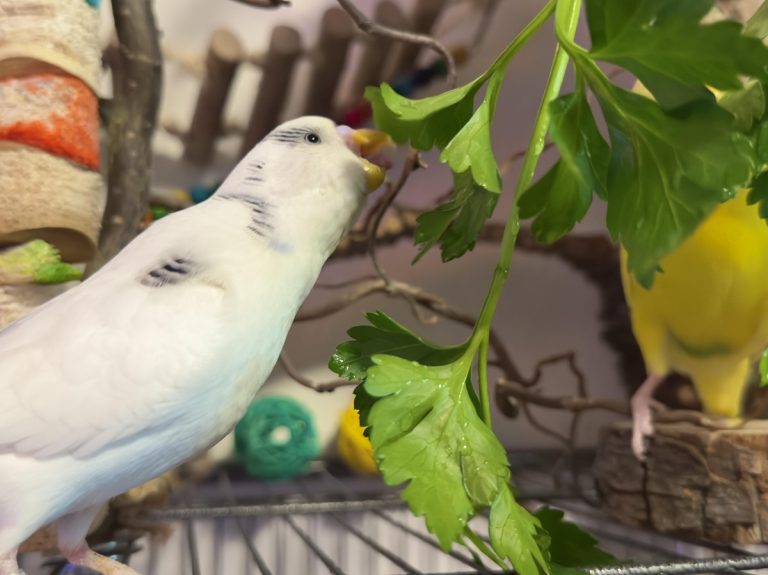
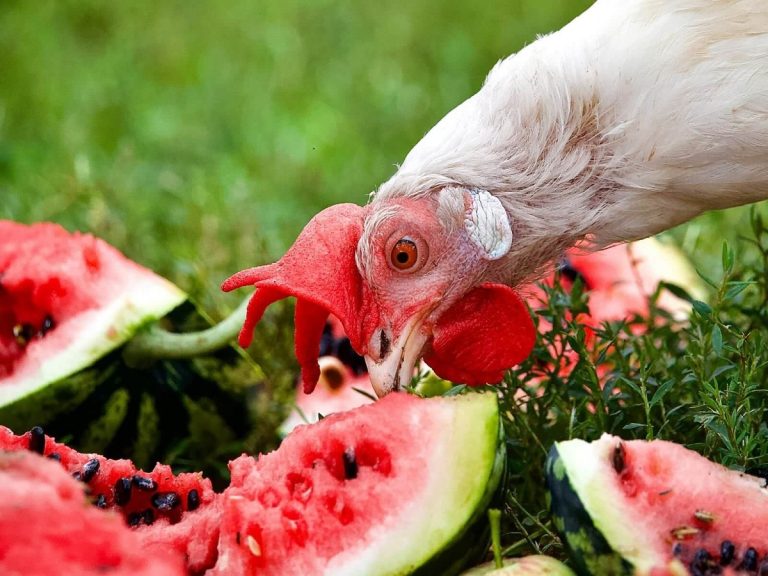
Fresh fruits and vegetables are excellent, healthy treats for most bird species. Apples, berries, grapes, carrots, and leafy greens provide essential vitamins, minerals, and fiber. They also encourage natural foraging behavior, which stimulates both physical and mental activity.
Avoid giving fruits with seeds that are toxic, such as apple seeds or pits from cherries and peaches. Wash produce thoroughly to remove pesticides and chemicals. Offering a variety of colorful fruits and vegetables keeps their diet interesting and nutritionally balanced, while providing a safe, low-fat, and sugar-conscious alternative to baked goods.
Unsalted Nuts and Seeds
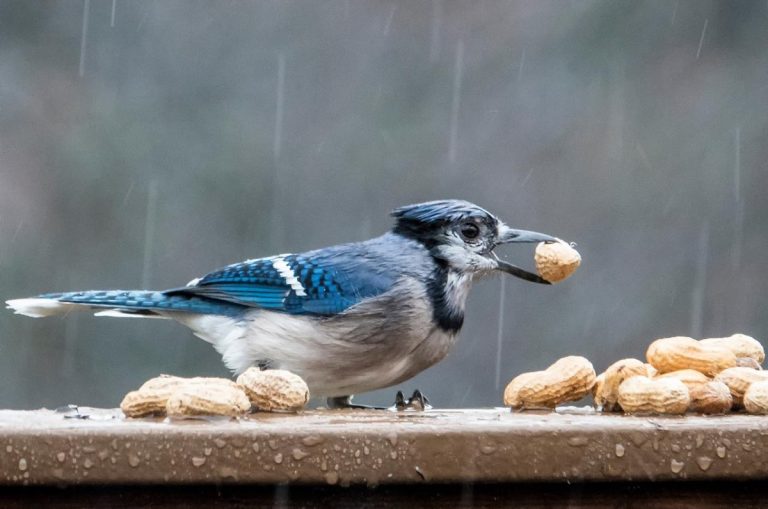
Nuts and seeds are high in protein and healthy fats, making them suitable occasional treats. Almonds, walnuts, sunflower seeds, and pumpkin seeds are popular choices for many bird species.
Always ensure nuts are unsalted and unseasoned, as added salt or flavorings can be harmful. Moderation is key, as nuts are calorie-dense and overfeeding can lead to obesity. Providing nuts and seeds in small portions or as part of enrichment activities, such as hiding them in toys, encourages natural foraging behavior and keeps birds engaged while maintaining a safe diet.
Cooked Whole Grains and Legumes
Cooked grains like rice, quinoa, or oats, and legumes such as lentils and peas, are safe and nutritious options for birds. These foods provide essential carbohydrates, fiber, and protein to support energy levels and overall health.
Ensure grains and legumes are fully cooked without added salt, sugar, or spices. Offering these in small quantities can supplement their regular diet and provide variety. Mixing grains with fruits or vegetables can create a balanced, engaging treat that encourages natural exploration and feeding behaviors.
Bird-Specific Treats
Commercially available bird treats formulated for specific species are designed with safe ingredients, nutritional balance, and appropriate portion sizes. These treats often come in pellets, dried fruits, or seed blends and can be used for training or enrichment.
Choosing products labeled as bird-safe ensures the absence of harmful additives like chocolate, sugar, or artificial flavorings. Rotating different treat types maintains variety and prevents boredom while reinforcing healthy eating habits.
Safe alternatives provide birds with enjoyable and nutritious options without exposing them to the risks associated with human foods like cake. Fresh produce, unsalted nuts, cooked grains, and bird-specific treats all contribute to a balanced, enriching diet that supports long-term health and well-being.
Observing Bird Behavior Around Food
Birds exhibit fascinating behaviors around food that reflect their instincts, social structures, and survival strategies. Watching how birds interact with feeding areas can provide insight into their needs, preferences, and communication methods. Understanding these behaviors helps bird enthusiasts create safer, more engaging environments while fostering a deeper connection with wildlife.
Foraging and Feeding Patterns
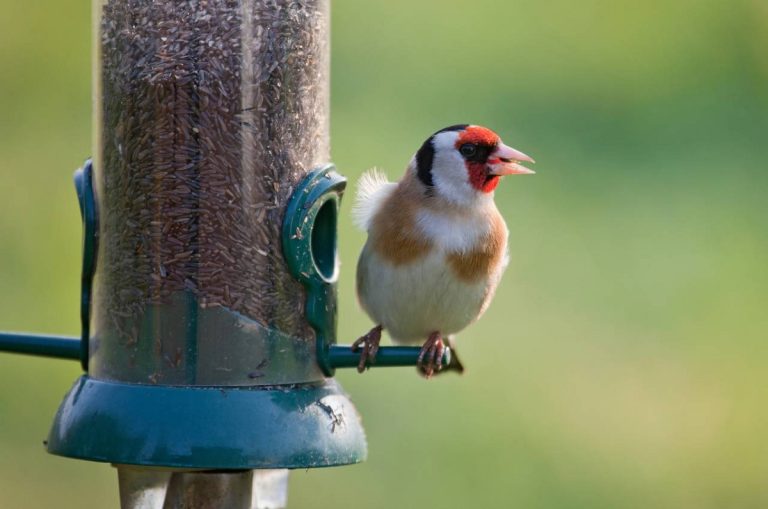
Birds display natural foraging behavior when accessing food, whether at feeders, birdbaths, or scattered treats. They often inspect items carefully, pecking, hopping, or manipulating food with their beaks. Some species exhibit preference for certain foods, highlighting their dietary needs and taste preferences.
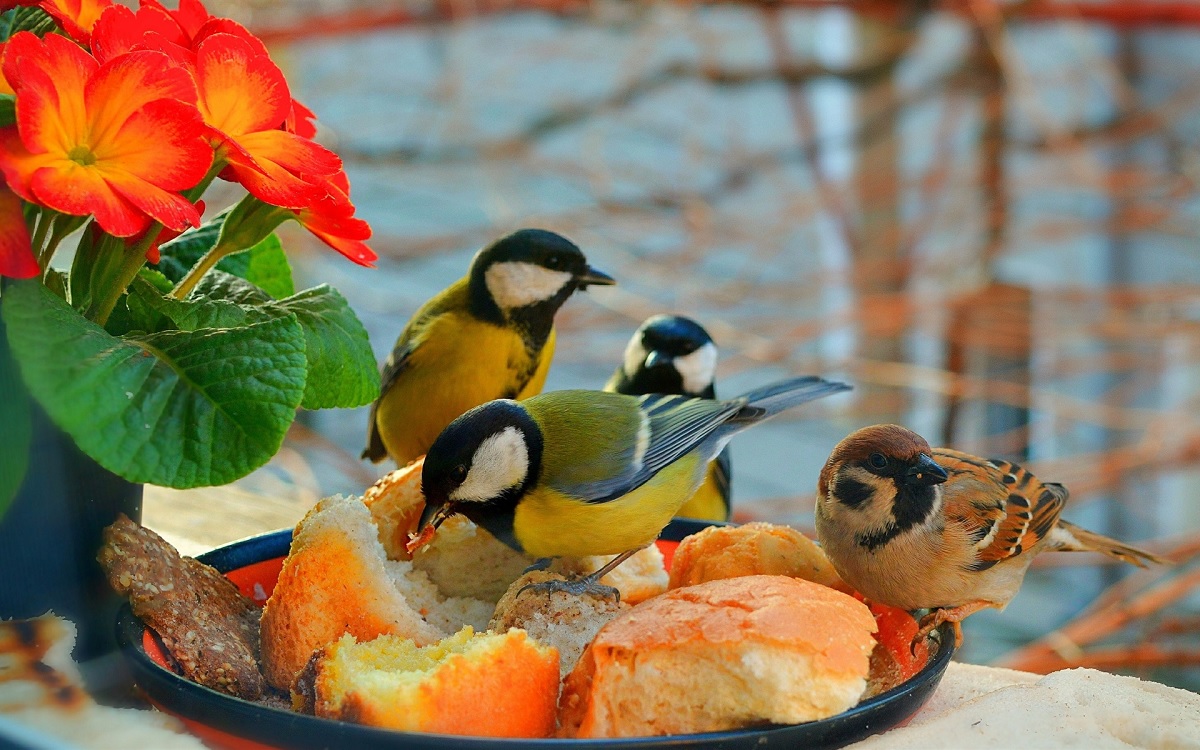
Observation of these patterns reveals insights into feeding efficiency and nutritional priorities. For example, larger birds may dominate feeding areas, while smaller species take turns or feed during quieter periods. Studying these interactions can help you arrange feeders or food placements to accommodate multiple species and reduce competition, ensuring a balanced and harmonious feeding environment.
Social Interactions During Feeding
Feeding time often highlights social dynamics among birds. Some species are highly territorial and may chase others away, while others feed cooperatively in flocks. Vocalizations, posturing, and spacing are part of their communication, signaling dominance, submission, or readiness to share resources.
Understanding these behaviors allows you to predict interactions and create feeding setups that minimize stress and conflict. Providing multiple feeding stations or separating different types of food can help prevent aggressive encounters while supporting natural social structures. Careful observation fosters both safety and enrichment for visiting birds.
Learning and Adaptation
Birds are intelligent and quickly adapt to new food sources. They learn from experience which foods are safe and rewarding, often returning to consistent feeding areas. Juvenile birds observe older individuals, learning foraging techniques and social cues, which are critical for survival.
Watching these learning processes can be both educational and rewarding. Adjusting feeding routines or introducing new foods gradually ensures birds adapt safely, reinforcing positive behaviors while promoting exploration and natural instincts. This helps create a dynamic environment that engages their cognitive and physical skills.
Observing bird behavior around food offers valuable insight into feeding preferences, social interactions, and learning patterns. By paying close attention, you can create a safe, enriching, and engaging space that supports their natural instincts and overall well-being.
People Also Asked
Can Birds Eat Cake Safely?
You should avoid giving birds cake as a regular treat. Most cakes contain sugar, butter, and sometimes chocolate, which can be harmful to birds. While a tiny crumb might not cause immediate harm, repeated feeding can lead to obesity, digestive problems, and other health issues.
He or she should always prioritize natural bird foods like seeds, fruits, and vegetables. If you want to offer a treat, stick to bird-safe options. Remember, cake is not nutritionally suitable and can upset their delicate system.
What Ingredients in Cake Are Harmful to Birds?
Certain ingredients in cake can be toxic or unhealthy for birds. Chocolate, especially dark chocolate, contains theobromine, which is highly poisonous to birds. Excess sugar, artificial flavors, and rich dairy products can also cause digestive upset, obesity, or even organ damage over time.
You should carefully check what’s in any cake before even considering feeding a small piece. Even frosting or sprinkles may contain artificial dyes or high sugar content that can be dangerous. Prioritizing bird-friendly snacks is always the safer choice.
Can Birds Eat Cake Occasionally as a Treat?
While it might seem harmless to give a bird a tiny crumb occasionally, it is not recommended. Even small amounts of sugar or chocolate can accumulate and cause long-term health issues. Birds have sensitive digestive systems, and processed human foods are not designed for them.
He or she might be curious about unusual foods, but it’s better to offer fresh fruits, seeds, or nuts instead. Occasional crumbs do not provide nutrition and can become a habit that affects the bird’s health.
What Are Safe Alternatives to Cake for Birds?
If you want to treat birds, focus on options they can safely digest. Fresh fruits like apples, bananas, and berries, or vegetables like carrots and peas, are excellent. Small amounts of unsalted nuts or seeds can also be used as treats.
You can also make simple bird-friendly “cakes” using oats, seeds, and dried fruit. These alternatives provide nutrition and satisfy their curiosity for new flavors without the risks associated with processed human desserts.
How Can Cake Affect a Bird’s Health?
Feeding cake to birds can lead to several health problems. Excess sugar may result in obesity or liver disease, while chocolate can cause heart problems, seizures, or even death. Butter and other fats can also lead to digestive issues.
You should consider that birds rely on specific nutrients to maintain their health. Regularly feeding them human desserts can disrupt their diet and make them vulnerable to illness. Sticking to bird-safe foods ensures longevity and vitality.
Is It Safe to Share Cake With Baby Birds?
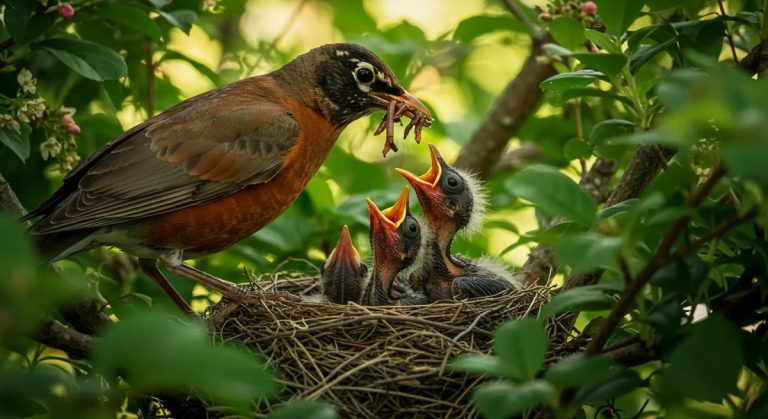
You should never feed cake to baby birds. Their digestive systems are extremely sensitive, and any processed human food can lead to malnutrition, diarrhea, or even fatal consequences. Baby birds require specially formulated diets or regurgitated food from parents.
He or she must be given foods rich in protein and vitamins, like insects or specialized bird formula. Introducing cake or sugary foods at this stage can cause long-term developmental problems and weaken their immune system. Always stick to safe feeding practices for young birds.
Final Words
Feeding birds requires careful consideration of their unique dietary needs. While birds may be curious about human food, not everything we enjoy is safe for them. Many cakes contain sugar, chocolate, dairy, or artificial additives, which can cause digestive issues, toxicity, or long-term health problems in birds.
Understanding the risks helps prevent accidental harm. Even a small piece of cake can upset a bird’s digestive system or lead to nutritional imbalance if offered frequently. Observing their reactions to new foods is important, and any signs of distress should prompt immediate removal of unsafe items and monitoring for health issues.
Offering safe alternatives like fruits, seeds, or specially prepared bird treats ensures your feathered friends can enjoy occasional snacks without risk. Knowing whether can birds eat cake helps you make informed decisions, protecting their health while fostering a safe and enjoyable environment for backyard birdwatching.