Is There a Bird That Never Lands: Amazing Facts About Continuous Fliers
Birds are among the most fascinating creatures on Earth, exhibiting incredible adaptations for survival and flight. Some species are capable of extraordinary feats, gliding across oceans, diving at high speeds, or migrating thousands of miles without rest. Among these aerial wonders, a particularly intriguing question arises about their behavior and endurance.
Exploring this curiosity leads us to wonder, is there a bird that never lands? Observing birds in their natural habitat reveals that most species alternate between flying, perching, and resting. Yet, certain birds have evolved remarkable flight capabilities that allow them to stay airborne for days, weeks, or even months. Their physiology, including wing structure, energy efficiency, and sleep adaptations, enables them to thrive almost entirely in the air.
Understanding these unique adaptations provides insight into the limits of avian endurance and the incredible diversity of bird behavior. Studying birds that spend the majority of their lives in flight highlights nature’s ingenuity.
Birds That Never Land
Some bird species have developed extraordinary adaptations that allow them to remain airborne for astonishing lengths of time. These birds are capable of spending weeks or even months in flight without touching the ground. Their specialized physiology, energy efficiency, and behavior make them some of the most remarkable fliers in the avian world. Studying these birds helps us understand how evolution enables extreme endurance and survival strategies.
The Common Swift
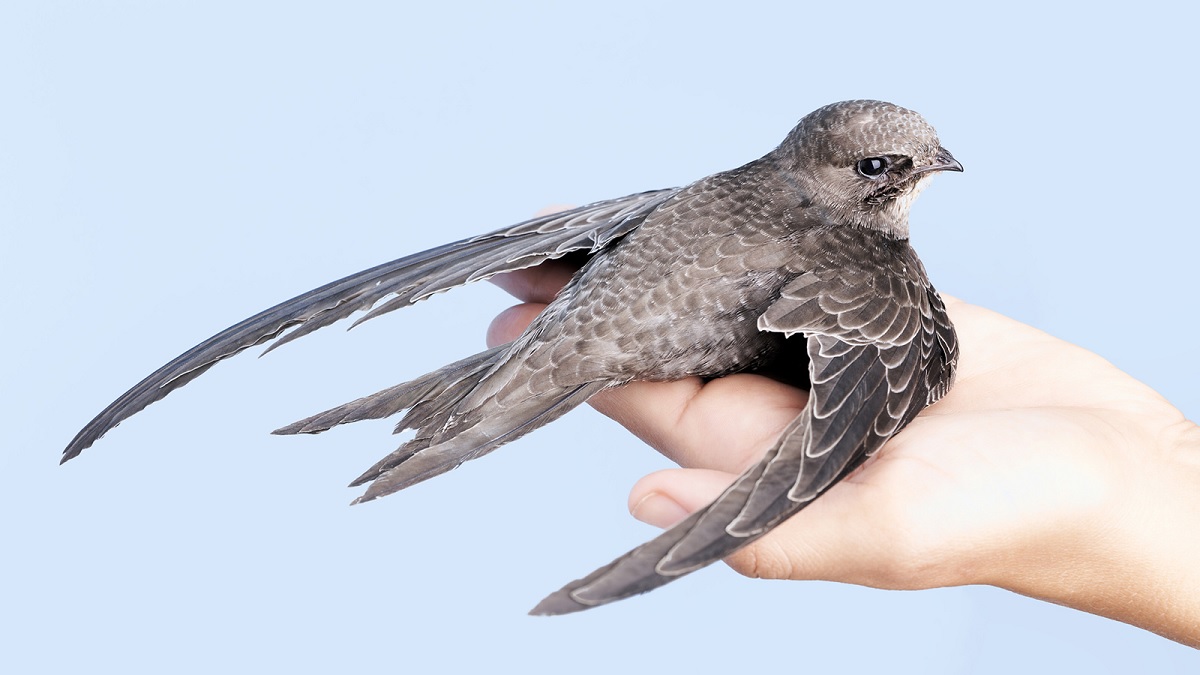
The common swift is one of the most well-known birds capable of near-constant flight. This small, sleek bird spends almost its entire life in the air, only landing to breed. Its long, narrow wings and streamlined body allow it to glide effortlessly, conserving energy over long distances. Common swifts are also incredibly fast fliers, capable of covering hundreds of miles without rest.
Swifts feed while flying, catching insects mid-air, which provides them with the necessary energy to sustain long periods of flight. They even sleep on the wing, entering a state of unihemispheric slow-wave sleep, where one half of the brain rests while the other remains active for navigation and predator awareness. This adaptation allows them to remain airborne for months during migration.
During their breeding season, common swifts return to cliffs, chimneys, or tall buildings to nest. Outside this period, they rarely land, continuously gliding and foraging over cities, forests, and open landscapes. Their ability to remain almost entirely in the air makes them a prime example of a bird that never lands for extended periods.
Swifts’ life in the air highlights the importance of aerodynamic efficiency, energy conservation, and specialized feeding strategies. They demonstrate that constant flight is sustainable when combined with biological adaptations and careful energy management, showcasing the limits of avian endurance.
The Alpine Swift
The alpine swift is another remarkable species known for extreme aerial endurance. Similar in shape to the common swift, this bird can remain airborne for months, feeding, drinking, and even sleeping while flying. Alpine swifts are known to migrate long distances across continents, relying on their powerful wings and aerodynamic form to travel efficiently.
Unlike many birds, alpine swifts rarely perch outside of the breeding season. Their diet consists primarily of flying insects, which they capture mid-flight, allowing them to sustain energy without landing. They also utilize thermal currents to glide effortlessly, conserving energy over long distances and extreme altitudes.
During migration, these birds can cross hundreds of kilometers without touching the ground. Their endurance is supported by physiological adaptations, including lightweight bones, efficient respiratory systems, and the ability to perform unihemispheric sleep. This allows them to navigate, forage, and rest simultaneously, staying aloft almost continuously.
Alpine swifts exemplify how natural selection has created birds capable of extraordinary flight endurance. Their constant movement, reliance on aerial feeding, and energy-efficient gliding make them a key species for understanding long-duration flight in the avian world.
How These Birds Survive Without Landing
The ability to remain airborne for extended periods requires a combination of behavioral, physiological, and anatomical adaptations. Birds that never land have evolved lightweight bodies, long wings for efficient gliding, and strong flight muscles to maintain endurance. Feeding while flying is essential, with many species consuming insects or airborne plankton to sustain energy.
Sleep adaptations, such as unihemispheric slow-wave sleep, allow these birds to rest one half of their brain while the other half monitors navigation and predators. This unique form of rest is critical for species that spend months in flight. Additionally, these birds take advantage of wind currents and thermals, reducing the energy required to stay aloft.
By combining these adaptations, birds like the common swift and alpine swift demonstrate that extended flight is not only possible but sustainable. Their ability to remain airborne highlights the remarkable flexibility of avian evolution and shows how specialized behaviors can push the boundaries of survival in the wild.
Notable Species That Rarely Land
While many birds spend a significant portion of their lives perched, some species have evolved to remain airborne for extended periods. These birds are remarkable examples of endurance and adaptation, surviving and thriving with minimal need to touch the ground. Studying these species highlights the incredible ways nature equips animals for flight-based lifestyles and extreme energy efficiency.
Common Swift
The common swift is one of the most extraordinary birds known for continuous flight. This species can remain airborne for up to ten months without landing, only returning to nest during the breeding season. Their long, narrow wings and streamlined bodies are optimized for gliding, allowing them to conserve energy while traveling vast distances.
Common swifts feed entirely on airborne insects, which they capture while in flight. They also sleep on the wing using unihemispheric slow-wave sleep, enabling one half of their brain to rest while the other remains alert for navigation and predator awareness. This remarkable adaptation allows them to maintain continuous flight for months, even across migration routes spanning thousands of kilometers.
During the breeding season, common swifts return to chimneys, cliffs, or tall buildings to lay eggs and raise chicks. Outside of this period, they are almost never grounded, spending their lives soaring over cities, forests, and open landscapes. Their remarkable endurance demonstrates how evolution has optimized their physiology for sustained flight.
By relying on aerodynamic efficiency, energy conservation, and aerial feeding, common swifts set the benchmark for birds that rarely land. Observing their behavior provides insight into the extreme limits of avian flight and endurance.
Alpine Swift
Alpine swifts are another species renowned for exceptional flight endurance. Similar in appearance to the common swift, these birds can remain airborne for several months without landing, feeding, drinking, and even resting while in flight. They are expert gliders, using thermal currents to maintain altitude with minimal energy expenditure.
Alpine swifts feed on insects, capturing them mid-air and sustaining themselves entirely through aerial hunting. They rarely perch outside the breeding season, relying on their lightweight bodies, long wings, and strong flight muscles to stay aloft. During migration, they cover enormous distances across continents without stopping, showcasing extraordinary stamina.
Their physiological adaptations, including efficient respiratory systems and unihemispheric sleep, allow them to rest while maintaining flight control and predator awareness. These abilities are critical for surviving long journeys and periods of continuous flight. Alpine swifts exemplify how behavioral, anatomical, and physiological traits combine to enable extreme aerial lifestyles.
The reliance on constant flight for feeding, migration, and energy conservation makes alpine swifts one of the most notable species that rarely land. Their endurance demonstrates the potential for birds to live nearly entirely in the air, redefining what is possible in avian behavior.
Black Swift
The black swift is a lesser-known species that spends most of its life airborne. Found in North and Central America, this bird is adapted for high-altitude flight and rarely lands except for breeding purposes. Its long, pointed wings and lightweight body allow for effortless gliding and sustained aerial hunting.
Black swifts feed exclusively on flying insects, capturing them mid-flight and rarely returning to the ground for food. Their nesting sites are often located on remote cliffs behind waterfalls or in inaccessible locations, providing safety while limiting the need to perch. These nesting behaviors complement their aerial lifestyle, emphasizing a reliance on flight over ground activity.
During migration, black swifts demonstrate extreme endurance, staying in continuous flight for extended periods while covering thousands of kilometers. Their ability to maintain alertness and energy while airborne highlights their unique adaptations, including efficient metabolism and high oxygen utilization. Observing black swifts showcases how birds can thrive with minimal contact with the ground, relying on flight for survival and reproduction.
These species, including the common swift, alpine swift, and black swift, illustrate the incredible diversity of birds capable of rarely landing. Their aerial adaptations emphasize endurance, feeding efficiency, and evolutionary specialization, offering a remarkable glimpse into the possibilities of flight-based lifestyles.
How Birds Manage Food and Water in Flight
Birds that spend extended periods in the air face unique challenges when it comes to obtaining food and water. Unlike most birds that can perch, forage, and drink on the ground, these airborne species must consume nutrients and stay hydrated while remaining aloft. Understanding their adaptations reveals the extraordinary strategies that allow them to survive and thrive in a nearly continuous flight lifestyle.
Aerial Feeding Strategies
Birds that rarely land, such as swifts, have developed remarkable aerial feeding strategies. They primarily consume flying insects, which provide essential proteins, fats, and energy required for long-duration flight. Using wide mouths and agile maneuvering, these birds can catch insects mid-air with incredible precision.
Feeding while flying also requires efficient energy use. Birds glide between hunting maneuvers to conserve stamina, and their keen vision allows them to spot prey from a distance. Some species can travel for hours without eating by storing energy in the form of fat, which fuels continuous flight until more food becomes available.
This method of aerial foraging allows birds to maintain energy balance without ever needing to land. It also minimizes predation risk, as staying airborne reduces exposure to ground-based predators. The combination of agile flight, precise hunting, and energy storage ensures they can feed effectively while in motion.
Hydration in the Air
Maintaining hydration during long flights is another critical challenge. Birds like the common swift can drink while flying by skimming water surfaces or collecting droplets mid-air. They have adapted to catch rainwater or condensation directly into their mouths without slowing down, which ensures constant hydration during extended periods in the air.
Water-rich prey, such as insects, also contributes to hydration, reducing the need for dedicated water stops. Additionally, metabolic water produced during fat breakdown provides an internal source of moisture, further supporting long-term flight endurance. These adaptations collectively allow birds to stay hydrated without touching the ground, which is essential for survival during migration or continuous flight.
By combining aerial feeding and innovative hydration strategies, birds that rarely land manage to sustain their energy and fluid requirements in mid-air. These adaptations highlight the remarkable flexibility and efficiency of avian physiology.
Energy Conservation and Metabolism
Energy management is crucial for birds that remain airborne for weeks or months. They rely on fat stores as a high-energy fuel source and carefully balance caloric intake from insects or other aerial prey. Their lightweight bodies and aerodynamic wing design reduce energy expenditure, allowing them to glide efficiently between feeding bouts.
Sleep adaptations, such as unihemispheric slow-wave sleep, also contribute indirectly to energy conservation. By resting one hemisphere of the brain at a time, birds maintain flight control and continue foraging without expending additional energy from unnecessary stops.
These metabolic and behavioral adaptations ensure that birds meet their nutritional and hydration needs while minimizing physical strain. Understanding these strategies demonstrates how evolution has equipped them to manage the dual demands of food and water during near-constant flight.
Coordination Between Feeding and Migration
For migratory species, coordinating feeding and flight is essential. Birds may alter flight altitude, speed, or route to access insect swarms or water-rich environments. This careful planning ensures that energy intake matches expenditure, enabling them to cover thousands of kilometers without landing.
During long migrations, birds may also rely on stopover points where they can feed more intensively, storing fat to sustain further flight. The combination of aerial feeding, hydration strategies, and strategic migration planning highlights the complex coordination required for survival in birds that rarely land.
Nesting and Reproduction Strategies
Birds that rarely land face unique challenges when it comes to nesting and reproduction. Unlike most birds that perch regularly, these species must carefully select safe and secure locations for raising their young. Their reproductive strategies are closely tied to minimizing time on the ground while ensuring offspring survival. Studying these strategies provides insight into how extreme aerial lifestyles influence breeding behaviors and nesting choices.
Nesting Locations
Birds that spend most of their lives in flight, such as swifts, often choose inaccessible or elevated nesting sites. Common options include cliffs, chimneys, tall trees, and ledges, which provide protection from predators and harsh weather. By nesting in hard-to-reach locations, these birds reduce the risk of predation, ensuring a higher survival rate for their chicks.
Selecting elevated nesting sites also allows adult birds to minimize landing frequency. They may return to the same nesting spot each season, demonstrating strong site fidelity. The choice of location is critical, as it must support both safe egg incubation and chick development while accommodating a species’ aerial lifestyle.
Parents typically alternate incubation duties and foraging flights. The female incubates the eggs while the male provides food, often traveling long distances without resting on the ground. This cooperative effort ensures continuous protection for the eggs while maintaining adult energy levels.
Elevated nesting sites also protect chicks during their early development. By the time fledglings are ready to leave the nest, they are strong enough to undertake short flights and gradually adapt to near-constant flight patterns.
Egg and Chick Care
Eggs of birds that rarely land are often small relative to the size of the parents but are highly developed to support survival in isolated nesting environments. Incubation periods vary by species but require careful coordination between parents to maintain optimal temperature and protection.
Chick rearing is also adapted to limited landing opportunities. Adults bring food directly to the nest, usually small insects or other airborne prey, allowing chicks to develop without leaving the safety of their elevated site. Young birds rapidly develop flight muscles and coordination to prepare for extended periods in the air after fledging.
Parental investment is significant despite the parents’ aerial lifestyle. Frequent feeding trips and close monitoring ensure that chicks receive enough nourishment and protection from environmental hazards. The combination of high parental care and aerial adaptations allows successful reproduction despite minimal ground contact.
Reproductive Timing and Migration
Reproductive strategies are often synchronized with migration and seasonal resource availability. Birds that rarely land time their breeding season to coincide with periods of abundant aerial prey, ensuring that parents can feed themselves and their young efficiently.
Migration patterns also influence nesting choices. Some species travel long distances to reach breeding grounds with optimal nesting locations, returning to safer or resource-rich areas after fledging. Timing is critical, as arriving too early or late could impact food availability, climate conditions, and predator exposure.
Coordination between migration, nesting, and chick development illustrates the complexity of reproduction in species that spend most of their lives airborne. By aligning breeding with environmental cues and prey abundance, these birds maximize reproductive success while minimizing the risks associated with limited landing opportunities.
Adaptations for Aerial Reproduction
Some species exhibit additional adaptations to facilitate reproduction without frequent landing. For example, chicks develop stronger wings earlier than ground-perching species, preparing them for a near-continuous flight lifestyle. Nests are built with minimal materials but are strategically placed to provide stability and protection.
Parents also optimize flight paths during feeding to minimize energy expenditure while maintaining regular provisioning. This combination of physiological, behavioral, and environmental adaptations ensures that reproduction remains viable even in species highly specialized for aerial life.
People Also Asked
What Is The Bird That Never Lands?
The bird most famously known for staying airborne for months is the common swift. He can fly continuously without touching the ground, sometimes for up to ten months straight during migration. She spends almost all of her life in the air, feeding, sleeping, and even mating while flying. You will find that these incredible adaptations allow him to survive without needing to land for long periods, making him one of the most remarkable flyers in the bird world. Their wings and body structure are perfectly designed for nonstop flight.
How Do These Birds Sleep Without Landing?
Flying birds that rarely land, like the common swift, use a technique called unihemispheric slow-wave sleep. This means he can rest one half of his brain at a time while the other half remains active to control flight. She may glide or circle slowly while sleeping, ensuring continuous movement without hitting obstacles. You might be amazed to learn that even during rest, these birds maintain altitude and avoid predators. This unique adaptation allows them to survive extended periods in the air without needing to land for sleep.
How Do Birds That Never Land Eat And Drink?
Birds like the common swift feed on airborne insects and other small prey while flying. He catches food midair, using his wide gape to scoop insects efficiently. She drinks by skimming water surfaces as she flies over rivers or lakes. You can see that these behaviors eliminate the need to land for sustenance, supporting their extended flights. Continuous access to food and water in flight enables him to maintain energy levels necessary for months of nonstop flying.
Can All Birds Stay In The Air Without Landing?
No, not all birds have this capability. He is specially adapted, like the common swift or certain albatrosses, to remain airborne for long durations. She has a lightweight body, long wings, and the ability to sleep in flight. You will notice that most birds need to land regularly for rest, food, or nesting, making continuous flight impossible. The ability to stay aloft for months is extremely rare and only found in a few specialized species.
How Long Can A Bird Fly Without Landing?
Some species, like the common swift, can stay airborne for up to ten months during migration. He feeds, drinks, and even mates while in the air. She uses thermals and air currents to conserve energy, enabling such extraordinary flight durations. You will find that these birds can cover thousands of kilometers without touching the ground. Their endurance showcases incredible physiological adaptations that most birds do not possess.
Where Do Birds That Never Land Nest Or Lay Eggs?
Despite their long periods in flight, these birds must eventually land to breed. He returns to cliffs, trees, or human-made structures to build nests. She lays eggs and raises chicks in secure locations, often returning to the same nesting site each year. You can see that while they spend most of their lives airborne, landing is still essential for reproduction. Their nesting behavior is carefully timed to balance the need for continuous flight and successful breeding.
Why Do Birds Evolve To Stay Airborne For Long Periods?
Continuous flight offers several advantages. He avoids predators on the ground, expands feeding opportunities, and efficiently migrates across long distances. She conserves energy by gliding on air currents and can travel thousands of kilometers without stopping. You will notice that this adaptation also reduces competition for food in terrestrial habitats. Evolution has favored these traits in certain species, allowing them to thrive in environments where other birds would struggle to survive.
Final Thoughts
Birds demonstrate some of the most remarkable adaptations in the natural world, especially those capable of spending extended periods in flight. Species like the common swift, alpine swift, and black swift have evolved incredible endurance, allowing them to hunt, drink, and even sleep while airborne. Their aerodynamic bodies, efficient metabolism, and specialized behaviors make them extraordinary examples of avian survival.
When exploring the question, is there a bird that never lands, it becomes clear that while no bird stays in flight absolutely forever, several species can remain airborne for months at a time. They land only for breeding purposes or extreme circumstances, relying on aerial feeding, unihemispheric sleep, and energy-efficient gliding to sustain themselves. This incredible adaptation showcases the limits of evolution and highlights the diversity of strategies birds use to thrive.
Understanding these species provides insight into how birds balance energy, hydration, and reproduction while minimizing contact with the ground. Studying their behaviors reminds us of the complexity and resilience of nature, offering a unique perspective on life in the air.