What Can Birds Do: 15 Incredible Abilities That Will Surprise You
Birds are some of the most fascinating creatures in the natural world. From tiny hummingbirds to powerful eagles, they capture attention with their colors, songs, and graceful movements. People often pause to watch them soaring across the sky or hopping through gardens, wondering what makes them so unique.
Curiosity naturally grows around what can birds do in their daily lives. Their abilities go far beyond simple flight. Birds communicate, build intricate nests, migrate across continents, and adapt to environments ranging from icy tundras to tropical forests.
Many species display impressive intelligence and problem-solving skills. Some use tools, remember food storage locations, and recognize human faces. Their sharp senses and quick reflexes help them survive in constantly changing surroundings.
What Can Birds Do To Survive In The Wild
Birds live in some of the most challenging environments on Earth, from dense rainforests to freezing mountains and open oceans. Their survival depends on a remarkable mix of physical adaptations, sharp instincts, and learned behaviors. Understanding what can birds do to survive in the wild reveals how perfectly they are designed to handle predators, climate changes, and food shortages.
Strong Flight And Migration Skills
Flight is one of the most powerful survival tools birds possess. Their lightweight bones, strong chest muscles, and specially shaped wings allow them to escape predators quickly. When danger approaches, a bird can take off within seconds, leaving ground-based threats behind. This quick response often makes the difference between life and death in the wild.
Migration is another extraordinary survival strategy. Many bird species travel thousands of kilometers to find warmer climates and reliable food sources. As seasons change, insects disappear, water freezes, and plants die back. Instead of staying and risking starvation, migratory birds follow established routes to areas where resources are still available. This seasonal movement increases their chances of survival and successful breeding.
Birds also use flight to search for food efficiently. They can scan large areas from above, spotting movement or changes in the landscape that indicate prey or water. Birds of prey, for example, glide at high altitudes before diving with precision and speed.
In addition, flight allows birds to reach nesting sites that are difficult for predators to access. Cliffs, treetops, and isolated islands provide safer spaces to raise their young. Through strong flight and migration skills, birds maintain mobility and flexibility in unpredictable environments.
Finding And Storing Food
Food availability in the wild can change rapidly. Birds survive by developing specialized feeding techniques suited to their habitats. Different beak shapes reflect different diets. A hawk’s sharp, curved beak tears meat, while a woodpecker’s strong beak drills into tree bark to find insects. Seed-eating birds have thick, powerful beaks that crack hard shells with ease.
Many birds are skilled hunters. Owls rely on silent flight and excellent night vision to catch rodents in darkness. Shorebirds use long bills to probe mud for worms and small crustaceans. These feeding strategies allow birds to make the most of available food sources in their specific ecosystems.
Some species prepare for times when food becomes scarce. Squirrels are known for storing food, but birds do this as well. Jays and crows hide nuts in multiple locations and remember where they placed them. This food caching behavior ensures access to nutrition during winter or drought.
Flexibility in diet also helps birds survive. When one food source disappears, many species switch to another. An insect-eating bird may begin consuming fruits or seeds when insects are less abundant. This adaptability reduces dependence on a single resource and increases survival chances in changing conditions.
Building Safe Nests And Protecting Young
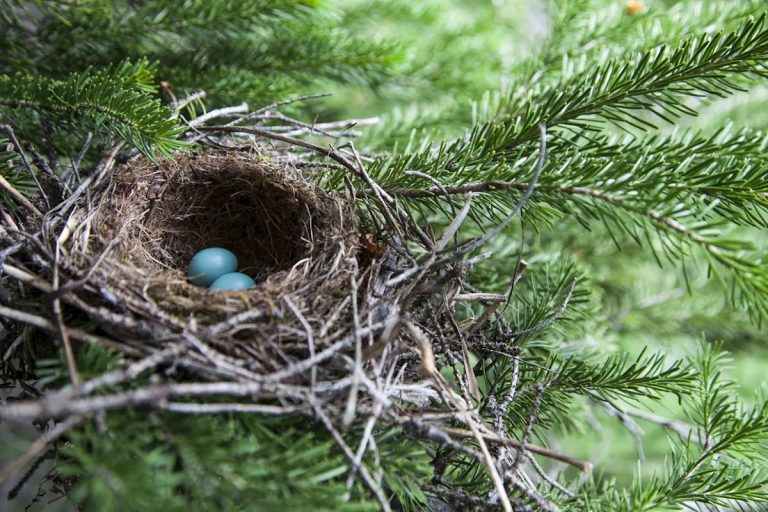
Reproduction is a critical part of survival in the wild. Birds invest significant effort in building nests that protect their eggs and chicks from predators and harsh weather. Nest locations vary widely depending on species and habitat. Some birds weave intricate nests in tree branches, while others build on cliffs, ground surfaces, or even floating vegetation.
The structure of a nest often reflects environmental challenges. In colder regions, birds use insulating materials such as feathers, grass, and moss to keep eggs warm. In hot climates, nests may be designed to allow airflow and prevent overheating. Careful construction increases the chances that eggs will hatch successfully.
Parent birds also play an active role in protecting their young. Many species take turns incubating eggs, ensuring consistent warmth. After hatching, parents gather food tirelessly to feed growing chicks. They remain alert to threats, using alarm calls or distraction displays to lead predators away from the nest.
Some birds form colonies for added protection. Nesting in groups creates safety in numbers, making it harder for predators to target individual nests. Through smart nest placement, careful design, and dedicated parental care, birds greatly improve the survival rate of the next generation.
Camouflage And Defensive Behaviors
Survival in the wild often depends on avoiding detection. Many birds rely on camouflage to blend into their surroundings. Earth-toned feathers help ground-nesting birds disappear among leaves, grass, and soil. Snowy owls, with their white plumage, blend seamlessly into snowy landscapes, reducing visibility to both prey and predators.
Stillness is another powerful defense. Some birds freeze when they sense danger, relying on their natural coloring to remain unnoticed. This behavior prevents drawing attention through sudden movement. Chicks of certain species flatten themselves against the ground to appear less visible when predators approach.
Birds also use vocal communication as a defense strategy. Alarm calls warn nearby birds of danger, allowing the group to react quickly. In some cases, birds mob predators together, swooping and calling loudly to drive them away. This collective action can intimidate larger threats.
Physical defenses are present in certain species as well. Sharp talons, strong beaks, and powerful wings can be used to fight back when escape is not possible. Some birds even feign injury, pretending to have a broken wing to lure predators away from their nests. Through camouflage and clever defensive behaviors, birds reduce risks and enhance their chances of survival in challenging environments.
What Can Birds Do With Their Wings
Wings are one of the most defining features of birds, shaping the way they move, hunt, communicate, and survive. Beyond simple flight, wings serve multiple purposes that support daily life in the wild. Looking closely at what can birds do with their wings reveals a wide range of abilities that go far beyond soaring through the sky.
Flying Across Short And Long Distances
The most obvious answer to what can birds do with their wings is flight. Birds use their wings to lift off the ground, glide through the air, and travel between trees, fields, and bodies of water. Strong chest muscles power each flap, while specially designed feathers create lift and control direction. This ability allows birds to escape danger quickly and reach food sources that land animals cannot access.
Different species use flight in unique ways. Eagles and vultures soar at high altitudes, riding warm air currents to conserve energy. Hummingbirds beat their wings rapidly to hover in place while feeding on nectar. Waterfowl use steady wingbeats to migrate across countries and continents in search of seasonal resources.
Wings also help birds navigate challenging weather conditions. They adjust the angle and speed of their wingbeats to handle wind, rain, or thin mountain air. This flexibility allows them to maintain balance and control even in unpredictable environments.
Flight gives birds freedom of movement, access to diverse habitats, and a strong advantage when avoiding predators. Their wings make it possible to cover vast distances or move quickly within a small territory, depending on survival needs.
Protecting Themselves And Their Nests
Wings are not only tools for movement but also powerful instruments of protection. When threatened, many birds spread their wings to appear larger and more intimidating. This display can scare off smaller predators or competitors, buying valuable time to escape or defend their territory.
Parent birds use their wings to shield eggs and chicks from danger. During harsh weather, a mother bird may stretch her wings over her nest to protect young from rain, strong sunlight, or cold winds. This physical barrier helps regulate temperature and keeps vulnerable chicks safe from environmental stress.
Some species actively use their wings in combat. Swans and geese, for example, can strike with strong wingbeats to defend themselves. The force of a wing can be surprisingly powerful, especially in larger birds with broad wingspans.
Wings also help birds create distraction displays. Certain ground-nesting birds pretend to be injured, dragging one wing along the ground to lure predators away from their nests. Once the threat moves away from the eggs or chicks, the bird quickly flies off to safety. Through these behaviors, wings play a crucial role in both defense and parental care.
Controlling Temperature And Comfort
Temperature control is another important function connected to what can birds do with their wings. Birds cannot sweat like humans, so they rely on physical adjustments to manage body heat. On hot days, many species hold their wings slightly away from their bodies to allow air circulation and release excess heat.
In colder conditions, birds tuck their wings tightly against their bodies. This action traps warm air between their feathers, creating insulation. The layered structure of wing feathers helps retain body heat, allowing birds to survive in chilly climates and even snowy regions.
Some birds engage in sunning behavior. They spread their wings wide and face the sun, absorbing warmth into their feathers and skin. This practice may also help reduce parasites by exposing them to heat and light. After bathing in water, birds often extend their wings to dry more quickly, preventing feather damage and maintaining flight efficiency.
Wing movements also assist in balance and posture. By adjusting their wings slightly, birds maintain stability while perched on thin branches or uneven surfaces. This constant micro-adjustment supports comfort and energy conservation throughout the day.
Communicating And Attracting Mates
Wings serve as powerful tools of communication. Many birds use wing displays during courtship rituals to attract mates. They may spread, flutter, or raise their wings in specific patterns that signal strength and health. Brightly colored wing feathers often become highly visible during these displays, making them more impressive.
Sound production is another fascinating aspect. Some birds create noises with their wings during flight. The whistling sound of a dove’s wings or the drumming vibration produced by certain species adds another layer of communication beyond vocal calls. These sounds can signal alarm, territory, or readiness to mate.
Wing gestures also communicate social signals within flocks. Subtle movements can show dominance, submission, or readiness to take off. In large groups, synchronized wing movements help coordinate sudden flight when danger appears.
In territorial disputes, birds may raise and flap their wings to warn rivals without engaging in physical conflict. This visual signal reduces unnecessary fights and conserves energy. Through color, motion, and sound, wings become expressive tools that help birds interact, bond, and maintain order within their environment.
What Can Birds Do With Their Beaks
A bird’s beak is one of its most important tools for survival. Shaped by diet, habitat, and behavior, beaks come in countless forms, each designed for specific tasks. Exploring what can birds do with their beaks reveals how these simple-looking structures support feeding, building, defending, and even communicating in the wild.
Finding And Eating Different Types Of Food
One of the clearest answers to what can birds do with their beaks is related to feeding. Beaks are specially adapted to match a bird’s primary food source. Birds of prey such as eagles and hawks have sharp, hooked beaks that tear meat efficiently. These powerful beaks allow them to break through skin and muscle with precision.
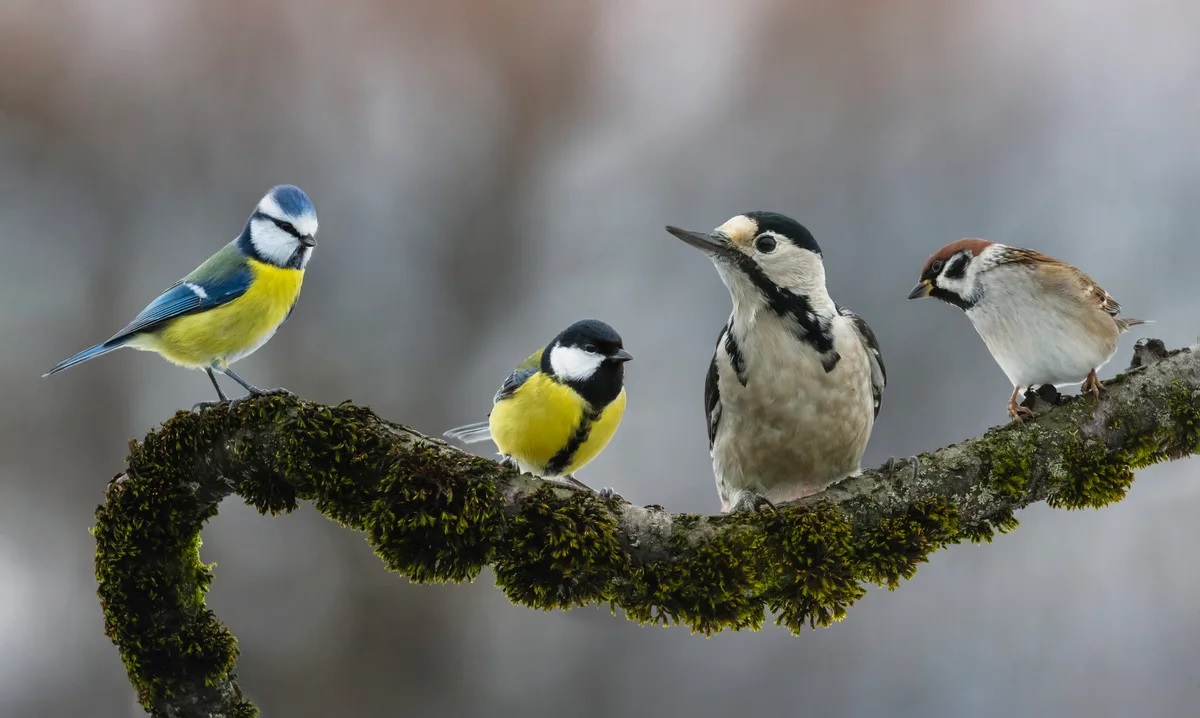
Seed-eating birds like finches and sparrows have short, thick beaks designed to crack open hard shells. The strength of their bite helps them access the nutrients inside seeds and grains. In contrast, hummingbirds possess long, slender beaks that reach deep into flowers to collect nectar. This shape allows them to feed without damaging delicate petals.
Shorebirds use narrow, elongated beaks to probe sand and mud for worms or small crustaceans. Woodpeckers have chisel-like beaks that drill into tree bark to find insects hidden inside. Each structure serves a clear purpose, allowing birds to thrive in specific environments.
Through their beaks, birds can grasp, crush, tear, sip, or filter food. This versatility ensures that they can make use of available resources and adapt when conditions change.
Building And Shaping Nests
Beaks are essential tools for nest construction. Birds use them to gather materials such as twigs, grass, leaves, feathers, and mud. With careful movements, they carry these items to chosen nesting sites, often traveling back and forth many times to complete the structure.
Once materials are collected, birds use their beaks to arrange and shape them. Some species weave intricate nests by threading grasses together. Others pack mud into sturdy cups that harden over time. The precision required for these tasks shows how skillfully birds control their beaks.
In addition to building, birds use their beaks to maintain nests. They remove debris, reposition materials, and keep the nesting area clean. Cleanliness reduces the risk of disease and parasites that could harm eggs or chicks.
Certain birds also use their beaks to gently rotate eggs during incubation. This action ensures even warmth and proper development. From gathering materials to fine adjustments, beaks play a central role in creating and maintaining safe spaces for raising young.
Defending Themselves And Competing
Another important aspect of what can birds do with their beaks involves protection and competition. Many birds rely on their beaks as defensive weapons when faced with threats. A strong peck or bite can deter predators or rival birds attempting to invade territory.
During territorial disputes, birds may snap or jab their beaks as warning signals. These actions often prevent fights from escalating further. In some species, males use their beaks during physical confrontations to establish dominance and secure breeding rights.
Parent birds also use their beaks to protect their chicks. They may peck at intruders or grab small predators that approach the nest. Even smaller birds can become surprisingly bold when defending their young.
Beyond defense, beaks assist in competitive feeding situations. Birds may use quick, precise movements to snatch food before others can reach it. Speed and accuracy provide a clear advantage when resources are limited.
Through strength, agility, and sharpness, beaks help birds protect themselves, secure territory, and compete successfully in crowded environments.
Communicating And Grooming
Beaks are not only practical tools but also instruments of communication and care. Many birds use their beaks to produce sounds such as clicking, clapping, or drumming. These noises can signal attraction, warning, or recognition within a group.
Courtship behaviors often involve gentle beak touching between mates. This action strengthens pair bonds and reinforces social connections. In some species, males present food to females using their beaks as part of mating rituals.
Grooming is another essential function. Birds use their beaks to preen feathers, removing dirt, parasites, and loose material. Preening keeps feathers aligned and functional, which is vital for insulation and flight. During this process, birds also spread natural oils across their feathers to maintain waterproofing and flexibility.
Beaks are used in social grooming as well. Paired birds may preen each other in areas that are difficult to reach alone. This cooperative behavior promotes trust and strengthens relationships.
What Can Birds Do With Their Feet And Talons
Birds rely heavily on their feet and talons for everyday survival. While wings and beaks often get the most attention, feet are just as important for hunting, gripping, walking, and defending. The shape and strength of a bird’s feet reveal a great deal about its lifestyle, habitat, and feeding behavior in the wild.
Catching And Holding Prey
One of the most powerful answers to what can birds do with their feet and talons lies in hunting. Birds of prey such as eagles, hawks, and owls have strong, curved talons designed to capture and grip animals firmly. These sharp claws lock into prey, preventing escape even during flight. The strength in their legs allows them to lift animals that may weigh nearly as much as they do.
When hunting, a raptor often swoops down at high speed and extends its talons forward at the last second. The impact and grip happen almost instantly. Once captured, the prey is either killed by pressure from the talons or carried to a safe perch for feeding. This method reduces risk and keeps the hunter in control.
Even non-raptor birds use their feet to handle food. Parrots, for example, grasp fruits or seeds with one foot while using their beaks to eat. This coordinated movement shows flexibility and balance. Shorebirds may use their feet to stir mud or shallow water, flushing out small creatures before catching them.
Through strength, speed, and precision, feet and talons serve as essential hunting tools that support a bird’s ability to find and secure food.
Perching, Climbing, And Moving Across Surfaces
Bird feet are specially designed to match their environments. Perching birds have a unique tendon-locking mechanism that allows them to grip branches automatically when they bend their legs. This feature enables them to rest or sleep without falling, even in windy conditions.
Woodpeckers and other climbing birds have two toes facing forward and two facing backward. This arrangement creates a strong grip on tree trunks, helping them move vertically with ease. Combined with stiff tail feathers for support, their feet provide balance and stability while they search for insects beneath bark.
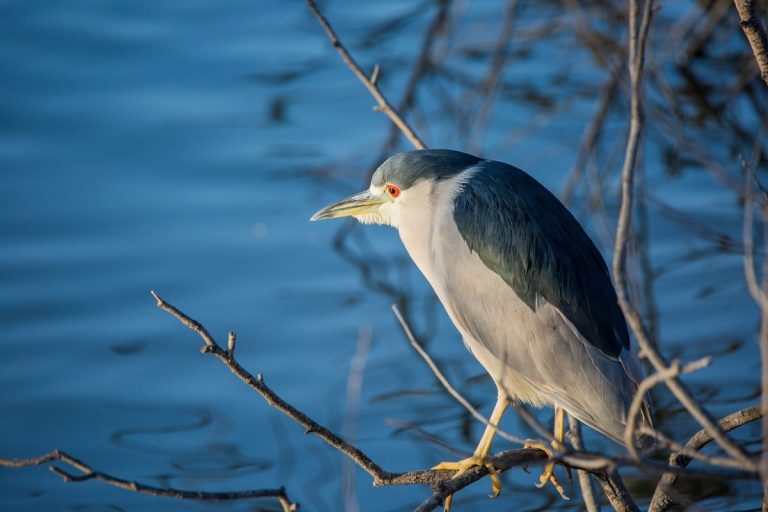
Water birds such as ducks and geese have webbed feet that function like paddles. These wide, connected toes push against water efficiently, allowing smooth swimming and steering. Wading birds like herons have long toes that spread their weight evenly, preventing them from sinking into soft mud.
Ground-dwelling birds use strong legs and feet for running and scratching. Chickens and turkeys scratch the soil to uncover seeds and insects. Through adaptation in shape, size, and structure, bird feet support movement across trees, water, air, and land with remarkable effectiveness.
What Can Birds Do To Communicate
Communication plays a vital role in the daily lives of birds. Whether they are warning others about danger, attracting mates, or maintaining social bonds, birds rely on a variety of signals to share information. Exploring what can birds do to communicate reveals a complex system of sounds, movements, and visual displays that help them survive and interact effectively.
Using Songs And Calls
One of the most recognizable answers to what can birds do to communicate is through vocal sounds. Birds produce a wide range of songs and calls, each serving a specific purpose. Songs are often longer and more melodic, typically used by males during breeding seasons to attract mates and establish territory. These songs signal strength, health, and presence to both potential partners and rivals.
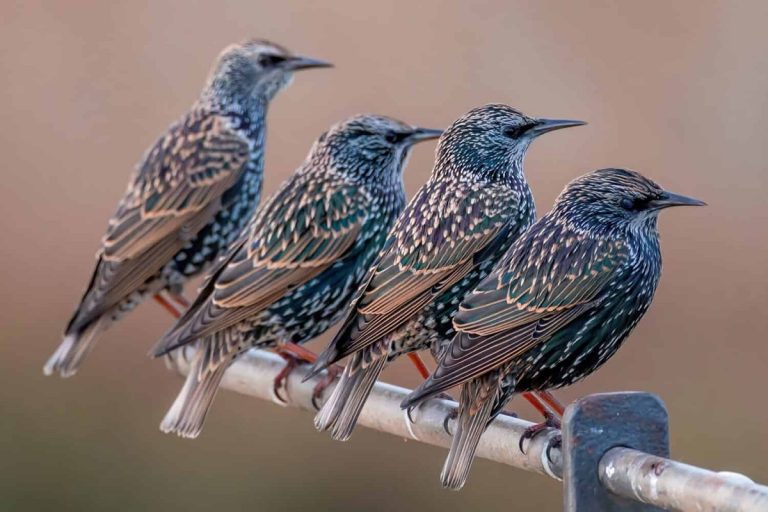
Calls, on the other hand, are usually shorter and more direct. Alarm calls warn nearby birds of approaching predators, allowing the group to react quickly. Contact calls help members of a flock stay connected while flying or foraging. Parent birds use soft calls to guide their chicks or signal feeding time.
Different species have unique vocal patterns. Some birds can even mimic sounds from their environment, including other bird species or human-made noises. This ability can confuse predators or strengthen social bonds within groups.
Birds adjust pitch, rhythm, and volume depending on the situation. In dense forests, they may use lower tones that travel farther, while open habitats allow sharper, clearer sounds. Through songs and calls, birds exchange detailed information that supports safety, reproduction, and group coordination.
Body Language And Visual Displays
Vocal communication is only one part of the story. Body language plays a powerful role in what can birds do to communicate. Many birds use posture, feather positioning, and wing movements to send clear visual signals. Raising feathers can indicate aggression or readiness to defend territory, while lowering the body may signal submission.
Courtship displays often involve dramatic movements. Males may spread colorful wings, fan out tail feathers, or perform coordinated dances to impress females. These visual performances showcase health and vitality, increasing the chances of successful mating.
Eye contact and head movements also carry meaning. Quick head bobs or specific gestures can communicate alertness or curiosity. In flock settings, synchronized movements help maintain group cohesion and signal when to take flight.
Color plays a significant role in visual communication. Bright plumage often signals dominance or breeding readiness, while duller colors may help avoid unwanted attention outside breeding seasons. Birds rely on sharp eyesight, allowing them to interpret subtle changes in posture or feather position.
Through coordinated body language and striking displays, birds convey complex messages without making a sound.
Physical Interaction And Environmental Signals
Beyond sound and sight, birds also communicate through physical interaction and environmental cues. Gentle beak touching between mates reinforces pair bonds and trust. Mutual preening, where birds groom each other’s feathers, strengthens social relationships and reduces tension within pairs or groups.
In crowded nesting colonies, physical proximity sends important signals. Birds recognize neighbors and respond differently to familiar individuals compared to strangers. This recognition reduces unnecessary conflict and maintains stability within the group.
Some species use environmental signals as part of communication. Drumming on tree trunks, as seen in woodpeckers, creates vibrations that travel through wood. This rhythmic tapping marks territory and attracts mates without relying solely on vocal calls. The sound carries effectively through forested areas.
Wing sounds also serve communicative purposes. Certain birds produce distinctive noises during flight, such as whistling or clapping sounds made by specialized feathers. These non-vocal sounds can signal alarm or coordinate flock movement.
Through touch, vibration, and environmental signals, birds expand their communication methods beyond simple calls. This multi-layered system allows them to share information clearly, maintain social order, and respond quickly to changes in their surroundings.
What Can Birds Do For The Ecosystem
Birds play a crucial role in maintaining balance within natural environments. Their daily activities influence plant growth, insect populations, and even soil health. Looking closely at what can birds do for the ecosystem reveals how deeply connected they are to forests, wetlands, grasslands, and urban spaces. Their presence often signals a healthy and functioning environment.
Controlling Insect And Pest Populations
One of the most important contributions related to what can birds do for the ecosystem is natural pest control. Many bird species feed heavily on insects, including caterpillars, beetles, flies, and mosquitoes. By consuming large numbers of these creatures daily, birds help prevent insect populations from growing out of control.
In agricultural areas, this role becomes especially valuable. Farmers benefit from birds that reduce crop-damaging pests without the need for excessive chemical pesticides. Swallows, for example, catch flying insects midair, while woodpeckers remove larvae hidden inside tree bark. This feeding behavior protects both wild plants and cultivated crops.
Birds of prey also help manage populations of rodents and small mammals. Hawks and owls hunt animals that might otherwise damage crops or spread disease. Their presence keeps food chains balanced and reduces ecological stress caused by overpopulation.
This natural regulation supports biodiversity by ensuring no single species dominates an ecosystem. By acting as predators at different levels of the food web, birds help maintain stability and prevent imbalances that could disrupt entire habitats.
Spreading Seeds And Supporting Plant Growth
Another powerful example of what can birds do for the ecosystem is seed dispersal. Many birds eat fruits and berries as part of their diet. After digestion, seeds pass through their bodies and are deposited in new locations, often far from the original plant. This process helps plants spread across wide areas.
Seed dispersal increases plant diversity and allows forests and grasslands to regenerate. Birds often carry seeds to open spaces where sunlight and soil conditions support new growth. Some seeds even germinate more successfully after passing through a bird’s digestive system.
Certain species actively store seeds in the ground for later use. While some of these seeds are retrieved, others are forgotten and eventually sprout into new plants. This behavior contributes to forest expansion and tree distribution.
In tropical regions, fruit-eating birds are essential for maintaining dense vegetation. Without them, many plant species would struggle to reproduce effectively. By transporting seeds across landscapes, birds help shape plant communities and ensure long-term ecological resilience.
Recycling Nutrients And Supporting Food Webs
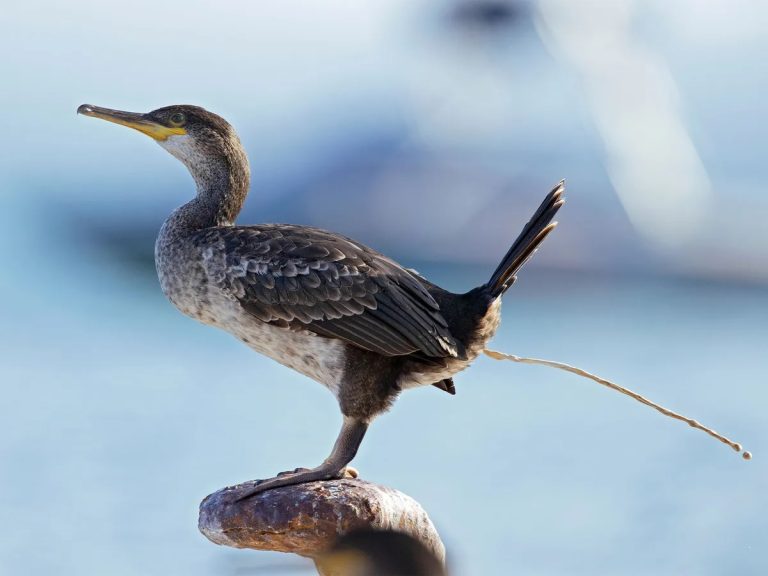
Birds also contribute to nutrient cycling within ecosystems. Through their droppings, they return nutrients such as nitrogen and phosphorus to the soil. These nutrients enrich the ground and support plant growth, especially in areas where soil quality may be limited.
Seabirds provide a strong example of this process. They feed in the ocean and return to land to roost or nest, depositing nutrient-rich waste. Over time, this natural fertilization enhances soil fertility and supports plant life in coastal regions.
Birds themselves are part of complex food webs. While many act as predators, they also serve as prey for larger animals. This interconnected role ensures energy flows through ecosystems efficiently. Each species contributes to maintaining balance among plants, insects, mammals, and other wildlife.
Scavenger birds such as vultures play an additional role by cleaning up carcasses. By consuming dead animals, they reduce the spread of disease and speed up decomposition. This cleanup process supports healthier environments and prevents harmful bacteria from spreading.
What Can Birds Do During Different Seasons
Seasonal changes bring shifts in temperature, daylight, and food availability, and birds respond with impressive flexibility. Their behaviors adjust throughout the year to ensure survival, successful breeding, and access to resources. Understanding what can birds do during different seasons shows how closely their lives are connected to natural cycles and environmental signals.
Adapting In Spring And Summer
Spring marks a period of intense activity for many bird species. As temperatures rise and daylight hours increase, birds begin preparing for breeding season. Males often sing more frequently and perform elaborate courtship displays to attract mates. These behaviors become more visible and energetic as competition for territory and partners grows.
Nest building is another key activity during spring. Birds gather twigs, grass, mud, and feathers to construct safe spaces for laying eggs. They carefully choose nesting sites that offer protection from predators and harsh weather. Once eggs are laid, parents take turns incubating them, ensuring proper warmth and development.
Summer brings the responsibility of raising chicks. Adult birds spend long hours searching for food to feed their growing young. Insect populations are typically higher during this season, providing an abundant food source. Parents remain alert and protective, defending their nests from potential threats.
Many birds also molt during late summer, shedding old feathers and growing new ones. Fresh feathers improve flight efficiency and insulation. Through breeding, feeding, and molting, birds make the most of favorable conditions during spring and summer.
Adjusting In Autumn And Winter
Autumn signals preparation and transition. One of the most recognized examples of what can birds do during different seasons is migration. As food becomes scarce and temperatures begin to drop, many species travel long distances to reach warmer climates. These journeys can span hundreds or even thousands of kilometers.
Birds that remain in colder regions adapt in other ways. Some change their diets, shifting from insects to seeds or berries that are more available in autumn and winter. Others store food in hidden locations to retrieve later when resources are limited.
Winter demands energy conservation. Birds fluff their feathers to trap warm air close to their bodies, improving insulation. They may seek shelter in dense shrubs, tree cavities, or human-made structures to escape harsh winds and freezing temperatures. Flocking behavior becomes more common, as staying in groups provides warmth and increased protection from predators.
Activity levels may decrease during extreme cold, helping birds preserve energy. Despite challenging conditions, many species demonstrate resilience through behavioral and physical adaptations. By migrating, changing diets, conserving heat, and forming groups, birds successfully navigate the demands of autumn and winter.
FAQs
What Can Birds Do With Their Wings?
Birds use their wings for more than just flying. You can see them soaring, gliding, or hovering in the air to escape predators or search for food. Wings also help birds maintain balance while walking, climbing, or perching.
Additionally, wings serve as tools for communication and courtship. Many birds spread or flutter their wings to display dominance, attract mates, or warn rivals. They even use them for thermoregulation, adjusting feather positions to control body temperature. Wings are versatile tools that support survival, social interaction, and environmental adaptation.
What Can Birds Do With Their Beaks?
A bird’s beak is essential for feeding, building, and interacting with the environment. You can see them tearing meat, cracking seeds, sipping nectar, or probing mud for insects. Each beak shape is specialized for a bird’s diet and habitat.
Beaks also play a role in nest building and maintenance. Birds use them to gather and arrange twigs, leaves, and other materials. Beyond survival tasks, beaks help with grooming and communication, including courtship gestures and social bonding. They are multifunctional tools that keep birds alive and healthy in the wild.
What Can Birds Do With Their Feet And Talons?
Birds rely on feet and talons for gripping, hunting, and moving efficiently. You can see birds of prey capturing animals with strong talons, while perching birds grip branches securely without falling.
Feet also assist in walking, running, climbing, and swimming, depending on the species. Some birds scratch the ground for food, while webbed feet help aquatic birds paddle through water. Talons and feet can even defend against predators or rivals, making them essential tools for survival and daily activities.
How Do Birds Communicate With Each Other?
Birds communicate through sounds, body language, and visual displays. You can hear songs and calls that indicate territory, attract mates, or warn of predators. Calls vary in pitch, duration, and purpose, helping birds convey important information.
Visual signals like wing displays, feather positions, and dances also communicate intentions. Birds even use physical touch, preening, or environmental sounds to strengthen social bonds. Their communication system is complex, allowing them to interact effectively, coordinate group behavior, and maintain social structures.
What Can Birds Do To Survive In The Wild?
Birds adapt in many ways to survive natural challenges. You can see them hunting efficiently, escaping predators with flight, and using camouflage to remain hidden. Seasonal behaviors like migration ensure access to food and favorable climates.
They also build protective nests, care for their young, and adjust diets according to availability. Birds combine physical adaptations, learned behaviors, and environmental awareness to thrive despite predators, harsh weather, and changing food sources. Their survival strategies are highly specialized and crucial for sustaining populations.
What Can Birds Do For The Ecosystem?
Birds play a vital role in maintaining ecological balance. You can see them controlling insect and rodent populations, which helps prevent crop damage and disease spread. They also disperse seeds, supporting plant growth and forest regeneration.
Through feeding and movement, birds recycle nutrients into soil, benefiting plants and other wildlife. Scavenger birds clean up carcasses, reducing disease risks. Overall, birds act as key contributors to food webs, biodiversity, and environmental stability, making them essential for healthy ecosystems.
Conclusion
Birds are truly remarkable creatures with abilities that continue to amaze people of all ages. From soaring across vast skies to building intricate nests, their skills show how perfectly adapted they are to their environments. When you stop and think about what can birds do, the answer goes far beyond simple flight.
They communicate through beautiful songs, protect ecosystems by controlling pests, and even help forests grow by spreading seeds. Some migrate thousands of miles with incredible precision, while others thrive in cities alongside humans. These talents highlight just how intelligent, resilient, and diverse birds really are.
Understanding what can birds do also helps you appreciate their role in nature and the balance they maintain in the world. The more you observe them, the more you realize their abilities are not only fascinating but essential for life on Earth.