Can Kiwi Birds Fly: Facts About Flightless Birds and Their Adaptations
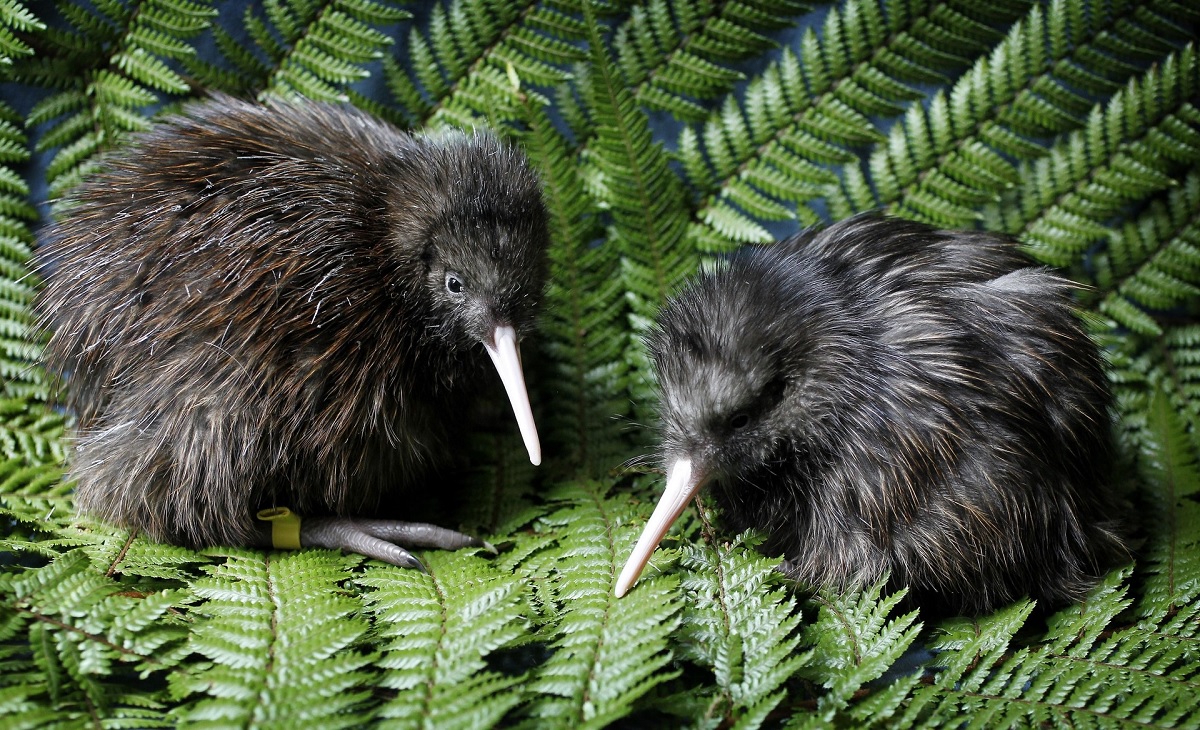
Kiwi birds are some of the most unique and fascinating creatures in the bird world. Native to New Zealand, they are instantly recognizable by their small, round bodies, long beaks, and tiny wings hidden beneath their feathers. Unlike most birds, kiwis are known for their ground-dwelling habits and unusual behaviors, which often spark curiosity among bird enthusiasts and nature lovers.
Their peculiar anatomy and lifestyle have led many to question their flying abilities. Observers notice their tiny wings and stout bodies, which seem unsuitable for flight. These physical traits make kiwis stand out as an exception among birds, as most species rely on flight for survival, migration, or foraging.
The question can kiwi birds fly arises frequently because it challenges common assumptions about birds. Exploring their body structure, behavior, and evolutionary history sheds light on why these birds navigate the world primarily on the ground rather than in the air.
Can Kiwi Birds Fly At All
Kiwi birds are among the most unusual members of the avian world, primarily because they are flightless. Native to New Zealand, these nocturnal, ground-dwelling birds are famous for their small stature, long beaks, and distinctive brown feathers. While most birds rely on flight for survival, kiwi birds have evolved differently, relying on their strong legs and keen senses to navigate their environment safely and effectively. Understanding whether kiwi birds can fly at all requires examining their anatomy, evolutionary history, and unique adaptations.
Physical Anatomy And Wing Structure
One of the main reasons kiwi birds cannot fly lies in their physical anatomy. Their wings are extremely small relative to their body size, measuring only a few centimeters in length. Unlike other birds, kiwi wings are hidden beneath dense feathers and are not functional for flight.
The breastbone of a kiwi lacks a keel, the structure that anchors strong flight muscles in most flying birds. Without these muscles, even flapping cannot generate enough lift to take off. This adaptation reflects their ground-based lifestyle, where running, digging, and stealth are more critical for survival than flight.
Additionally, kiwi feathers differ from those of flying birds. They are soft and hair-like rather than stiff, reducing aerodynamic efficiency. Combined with their heavy body structure and small wings, these features make flight physically impossible. Despite their inability to fly, their anatomy is perfectly suited for their terrestrial lifestyle, allowing them to navigate dense undergrowth, forage at night, and escape predators through running rather than flying.
Evolutionary Adaptations And Flightlessness
Kiwi birds belong to a group of birds known as ratites, which includes ostriches, emus, and cassowaries. Many ratites are flightless, a trait that evolved due to the absence of large land predators in their natural habitats over millions of years. For kiwi birds, flight became unnecessary, and natural selection favored adaptations that enhanced their ground survival instead.
Over time, kiwi wings shrank, and their bodies became more robust, emphasizing strong legs and heightened senses. Their evolutionary path demonstrates how birds can thrive without flight. Running, hiding, and digging for food became more advantageous than flying, which requires significant energy and exposes birds to aerial threats.
Flightlessness also allowed kiwi birds to develop unique traits, such as highly sensitive nostrils at the tip of their long beaks. This adaptation enables them to detect insects and worms underground, a skill that would be less necessary for a flying bird. Evolution shaped kiwi birds into efficient nocturnal foragers rather than aerial navigators.
Behavior And Survival Without Flight
Despite being unable to fly, kiwi birds survive effectively in their environment. They use their strong legs to run quickly through forests and scrublands. Their sense of smell and tactile ability allows them to locate prey hidden underground or under leaf litter.
Kiwi birds are primarily nocturnal, avoiding many daytime predators. They also rely on camouflage, with brown, coarse feathers blending into forest floors. These behavioral adaptations reduce the need for escape via flight. Their survival strategies focus on stealth, agility, and sensory precision, demonstrating how birds can thrive without flying.
Additionally, kiwi birds have strong social and reproductive behaviors that support survival. Mating pairs often share incubation duties, and chicks are relatively self-sufficient shortly after hatching, reducing the need for aerial protection. Flight is simply unnecessary in a lifestyle shaped by terrestrial efficiency, nocturnal foraging, and predator avoidance.
Misconceptions About Kiwi Flight
Many people assume that all birds can fly, leading to confusion about the capabilities of kiwi birds. Unlike penguins, which use wings for swimming, kiwi wings serve no locomotion purpose. Their flightlessness is not a temporary limitation but a permanent evolutionary adaptation.
Understanding kiwi birds’ flightlessness emphasizes the diversity of bird species and their ability to adapt to specific ecological niches. Recognizing this fact helps you appreciate the remarkable ways these birds navigate and survive in their environment without relying on flight, highlighting their unique place in the avian world.
Flightlessness does not signify weakness; rather, it represents a specialized adaptation that allows kiwi birds to thrive in New Zealand’s unique habitats. Through ground-based skills, keen senses, and evolutionary refinement, kiwi birds demonstrate that survival and success in the avian world do not always depend on the ability to take to the skies.
Kiwi Anatomy And Adaptations
Kiwi birds are among the most unique avian species in the world, largely due to their extraordinary adaptations for a ground-dwelling lifestyle. Unlike most birds, kiwis have evolved traits that allow them to thrive without flight. Their physical structure, sensory capabilities, and behavioral characteristics all reflect millions of years of evolution tailored to survival in New Zealand’s forests and grasslands. Exploring kiwi anatomy and adaptations reveals how these unusual birds have become highly efficient nocturnal foragers.
Skeletal Structure And Flightlessness
One of the most striking features of kiwi anatomy is their skeletal structure. Kiwis have very small wings hidden under dense feathers, which are completely useless for flight. Their breastbone lacks the prominent keel found in flying birds, which is where strong flight muscles attach. Without this muscular anchor, kiwi wings cannot generate lift, making flight impossible.
Their bones are relatively heavy compared to other birds, giving them a solid, grounded frame ideal for terrestrial movement. Strong leg bones support rapid running and digging, allowing them to navigate dense vegetation efficiently. Unlike flying birds that rely on hollow bones to reduce weight, kiwis prioritize stability and strength over aerial mobility.
This skeletal adaptation reflects their evolutionary path as a ratite, a group of flightless birds that includes ostriches and emus. By investing in strong legs rather than wings, kiwis have optimized their bodies for survival on the forest floor, where flight is unnecessary.
Sensory Adaptations And Nocturnal Behavior
Kiwi birds possess extraordinary sensory adaptations that compensate for their lack of flight. They have long, slender beaks with nostrils at the tip, a unique feature among birds. This adaptation allows them to detect insects, worms, and other invertebrates underground by smell rather than sight. Their keen sense of smell is essential for foraging in the dark, as they are primarily nocturnal.
Vision in kiwi birds is relatively poor compared to other birds, but this is offset by their acute tactile and olfactory senses. Their whisker-like feathers around the beak help them sense vibrations in soil and leaf litter, guiding them to prey without needing to see it.
Nocturnal activity also reduces competition for food and limits exposure to predators. Their sensory adaptations ensure that they remain effective hunters and navigators despite low-light conditions, demonstrating the close relationship between anatomy and behavior.
Feather Structure And Camouflage
Kiwi feathers are another remarkable adaptation. Unlike the smooth, aerodynamic feathers of flying birds, kiwi feathers are soft, hair-like, and lack the interlocking structure needed for lift. This texture helps them remain insulated and agile on the ground rather than enabling flight.
The brown, mottled coloration provides excellent camouflage against forest floors, leaf litter, and underbrush. This natural disguise helps them avoid predators and remain undetected while foraging at night. Combined with their slow, deliberate movements, their feather structure enhances stealth, safety, and survival.
Feathers also serve a tactile function, aiding in navigation through dense vegetation. Their unusual feather design exemplifies how form and function are adapted to a flightless, nocturnal lifestyle rather than aerial performance.
Reproductive And Behavioral Adaptations
Kiwis also show fascinating reproductive adaptations. They lay remarkably large eggs relative to their body size—up to 20% of their body weight. The size of the egg provides substantial nutrients for the developing chick, which emerges well-developed and relatively independent. Both males and females participate in incubation, ensuring high survival rates for offspring.
Behaviorally, kiwis are territorial and rely on vocalizations to communicate at night. Their strong legs allow them to defend territory effectively, and their nocturnal foraging patterns reduce conflicts with predators and other birds. These reproductive and behavioral strategies complement their anatomical adaptations, allowing kiwi populations to thrive despite their flightlessness.
Survival Without Flight
Many birds rely on flight to escape predators, migrate, and access food, but kiwi birds have evolved to survive without this ability. Native to New Zealand, kiwis have developed a unique set of skills, physical traits, and behaviors that allow them to thrive on the ground. Studying how kiwi birds navigate life without flight reveals fascinating adaptations that make them efficient nocturnal foragers and resilient members of their ecosystem.
Ground-Based Mobility And Foraging
Without the ability to fly, kiwi birds rely heavily on their strong legs for movement and survival. Their legs are muscular and powerful, allowing them to run quickly through dense underbrush, escape minor threats, and navigate uneven terrain. This ground-based mobility is critical, as they cannot rely on aerial escape.
Foraging is also adapted to a terrestrial lifestyle. Kiwis use their long, sensitive beaks with nostrils at the tip to probe soil and leaf litter for insects, worms, and other invertebrates. Their sense of smell is highly developed, compensating for relatively poor eyesight. This method of food acquisition is highly efficient and allows them to find prey in complete darkness.
By combining speed, strength, and sensory acuity, kiwi birds can thrive on the forest floor despite lacking flight. Their physical and behavioral adaptations reduce reliance on air-based survival strategies.
Camouflage And Nocturnal Behavior
Survival without flight also depends on avoiding predators. Kiwi birds are primarily nocturnal, foraging at night when many predators are less active. Darkness provides a natural cover, reducing exposure to threats.
Camouflage plays a key role as well. Their brown, hair-like feathers blend seamlessly with forest floors, leaf litter, and underbrush. This natural disguise helps them remain virtually invisible to both predators and humans. Movements are slow and deliberate, further minimizing detection.
Nocturnal habits and camouflage work together to create a highly effective survival strategy. Even without flight, kiwi birds can remain hidden while searching for food or navigating their environment, demonstrating a successful adaptation to ground-based living.
Territorial Behavior And Reproduction
Kiwi birds rely on territoriality and reproductive strategies to thrive without flying. They use calls and vocalizations to communicate with mates and assert boundaries, especially during the breeding season. These vocal signals help maintain spacing between individuals, reducing conflict and competition for resources.
Reproduction is adapted to a flightless lifestyle as well. Kiwis lay exceptionally large eggs relative to their body size, which provide the developing chick with enough nutrients to be highly independent shortly after hatching. Both parents often participate in incubation, ensuring high survival rates. By investing in offspring quality and territorial defense, kiwis maintain their populations effectively despite lacking the escape mechanism of flight.
Adaptation To Environmental Challenges
Living without flight forces kiwi birds to adapt to environmental challenges in unique ways. They depend on dense vegetation for cover, using their small size and camouflage to hide from predators. They have also developed acute hearing and sense of smell to detect danger and food sources without relying on visual cues alone.
Additionally, kiwis are highly resilient to the rugged terrain of New Zealand. Their strong legs allow them to navigate uneven forest floors, burrows, and undergrowth, compensating for the inability to fly over obstacles. Ground-based survival requires a combination of physical endurance, sensory awareness, and behavioral strategy, all of which kiwi birds have perfected over millions of years.
Through these adaptations, kiwi birds demonstrate that survival does not always depend on flight. Their ground-focused lifestyle, combined with keen senses, camouflage, and reproductive strategies, allows them to thrive as one of the most distinctive and remarkable birds in the world.
Differences Between Kiwi And Other Birds
Kiwi birds are some of the most unique avian species in the world. Unlike most birds, they are flightless, nocturnal, and ground-dwelling, with highly specialized adaptations that make them distinct. Comparing kiwi birds to other avian species highlights remarkable differences in anatomy, behavior, sensory abilities, and reproductive strategies. These contrasts emphasize how evolution shapes birds to thrive in specific ecological niches, particularly in isolated environments like New Zealand.
Flightlessness And Skeletal Adaptations
The most obvious difference between kiwi birds and many other birds is their inability to fly. Most birds have large wings and a keel on their breastbone to anchor strong flight muscles. Kiwis, however, have tiny, vestigial wings hidden beneath dense feathers and a flat breastbone, making flight physically impossible.
In contrast, even birds that are primarily ground-dwelling, like pheasants or turkeys, retain functional wings for short bursts of flight. Kiwis have instead developed strong, muscular legs that allow them to run quickly, dig for food, and navigate dense forest floors. Their bones are also relatively heavier than those of flying birds, giving them stability and strength for terrestrial movement.
These skeletal adaptations reflect evolutionary trade-offs. While most birds rely on flight for escape and migration, kiwis invest in features that support a completely ground-based lifestyle, demonstrating the diversity of avian evolution.
Sensory Abilities And Feeding Behavior
Kiwi birds have sensory adaptations that set them apart from most birds. Their sense of smell is highly developed, unique among birds, allowing them to locate prey underground. The nostrils at the tip of their long beaks are unlike any seen in other species. Most birds primarily rely on vision to hunt, even nocturnal species, whereas kiwis depend on olfaction and tactile feedback.
Their beaks are also equipped with sensitive nerve endings to detect movement and vibrations in soil and leaf litter. This adaptation allows them to forage efficiently at night, probing for worms, insects, and small invertebrates. Unlike many birds that hunt in open areas or use flight to access food, kiwis are strictly terrestrial foragers.
Nocturnal behavior is another distinction. While owls, nightjars, and other birds are active at night, they still rely on sharp eyesight for hunting. Kiwis have relatively poor vision but compensate with an acute sense of smell and tactile awareness, highlighting their specialized ecological niche.
Feather Structure And Camouflage
Kiwi feathers differ significantly from those of flying birds. Most birds have smooth, aerodynamic feathers with interlocking barbs that allow lift and streamline flight. Kiwi feathers are soft, hair-like, and lack the structure necessary for flight. This design prioritizes insulation and camouflage over aerodynamics.
Their brown, mottled coloration helps them blend seamlessly with the forest floor, leaf litter, and undergrowth. While other birds use flight for predator avoidance, kiwis rely on camouflage, slow movements, and nocturnal activity. Even terrestrial birds like quail and grouse use similar strategies, but kiwis are unique in combining extreme flightlessness with nocturnal foraging and specialized feathers.
Feathers in kiwi birds also aid tactile sensing. The soft, hair-like texture provides sensory feedback when moving through dense vegetation, an adaptation that flying birds rarely require. This shows how structural differences in feathers can serve ecological purposes beyond flight.
Reproductive Differences And Egg Size
Kiwi reproduction also contrasts sharply with most birds. Kiwis lay exceptionally large eggs relative to their body size, sometimes up to 20% of their total body weight. In comparison, other birds, even large species, produce eggs that are proportionally much smaller.
These oversized eggs provide significant nutrients for developing chicks, which hatch fully feathered and relatively independent. Both male and female kiwis participate in incubation, unlike many bird species where one parent primarily incubates. The long incubation period and investment in a single egg are unique strategies that ensure chick survival in a predator-rich, ground-dwelling environment.
Other birds, even flightless ones, tend to produce multiple smaller eggs with shorter incubation periods. The kiwi’s approach is an adaptation to a low-density population and nocturnal lifestyle, prioritizing quality over quantity. This reproductive strategy sets them apart from nearly all other bird species.
Behavioral And Ecological Adaptations
Behaviorally, kiwi birds differ in many ways from other birds. They are largely solitary and nocturnal, whereas most birds are active during the day and may form flocks for protection or migration. Their foraging is deliberate and methodical, contrasting with birds that rely on flight to cover large areas in search of food.
Territorial behavior is also pronounced in kiwis. They use vocalizations to communicate and defend territories, particularly during mating season. While many birds rely on aerial displays, visual cues, or flocking behaviors, kiwis focus on scent marking, vocal signals, and ground-based movements.
Their ecological role is similarly unique. Kiwis help aerate the soil through foraging and play a part in insect population control. These contributions highlight the effectiveness of their ground-based adaptations compared to flying birds, which often impact ecosystems differently.
FAQs
Can Kiwi Birds Fly At All?
You might wonder if kiwi birds can fly at all. The answer is no. Kiwi birds are completely flightless due to their small, vestigial wings and lack of a keel on the breastbone, which prevents strong flight muscles from developing. Their bodies are heavy and adapted for life on the ground rather than the air.
Even though they cannot fly, kiwi birds have evolved to thrive on the forest floor. They use their strong legs for running, their sense of smell to locate food, and their camouflage to avoid predators, showing that survival does not depend on flight.
Why Are Kiwi Birds Flightless?
Kiwi birds are flightless because of evolutionary adaptations over millions of years. In New Zealand, where they evolved, there were few natural predators, reducing the need for flight. Over time, their wings became tiny, and their bodies heavier, while their legs and senses became more specialized for ground living.
Flightlessness allowed kiwi birds to invest energy into foraging on the forest floor, digging for worms, and developing enhanced senses like smell and tactile ability. This adaptation has enabled them to survive effectively in their nocturnal, ground-dwelling lifestyle.
How Do Kiwi Birds Move Without Flying?
Since kiwi birds cannot fly, they rely entirely on their strong legs for movement. Their legs are muscular and allow them to run quickly through dense undergrowth, escape minor threats, and navigate uneven terrain.
Kiwi birds also use their legs for digging and foraging. By probing soil and leaf litter for insects and worms, they efficiently find food without leaving the ground. This ground-based mobility compensates for the absence of flight, making them effective nocturnal hunters in their habitat.
Can Kiwi Birds Escape Predators Without Flight?
Even though kiwi birds cannot fly, they have several strategies to avoid predators. Their brown, mottled feathers blend with the forest floor, providing excellent camouflage during night activity. They also rely on slow, deliberate movements to stay undetected.
Strong legs allow kiwi birds to run quickly when threatened. Additionally, their nocturnal behavior reduces encounters with many predators. Combined, these adaptations help kiwi birds survive without the need for aerial escape, highlighting the effectiveness of ground-based defense strategies.
Do All Kiwi Species Cannot Fly?
Yes, all kiwi species are flightless. There are several species, including the North Island kiwi, the South Island tokoeka, and the little spotted kiwi, but none have the ability to fly. All share the same evolutionary adaptations, including tiny wings, heavy bodies, and strong legs.
Despite differences in size and habitat, flightlessness is a universal trait among kiwi birds. Instead, all species have developed ground-based survival strategies, such as nocturnal foraging, keen sensory abilities, and camouflage, allowing them to thrive in their respective environments without relying on flight.
How Did Flightlessness Affect Kiwi Behavior?
Flightlessness has significantly influenced kiwi behavior. Being ground-dwelling, they became primarily nocturnal to reduce predation risk. They developed a strong sense of smell and tactile abilities to locate food underground, unlike flying birds that rely on vision.
Their reproductive behavior also reflects flightlessness. Kiwis invest heavily in large eggs and shared incubation, ensuring chicks are well-prepared to survive on the ground. These behavioral adaptations compensate for the lack of flight, allowing kiwi birds to maintain population stability in a predator-rich environment.
Can Kiwi Birds Adapt To Flying Over Time?
Kiwi birds cannot adapt to flying due to permanent anatomical limitations. Their wings are too small, their breastbones lack a keel, and their body weight is too heavy for lift. Evolution has optimized them for ground-based survival rather than flight.
Rather than developing flight, kiwi birds have enhanced other traits, such as strong legs, nocturnal foraging, and heightened senses. These adaptations demonstrate that survival strategies can vary widely among birds, and thriving without flight is possible through specialized behaviors and physical traits.
Conclusion
Kiwi birds are fascinating creatures that have adapted to life on the ground rather than in the air. Their small wings, heavy bodies, and unique skeletal structure make flight impossible, but they thrive in their natural habitats through other remarkable adaptations. Strong legs, keen senses, and nocturnal habits help them find food, avoid predators, and successfully reproduce.
When considering can kiwi birds fly, the answer is no, and that limitation has shaped their behavior and survival strategies. Instead of relying on flight, kiwis use their powerful legs for running and digging, and their long beaks with nostrils at the tip allow them to locate insects and worms efficiently. These adaptations have helped them endure for generations despite being vulnerable to introduced predators.
Protecting kiwi habitats is crucial for their continued survival. Understanding can kiwi birds fly highlights not just their flightlessness but also their resilience, ecological role, and the importance of conservation efforts to ensure these unique birds remain a vital part of New Zealand’s wildlife.