How to Get Rid of Starlings But Not Other Birds: Targeted Bird Control Solutions
Starlings can quickly become a nuisance in gardens, yards, and around homes due to their aggressive behavior and large flocks. Unlike other birds, they often dominate feeders, damage plants, and create noisy, messy roosting areas. Controlling starlings without harming other bird species requires careful planning and targeted strategies.
Understanding starling behavior is key to keeping your yard balanced. These birds are social, highly adaptable, and often congregate in specific areas, which makes them easier to manage with the right approach. At the same time, you want to preserve the presence of songbirds, finches, and other beneficial birds that contribute to your local ecosystem.
By learning how to get rid of starlings but not other birds, you can protect your garden, maintain a peaceful environment, and encourage a healthy mix of bird species. Targeted deterrents, habitat adjustments, and smart feeding practices work together to address the problem safely.
Maintaining patience and consistency is important. Starlings are persistent, and using humane, species-specific methods ensures long-term results while allowing other birds to thrive undisturbed.
Identifying Starling Behavior and Signs
Recognizing starlings and their behaviors is the first step in managing them effectively. These birds are highly social, aggressive, and adaptable, often dominating feeding areas and roosting spaces. Understanding their habits, nesting preferences, and signs of presence helps you take targeted measures to deter starlings while protecting other bird species in your yard.
Physical Characteristics and Visual Identification
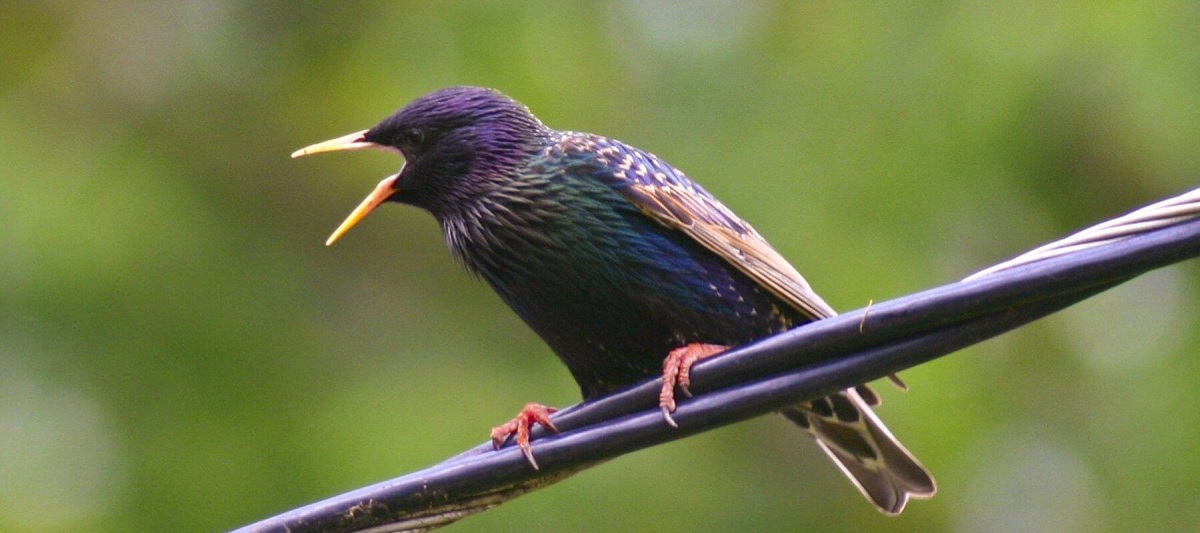
Starlings are medium-sized birds, typically 7 to 9 inches in length, with a short tail and pointed wings. Their plumage is glossy black with iridescent green and purple sheen during breeding season. In winter, they develop speckled patterns that make them distinct from other common backyard birds. Bright yellow beaks in breeding season and darker beaks in winter further help in visual identification.
Watching their flight patterns can also help distinguish starlings. They often fly in large, tight flocks called murmurations, creating synchronized, undulating movements that other birds rarely mimic. Their fast, direct flight with rapid wingbeats sets them apart from more leisurely flyers like robins or finches. Recognizing these visual and behavioral cues allows you to quickly identify starlings when they appear in your yard.
Observing size and behavior at feeders is another key method. Starlings often dominate food sources, pushing smaller birds away with aggressive pecking and chasing. Their bold approach to humans and other birds contrasts with more timid species, making their presence easy to detect even without close visual inspection.
Seasonal changes affect their appearance and activity. During breeding season, starlings are more territorial, vocal, and active in establishing nesting sites. In winter, they gather in large communal roosts, which can create noticeable noise and droppings. Awareness of these seasonal patterns helps anticipate problems before they escalate.
Common Signs of Starling Activity
Starlings leave distinctive signs that indicate their presence and potential infestation. Large, noisy flocks are the most obvious sign, often congregating in trees, rooftops, or fields. Their calls are harsh, varied, and repetitive, different from the melodic songs of sparrows or cardinals. Monitoring sound patterns can alert you to early activity before significant damage occurs.
Droppings are another key indicator. Starlings produce a high volume of waste, often concentrated in roosting areas, creating unsanitary conditions. Unlike smaller songbirds, these droppings can cover sidewalks, cars, or rooftops quickly, signaling repeated visits. Identifying the source helps target deterrent strategies to specific areas.
Nesting behavior provides further clues. Starlings prefer cavities, including tree holes, vents, and spaces in buildings. They often use scraps of grass, paper, and feathers to build nests in tight spaces, which can lead to property damage. Checking common nesting areas regularly allows early intervention.
Feeding disruption is also a clear sign. Starlings aggressively monopolize feeders, preventing other birds from accessing food. Observing displaced birds or unusual crowding at feeding areas can indicate that starlings are dominating the environment. Recognizing these behaviors early allows you to implement targeted deterrents that minimize their impact while keeping other birds safe.
Finally, consistent monitoring of your yard for flock size, roosting locations, and feeding patterns helps you identify trends in starling activity. By learning these signs, you gain the knowledge to implement humane and effective strategies for controlling starlings without harming beneficial bird species.
Non-Harmful Deterrents That Affect Only Starlings
Managing starlings without harming other birds requires careful selection of deterrents. These aggressive birds are intelligent and adaptable, so using humane, species-specific methods is essential. Non-harmful deterrents focus on disrupting starlings’ habits, discouraging roosting and feeding, and protecting your yard or garden while allowing smaller, beneficial birds to thrive undisturbed.
Visual Deterrents That Target Starlings
Visual deterrents are effective for keeping starlings away while minimally affecting other birds. Reflective items such as shiny tape, mirrors, or aluminum foil strips create flashes of light that startle starlings. They perceive sudden movement and glints as potential threats, which discourages them from approaching specific areas.
Decoys are another non-harmful visual option. Placing predator replicas like hawks or owls near feeding stations or roosting areas can deter starlings. Unlike other birds, starlings are highly sensitive to perceived predators, and even stationary decoys can reduce visits over time. You should move decoys periodically to prevent habituation.
Combining reflective materials with decoys enhances effectiveness. Starlings are less likely to adapt when multiple stimuli are used, while smaller birds, which are less sensitive to light flashes and decoys, continue feeding normally. Strategic placement near feeders, windows, and common roosting spots ensures deterrents work without causing unnecessary stress to other species.
Auditory Deterrents Specific to Starlings
Sound-based deterrents can selectively target starlings by exploiting their sensitivity to certain frequencies. Devices emitting high-pitched or starling-specific distress calls discourage them from settling in the area. Unlike ultrasonic devices, which can affect all birds, targeted sounds focus on disrupting starling communication.
Auditory deterrents are most effective when combined with visual methods. Sudden or intermittent noises make starlings uneasy, encouraging them to leave without physical harm. You should vary the timing and location of these sounds to prevent habituation and maintain long-term effectiveness.
Smaller birds, such as finches or chickadees, are generally less responsive to starling-specific sounds. This allows them to continue visiting feeders and gardens without interference. Using auditory cues alongside visual deterrents provides a comprehensive, humane approach to managing starling populations.
Feeding Adjustments To Discourage Starlings
Modifying feeding strategies helps deter starlings while allowing other birds to thrive. Tube feeders with small openings, mesh cages, or feeders designed for finches and chickadees prevent starlings from accessing seeds. These birds are too large or aggressive to reach food, whereas smaller species feed freely.
Offering food types starlings find less appealing also helps. Black oil sunflower seeds, nyjer seed, or safflower seed tend to attract smaller songbirds while discouraging starlings. You should scatter food in multiple locations to reduce crowding and competition, minimizing stress for non-target birds.
Regular maintenance of feeders, including cleaning and rotating seed types, reinforces deterrent effects. Starlings quickly learn which areas are unprofitable, reducing visits over time. Combining feeder adjustments with visual and auditory deterrents creates a bird-friendly environment that targets starlings specifically.
Habitat Modifications That Limit Starling Access
Altering the environment can reduce starling activity without harming other birds. Closing off potential roosting sites, covering vents, and using netting over fruit trees prevents starlings from settling. They often prefer flat surfaces and cavities, so modifications that limit access are effective.
You should leave areas for smaller birds to perch and feed, as their needs differ from starlings. Adding shrubs, brush piles, or nesting boxes designed for songbirds encourages beneficial species while excluding starlings.
Habitat modifications combined with deterrents create long-term solutions. By making your yard less attractive to starlings while maintaining safe spaces for other birds, you balance pest control with ecological responsibility.
Habitat Modification to Discourage Starlings
Altering your outdoor environment is a key strategy for discouraging starlings from settling in your yard or garden. These birds are attracted to abundant food, open roosting sites, and easy access to nesting areas. By modifying the habitat strategically, you can reduce starling presence while still supporting other bird species that contribute positively to your ecosystem.
Limiting Roosting Opportunities
Starlings prefer to roost in large, open trees, rooftops, and ledges. Reducing these opportunities helps prevent large gatherings. Trimming tree branches, especially near homes or feeders, discourages roosting by making the area less accessible or comfortable. You should focus on species that starlings favor without affecting native songbirds that prefer denser cover.
Installing bird spikes or angled surfaces on ledges, rooftops, and vent openings prevents starlings from perching. Unlike netting or barriers designed for larger animals, these modifications allow smaller birds to continue using nearby areas safely. Consistent monitoring ensures that these deterrents remain effective over time.
Providing alternative roosting spots for non-target birds helps maintain ecological balance. Dense shrubs or small trees suitable for finches, chickadees, and sparrows allow beneficial species to thrive, while starlings, which favor open perches, are excluded. Combining pruning, perching adjustments, and selective barriers creates an environment less attractive to starlings without harming other birds.
Securing Nesting Areas
Starlings are cavity nesters, often occupying vents, eaves, and nest boxes intended for native birds. Covering vents with wire mesh or installing starling-proof caps prevents nesting inside structures. You should ensure proper ventilation is maintained while blocking starling access.
Nest boxes designed for smaller birds with appropriately sized openings deter starlings from entry. Placing these boxes in sheltered locations encourages songbirds to use them safely. Removing old starling nests promptly reduces territorial attraction and discourages return visits.
Regular inspections of potential nesting sites are crucial, especially during breeding season. Habitat modification focused on limiting cavity access can drastically reduce starling populations while leaving safe nesting opportunities for native birds intact. This approach balances control with conservation, protecting both your property and local wildlife.
Managing Food Sources and Landscaping
Altering available food sources discourages starlings naturally. These birds are drawn to easily accessible feeders, fallen fruit, and open compost piles. Using feeders with small openings designed for finches or chickadees prevents starlings from monopolizing food. You should regularly clean up fallen seeds and fruit to avoid attracting large flocks.
Landscaping choices also influence starling activity. Dense shrubs, small trees, and thorny plants provide shelter for smaller birds but are less favorable for starlings, which prefer open areas. Mulching under shrubs and planting ground cover can reduce insects and seeds that attract starlings.
Combining food management with strategic planting and structural modifications creates a bird-friendly environment that discourages starlings. Over time, habitat adjustments can significantly reduce starling presence while supporting a diverse population of desirable bird species in your yard.
Selective Netting and Physical Barriers
Using selective netting and physical barriers is an effective and humane way to control starlings while allowing other birds to access your garden or feeders. By targeting areas preferred by starlings for perching, feeding, or nesting, these methods prevent unwanted bird activity without harming beneficial species. Proper installation and strategic placement are key to their success.
Installing Netting Around Fruit Trees and Gardens
Netting over fruit trees and garden plants protects crops from starlings, which are known for their aggressive feeding habits. Fine-mesh netting prevents these birds from reaching fruits and vegetables while allowing smaller birds to continue foraging safely. You should ensure the mesh size is small enough to exclude starlings but not trap other wildlife.
Secure the netting around the base of trees or garden beds to eliminate gaps that starlings could exploit. Avoid draping netting loosely, as birds can become entangled, which poses a risk to all species. Properly tensioned and elevated netting creates a barrier that starlings cannot penetrate but still allows insects, small birds, and pollinators to move freely.
Regular inspection and maintenance of netting are important to maintain effectiveness. Tears or loose sections should be repaired immediately to prevent starlings from finding entry points. Combining netting with visual deterrents, such as reflective tape, enhances protection while minimizing harm to other birds.
Physical Barriers for Roosting and Nesting Areas
Physical barriers can be applied to ledges, vents, rooftops, and potential nesting cavities to prevent starlings from settling. Bird spikes, angled baffles, and mesh guards discourage perching without affecting smaller bird species that prefer sheltered or softer perches. You should focus on areas where starlings tend to dominate, ensuring that beneficial birds still have alternative spaces.
Installing barriers over vent openings or eaves blocks starling nesting while maintaining airflow and access for native birds. For nesting boxes, use entrance holes sized specifically for small birds to prevent starlings from taking over. Prompt removal of abandoned starling nests reinforces deterrence and reduces repeat visits.
Regular monitoring ensures that barriers remain effective throughout the year. Adjusting placement and maintaining structural integrity prevents starlings from bypassing obstacles. Physical barriers, combined with habitat modification and feeder management, provide a comprehensive strategy that targets starlings while keeping other birds safe and thriving.
Long-Term Management and Monitoring
Effectively controlling starlings requires ongoing effort and observation. Short-term measures can reduce immediate problems, but long-term management ensures starlings do not return in large numbers. Regular monitoring, combined with adjustments to habitat, feeders, and deterrents, helps maintain a balanced environment that discourages starlings while supporting other bird species.
Consistent Monitoring of Starling Activity
Regular observation is key to understanding starling patterns and preventing future infestations. Track their roosting sites, feeding areas, and flock sizes to identify trends. Noticing early signs, such as droppings, nest materials, or aggressive behavior at feeders, allows you to implement targeted deterrents before problems escalate.
Keeping a log of starling activity helps determine which methods are effective. Note the timing of visits, preferred areas, and response to deterrents. This information guides adjustments to netting, barriers, and feeder placement. You should also monitor non-target bird species to ensure they continue accessing food and shelter safely.
Frequent visual checks and occasional video recording can provide detailed insights into starling behavior. Adjusting strategies based on observed trends prevents habituation, as starlings may adapt to static deterrents over time. Active monitoring forms the foundation of a successful long-term management plan.
Maintaining and Adjusting Deterrent Strategies
Long-term control involves regularly maintaining and updating deterrents. Check netting, barriers, and visual or auditory deterrents for wear or reduced effectiveness. Repairing or repositioning damaged items prevents starlings from finding new access points.
Habitat changes, such as trimming trees, securing vent openings, and modifying feeders, should be revisited periodically. Seasonal adjustments account for changes in flock behavior, breeding cycles, and food availability. You should vary deterrent placement to prevent starlings from becoming accustomed to static measures.
Combining multiple strategies enhances effectiveness. Using netting, physical barriers, feeding adjustments, and visual or auditory cues together creates a comprehensive, humane approach. Regular review and adaptation keep your yard safe from starlings while supporting other birds in the long term.
Encouraging Beneficial Bird Populations
Supporting desirable bird species helps maintain ecological balance and reduces starling dominance. Providing appropriately sized feeders, nesting boxes, and perches encourages native and smaller birds to thrive. You should ensure that habitats remain attractive to these species while remaining less favorable for starlings.
By promoting a diverse bird population, starlings face natural competition, which discourages large flocks from settling. Observing the health, behavior, and diversity of your bird population provides feedback on your long-term management success. Maintaining these practices over time ensures a balanced, starling-resistant environment that benefits all backyard birds.
Frequently Asked Questions
How Can I Identify Starlings Without Affecting Other Birds?
You can identify starlings by their glossy black feathers with iridescent speckles and their short, pointed beaks. They are often aggressive and gather in large flocks, which can displace other birds at feeders or roosts.
By observing their feeding habits, you’ll notice starlings tend to dominate open feeders and push smaller birds aside. Unlike songbirds, they make harsh, chattering calls and often roost in dense clusters. Knowing these behaviors helps you target starlings while leaving other birds undisturbed.
What Are Safe Visual Deterrents That Only Affect Starlings?
Visual deterrents like shiny tape, reflective objects, or starling-shaped decoys can scare starlings without harming other birds. These deterrents exploit starlings’ nervous and territorial nature.
You should position these items near roosts, feeders, or fruiting trees. Smaller songbirds are less sensitive to sudden reflections or moving decoys, so they will continue to feed safely. Adjusting the placement regularly ensures starlings remain cautious while other birds are unaffected.
Can I Use Audio Devices To Target Starlings Specifically?
Yes, you can use ultrasonic or distress-call audio devices designed for starlings. These sounds are often tuned to frequencies that bother starlings but are largely ignored by smaller songbirds.
Place the devices near known roosts or feeding areas to encourage starlings to leave. Make sure to monitor the area, as constant sound can stress all birds if overused. Using short, intermittent bursts is most effective and minimizes disturbance to non-target birds.
How Can I Modify My Habitat To Discourage Starlings?
You can reduce starling visits by limiting accessible food, such as covering seed that other birds prefer or planting bird-friendly shrubs that starlings avoid. Removing open water sources or trimming dense trees where they roost also helps.
At the same time, provide feeders and nesting areas designed for smaller birds. Tube feeders or cages with small openings prevent starlings from accessing food, allowing songbirds to feed safely. These modifications create a selective environment that discourages starlings while supporting native birds.
Are There Any Repellents That Affect Only Starlings?
Yes, certain taste or gel repellents are formulated specifically for starlings. They create an unpleasant experience without harming smaller birds. Apply these products to ledges, rooftops, or feeders where starlings congregate.
It’s important to follow instructions carefully and avoid overuse, as excessive repellent can affect other birds indirectly. Combine repellents with habitat modifications for long-term control. This approach allows you to target starlings effectively while keeping other bird species safe.
How Can I Monitor And Maintain Starling Control Without Disturbing Other Birds?
Regular monitoring is key to maintaining a starling-free environment. Observe roosts, feeders, and gardens to track starling activity while noting how other birds respond to your deterrents.
Adjust visual, audio, and habitat strategies as needed. Keep feeding stations designed for smaller birds stocked and accessible. By continually assessing and modifying your approach, you can ensure starlings stay away without disrupting the natural behavior of other birds in your yard.
Final Thoughts
Effectively managing starlings requires a combination of observation, strategic deterrents, and habitat modifications. By identifying their behaviors, limiting access to food and nesting sites, and using humane barriers, you can reduce starling activity while ensuring that smaller, beneficial birds continue to thrive. Patience and consistency are essential, as starlings are persistent and intelligent birds that can quickly adapt to static deterrents.
Learning how to get rid of starlings but not other birds allows you to maintain a balanced backyard ecosystem. Non-harmful methods such as selective netting, visual and auditory deterrents, and careful feeder adjustments create an environment that discourages starlings without negatively impacting native or smaller species. Regular monitoring ensures that these strategies remain effective and provides insight into seasonal changes in bird activity.
Ultimately, combining multiple, targeted approaches provides long-term success. By focusing on humane and species-specific methods, you can protect your property, maintain a healthy bird population, and enjoy a more peaceful and balanced outdoor space.