Is a Blue Jay a State Bird? 7 Surprising State Picks Revealed
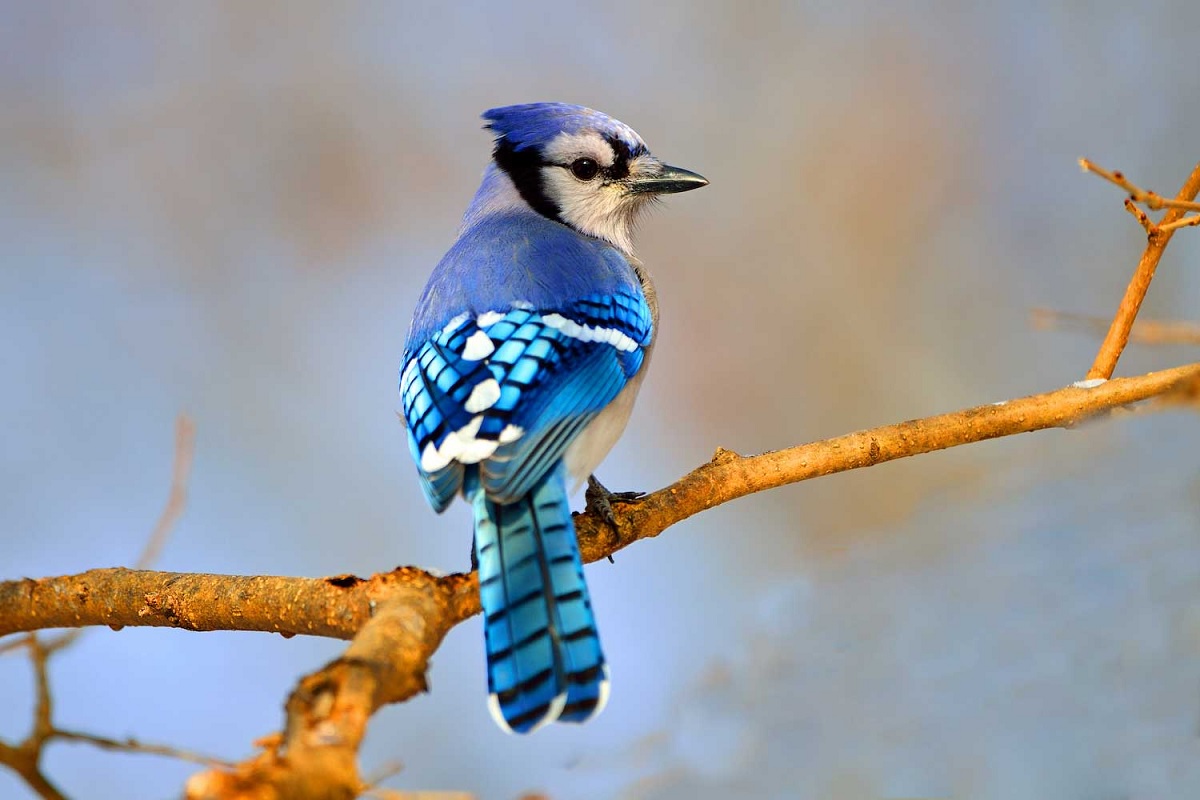
The blue jay, with its striking azure feathers, white underbelly, and bold crest, stands out as one of North America’s most recognizable songbirds. Known for its intelligence, mimicry skills, and raucous calls, this member of the crow family thrives in woodlands, suburbs, and parks across the eastern and central United States. Blue jays often symbolize vibrancy and adaptability in folklore and nature enthusiasts’ circles.
People frequently wonder about the blue jay’s symbolic status in American culture. Is a blue jay a state bird? This question arises from the bird’s prominence in regional pride and wildlife imagery. While not every state claims it, the blue jay holds a special place in certain areas, sparking curiosity about official designations.
State birds reflect a region’s natural heritage, often chosen for their beauty or resilience. The blue jay’s energetic presence makes it a fitting emblem where forests abound. Exploring its official ties reveals how wildlife intersects with local identity.
This introduction sets the stage for a deeper look into the blue jay’s role, from ecology to symbolism, answering that key query with historical and avian insights.
Current State Bird Status
Blue jays hold a prominent place in American ornithology, often sparking debates about their official roles as state symbols. While these vibrant birds symbolize energy and intelligence across much of the eastern U.S., only one state officially recognizes the blue jay as its state bird. This section dives into the current designations, exploring official adoptions, near-misses, and the bird’s cultural footprint in state pride.
Official State Bird Designation
Minnesota stands alone in crowning the blue jay—specifically the northern blue jay (Cyanocitta cristata) variant—as its state bird. Lawmakers formalized this choice on February 28, 1947, through legislative action that highlighted the bird’s beauty, loyalty, and spirited nature. The blue jay’s striking blue, white, and black plumage mirrors Minnesota’s lakes and forests, making it a perfect emblem for the North Star State. Residents voted on the selection from a list of popular birds, with the blue jay edging out competitors like the loon due to its widespread presence and bold personality.
This designation underscores Minnesota’s deep ties to its avian wildlife. Blue jays thrive in the state’s deciduous woodlands, suburbs, and rural areas, where they forage for acorns, insects, and berries. Their intelligence shines through in caching food for winter and mimicking other birds’ calls, traits that resonate with Minnesotans’ reputation for resilience. Today, the blue jay appears on state seals, tourism materials, and school programs, reinforcing local identity.
Conservation efforts further cement this status. Organizations like the Minnesota Audubon Society promote blue jay habitats amid urban sprawl, noting stable populations despite habitat loss. Annual bird festivals in places like Duluth celebrate the state bird with feeders stocked with peanuts— a blue jay favorite. This official role elevates the species beyond mere wildlife, embedding it in civic pride and education.
The choice reflects broader trends in state bird selections from the mid-20th century, when post-war patriotism fueled symbolic adoptions. Minnesota’s decision prioritized accessibility; unlike rarer species, blue jays greet residents year-round, fostering everyday appreciation for nature.
Other States’ Perspectives and Rejections
Several states have considered the blue jay but ultimately passed, opting for other icons that better fit their unique landscapes. For instance, Missouri flirted with the idea in the 1930s, praising the bird’s “pluck and perseverance,” yet selected the eastern bluebird in 1935 for its softer demeanor and sky-blue hues evoking the state’s rolling hills. Similarly, Illinois debated the blue jay during its 1929 selection process but chose the northern cardinal, drawn to its vivid red against snowy winters.
These rejections highlight regional preferences. In forested states like Pennsylvania, the ruffed grouse won out in 1931, valued for its drumming displays in Appalachian woods over the blue jay’s noisier habits. Blue jays’ reputation as nest raiders sometimes works against them; critics in birding circles label them bullies, influencing voter sentiment in states like Ohio, which stuck with the cardinal.
Public polls and legislative hearings reveal fascinating dynamics. In Virginia, 1980s proposals for the blue jay gained traction among schoolchildren but faltered against the cardinal’s entrenched popularity. Today, informal “people’s choice” surveys by Audubon chapters in Michigan and Wisconsin often rank blue jays highly, yet official birds remain the American robin and ring-necked pheasant, respectively.
This pattern shows how state birds evolve with cultural shifts. Modern reevaluation campaigns, fueled by social media, occasionally revive blue jay bids, especially in the Midwest where sightings peak during migrations.
Cultural and Symbolic Significance Beyond Official Status
Even without widespread official adoption, blue jays wield immense cultural sway in states from New York to Texas. Artists and poets, like Henry David Thoreau, immortalized their “jay-jay” calls in literature, associating them with untamed wilderness. In folklore, blue jays represent fidelity—Native American tribes viewed them as loyal messengers, a theme echoed in Southern state fairs where carved blue jay totems appear.
Sports teams amplify this symbolism. The Toronto Blue Jays MLB franchise draws from the bird’s colors, indirectly boosting U.S. border states’ affinity. In education, blue jays star in 4-H programs across the Midwest, teaching ecology through feeder experiments that reveal their problem-solving prowess.
Pop culture cements their status. Disney’s animated blue jay characters and holiday cards featuring the bird during peak nut-gathering season keep them relevant. In non-official states like Georgia, where the brown thrasher reigns, blue jays dominate backyard counts, leading to “unofficial mascot” labels by local chambers of commerce.
This enduring appeal stems from adaptability. Blue jays expand ranges westward, now common in Colorado suburbs, prompting future designation talks. Their role in seed dispersal aids forest regeneration, earning quiet acclaim from conservationists in states like Kentucky.
Conservation Status and Future Prospects
Blue jays enjoy a stable conservation status across their range, classified as Least Concern by the IUCN, with populations estimated at 15-28 million in North America. However, challenges like West Nile virus outbreaks in the early 2000s caused localized declines, particularly in the Northeast. States monitor them through Breeding Bird Surveys, noting rebounds thanks to backyard feeders and oak savanna restorations.
Habitat initiatives play a key role. In Minnesota, state parks plant native oaks to support acorn supplies, while broader efforts combat window collisions—a major mortality factor. Citizen science apps like eBird track blue jay movements, informing policies in states eyeing future adoptions.
Future prospects look bright for expanded recognition. Climate models predict range shifts northward, potentially strengthening bids in Canada-border states. Youth advocacy groups push reevaluations, arguing blue jays’ charisma boosts birding tourism—worth millions annually.
Research into their corvid intelligence, including tool use in labs, elevates their profile. As states refresh symbols amid environmental awareness, the blue jay’s blend of beauty and brains positions it for more honors.
Key Facts on Blue Jay Symbolism
Blue jays carry profound symbolic weight across cultures, embodying intelligence, loyalty, and bold energy. Their vivid blue plumage links to the sky, truth, and protection, while mimicry skills represent adaptability and communication. From ancient myths to modern spirituality, these birds inspire awe as tricksters, guardians, and wisdom bearers. This section explores core facts shaping their timeless allure.
Native American Lore and Tribal Meanings
Indigenous stories position blue jays as dynamic figures bridging human and spirit realms. Among the Anishinaabe, they serve as Thunderbird’s scouts, their sharp calls signaling storms or opportunities, teaching vigilance and quick thinking. Cherokee legends portray the jay stealing fire for humanity, a symbol of cunning sacrifice that earns respect despite mischief.
These narratives highlight communal bonds; jays’ flock coordination mirrors tribal cooperation. In Haudenosaunee tales, raised crests signify defiance against oppressors, inspiring warriors. Artisans craft jay feathers into dreamcatchers, believing they filter negative energies with the bird’s protective essence.
Modern revitalization efforts integrate these symbols into education. Tribal schools in the Great Lakes region use jay stories for lessons on resilience, while powwow dances mimic their hops to honor ancestors. Feathered headdresses from Mississippian sites affirm deep historical roots, linking symbolism to archaeological evidence.
European Traditions and Colonial Adaptations
Old World folklore influenced early American views of blue jays. In Celtic myths, jays whisper secrets to the wind, embodying prophecy and hidden knowledge. Medieval European texts describe them as soul guides, their blue wings ferrying spirits to the afterlife, a motif settlers transplanted to New World forests.
Colonial diarists like John James Audubon celebrated jays’ “saucy intelligence,” likening them to irreverent pioneers taming wilderness. Appalachian folktales cast them as loyal mates, with ballads recounting jays mourning lost partners, symbolizing enduring love amid hardship.
This symbolism fueled 19th-century emblem debates, where jays represented Yankee ingenuity. Victorian flower language paired them with forget-me-nots for fidelity. Today, Renaissance fairs revive these tales through jay-masked performers, blending heritage with entertainment.
Literary and Artistic Depictions
Writers have long harnessed blue jay symbolism for depth. Walt Whitman’s poetry praises their “glorious blue” as democracy’s vibrant voice, untamed and inclusive. In Southern Gothic works by Flannery O’Connor, jays disrupt complacency, symbolizing divine mischief.
Artists like John Singer Sargent captured their iridescent feathers in oils, evoking emotional intensity. Contemporary murals in urban parks use jay motifs for environmental themes, their gaze urging stewardship. Children’s books feature them as clever heroes, teaching problem-solving through nut-caching adventures.
Graphic novels draw on corvid smarts, portraying jays as anti-heroes navigating chaos. These depictions evolve symbolism, from romantic icons to eco-warriors.
Contemporary Spiritual and Pop Culture Icons
Today, blue jays signal personal transformation in New Age practices. As spirit animals, they urge authentic expression, their throat-adjacent blue activating communication chakras. Oracle cards depict them with acorns for abundance mindset, encouraging future planning.
In media, the Toronto Blue Jays team embodies victory and unity, fans chanting “jay-jay” for luck. Video games cast them as agile scouts, mirroring real tool use. Social platforms buzz with #JayOmens, where sightings predict positive shifts.
Therapists recommend jay-watching for anxiety relief, their bold presence fostering confidence. Tattoos blend them with mandalas for protection, popular among athletes channeling competitive spirit.
Comparisons with Other State Birds
Blue jays stand out among state birds for their intelligence and vivid presence, yet comparisons reveal diverse choices reflecting regional pride. Minnesota’s bold pick contrasts with neighbors favoring songbirds or game fowl tied to specific habitats. This section examines key matchups, highlighting differences in appearance, behavior, symbolism, and ecology that shaped state selections.
Northern Cardinal
Northern cardinals dazzle with crimson crests and clear, flute-like songs, claiming seven states for their year-round vibrancy and backyard familiarity. Unlike blue jays’ noisy mimicry and nut-cracking prowess, cardinals forage seeds and berries with methodical grace, symbolizing hearthside loyalty and resilience through harsh winters. Their compact 8-9 inch frames slip easily into shrubbery, evading predators where jays rely on bold displays and flock warnings.
Ecological roles diverge sharply. Cardinals thrive in forest edges and suburbs, overlapping jay territories but often yielding feeders to the larger, more aggressive corvids. Breeding habits reflect this—cardinals build cup nests low in dense cover, while jays construct higher platforms with stolen twigs. Vocal contrasts fuel popularity debates; cardinals’ “cheer-cheer” uplifts, jays’ “jay-jay” alarms, influencing sentimental state votes in the Midwest.
Symbolically, cardinals evoke passion and family unity, suiting agrarian heartlands, whereas jays represent untamed wit. Historical polls, like Illinois’ 1929 contest, saw cardinals triumph over jays for their “gentle beauty,” yet birders note jays’ superior problem-solving in lab tests. Today, dual sightings spark feeder rivalries, underscoring how personality sways public affection.
These dynamics reveal color symbolism’s power—red ignites emotion, blue inspires freedom—shaping emblems that endure in state parks and stamps.
Eastern Bluebird
Eastern bluebirds embody serenity with powder-blue backs and rusty throats, selected by six states for their melodic trills and cavity-nesting charm amid open fields. Contrasting jays’ woodland dominance, bluebirds perch on fences, hawking insects in graceful dives, their 7-inch forms symbolizing hope after 20th-century declines reversed by nest boxes.
Habitat preferences highlight splits: bluebirds favor pastures and orchards, jays oak groves, minimizing clashes except occasional nest raids by the bolder corvids. Songs differ—bluebirds’ soft, warbling “chur-lee” invites peace, jays’ harsh versatility deters foes. Diet leans insect-heavy for bluebirds, omnivorous for jays, with the latter’s acorn dispersal aiding forests where bluebirds nest.
Conservation narratives amplify distinctions. Bluebirds’ rebound from pesticides inspires renewal icons, while jays maintain stable numbers through adaptability. Missouri’s 1935 choice favored bluebirds’ “sky of the Ozarks” hue over jay energy, reflecting prairie tranquility. Modern Audubon counts show bluebirds rebounding strongest in nest-box trails, jays holding urban edges.
Symbolically, bluebirds signal spring’s joy, jays year’s mischief, influencing art from state quarters to trail signs. This pairing teaches balance—delicate beauty versus robust spirit—in state identity.
Ruffed Grouse
Pennsylvania’s ruffed grouse, a camouflaged drummer of Appalachian ridges, contrasts blue jays’ flashy flights with explosive takeoffs and tail-fanning displays. Grouse symbolize wild solitude, foraging buds under snow, their low “thump-thump” courtship echoing hills where jays’ calls pierce canopies. Size matches at 16 inches, but grouse hug earth for cover, jays rule air with corvid smarts.
Meanwhile, American robins—honored by twelve states—herald spring with orange breasts and turf-tugging worm hunts, their “cheerily, cheer up” varying from jays’ mimicry. Robins migrate reliably, jays irrupt sporadically; both omnivores, robins tilt soil, jays cache treetops. Wisconsin’s 1949 pick favored robins’ ubiquity over jay bids.
Ecologically, grouse endure deep snows burrowed, robins lawns, jays suburbs—adaptability unites them amid climate shifts. Symbolism splits: grouse grit for hunters, robins renewal for settlers, jays intellect for innovators. 1930s Pennsylvania debates rejected jays for grouse’s “pure wildness,” mirroring Connecticut’s robin loyalty.
FAQs
Is a Blue Jay a State Bird?
Yes, the blue jay holds official state bird status in Minnesota, designated on February 28, 1947, by legislative action. Lawmakers chose it for its striking blue-white-black plumage, intelligence, and year-round presence in the state’s forests and suburbs. You might spot these bold birds caching acorns or mimicking hawks, traits that embody Minnesota’s resilient spirit.
This makes Minnesota the only state to honor the blue jay (Cyanocitta cristata), setting it apart from other regions where it thrives without formal recognition. If you’re in the North Star State, you’ll see it featured on tourism sites and school emblems.
Which State Has the Blue Jay as Its State Bird?
Minnesota proudly claims the blue jay as its sole state bird, selected through public votes and legislative approval in 1947. The bird’s vibrant colors mirror the state’s lakes and woodlands, while its loyalty and mimicry reflect local values of perseverance and community.
You can observe blue jays throughout Minnesota, from Duluth’s parks to rural oak groves, where they forage peanuts and berries. This designation boosts conservation efforts, like Audubon habitat programs, ensuring their populations remain stable for future generations.
Why Did Minnesota Choose the Blue Jay as State Bird?
Minnesota selected the blue jay for its beauty, spirited nature, and widespread accessibility, edging out competitors like the loon in 1947 public polls. Residents valued its bold crest, raucous calls, and clever food-storing habits, seeing parallels to the state’s hardy winters and vibrant ecosystems.
The choice highlighted everyday wildlife over rare species, making nature relatable. Today, you encounter blue jays on state seals and festivals, reinforcing cultural pride and encouraging backyard birdwatching across the region.
Are There Other States Considering the Blue Jay as State Bird?
No other state officially recognizes the blue jay, though places like Missouri and Illinois debated it in the 1930s before choosing the eastern bluebird and northern cardinal. Public affection runs high in Midwest states due to the bird’s charisma, but entrenched symbols prevail.
You might join modern campaigns via Audubon chapters pushing reevaluations, fueled by social media sightings. While unofficial, blue jays often top “favorite bird” lists in Pennsylvania and Wisconsin, hinting at future potential amid shifting conservation priorities.
How Does the Blue Jay Compare to Other State Birds?
The blue jay’s intelligence and adaptability set it apart from serene choices like the eastern bluebird (Missouri) or melodic northern cardinal (Illinois). At 12 inches with mimicry skills, it outsmarts many, unlike the ground-dwelling ruffed grouse (Pennsylvania).
You appreciate these contrasts in shared habitats—jays dominate feeders while cardinals sing sweetly. Minnesota’s pick emphasizes boldness over the robin’s (Wisconsin) gentle renewal, reflecting diverse regional identities in avian symbolism.
What Makes the Blue Jay a Fitting Symbol for Minnesota?
The blue jay mirrors Minnesota’s landscape with its sky-blue feathers blending into lakes and its woodland foraging matching oak-rich forests. Its flock loyalty and winter resilience echo the state’s communal spirit and harsh seasons, while clever tool use showcases innovative Midwestern grit.
You connect with this through annual bird festivals in places like Itasca State Park, where feeders draw jays for close views. As a year-round resident, it fosters daily nature appreciation, cementing its role in education and tourism.
Conclusion
Blue jays captivate bird enthusiasts with their striking blue plumage and bold personalities, yet their status as state symbols remains limited. While not officially representing any U.S. state, the question is a blue jay a state bird sparks curiosity about regional pride and wildlife icons. Their widespread presence across eastern North America makes them a natural fit for symbolic consideration in many areas.
Exploring this topic reveals fascinating overlaps with official state birds like the cardinal or mockingbird, highlighting shared habitats and behaviors. States often select avians for cultural resonance rather than rarity, leaving room for future campaigns to elevate the blue jay. Fun facts, such as their intelligence and mimicry skills, add appeal to potential adoptions.
Ultimately, whether pondering is a blue jay a state bird or spotting one in your backyard, these birds remind us of nature’s vibrant diversity. Dive into local birdwatching to connect with this iconic species—your next sighting might inspire change.