Are There Homosexual Birds: Exploring Same-Sex Behavior In Avian Species
Animal behavior has long fascinated scientists and bird enthusiasts alike, revealing a wide array of social interactions and mating practices. Among these behaviors, questions about sexual orientation and bonding in birds have sparked significant interest. Observing birds in the wild shows a complex range of interactions beyond simple mating rituals.
Some birds engage in behaviors that challenge traditional notions of reproduction and pairing. From same-sex courtship displays to long-term bonding, these interactions highlight the diversity of avian social life. Studying these behaviors helps scientists understand mating strategies, social hierarchies, and the role of companionship in bird populations.
The question of whether are there homosexual birds has gained attention through both scientific observation and anecdotal evidence. Researchers have documented instances where birds of the same sex form pair bonds, engage in courtship, and even rear offspring together.
Understanding these behaviors provides valuable insights into evolution, social bonding, and the natural variability of sexual behaviors across species. Observing birds in their natural habitats continues to expand our knowledge of their complex lives.
Documented Cases Of Homosexual Behavior In Birds
Observations of bird behavior reveal that same-sex interactions are not uncommon, challenging assumptions about strict heterosexual mating in the animal kingdom. Documented cases of homosexual behavior in birds demonstrate a range of social, courtship, and reproductive activities. Studying these behaviors provides insight into the complexity of avian social systems and highlights the diversity of mating strategies across species.
Courtship And Pair Bonding Among Same-Sex Birds
One of the most common forms of homosexual behavior in birds involves courtship and pair bonding between individuals of the same sex. You may notice birds engaging in behaviors such as mutual preening, synchronized displays, and nest-building activities that are typically associated with heterosexual courtship.
Species such as swans, gulls, and penguins have exhibited long-term same-sex pair bonds. These pairs often perform rituals similar to heterosexual pairs, including dancing, vocalizations, and territory defense. Observing these behaviors in wild or captive populations shows that same-sex courtship is not merely incidental but can represent genuine social bonds.
These pairings may provide benefits such as cooperative territory defense or joint parenting in some cases, demonstrating that same-sex interactions can have ecological and evolutionary significance. Understanding these patterns expands knowledge of social flexibility in avian species.
Reproductive Cooperation And Surrogate Parenting
In some documented cases, homosexual pairs of birds engage in reproductive activities through cooperation with other individuals. You may notice same-sex pairs sharing parental responsibilities, incubating eggs, or rearing chicks with assistance from heterosexual partners.
Penguins provide notable examples, such as male pairs in zoos or wild colonies raising chicks together by adopting eggs or fostering chicks from other pairs. Such cooperative parenting highlights the social adaptability of birds and challenges traditional assumptions about reproduction being strictly tied to heterosexual pairing. Homosexual behavior, in this context, is not only about courtship but also about social cohesion and survival strategies.
These cases demonstrate that birds can form functional family units regardless of sexual orientation, ensuring offspring survival while reinforcing social bonds.
Species With Frequent Homosexual Behavior
Certain bird species display homosexual behavior more frequently than others. You may observe same-sex interactions in gulls, swans, albatrosses, and penguins, among others. In these species, both males and females have been documented forming enduring pair bonds with individuals of the same sex.
In some gull populations, up to 30% of pairs may be same-sex, engaging in courtship, nest defense, and raising chicks with cooperative arrangements. Swans are also well-documented for forming long-lasting male-male or female-female pairs, sometimes lasting multiple breeding seasons. These patterns suggest that same-sex behavior can play an important role in social stability and territory management within certain species.
Recognizing species-specific tendencies for homosexual behavior helps researchers understand the evolutionary, social, and ecological contexts in which these interactions occur.
Social Benefits And Evolutionary Implications
Homosexual behavior in birds may serve important social functions beyond reproduction. You may notice that same-sex pairings contribute to territory defense, reduce aggression within colonies, and strengthen alliances among individuals.
From an evolutionary perspective, forming same-sex bonds can enhance fitness indirectly by increasing survival of kin, offspring of cooperative groups, or overall colony stability. Such behaviors indicate that sexual interactions are not solely reproductive but also serve broader social purposes, such as communication, alliance formation, and hierarchy reinforcement.
Documented cases of homosexual behavior illustrate that avian sexual behavior is multifaceted and context-dependent. By observing and analyzing these behaviors, scientists gain deeper insights into the flexibility and complexity of social structures in bird populations.
Observational Methods And Challenges
Studying homosexual behavior in birds requires careful observation and long-term monitoring. You may notice that short-term sightings can be misleading, as behaviors may be mistaken for play or incidental interactions.
Researchers often use detailed behavioral tracking, nest monitoring, and genetic analysis to confirm parentage and understand the social roles of same-sex pairs. Documenting these behaviors across different environments, both wild and captive, provides a more complete understanding of the prevalence and significance of homosexual interactions.
By combining observational methods with ecological and social analysis, scientists can accurately interpret the roles of same-sex behavior in avian species, shedding light on the diversity and adaptability of bird social systems.
Reasons Birds Exhibit Homosexual Behavior
Homosexual behavior in birds is a fascinating aspect of avian social dynamics that extends beyond reproduction. Observations across multiple species suggest a variety of underlying reasons, including social bonding, hierarchy establishment, and reproductive advantages. Understanding why birds engage in same-sex interactions sheds light on the complexity and flexibility of avian behavior.
Social Bonding And Pair Formation
One of the primary reasons birds exhibit homosexual behavior is to form strong social bonds. You may notice that same-sex pairs engage in activities such as mutual preening, synchronized displays, and nest-building. These behaviors reinforce trust, cooperation, and long-term companionship between individuals.
Social bonds formed through same-sex interactions can provide emotional and practical benefits. Birds in bonded pairs may share territory defense duties, coordinate feeding activities, and maintain proximity for protection against predators. In species like swans and penguins, same-sex pairs often demonstrate long-term partnerships that mirror heterosexual pair behaviors, highlighting the importance of social cohesion. These bonds can contribute to stability within colonies or flocks, promoting group survival and overall fitness.
Hierarchy And Dominance Displays
Homosexual behavior can also function as a mechanism for establishing or reinforcing social hierarchy. You may observe same-sex interactions, such as mounting, vocal displays, or physical posturing, that serve to assert dominance or negotiate rank within a group.
By engaging in these behaviors, birds communicate strength, status, and social position without engaging in full aggression, reducing the risk of injury. In species like gulls and pigeons, such behaviors are observed more frequently in densely populated colonies where competition for resources is high. Homosexual interactions, in this context, are a non-lethal way to maintain order and establish clear social structures.
Reproductive Strategy And Cooperative Parenting
In some cases, homosexual behavior serves a reproductive function indirectly. You may notice same-sex pairs cooperating to raise offspring, either by adopting eggs or assisting heterosexual pairs in chick-rearing. This cooperative parenting can increase survival rates for offspring and enhance inclusive fitness.
For example, male penguin pairs in zoos have successfully raised chicks by sharing incubation duties and feeding responsibilities. Female pairs in certain bird species may perform similar cooperative care roles. These behaviors demonstrate that same-sex bonds can provide practical reproductive advantages, even if the individuals are not reproducing biologically themselves.
Environmental And Hormonal Factors
Environmental and hormonal factors may also contribute to homosexual behavior in birds. You may notice that certain conditions, such as high population density, skewed sex ratios, or limited availability of opposite-sex partners, can increase the occurrence of same-sex interactions.
Hormonal influences, such as elevated levels of testosterone or estrogen, can affect sexual and social behaviors, leading to courtship or bonding between individuals of the same sex. While environmental and physiological factors do not fully explain all instances, they provide insight into the flexibility of avian sexual behavior and the adaptive strategies birds use in varying ecological contexts.
Behavioral Flexibility And Evolutionary Significance
Homosexual behavior highlights the behavioral flexibility of birds and its potential evolutionary significance. You may notice that these interactions can enhance group cohesion, reduce conflict, and provide indirect reproductive benefits, contributing to overall survival.
By engaging in same-sex behaviors, birds demonstrate that sexual interactions are not solely reproductive but also serve critical social and ecological functions. Understanding these patterns enriches our knowledge of avian behavior and challenges traditional assumptions about the rigidity of sexual behaviors in the natural world.
Types Of Same-Sex Pairing In Birds
Birds exhibit a remarkable range of same-sex pairing behaviors that vary by species, environment, and social context. These behaviors go beyond mere reproductive activities and often involve complex social, cooperative, and territorial interactions. Understanding the types of same-sex pairings in birds offers insight into avian social systems, reproductive strategies, and behavioral diversity across species.
Long-Term Same-Sex Bonds
One of the most well-documented forms of same-sex pairing in birds involves long-term bonds between individuals of the same sex. You may notice that these pairs engage in behaviors similar to heterosexual pairs, such as mutual preening, synchronized courtship displays, and nest building. These partnerships can last multiple breeding seasons and often demonstrate loyalty and cooperation comparable to traditional mating pairs.
Species such as swans, albatrosses, and penguins frequently exhibit long-term same-sex bonds. Male-male and female-female pairs in swans, for example, may maintain exclusive territories, defend nesting sites, and even share parenting responsibilities. Long-term bonds provide social stability within colonies, reduce intra-group aggression, and may enhance overall reproductive success indirectly by supporting cooperative parenting or territory maintenance.
The persistence of these bonds highlights that same-sex pairing is not a rare anomaly but a stable social strategy in many species. These long-term relationships emphasize the significance of social connection, cooperative behavior, and mutual support in avian life.
Temporary Same-Sex Pairings
Temporary same-sex pairings are another type of behavior observed in birds. These interactions are often seasonal or context-dependent, occurring primarily during mating seasons, territorial disputes, or periods of high population density. You may notice short-term courtship behaviors, shared nest defense, or cooperative feeding among same-sex individuals that last only a few weeks or months.
In species such as gulls and pigeons, temporary same-sex pairings may arise when mates of the opposite sex are scarce or when competition for resources is high. These short-term bonds provide practical advantages, such as coordinated territory defense, reduced aggression, and increased social cohesion. Even when temporary, these pairings often mirror behaviors seen in long-term bonds, including mutual grooming, synchronized displays, and joint nest-building activities.
The flexibility of temporary pairings allows birds to adapt to environmental and social pressures without disrupting established reproductive structures. Observing these interactions demonstrates the dynamic nature of avian social behavior and the ability of birds to utilize same-sex partnerships opportunistically.
Cooperative Parenting Among Same-Sex Pairs
A particularly fascinating type of same-sex pairing involves cooperative parenting. You may notice that same-sex pairs in species like penguins, gulls, and swans sometimes raise chicks together, either through adoption or assistance to heterosexual pairs. These behaviors highlight the adaptive and social significance of same-sex interactions beyond courtship.
Male-male pairs in penguin colonies have been observed incubating eggs and feeding chicks successfully, demonstrating that reproductive success is not strictly dependent on biological pairing. Female-female pairs in certain gull populations also share parenting duties, ensuring higher survival rates for offspring within the group. Cooperative parenting allows birds to form functional family units that provide care, protection, and learning opportunities for chicks.
These behaviors suggest that same-sex pairings can have practical ecological and evolutionary benefits. By contributing to offspring survival and colony stability, these pairs demonstrate that sexual orientation in birds is not solely about reproduction but also about social cooperation and mutual support.
Pairing Through Dominance And Hierarchy
Some same-sex pairings are linked to dominance and hierarchy rather than social bonding or reproduction. You may notice behaviors such as mounting, posturing, or synchronized displays used to assert rank or establish control within a group. In these cases, same-sex pairings function as mechanisms to reduce conflict and maintain social order.
Species like pigeons, gulls, and chickens often exhibit these dominance-related pairings, particularly in dense colonies where competition for food, mates, or nesting sites is high. Engaging in same-sex displays allows individuals to communicate strength and social status without resorting to physical aggression, minimizing injury risk and reinforcing group structure.
Although these interactions may appear similar to courtship, their primary purpose is social regulation. By participating in dominance-related same-sex pairings, birds navigate complex social hierarchies, ensuring stability and cooperation within the colony or flock.
Seasonal Or Environmental Influences On Same-Sex Pairing
The occurrence and type of same-sex pairing can also be influenced by seasonal or environmental factors. You may notice that skewed sex ratios, limited availability of opposite-sex mates, or changes in habitat conditions can increase the prevalence of same-sex bonds.
For example, in some penguin and gull populations, high proportions of males or females lead to more frequent same-sex courtship and pair formation. Environmental stressors such as limited nesting sites or high population density can also encourage temporary or long-term same-sex partnerships. These behaviors allow birds to maintain social cohesion, defend territories, and continue cooperative activities despite environmental challenges.
Seasonal and environmental influences highlight the adaptive flexibility of same-sex pairing. Birds utilize these behaviors strategically to navigate ecological pressures, ensuring survival and social stability even in less-than-ideal conditions.
Species-Specific Variations In Same-Sex Pairing
Different bird species exhibit unique tendencies and behaviors related to same-sex pairing. You may notice that some species, like swans and albatrosses, have a higher prevalence of long-term male-male or female-female bonds, while gulls and pigeons display more temporary or dominance-related pairings.
Species-specific factors such as social structure, mating systems, and reproductive strategies influence how same-sex pairings manifest. Colonial species often show higher rates of temporary or cooperative same-sex interactions, whereas monogamous species with long-term territorial bonds may favor enduring same-sex partnerships. Recognizing these variations allows researchers to contextualize behaviors within ecological and evolutionary frameworks.
By examining species-specific patterns, scientists can identify the social, ecological, and evolutionary functions of same-sex pairing, providing a nuanced understanding of avian behavior.
Evolutionary And Ecological Significance
Same-sex pairings have important evolutionary and ecological implications. You may notice that these behaviors contribute to social cohesion, reduce aggression, support cooperative parenting, and provide alternative reproductive strategies.
Long-term and cooperative same-sex bonds can enhance survival and reproductive success indirectly by strengthening group alliances or ensuring care for offspring. Temporary pairings and dominance-related behaviors help maintain stability within dense colonies and reduce conflict. Collectively, these behaviors demonstrate that same-sex pairing is an adaptive and multifunctional aspect of avian social life, contributing to both individual fitness and population dynamics.
By studying the diverse types of same-sex pairings in birds, researchers gain a deeper understanding of behavioral flexibility, social evolution, and the complex strategies birds employ to navigate environmental and social challenges.
Impact On Reproduction And Nesting
Same-sex behavior in birds has significant implications for reproduction and nesting. While these interactions do not always result in direct offspring production, they can influence reproductive strategies, parental care, and overall nesting success. Understanding the effects of same-sex pairings on reproduction provides insight into the adaptive and social roles of these behaviors in avian populations.
Cooperative Parenting Among Same-Sex Pairs
One notable impact of same-sex behavior is the establishment of cooperative parenting arrangements. You may notice that male-male or female-female pairs often adopt eggs or chicks, either from other pairs or through artificial introduction in captivity. These arrangements allow same-sex pairs to engage in parental roles similar to heterosexual pairs, including incubation, feeding, and protection of offspring.
In species like penguins and gulls, cooperative parenting enhances chick survival. Same-sex pairs may share responsibilities evenly, reducing individual workload and stress while ensuring that chicks receive adequate care. This cooperation can be particularly important in crowded colonies or in environments where food resources fluctuate. Such behavior demonstrates that same-sex bonds can indirectly contribute to reproductive success, even when the individuals are not reproducing biologically themselves.
Cooperative parenting also strengthens social bonds within colonies, promotes stability, and ensures that offspring benefit from the collective efforts of multiple caregivers. This adaptive strategy highlights the functional importance of same-sex pairings in reproductive contexts.
Influence On Nesting Behavior
Same-sex pairings can also affect nesting behavior and territory use. You may notice that same-sex pairs participate in nest building, site defense, and maintenance, sometimes occupying prime nesting areas that would otherwise remain unused. Their involvement can influence the distribution of nesting sites and reduce competition among heterosexual pairs.
For example, male-male or female-female pairs of swans and albatrosses often defend territories and build nests, even in the absence of eggs. This behavior can deter rivals, stabilize social hierarchies, and preserve the overall integrity of nesting colonies. By occupying and defending nesting sites, same-sex pairs contribute to a more organized and less contested breeding environment, indirectly benefiting the reproductive success of the population.
Additionally, same-sex pairs’ participation in nest maintenance ensures that nests remain functional and ready for use, improving overall colony efficiency. This demonstrates that reproductive and nesting dynamics extend beyond biological reproduction to include social cooperation and colony management.
Effects On Heterosexual Reproduction
Same-sex pairings can influence the reproductive success of heterosexual pairs in subtle ways. You may notice that same-sex pairs can act as helpers, reducing predation risks and providing assistance in food gathering, which indirectly benefits heterosexual parents and their offspring.
In some cases, the presence of same-sex pairs increases overall reproductive efficiency within a colony by supporting chick survival and nest defense. However, competition for nesting sites or mates may also occur, particularly in densely populated areas with skewed sex ratios. This dual effect highlights the complex interactions between same-sex and heterosexual pairs, demonstrating that same-sex behavior can both support and compete with traditional reproductive efforts.
The net effect often favors colony stability and chick survival, suggesting that same-sex behavior is an adaptive aspect of social organization in birds.
Evolutionary Implications
The impact of same-sex behavior on reproduction and nesting has evolutionary significance. You may notice that species exhibiting frequent same-sex pairing often experience higher colony cohesion, reduced conflict, and increased survival of offspring, even if indirect.
By contributing to cooperative parenting, nest defense, and territory management, same-sex pairs enhance the overall fitness of the group. These behaviors illustrate that sexual interactions are not solely about direct reproduction but also serve important adaptive functions, shaping social and reproductive strategies over generations.
Understanding the reproductive and nesting consequences of same-sex behavior provides valuable insight into avian social evolution and highlights the multifaceted role of sexual behavior in maintaining healthy, stable populations.
Differences Between Species And Habitats
Bird behavior, including same-sex interactions, can vary significantly depending on species and habitat. Observing these differences provides valuable insights into the ecological, social, and evolutionary factors that shape avian behavior. Understanding how species and environmental contexts influence behavior helps explain why certain patterns are more prevalent in some birds than others.
Species-Specific Behavioral Patterns
Different bird species display distinct tendencies toward same-sex interactions. You may notice that swans, penguins, and albatrosses are more likely to form long-term same-sex pairs, while gulls, pigeons, and ducks often engage in temporary or dominance-related interactions.
These variations are influenced by social structures, mating systems, and reproductive strategies. Monogamous species with long-term territorial bonds often favor enduring same-sex partnerships that mirror heterosexual pair behaviors, including nest building, territory defense, and cooperative parenting. Conversely, colonial species with high population density frequently exhibit short-term or opportunistic same-sex interactions, where cooperation, hierarchy negotiation, or mate scarcity drives behavior.
Species-specific differences highlight that same-sex behavior is not uniform across birds. The prevalence, duration, and function of these behaviors depend on each species’ ecological niche, social organization, and reproductive strategy, demonstrating the adaptive flexibility of avian sexual and social behaviors.
Habitat Influence On Behavior
Habitat plays a crucial role in shaping bird behavior, including same-sex interactions. You may notice that birds in densely populated colonies or limited nesting areas are more likely to engage in same-sex pairings, whether for cooperation, territory defense, or social bonding.
Environmental pressures such as food availability, predator presence, and climate conditions can influence the frequency and nature of interactions. For example, in harsh or resource-limited environments, same-sex pairs may cooperate in nest defense or chick-rearing, indirectly improving reproductive success for the colony. In contrast, birds in open habitats with abundant resources may exhibit fewer same-sex interactions because competition and social stress are lower.
Habitat-driven behavioral differences emphasize that ecological context can determine how, when, and why birds engage in same-sex behaviors, demonstrating the adaptability of these interactions to environmental pressures.
Impact Of Population Density And Sex Ratios
Population density and sex ratios are key habitat-related factors influencing same-sex behavior. You may notice that in colonies with skewed male-to-female ratios, same-sex pairings become more frequent due to limited availability of opposite-sex partners.
High-density populations increase social interactions, resource competition, and opportunities for bonding or dominance displays among same-sex individuals. Conversely, in low-density habitats, birds may engage less in same-sex behaviors, as opportunities for social bonding or cooperation are reduced. These dynamics illustrate how habitat structure and population composition can directly impact behavioral strategies.
Considering population density and sex ratio effects provides insight into why certain species and habitats consistently display higher levels of same-sex interactions, reflecting adaptive responses to ecological and social pressures.
Adaptive Significance Across Species And Habitats
The differences in same-sex behavior across species and habitats demonstrate its adaptive significance. You may notice that these behaviors help birds cope with environmental challenges, maintain social cohesion, and optimize reproductive success under varying conditions.
Species and habitat-specific behaviors allow birds to balance competition, cooperation, and reproductive opportunities in ways that maximize survival and fitness. Recognizing these patterns highlights the complex interplay between ecological context, social structure, and behavioral flexibility, illustrating that same-sex interactions are an important component of avian life.
By examining the differences between species and habitats, researchers gain a deeper understanding of the evolutionary, social, and ecological drivers of same-sex behavior, providing a comprehensive view of avian social dynamics.
Frequently Asked Questions
Are There Homosexual Birds In The Wild?
Yes, there are homosexual birds in the wild. Scientists have documented same-sex pairings and sexual behaviors in numerous bird species, including swans, gulls, and penguins. These behaviors are observed in both males and females, ranging from courtship displays to forming long-term pair bonds.
You can witness homosexual behavior serving purposes beyond reproduction, such as strengthening social bonds or cooperative nesting. Observing these behaviors helps you understand that same-sex interactions are a natural part of avian social life and not unusual or abnormal in the animal kingdom.
Why Do Some Birds Exhibit Homosexual Behavior?
Birds may exhibit homosexual behavior for several reasons, including social bonding, dominance, and cooperative care. Same-sex interactions help strengthen relationships within flocks or colonies and can reduce tension among birds competing for resources.
Hormonal influences and environmental factors can also play a role. Some birds form same-sex pairs to increase survival chances for offspring, particularly in species that practice cooperative breeding. Recognizing these behaviors allows you to appreciate the complexity of bird social structures beyond simple reproductive purposes.
Can Homosexual Birds Raise Chicks Successfully?
Yes, homosexual birds can successfully raise chicks. In species like swans and penguins, same-sex pairs often adopt eggs or chicks from other nests or receive eggs through human intervention in captivity.
These birds cooperate in incubation, feeding, and protection, demonstrating that parenting skills are not limited to heterosexual pairs. Observing this shows you that successful chick-rearing depends on cooperation and care rather than the sex of the parents, emphasizing the adaptability of birds in ensuring survival of the next generation.
Which Bird Species Are Known For Homosexual Behavior?
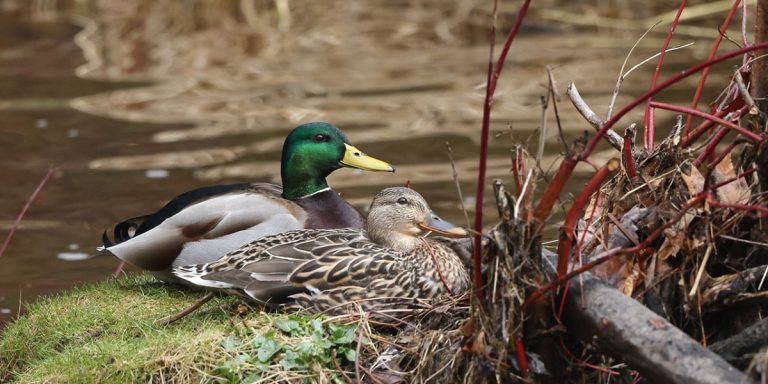
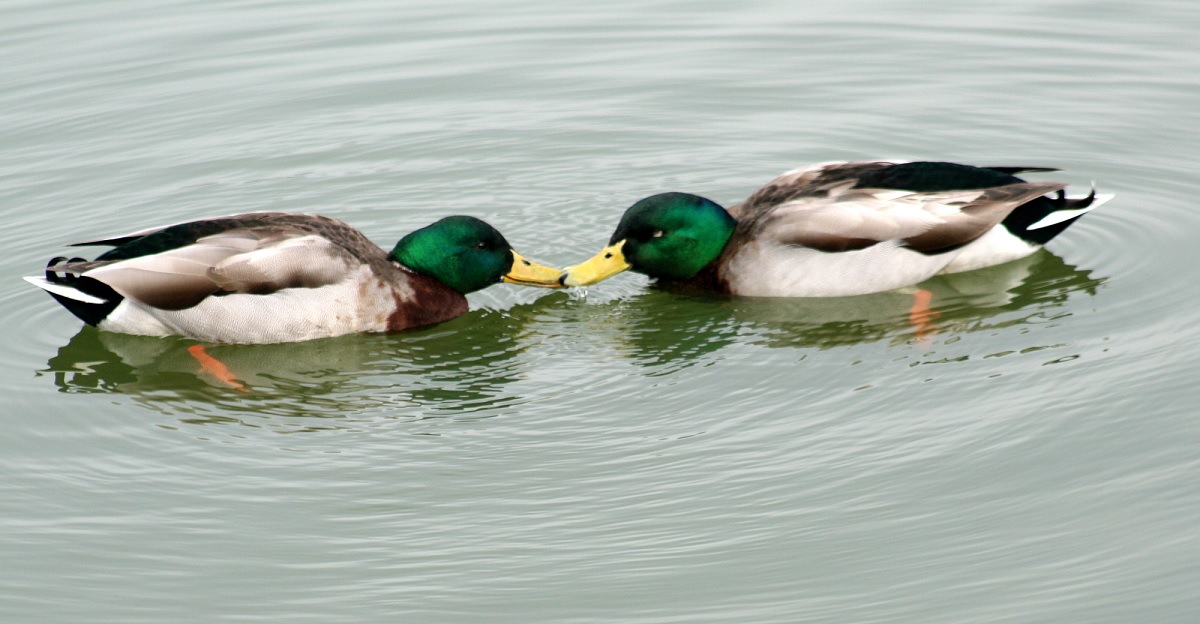
Several species are known for homosexual behavior, including black swans, mallards, gulls, albatrosses, and penguins. Both males and females in these species engage in courtship, bonding, and sometimes parenting activities with same-sex partners.
You may notice patterns such as nest-sharing, synchronized displays, or protective behavior toward adopted chicks. Recognizing these species helps you understand that homosexual behavior is widespread and naturally occurring, reflecting the diverse strategies birds use to navigate social interactions and reproductive challenges.
Does Homosexual Behavior Affect Bird Reproduction?
Homosexual behavior does not necessarily hinder bird reproduction. In many cases, birds in same-sex pairs still interact with opposite-sex birds to reproduce, or they participate in cooperative parenting with other pairs.
This behavior can even support reproductive success indirectly by maintaining social harmony, strengthening alliances, and helping with territory defense. Understanding this shows you that same-sex behavior in birds is not solely about mating but plays an important role in their social and ecological systems.
How Do Scientists Study Homosexual Birds?
Scientists study homosexual birds through long-term observation, recording courtship rituals, nesting behavior, and social interactions. Both wild populations and captive birds are monitored to collect data on same-sex pairing and chick-rearing practices.
You can learn from these studies that careful observation and documentation are essential to understanding avian social complexity. Researchers use these findings to challenge misconceptions, highlighting that homosexual behavior is a natural and important aspect of many bird species’ lives.
Final Thoughts
Observations of avian behavior reveal a fascinating diversity in social and sexual interactions. Birds display same-sex behaviors that range from short-term courtship to long-term pair bonding, cooperative parenting, and dominance displays. These behaviors demonstrate the complexity of avian social systems and challenge traditional assumptions about reproduction and mating.
When exploring the question are there homosexual birds, scientific evidence confirms that same-sex interactions occur across numerous species. From swans and penguins to gulls and pigeons, these behaviors serve a variety of functions, including social bonding, territory defense, and indirect contributions to reproductive success. Understanding these behaviors emphasizes that sexual orientation in birds is not strictly tied to reproduction but can fulfill essential ecological and social roles.
Studying same-sex behavior in birds enriches our understanding of animal behavior, evolution, and adaptability. Recognizing the prevalence and significance of these interactions provides insight into the multifaceted lives of birds and highlights the flexibility and resilience of their social structures.