Great Horned Owl Predators: What Threatens Them And How They Protect Themselves
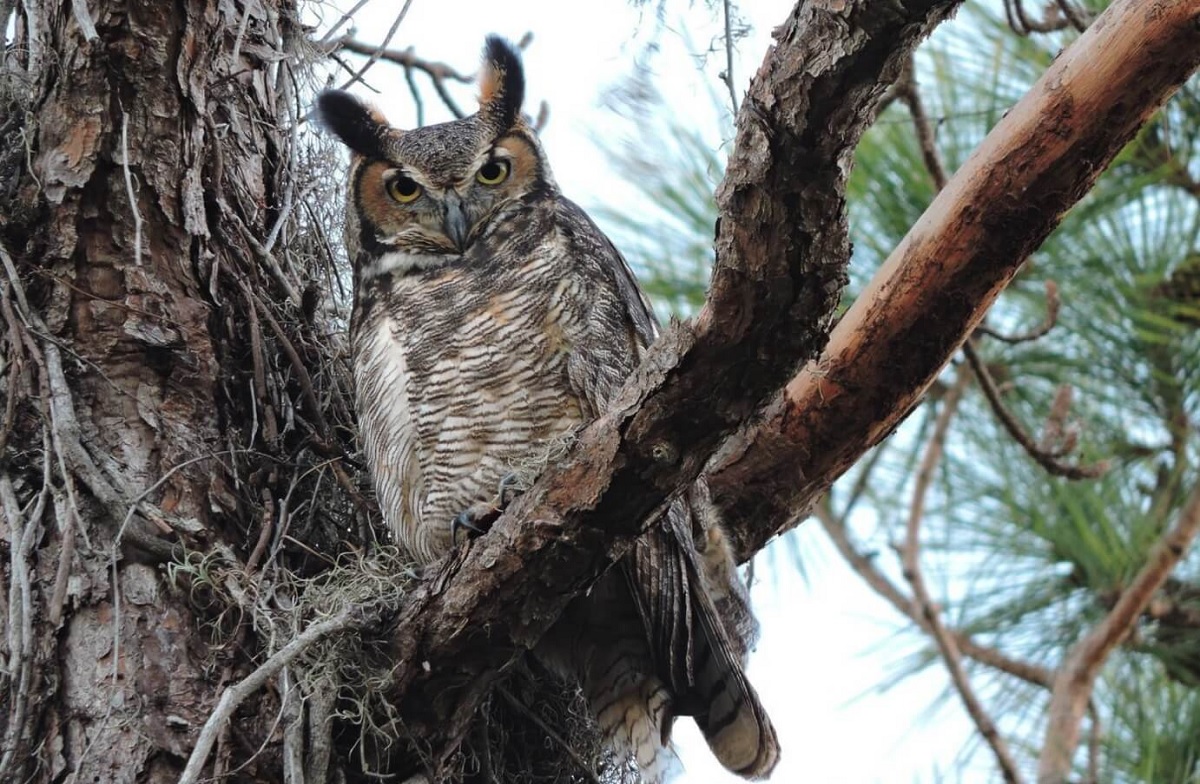
The great horned owl is one of North America’s most powerful and adaptable birds of prey, known for its striking appearance, impressive hunting skills, and ability to thrive in diverse habitats. Despite its status as a top predator, it is not completely invincible, and there are certain threats it faces in the wild. Understanding great horned owl predators is essential for appreciating the challenges these raptors encounter throughout their life stages.
From eggs and fledglings to adults, these owls must navigate dangers posed by larger birds, mammals, and even humans. Studying these predators also provides insight into the owl’s behavior, nesting strategies, and survival tactics. By learning about the natural threats to great horned owls, you can gain a deeper respect for their resilience and the delicate balance of ecosystems where these nocturnal hunters play a critical role. This knowledge highlights both their strengths and vulnerabilities in the wild.
Natural Predators Of Great Horned Owls
Even as formidable hunters, great horned owls face threats from other creatures in the wild. Understanding their natural predators helps explain the risks they encounter at different life stages, from eggs and hatchlings to fully grown adults. These predators vary depending on the owl’s environment, with some posing dangers only to the young while others may challenge adult owls directly. By examining natural threats, you can better appreciate the challenges these raptors navigate to survive and thrive in diverse ecosystems.
Predators Targeting Eggs And Nestlings
The most vulnerable stage for great horned owls is during nesting, when eggs and young chicks are defenseless. Common natural predators include raccoons, skunks, and other small mammals that can climb trees or reach nests on ledges. Snakes are also known to raid nests, consuming eggs and vulnerable hatchlings. Even other birds of prey, such as large hawks or crows, may opportunistically target unattended eggs or nestlings.
Parental defense plays a critical role in reducing these threats. Great horned owls aggressively guard their nests, using their sharp talons and powerful beaks to deter predators. Despite this, some intrusions succeed, highlighting the constant dangers young owls face. Nests placed in higher, more secluded locations are typically safer, but no site is entirely risk-free. Understanding these egg and chick predators shows how early survival requires both instinctual vigilance and strategic nest placement.
Predators That Threaten Juvenile And Sub-Adult Owls
Once fledglings leave the nest, juvenile great horned owls still face significant threats. Larger birds of prey, including eagles and other owls, can target younger, inexperienced owls. Ground-based predators such as foxes or bobcats may also attack fledglings that are learning to hunt and fly. Juvenile owls are particularly vulnerable because they are still honing their hunting and evasion skills.
During this stage, juveniles rely on rapid learning and parental guidance to survive. They must master stealth, flight, and hunting techniques to avoid predators while also finding adequate food. Encounters with predators teach fledglings how to navigate threats and identify safe perching spots. The risks juveniles face emphasize the importance of growth, agility, and caution during early life stages, shaping their survival skills for adulthood.
Predators Of Adult Great Horned Owls
Adult great horned owls, due to their size and predatory abilities, have few natural enemies. However, large eagles and other top raptors may occasionally challenge them, particularly during territorial disputes or in regions with high predator density. In some cases, aggressive mammals such as bobcats or coyotes may threaten owls roosting at lower elevations, although these incidents are rare.
Adult owls also face indirect threats from parasitic birds, like cowbirds, and disease-bearing animals that can weaken them. While these threats do not involve direct predation, they affect health and longevity. Great horned owls rely on their agility, sharp talons, and keen senses to detect danger and defend themselves. Their few natural predators as adults highlight their position near the top of the food chain, yet they remain part of a dynamic ecosystem where survival depends on constant vigilance.
Human-Related Threats
Despite their status as apex predators, great horned owls face numerous human-related threats that impact their survival. Habitat loss, collisions with vehicles, and exposure to chemicals all pose significant risks. Unlike natural predators, these dangers are often unpredictable and widespread, affecting owls across urban, suburban, and rural environments. Understanding human-related threats provides insight into how human activity alters ecosystems and the steps needed to mitigate these impacts, helping ensure the survival and well-being of these remarkable nocturnal hunters.
Habitat Loss And Urbanization
One of the primary human-related threats to great horned owls is habitat loss. As forests are cleared for agriculture, housing developments, and commercial projects, natural nesting and hunting areas become scarce. Trees that once offered shelter, elevated perches, and protection from predators are removed, forcing owls to adapt to fragmented landscapes or urban environments.
Urbanization also brings additional challenges, such as increased human activity, domestic pets, and noise pollution. Owls may attempt to nest in less ideal locations like utility poles, buildings, or isolated trees, making them more vulnerable to disturbances. Reduced habitat can also lead to increased competition for limited prey, forcing owls to expend more energy hunting. Habitat loss underscores the importance of conservation efforts, including protecting old-growth trees, maintaining forested corridors, and implementing urban planning strategies that consider wildlife needs. These measures help preserve critical nesting sites and hunting grounds for great horned owls.
Collisions And Direct Human Interference
Collisions with vehicles, power lines, and windows present another significant threat. Owls hunting at night may swoop down toward roads or urban areas, encountering vehicles or reflective glass that they cannot avoid. These collisions often result in serious injury or death. Power lines also pose hazards, as owls may perch on them and risk electrocution, especially in areas where lines are exposed or poorly insulated.
Direct human interference, such as nest disturbance or illegal trapping, can further impact owl populations. While some interactions may be unintentional, repeated disturbances can lead to nest abandonment, leaving eggs or chicks vulnerable. Education and awareness programs encourage safe practices, such as observing owls from a distance, avoiding interference during breeding seasons, and securing hazardous structures. By reducing these risks, humans can play a crucial role in minimizing owl mortality and supporting healthy populations.
Exposure To Chemicals And Pollution
Pesticides, rodenticides, and other chemicals used in agriculture and urban areas pose a significant indirect threat. Great horned owls feeding on poisoned prey can accumulate toxins in their bodies, leading to illness or death. These chemicals can also reduce prey availability by affecting smaller mammals and birds, indirectly impacting owl nutrition and survival.
Pollution, including heavy metals and environmental contaminants, further threatens their health. Contaminated water sources and prey can lead to reproductive issues and weakened immune systems, making owls more susceptible to disease and predation. Awareness of these threats highlights the importance of using wildlife-friendly practices, such as limiting chemical use, providing safe hunting habitats, and monitoring environmental pollutants. Reducing exposure to harmful substances is essential for sustaining healthy owl populations in both rural and urban landscapes.
Predation Risk By Life Stage
Great horned owls face varying levels of predation risk depending on their life stage. From eggs and nestlings to juveniles and adults, each stage presents unique vulnerabilities that influence survival strategies. Understanding these risks highlights the importance of nesting choices, parental care, and defensive behaviors. By examining predation risk by life stage, you can better appreciate the challenges these raptors encounter and the adaptive strategies they use to navigate threats from natural predators and environmental pressures.
Eggs And Nestlings
The egg and nestling stage is the most vulnerable period for great horned owls. During this time, they are largely defenseless, relying entirely on parental protection for survival. Predators such as raccoons, snakes, skunks, and even large birds can target eggs and young chicks. The stationary nature of nests makes it easier for these predators to locate and raid them.
Parental care is critical in this stage. Adult owls aggressively defend their nests using sharp talons, vocalizations, and threatening postures to deter potential intruders. Nest location also plays a vital role; higher or secluded nesting sites reduce the risk of predation. Despite these precautions, some eggs and nestlings still fall victim to predators. This stage emphasizes the importance of vigilance, nest placement, and constant parental involvement, as survival at this stage directly affects population stability and future recruitment of juveniles into the owl population.
Juveniles And Sub-Adults
Once fledglings leave the nest, juvenile and sub-adult great horned owls face a new set of predation risks. At this stage, they are learning to hunt, fly, and evade threats, making them more vulnerable to larger birds of prey such as eagles, hawks, and even other adult owls. Ground-based predators like foxes or bobcats may also pose a danger to fledglings still gaining strength and agility.
Survival during this stage relies heavily on learning and experience. Juveniles must develop keen awareness of their surroundings, flight skills, and hunting proficiency to avoid predation. Parental guidance continues to play a role, teaching safe hunting practices and alerting fledglings to potential dangers. This period is critical for building the skills necessary for adult independence. Predation pressure during this life stage shapes behavior, enhances survival instincts, and prepares juveniles for adulthood, where predation threats are significantly reduced.
Adults
Adult great horned owls are near the top of the food chain, and their predation risk is relatively low compared to younger stages. However, they are not entirely without threats. Large raptors, including eagles or rival owls, may challenge adults during territorial disputes, and aggressive mammals like bobcats or coyotes could pose a rare threat when owls roost at lower elevations.
Adults also face indirect risks from parasitic birds, diseases, and environmental hazards. Although these do not involve direct predation, they can weaken the owl and reduce survival chances. Adults rely on their size, strength, sharp talons, and keen senses to detect and deter threats effectively. Predation risk at this stage is primarily situational, emphasizing vigilance, territorial defense, and environmental awareness. Understanding how risk changes across life stages demonstrates the adaptability and resilience of great horned owls in navigating complex ecosystems.
Observation And Tracking
Observation and tracking are essential tools for studying great horned owls and understanding their behaviors, habitats, and threats. By carefully monitoring these raptors, researchers and wildlife enthusiasts can gather valuable information about nesting patterns, hunting habits, migration routes, and interactions with predators. Tracking provides insight into population health, territory ranges, and survival challenges at different life stages. With accurate observation techniques, you can contribute to conservation efforts while appreciating the owl’s adaptability and role in maintaining balanced ecosystems.
Visual Observation Techniques
Visual observation is one of the simplest and most effective ways to study great horned owls in the wild. Using binoculars or spotting scopes, you can watch their behaviors from a safe distance without causing disturbance. Observing owls during dusk or nighttime hours, when they are most active, provides insights into hunting strategies, flight patterns, and territorial behavior.
Recording details such as perch locations, prey capture methods, and interactions with other wildlife allows for a deeper understanding of their ecology. Noting changes in activity across seasons helps track breeding periods, fledgling development, and shifts in territory use. Maintaining a log of observations can identify patterns over time, revealing how owls adapt to environmental changes, urbanization, and human presence.
Visual observation also enables monitoring of potential threats. By watching how owls respond to predators, human activity, or habitat disruptions, you gain information crucial for implementing effective conservation strategies. Careful, consistent observation encourages ethical wildlife study practices, balancing knowledge gathering with respect for the owl’s natural behaviors and minimizing stress or interference.
Use Of Tracking Devices
Tracking devices, such as GPS transmitters or radio collars, provide detailed information on great horned owl movements that visual observation alone cannot capture. These tools allow researchers to study territory ranges, hunting routes, and migration behaviors in real-time, revealing patterns invisible during occasional field sightings.
GPS tracking helps monitor juvenile dispersal after fledging, identifying survival challenges and habitat preferences. Radio telemetry can locate roosting sites, nest locations, and interactions with other owls or predators. Data from these devices also informs conservation planning, showing which areas are critical for protection or prone to human-related threats.
While using tracking devices, it is essential to ensure minimal impact on the owl’s behavior. Proper attachment techniques and careful monitoring prevent stress or injury. Combining technological tracking with visual observation provides a comprehensive understanding of great horned owl ecology, allowing for more informed conservation and management strategies.
Citizen Science And Data Collection
Citizen science initiatives allow bird watchers and enthusiasts to contribute valuable data on great horned owl populations. Reporting sightings, nesting activity, and unusual behaviors helps scientists track trends, distribution, and population health over time. Apps and online databases make it easy to log observations, enhancing large-scale monitoring efforts.
Data collected by citizen scientists can identify new threats, such as habitat loss or human disturbances, and provide early warnings of environmental changes affecting owls. Consistent contributions also help validate professional research findings, expanding knowledge across geographic regions. Engaging the public in observation and tracking not only supports conservation but fosters appreciation for the ecological role of great horned owls and promotes responsible interaction with wildlife.
People Also Asked
What Are The Main Natural Predators Of Great Horned Owls?
Even though great horned owls are top predators, they still face threats from certain animals. Eggs and nestlings are most at risk, targeted by raccoons, snakes, skunks, and large birds like crows or hawks. Juvenile owls may also fall prey to eagles, other owls, or ground-based predators such as foxes and bobcats. Adult great horned owls have few natural enemies, but large raptors and aggressive mammals can occasionally threaten them. Understanding these predators helps you appreciate the challenges these raptors face throughout their life cycle.
How Vulnerable Are Great Horned Owl Eggs To Predation?
Great horned owl eggs are highly vulnerable because they are stationary and defenseless. Predators such as raccoons, snakes, and skunks can easily access nests to consume eggs. Large birds like crows may also target unattended eggs opportunistically. Parental protection is critical at this stage, with adults aggressively defending nests using talons, beaks, and vocal warnings. Nest location, such as high or secluded sites, further reduces risk. Recognizing the threats to eggs emphasizes the importance of careful nesting site selection and constant parental vigilance for owl survival.
Do Juvenile Owls Face Higher Predation Risk Than Adults?
Yes, juvenile great horned owls face higher predation risk than adults. After leaving the nest, fledglings are still learning to hunt, fly, and avoid predators. Larger raptors, including eagles, hawks, and other owls, may target inexperienced juveniles. Ground predators like foxes and bobcats also pose a threat, especially when juveniles land or rest in vulnerable areas. Survival during this stage depends on rapid skill development, parental guidance, and cautious behavior. These early-life experiences are critical in teaching fledglings how to evade predators and survive independently.
Can Adult Great Horned Owls Be Preyed Upon?
Adult great horned owls have very few predators due to their size, strength, and predatory abilities. However, they are occasionally challenged by large raptors such as eagles or rival owls, particularly during territorial disputes. Aggressive mammals like bobcats or coyotes may threaten roosting owls at lower elevations. Adults also face indirect threats, such as disease, parasites, or environmental hazards, which can weaken them. Their sharp talons, keen eyesight, and agility help deter most predators, keeping adult owls near the top of the food chain.
How Do Great Horned Owls Protect Their Nest From Predators?
Great horned owls use a combination of physical defense, vigilance, and strategic nest placement to protect their young. Adults aggressively guard nests using talons, beaks, and loud vocalizations to scare off predators. Nests are often placed in high trees, cliff ledges, or secluded areas to reduce accessibility. Parents take turns incubating eggs and feeding chicks, ensuring someone is always present. By selecting secure locations and remaining vigilant, owls reduce the risk of predation, increasing the likelihood of survival for both eggs and nestlings.
Are There Human-Related Threats That Act Like Predators?
Yes, human activities can mimic predation threats for great horned owls. Habitat loss, urbanization, and nest disturbances put eggs, juveniles, and adults at risk. Vehicles, power lines, and reflective windows can cause injuries or death, while chemical exposure from pesticides or rodenticides indirectly reduces survival chances. Although humans are not natural predators, these threats significantly impact owl populations. Recognizing human-related dangers helps you understand the importance of conservation, habitat protection, and responsible interaction with wildlife to ensure owl safety.
How Does Predation Risk Change With Life Stage?
Predation risk for great horned owls varies significantly with life stage. Eggs and nestlings are the most vulnerable, facing attacks from mammals, snakes, and large birds. Juveniles are still learning essential survival skills, making them more susceptible to raptors and ground predators. Adult owls face minimal direct predation but encounter occasional threats from large raptors, aggressive mammals, or environmental hazards. Understanding these changes in risk highlights how owls adapt their behavior, nesting strategies, and defenses throughout their life cycle to survive in a complex ecosystem.
Conclusion
Great horned owls face a variety of threats throughout their lives, from natural predators targeting eggs and chicks to human-related dangers like habitat destruction and collisions. Despite being apex predators themselves, they must remain vigilant to protect their nests and young. Their defensive strategies, including aggressive behavior, camouflage, and careful selection of nesting sites, help reduce predation risks.
Understanding the challenges posed by [great horned owl predators] allows conservationists and wildlife enthusiasts to better support these owls in the wild. Measures such as preserving natural habitats, monitoring nesting sites, and minimizing human interference can enhance their survival rates. By appreciating both the natural and human-influenced threats they face, we gain insight into the resilience and adaptability of great horned owls, ensuring that these remarkable birds continue to thrive in ecosystems across their range.