Can Birds Eat Cherry Pits: What Every Bird Owner Needs To Know
Watching birds enjoy fruits in your backyard can be delightful, but it often raises questions about which parts of the fruit are safe. Cherries, with their sweet flesh and bright color, attract many bird species, yet the seeds or pits present potential concerns. Birds’ digestive systems differ from humans, so foods that seem harmless may carry risks for them.
Cherry pits contain compounds that, when broken down, can release cyanide. This naturally occurring chemical can be toxic to birds in sufficient quantities. Understanding how birds interact with cherry pits and whether they can safely consume them is important for responsible feeding.
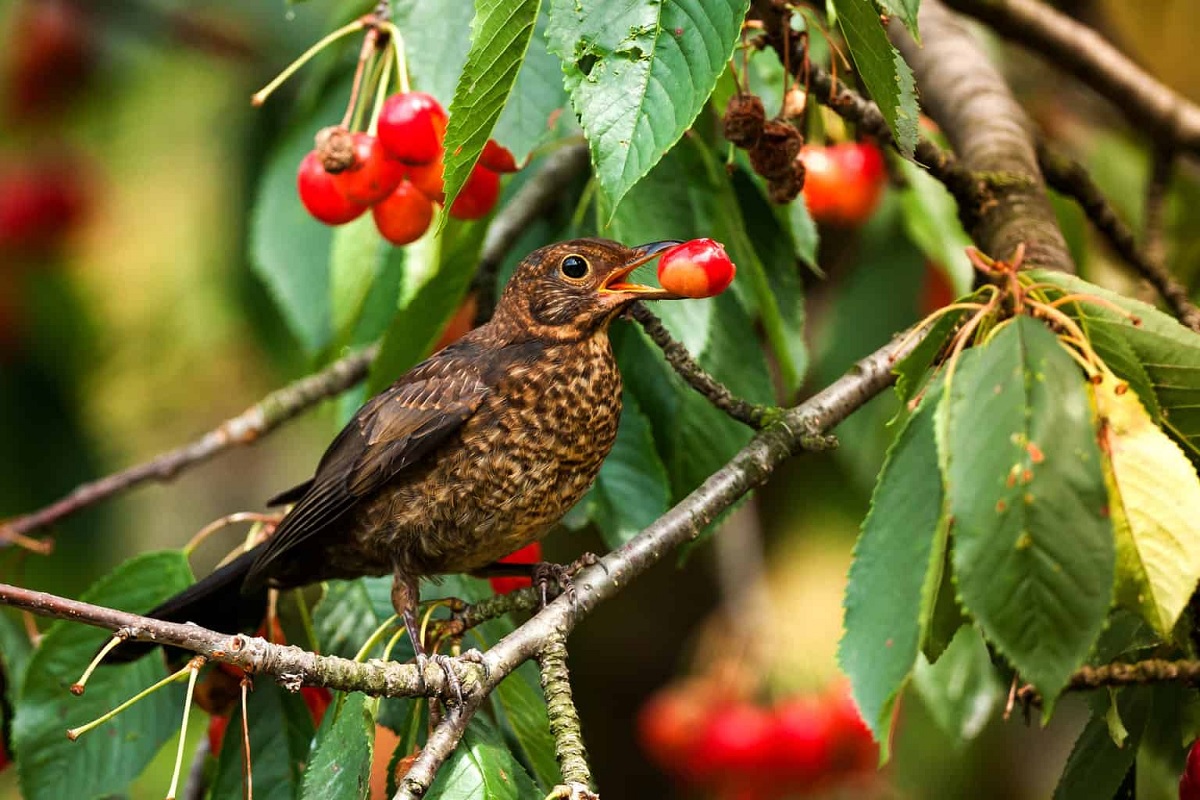
Many bird species are capable of eating the flesh while discarding the pit, showing natural behavior that protects them from harm. Observing feeding habits provides insight into their instincts and dietary choices.
Considering the safety of cherry pits helps ensure that offering cherries as a treat supports birds’ nutrition without causing unintended risks or health issues.
Toxicity And Risks Of Cherry Pits
Cherry pits contain naturally occurring compounds that can be harmful to birds if ingested in large quantities. Understanding the toxicity and associated risks is crucial for anyone offering cherries as a supplemental food. Birds may encounter these pits while eating fruit, making awareness of potential dangers essential to maintaining their health and safety.
Cyanogenic Compounds In Cherry Pits
Cherry pits contain cyanogenic glycosides, which can release cyanide when metabolized. You may notice that these compounds are concentrated in the seed, while the fruit flesh itself is generally safe for consumption. Cyanide interferes with oxygen utilization in cells, and ingestion of sufficient quantities can lead to serious health issues.
Smaller birds are particularly vulnerable because even one or two crushed pits can deliver a relatively high dose of cyanide. Symptoms of cyanide poisoning in birds may include weakness, difficulty breathing, or sudden death in extreme cases. Birds typically avoid swallowing pits due to instinctive feeding behaviors, but accidental ingestion can occur when pits are broken or chewed.
Understanding the chemical composition of cherry pits helps explain why they pose a risk. While birds can safely eat the fruit flesh, care must be taken to remove or avoid pits when feeding cherries in a backyard or captive setting.
Physical Hazards And Choking Risk
In addition to chemical toxicity, cherry pits present physical hazards. You may notice birds attempting to swallow pits whole, which can lead to choking, internal injury, or digestive blockage. The hard, smooth surface of the pit can make it difficult for birds to handle, particularly smaller species with limited beak strength.
Even if cyanide is not released, the mechanical risk of obstruction makes pits unsafe for routine feeding. Birds that attempt to chew pits may also damage their beaks or ingest splinters, which can cause infections or other complications.
Providing cherries without pits or cutting fruit into manageable pieces significantly reduces both chemical and physical risks. Observing birds’ feeding habits ensures they safely consume the fruit while avoiding harm from the pits.
Species-Specific Sensitivity
Different bird species show varying sensitivity to cherry pit toxicity. You may notice that larger birds, such as crows or jays, are more capable of handling small pits without immediate harm, whereas small songbirds are far more vulnerable. This difference is due to body size, metabolism, and digestive efficiency.
Even among larger birds, repeated ingestion of crushed or chewed pits increases cyanide exposure. Birds in captivity are particularly at risk, as they may have limited alternative foods and are more likely to ingest all parts of the fruit. Understanding species-specific vulnerability helps in making informed decisions about which birds can safely be offered cherries.
Mitigating Risks When Feeding Cherries
To reduce the risks associated with cherry pits, you may consider removing the pits entirely before offering cherries to birds. Slicing or pitting the fruit allows birds to enjoy the flesh safely, minimizing both cyanide exposure and choking hazards.
Scattering cherry pieces on feeders or ground-feeding areas in moderation ensures birds consume only safe portions. Avoid offering wild cherries with unknown ripeness or pits that may be cracked, as these increase the likelihood of cyanide release. Educating yourself on these safety practices protects birds while allowing them to enjoy seasonal fruits responsibly.
Bird Species That May Be Affected
While many birds enjoy fruits safely, certain species are more vulnerable to the risks posed by cherry pits. Size, feeding habits, and digestive physiology all influence how different birds are affected. Recognizing which species are at higher risk helps in providing safe feeding options and preventing potential harm from cherry pits.
Small Songbirds
Small songbirds, such as finches, sparrows, and chickadees, are particularly susceptible to the toxicity and physical risks of cherry pits. You may notice these birds attempting to swallow small pits whole, which can cause choking or intestinal blockages. Their small body size also means that even a minimal amount of cyanide exposure from crushed pits can have harmful effects.
These birds rely heavily on instinct to avoid hazards, often discarding seeds and pits while consuming fruit flesh. However, young or inexperienced birds may accidentally ingest pits, increasing their vulnerability. Providing pitted cherries or finely chopped fruit pieces ensures that these small species can enjoy cherries safely while avoiding both chemical and physical risks.
Medium-Sized Birds
Medium-sized birds, such as doves, pigeons, and jays, are somewhat more resilient but still at risk from cherry pits. You may notice these species attempting to crack pits with their beaks, which can release cyanide if the seed is damaged. While larger than songbirds, their body mass does not fully mitigate the chemical exposure, especially with repeated ingestion.
Jays and crows, in particular, may be curious and handle cherry pits directly. Observing how these birds manipulate fruit highlights the need for caution, as chewed or broken pits increase the risk of cyanide poisoning. Offering fruit without pits or ensuring that birds consume only the flesh helps protect medium-sized species from unintended harm.
Larger Birds
Larger birds, such as crows, ravens, and some raptors, are less likely to be immediately affected by cherry pits due to their size and stronger digestive systems. You may notice that these birds can occasionally handle whole pits without ingesting them fully, reducing the risk of choking or acute poisoning.
However, cyanide exposure is still possible if a pit is cracked, chewed, or repeatedly consumed. Even large birds may suffer negative effects over time, including digestive distress or sub-lethal toxicity. Understanding that no bird is completely immune underscores the importance of removing pits from cherries before offering them as food.
Captive Birds And Pet Species
Captive or pet birds, such as parrots, canaries, and parakeets, are especially vulnerable to cherry pit risks. You may notice that these birds often consume all parts of the fruit, increasing their exposure to both chemical and physical hazards. In controlled environments, they lack the natural instinct to discard pits, making intentional pit removal crucial.
Pet birds have smaller spaces and may ingest multiple pits in a short period, increasing cyanide exposure. Providing only pitted cherries or chopped fruit pieces ensures that captive birds can safely enjoy cherries while maintaining their health and avoiding accidental poisoning.
Feeding Considerations Across Species
Regardless of size or species, caution is essential when offering cherries. You may notice differences in how birds handle pits, but risks remain for all species. Removing pits, cutting fruit into small pieces, and monitoring consumption are key practices to protect birds from harm.
Seasonal feeding, particularly during times of scarcity or breeding, requires extra vigilance. Ensuring that cherries are safe to consume and limiting access to pits reduces both chemical and physical hazards. By understanding which species are most affected, you can provide nutritious treats without endangering birds in your backyard or aviary.
Signs Of Poisoning From Cherry Pits
Cherry pits contain cyanogenic compounds that can release cyanide when crushed or ingested, posing a risk to birds. Recognizing early signs of poisoning is essential for preventing serious health issues. Awareness of these symptoms helps bird watchers, pet owners, and backyard enthusiasts respond quickly and protect birds from potential harm.
Behavioral Changes And Lethargy
One of the first signs of cherry pit poisoning in birds is noticeable behavioral change. You may observe previously active birds becoming unusually lethargic or sluggish. Birds may perch quietly for extended periods instead of engaging in normal activities like foraging, calling, or preening.
Lethargy occurs as cyanide interferes with oxygen transport in the bloodstream, reducing energy production in cells. Birds may also appear disoriented or confused, struggling to maintain balance or coordinate movement. These early behavioral symptoms are a critical indicator that the bird may have ingested a harmful substance.
Observing these subtle changes allows for early intervention, such as removing access to cherries or providing supportive care. Immediate action can prevent further ingestion and reduce the risk of severe poisoning or death.
Respiratory Distress And Labored Breathing
Another key sign of cyanide poisoning from cherry pits is difficulty breathing. You may notice birds breathing rapidly, gasping, or holding their wings slightly away from their body as they struggle to get enough oxygen. Cyanide disrupts the ability of cells to use oxygen efficiently, creating significant respiratory distress.
In severe cases, birds may appear to be panting or wheezing, and their movements can become erratic due to lack of oxygen. Smaller birds are particularly vulnerable because even a small amount of cyanide can cause rapid onset of symptoms.
Close monitoring of birds around cherry feeding areas is important. Recognizing early signs of respiratory distress allows you to separate affected birds and prevent further exposure, giving them a better chance of recovery.
Neurological Symptoms And Disorientation
Cyanide exposure can also manifest as neurological symptoms in birds. You may observe uncoordinated movements, trembling, or difficulty perching. Birds may tilt their heads, stagger, or exhibit unusual vocalizations as a result of oxygen deprivation affecting the nervous system.
In some cases, seizures or sudden collapse may occur, particularly with high exposure. Early neurological signs, combined with lethargy and respiratory distress, indicate a medical emergency. Birds showing these symptoms require immediate removal from the source of cherry pits and professional veterinary care if possible.
Gastrointestinal Distress
In addition to behavioral and neurological symptoms, birds affected by cherry pit poisoning may show signs of gastrointestinal upset. You may notice regurgitation, loss of appetite, or unusual droppings. Cyanide can irritate the digestive tract, and birds may attempt to expel harmful substances instinctively.
Monitoring food intake and observing feeding behavior helps identify early signs of distress. Birds that refuse food or show repeated signs of discomfort should be removed from cherry pits and offered safe alternatives, such as pitted fruit or other bird-safe treats.
Preventive Measures
Awareness of these poisoning signs emphasizes the importance of preventing access to cherry pits. You may remove pits before offering cherries, cut fruit into manageable pieces, and supervise backyard feeding areas. Early recognition and preventive strategies are essential to keeping birds healthy and safe while allowing them to enjoy seasonal fruits.
Safe Ways To Offer Cherries To Birds
Offering cherries to birds can be a healthy and enjoyable treat when done safely. Understanding proper preparation, portion sizes, and feeding methods helps minimize risks associated with cherry pits while allowing birds to benefit from the fruit’s natural nutrients. Safe feeding practices ensure birds can enjoy cherries without exposure to toxins or physical hazards.
Removing Pits Before Feeding
The most important step in safely offering cherries to birds is removing the pits. You may cut the fruit in half or scoop out the pit entirely, ensuring birds have access only to the safe flesh. This eliminates the risk of cyanide poisoning and reduces choking hazards, particularly for small songbirds.
Birds instinctively avoid hard seeds in many cases, but mistakes can occur, especially with young or inexperienced individuals. By providing pitted cherries, you allow birds to enjoy the fruit without facing chemical or physical risks. For backyard feeding, placing pitted pieces in shallow trays or spreading them on platforms encourages safe consumption.
Cutting Cherries Into Manageable Pieces
Chopping cherries into smaller pieces helps birds handle and consume the fruit easily. You may cut cherries into halves or quarters, depending on the size of the bird species. Smaller birds benefit from bite-sized pieces, while larger species can manage slightly bigger chunks.
This method reduces the risk of choking and encourages natural pecking behavior. Birds can consume the flesh quickly, leaving no time for accidental ingestion of pits if any remain. Preparing cherries in this way also allows multiple birds to feed simultaneously without competition or waste.
Mixing Cherries With Other Foods
Combining cherries with bird-safe foods such as seeds, grains, or chopped vegetables can make feeding safer and more nutritious. You may scatter pieces alongside sunflower seeds or mix them into a homemade fruit-and-seed blend. This approach dilutes the risk of accidental pit ingestion and provides balanced energy and nutrients.
Mixing foods also encourages natural foraging behavior. Birds can selectively feed on different items, maintaining interest while reducing monotony. This method is particularly useful for medium and large species, which may otherwise attempt to handle whole cherries and risk injury.
Choosing Fresh, Ripe Cherries
Fresh and fully ripe cherries are the safest option for birds. You may notice that overripe or spoiled cherries attract mold, which poses additional health risks. Avoid feeding cherries that are bruised, fermented, or covered in pesticides.
Ripe fruit is easier to handle, digest, and offers the maximum nutritional benefit. Observing birds’ preferences ensures they consume safe portions efficiently, while you maintain a clean feeding area free from waste or contamination. Proper selection of fruit is a key factor in preventing health issues.
Safe Feeding Locations
Placing cherries in safe feeding locations helps minimize risk from predators and reduces stress on birds. You may use elevated trays, feeders, or platforms that keep fruit accessible while preventing contamination. Ground feeding can be safe if the area is free from hazards and regularly cleaned.
Multiple feeding spots also prevent overcrowding and competition, ensuring that smaller or more timid birds have access. By controlling both preparation and placement, you create an environment where birds can safely enjoy cherries as a seasonal treat.
Accidental Ingestion And What To Do
Accidental ingestion of cherry pits can pose serious health risks to birds due to cyanide toxicity and physical hazards. Recognizing potential signs of ingestion and responding promptly is critical for bird safety. Understanding preventive measures and immediate actions ensures that birds recover quickly and reduces the likelihood of long-term harm.
Recognizing Accidental Ingestion
One of the first steps in responding to accidental cherry pit ingestion is recognizing the signs. You may notice birds showing unusual behaviors such as lethargy, disorientation, or difficulty perching. In some cases, birds may struggle to breathe, exhibit trembling, or appear confused. Small species are particularly vulnerable to both cyanide exposure and choking hazards from whole pits.
Early recognition is vital because symptoms can escalate quickly, leading to severe poisoning or physical injury. Monitoring birds closely during feeding times helps you detect abnormal behaviors. Prompt identification allows for immediate removal of the source, preventing further ingestion and reducing health risks.
Immediate Actions To Take
Once accidental ingestion is suspected, the first step is to remove the remaining cherries and pits from the feeding area. You may relocate the birds to a calm, safe environment, minimizing stress and reducing further exposure. Observing birds closely for worsening symptoms is essential during this period.
In cases of mild ingestion, supportive care such as providing water, soft bird-safe foods, and rest may help recovery. For severe symptoms—such as difficulty breathing, severe lethargy, or seizures—contacting an avian veterinarian immediately is critical. Professional care ensures the bird receives proper treatment, which may include oxygen therapy or detoxification measures.
Monitoring And Supportive Care
After accidental ingestion, ongoing monitoring is necessary to ensure recovery. You may check for improvements in alertness, coordination, and feeding behavior. Birds may continue to show minor symptoms for several hours, so keeping a close eye on their activity is important.
Providing safe food alternatives, such as pitted cherries, seeds, or fruits, helps maintain nutrition while preventing additional exposure. Observing droppings, hydration, and overall responsiveness offers insight into the bird’s recovery process. Prompt attention to subtle changes can prevent minor issues from escalating.
Preventive Measures For Future Feeding
Preventing accidental ingestion is the most effective way to protect birds. You may pit cherries before offering them, chop fruit into manageable pieces, and supervise feeding sessions. Using feeders that minimize contact with pits reduces the risk of birds swallowing harmful seeds.
Maintaining a clean feeding area, avoiding spoiled or overripe fruit, and separating cherries from other hazards further ensures bird safety. Education on safe feeding practices and careful observation during fruit season significantly lowers the risk of accidental ingestion, keeping birds healthy and stress-free.
Understanding Species-Specific Risk
Different bird species show varying susceptibility to cherry pit ingestion. Small songbirds, such as finches and chickadees, are more likely to experience toxicity or choking. Medium-sized species, like doves or jays, may handle pits better but remain at risk if they chew or crush seeds.
Recognizing these differences allows you to tailor feeding strategies to the species present in your backyard or aviary. You may adjust portion sizes, fruit preparation, and placement of feeders to match bird size and feeding habits, reducing accidental ingestion and promoting safe fruit enjoyment for all birds.
FAQs
Can Birds Eat Cherry Pits?
No, birds should not eat cherry pits. The pits contain cyanogenic compounds that can release cyanide when ingested, which is highly toxic. Even small amounts can cause digestive upset, lethargy, or more severe poisoning depending on the bird’s size.
If a bird accidentally swallows a cherry pit, it is important to monitor for symptoms like vomiting, difficulty breathing, or unusual behavior. Removing pits before offering cherries is the safest approach to ensure your bird enjoys the fruit without health risks. Always prioritize the fruit flesh and avoid the pit entirely.
Are Cherry Pits Poisonous To Birds?
Yes, cherry pits are poisonous to birds. The cyanogenic compounds in the pits can convert to cyanide in the bird’s digestive system, which may affect the heart, nervous system, and overall health.
Even if a bird seems unaffected after ingesting a small pit, repeated exposure can lead to cumulative toxicity. Birds are particularly sensitive because their metabolism is fast and their small size increases the risk of poisoning. Always remove pits before feeding cherries to avoid accidental ingestion and serious health consequences.
What Happens If A Bird Eats A Cherry Pit?
If a bird eats a cherry pit, it may experience vomiting, lethargy, or respiratory distress. In severe cases, cyanide poisoning can be life-threatening.
Immediate action involves removing access to more cherries or pits and observing your bird closely. If symptoms develop, contact a veterinarian experienced with avian care. Birds metabolize toxins differently than mammals, so even a small pit can pose serious risks. Prevention is the best strategy, so always ensure cherries are pit-free before offering them as a treat.
Can Small Birds Like Finches Eat Cherry Pits?
No, small birds like finches are at high risk if they consume cherry pits. Due to their tiny size, even minimal cyanide exposure can be dangerous or fatal.
You should only offer the cherry flesh, carefully removing the pit beforehand. Avoid any part of the pit, as the risk of poisoning is significant. Providing safe, pit-free fruit ensures small birds receive nutrients without exposing them to toxic substances. Regular monitoring and careful preparation of fruits are essential for keeping small birds healthy.
Are Wild Birds At Risk From Cherry Pits?
Yes, wild birds can also be at risk from cherry pits. They often forage in areas where cherries may fall with pits intact, and natural curiosity can lead to accidental ingestion.
Wild birds may tolerate small amounts better than domesticated birds due to occasional exposure, but the risk of cyanide poisoning remains. If you feed wild birds cherries, always remove the pits to prevent harm. Observing local wildlife and ensuring safe feeding practices helps protect both wild and pet birds from accidental poisoning.
Can Cooking Or Drying Cherry Pits Make Them Safe?
No, cooking or drying cherry pits does not make them safe for birds. The cyanogenic compounds remain toxic even after heat treatment or drying processes.
You should never feed birds whole cherry pits in any form. Only the fruit flesh is safe and nutritious. Ensuring that all cherries offered are fully pitted is the only reliable way to prevent cyanide exposure and maintain your bird’s health. Avoiding all forms of the pit is crucial for their safety.
How Can I Safely Feed Cherries To My Bird?
You can safely feed cherries to your bird by completely removing the pit before offering the fruit. Cut the cherry into small, manageable pieces appropriate for your bird’s size.
Mixing cherry flesh with other safe fruits like apples or berries can provide variety and nutrition without risk. Always supervise your bird during feeding, and avoid canned or processed cherries that may contain added sugars or preservatives. By taking these precautions, you can enjoy offering cherries as a tasty, safe treat for your bird.
Final Thoughts
Birds enjoy a variety of fruits, and cherries are a popular choice due to their sweetness and nutritional value. While the flesh of cherries is generally safe, the pits pose significant risks because of cyanide content and choking hazards. Understanding these dangers helps ensure that feeding practices do not inadvertently harm birds.
Considering the risks associated with cherry pits, it is essential to prepare fruit carefully before offering it. Removing pits, cutting cherries into manageable pieces, and monitoring feeding behavior are effective ways to prevent accidental ingestion and poisoning. Observing birds closely allows you to respond quickly if any signs of distress appear, maintaining their safety while allowing them to enjoy a healthy treat.
Answering the question of can birds eat cherry pits shows that the seeds themselves should never be offered. Birds instinctively avoid swallowing hard pits in most cases, but human intervention is key to ensuring complete safety. Providing only the fruit flesh allows birds to benefit from cherries without exposure to harmful compounds.