Are There Cardinal Birds in Australia? Facts, Sightings, and Lookalikes
Australia is renowned for its vibrant and diverse birdlife, from colorful parrots to unique waterfowl, captivating birdwatchers around the world. Among these curious avian visitors, many people wonder about the presence of cardinal birds, a species well-known in North and South America for their striking red plumage and melodic songs. Exploring the Australian landscape for cardinals often leads to surprising discoveries about local bird populations and migratory patterns.
While some exotic birds have been introduced to various regions, the natural habitats of Australia are home to many native species that fill similar ecological niches. Understanding the dynamics of bird distribution and habitat preference sheds light on the intriguing question of are there cardinal birds in Australia, guiding enthusiasts to know what to look for and where. Observing these birds, whether native or introduced, offers a fascinating glimpse into the complexity of Australia’s avian ecosystem.
Native Birds Commonly Mistaken for Cardinals in Australia
Australia is home to an incredible variety of birds, many of which display bright colors similar to the red cardinal. While cardinals are native to the Americas, some Australian species catch the eye with red, orange, or even pink hues. These similarities can confuse birdwatchers, especially those unfamiliar with local wildlife. By exploring which native birds are commonly mistaken for cardinals, enthusiasts can better identify species while appreciating Australia’s rich avian diversity.
Crimson Rosella
The Crimson Rosella is one of the most visually striking birds in eastern Australia, with bright red plumage covering its head and body. Blue patches on the wings and tail create a sharp contrast, making the bird appear even more vibrant. This striking combination often leads people to mistake it for a cardinal.
These parrots are commonly found in forests, woodlands, and even suburban gardens. Their diet mainly includes seeds, fruits, and nectar, and they are often seen feeding on the ground or hopping between tree branches. The Crimson Rosella’s vocalizations are quite different from a cardinal’s, consisting of whistles, chattering, and screeches. Observing their behavior, including their social interactions and climbing movements, provides additional clues to distinguish them from cardinals.
Red-backed Fairywren
The male Red-backed Fairywren develops a bright red and black back during the breeding season, which can cause confusion with cardinals. These small birds are agile and often dart through low shrubs and grasslands, making their fleeting flashes of red particularly noticeable.
Red-backed Fairywrens primarily feed on insects and other small invertebrates. They are highly social, often forming cooperative breeding groups where multiple adults help raise young. Their quick movements and energetic foraging behavior contrast sharply with the slower, ground-feeding habits of cardinals. The combination of their size, behavior, and habitat helps birdwatchers distinguish these native birds from their American counterparts.
Eastern Rosella
Eastern Rosellas are medium-sized parrots with a distinctive red head and upper chest, while their body displays vibrant yellow, green, and blue feathers. This mix of colors can create the illusion of a cardinal, especially from a distance.
Found throughout southeastern Australia, Eastern Rosellas frequent gardens, farmlands, and open forests. They feed on seeds, fruits, and insects, often foraging on the ground or hopping among branches. Their calls are high-pitched and musical, differing from the cardinal’s clear, flute-like song. Observing their feeding and perching patterns, along with their colorful markings, helps identify them accurately as native rosellas rather than cardinals.
Flame Robin
Flame Robins are small songbirds with a bright orange-red chest and grey or brown wings, which can resemble the coloration of cardinals in certain lighting. Despite their size difference, their color alone often draws attention from birdwatchers.
These birds inhabit forests, woodlands, and open fields in southeastern Australia. Flame Robins primarily feed on insects, often perching on low branches before swooping down to catch prey. Their songs are simple, high-pitched whistles, very different from the melodic tunes of cardinals. Their subtle fluttering movements, territorial behavior, and habitat preferences further distinguish them from the American species they are sometimes confused with.
Why Cardinals Are Not Naturally Found in Australia
Cardinals are native to the Americas, known for their bright red plumage and melodic songs. While many people wonder about their presence in Australia, the continent’s ecosystems have never naturally supported these birds. Factors such as geographic isolation, climate differences, and unique habitat requirements have prevented cardinals from establishing populations in Australia. Understanding why cardinals are absent helps clarify common misconceptions and highlights the distinctiveness of Australia’s native bird species, which have evolved separately over millions of years.
Geographic Isolation and Evolutionary Barriers
Australia’s geographic isolation has played a major role in shaping its unique bird populations. Separated from other continents for over 40 million years, Australia developed a distinct set of flora and fauna. During this time, birds like cardinals, native to North and South America, evolved in entirely different environments. The vast oceans between Australia and the Americas create a natural barrier, making long-distance migration virtually impossible for cardinals.
This isolation has allowed Australian birds to evolve specialized traits suited to local conditions. Many species fill ecological niches similar to cardinals, such as seed-eating or brightly colored birds, but they are entirely different in lineage. Even introduced species struggle to establish themselves due to competition with native birds and adaptation challenges. Geographic and evolutionary barriers therefore make it clear why cardinals have never naturally occurred in Australia, despite occasional confusion by birdwatchers who notice similar-colored native species.
Habitat and Climate Limitations
Cardinals are adapted to temperate and subtropical regions with abundant shrubs and open woodlands. While Australia has varied ecosystems, the specific combination of plant species, temperature ranges, and seasonal patterns differs from the habitats where cardinals thrive. For example, cardinals rely on dense vegetation for nesting and a consistent supply of seeds and insects for feeding. Many areas of Australia lack these precise conditions, limiting the survival chances of cardinals.
Even if cardinals were accidentally introduced, they would face challenges competing with native species already adapted to local climates. Australian birds such as rosellas, fairywrens, and honeyeaters occupy similar ecological niches, further reducing the possibility of cardinals successfully establishing a population. Climate extremes, including dry seasons and variable rainfall, would also pose additional survival challenges. This combination of habitat specificity and climate differences reinforces why cardinals remain absent from Australia’s natural bird communities.
Lack of Natural Migration and Introduction
Unlike some bird species capable of long-distance migration across continents, cardinals are generally non-migratory. Their natural range is restricted to the Americas, and they do not possess behaviors that allow for accidental dispersal across oceans. Birds that reach Australia naturally are typically strong fliers or migratory species, such as certain shorebirds or seabirds. Cardinals do not fit this pattern.
Human introduction of exotic species sometimes leads to the establishment of non-native birds, but cardinals have not been widely introduced to Australia. In regions where they have been introduced elsewhere, such as parts of Europe, they require careful management and favorable conditions to survive. Without migration capability or successful introduction, cardinals have no pathway to naturally exist in Australia. This explains why sightings are limited to confusion with similar-looking native birds rather than true cardinals inhabiting the continent.
Escaped Cardinal Birds in Australia
Occasionally, reports surface of cardinal birds being seen in Australia, sparking curiosity among bird enthusiasts. These sightings are usually linked to escaped pet birds rather than established wild populations. Cardinals, native to the Americas, are kept by some bird lovers in Australia, and accidents or escapes from captivity can result in brief appearances in gardens, parks, or private properties. Understanding the phenomenon of escaped cardinal birds helps explain why people might spot these exotic visitors despite their absence in natural Australian ecosystems.
How Escapes Occur
Escapes usually happen when pet cardinals find an opening in their cages or aviaries, whether due to human error, damage, or natural events like storms. Some birds may also be released intentionally by owners unable to continue caring for them. Once free, these cardinals may briefly explore surrounding areas, seeking food and shelter. However, without familiarity with local conditions and predators, their survival outside captivity is highly limited.
These birds often congregate in gardens, parks, or areas with accessible food sources such as seeds or fruit. While their bright red plumage makes them noticeable, their unfamiliarity with Australian habitats means they rarely form sustainable populations. Escaped cardinals may face challenges including predation from native birds, cats, and other predators. Their lack of adaptation to local climate patterns, including temperature extremes and seasonal food availability, further limits their long-term survival.
Interactions with humans can also influence escaped cardinals’ behavior. Birds may become reliant on handouts or feeding stations, reducing their ability to forage naturally. Some sightings reported in urban areas suggest that these birds may persist for a short time in accessible spaces, but they rarely spread into more remote regions. Observing escaped cardinals provides a rare glimpse of these exotic birds, but their presence remains temporary and isolated, emphasizing the difference between accidental escapees and naturally established species.
Ecological Impact and Observations
Although escaped cardinals are generally few in number, their temporary presence can lead to confusion among birdwatchers trying to identify local species. These sightings are often reported on social media or birdwatching forums, highlighting public interest in exotic birds. Ecologists note that while individual escaped birds are unlikely to disrupt native ecosystems significantly, any exotic species has the potential to compete with native birds for food or nesting sites if numbers increase, though this is rare for cardinals.
Observers often notice behavioral differences compared to native birds. Escaped cardinals may appear skittish, remain close to human-populated areas, and exhibit unusual feeding patterns, relying on food sources not typical in the wild. Their calls and songs also stand out, providing an auditory cue that distinguishes them from native Australian birds.
Careful documentation of these sightings helps researchers track patterns and understand the likelihood of long-term establishment. Overall, escaped cardinal birds create unique birdwatching opportunities, but their fleeting presence reinforces the fact that Australia’s environment does not naturally support this exotic species.
Frequently Asked Questions
What Are Cardinal Birds And Are They Native To Australia?
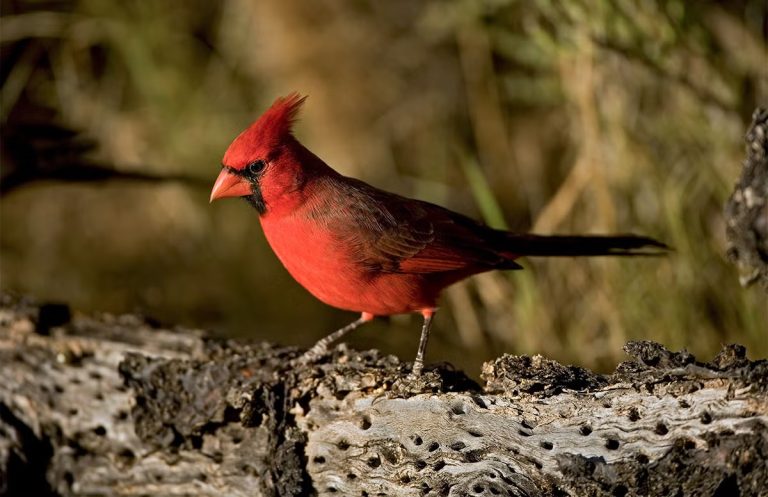
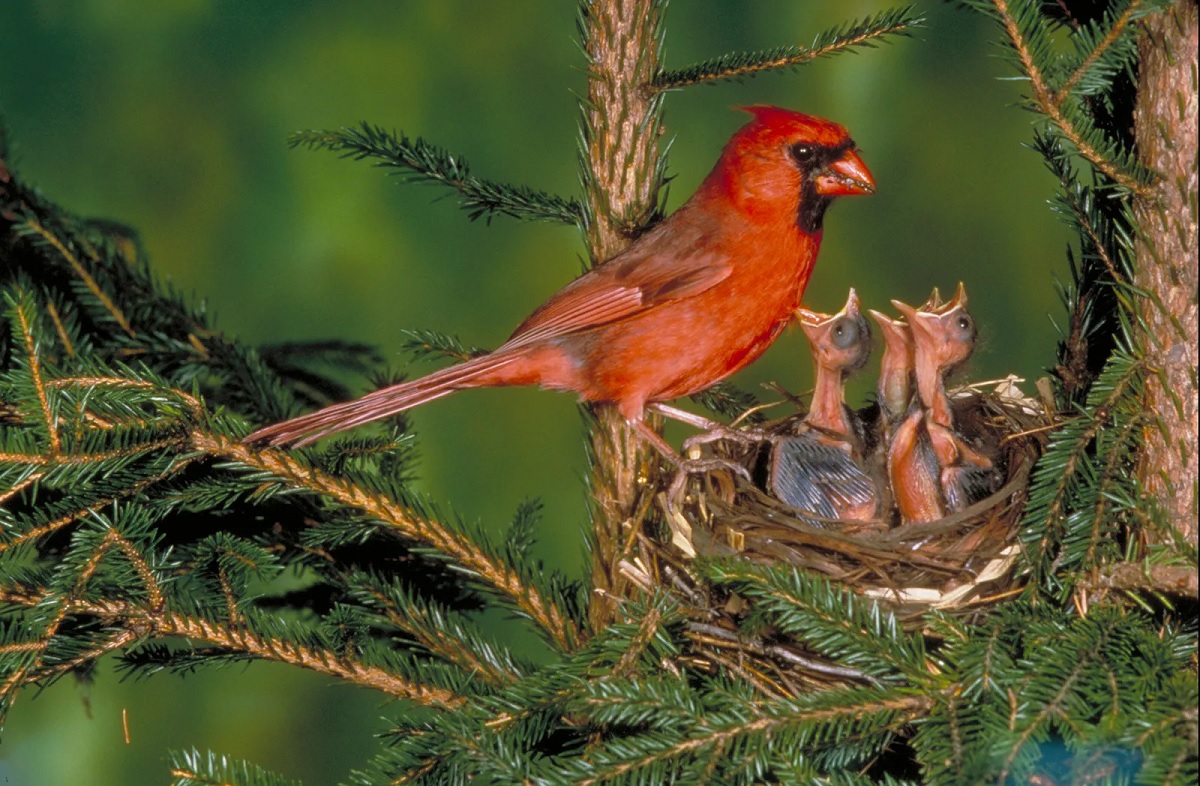
Cardinal birds are brightly colored, mostly red birds known for their distinctive crests and songs. If you are in Australia, you won’t find them naturally in the wild because they are native to the Americas, particularly North and South America. You may see birds with similar red coloring, but they are different species. Understanding that cardinals are not native helps you avoid confusion when spotting local red birds in Australia, and ensures you correctly identify native birds versus rare escaped or introduced species.
Can Cardinal Birds Be Found In Australian Zoos Or Aviaries?
Yes, if you are eager to see a cardinal in Australia, your best option is a zoo or aviary. Some wildlife parks and private aviaries house these birds as part of exotic bird collections. While they cannot survive in the wild due to climate and habitat limitations, you can observe them in controlled environments. Zoos also provide educational information about cardinals’ natural behaviors, diet, and origin, giving you a safe and realistic experience of seeing these American birds without leaving Australia.
Are There Any Sightings Of Wild Cardinals In Australia?
Sightings of wild cardinal birds in Australia are extremely rare. If you spot a red bird that resembles a cardinal, it is most likely a native species like the crimson rosella or red-headed finch. Occasionally, escaped pet cardinals may be seen, but they rarely survive in the Australian environment due to unsuitable climate and lack of proper habitat. Birdwatchers should document any unusual sightings carefully and share them with local wildlife authorities or birding communities to help track non-native bird appearances.
What Red Birds Are Commonly Mistaken For Cardinals In Australia?
You may often confuse red-colored Australian birds for cardinals. Some common lookalikes include crimson rosellas, red-headed finches, and Eastern rosellas. These birds share bright red plumage, but they differ in size, crest shape, and song. When trying to identify a cardinal, pay attention to the bird’s markings, body size, and behavior. Using field guides or birdwatching apps can help you distinguish native Australian species from cardinals, reducing mistakes and improving your bird identification skills in the field.
Could Cardinals Survive In Australia’s Environment?
Cardinals would struggle to survive in Australia’s wild because their natural habitat consists of forests and gardens in the Americas. The climate, predators, and food availability in Australia are very different, making survival extremely difficult. Even if a pet cardinal escapes, it is unlikely to adapt and reproduce successfully. For you, this means any red bird seen in the wild is almost certainly a native species, and understanding this prevents unnecessary worry about non-native bird populations disrupting the ecosystem.
How Can You Identify A True Cardinal Bird In Australia?
To identify a true cardinal, observe key features: bright red plumage, a prominent crest on the head, and a cone-shaped beak. Cardinals also have distinct songs that are melodious and easily recognizable. In Australia, you must compare these traits with local red birds. Using binoculars, field guides, or birding apps can make identification easier. For you as a birdwatcher, learning these details ensures you do not mistake native species like rosellas or finches for cardinals, keeping your sightings accurate and meaningful.
Should You Report A Cardinal Sighting In Australia?
Yes, if you ever spot a cardinal in Australia, you should report it to local wildlife authorities or birdwatching groups. Such sightings are extremely rare and may involve escaped pets. Reporting helps experts track non-native species, monitor potential ecological impacts, and maintain accurate records of Australia’s avian population. For you, sharing information contributes to citizen science and helps protect native birds. Always note the date, location, and any photos if possible, as this makes your report more valuable for researchers and local conservation efforts.
Final Thoughts
While Australia is home to a wide variety of colorful and fascinating birds, true cardinals are not among its native species. Most sightings of bright red birds often lead to confusion with native species such as Crimson Rosellas, Eastern Rosellas, or Flame Robins, which share similar vibrant colors but differ in size, behavior, and vocalizations. Occasionally, escaped pet cardinals may be spotted, but these instances are rare and temporary, and the birds do not form established populations.
Understanding the differences between native Australian birds and cardinals helps birdwatchers accurately identify what they see and appreciate the unique diversity of the continent’s avian life. By exploring factors like habitat, climate, and ecological limitations, enthusiasts gain clarity on the topic and can confidently answer the question of [Are There Cardinal Birds in Australia] while enjoying the remarkable variety of Australia’s native birds.