Is a Chanticleer a Real Bird: Facts You Need to Know
The term “Chanticleer” often sparks curiosity, especially among bird enthusiasts and literature lovers. Known from fables, nursery rhymes, and medieval stories, Chanticleer is frequently depicted as a proud, singing rooster. Its name evokes images of early morning crowing and vibrant plumage, leading many to wonder about its existence in the natural world.
Exploring the history of the word provides context for its fame. Chanticleer appears in works like “The Nun’s Priest’s Tale” from Chaucer’s Canterbury Tales, symbolizing vigilance, pride, and cleverness. Over time, the character became synonymous with roosters in general, blurring the lines between myth and reality for many readers.
Understanding whether Chanticleer represents an actual species or is purely a literary creation helps clarify misconceptions. Knowledge of bird biology, historical references, and cultural storytelling allows you to distinguish fact from fiction.
Examining the origins, characteristics, and depictions of Chanticleer answers the question, “is a chanticleer a real bird,” while connecting folklore to real-world birds like domestic roosters.
Distinguishing Chanticleer From Myth and Folklore
The name Chanticleer has long captured imaginations, appearing in medieval literature, fables, and cultural references. While many associate it with a proud, singing rooster, its portrayal blends reality with myth. Distinguishing the literary and folkloric Chanticleer from actual birds provides clarity about its origins, characteristics, and symbolic meaning, separating storytelling from biological fact.
Literary Origins of Chanticleer
Chanticleer’s fame largely comes from literary sources, particularly Chaucer’s The Nun’s Priest’s Tale from The Canterbury Tales. In this story, Chanticleer is a clever and proud rooster whose wits save him from danger. His character embodies vigilance, intelligence, and a sense of superiority. This depiction gave rise to the idea of Chanticleer as more than a simple barnyard rooster, elevating him to an almost mythical status in literature.
Over time, other fables and stories adopted Chanticleer as a symbolic rooster, often associated with morning crowing, alertness, and courage. These narratives created enduring cultural images that influenced how people imagined roosters in general. The anthropomorphized qualities—pride, cleverness, and bravery—distinguish Chanticleer in storytelling from real-world birds that follow instinct rather than human-like reasoning.
The literary portrayal blends reality with imagination. While Chaucer likely based Chanticleer on domestic roosters familiar in 14th-century England, the storytelling embellishments gave him a distinct personality and narrative role. Understanding these literary origins allows readers to appreciate Chanticleer as a character while recognizing the symbolic liberties taken by authors.
Folkloric Symbolism and Cultural Depictions
Beyond literature, Chanticleer appears in folklore and oral traditions, often symbolizing vigilance and heralding the dawn. Folkloric tales emphasize his crowing as a signal of morning, associating him with watchfulness and alertness. In many cultures, roosters in general share these traits, but the name Chanticleer adds a layer of specificity and charm that elevates the bird into a symbolic figure.
Folklore sometimes attributes moral or spiritual lessons to Chanticleer. Stories emphasize his intelligence, alertness, or cunning, teaching audiences about prudence, bravery, or the consequences of pride. These characteristics are exaggerated beyond real roosters’ behavior, showing how myth and cultural interpretation shape perceptions of a familiar animal.
Art, tapestries, and theatrical productions also reinforced the folkloric Chanticleer. Illustrations often depicted him with bright, glossy feathers and expressive features, emphasizing his uniqueness compared to ordinary barnyard birds. This visual representation perpetuated the mythical qualities, creating a cultural icon distinct from any specific species.
Understanding folkloric symbolism clarifies that while Chanticleer represents a rooster archetype, his personality and narrative roles are largely imaginative. Folklore blends factual behavior—such as crowing at dawn—with allegorical traits that make him a memorable figure in cultural storytelling.
Separating the Mythical Chanticleer from Real Birds
In reality, Chanticleer is not a distinct species of bird. The characteristics attributed to him in literature and folklore—such as human-like reasoning, prideful behavior, and heroic cleverness—are literary inventions. Domestic roosters, which likely inspired the stories, exhibit instinctive behaviors like crowing, mating displays, and territoriality, but they do not possess the narrative-driven personality of Chanticleer.
Domestic roosters share some superficial traits with the legendary Chanticleer, such as early morning crowing and protective behavior over hens. However, the mythical rooster’s traits are magnified for symbolic purposes. Observing real roosters in farm settings or backyards demonstrates behavior based on survival and reproduction rather than narrative-driven cleverness.
Recognizing the distinction allows you to appreciate Chanticleer as both a cultural and literary figure while understanding the biological realities of roosters. It bridges the gap between myth and natural history, helping clarify misconceptions about the bird’s existence. While the name evokes charm and personality, its literal translation into the real world refers simply to the common domestic rooster.
Conclusion of Myth vs. Reality
Distinguishing Chanticleer from myth and folklore involves understanding the interplay between literature, culture, and real-world birds. Chanticleer embodies symbolic traits that make him memorable, from cleverness to vigilance, but these traits do not reflect a separate species. Literature and folklore created an archetype, elevating a familiar barnyard rooster into a character that carries moral, cultural, and symbolic weight.
By separating storytelling from biological fact, you can appreciate Chanticleer both as a literary figure and as inspiration drawn from domestic roosters. This distinction highlights how humans blend observation with imagination, transforming a common bird into a timeless symbol across literature and folklore. Recognizing these differences ensures clarity about Chanticleer’s origins while honoring the cultural and symbolic legacy of this iconic rooster.
Real Birds Often Associated With the Name Chanticleer
Although Chanticleer is best known from literature and folklore, the name has clear roots in real birds, particularly domestic roosters. Over time, the traits and behaviors attributed to Chanticleer in stories were inspired by observable characteristics of roosters, which served as familiar symbols of vigilance, pride, and morning crowing. Understanding the real birds behind the name helps bridge myth and reality.
Domestic Roosters as the Primary Inspiration
Domestic roosters, or male chickens (Gallus gallus domesticus), are the primary birds associated with the name Chanticleer. Their striking plumage, early morning crowing, and territorial behavior made them ideal subjects for medieval storytellers. Roosters are naturally alert, often acting as “guards” for their flocks, which aligns with the qualities attributed to Chanticleer in fables.
Roosters display a proud, upright posture, loud calls, and assertive behavior around hens and potential intruders. These natural traits were exaggerated in stories to create a symbolic character embodying vigilance and cleverness. The crowing at dawn further reinforced the rooster’s role as a herald, making it an enduring cultural and literary icon. Observing these real birds demonstrates how natural behavior influenced the mythic image of Chanticleer.
Other Galliformes and Regional Variants
In some regions, other members of the Galliformes order, including gamecocks or junglefowl, were also associated with Chanticleer. These birds share similar traits with domestic roosters, such as loud calls, bright plumage, and protective instincts. Junglefowl, considered the wild ancestor of domestic chickens, may have influenced early depictions in European storytelling.
Gamecocks and other domestic breeds often exhibit bold behavior, territoriality, and striking physical features, reinforcing the connection to the legendary Chanticleer. While folklore primarily references the common barnyard rooster, these regional variations contributed to the symbolic richness of the character, providing storytellers with multiple examples of “proud and clever” birds.
Understanding the biological diversity within Galliformes clarifies why Chanticleer is sometimes represented with exaggerated plumage or personality traits. Writers drew inspiration from multiple bird types, blending real behavior with imaginative embellishments to create a memorable literary figure.
Symbolism Rooted in Real Bird Behavior
The behaviors observed in real roosters—early crowing, territorial displays, and protective instincts—form the foundation of Chanticleer’s symbolic qualities. Storytellers amplified these traits to create narratives emphasizing cleverness, pride, and vigilance, turning an ordinary bird into a memorable character.
Crow patterns, alert postures, and interactions with hens provided a rich source of inspiration. Medieval authors, lacking detailed scientific knowledge of avian biology, interpreted these behaviors through a symbolic lens. Consequently, the literary Chanticleer embodies both observable traits and moral or cultural lessons.
Recognizing these links between real birds and their fictional counterpart allows for a deeper appreciation of how folklore and literature were influenced by natural behavior. The connection between actual roosters and the mythic Chanticleer illustrates the interplay between observation and imagination in human storytelling traditions.
Connection Between Folklore and Real Birds
By understanding which real birds inspired Chanticleer, it becomes clear that folklore did not invent the bird entirely. Instead, it amplified and anthropomorphized behaviors seen in domestic roosters and related species. This combination of natural traits and imaginative storytelling created a character that is both rooted in reality and rich in symbolic meaning.
Observing domestic roosters today—through their crowing, plumage, and behavior—offers insight into why this bird captured the medieval imagination. Their natural vigilance and striking presence made them ideal models for storytelling, bridging the gap between everyday barnyard life and enduring literary and cultural symbolism.
Physical and Behavioral Characteristics of Chanticleer-Inspired Birds
Chanticleer-inspired birds, primarily domestic roosters, exhibit distinct physical and behavioral traits that made them ideal models for literature and folklore. Their striking appearance and observable habits inspired storytellers to create a character symbolizing pride, vigilance, and cleverness. Understanding these real-world traits helps distinguish the mythic qualities attributed to Chanticleer from natural behaviors.
Distinctive Physical Features
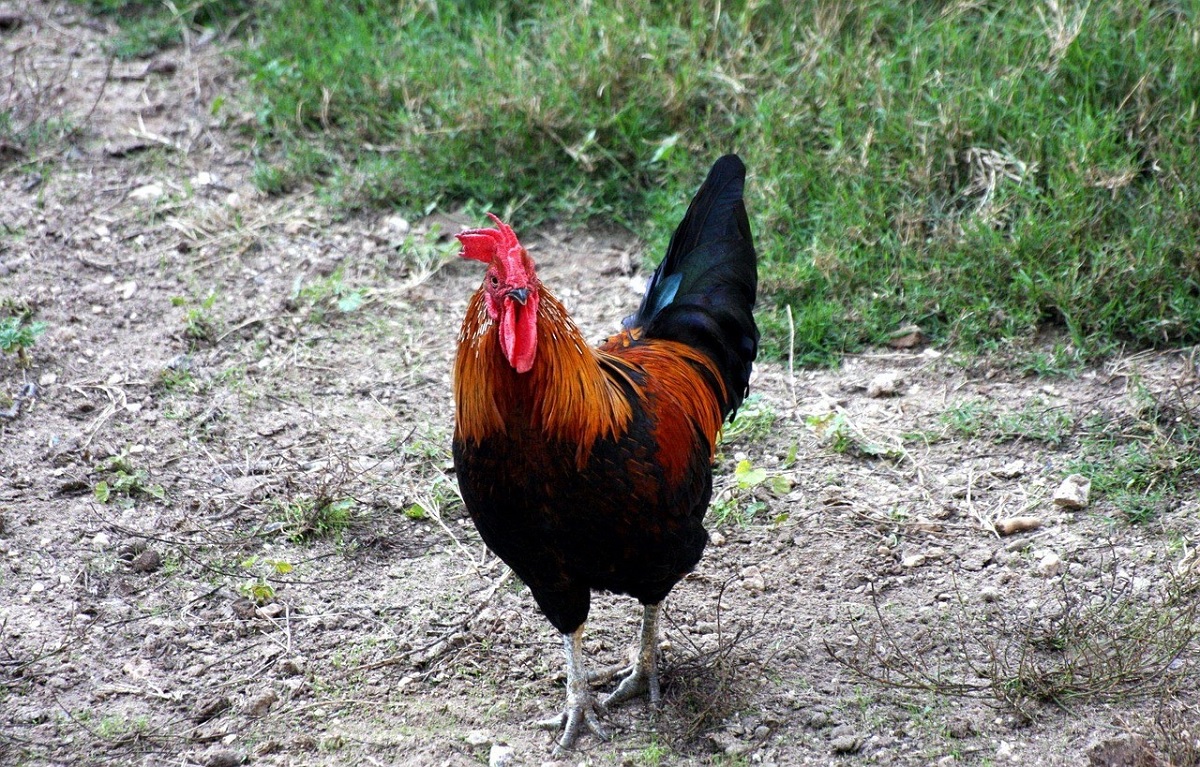
Roosters, the birds most commonly associated with Chanticleer, possess vivid plumage that immediately sets them apart. Many breeds display iridescent feathers in shades of red, green, gold, and black, which catch the light and draw attention. The comb on the head and wattles under the beak are prominent features, signaling health and dominance.
These physical traits were often exaggerated in literature and artwork to create a more heroic or majestic figure. Large, upright posture and strong legs add to the impression of authority and presence, while long, arching tail feathers emphasize elegance and pride. Observing these traits in real roosters explains why storytellers chose them as the basis for a character representing nobility and alertness.
Size and crowing ability also contribute to their prominence. Roosters vary in size depending on breed but are generally larger and louder than hens, which enhances their visibility and symbolic power. This combination of vivid coloration, posture, and vocal strength reinforced the mythical image of Chanticleer in cultural representations.
Behavioral Traits That Inspire Stories
Behaviorally, roosters display traits that align closely with the qualities attributed to Chanticleer. Early morning crowing, territorial vigilance, and protective instincts over hens are central behaviors. These actions naturally convey alertness, pride, and a sense of responsibility, qualities that were anthropomorphized in literature.
Aggressive interactions with other males, often through chasing or pecking, highlight the assertive nature of roosters. This behavior inspired the literary portrayal of Chanticleer as a clever and dominant figure capable of navigating challenges through wit and strategy. While real roosters act out of instinct, the narrative embellishment transforms these behaviors into symbolic cleverness and heroism.
Roosters also display social behaviors that influenced storytelling. They establish pecking orders, interact with their flock members, and respond to environmental threats. These observable interactions provided a foundation for stories portraying Chanticleer as a bird capable of judgment, leadership, and problem-solving, reflecting human-like intelligence in a symbolic context.
Vocalization and Communication
Crowing is a hallmark behavior that further links roosters to the mythic Chanticleer. The morning crow signals territory, alerts the flock, and communicates dominance. This regular and predictable behavior became a key symbol in folklore, representing vigilance and the heralding of new beginnings.
Roosters’ vocalizations vary in tone, length, and intensity, reflecting their mood or environment. Observing these variations helps explain why storytellers attributed intelligence and intentionality to Chanticleer. The loud, commanding call reinforced the idea of a bird aware of its surroundings and capable of taking action, essential qualities in literary depictions.
Vocal communication also plays a role in social hierarchy. Roosters use calls to establish dominance and coordinate with hens, which aligns with the symbolic representation of Chanticleer as a leader and protector. By understanding these natural behaviors, it becomes clear how real-world actions were elevated into enduring symbolic traits in literature and folklore.
Interaction With Humans and Environment
Roosters interact with humans in ways that further inspired the Chanticleer character. They often approach cautiously but assertively, investigating their surroundings while maintaining vigilance. This combination of curiosity and alertness made them memorable to medieval storytellers who observed domestic flocks closely.
Their response to threats or new objects—fluffing feathers, crowing loudly, or chasing intruders—was interpreted as cleverness and bravery. While instinct drives these behaviors, they fit the narrative of Chanticleer as a clever, proud, and resourceful character.
Environmental interactions, such as scratching for food, perching in elevated locations, or defending hens, contribute to a sense of agency and intelligence. These behaviors, when combined with striking physical traits and vocalizations, created a model that inspired one of the most enduring rooster characters in literature and culture.
How to Identify a Chanticleer-Like Bird in Real Life
While Chanticleer is primarily known as a literary and folkloric character, real birds—especially domestic roosters—share many of the traits that inspired the stories. Identifying a Chanticleer-like bird in real life involves observing physical features, vocalizations, and behaviors that match the proud, alert, and visually striking qualities depicted in literature and folklore.
Physical Features to Look For
Chanticleer-like birds typically have vivid, glossy plumage with iridescent shades of red, green, gold, and black. Prominent combs and wattles are key indicators of health and maturity, while long, arching tail feathers add to their distinctive appearance. These visual traits often make the bird appear majestic and confident, echoing the symbolic pride associated with Chanticleer.
Body posture is also important. Roosters that hold their head high, with an upright stance and alert demeanor, closely resemble the literary depiction of Chanticleer. Strong legs and claws, used for scratching and defending territory, further contribute to the bird’s commanding presence. Observing these features helps distinguish a rooster that embodies the essence of Chanticleer from ordinary hens or smaller bird species.
Observing Vocal Behavior
Crowing is a hallmark characteristic of Chanticleer-like birds. Roosters crow to signal territory, communicate with the flock, and assert dominance. The timing, volume, and frequency of their calls provide insight into the bird’s alertness and confidence. Morning crowing, in particular, reinforces the association with vigilance and heralding the start of a new day.
Listening carefully to the vocal patterns can help differentiate a Chanticleer-like rooster from other birds. Variations in tone or repeated calls are indicative of social behavior and environmental awareness. While crowing is instinctive, it aligns with the symbolic vigilance attributed to Chanticleer in folklore and literature.
Behavioral Cues and Social Interaction
Behaviorally, Chanticleer-like birds are assertive and protective. They establish dominance within their flock, interact with hens, and defend territory against intruders. Roosters often display dramatic posturing, wing flapping, or chasing behavior, which mirrors the clever and vigilant qualities attributed to Chanticleer.
These birds also forage actively, scratch the ground for food, and explore their surroundings confidently. Observing how they respond to perceived threats or changes in the environment provides insight into their alertness and intelligence. This combination of social interaction, vigilance, and active behavior is a key indicator of a Chanticleer-like bird in real life.
Habitat and Environmental Factors
Chanticleer-like birds are usually found in farmyards, backyards, or areas where domestic chickens are kept. They prefer spaces where they can perch in elevated locations, such as fences, roosting bars, or tree branches, providing a vantage point for observation and defense.
Environmental awareness is an essential clue. Birds that monitor their surroundings continuously, crow from high perches, and interact dynamically with their flock display the traits celebrated in literature. By combining observations of physical features, vocal behavior, and social interactions, you can reliably identify a real-life bird that embodies the spirit and characteristics of the legendary Chanticleer.
FAQs
Is a Chanticleer a Real Bird?
Chanticleer is not a distinct species of bird. The name originates from literature and folklore, most famously appearing in Chaucer’s The Nun’s Priest’s Tale. It represents a proud, clever rooster, but the characteristics attributed to Chanticleer are largely symbolic.
In reality, Chanticleer refers to domestic roosters, which likely inspired the stories. These birds exhibit natural behaviors such as crowing at dawn, displaying colorful plumage, and protecting their flock. Understanding this distinction helps separate myth from biological fact while appreciating the cultural and literary significance of the name.
What Kind of Bird Inspired the Name Chanticleer?
The primary inspiration for Chanticleer is the domestic rooster (Gallus gallus domesticus). Their vivid plumage, upright posture, and crowing behavior made them ideal models for medieval storytellers. Roosters’ natural vigilance and protective instincts mirrored the clever, proud qualities attributed to Chanticleer.
Other Galliformes, including junglefowl and gamecocks, may have contributed to the archetype in some regions. These birds share traits like loud calls, striking feathers, and assertive behavior. Observing domestic roosters today provides insight into how their physical and behavioral traits inspired the legendary literary character.
Why Is Chanticleer Famous in Literature?
Chanticleer gained fame primarily through medieval literature, particularly Chaucer’s The Nun’s Priest’s Tale. In the story, he is a clever and proud rooster whose wits allow him to escape danger. Authors used him as a symbol of vigilance, intelligence, and moral lessons.
The literary depiction exaggerates natural rooster behaviors, giving Chanticleer human-like intelligence and personality. Over time, the character became an enduring cultural figure, appearing in fables, nursery rhymes, and artistic depictions, which contributed to the enduring question about whether Chanticleer is a real bird.
Are Chanticleer Birds Mythical or Real?
Chanticleer, as a named character, is mythical in the sense that it embodies qualities beyond real birds’ natural behavior. Its cleverness, heroic acts, and narrative-driven intelligence are literary inventions.
However, the bird is based on real-life roosters. Observing domestic roosters shows the traits that inspired the myth—early crowing, territorial behavior, and vivid plumage. So, while Chanticleer the character is fictional, the inspiration comes from actual birds commonly found in farmyards.
How Can You Identify a Chanticleer-Like Bird?
A Chanticleer-like bird can be identified by observing domestic roosters with vibrant plumage, prominent combs, and upright posture. Loud, early-morning crowing and alert, social behavior are key traits.
Behaviorally, look for protective instincts over hens, territorial displays, and active foraging. These natural characteristics match the symbolic qualities attributed to Chanticleer. While no bird matches the literary character exactly, domestic roosters closely resemble the traits celebrated in folklore and literature.
Do Chanticleer Traits Exist in Other Birds?
Yes, many traits attributed to Chanticleer exist in real roosters and related birds like junglefowl or gamecocks. Vigilance, early morning vocalizations, and territorial behavior are common in these species.
While other birds may exhibit alertness or colorful plumage, the combination of crowing, social hierarchy, and striking appearance is most pronounced in roosters. These traits inspired storytellers to elevate them into the character of Chanticleer, blending observation with imagination to create a memorable figure in literature and folklore.
Conclusion
While the name Chanticleer is widely known from fables and medieval literature, it is important to recognize the real-life bird that inspired it. The rooster, with its distinctive crowing and proud appearance, embodies the traits often attributed to Chanticleer. Understanding this connection helps separate myth from reality, showing how storytelling can elevate familiar animals into legendary figures.
Observing roosters in everyday life demonstrates that many characteristics ascribed to Chanticleer, such as vigilance and early morning crowing, are indeed real. By paying attention to their behavior, vocalizations, and physical features, you can appreciate why this bird became a symbol in folklore. This insight allows enthusiasts to enjoy both the mythological stories and the natural charm of real birds.
For anyone wondering about the truth behind the tales, learning about roosters clarifies the question of is a chanticleer a real bird. Recognizing its reality enriches appreciation for culture, nature, and the blend of fact with legend.