Juvenile Ruby Throated Hummingbird Care, Behavior, and Growth Tips
Ruby-throated hummingbirds are among the most fascinating and energetic birds found in North America. Their vibrant colors, rapid wing beats, and tiny size make them a favorite for birdwatchers and gardeners alike. Observing these birds provides insight into their unique behaviors, especially during the early stages of life.
Young hummingbirds face numerous challenges, from learning to feed themselves to avoiding predators. Understanding their development is key to appreciating their remarkable growth and survival strategies. Juvenile birds display behaviors and physical traits that differ from adults, making them both fascinating and sometimes difficult to identify in the wild.
The juvenile ruby-throated hummingbird is a critical stage in the bird’s life cycle, showcasing learning, adaptation, and growth. Observing these juveniles provides valuable information about feeding habits, migration preparation, and interactions with their environment. Awareness of their characteristics helps enthusiasts identify and support these tiny but resilient birds.
Recognizing the juvenile stage also fosters appreciation for their survival journey and highlights the importance of suitable habitats that provide food, shelter, and safe spaces for growth and maturation.
Identifying a Juvenile Ruby Throated Hummingbird
Recognizing a juvenile ruby-throated hummingbird can be challenging due to their small size and subtle differences from adults. Juveniles exhibit distinct physical traits and behaviors that help differentiate them from mature birds. Understanding these characteristics is essential for birdwatchers, researchers, and enthusiasts who want to track growth, migration, and survival patterns of these remarkable birds.
Physical Characteristics of Juveniles
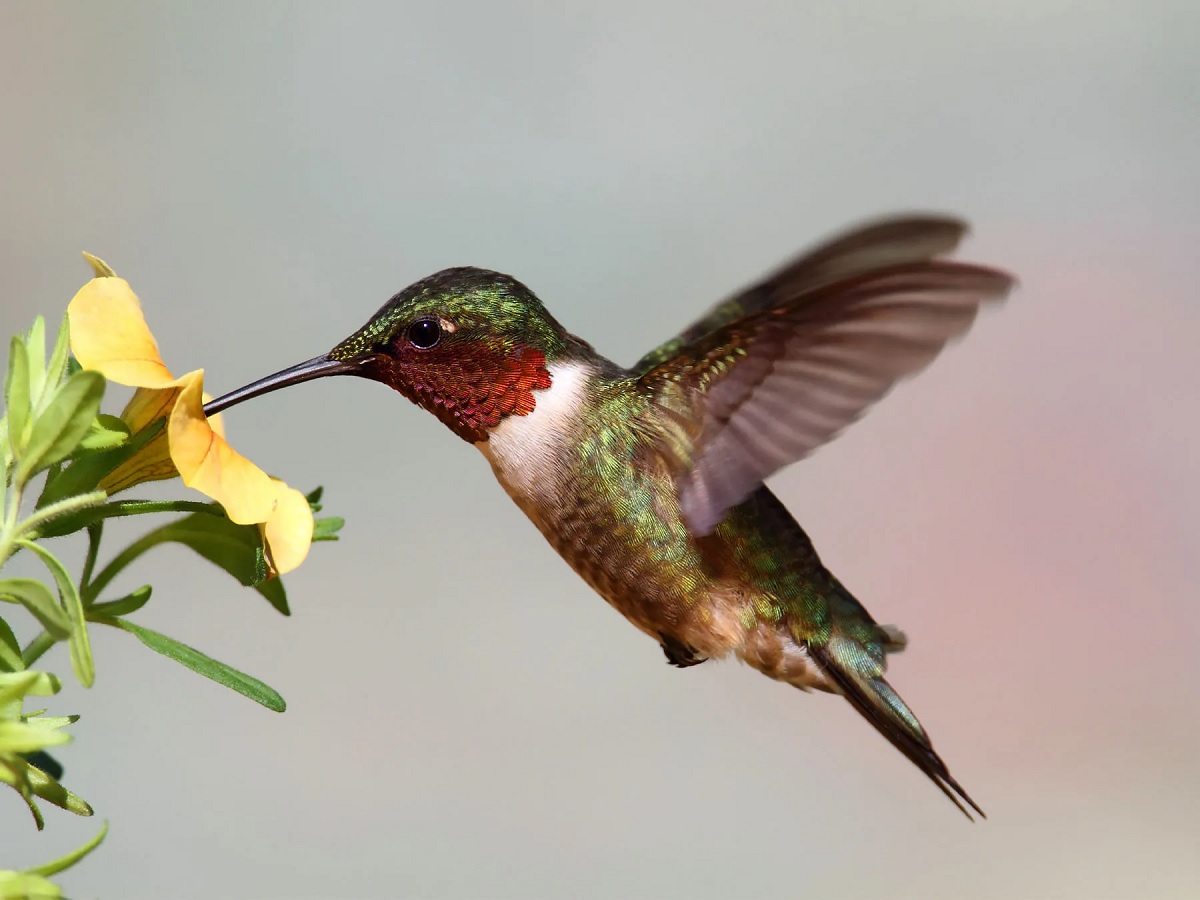
Juvenile ruby-throated hummingbirds are slightly smaller and less vibrant than adult birds. Their plumage is often duller, with greenish backs and grayish underparts that lack the fully developed iridescent throat patch seen in adult males. Female juveniles resemble adult females, but their feathers are softer and may appear somewhat mottled.
Wing and tail feathers are shorter and may look uneven or slightly ragged as they grow. This stage of feather development indicates recent fledging from the nest and ongoing growth. Observing the subtle differences in coloration and feather condition helps identify juveniles. Birds at this stage are learning to navigate their environment, and recognizing their physical traits aids in understanding their developmental timeline.
Behavioral Indicators of Juveniles
Behavior also provides clues to identifying juvenile hummingbirds. Juveniles tend to be less confident fliers, exhibiting short bursts of flight, hovering with slight instability, and frequent perching to rest. They may repeatedly visit feeders or flowers as they refine their foraging skills.
Juveniles are often observed practicing feeding techniques, probing flowers, and learning to sip nectar efficiently. They may follow adult birds for guidance or mimic their movements. Vocalizations are softer and less frequent than adult calls, reflecting their developing communication skills. Recognizing these behavioral traits alongside physical characteristics provides a more complete picture of juvenile identity and helps distinguish them from adults.
Molting and Feather Development
Molting patterns can also aid in identification. Juvenile ruby-throated hummingbirds may display new feather growth, especially in wing and tail regions. These feathers are often more delicate and lighter in color than mature feathers, indicating ongoing development.
Molting allows juveniles to replace their initial downy feathers with stronger, more aerodynamic plumage suitable for migration and extended flight. Observing the progression of feather development can help estimate age and track growth stages. Feather condition, combined with size, coloration, and behavior, provides a reliable method for identifying juvenile ruby-throated hummingbirds in the field.
Seasonal Considerations
Timing plays a role in identification. Juveniles are most commonly observed shortly after fledging, typically in late spring and summer. During this period, they are honing flight skills, learning to forage independently, and preparing for migration.
Understanding the seasonal context helps birdwatchers differentiate juveniles from adults and provides insight into local hummingbird populations. Recognizing the timing of fledging and migration patterns allows observers to anticipate when juvenile ruby-throated hummingbirds are likely to appear at feeders, gardens, and natural habitats.
Identifying a juvenile ruby-throated hummingbird requires attention to physical traits, behaviors, feather development, and seasonal timing. Observing these characteristics together allows enthusiasts to accurately distinguish young birds, enhancing understanding of their growth, survival, and migratory preparation.
Feeding and Nutrition Needs
Proper nutrition is crucial for the growth, energy, and survival of juvenile ruby-throated hummingbirds. These tiny birds have exceptionally high metabolic rates, requiring frequent feeding to sustain their rapid wing beats and active lifestyles. Understanding their dietary requirements helps bird enthusiasts provide safe and suitable food sources in both natural and backyard settings.
Natural Diet in the Wild
Juvenile ruby-throated hummingbirds primarily feed on nectar from flowers, which provides essential sugars for energy. They favor brightly colored, tubular flowers that are easy to access and rich in nectar. In addition to nectar, they consume small insects and spiders, which supply vital proteins, amino acids, and minerals necessary for growth and feather development.
During their early life stages, juveniles gradually learn to locate and feed from multiple plant species, honing foraging skills under the guidance of adult birds. Observing them in natural habitats reveals frequent visits to flowers and constant movement between feeding sites. This combination of sugars and proteins supports rapid growth and prepares them for the high energy demands of migration. Providing diverse floral sources helps ensure that juveniles receive balanced nutrition in the wild.
Supplemental Feeding With Feeders
Backyard feeders can supplement a juvenile ruby-throated hummingbird’s diet, especially when natural flowers are limited. Homemade or store-bought nectar solutions, typically composed of four parts water to one part sugar, provide a safe energy source. Avoid red dyes or additives, as these can harm the birds.
Feeders should be cleaned regularly to prevent mold or bacterial growth, which can pose health risks. Position feeders in shaded areas to maintain nectar quality and reduce temperature-related spoilage. Observing juveniles at feeders helps track feeding habits, ensures proper intake, and encourages healthy foraging behavior. Supplemental feeding supports survival without replacing natural dietary diversity.
Insect Protein and Nutritional Balance
While nectar provides energy, insects are essential for protein intake. Juvenile hummingbirds consume small insects such as gnats, fruit flies, and tiny spiders to support feather development, muscle growth, and overall health. These protein sources also supply important vitamins and minerals.
Insects can be found naturally on plants, flowers, or even in backyard gardens. Encouraging a pesticide-free environment ensures juveniles have access to these critical food sources. A balance of nectar and insects allows juveniles to build strength, practice hunting techniques, and develop the endurance necessary for long migratory journeys.
Seasonal and Developmental Considerations
Feeding requirements change as juveniles grow and prepare for migration. During late summer, their intake increases to build fat reserves for the journey south. Frequent, energy-rich feedings are essential during this time.
Monitoring feeding patterns and ensuring abundant, high-quality nectar and insect sources helps juveniles meet their nutritional demands. Providing a combination of natural and supplemental options enhances survival rates and prepares the birds for the energetic challenges of migration. Understanding these seasonal and developmental needs ensures juveniles thrive in both natural and managed environments.
Juvenile ruby-throated hummingbirds require a careful balance of nectar and protein-rich insects to meet their energy and growth needs. Observing natural foraging behaviors, offering safe supplemental feeders, and maintaining diverse habitats helps support their development, health, and eventual migration readiness.
Habitat and Safety Considerations
Providing a safe and suitable habitat is crucial for the well-being of juvenile ruby-throated hummingbirds. These tiny birds require areas that offer ample food, shelter, and protection from predators. Understanding habitat preferences and implementing safety considerations can help enthusiasts create environments that support healthy growth, foraging, and development for juveniles during their early life stages.
Preferred Habitat Characteristics
Juvenile ruby-throated hummingbirds thrive in areas with abundant flowering plants, shrubs, and trees that offer nectar, insects, and shelter. They favor open spaces interspersed with protective cover, allowing them to forage efficiently while remaining vigilant against predators. Native plants are particularly beneficial, providing both food and habitat structures tailored to local hummingbird populations.
Water sources, such as shallow birdbaths or natural ponds, are also important for hydration and supplemental insect availability. Dense foliage or small trees provide perching and resting spots, enabling juveniles to conserve energy while learning to fly and forage. Maintaining pesticide-free zones ensures a healthy insect population, which is essential for protein intake. A combination of food, cover, and water creates a balanced habitat that supports the growth and survival of juvenile hummingbirds.
Predator Awareness and Protection
Predation is a significant risk for juvenile hummingbirds, especially during early fledgling stages. Common predators include cats, larger birds, and snakes. Ensuring that feeding areas and resting spots are located away from high-risk zones reduces the likelihood of attacks.
Elevating feeders or placing them near dense shrubs provides protection while still allowing juveniles to access food. Monitoring areas for potential predator activity, such as neighborhood cats or raccoons, helps in planning safer feeding and resting spots. Encouraging natural cover like dense foliage or small trees enhances safety without restricting mobility, allowing juveniles to develop proper flying and evasion skills in a secure environment.
Weather and Environmental Considerations
Juvenile hummingbirds are highly sensitive to extreme weather conditions. Cold temperatures, heavy rain, and strong winds can deplete their energy reserves quickly, making sheltered areas essential. Trees, shrubs, and dense vegetation provide protection from harsh weather while enabling juveniles to practice flying and foraging safely.
Providing feeders with partial shelter and placing them in shaded areas helps maintain nectar quality and reduces energy loss during feeding. Seasonal changes in temperature also influence habitat requirements, requiring flexible placement of perches, feeders, and water sources. Ensuring environmental safety is critical for survival and allows juveniles to focus energy on growth and skill development rather than constant thermoregulation or escape from harsh conditions.
Human Activity and Safe Interaction
Human activity can be both a help and a hazard for juvenile ruby-throated hummingbirds. Frequent disturbances, loud noises, and pet interference may stress birds and disrupt feeding or resting routines. Minimizing such disturbances around key feeding and nesting areas helps maintain a safe environment.
Providing safe distances for observation, establishing quiet zones near feeders, and educating family members about appropriate interactions promotes coexistence. Maintaining pesticide-free gardens, offering diverse floral resources, and monitoring feeder hygiene are additional ways to protect juveniles. Understanding how human activity affects their habitat ensures that juveniles can forage, rest, and learn survival skills without unnecessary risk.
Creating a Balanced Habitat
A well-balanced habitat combines food, water, shelter, and protection from predators and environmental hazards. Dense shrubs, native flowering plants, safe perching spots, and shaded feeding areas contribute to a thriving environment for juvenile hummingbirds.
Encouraging a pesticide-free garden, providing clean feeders, and observing predator activity further enhance safety. By carefully designing and maintaining these habitat elements, you support the growth, health, and survival of juvenile ruby-throated hummingbirds while allowing for safe observation and enjoyment of these fascinating birds.
Growth and Development Stages
Understanding the growth and development stages of juvenile ruby-throated hummingbirds offers insight into their survival strategies and remarkable adaptability. From hatching to fledging and eventual migration preparation, each stage involves rapid physical and behavioral changes. Observing these stages helps enthusiasts, researchers, and bird lovers provide appropriate support and create safe environments for young hummingbirds.
Hatching and Early Days
Juvenile ruby-throated hummingbirds begin life as tiny, delicate hatchlings, weighing less than a few grams. They are born featherless, with closed eyes and limited mobility, completely dependent on parental care for warmth and nutrition. Parents feed hatchlings a diet rich in protein from insects and regurgitated nectar to support rapid growth.
During this stage, temperature regulation is critical, as hatchlings are unable to maintain their body heat. Nestlings spend most of their time resting and being fed by adults, gradually building strength for later stages. Their initial feather growth starts with down, which provides minimal insulation and protection. Observing this early phase highlights the vulnerability of juveniles and the vital role of parental care in survival.
Feather Development and Growth
As juvenile hummingbirds grow, their primary and secondary feathers begin to develop, allowing them to gain strength and improve flight capabilities. The initial feathers are soft and delicate, often appearing uneven or lighter in color compared to adult plumage. This stage is essential for building aerodynamics and maneuverability.
Feeding becomes more frequent as metabolism increases, and juveniles start practicing wing movements and hovering near the nest. These exercises are critical for muscle development and coordination, preparing them for short flights and eventual foraging activities. Feather growth progresses rapidly, signaling that the bird is transitioning from dependence to independence, while still relying on adults for guidance and food.
Fledging and Flight Practice
Fledging occurs when juveniles leave the nest, usually several weeks after hatching. During this stage, they practice short flights, explore their surroundings, and learn to locate food sources independently. Flight practice is often accompanied by trial and error, with frequent perching and resting in safe areas.
Parents continue to monitor and provide food while juveniles refine their flying skills and learn to evade predators. This stage is critical for building endurance, coordination, and confidence in navigating complex environments. Juveniles gradually transition to self-sufficiency while maintaining proximity to parental protection, ensuring they develop essential survival skills before migration.
Preparing for Migration
Later in development, juvenile ruby-throated hummingbirds begin preparing for migration. They increase food intake to build fat reserves, which provide energy for long-distance travel. Muscle strength and flight efficiency are honed through repeated flights and foraging excursions.
During this stage, juveniles learn essential navigation and survival skills, including identifying safe stopover sites and food-rich habitats. This preparation ensures that young hummingbirds can endure the demanding journey to their wintering grounds. Observing these behaviors demonstrates their remarkable adaptability and rapid development from vulnerable hatchlings to capable migratory birds.
Growth and development stages in juvenile ruby-throated hummingbirds, from hatching to fledging and migration preparation, involve rapid physical and behavioral changes. Each phase is crucial for survival, skill acquisition, and independence, highlighting the resilience and adaptability of these tiny but extraordinary birds.
FAQs
What Does A Juvenile Ruby Throated Hummingbird Look Like?
A juvenile ruby-throated hummingbird is smaller and less vibrant than an adult. Juvenile males lack the full iridescent red throat patch, displaying a duller green back and grayish underparts. Females resemble adult females but often have softer, mottled feathers.
You can also notice shorter and uneven wing and tail feathers, indicating recent fledging. These physical characteristics help you identify juveniles in the wild. Observing their size, feather condition, and subtle coloration differences allows you to distinguish young hummingbirds from adults while appreciating their early growth stages.
How Can I Identify Juvenile Behavior?
Juvenile ruby-throated hummingbirds show less confident flight than adults. They may hover awkwardly, take short bursts of flight, and frequently perch to rest. Feeding is often practiced repeatedly as they learn to sip nectar efficiently.
They may follow adult birds to observe foraging or mimic adult movements. Vocalizations are softer and less frequent than adults, reflecting developing communication skills. Recognizing these behaviors alongside physical traits helps you accurately identify juveniles and understand their learning process in navigating and surviving in their environment.
What Do Juvenile Ruby Throated Hummingbirds Eat?
Juvenile hummingbirds require a diet rich in sugar and protein. Nectar from flowers provides energy for rapid wing movement, while small insects and spiders supply essential proteins for muscle and feather development.
Juveniles practice foraging under adult guidance, gradually learning to feed independently. Backyard feeders with a safe nectar solution can supplement their diet when natural sources are limited. Maintaining a pesticide-free environment ensures access to insects. Balanced nutrition supports their growth, energy levels, and preparation for eventual migration.
When Do Juveniles Start Fledging?
Juvenile ruby-throated hummingbirds typically fledge about three weeks after hatching. During this stage, they leave the nest but remain under parental supervision while practicing flight and foraging skills.
Fledging involves short flights, frequent perching, and experimentation with food sources. Parents continue feeding them as they build strength and coordination. This critical stage bridges dependence and independence, allowing juveniles to develop the endurance, agility, and foraging techniques needed for survival and migration.
How Do Juveniles Prepare For Migration?
Juveniles increase food intake in late summer to build fat reserves for migration. They practice sustained flight and foraging efficiency to strengthen muscles and improve navigation skills.
Learning to locate safe stopover sites and diverse food sources is essential. During this preparation, juveniles refine flight techniques, develop endurance, and build energy stores critical for long-distance travel. Observing juveniles at this stage provides insight into their incredible adaptability and survival instincts before embarking on their first migration journey.
Are Juvenile Ruby Throated Hummingbirds At Risk From Predators?
Yes, juvenile hummingbirds are highly vulnerable to predators due to their small size and inexperience. Common threats include cats, larger birds, snakes, and even human interference.
Juveniles rely on dense foliage, perches, and parental guidance to reduce risk. Ground-level nests or open feeding areas increase vulnerability, making safe habitat selection essential. Awareness of predator presence and providing protected environments, such as shaded feeders and pesticide-free gardens, significantly improve juvenile survival rates. Understanding their vulnerability helps you take proactive steps to support young hummingbirds safely.
Final Thoughts
Caring for young hummingbirds requires patience, attention, and a solid understanding of their unique needs. Juvenile ruby throated hummingbirds are delicate and demand proper nutrition, safe environments, and careful observation to thrive. Observing their growth and development can be a rewarding experience for anyone interested in backyard wildlife.
Providing a balanced diet, including nectar alternatives and small insects, ensures these birds receive the energy and nutrients necessary for healthy growth. Monitoring their activity and feather development helps identify any signs of stress or health issues early on, allowing timely intervention. Ensuring safe perching spots and minimizing disturbances supports their natural learning and fledgling milestones.
By fostering a supportive environment, you can contribute to the successful growth of a juvenile ruby throated hummingbird. Understanding their habits and needs not only aids in their survival but also allows you to enjoy the vibrant beauty and fascinating behavior of these tiny, energetic birds.