Are Birds Sexual Or Asexual: Exploring How Birds Reproduce
Birds display an incredible diversity of behaviors and adaptations, which often sparks curiosity about their reproductive processes. Understanding how birds reproduce is essential for anyone interested in ornithology or observing wildlife. The question of whether birds reproduce sexually or asexually touches on fundamental aspects of their biology, mating habits, and species survival.
Most bird species rely on sexual reproduction, involving the combination of genetic material from a male and female. This process ensures genetic diversity, which is vital for adapting to changing environments and resisting diseases. Observing mating behaviors, courtship rituals, and nesting can provide valuable insights into how birds continue their species.
Rare exceptions in the animal kingdom, like asexual reproduction in some invertebrates, rarely apply to birds. Birds’ reproductive strategies are generally complex, including intricate courtship displays, nest building, and parental care.
Exploring whether birds are sexual or asexual helps deepen our understanding of their life cycles and evolutionary adaptations. Learning about their reproductive methods enhances appreciation for the intricacies of avian biology.
Understanding Bird Reproduction
Bird reproduction is a fascinating and intricate process that ensures the survival and continuity of species. Observing and understanding this process provides insights into behaviors, life cycles, and ecological roles. From mating rituals to egg-laying and parental care, each stage of reproduction is carefully adapted to maximize success in varying environments.
Sexual Reproduction In Birds
Birds are primarily sexual organisms, meaning reproduction involves the fusion of genetic material from a male and female. This process creates genetic diversity, which is essential for adaptability and survival. During mating, males often perform elaborate displays to attract females, ranging from vibrant plumage presentation to complex songs and dances. These behaviors serve as signals of health, vitality, and genetic fitness, allowing females to select the best potential partners.
Copulation in birds usually involves a brief cloacal contact known as the “cloacal kiss,” where sperm is transferred from male to female. After fertilization, the female develops eggs, which are encased in hard shells made of calcium carbonate. Sexual reproduction allows offspring to inherit a combination of traits from both parents, increasing variation within the population and supporting evolutionary adaptation.
Genetic diversity is particularly important in bird populations exposed to changing environments, predation, or disease. Sexual reproduction ensures that each generation may carry advantageous traits, enhancing survival odds and overall species resilience. Observing courtship and mating behaviors in the wild reveals the careful strategies birds employ to reproduce successfully.
Egg Formation And Laying
Egg formation is a critical stage in bird reproduction, where fertilized ova develop into embryos within protective shells. Female birds have specialized reproductive organs, including the ovary and oviduct, that facilitate egg production. The yolk provides essential nutrients, while the albumen supplies water and protein for the developing embryo.
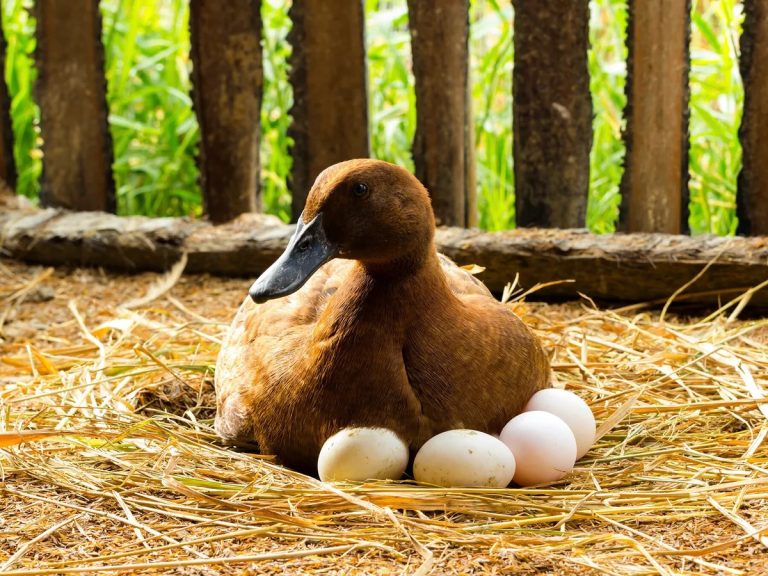
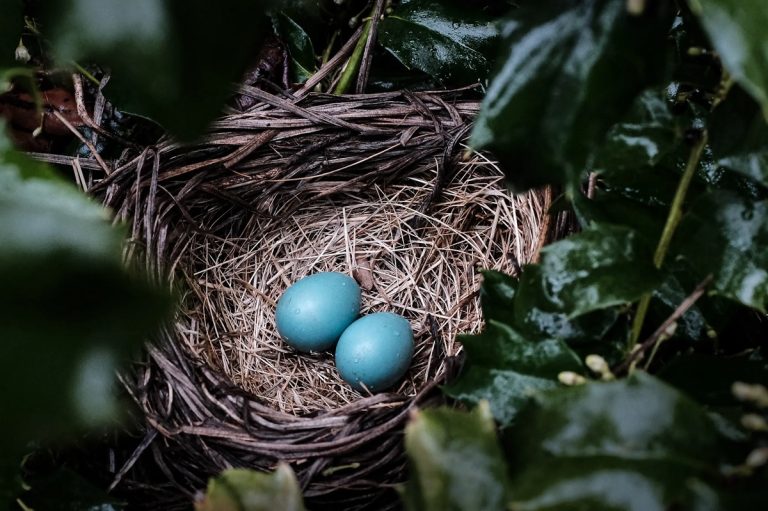
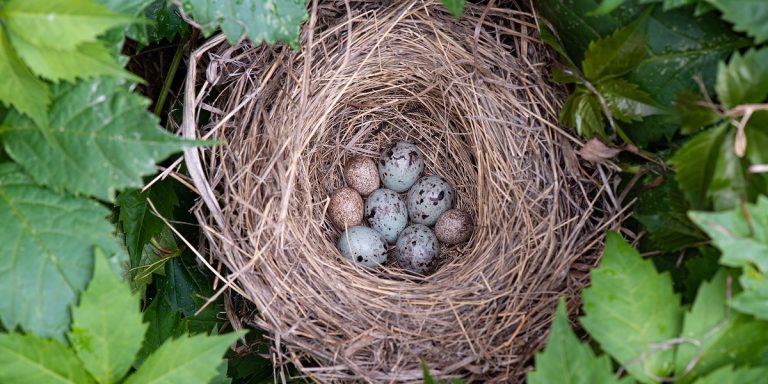
Once the egg is fully formed, the female lays it in a nest carefully constructed to protect it from predators and environmental hazards. Nesting strategies vary widely among species, from simple ground scrapes to elaborate tree or cliff structures. The number of eggs per clutch depends on species, environmental conditions, and resource availability. Some birds lay a single egg, while others produce several in rapid succession.
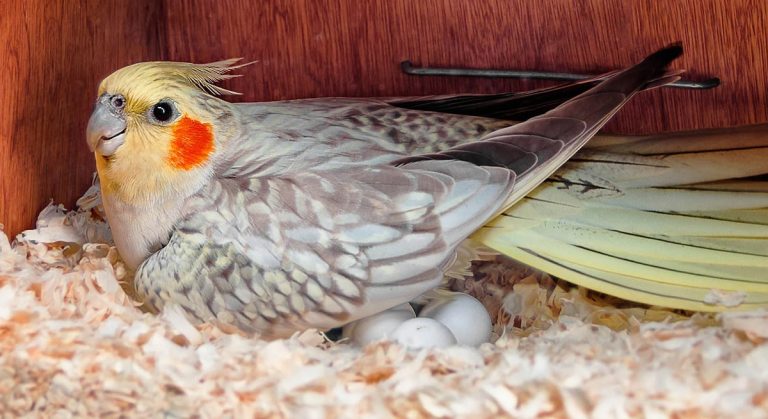
Temperature regulation during incubation is essential for successful embryonic development. Parents often take turns sitting on the eggs to maintain consistent warmth, ensuring the embryo develops properly. Timing of egg-laying is frequently synchronized with seasons to maximize food availability for hatchlings. Understanding egg formation and laying provides insight into how birds balance reproductive success with survival challenges.
Incubation And Hatching
Incubation is the period during which parents maintain eggs at an optimal temperature for development. Most birds use body heat to keep eggs warm, while some species, like megapodes, rely on environmental heat sources such as sun-warmed sand or decaying vegetation. Incubation duration varies by species, typically ranging from 10 to 30 days.
During this period, eggs require protection from predators, environmental changes, and accidental displacement. Many birds have evolved behaviors to minimize exposure risks, including camouflage of nests, distraction displays, and aggressive territorial defense. Some species alternate incubation duties between male and female, while others rely solely on one parent.
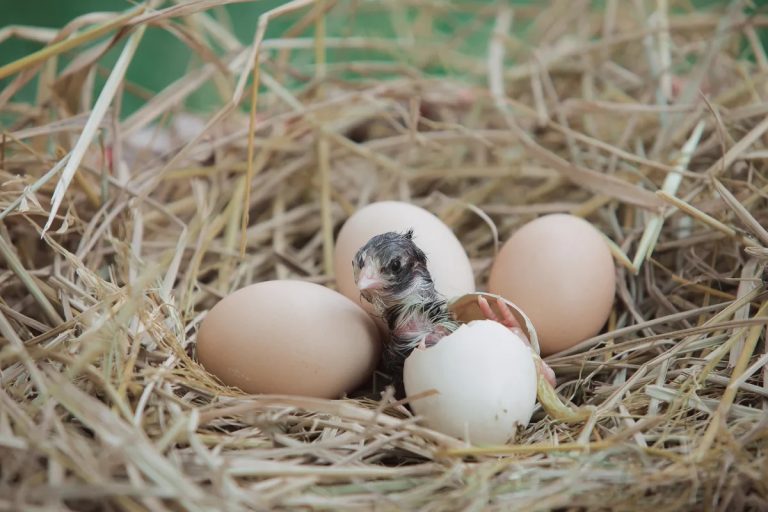
Hatching is a critical and often strenuous process for the chick, which uses an egg tooth to break through the shell. After emerging, the hatchling is vulnerable and requires parental care for feeding, warmth, and protection. Incubation strategies and hatching timing are finely tuned to optimize survival rates and ensure chicks emerge during periods of abundant resources.
Parental Care And Feeding
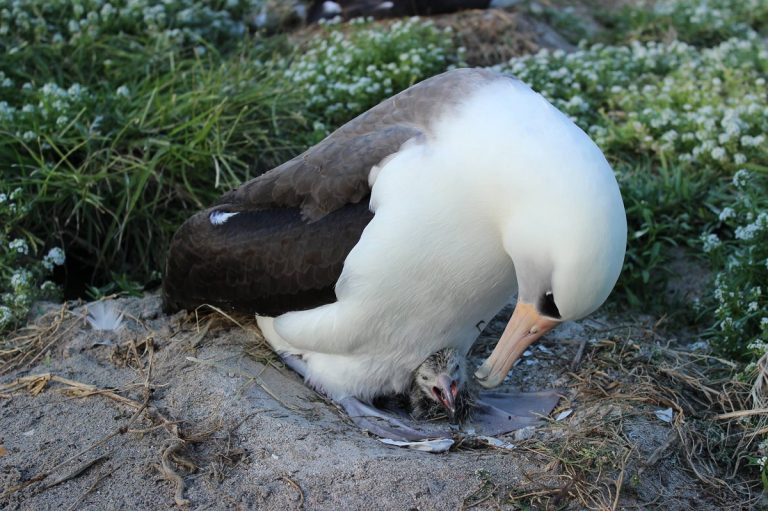
Parental care is a defining characteristic of bird reproduction. After hatching, chicks rely entirely on their parents for nourishment, safety, and guidance. Feeding behaviors vary widely: some species regurgitate food, others deliver insects or seeds directly, while some allow limited foraging under supervision.
Parents also protect their young from predators and environmental hazards. In species with altricial chicks, which hatch blind and featherless, parents provide intensive care for several weeks. Precocial species, in contrast, hatch more developed and may follow the parents soon after emergence, although protection and guidance remain essential.
Parental investment ensures that the chicks grow rapidly and develop survival skills. Observing these behaviors highlights the importance of reproduction beyond mere egg-laying, revealing how birds balance energy expenditure, resource allocation, and risk management to maximize reproductive success.
Factors Affecting Bird Reproduction
Environmental and biological factors significantly influence bird reproduction. Food availability, habitat quality, climate, and predation pressure all affect mating success, egg production, and chick survival. Seasonal cues, such as temperature and daylight, often trigger reproductive cycles and nesting behavior.
Genetics, age, and health also play a role in reproductive output. Strong, healthy individuals are more likely to attract mates, produce viable eggs, and successfully rear chicks. Conversely, environmental stressors, habitat loss, or human disturbance can negatively impact reproduction, reducing population growth and species resilience.
Understanding these factors emphasizes the delicate balance involved in avian reproduction. Observers and conservationists can use this knowledge to support bird populations through habitat preservation, minimizing disturbance during breeding seasons, and ensuring sustainable food sources for nesting birds.
Are There Any Asexual Birds?
Bird reproduction is overwhelmingly sexual, relying on the combination of genetic material from males and females. This process ensures genetic diversity, adaptability, and survival. The question of whether birds can reproduce asexually has intrigued scientists and bird enthusiasts alike. Exploring this topic sheds light on avian biology, evolutionary strategies, and the rarity of asexual reproduction in warm-blooded vertebrates like birds.
Sexual Reproduction Dominates
Almost all bird species reproduce sexually. Mating involves a male and female pairing, with the male transferring sperm to the female via a brief cloacal contact known as a cloacal kiss. Fertilization occurs internally, and the female produces eggs that develop into embryos within a hard calcium shell. This sexual system ensures genetic variation, which is crucial for survival, adaptability, and evolutionary fitness.
Sexual reproduction also supports complex behaviors, such as courtship displays, territory defense, and parental care. These behaviors enhance reproductive success by signaling health, establishing dominance, and ensuring proper chick rearing. Because birds face predation, environmental challenges, and seasonal variations, sexual reproduction provides the flexibility needed for populations to thrive under changing conditions.
The Concept of Asexual Reproduction
Asexual reproduction, where offspring are produced without genetic input from a mate, is extremely rare in birds. In other animal groups, such as insects, reptiles, and some fish, asexual reproduction can occur through parthenogenesis. In this process, females produce viable offspring without fertilization, creating clones or near-clones of themselves.
In birds, however, there are virtually no confirmed cases of true asexual reproduction under natural conditions. Birds’ complex reproductive anatomy, hormonal regulation, and behavioral mating requirements make asexual reproduction biologically challenging. While parthenogenesis has been observed experimentally in domestic poultry under laboratory conditions, it is extremely uncommon in the wild and rarely results in viable offspring capable of reproduction.
Experimental Parthenogenesis In Birds
Scientific studies have occasionally induced parthenogenesis in species such as chickens and turkeys under controlled laboratory conditions. In these cases, eggs developed without fertilization, producing embryos that sometimes hatched successfully. However, these instances are exceptional and often result in abnormal development or reduced fertility.
Experimental parthenogenesis highlights the theoretical possibility but also underscores the biological constraints of asexual reproduction in birds. Unlike reptiles or invertebrates, birds have highly specialized reproductive systems and genetic mechanisms that favor sexual reproduction. Consequently, even in species where parthenogenesis is possible experimentally, it is unlikely to contribute significantly to natural population growth.
Evolutionary Reasons For Sexual Reproduction
The dominance of sexual reproduction in birds is largely due to evolutionary advantages. Genetic recombination provides variation that allows populations to adapt to changing environments, resist diseases, and respond to predators. Asexual reproduction, while simpler and less energetically costly, lacks this diversity and could make species more vulnerable to extinction.
Birds have evolved behaviors, physiological mechanisms, and reproductive cycles that support sexual reproduction as the most efficient strategy for long-term survival. Courtship displays, mate selection, and biparental care all reinforce sexual reproduction, ensuring the next generation inherits diverse and adaptive traits.
Factors Affecting Bird Reproduction
Bird reproduction is influenced by a variety of biological, environmental, and behavioral factors. These factors determine mating success, egg production, and chick survival. Understanding what affects bird reproduction is essential for bird watchers, conservationists, and researchers who aim to study, protect, and support healthy bird populations in natural and urban environments.
Environmental Conditions
Environmental conditions play a major role in bird reproduction. Temperature, weather, and seasonal changes directly affect breeding cycles, egg-laying schedules, and chick survival. Many birds time their reproductive activities to coincide with optimal conditions, such as spring or early summer, when food availability is abundant and temperatures are favorable.
Habitat quality is equally important. Birds require safe nesting sites, access to water, and sufficient food to support reproduction. Environmental stressors, such as pollution, deforestation, or urban development, can disrupt these conditions, reducing the likelihood of successful mating and rearing of young. Birds also rely on environmental cues, like daylight length and temperature shifts, to trigger hormonal changes that initiate breeding behavior.
By understanding environmental influences, observers can predict breeding periods and identify the habitats that are most supportive of reproductive success. Protecting these environments ensures birds have the resources needed for healthy reproduction.
Availability of Food
Food availability is a critical factor influencing reproduction in birds. Adequate nutrition supports egg production, incubation, and chick rearing. Female birds require sufficient protein, calcium, and other nutrients to produce viable eggs, while both parents need energy to feed and protect their offspring.
Seasonal fluctuations in food supply can impact clutch size and the timing of breeding. For example, insect-eating birds may delay nesting until insect populations peak, ensuring that hatchlings have sufficient food. Similarly, seed-eating species may adjust egg-laying based on seed abundance. In urban areas, human-provided food sources, like bird feeders, can supplement natural diets but may also alter breeding behavior or timing.
Monitoring food availability helps explain variations in reproductive success among species. Conservation efforts often focus on enhancing or preserving natural food sources to support healthy populations, especially in habitats affected by human activity or climate change.
Predation And Threats
Predation is a significant factor affecting bird reproduction. Eggs and chicks are particularly vulnerable to predators such as snakes, mammals, and larger birds. High predation risk can influence nesting site selection, clutch size, and parental behavior. Birds may choose concealed or elevated nests, build decoy nests, or engage in aggressive defensive behaviors to protect their young.
Predation pressure can also impact reproductive timing. Birds may nest during periods when predator activity is lower or avoid areas with high predator density. Human-related threats, including domestic cats, habitat destruction, and urban disturbances, further increase risks to reproductive success. Observing birds’ defensive strategies offers insight into how they adapt to environmental threats to maximize offspring survival.
Minimizing predation risks is crucial for successful reproduction. Conservation practices such as habitat restoration and predator management can help increase reproductive success and population stability in vulnerable species.
Health, Age, And Genetics
A bird’s health, age, and genetic makeup significantly influence reproduction. Healthy, well-nourished individuals are more likely to attract mates, produce viable eggs, and successfully raise chicks. Age also plays a role: younger birds may produce smaller or fewer eggs, while older birds may have more experience in nest building and chick rearing.
Genetic factors determine traits such as fertility, egg size, and hatchling viability. Birds with strong genetic health produce offspring with better survival prospects. Conversely, stress, disease, or poor nutrition can negatively affect reproductive output, egg viability, and parental care. Birds invest heavily in reproduction, making optimal health and genetic quality essential for long-term species survival.
Understanding these biological influences helps explain variations in reproductive success and informs conservation strategies. Supporting healthy populations through habitat preservation, disease control, and nutrition availability enhances breeding outcomes.
Human Impact
Human activities have a profound effect on bird reproduction. Urbanization, habitat destruction, pollution, and climate change alter natural breeding cycles, reduce nesting sites, and limit food availability. Artificial lighting and noise can disrupt normal behavior, leading to delayed or altered reproductive patterns.
However, humans can also positively influence bird reproduction. Providing nest boxes, bird feeders, and protected habitats encourages successful breeding in urban and suburban environments. Responsible birdwatching and habitat conservation practices ensure that human presence does not negatively impact mating or chick survival.
Recognizing human impact is critical for conservation. By mitigating threats and creating supportive environments, we can help maintain healthy bird populations and ensure the continuation of successful reproductive cycles across diverse species.
People Also Asked
Are Birds Sexual Or Asexual?
Birds are predominantly sexual, meaning reproduction requires both a male and a female. Sexual reproduction allows for genetic diversity, which strengthens populations against disease and environmental changes. Males typically fertilize females’ eggs through copulation, after which females lay eggs that develop into chicks.
Asexual reproduction in birds is extremely rare and mostly occurs through parthenogenesis, where an unfertilized egg can develop into a chick. However, this is uncommon and usually observed in captivity or specific controlled conditions. Understanding this helps you appreciate how evolution has favored sexual reproduction in birds.
Can Birds Reproduce Asexually?
Yes, some birds can reproduce asexually through a process called parthenogenesis. In this scenario, a female bird’s egg develops into an offspring without fertilization from a male. This phenomenon has been documented in species like domestic turkeys and some chickens.
While fascinating, parthenogenesis is extremely rare and usually produces fewer viable offspring compared to sexual reproduction. It also limits genetic diversity, making populations more susceptible to disease and environmental changes. Most wild birds rely exclusively on sexual reproduction to ensure stronger, healthier generations.
Why Are Most Birds Sexual Rather Than Asexual?
Sexual reproduction dominates in birds because it promotes genetic diversity, which is crucial for survival. Offspring inherit traits from both parents, enhancing their ability to adapt to predators, climate changes, and disease.
Asexual reproduction, while possible in rare cases, does not offer this advantage. Limited genetic variation can result in weaker offspring and reduced population resilience. By understanding that birds are sexual, you can see why natural selection favors mating behaviors, elaborate courtship, and parental care as essential survival strategies.
How Do Birds Reproduce Sexually?
In sexual reproduction, male birds fertilize the eggs of females. This process typically involves courtship behaviors like singing, dancing, or displaying bright plumage to attract a mate. After copulation, females lay fertilized eggs in nests where incubation occurs.
Both parents may play roles in incubating eggs or feeding chicks, depending on the species. Sexual reproduction ensures that chicks inherit a combination of traits from both parents, improving their chances of survival. Observing these behaviors helps you understand the complex and fascinating mating rituals of birds.
Are There Any Examples Of Asexual Birds In The Wild?
Asexual reproduction in wild birds is exceedingly rare. Parthenogenesis has mostly been observed in captivity, particularly with domestic chickens and turkeys. Instances in the wild are almost nonexistent because environmental pressures and genetic diversity favor sexual reproduction.
These rare cases highlight how birds have the biological capacity for asexual reproduction, but evolutionary pressures make sexual reproduction far more effective for long-term survival. Recognizing this distinction allows you to appreciate the importance of mating behaviors and natural selection in the bird kingdom.
Does Asexual Reproduction Affect Bird Populations?
Asexual reproduction in birds has limited impact on populations because it occurs so rarely. Parthenogenesis produces fewer viable offspring, and the lack of genetic diversity can make populations weaker and more vulnerable to environmental challenges.
Populations that rely on sexual reproduction maintain genetic variation, which strengthens resilience and adaptability. Understanding this helps you realize why sexual reproduction is the norm for birds and why conservation efforts often focus on protecting both males and females to ensure healthy breeding populations.
Final Thoughts
Bird reproduction is overwhelmingly sexual, involving the combination of genetic material from males and females. This method ensures genetic diversity, adaptability, and long-term survival. Observing birds’ mating rituals, courtship behaviors, and nesting practices highlights the importance of sexual reproduction in maintaining healthy populations and supporting evolutionary success.
Exploring whether birds are sexual or asexual underscores how rare asexual reproduction is among warm-blooded vertebrates. While parthenogenesis has been observed experimentally in some poultry species, it is virtually nonexistent in wild birds. The complexity of avian reproductive anatomy, hormonal regulation, and behavioral mating requirements makes sexual reproduction the most effective strategy for sustaining populations.
Understanding that birds reproduce sexually also helps explain their behaviors, seasonal cycles, and parental investment strategies. By appreciating how birds mate, lay eggs, and care for offspring, observers and researchers can better support bird conservation and study the intricate biology that governs their life cycles.