Why Do Little Birds Chase Hawks: Understanding Brave Feathers In Action
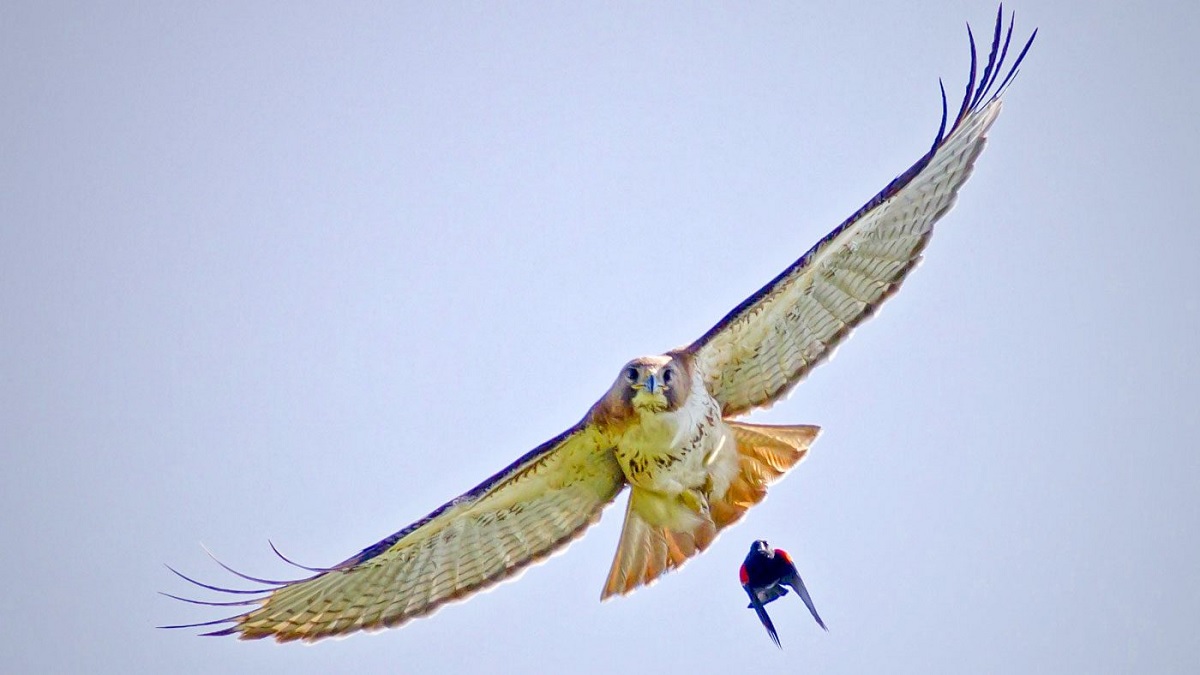
In nature, observing the interactions between different bird species can reveal fascinating survival behaviors. One striking phenomenon is the sight of small birds aggressively pursuing much larger hawks. This behavior might seem counterintuitive, yet it plays a critical role in the survival strategies of smaller avian species.
Why do little birds chase hawks is a question that has intrigued bird watchers and ornithologists alike. These small birds, despite their size, display remarkable courage and coordination when confronting predators. The behavior is often referred to as “mobbing,” where multiple birds band together to harass and drive away a potential threat.
Mobbing serves several purposes beyond simply scaring off a predator. It can alert other nearby birds to danger, protect nests and young, and even reduce the hunting efficiency of the hawk. Understanding these interactions sheds light on the complex social and defensive strategies present in the avian world.
By studying why little birds chase hawks, we gain insight into the instincts and communication methods that help these small species survive in environments filled with predators. This behavior demonstrates the intelligence, bravery, and adaptability of birds in the wild.
Common Little Birds That Chase Hawks
Small birds often exhibit aggressive behavior toward larger predators, including hawks. Observing these interactions provides insight into survival strategies and social behaviors in the avian world. Certain species are more likely to engage in this mobbing behavior due to their territorial instincts, protective instincts over their nests, or natural boldness.
American Crows
Despite their medium size, American crows are well-known for chasing hawks. Highly intelligent and social, crows often form large groups to harass and drive away predators. Their vocalizations alert other birds to danger, creating coordinated mobbing behavior that can overwhelm a solitary hawk.
Crows are opportunistic and protective, frequently defending their nesting areas or feeding grounds. Their size and numbers give them an advantage over solitary raptors, and their persistent harassment can force hawks to abandon hunting attempts in the area. Observing crows in action highlights their strategic intelligence, as they communicate effectively while maintaining a safe distance from the predator’s talons.
American crows also serve as sentinel species, signaling nearby smaller birds to the presence of a hawk. Their boldness and cooperation make them one of the most effective species at chasing away predators, ensuring both their own survival and the safety of the surrounding bird community.
Eastern Bluebirds
Eastern bluebirds, though small and delicate in appearance, are surprisingly fearless when it comes to mobbing hawks. They are highly territorial during breeding season, making them particularly aggressive in protecting nests and fledglings from predation.
Bluebirds often engage in coordinated attacks, using rapid dives and loud calls to distract and confuse hawks. This mobbing behavior reduces the likelihood of predation on eggs and young chicks. By working together, these small birds compensate for their size disadvantage and increase their chances of successfully defending their territory.
The behavior of eastern bluebirds illustrates the instinctual courage and determination present in small bird species. They are an example of how even diminutive birds can influence predator behavior, highlighting the complex dynamics between prey and predator in natural ecosystems.
House Sparrows
House sparrows are another species that frequently confront hawks. Known for their adaptability to urban and suburban environments, sparrows often encounter hawks near bird feeders or parks, where predation risk is high.
These birds rely on agility and numbers to drive away larger predators. By flying in tight, coordinated groups and using rapid, unpredictable movements, sparrows can effectively harass hawks, reducing the chances of a successful attack. Their vocal alarm calls also serve to warn other birds in the vicinity, increasing overall community safety.
House sparrows’ willingness to challenge a much larger bird demonstrates how survival instincts override fear. Their persistence, combined with social cooperation, allows even small, seemingly vulnerable species to protect themselves and their habitat from predators like hawks.
Black-capped Chickadees
Black-capped chickadees, though tiny, are well-known for mobbing larger birds of prey. They are highly social, often coordinating attacks with other chickadees or small birds in mixed-species flocks. This cooperation amplifies their ability to harass and confuse hawks effectively.
Chickadees use high-pitched alarm calls and swift aerial maneuvers to create a continuous distraction. Their small size allows them to approach and retreat quickly, minimizing the risk of injury. By targeting hawks with persistent harassment, chickadees protect their nests, young, and feeding areas from predation.
This behavior reflects both intelligence and instinct. Chickadees recognize threats quickly, communicate efficiently, and demonstrate the value of social cooperation in survival. Even a small bird can significantly influence the behavior of a much larger predator when acting strategically and in groups.
Starlings
European starlings are another common species known for chasing hawks, particularly during nesting season. Starlings often gather in large colonies, giving them an advantage in numbers when confronting predators. The mobbing behavior is loud, chaotic, and highly coordinated, often forcing hawks to retreat.
These birds use quick, synchronized flight patterns to confuse predators, making it difficult for a hawk to single out an individual target. Vocalizations amplify the alarm, alerting neighboring birds and contributing to an effective defensive strategy. Starlings’ aggressive behavior protects eggs, chicks, and feeding grounds from predation, ensuring the survival of both individual birds and the colony.
Observing starlings’ interactions with hawks demonstrates the role of social coordination and boldness in small birds. By combining numbers, speed, and communication, they can effectively challenge predators that are significantly larger and more powerful.
Additional Species That Exhibit Mobbing Behavior
Other small birds, such as warblers, wrens, and titmice, also participate in chasing hawks. These species rely on agility, speed, and group cooperation to drive away predators. Their behavior is most prominent near nesting areas, where protecting eggs and chicks is crucial.
Mixed-species flocks often enhance mobbing effectiveness, as different bird species contribute varied tactics to harass hawks. Quick dives, repeated attacks, and loud alarm calls increase stress on the predator, reducing hunting efficiency. Studying these interactions provides insight into how instinct, intelligence, and social behavior combine to improve survival chances for small birds.
Through observing these species, it becomes clear that mobbing is a widespread and critical survival strategy. Small birds, regardless of size, can influence predator behavior and ensure the safety of themselves and their communities.
Reasons Little Birds Chase Hawks
Small birds often engage in aggressive behavior toward hawks despite the size difference. This fascinating interaction, known as mobbing, is rooted in survival instincts, social dynamics, and protective behaviors. Understanding why little birds chase hawks provides insight into their strategies for avoiding predation, safeguarding nests, and maintaining territory.
Protecting Nests and Offspring
One of the primary reasons little birds chase hawks is to protect their nests and young. Hawks are natural predators of small birds and their eggs, making them a significant threat during breeding season. By aggressively pursuing or harassing a hawk, birds reduce the risk of predation and increase the survival chances of their chicks.
Birds often use coordinated attacks, vocal alarms, and quick aerial maneuvers to confuse and intimidate hawks. These efforts are particularly intense when nests contain eggs or fledglings. Even smaller species can successfully deter hawks by creating a sense of danger through persistent and loud harassment. Protecting offspring ensures the continuation of the species, demonstrating that size alone does not limit the effectiveness of defensive behavior.
Alerting Other Birds to Danger
Mobbing also serves as a communal warning system. When little birds chase hawks, their loud calls and visible aggression alert neighboring birds to the presence of a predator. This early warning allows other birds to take evasive action, hide, or join in the mobbing effort.
The collective alarm increases the effectiveness of predator deterrence. Multiple birds participating in harassment not only overwhelm the hawk but also strengthen social bonds within the bird community. By communicating danger, small birds enhance the survival of themselves and others, showing that mobbing is both a protective and cooperative strategy.
Reducing Predator Hunting Efficiency
Harassment by small birds can significantly reduce a hawk’s hunting success. By constantly attacking, diving, and making loud noises, little birds create a stressful and confusing environment for the predator. Hawks may abandon hunting attempts in areas where persistent mobbing occurs, redirecting their focus elsewhere.
This behavior demonstrates strategic intelligence. Even though individual birds are vulnerable, the combination of agility, persistence, and numbers can effectively limit the predator’s ability to capture prey. Reducing hunting efficiency protects not only the birds’ own nests but also the broader avian community within the same territory.
Establishing Territory and Dominance
Another reason little birds chase hawks is to assert control over territory. Many species are highly territorial during breeding and feeding seasons. By confronting a hawk, small birds signal that the area is actively defended, discouraging the predator from lingering or hunting nearby.
Territorial defense includes vocalizations, rapid aerial maneuvers, and direct physical harassment. These displays also communicate strength and alertness to both predators and rival birds. By defending territory aggressively, small birds ensure access to food, nesting sites, and safe perches, all of which are essential for survival and reproductive success.
Behavioral Instincts and Social Learning
Mobbing behavior is deeply ingrained in many small bird species through instinct and social learning. Young birds often observe adults engaging in harassment of predators and adopt these strategies as they mature. The instinct to chase hawks combines survival, cooperation, and learned behaviors, creating a highly effective defense mechanism.
Through repeated exposure and participation, birds refine their mobbing tactics, learning the most effective ways to distract or drive away predators. This combination of instinct and experience highlights the intelligence, courage, and adaptability of small birds in the face of threats like hawks.
Understanding why little birds chase hawks reveals the complex interplay of protection, communication, territorial defense, and learned behavior that ensures survival in predator-rich environments.
How Hawks Respond to Little Birds
Hawks are skilled predators, yet when confronted by smaller birds, their behavior can vary significantly. Understanding how hawks respond to little birds provides insight into predator-prey interactions, survival strategies, and the dynamics of mobbing behavior. These responses are influenced by hunting tactics, energy conservation, and risk assessment.
Avoidance and Retreat
One common response of hawks to harassment by small birds is avoidance. When confronted by a mob of little birds, hawks often retreat to a safer distance to conserve energy and avoid injury. Persistent harassment, particularly from multiple individuals, can make hunting less efficient and stressful.
Avoidance is a strategic choice, as engaging with aggressive small birds can result in pecking, scratches, or wasted energy. Hawks may relocate to a different area or perch higher in trees where harassment is minimized. This behavior highlights that even apex predators must carefully evaluate risk versus reward when hunting in environments with vigilant prey.
By retreating, hawks minimize conflict while still maintaining access to potential hunting grounds later, demonstrating adaptability and a cautious approach to predator-prey interactions.
Altered Hunting Patterns
Hawks often adjust their hunting strategies in response to harassment by small birds. They may hunt at different times of the day, use stealthier approaches, or change altitude to avoid areas where mobbing is frequent. These adaptations help maintain energy efficiency while still allowing them to access prey.
For example, hawks may avoid flying low over areas with high concentrations of small birds or choose to hunt during times when fewer birds are active. Adjusting hunting patterns reduces encounters with aggressive prey and minimizes the risk of injury. By modifying their behavior, hawks demonstrate remarkable flexibility and the ability to learn from environmental pressures.
These behavioral adjustments ensure that hawks continue to fulfill their ecological role as predators while minimizing unnecessary confrontations with smaller, defensive birds.
Ignoring or Enduring Harassment
Some hawks tolerate minor harassment from small birds, particularly when food availability is high or the mobbing group is small. In these cases, hawks may continue hunting while carefully monitoring the attacking birds. This response is often seen when hawks judge that the energy cost of retreating outweighs the risk of minor interference.
Hawks possess keen vision and flight agility, allowing them to evade attacks while focusing on prey. Enduring harassment requires careful navigation and awareness, as hawks must avoid both direct contact and distraction from hunting. This balance demonstrates their ability to prioritize essential survival behaviors while managing risks posed by smaller, aggressive birds.
The decision to endure mobbing depends on species, individual experience, and environmental conditions. Observing these responses provides insight into how predators weigh threats versus rewards in real-time situations.
Aggressive Counterattacks
In rare situations, hawks may respond aggressively to little birds, particularly if they feel threatened or cornered. Some larger hawks will dive or swoop toward mobbing birds to disperse them, using speed and size advantage to intimidate the attackers.
These counterattacks are typically brief, as prolonged engagement can be energetically costly and risky. Hawks rely on precision and controlled aggression to maintain dominance without expending unnecessary energy. Such interactions highlight the predator’s tactical intelligence, showing that even apex predators must balance offensive action with conservation of resources.
Aggressive responses are more common when nests, young, or food sources are at risk, illustrating that hawk behavior is context-dependent and influenced by immediate survival needs.
Learning and Adaptation
Over time, hawks can learn to recognize patterns in mobbing behavior and adjust accordingly. Experienced hawks often identify areas or times with high harassment risk and plan their hunting strategies to avoid repeated confrontations.
This adaptive behavior demonstrates the intelligence and flexibility of hawks in dynamic environments. By learning from previous encounters with small birds, hawks improve hunting efficiency while minimizing risk. Studying these responses reveals the intricate balance of predator-prey interactions and the ongoing co-evolution between hawks and the smaller birds they encounter.
Understanding how hawks respond to little birds provides a comprehensive picture of survival strategies, risk assessment, and behavioral adaptation in avian ecosystems.
FAQs
Why Do Little Birds Chase Hawks?
Little birds chase hawks primarily to protect themselves, their nests, and their young. Despite the hawk’s size and predatory nature, small birds use coordinated attacks, known as mobbing, to intimidate and drive away threats.
This behavior is an instinctive survival strategy. By chasing hawks in groups, they reduce the chance of being targeted. Even though the birds are smaller, their numbers and agility make it risky for hawks to hunt near active nesting sites, demonstrating how courage and teamwork can level the playing field in nature.
Which Birds Commonly Chase Hawks?
Birds like sparrows, finches, swallows, wrens, and some small songbirds are frequently observed chasing hawks. These species often live in areas where predatory hawks hunt for prey.
They tend to be territorial and protective of their nests. Observing these birds in action shows their social cohesion and strategic use of mobbing tactics. Knowing which species are most active helps you identify and appreciate this fascinating defensive behavior in your local environment.
Is Chasing Hawks Dangerous For Little Birds?
Yes, chasing hawks carries risks for small birds. Hawks are powerful predators, and a misstep can lead to injury or death. However, birds usually assess risk before engaging and rely on numbers and agility.
By chasing hawks in groups, they minimize individual danger while maximizing the chances of deterring the predator. This calculated bravery allows birds to defend their nests and maintain territory while reducing potential losses, showing a remarkable balance between instinct and survival strategy.
Why Do Birds Chase Hawks Instead of Hiding?
Birds chase hawks instead of hiding because aggressive defense is often more effective in protecting nests and offspring. Mobbing can confuse, intimidate, or force the hawk to leave the area.
Hiding alone may not always prevent predation, especially if the hawk can spot a nest or detect movement. By actively chasing predators, birds increase survival rates for their young and ensure their territory remains safe, demonstrating how small size does not limit their protective instincts.
How Do Little Birds Coordinate Attacks Against Hawks?
Little birds coordinate attacks using vocal signals, visual cues, and group behavior. Alarm calls alert nearby birds to the presence of a hawk, prompting collective action.
They may swoop, dive, or chase the predator in waves, confusing it and making hunting more difficult. This instinctive teamwork shows how communication and cooperation are essential survival tools, allowing even small species to defend effectively against much larger predators like hawks.
Does Mobbing Hawks Improve Survival Rates?
Yes, mobbing predators like hawks significantly improves survival rates for small birds. By driving the predator away, birds reduce the chance of nest predation and protect their young.
Repeated mobbing events teach young birds to recognize threats and participate in group defense. This behavior also strengthens social bonds and improves the overall survival odds for the flock, highlighting how strategic aggression can offset disadvantages in size.
Do Hawks Ever Fight Back Against Little Birds?
Hawks occasionally fight back, but often they avoid confrontations with multiple small birds. Engaging in prolonged conflict can expend energy and risk injury, making it more practical to fly away.
However, if a hawk feels cornered or desperate for food, it may retaliate. Observing these interactions teaches you how predator-prey dynamics balance risk, energy expenditure, and survival instincts in nature, showcasing the intelligence and adaptability of both hawks and the birds that chase them.
Final Words
Observing the interactions between small birds and hawks reveals fascinating insights into survival strategies and social behavior in the avian world. Little birds display remarkable courage and coordination when confronting a much larger predator, demonstrating that size is not always the determining factor in survival. Their behavior reflects instinct, intelligence, and adaptability.
Understanding why little birds chase hawks highlights the importance of protecting nests, alerting others to danger, and reducing predator efficiency. Mobbing is both a defensive and communal strategy, where birds communicate and cooperate to increase survival chances. It also emphasizes territorial instincts and the lengths to which birds will go to safeguard their young and resources.
The persistence and strategic approaches of small birds show the complex dynamics of predator-prey relationships. By studying why little birds chase hawks, we gain valuable insight into the protective behaviors, social learning, and adaptive strategies that allow these diminutive creatures to thrive despite constant threats from larger predators.