Black Backed Wagtail: Identification, Behavior, And Habitat Guide
The black backed wagtail is a striking and lively bird that captivates birdwatchers with its energetic movements and contrasting plumage. Known for its characteristic tail-wagging behavior, this species is often seen along rivers, wetlands, and open fields, where it actively hunts for insects and small invertebrates. Observing a black backed wagtail offers insight into its agile feeding habits, social interactions, and territorial displays. Its distinctive black and white markings make it easily identifiable, even from a distance, adding charm to any natural setting.
Learning about the black backed wagtail’s habitat preferences, seasonal movements, and behaviors enhances appreciation for this small but remarkable bird. Whether you are exploring waterways or rural landscapes, spotting this wagtail provides a glimpse into the vibrant diversity of avian life and the intricate ways birds adapt to their environments while maintaining their unique behaviors.
Physical Characteristics
The black backed wagtail is a visually distinctive bird, easily recognized by its contrasting plumage and dynamic posture. Its physical traits not only make identification simple for birdwatchers but also reflect adaptations suited to its lifestyle. From tail length to wing shape, every aspect of the black backed wagtail’s body supports its active foraging habits and agile movements. Understanding these characteristics provides insight into its behavior, ecological niche, and interactions with the surrounding environment, highlighting the bird’s unique adaptations and evolutionary design.
Plumage And Coloration
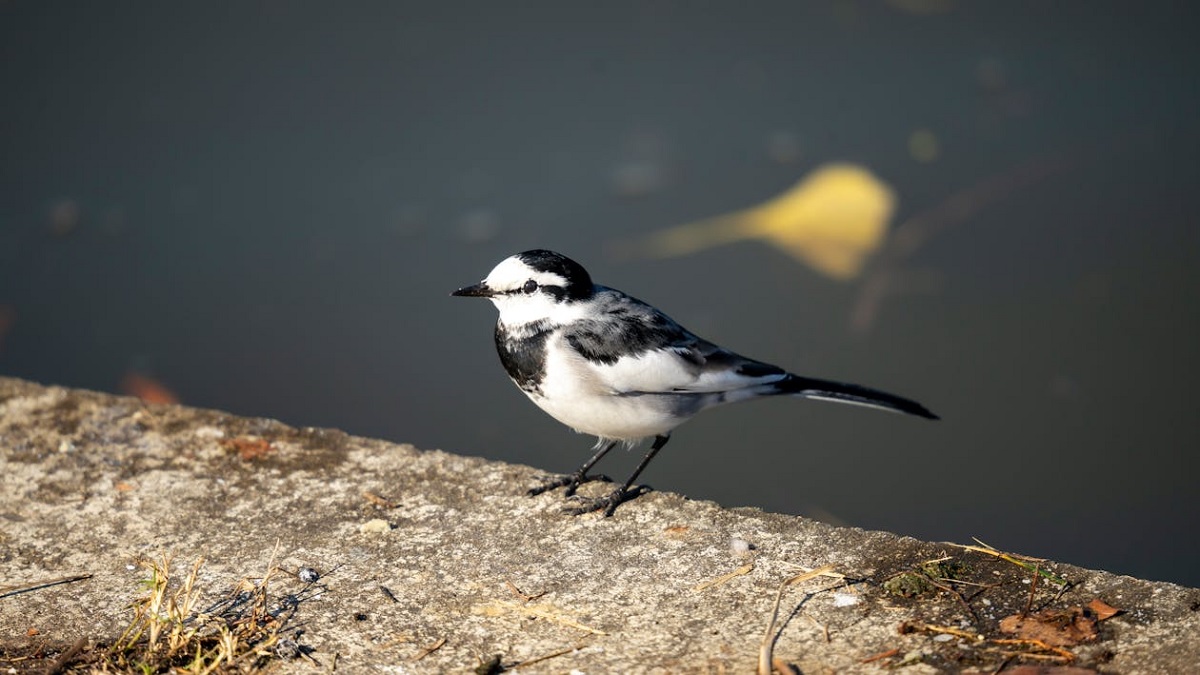
The most striking feature of the black backed wagtail is its bold plumage. True to its name, the bird displays a dark, almost black back contrasted by a bright white underbelly, creating a dramatic visual effect. The head often features subtle gray or black patterns that vary slightly between sexes and age groups, providing a degree of differentiation. Tail feathers are predominantly black with white edges, enhancing the wagging motion for which the species is famous.
This contrasting coloration is not just for aesthetics—it plays a role in communication and territorial displays. The stark black-and-white pattern makes movement more noticeable to other wagtails, signaling presence or alerting to potential threats. Seasonal variations may slightly affect shade intensity, particularly during molting, but the overall pattern remains consistent. Observing these plumage details allows birdwatchers to accurately identify the species even in flight or from a distance.
Size And Body Structure
Black backed wagtails are small, slender birds, generally measuring around 18 to 20 centimeters in length, including their long tail. Their lightweight body facilitates rapid, agile movements, allowing them to dart quickly across water surfaces or open fields in search of insects. The tail is disproportionately long compared to the body, which is a hallmark feature aiding balance and locomotion during active foraging.
The legs are thin yet sturdy, adapted for both perching and ground movement. Strong claws allow the bird to grip uneven surfaces along riverbanks, rocks, or tree roots. The wings are relatively short and pointed, enabling quick bursts of flight rather than long-distance gliding. This compact, aerodynamic structure emphasizes efficiency in hunting and territorial mobility, supporting their energetic lifestyle.
Beak And Feeding Adaptations
The black backed wagtail possesses a slender, pointed beak perfectly suited for catching small insects, spiders, and other invertebrates. This shape allows precise picking and rapid snatching, essential for the bird’s active foraging strategy. The beak’s strength and shape also support probing into crevices or shallow water to access hidden prey, demonstrating evolutionary adaptation for varied diets.
Additionally, their keen eyesight complements their beak, allowing them to detect tiny movements and react instantly. Juveniles typically have slightly shorter and lighter-colored beaks, which darken as they mature. Observing the beak’s design provides insight into feeding habits, ecological role, and how physical characteristics integrate seamlessly with behavioral traits to ensure survival in their preferred habitats.
Habitat And Distribution
The black backed wagtail thrives in environments that provide ample food sources and safe nesting sites. Its choice of habitat is closely linked to rivers, streams, wetlands, and open fields where insects are abundant. Understanding the bird’s distribution patterns sheds light on its ecological preferences and adaptability. Observing where black backed wagtails are commonly found offers insight into their migratory behavior, population dynamics, and the environmental factors that influence their presence across different regions.
Preferred Habitats
Black backed wagtails are frequently observed near freshwater bodies, including rivers, streams, ponds, and marshes. These areas provide abundant insects, which make up the bulk of their diet, as well as mud and vegetation suitable for nesting. Open fields and grassy meadows adjacent to water sources also serve as foraging grounds, allowing the bird to hunt insects efficiently.
The species shows a strong preference for habitats with both water and open spaces. Shaded areas along riverbanks or under low-lying vegetation offer protection from predators while allowing the wagtail to spot prey easily. Seasonal changes in water levels or insect populations can influence local habitat choice, prompting slight shifts in their distribution to optimize feeding and safety. These habitat preferences reflect the species’ adaptability and dependence on both aquatic and terrestrial ecosystems.
Geographic Distribution
The black backed wagtail has a distribution concentrated across parts of Asia and northern regions where suitable habitats are available. Populations are often found in countries with temperate climates, where rivers and wetlands are common. Migratory patterns extend their presence seasonally, as some individuals move to lower altitudes or more temperate regions during colder months to access food sources.
Distribution is influenced by environmental conditions, including availability of water, temperature, and presence of competitors or predators. Understanding geographic patterns helps researchers and birdwatchers predict sightings and study population trends. By identifying areas of high density and seasonal movement, enthusiasts can better appreciate the species’ ecological role and the factors shaping its presence across various landscapes.
Adaptability To Different Environments
While black backed wagtails prefer aquatic and open habitats, they demonstrate a degree of adaptability to human-altered environments. Gardens, parklands, and agricultural fields near water sources can attract wagtails, particularly during migration periods. This flexibility allows the species to exploit new food sources while navigating the challenges of habitat modification.
Urban or semi-urban areas with water features, such as canals or ponds, may serve as temporary stopovers, offering foraging opportunities while avoiding heavily trafficked or unsafe zones. Such adaptability ensures the species maintains a stable population despite environmental changes. Observing their habitat choices highlights the bird’s resilience and capacity to thrive in a variety of natural and human-influenced landscapes.
Behavior And Activity Patterns
The black backed wagtail is renowned for its energetic behavior and distinctive tail-wagging movements, which make it a lively subject for observation. Its daily activity patterns are closely tied to foraging, territorial defense, and social interactions. Studying the bird’s behavior provides insight into how it navigates its environment, interacts with other species, and maintains its survival strategies. Understanding these activity patterns also helps birdwatchers predict sightings and appreciate the dynamic lifestyle of this small yet remarkable species.
Foraging Behavior And Feeding Patterns
The black backed wagtail is an active forager, often seen darting across open ground, mudflats, and shallow water in search of insects and small invertebrates. Its tail-wagging motion is not only a signature behavior but also a functional adaptation that may help flush out hidden prey. The bird’s foraging strategy is highly dynamic, involving quick movements, precise pecking, and occasional short flights to capture insects in mid-air.
Feeding activity is primarily concentrated during daylight hours, particularly in the early morning and late afternoon when insect activity is highest. The bird uses visual cues to detect movement, relying on its sharp eyesight to spot prey even from a distance. Opportunistic in its approach, the black backed wagtail adjusts its feeding techniques based on habitat conditions, demonstrating flexibility and efficiency in energy acquisition. Observing these patterns reveals the connection between physical adaptations and behavioral strategies in the species.
Social Interactions And Territoriality
Black backed wagtails exhibit varying degrees of social behavior depending on season and habitat. During the breeding season, pairs or small family groups often maintain defined territories, defending their nesting and feeding areas from intruders. Vocalizations, tail movements, and physical displays play crucial roles in signaling boundaries and deterring rivals. Outside the breeding season, wagtails may form loose foraging groups or interact opportunistically with other species in shared habitats.
These social behaviors are adaptive, balancing cooperation with competition. Territorial displays ensure access to optimal food and nesting sites, while temporary aggregations during migration or in rich feeding areas reduce predation risk. By studying these interactions, birdwatchers can better understand the species’ complex behavioral ecology and how activity patterns influence survival, reproduction, and resource management.
Daily Activity Rhythms And Movement
The black backed wagtail’s daily activity revolves around maximizing foraging efficiency while minimizing predation risk. The bird is most active during daylight, engaging in periods of intense movement interspersed with short rest or preening sessions. Movement patterns include ground hopping, short flights, and tail wagging, which collectively enhance prey detection and territorial awareness.
Seasonal changes influence activity rhythms, as birds may shift peak foraging times to accommodate variations in temperature, light, and food availability. Migration periods introduce additional activity patterns, with longer flights and increased energy expenditure. Understanding these rhythms helps enthusiasts anticipate behavior, locate the species in various habitats, and appreciate the intricate balance between energy management, foraging success, and environmental adaptation.
Breeding And Nesting
The black backed wagtail exhibits fascinating breeding and nesting behaviors, reflecting its adaptability and strong parental instincts. Its reproductive cycle is closely tied to seasonal changes, habitat availability, and food resources, ensuring that offspring have the best chance of survival. Observing the species during the breeding season provides insights into nest-building techniques, mate selection, and chick-rearing strategies. Understanding these behaviors helps birdwatchers and researchers appreciate the complex interplay between environment, behavior, and survival in this small but highly active bird.
Nesting Sites And Construction
Black backed wagtails prefer to build nests close to water sources, such as riverbanks, streams, wetlands, or damp meadows. Nest locations are typically low to the ground, hidden among vegetation, rocks, or small depressions to protect eggs and chicks from predators. The choice of site is strategic, balancing proximity to abundant food and safety from disturbances.
Nest construction is a collaborative effort between both parents in many cases. They use fine grasses, twigs, moss, and occasionally small feathers to create a cup-shaped structure. The nest is compact yet sturdy, providing insulation and protection for the eggs. The careful placement and materials demonstrate the bird’s instinctive knowledge of how to create a secure environment for its offspring. Observing nest-building highlights the species’ adaptability and precision in creating functional, safe spaces for raising young.
Courtship And Mating Behavior
Courtship among black backed wagtails involves both visual and auditory displays to attract mates. Males often engage in tail-wagging, hopping, and fluttering flights to showcase agility and vitality. Vocalizations, including calls and songs, are used to communicate interest, signal fitness, and establish pair bonds.
Mating behaviors also include synchronized activities, such as nest inspection, mutual preening, and coordinated feeding. These interactions strengthen pair bonds and prepare both birds for the responsibilities of raising offspring. Territorial displays ensure that breeding pairs have sufficient resources and reduced competition, which is critical for the survival of eggs and chicks. Observing these courtship rituals provides insight into the social dynamics and reproductive strategies of the species.
Egg Laying And Chick Rearing
Once the nest is complete, the female typically lays a clutch of three to five eggs, often pale with speckled markings for camouflage. Incubation lasts about two weeks, during which the female primarily keeps the eggs warm while the male assists in guarding the territory and providing food.
Chick-rearing is an intensive process requiring constant attention from both parents. Newly hatched chicks are altricial, meaning they are born helpless and entirely dependent on their parents. Adults feed them small insects and carefully monitor the nest to prevent predation. Growth is rapid, and fledging usually occurs within two to three weeks. Observing the entire breeding cycle demonstrates the dedication of black backed wagtails to ensuring offspring survival and highlights the species’ intricate reproductive strategies.
Migration And Seasonal Patterns
The black backed wagtail exhibits distinct migration and seasonal behaviors that reflect its adaptation to environmental conditions and resource availability. These patterns help the species optimize feeding, breeding, and survival throughout the year. Understanding migration routes, seasonal movements, and behavioral shifts provides insight into how this bird interacts with different habitats across its range. Observing these patterns allows birdwatchers to anticipate sightings, study ecological dynamics, and appreciate the flexibility and resilience of the black backed wagtail in responding to seasonal changes.
Seasonal Movements And Migration Routes
Black backed wagtails often migrate to exploit areas with abundant food and favorable climate conditions. During colder months, they may move from higher altitudes or temperate regions to lower, warmer areas where insect populations remain plentiful. Migration routes typically follow river valleys, wetlands, and open landscapes, providing reliable feeding and resting spots along the journey.
The timing of migration is closely linked to seasonal changes in temperature, daylight, and prey availability. Juveniles and adults may migrate at slightly different times, with experienced birds leading and establishing routes that maximize safety and food access. Observing these movements reveals the bird’s navigational skills and adaptability, demonstrating how environmental cues shape survival strategies. Migration also exposes birds to new habitats, influencing social interactions, competition, and resource use throughout the year.
Behavior During Seasonal Shifts
Seasonal changes significantly influence the black backed wagtail’s daily behavior. In breeding seasons, activity centers on territorial defense, courtship, and nest-building, often in regions rich with resources. Outside the breeding period, birds become more mobile, forming loose flocks and traveling greater distances in search of food and suitable habitats.
During migration or wintering periods, black backed wagtails adjust foraging strategies to cope with reduced insect availability. They may feed earlier in the day, explore different microhabitats, or exploit temporary water bodies. These behavioral adaptations are crucial for maintaining energy balance and ensuring survival during periods of environmental stress. Observing seasonal behaviors helps birdwatchers understand the flexibility and resilience that characterize this species.
Environmental Factors Influencing Migration
Migration and seasonal patterns are influenced by a variety of environmental factors, including temperature fluctuations, precipitation, and availability of food and nesting sites. Wetlands that dry up or urban developments that reduce feeding grounds can alter traditional routes or timing. Birds respond to these changes by adjusting departure dates, flight paths, and stopover locations.
Climate change and habitat modification also play a role in shaping migration patterns. Shifts in insect emergence or water levels can impact the black backed wagtail’s seasonal movements, highlighting the species’ sensitivity to environmental conditions. By monitoring migration and seasonal behavior, researchers and enthusiasts gain valuable insights into ecological interactions, habitat health, and the adaptive strategies that enable the black backed wagtail to thrive across diverse landscapes.
Frequently Asked Questions
What Are The Key Physical Features Of A Black Backed Wagtail?
The black backed wagtail is easily identified by its striking black and white plumage, long tail, and slender body. Its back is dark, contrasting sharply with a bright white underbelly, while tail feathers often have white edges that highlight its characteristic wagging motion. The bird has a pointed beak suited for insect hunting, thin legs for agile movement, and sharp eyesight to detect prey. These physical features are perfectly adapted to its energetic foraging behavior, making it recognizable and efficient in its preferred habitats such as riversides, wetlands, and open fields.
Where Can I Find Black Backed Wagtails?
Black backed wagtails are commonly found near freshwater habitats, including rivers, streams, ponds, and marshes. They prefer open areas with access to water, such as meadows and riverbanks, where insects and small invertebrates are plentiful. Geographically, they are distributed across parts of Asia and temperate regions with suitable habitat conditions. Migration patterns may expand their range seasonally, bringing them to lower altitudes or milder areas during colder months. Observing these locations increases your chances of spotting them in the wild.
What Do Black Backed Wagtails Eat?
The diet of black backed wagtails primarily consists of insects, spiders, and other small invertebrates. They forage actively along riverbanks, wetlands, and open fields, using quick movements and precise pecking to capture prey. Their slender, pointed beaks and keen eyesight make them efficient hunters. Occasionally, they may feed on seeds or other small items, but protein-rich insects form the bulk of their diet. Their foraging behavior reflects adaptability to varying prey availability in different habitats.
How Do Black Backed Wagtails Behave?
Black backed wagtails are highly active and energetic birds. Their characteristic tail-wagging behavior is both a visual signal and part of foraging activity. They are territorial during the breeding season, displaying vocalizations and physical gestures to protect nesting areas. Outside breeding, they may form loose flocks or interact with other species while foraging. Daily activity patterns focus on feeding, preening, and occasional short flights, demonstrating their agile and vigilant nature in both natural and semi-urban habitats.
How Do Black Backed Wagtails Breed And Nest?
During the breeding season, black backed wagtails build cup-shaped nests close to water sources, often hidden among vegetation, rocks, or depressions. Both parents may participate in nest-building, using grasses, twigs, moss, and feathers. Females lay three to five eggs, which are incubated primarily by the female while the male guards the territory and provides food. Chicks are altricial, requiring constant care from both parents until they fledge in about two to three weeks. Nest placement and construction maximize survival and protection from predators.
Do Black Backed Wagtails Migrate?
Yes, black backed wagtails exhibit seasonal migration to optimize feeding and climate conditions. They move from higher altitudes or colder regions to lower, warmer areas where insects remain abundant. Migration routes often follow river valleys, wetlands, and open landscapes that provide food and resting spots. Timing is influenced by temperature, daylight, and prey availability, with juveniles sometimes migrating slightly later than adults. These movements demonstrate adaptability to environmental changes and ensure the species can maintain energy and survival throughout the year.
Are Black Backed Wagtails Threatened Or Endangered?
Currently, black backed wagtails are not considered highly threatened, but they face risks from habitat loss, pollution, and climate change. Wetland drainage, urbanization, and water pollution reduce feeding and nesting areas, while extreme weather events can disrupt seasonal patterns. Conservation of rivers, streams, and wetlands is crucial to maintaining stable populations. Monitoring their habitats and supporting protective measures help ensure these birds continue to thrive in their natural environments while maintaining their essential ecological role as insect hunters.
Conclusion
Observing the black backed wagtail offers insight into the behaviors and adaptations of a highly active and distinctive bird. Known for its characteristic tail-wagging and striking black-backed plumage, this species thrives in wetland and open-field habitats, displaying a range of feeding and social behaviors that make it a favorite among birdwatchers. Its vocalizations, courtship displays, and seasonal movements further highlight the complexity of its life cycle, while careful attention to field marks allows accurate identification even among similar species.
Conservation awareness is essential, as habitat loss and environmental pressures can impact local populations. When studying or photographing the [black backed wagtail], maintaining respect for its natural environment ensures minimal disturbance. Understanding its behavior, habitat preferences, and identification features not only enriches birdwatching experiences but also contributes to broader appreciation and protection of this remarkable and active avian species.