What Birds Lay Eggs In Other Birds Nests: Fascinating Brood Parasites Explained
Some birds have evolved a fascinating and unusual strategy when it comes to raising their young. Certain species do not build their own nests or care for their chicks directly. Instead, they rely on the nests of other birds to raise their offspring. This behavior, known as brood parasitism, allows them to save energy and increase the survival chances of their young.
Learning about what birds lay eggs in other birds nests reveals a complex interaction between species. The parasitic bird often lays eggs that closely resemble those of the host bird, making it difficult for the unsuspecting parents to notice the difference. This clever adaptation ensures the survival of the parasitic chick, sometimes at the expense of the host’s own young.
The common cuckoo is one of the most well-known examples of this behavior, but several other species practice it as well. Observing these birds provides insight into the incredible strategies some animals use to thrive in the wild.
Studying what birds lay eggs in other birds nests uncovers surprising details about avian behavior and survival. It shows how evolution shapes unique reproductive tactics and challenges the way we understand parenthood in the animal kingdom.
Here’s a detailed blog section for your topic following your instructions:
What Birds Lay Eggs In Other Birds Nests
Some birds have evolved a unique strategy to ensure the survival of their offspring by laying eggs in other birds’ nests. This behavior, known as brood parasitism, allows them to save energy and avoid the responsibilities of raising chicks. It also gives them an advantage in environments where food and resources are limited. Understanding what birds lay eggs in other birds nests can reveal fascinating insights into avian behavior, survival strategies, and the complex interactions between different species.
The Cuckoo: Nature’s Master of Deception
The cuckoo is one of the most famous birds known for laying eggs in other birds’ nests. Female cuckoos carefully select host nests, often timing their laying to coincide with the host’s egg-laying period. Their eggs often mimic the color, size, and pattern of the host’s eggs, making them difficult to detect. Once hatched, the cuckoo chick may push the host’s eggs or chicks out of the nest, ensuring it receives all the food and care from the unsuspecting foster parents.
This remarkable adaptation allows cuckoos to reproduce without investing in nest-building or chick-rearing, conserving energy for survival and future breeding. The host birds, however, may eventually recognize the foreign eggs and either abandon the nest or remove the intruder’s egg. This ongoing evolutionary battle between cuckoos and their hosts demonstrates the intricate strategies birds develop to maximize reproductive success. Researchers study these interactions to understand survival tactics and the role of mimicry in nature.
Cowbirds: Exploiters of Nesting Opportunities
Cowbirds are another group of birds known for laying eggs in the nests of other species. Unlike cuckoos, cowbirds often lay multiple eggs in several host nests, spreading the risk and increasing the chances that at least some chicks survive. Their chicks typically hatch faster and grow more rapidly than the host’s own offspring, which helps them dominate the nest and secure food from the host parents.
Cowbirds have adapted to recognize and select nests where their eggs are most likely to survive. Hosts often end up raising the cowbird chicks unknowingly, sometimes at the expense of their own young. This behavior highlights how certain bird species use reproductive strategies to thrive without investing in traditional parental care. Observing cowbirds and their interactions with host species provides insight into evolutionary adaptations and competition among birds for resources and survival.
Impacts on Host Birds
Brood parasitism has significant consequences for host birds. Raising another species’ chick can reduce the host’s reproductive success, as parasitic chicks often monopolize food and parental attention. Some host species have developed defensive strategies, such as recognizing foreign eggs or abandoning nests that contain them. Others may actively remove eggs that look different from their own, showing a fascinating example of coevolution between species.
This ongoing struggle creates a balance where parasitic birds evolve better mimicry while hosts evolve stronger defenses. Studying these dynamics helps us understand ecological interactions, reproductive strategies, and how species adapt to environmental pressures. The relationship between parasitic and host birds is a vivid example of natural selection in action, illustrating how survival often depends on cunning strategies and adaptation.
Other Examples of Brood Parasitism
Besides cuckoos and cowbirds, other bird species occasionally engage in brood parasitism. Some ducks, honeyguides, and weaverbirds exhibit this behavior under certain conditions, taking advantage of available nests and resources. While less common, these instances show that brood parasitism is not limited to a few iconic species.
These examples highlight the diversity of reproductive strategies in the bird world. Each species has evolved unique adaptations to increase the survival chances of their offspring while minimizing parental investment. Observing these behaviors expands our understanding of avian ecology and evolution, demonstrating how even seemingly unfair tactics play a role in the survival of certain species. Studying what birds lay eggs in other birds nests provides a window into the remarkable ingenuity of nature.
Cuckoos And Their Nesting Habits
Cuckoos are fascinating birds known for their unusual nesting habits, which set them apart from most other species. Instead of building and caring for their own nests, many cuckoo species rely on the nests of other birds to raise their young. This behavior, called brood parasitism, allows them to conserve energy while still ensuring the survival of their offspring. Understanding cuckoos and their nesting habits provides insight into their unique reproductive strategies and interactions with host species.
Brood Parasitism: How Cuckoos Exploit Other Birds
Cuckoos are masters of brood parasitism, laying eggs in the nests of unsuspecting host birds. Female cuckoos carefully observe potential host nests, often timing their egg-laying to match the host’s reproductive cycle. The cuckoo’s eggs are specially adapted to resemble the host’s eggs in size, color, and pattern, reducing the chance of detection. Once hatched, the cuckoo chick may push out the host’s eggs or chicks, monopolizing all parental care and food.
This reproductive strategy allows cuckoos to avoid the energy-intensive tasks of nest building and chick rearing. Hosts, on the other hand, may eventually recognize the intruder’s egg and reject it or abandon the nest entirely. The ongoing evolutionary battle between cuckoos and their hosts highlights the sophistication of natural selection, as both parasitic and host species continuously adapt to improve survival and reproductive success.
Host Selection And Egg Mimicry
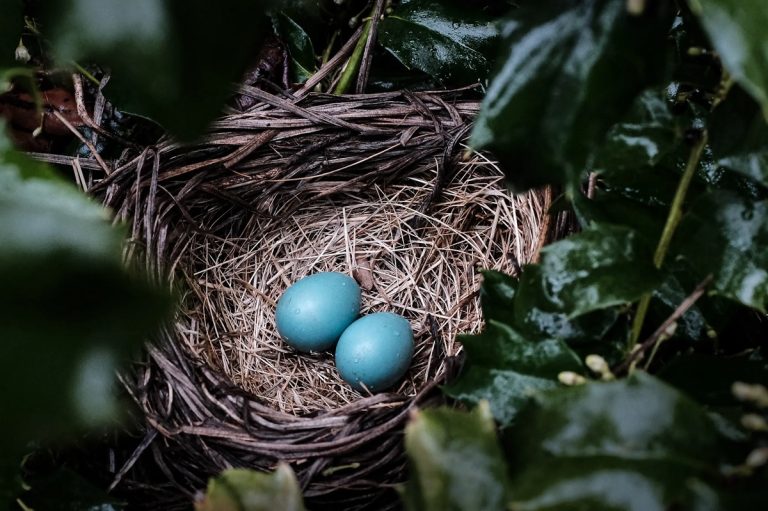
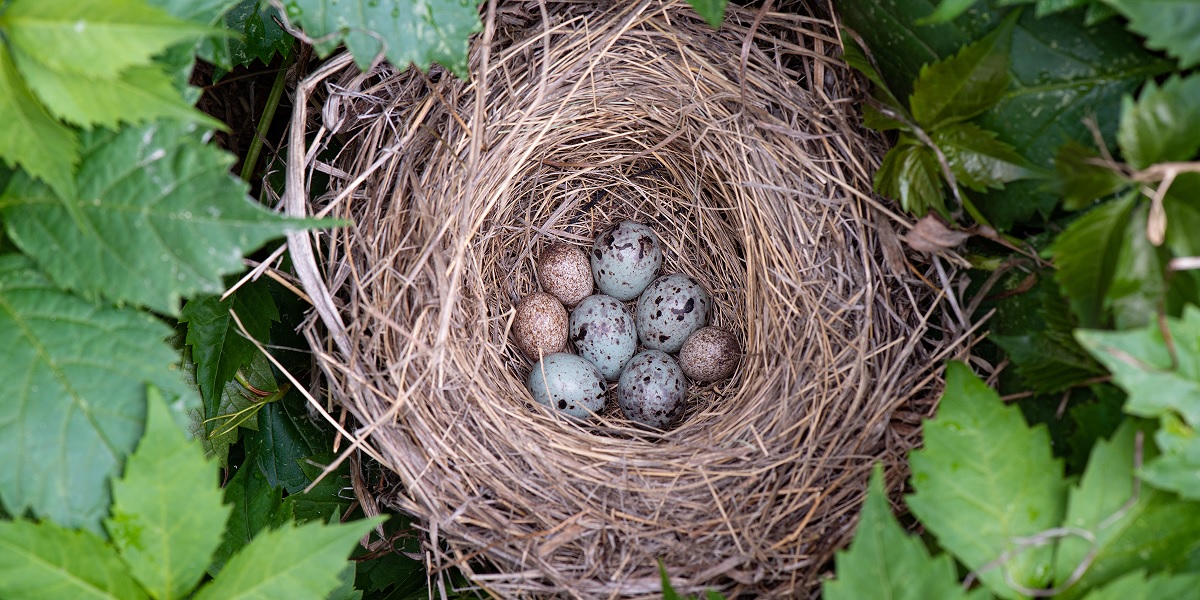
Female cuckoos are extremely selective when choosing host birds. They tend to target species that are smaller and less aggressive, ensuring their eggs have the best chance of survival. Egg mimicry is a key component of this strategy. The cuckoo’s egg often closely resembles the host’s eggs in color, shape, and spotting pattern, fooling the foster parents into raising a chick that is not their own.
This remarkable adaptation has evolved over generations, showing the precision of natural selection. By mimicking eggs accurately, cuckoos can significantly increase the survival rate of their chicks. Studying these host selection and egg mimicry behaviors reveals how intricate and calculated cuckoo reproduction really is, providing a fascinating example of coevolution between species.
Cuckoo Chick Behavior And Growth
Once hatched, cuckoo chicks exhibit remarkable behaviors that give them an advantage over their foster siblings. They often push the host’s eggs or chicks out of the nest, ensuring they receive all the food and attention from the foster parents. Cuckoo chicks also grow quickly, outcompeting host offspring for resources. This rapid growth is crucial, as it allows the chick to thrive without parental care from its biological parents.
Cuckoo chicks rely entirely on the host birds for food and protection, making their survival dependent on the host species’ parental instincts. Observing these chicks provides insight into how brood parasitism shapes growth, behavior, and competition. It also illustrates the complex interactions between species that have co-evolved over centuries to maximize reproductive success.
Variations In Nesting Habits
Not all cuckoo species use the same hosts or exhibit identical nesting behaviors. Some specialize in particular host species, while others may lay eggs in multiple types of nests. Geographic location, climate, and host availability can influence cuckoo nesting strategies. These variations show how flexible cuckoos can be in adapting to different environments and ensuring their offspring survive.
Understanding these variations is essential for ornithologists studying cuckoo populations and their ecological impact. By observing different cuckoo species, researchers can uncover patterns in host selection, egg mimicry, and chick development. These insights provide a broader understanding of how cuckoos and their nesting habits contribute to the diversity and complexity of avian reproductive strategies.
Here’s a detailed blog section for your topic following your instructions:
Cowbirds And Brood Parasitism
Cowbirds are well-known for their unique reproductive strategy, which involves laying eggs in the nests of other birds. This behavior, known as brood parasitism, allows them to reproduce without building nests or raising their young. By taking advantage of other species’ parental care, cowbirds can conserve energy and increase the survival chances of their offspring. Understanding cowbirds and brood parasitism reveals the fascinating ways some birds adapt to survive in complex ecosystems.
How Cowbirds Choose Their Hosts
Female cowbirds are strategic when selecting host nests. They often target smaller songbirds whose nests can accommodate cowbird eggs without detection. Timing is crucial, as cowbirds must lay their eggs while the host is still incubating its own. Some cowbirds even observe the host’s behavior to ensure their egg will be accepted. This careful selection process increases the likelihood that the cowbird chick will survive and thrive under the care of unsuspecting foster parents.
Once a host is chosen, the cowbird lays eggs that may differ in appearance from the host’s but often rely on the host’s inability to detect them. Cowbirds may lay multiple eggs in multiple nests, spreading their reproductive risk and ensuring that at least some of their offspring survive. This strategy demonstrates a highly evolved form of reproductive efficiency that highlights the complex interactions between parasitic birds and their hosts.
Effects On Host Birds
Brood parasitism by cowbirds can have serious consequences for host birds. Cowbird chicks often hatch earlier and grow faster than the host’s own offspring, allowing them to dominate food and parental attention. This can lead to reduced survival rates for the host’s chicks, sometimes causing them to starve. Host birds may attempt to counter this by abandoning parasitized nests, rejecting foreign eggs, or even building a new nest elsewhere.
The ongoing interaction between cowbirds and their hosts illustrates a form of evolutionary arms race. Hosts develop strategies to recognize and reject parasitic eggs, while cowbirds evolve behaviors to increase the acceptance of their eggs. Studying these dynamics provides valuable insight into adaptation, survival strategies, and the ecological balance between species in shared habitats.
Cowbird Chick Behavior And Growth
Cowbird chicks are aggressive competitors in the nests where they are raised. After hatching, they often outcompete host chicks for food, growing rapidly and ensuring their own survival. Unlike cuckoos, cowbird chicks do not always push host eggs out of the nest, but their larger size and vocal demands can indirectly reduce the host chicks’ chances of survival.
These behaviors highlight how brood parasitism influences the development and growth of parasitic chicks. Observing cowbird chicks demonstrates the effectiveness of their reproductive strategy and the impact it has on the host species. The success of cowbird chicks largely depends on the quality of parental care provided by the foster parents, making their survival an intricate part of ecological interactions.
Adaptations And Variations Among Cowbirds
Different cowbird species may vary in their parasitic strategies. Some specialize in specific host species, while others are more generalists, laying eggs in the nests of a variety of birds. Environmental factors such as habitat, host availability, and predation risk can influence cowbird behavior and egg-laying patterns. These variations showcase the adaptability and flexibility of cowbirds in diverse ecosystems.
Studying these adaptations provides a deeper understanding of avian reproductive strategies. It also highlights the importance of cowbirds in shaping the behavior and evolution of host species. By examining cowbirds and brood parasitism, researchers gain valuable insight into how species interactions drive ecological balance and survival tactics in the wild.
Other Birds That Lay Eggs In Other Nests
While cuckoos and cowbirds are the most famous for laying eggs in other birds’ nests, several other species also practice brood parasitism. These birds exploit the parental care of other species to raise their young, conserving energy and increasing survival chances. Studying other birds that lay eggs in other nests provides insight into the diversity of reproductive strategies in the avian world and how different species adapt to thrive in complex ecosystems.
Honeyguides: Masters Of Stealth
Honeyguides are fascinating birds native to Africa, known for their parasitic behavior. Female honeyguides lay their eggs in the nests of smaller birds such as woodpeckers or babblers. Their eggs often hatch earlier than the host’s eggs, giving the honeyguide chick a competitive advantage. Once hatched, the chick may destroy the host’s eggs or kill the hatchlings, ensuring that it receives all the food and attention from the foster parents.
This reproductive strategy allows honeyguides to avoid the energy-intensive work of nest building and chick rearing. Hosts sometimes recognize the intruder but often fail to act in time due to the honeyguide’s precise timing and stealth. Studying honeyguides provides insight into how evolution drives complex behaviors and interactions between species, highlighting the remarkable adaptations birds develop for survival.
Weaverbirds And Opportunistic Parasitism
Certain weaverbird species occasionally lay eggs in the nests of other birds. Unlike specialized brood parasites, these birds may only adopt this strategy under specific circumstances, such as when their own nest is destroyed or when resources are scarce. Their parasitic eggs are usually designed to fit inconspicuously among the host’s clutch, allowing them to avoid detection.
This behavior demonstrates that brood parasitism is not exclusive to well-known parasites like cuckoos or cowbirds. Opportunistic egg-laying ensures the survival of the bird’s offspring under challenging conditions. By exploiting the parental care of other species, these birds increase reproductive success without investing in traditional nesting and chick-rearing duties. Observing these behaviors reveals the flexibility and adaptability of bird species in response to environmental pressures.
Ducks And Nest Parasitism
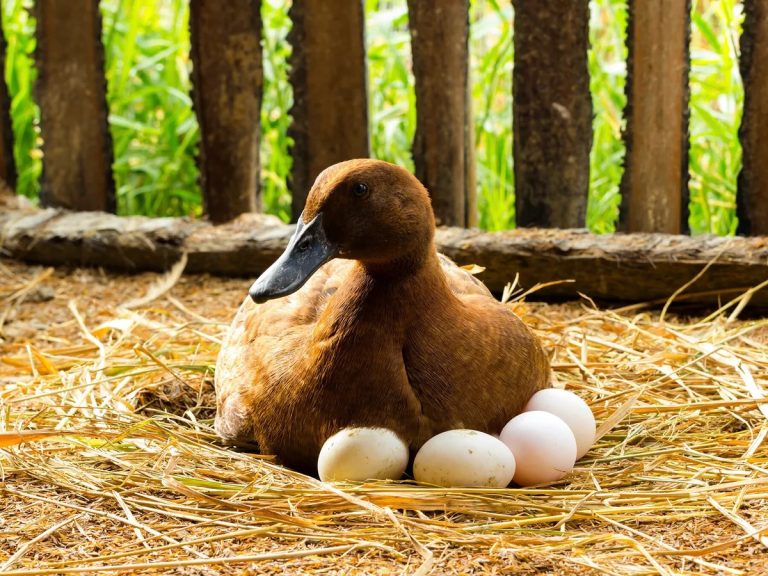
Some duck species also engage in nest parasitism. Female ducks occasionally lay eggs in the nests of other ducks or even different species. These eggs may hatch alongside the host’s young, and in some cases, the parasitic chicks compete for food and parental attention. This type of brood parasitism is less aggressive than in cuckoos or cowbirds, but it still provides reproductive benefits by reducing the energy required for raising young.
Duck nest parasitism is often influenced by habitat density and competition for nesting sites. In areas with limited nesting spaces, laying eggs in another bird’s nest increases the likelihood of survival for the parasitic eggs. Studying these behaviors shows how even common species can adopt complex strategies to maximize reproductive success in response to environmental challenges.
Ecological Significance Of Brood Parasitism
Brood parasitism among less famous bird species plays an important role in shaping ecosystems. It influences host behavior, fosters evolutionary adaptations, and maintains ecological balance. Host birds may develop defensive strategies, such as egg recognition or nest abandonment, driving an ongoing evolutionary “arms race” between parasite and host.
Exploring other birds that lay eggs in other nests highlights the diversity and ingenuity of avian reproductive strategies. From honeyguides to ducks and opportunistic weaverbirds, these species showcase how survival often depends on clever adaptations and resourceful use of environmental opportunities. Understanding these behaviors enriches our knowledge of bird ecology and evolution, revealing the fascinating interactions that shape wildlife populations.
Effects On Host Birds
Brood parasitism, where certain birds lay eggs in the nests of other species, can have significant consequences for host birds. Hosts are often unaware of the intruder’s egg until it hatches, and by that time, the parasitic chick may dominate resources. Understanding the effects on host birds sheds light on the complex ecological interactions and evolutionary pressures that shape avian behavior and survival strategies.
Reduced Reproductive Success
One of the most immediate effects on host birds is reduced reproductive success. When a parasitic chick hatches, it often grows faster and demands more food than the host’s own chicks. In many cases, the host’s offspring receive less food, which can lead to malnourishment or even death. Some parasitic chicks, such as cuckoos, actively push host eggs or hatchlings out of the nest, further decreasing the host’s reproductive output.
This reduction in reproductive success can impact the host bird population over time, especially in areas with high parasitism rates. Hosts may invest all their energy in raising a chick that is not their own, decreasing the number of biological offspring they successfully produce. Studying these dynamics helps ornithologists understand population trends and the pressures parasitism places on host species.
Behavioral Changes In Hosts
Host birds often develop behavioral adaptations in response to brood parasitism. Some may abandon nests containing foreign eggs, while others attempt to recognize and remove parasitic eggs. Certain species even evolve the ability to detect subtle differences in egg color, shape, or pattern, using these cues to protect their own offspring.
These behavioral changes are part of an evolutionary “arms race” between parasitic and host birds. As hosts develop defenses, parasitic birds refine their mimicry and laying strategies to bypass detection. Observing these behavioral adaptations provides insight into how species co-evolve and adjust their reproductive strategies to survive under ecological pressures.
Stress And Energy Expenditure
Raising a parasitic chick imposes significant stress and energy expenditure on host birds. Feeding and protecting a demanding parasitic chick consumes time and resources that would otherwise go to the host’s own young or self-maintenance. This added strain can reduce the host’s overall health, limit future reproductive success, and even make them more vulnerable to predators or environmental challenges.
The energy cost of raising a parasitic chick is often compounded when multiple parasitic eggs are laid in a single nest. In such cases, hosts may struggle to provide enough food, resulting in weaker offspring. Studying these energetic impacts illustrates the indirect costs of brood parasitism and highlights the complex relationship between parasitic and host species.
Long-Term Ecological Impacts
Brood parasitism can also influence host bird populations and ecosystem dynamics in the long term. Species heavily targeted by parasites may experience population declines if parasitism rates are high. In turn, these declines can affect predator-prey relationships, competition for nesting sites, and overall biodiversity.
Understanding the long-term ecological impacts of brood parasitism emphasizes the interconnectedness of species within an ecosystem. By studying the effects on host birds, researchers gain insight into how parasitic strategies shape avian evolution and behavior, demonstrating the intricate balance that sustains wildlife populations in natural habitats.
FAQs
What Birds Lay Eggs In Other Birds Nests?
Several bird species are known for laying eggs in other birds’ nests, a behavior called brood parasitism. The most famous examples are cuckoos and cowbirds, but other species like honeyguides, certain ducks, and some weaverbirds also practice this strategy. These birds rely on the host species to incubate the eggs and raise the chicks, allowing them to conserve energy for survival and reproduction.
By laying eggs in another bird’s nest, these parasitic species increase the chances of their young surviving while avoiding the responsibilities of parenting. Observing these birds can give you insight into clever survival strategies in the wild.
Why Do Some Birds Lay Eggs In Other Birds’ Nests?
Birds lay eggs in other nests primarily to reduce the energy and risk involved in raising chicks. Parenting requires feeding, protecting, and keeping young warm, which can be exhausting and dangerous. By leaving their eggs in a host’s nest, parasitic birds like cuckoos and cowbirds save energy and increase their reproductive success.
This strategy also allows them to spread their eggs across multiple nests, reducing the risk that all their offspring will fail. You can see how evolution favors clever adaptations that maximize survival and minimize parental investment.
How Do Birds Choose Which Nests To Lay Their Eggs In?
Parasitic birds are selective when choosing host nests. They often target smaller or less aggressive species whose nests can accommodate their eggs without being noticed. Female birds usually observe the host’s behavior to ensure the timing of egg-laying aligns with the host’s reproductive cycle.
Some birds even mimic the appearance of the host’s eggs, matching color, shape, and pattern to avoid detection. This careful selection increases the chances that the parasitic egg will survive and hatch successfully under the care of unsuspecting foster parents.
Do All Parasitic Birds Hatch Their Eggs Before The Host’s Eggs?
Not all, but many parasitic birds time their eggs to hatch slightly earlier than the host’s eggs. This gives the parasitic chick a competitive advantage, allowing it to grow faster and monopolize food and attention from the host parents. For example, cuckoo chicks often hatch first and may even push host eggs or chicks out of the nest.
By hatching early, parasitic chicks maximize their survival chances while minimizing competition. Observing this behavior shows how evolution fine-tunes reproductive strategies for success in the wild.
What Are The Effects On Host Birds?
Host birds face reduced reproductive success when raising parasitic chicks. The parasitic chick may demand more food, outcompeting the host’s own offspring. In extreme cases, host chicks can starve or be physically removed from the nest. Raising a parasitic chick also consumes the host’s energy and resources, affecting their health and future breeding.
Some host species develop strategies to combat parasitism, like rejecting foreign eggs or abandoning parasitized nests. Understanding these effects helps you see the complex interactions and evolutionary “arms race” between parasitic and host species.
Are Some Birds Better At Hiding Their Eggs In Other Nests?
Yes, some birds are highly skilled at hiding eggs. Cuckoos are well-known for laying eggs that closely resemble the host’s, making detection difficult. Honeyguides and cowbirds also have techniques to place eggs strategically in host nests. These adaptations improve the chances that the parasitic chick will survive without being rejected.
The effectiveness of hiding eggs often depends on timing, mimicry, and choice of host species. By observing these strategies, you can appreciate the intricate evolutionary adaptations that help parasitic birds maximize their reproductive success.
Can Human Activity Affect Brood Parasitism?
Human activity can influence brood parasitism in several ways. Habitat loss, deforestation, and urbanization can reduce the availability of suitable host nests, forcing parasitic birds to adapt or switch hosts. In some areas, increased human presence can also alter host bird behavior, making nests more vulnerable or less accessible.
Studying how environmental changes impact parasitic birds helps you understand the delicate balance between species in ecosystems. Conservation efforts must consider these interactions to protect both parasitic birds and their hosts, maintaining ecological stability.
Conclusion
Some bird species have evolved fascinating strategies to ensure the survival of their offspring, including laying eggs in the nests of other birds. This behavior, known as brood parasitism, allows birds like cuckoos and cowbirds to conserve energy and increase the chances of their young surviving without the responsibilities of parenting. By relying on host birds to incubate and feed their chicks, parasitic birds can focus on producing more eggs and spreading their genes across multiple nests.
Understanding what birds lay eggs in other birds nests reveals the complex interactions between species. While this strategy benefits the parasitic birds, it often poses challenges for host birds, who may end up raising chicks that are larger or more demanding than their own. Some hosts develop defenses, like recognizing foreign eggs or abandoning parasitized nests, highlighting the ongoing evolutionary “arms race” between species.
Studying these behaviors provides insight into avian survival strategies, adaptation, and ecology. Knowing what birds lay eggs in other birds nests not only fascinates bird enthusiasts but also helps conservationists monitor species interactions and maintain balanced ecosystems.