What Are Female Birds Called: Names, Terms, and Interesting Facts
Birds are some of the most fascinating creatures in the animal kingdom, known for their vibrant colors, unique behaviors, and diverse species. Understanding the differences between male and female birds is essential for birdwatchers, researchers, and enthusiasts alike. Observing these differences often raises the question of what are female birds called, a query that goes beyond simple nomenclature and delves into biology and behavior.
Female birds are not only responsible for laying eggs but often play crucial roles in nesting, caring for young, and selecting mates. Their physical characteristics, such as coloration and size, can differ significantly from males, depending on the species. These differences are important for identification, understanding mating patterns, and studying ecological interactions.
The terminology for female birds can vary, sometimes aligning with the male counterpart, such as a rooster and hen, or adopting entirely different names in some species. Exploring this topic helps deepen appreciation for avian diversity and the unique roles female birds play across ecosystems.
Female Birds Called In General
In the study of birds, understanding terminology helps clarify discussions about behavior, breeding, and identification. Knowing how female birds are referred to in general provides a foundation for observing avian species in the wild or in controlled settings. Across most species, females have specific roles that often influence naming conventions, and recognizing these terms can enrich both casual birdwatching and scientific study.
General Terms For Female Birds
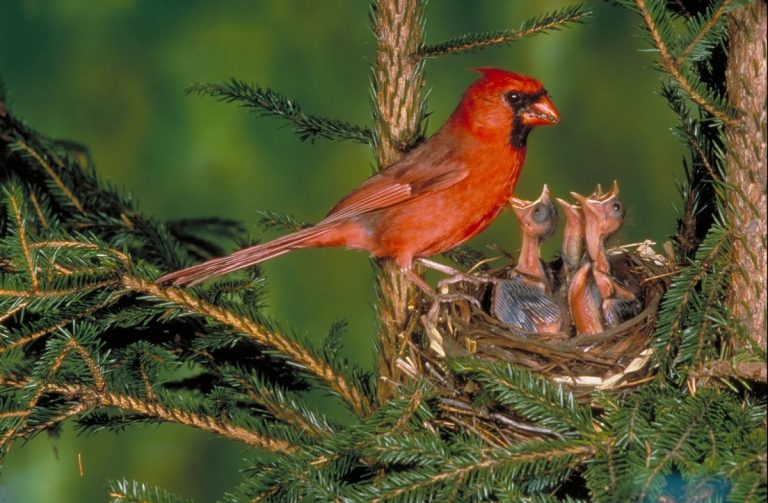
In general, female birds are often referred to by the same name as their species, sometimes with the addition of “female” for clarity. For example, a female cardinal is simply called a female cardinal, while a male is referred to as a male cardinal. This convention applies to most songbirds, waterfowl, and passerines.
Certain groups of birds, however, have distinct names for females, such as hens for chickens and ducks or queens for certain parrots. Using these terms correctly acknowledges the differences in roles, especially regarding breeding, nesting, and parental care. For general identification purposes, specifying “female” before the species name is widely accepted and avoids confusion during observation.
Female birds may also differ in appearance from males, with less vibrant coloration or smaller size. These physical differences are critical in recognizing which bird is female, especially in species where the male is brightly colored to attract mates. Knowing general terminology helps birdwatchers communicate observations accurately, whether reporting sightings or documenting behaviors.
Behavioral Considerations In Naming
The general term for female birds is not only a matter of biology but also reflects behavior and reproductive roles. Female birds are typically the ones who incubate eggs, care for chicks, and often select nesting sites. These behaviors influence why certain species have unique terms for females, such as “hen” for chickens and “doe” for some game birds.
In addition, understanding behavior aids in observing gender-specific activities. Female birds may forage differently than males, stay more concealed during nesting, or vocalize less prominently. Recognizing these patterns allows birdwatchers to identify females accurately, even in species without a special name. Knowledge of general terminology combined with behavioral observation provides a complete understanding of female bird roles in ecosystems.
Scientific Context And Usage
In scientific literature, the term “female” preceding the species name is standard for general reference. For instance, researchers may write “female robin” or “female bluebird” to specify sex without introducing colloquial terms. This consistency allows for accurate data collection, reporting, and communication across regions and disciplines.
Using precise terminology also helps in studies of population dynamics, mating patterns, and conservation efforts. Observing the number of females in a population can indicate reproductive success and species health. General naming conventions simplify documentation while ensuring clarity in scientific and educational contexts.
Importance In Birdwatching And Education
For birdwatchers and educators, knowing what female birds are called in general enhances identification skills and communication. It allows for more accurate field guides, checklists, and observations. By understanding both the standard term “female” and species-specific names, enthusiasts can better track behavior, nesting patterns, and interactions with males.
General terms also support teaching about avian biology, ecology, and conservation. Introducing beginners to basic naming conventions, along with visual and behavioral cues, encourages appreciation for the diversity of female birds across different habitats. This foundational knowledge fosters engagement and accuracy in both casual and professional birdwatching.
Recognizing Female Birds Across Species
Female birds vary greatly between species, and naming conventions often reflect these differences. In some cases, females are camouflaged with muted colors to protect against predators, while males display bright plumage. Using the general term “female” allows birdwatchers to describe birds consistently, even when unique species-specific names are absent.
Understanding female birds’ names and behaviors enhances observation skills, helps in ecological studies, and supports conservation efforts. Awareness of general terminology is essential for anyone looking to deepen their knowledge of bird populations and interactions.
Specific Names For Female Birds
While many female birds are simply called by their species name with “female” added for clarity, some species have distinct terms that set them apart. These specific names often relate to reproductive roles, behavior, or traditional nomenclature in agriculture, hunting, and birdwatching. Understanding these names helps bird enthusiasts and researchers communicate more accurately and appreciate avian diversity.
Domestic Birds And Poultry
In domestic birds and poultry, specific names for females are widespread. For example, a female chicken is called a hen, while the male is a rooster. Female turkeys are called hens, while males are toms. Geese follow a similar pattern, with females called geese and males called ganders. These terms reflect traditional farming practices, where distinguishing males from females is important for breeding, egg production, and flock management.
These names also carry behavioral significance. Hens and female turkeys typically incubate eggs and care for young, while males focus on protection and mating displays. Knowing these specific terms allows birdwatchers and farmers alike to discuss behavior, diet, and reproductive patterns with precision, supporting both observation and husbandry.
Game Birds And Waterfowl
Among wild game birds and waterfowl, female-specific names are also common. Female ducks are often simply called ducks, but males are drakes. Female pheasants are hens, whereas males are cocks. Similarly, female quails are referred to as hens, with males called roosters or cocks depending on the species. These distinctions are crucial for hunters, conservationists, and birdwatchers studying breeding populations and behavioral differences.
Female game birds are usually less colorful than males, helping them stay camouflaged while nesting or feeding on the ground. Observing these differences, along with knowing specific names, allows enthusiasts to track populations, mating behavior, and ecological interactions more effectively, while also enhancing field identification skills.
Birds Of Prey And Raptors
Some birds of prey also have specific names for females, though they are less commonly used outside ornithology. In many cases, female raptors are larger than males, a trait called reverse sexual dimorphism. While they are generally called females, some species like eagles and hawks may have informal terms distinguishing them from males during field studies or breeding programs.
The larger size of females affects hunting behavior, nest defense, and chick rearing. Researchers often note these differences when recording feeding rates, prey selection, and territorial disputes. Understanding female-specific terminology in raptors helps observers differentiate roles in reproductive success and survival strategies, which are critical for conservation and ecological studies.
Songbirds And Other Species
In many songbirds, females are often less vibrant than males, and specific names are less common outside scientific contexts. However, in some species, local or traditional names may exist. For example, in some finch populations, females may be called hens to differentiate from the more colorful males. The use of such terminology helps with field observation, particularly when monitoring breeding pairs, nest activity, or territorial behavior.
Songbirds often display distinct behaviors during breeding, with females incubating eggs and caring for hatchlings. Knowing specific terms for females, even if informal, aids birdwatchers and researchers in documenting these activities accurately. These distinctions are valuable for population studies, ecological surveys, and educational programs about avian life.
Importance Of Knowing Specific Names
Recognizing specific names for female birds allows enthusiasts to communicate clearly, understand reproductive roles, and identify birds accurately. From domestic poultry to wild game birds and raptors, these terms reflect biology, behavior, and traditional practices. Knowing whether a bird is a hen, doe, or female cardinal can improve observation skills and ensure accurate reporting in field notes or research.
For birdwatchers, educators, and conservationists, understanding female-specific terminology supports species monitoring, habitat management, and public awareness programs. Accurate naming enhances appreciation for avian diversity, clarifies behavior, and strengthens the connection between humans and the birds they observe.
Differences Between Male And Female Bird Names
Understanding the differences between male and female bird names is essential for birdwatchers, researchers, and educators. These naming distinctions are often rooted in biology, behavior, and traditional usage. While some species use general terms like “male” or “female” before the species name, others have entirely separate names reflecting reproductive roles, plumage differences, or social behavior. Recognizing these distinctions helps in identification, study, and communication.
Traditional Names In Domestic Birds
Domestic birds, such as chickens, turkeys, and ducks, provide clear examples of distinct male and female names. For instance, a female chicken is called a hen, while a male is a rooster. Female turkeys are hens, and males are toms. Similarly, in ducks, the female is simply called a duck, while males are drakes. These naming conventions date back centuries in agricultural practices and are deeply tied to breeding, egg production, and flock management.
These distinctions are practical as well as descriptive. Hens focus on nesting, incubation, and chick care, whereas males often guard territories, attract mates, and protect the flock. Using these traditional names allows farmers and birdwatchers to communicate clearly about gender-specific behaviors, diet, and reproductive patterns. It also helps avoid confusion when observing or documenting flocks.
Naming Differences In Game Birds
Wild game birds, including pheasants, quails, and grouse, also feature distinct male and female names. Female pheasants are called hens, while males are cocks or roosters. Female quails are hens, with males distinguished similarly. These names are important for hunters, ecologists, and ornithologists tracking population health, reproductive success, and territorial dynamics.
Sexual dimorphism plays a significant role in naming. Male game birds often display bright, elaborate plumage, while females tend to be camouflaged to protect nests and young. Using the proper male and female terminology helps observers communicate about visual identification, behavioral studies, and ecological interactions, particularly during breeding seasons when males display prominently and females remain more concealed.
Differences In Songbirds
In songbirds, the naming differences between males and females are often less formalized, with many species referred to simply as male or female followed by the species name. For example, a male cardinal is a male cardinal, and a female is a female cardinal. Despite the simplicity, these distinctions are crucial because males and females often differ in coloration, size, and behavior.
Males are usually more brightly colored to attract mates and defend territories, while females display muted tones for camouflage while nesting. Understanding these differences allows birdwatchers to track nesting behavior, foraging patterns, and social interactions accurately. Even without unique names, the male-female distinction remains vital for field identification and ecological studies.
Raptors And Birds Of Prey
Raptors and birds of prey often display pronounced sexual dimorphism, where females are larger than males. While naming conventions are usually straightforward—female and male eagle, hawk, or falcon—the size and behavioral differences are significant. Females typically handle nest defense and incubation, while males provide food and engage in aerial displays or hunting.
Awareness of these gender differences is essential for field researchers and birdwatchers studying hunting efficiency, territorial behavior, or reproductive success. Using distinct male and female identifiers ensures accurate documentation and enhances understanding of ecological roles within raptor populations. The naming distinction, even when simple, reflects deep biological and behavioral realities.
Importance Of Accurate Naming
Knowing the differences between male and female bird names enhances identification, communication, and research accuracy. Whether observing a domestic flock, monitoring wild populations, or studying songbirds and raptors, using correct terminology clarifies behavior, reproductive roles, and physical characteristics.
This knowledge also supports conservation efforts, ecological studies, and educational programs. By recognizing which bird is male or female, observers can track breeding success, population dynamics, and species interactions more effectively. Accurate naming fosters appreciation for avian diversity and highlights the unique adaptations and behaviors that distinguish males and females across species.
Observational Benefits
For birdwatchers, knowing male and female names improves field experience by allowing for more precise observation and reporting. Males and females often occupy different niches, display distinct behaviors, and interact differently with their environment. By understanding these differences, enthusiasts can interpret feeding habits, nesting patterns, and social interactions more clearly.
Additionally, this knowledge aids in photographing, documenting, and studying birds in a scientific or recreational context. Recognizing male and female birds by name and behavior ensures that birdwatchers, researchers, and educators accurately capture and share insights about avian life, enhancing both learning and appreciation.
Tips For Identifying Female Birds
Identifying female birds can be challenging due to subtle differences in coloration, size, and behavior compared to males. While males often display bright plumage to attract mates, females typically exhibit muted tones that help them remain camouflaged, especially during nesting. Learning key identification techniques enhances birdwatching experiences, improves field observations, and allows for accurate recording of species, behaviors, and populations.
Observe Coloration And Plumage
One of the most reliable ways to identify female birds is by observing their coloration and plumage. In many species, females have duller or more muted colors compared to males. For example, female cardinals are brownish with tinges of red, while males are bright red. This muted coloring helps females blend into their surroundings while incubating eggs or protecting young from predators.
Pay close attention to patterns on wings, tails, and bodies, as these often provide subtle cues. Some species may have streaks, spots, or slightly different markings than males. Observing these nuances requires patience, a keen eye, and sometimes binoculars or field guides. Learning these visual differences is crucial for distinguishing female birds, especially in species where males are much more conspicuous.
Study Behavioral Cues
Behavioral patterns also play a significant role in identifying female birds. Females often take on nesting responsibilities, including incubating eggs, feeding hatchlings, and maintaining nests. Watching which birds spend time in dense shrubs, on low branches, or near nest cavities can indicate female activity.
Feeding behavior can also be a clue. In some species, females forage closer to the nest or gather food for their young, while males focus on territorial displays or courtship activities. Observing these behavioral differences over time allows birdwatchers to identify females even when plumage is similar to males or other birds in the same habitat.
Listen For Vocalizations
Vocalizations are another useful tool for distinguishing female birds. While males often sing to attract mates and defend territories, females may produce softer calls or specific sounds related to communication with chicks or mates. Recognizing these differences in song and call patterns can help birdwatchers identify females even from a distance.
In some species, such as warblers or finches, female calls are distinct and repetitive when feeding young or alerting mates to danger. Paying attention to these sounds, combined with visual observations, increases accuracy in identifying female birds. Using bird call apps or field guides can further enhance your ability to differentiate between male and female vocalizations.
Consider Size And Shape
Size and body structure are often reliable indicators of female birds, especially in species where sexual dimorphism exists. In many raptors, for instance, females are noticeably larger than males. Conversely, in some songbirds or waterfowl, females may be slightly smaller but still exhibit subtle shape differences, such as shorter tails or less pronounced crests.
Observing proportions between head, beak, wings, and tail helps differentiate females from males, especially when combined with coloration and behavioral clues. Comparing multiple individuals in the same area provides context and makes size differences more apparent. Paying attention to these physical characteristics enhances overall field identification skills and accuracy.
Use Field Guides And Documentation
Field guides, apps, and online resources are invaluable tools for identifying female birds. Detailed illustrations, photographs, and descriptions highlight differences in coloration, size, and behavior between sexes. Notes about seasonal plumage changes, molting, or juvenile stages further assist in accurate identification.
Documenting observations through photography, notes, or checklists also reinforces learning and helps track patterns over time. Recording habitat, behaviors, calls, and physical traits provides context for future identification. Using these tools ensures that birdwatchers and researchers can consistently and accurately identify female birds across various species and environments.
Practice Patience And Observation
Identifying female birds requires patience, careful observation, and repeated field experience. Spending extended periods watching a single area, noting behavioral patterns, and comparing individuals allows birdwatchers to build a mental reference for distinguishing females.
Pairing visual observation with behavioral and vocal cues enhances accuracy. Over time, even subtle differences in coloration, size, or nesting habits become recognizable. Patience and practice are key to developing confidence in identifying female birds and appreciating the nuanced roles they play in their ecosystems.
FAQs
What Are Female Birds Called?
Female birds are usually referred to as hens, females, or by their species-specific name. For example, a female chicken is called a hen, while a female duck may simply be called a female duck. In some species, females have distinct names that differentiate them from males, like a female peafowl being called a peahen. Knowing the correct term helps you identify birds accurately, whether you are observing wildlife, raising poultry, or learning about bird behavior and reproduction.
Understanding female birds also gives insight into their roles in nesting and egg-laying. Females often have different behaviors, calls, or plumage than males, which can help you spot them in the wild or manage them on a farm. Using the correct terminology makes communication about birds clearer and helps anyone interested in ornithology, birdwatching, or animal husbandry understand their unique roles.
Do Female Birds Have Different Names Than Males?
Yes, female birds often have different names than males, especially in domesticated or well-known species. For example, male geese are called ganders, while females are geese, and male swans are cobs while females are pens. In other cases, wild birds may simply be referred to as male or female without a special title. Knowing these differences is useful for breeding, observing wildlife, or discussing bird species with accuracy.
Recognizing the distinct names of female birds also helps you understand their behavior and reproductive roles. Females are generally responsible for laying eggs and caring for the young, while males may focus on defending territory or attracting mates. Being able to identify females by name, appearance, or behavior makes birdwatching, farming, and wildlife study more informative and rewarding.
Why Are Female Chickens Called Hens?
Female chickens are specifically called hens because this term identifies adult females that lay eggs. Male chickens, in contrast, are called roosters or cocks. Using the correct term is important in poultry farming, cooking, or general bird discussions. Hens exhibit behaviors like nesting and brooding that males do not, making the distinction practical and meaningful.
The term hen also helps you track egg production and understand social dynamics in a flock. Knowing which chickens are hens is vital for managing breeding, feeding, and habitat needs. It also allows you to explain poultry-related topics accurately when communicating with farmers, educators, or fellow bird enthusiasts.
Are All Female Birds Called Hens?
No, the term “hen” applies mainly to chickens, not all birds. Female ducks are just called female ducks, female peafowl are peahens, and many other species use the word female instead of a special name. These naming conventions vary depending on tradition, domestication, or scientific classification.
Understanding the correct names for female birds prevents confusion and improves communication, especially in wildlife observation, breeding programs, or farming. It also helps you learn more about their reproductive habits, nesting behavior, and seasonal patterns, which are key for anyone studying birds or raising them responsibly.
How Can You Identify Female Birds?
Female birds can be identified by physical traits, behavior, or plumage differences from males. Females are often less colorful or smaller, which provides camouflage while nesting. Observing courtship behavior, calls, or nesting activity can also help you distinguish females from males.
Recognizing female birds is important for studying reproduction, monitoring populations, or managing breeding. It allows you to understand mating patterns, egg-laying cycles, and the roles females play in their species. Accurate identification improves both wildlife observation and practical bird management.
Do Female Birds Lay Eggs?
Yes, female birds are the ones that lay eggs, which is central to reproduction. The number and frequency of eggs vary depending on species, age, and environment. Males typically do not lay eggs but may assist in protecting the nest or caring for chicks.
Knowing which birds are female helps you track breeding and manage populations effectively. Observing egg-laying and nesting behaviors gives insights into seasonal cycles and species survival. This knowledge is essential for anyone interested in wildlife conservation, birdwatching, or poultry farming.
Conclusion
Birds exhibit a fascinating variety of gender-specific names that help us understand their behavior, breeding habits, and roles in the ecosystem. Female birds often have distinct names like hens, hens, or other species-specific terms that set them apart from males. Recognizing these differences allows birdwatchers and researchers to accurately identify and study birds in their natural habitats.
For anyone curious about what are female birds called, it’s important to note that the terminology can vary depending on the species. Waterfowl, game birds, and songbirds each have their own naming conventions, and cultural or regional differences can influence the terms used. Understanding these distinctions not only enhances your birdwatching experience but also promotes accurate communication about avian species.
Using correct names for female birds also has practical benefits. It aids in tracking populations, studying mating patterns, and observing behavioral differences between males and females. By knowing what are female birds called, you gain a deeper appreciation for the diversity and complexity of the bird world while supporting informed wildlife observation.