Are Bird Eggs Soft When Laid? Understanding Egg Development and Safety
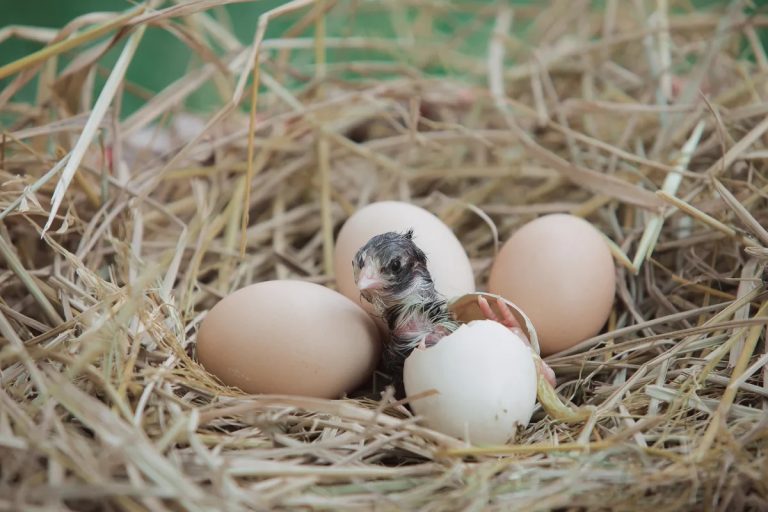
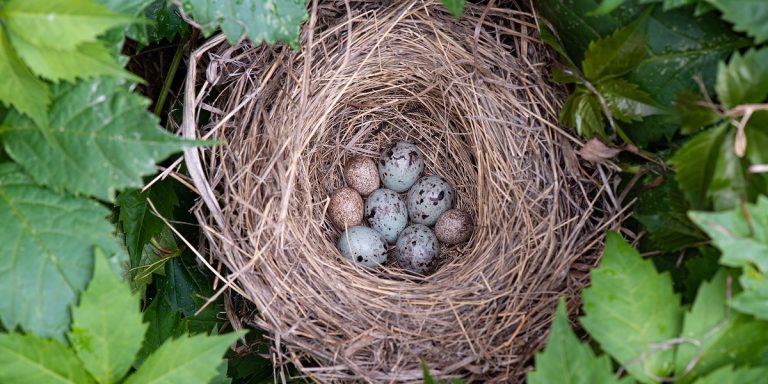
Bird eggs are fascinating structures, designed to protect developing embryos while providing the right conditions for growth. When freshly laid, eggs may surprise many people with their texture, prompting questions about their softness and fragility. Understanding the characteristics of eggs at the moment of laying offers insight into avian biology, reproductive strategies, and species-specific adaptations. Different birds produce eggs with varying degrees of hardness and flexibility, influenced by factors like shell composition and calcium availability.
Exploring the question of are bird eggs soft when laid helps explain how eggs withstand handling by parent birds, environmental conditions, and the initial stages of incubation. Observing these natural processes deepens appreciation for the delicate balance between protection and development in bird reproduction, highlighting the remarkable design and care that goes into ensuring the survival of the next generation of birds.
Egg Formation and Structure at Laying
Understanding egg formation and the structure of eggs at the moment they are laid provides insight into avian biology and reproduction. Bird eggs are carefully constructed to balance protection, flexibility, and nutrient provision for developing embryos. The process involves the development of the yolk, albumen, membranes, and shell, all of which contribute to the egg’s final form. Studying these components explains why some eggs appear soft or delicate initially and how birds ensure their survival during the early stages.
Egg Formation Process
Egg formation begins internally with the yolk, which provides essential nutrients for the developing embryo. The yolk is released from the ovary and moves through the oviduct, where layers of albumen, or egg white, are added. Albumen serves as a cushion and a protein-rich food source, providing both protection and nutrition. As the egg continues its journey, thin membranes form around the yolk and albumen, offering structural support and additional protection against bacterial contamination.
The shell is the final component to develop, primarily composed of calcium carbonate. When the egg is laid, the shell may still be relatively soft, especially in species with thinner eggshells or during early egg-laying periods. This softness allows the egg to withstand the physical pressures of passing through the oviduct without cracking.
After laying, the shell continues to harden as it cools and interacts with the environment. Understanding the step-by-step formation process clarifies why eggs vary in hardness at the moment of laying and how parent birds handle and incubate them to ensure safety and viability.
Egg Structure and Variability
The structure of bird eggs varies widely across species, affecting their texture and hardness when laid. Larger birds generally produce thicker, harder shells, while smaller species may have more flexible eggs that initially feel soft to the touch. Shell porosity also varies, allowing gas exchange for the developing embryo while maintaining protection. Coloration and patterning provide camouflage or species-specific identification, but do not affect the initial softness.
Parent birds often handle freshly laid eggs with care, using body heat and nesting material to stabilize them. The albumen’s cushioning effect combined with the developing shell helps prevent breakage during this period.
By understanding structural components, including membranes, albumen, and shell composition, it becomes clear why eggs may feel soft when first laid and how they are designed to harden over time while supporting embryo development. Observing these features provides insight into the remarkable adaptations that allow birds to reproduce successfully in a variety of environments.
Factors Affecting Egg Hardness
The hardness of bird eggs at the time of laying is influenced by multiple biological and environmental factors. Eggshell strength is not uniform across all species or individuals, and it can vary depending on diet, age, calcium availability, and environmental conditions. Understanding the factors that affect egg hardness helps explain why some eggs feel soft while others are firm immediately upon laying. These insights also shed light on avian reproductive strategies and how birds ensure embryo protection during early development.
Calcium and Nutritional Influence
One of the primary factors affecting eggshell hardness is calcium availability in the bird’s diet. Calcium is a critical component of the shell, providing rigidity and structural integrity. Birds with diets lacking sufficient calcium often produce eggs with thinner, softer shells, increasing vulnerability to breakage. Other nutrients, such as phosphorus, vitamin D, and protein, also contribute to proper shell formation and overall egg quality.
Young birds or those experiencing dietary deficiencies may lay eggs that feel soft at the time of laying due to incomplete shell calcification. Conversely, adult birds with a balanced diet typically produce firmer eggs, even immediately after laying. Seasonal variations in food availability and environmental stressors can also impact nutrient absorption and shell hardness.
By ensuring access to calcium-rich foods such as seeds, insects, or supplements, birds optimize eggshell strength, which is crucial for protecting developing embryos and increasing the chances of reproductive success.
Species, Age, and Environmental Factors
Egg hardness also varies with species and individual bird characteristics. Larger birds or species adapted to harsh environments often lay eggs with thicker, more resilient shells. In contrast, smaller birds may produce thinner shells that feel softer at laying. Age plays a role as well: first-time layers or older birds may have slightly weaker eggshells due to incomplete shell formation or declining calcium metabolism.
Environmental conditions, including temperature, humidity, and stress, can influence shell quality. High stress or rapid laying schedules may reduce shell thickness temporarily, producing softer eggs. Additionally, the porosity of the shell affects its flexibility and perceived hardness. Understanding these factors allows bird enthusiasts and researchers to anticipate variations in egg texture and appreciate the adaptations birds have developed to balance protection, reproduction, and environmental challenges.
Species With Soft Eggs
Some bird species naturally lay eggs that are soft or relatively flexible when first deposited. These softer eggs are often an adaptation to specific nesting environments or reproductive strategies, allowing them to withstand handling by parent birds or movement within the nest. Understanding which species produce soft eggs helps explain variations in avian reproduction, shell composition, and incubation requirements. Observing these birds provides insight into how soft eggs support embryo development while balancing protection and flexibility in different ecological contexts.
Waterfowl and Shorebirds
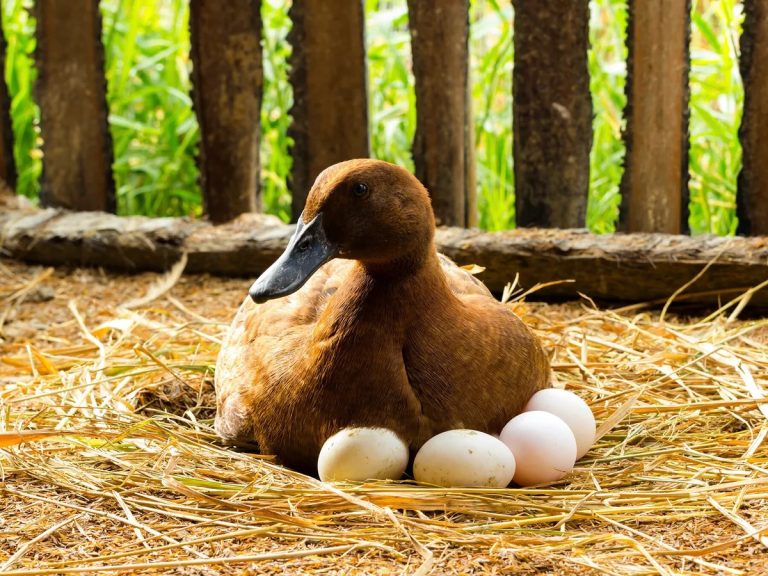
Many waterfowl, such as ducks and geese, and certain shorebirds produce eggs that are initially softer than those of land-dwelling species. The soft shells allow for easier passage through the oviduct, particularly in species that lay multiple eggs in quick succession. These eggs often gain additional rigidity after laying as they cool and complete mineral deposition. The flexibility also helps prevent cracking when eggs are clustered together in dense nests, such as ground scrapes or communal nesting sites common to these birds.
Parent birds in these species are careful when turning and incubating eggs to avoid damage. The yolk and albumen provide cushioning, and the partially soft shell allows slight compression without breaking. This adaptation is particularly beneficial for species nesting on uneven surfaces or in areas exposed to environmental stress. Observing soft-shelled eggs in waterfowl and shorebirds illustrates the evolutionary balance between protection, flexibility, and successful embryo development, highlighting the diversity of reproductive strategies among bird species.
Songbirds and Small Land Birds
Certain songbirds and small land birds also lay eggs that feel soft at the moment of laying, particularly during early reproductive attempts or in younger females. These eggs tend to have thinner shells, which initially provide flexibility while still offering enough protection for the developing embryo. Soft-shelled eggs in these species are often supported by dense nesting materials and careful parental handling to reduce the risk of breakage.
Smaller birds typically lay multiple eggs over several days, and soft shells may facilitate rapid laying without compromising reproductive success. The softness does not indicate poor quality but reflects a balance between shell thickness, calcium availability, and species-specific needs.
Observing songbirds with soft eggs demonstrates how even delicate eggs are adapted for survival, with parents using incubation, nest structure, and careful positioning to ensure embryo protection until the shells fully harden. These strategies highlight the remarkable adaptations that allow birds to reproduce successfully across a wide range of habitats and conditions.
Egg Hardening Post-Laying
After a bird lays an egg, its shell continues to harden as part of a natural post-laying process. This hardening is essential to protect the developing embryo from mechanical damage and environmental threats. The process involves the deposition of additional calcium and the stabilization of shell proteins, which strengthens the egg over time. Understanding how and why eggs harden post-laying provides insight into avian reproductive biology and highlights the adaptations that ensure the survival of embryos in various nesting environments.
Calcium Deposition and Shell Strengthening
Eggshell hardening after laying is primarily driven by continued calcium deposition and structural adjustments within the shell. Even after the egg exits the oviduct, residual mineralization occurs, reinforcing the shell’s integrity. This process is particularly important for species that lay relatively soft or flexible eggs initially, ensuring that they gain sufficient rigidity to withstand handling, incubation, and minor environmental stresses.
The protein matrix within the shell also undergoes stabilization, providing a scaffold that maintains shape while enhancing durability. Parent birds contribute indirectly to this process by positioning eggs in nests that support even heat distribution and prevent excessive movement, reducing the risk of breakage during the early post-laying period. This post-laying hardening period varies among species and is influenced by factors such as ambient temperature, humidity, and shell porosity. Observing eggs during this phase highlights how nature balances flexibility during laying with the protective strength required for embryo development.
Incubation and Environmental Influences
Following initial hardening, incubation further solidifies the eggshell while supporting embryo development. Heat from the parent bird accelerates chemical reactions that stabilize the shell and its calcium structure, ensuring long-term strength. Environmental conditions, including temperature fluctuations and humidity, can influence the rate and effectiveness of post-laying hardening. High humidity, for example, may slow water loss from the egg, maintaining optimal conditions for mineralization, while extreme heat or cold can affect shell integrity.
This adaptive process ensures that eggs, whether initially soft or semi-rigid, achieve sufficient strength before hatching. Parental behaviors such as turning eggs, nest placement, and protection from external disturbances enhance the hardening process, demonstrating how biology and behavior work together to safeguard developing embryos. Understanding post-laying hardening underscores the intricate balance between egg flexibility during laying and mechanical resilience needed for survival in diverse habitats.
FAQs
Are All Bird Eggs Soft When Laid?
Not all bird eggs are soft when laid. The hardness of an egg depends on the species, age, and diet of the bird. Some smaller birds and certain species naturally produce eggs that feel softer at laying, while larger birds tend to have firmer shells. Soft eggs are usually flexible enough to pass through the oviduct without cracking and gain additional strength after laying. Observing these differences helps you understand variations in avian reproduction and how eggs are adapted to protect embryos while ensuring successful hatching.
Why Do Some Bird Eggs Feel Soft Initially?
Some bird eggs feel soft initially due to incomplete calcification or thinner shells. During laying, the shell may still be partially flexible to allow safe passage through the oviduct. This softness does not indicate poor quality; it is an adaptation that prevents cracking during laying or handling by the parent bird. Over time, exposure to air and incubation strengthens the shell, ensuring embryo protection. Understanding this natural process helps explain why eggs from certain species, especially small birds or first-time layers, may feel soft at the moment they are laid.
How Long Does It Take For Bird Eggs To Harden?
The hardening process of bird eggs varies depending on species, shell thickness, and environmental conditions. Typically, eggs begin to strengthen shortly after being laid, with continued calcium deposition and shell protein stabilization occurring over several hours to a day. Incubation by the parent bird accelerates hardening while also supporting embryo development. Temperature, humidity, and nest conditions influence the speed of this process. By understanding the timeline, you can better appreciate how birds balance flexibility during laying with the need for a strong, protective shell to ensure successful hatching.
What Factors Affect Egg Hardness When Laid?
Egg hardness is influenced by diet, age, species, and environmental conditions. Calcium intake is critical; birds with insufficient calcium produce thinner, softer shells. Age also plays a role, as young or older birds may have slightly weaker eggs. Species differences determine natural shell thickness, while environmental factors like temperature and stress can affect shell strength. By observing these factors, you can understand why some eggs feel soft when laid and why others are firm immediately. These variations highlight the adaptability of birds to different reproductive and ecological conditions.
Do Soft Eggs Pose a Risk to the Embryo?
Soft eggs can be more vulnerable to breakage immediately after laying, but they are typically designed to handle the pressures of the oviduct and parental care. Nesting materials, parental handling, and the cushioning effect of albumen protect the embryo until the shell fully hardens. While soft eggs may seem fragile, most species have evolved reproductive strategies to ensure embryo survival, including careful placement in nests and consistent incubation practices. Observing these behaviors demonstrates how birds naturally mitigate risks associated with initially soft eggs.
Which Bird Species Are Known To Lay Soft Eggs?
Species that commonly lay softer eggs include many songbirds, waterfowl, and certain shorebirds. Smaller birds like sparrows and finches often produce eggs that are initially flexible, while ducks and geese may lay softer eggs that harden after laying. These adaptations help eggs pass safely through the oviduct and withstand nest handling. Recognizing which species lay soft eggs provides insight into avian reproductive strategies and highlights the variety of adaptations birds have developed to ensure embryo protection and successful hatching across different environments.
Final Words
The hardness of bird eggs at the time of laying varies depending on species, diet, and environmental conditions. Some birds naturally lay soft or semi-soft eggs, which gradually harden through calcification, while others produce fully hard eggs immediately. Factors like calcium intake, the bird’s age, and overall health play a crucial role in determining shell strength. Soft eggs are more vulnerable to damage, predation, and environmental stress, which is why parent birds often provide extra protection and carefully incubate them.
Observing the differences in egg texture can provide insights into avian biology and nesting behaviors. Understanding these nuances is essential for bird enthusiasts, researchers, and wildlife rehabilitators. Overall, recognizing the factors and processes involved helps answer the question of [are bird eggs soft when laid], highlighting the delicate yet fascinating nature of avian reproduction and the importance of proper care and observation.