How to Keep Birds Out of Arborvitae Without Harming Plants or Wildlife
Dense, evergreen arborvitae hedges add privacy and beauty to a yard, but they often become an attractive hangout for birds. While birds are part of a healthy outdoor space, too many nesting or roosting inside these trees can lead to constant noise, droppings, damaged foliage, and even blocked airflow that affects plant health. Homeowners often feel frustrated when their once-neat arborvitae turns into a permanent bird shelter.
Understanding how to keep birds out of arborvitae helps protect both the appearance of your landscape and the long-term condition of the trees. Simple changes in maintenance, strategic deterrents, and awareness of bird behavior can make a noticeable difference. When the trees are managed correctly, they remain lush and functional without becoming overcrowded by unwanted wildlife. This guide focuses on practical, humane, and realistic methods that fit everyday yard care, allowing you to enjoy your outdoor space while keeping arborvitae healthy, tidy, and free from excessive bird activity.
Why Birds Choose Arborvitae
Arborvitae are a natural magnet for birds because they quietly fulfill many of their daily needs in one place. These evergreen trees provide year-round coverage, dependable shelter, and a sense of security that birds actively seek. Their structure supports resting, nesting, and protection from predators and weather. In residential areas where natural habitats are limited, arborvitae stand out as a reliable refuge. This combination of safety, comfort, and accessibility explains why birds repeatedly choose these trees over other landscape plants.
Dense Foliage Provides Shelter And Safety
The tightly packed foliage of arborvitae creates a natural shield that birds instinctively trust. Thick layers of overlapping branches make it difficult for predators to see or reach birds hiding inside. This visual barrier lowers the risk of surprise attacks and allows birds to relax while resting or roosting. The dense growth also reduces exposure to wind and heavy rain, giving birds a stable place to stay during harsh weather conditions.
Another reason this shelter feels secure is its consistency throughout the year. Unlike deciduous trees that lose leaves, arborvitae remain full and covered in every season. This evergreen protection is especially valuable in winter when shelter options are limited. Small birds can move easily between branches while staying concealed, making the tree an ideal daily refuge rather than a temporary hiding spot.
Ideal Nesting Environment Close To Food Sources
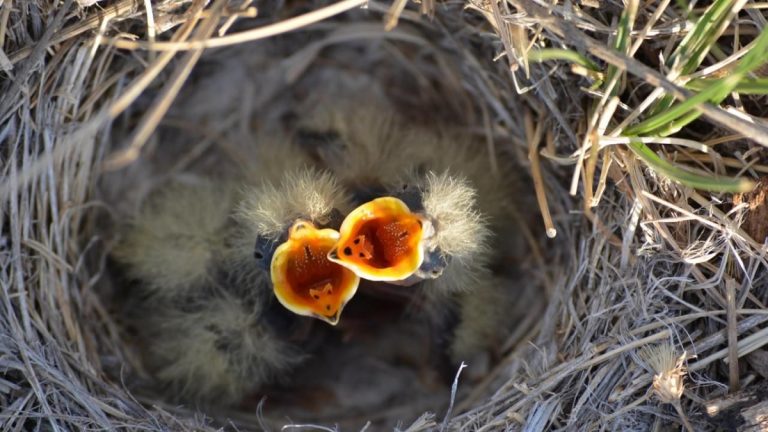
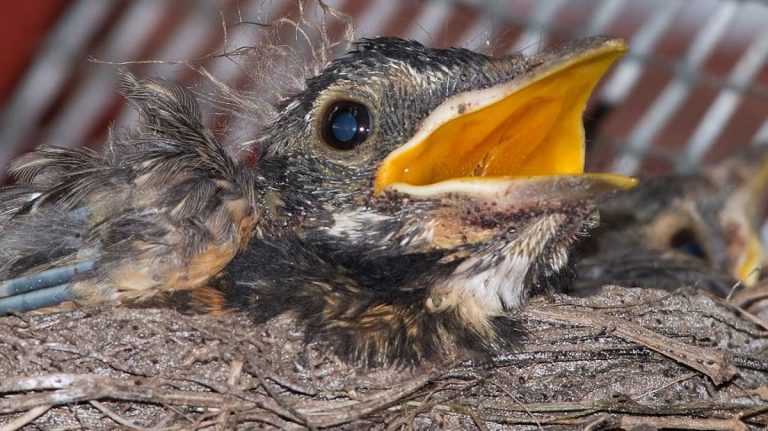
Arborvitae offer an excellent nesting environment because they combine structure and convenience. The branches are firm enough to support nests yet flexible enough to withstand wind without breaking. Birds can build nests deep inside the tree, where shade and insulation help regulate temperature. This protected interior reduces stress on eggs and young birds, increasing survival rates during breeding seasons.
Location also plays a major role in attraction. Arborvitae are often planted near homes, gardens, and lawns, placing birds close to insects, seeds, and human-provided food sources. This proximity allows birds to feed efficiently without leaving their nesting area for long periods. Being able to observe surroundings from within the tree while remaining hidden gives birds confidence, making arborvitae a practical and dependable choice for raising young.
Signs Birds Are Causing Damage to Arborvitae
Bird activity inside arborvitae can go unnoticed at first, but over time it often leaves visible and structural signs. While occasional visits are harmless, frequent nesting and roosting can stress the tree and affect its appearance. Damage usually appears gradually through changes in foliage, branch structure, and overall health. Recognizing these warning signs early helps prevent long-term issues and allows timely action before the arborvitae loses density, color, or strength.
Thinning Foliage And Broken Inner Branches
One of the earliest signs of bird-related damage is thinning foliage, especially inside the arborvitae. Birds moving repeatedly through the same paths can snap small inner branches and strip needles from frequently used areas. Over time, these bare patches grow larger, making the tree look uneven and sparse from the outside. The damage often begins deep within the plant, so it may go unnoticed until the outer greenery starts to lose support and density.
Another issue is the weight and movement of birds during nesting seasons. Larger birds or repeated nest building can weaken branch joints, causing them to bend or break. When inner branches collapse, airflow becomes restricted, increasing moisture retention and creating conditions that encourage fungal problems. This internal damage reduces the arborvitae’s natural shape and resilience, making recovery slower even after bird activity decreases.
Excessive Droppings And Discolored Foliage
Bird droppings are a clear and often unpleasant sign of heavy bird presence in arborvitae. When birds use the same tree for roosting, droppings accumulate on branches and foliage below nesting areas. This buildup can interfere with photosynthesis by blocking sunlight and trapping moisture on leaf surfaces. Over time, affected areas may turn yellow or brown, giving the arborvitae a dull and unhealthy appearance.
In addition to cosmetic damage, droppings can alter the soil chemistry beneath the tree. High concentrations of nitrogen may burn roots or disrupt nutrient balance, leading to uneven growth or stress. The smell and mess also attract insects, which can further harm the plant. Persistent discoloration near nesting zones often indicates prolonged bird activity rather than seasonal changes.
Nesting Materials Blocking Growth And Airflow
Nesting materials such as twigs, grass, feathers, and debris can become tightly packed within arborvitae branches. While birds use these materials for shelter, they often block light and airflow needed for healthy growth. When airflow is reduced, moisture stays trapped inside the tree, increasing the risk of mold, mildew, and disease. This environment weakens foliage and encourages needle drop over time.
Another concern is the pressure nests place on surrounding branches. As nests grow larger, they push against new growth, causing misshapen or stunted areas. Young shoots may struggle to develop properly, leading to uneven coverage. When multiple nests are present, the combined impact can significantly reduce the arborvitae’s vigor, making it harder for the tree to recover its natural fullness and structure.
Physical Barriers to Keep Birds Away
Physical barriers are one of the most effective ways to prevent birds from settling inside arborvitae. These methods work by blocking access or making the environment uncomfortable for nesting and roosting without causing harm. When installed correctly, barriers protect the tree’s structure and appearance while reducing repeated bird activity. They are especially useful in areas where birds return year after year, offering a long-term and reliable solution that blends with regular yard maintenance.
Netting And Mesh Covers For Arborvitae
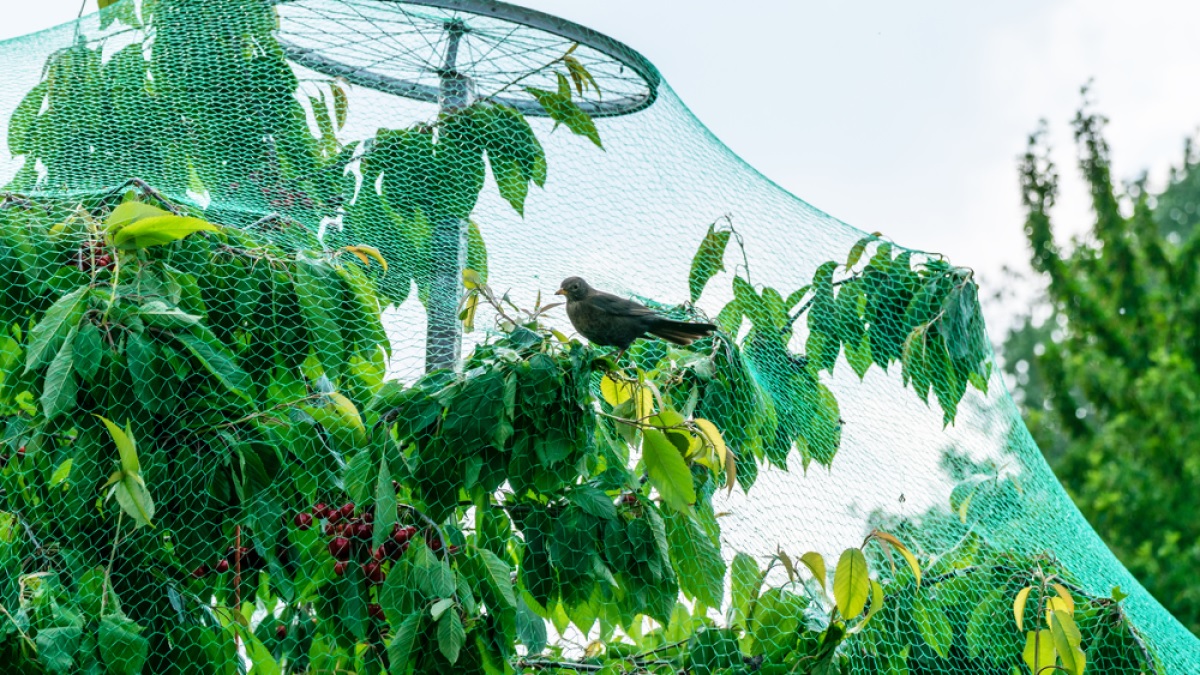
Bird netting is a widely used barrier because it physically prevents birds from entering the dense interior of arborvitae. Lightweight mesh is draped over the tree or specific problem areas, creating a shield that blocks nesting access. When properly secured, netting allows sunlight, air, and rain to pass through while stopping birds from landing inside. This helps maintain healthy growth without trapping moisture or heat.
Installation plays a key role in effectiveness. The netting should be tight enough to avoid gaps but loose enough to prevent branch damage. Anchoring it to the ground or trunk keeps birds from slipping underneath. Regular inspection ensures the mesh remains intact and does not snag on growing branches. This method works best during nesting season when birds actively search for sheltered spaces.
Wire Frames And Temporary Fencing
Wire frames and small garden fences can be used to block birds from entering arborvitae, especially when the trees are young or newly planted. Thin wire structures placed around the outer edges prevent birds from flying directly into the foliage. These barriers subtly change the tree’s accessibility, discouraging birds without altering its natural appearance too much.
Temporary fencing is useful in high-traffic bird areas where permanent solutions are not ideal. It allows homeowners to protect arborvitae during peak nesting periods and remove the barrier later. When positioned correctly, fencing maintains airflow and sunlight while stopping birds from settling. This approach works well in combination with pruning, keeping birds from finding easy entry points deep within the tree.
Branch Guards And Protective Wraps
Branch guards and protective wraps focus on limiting bird access to specific problem zones rather than covering the entire arborvitae. These wraps are placed around dense inner branches or lower sections where birds commonly enter. By smoothing or reinforcing these areas, birds find fewer stable spots to land or nest, making the tree less appealing.
Protective wraps also help reduce damage caused by repeated perching and nesting. They prevent branch breakage and minimize wear on tender growth. Many wraps are designed to blend with greenery, keeping the landscape visually pleasing. Regular adjustment ensures the material does not restrict growth. Over time, this targeted barrier method helps train birds to move elsewhere while preserving the arborvitae’s health and shape.
Sound-Based Methods for Bird Control
Sound-based deterrents rely on noise and audio disruption to make arborvitae less attractive to birds. These methods work by interfering with birds’ sense of safety and communication, encouraging them to relocate without physical contact. When used correctly, sound-based solutions can reduce nesting and roosting activity while keeping the trees undamaged. They are especially helpful in open yards where visual barriers are less practical and where birds frequently return despite other deterrent efforts.
Ultrasonic Bird Repellers
Ultrasonic bird repellers emit high-frequency sounds that are uncomfortable for birds but often unnoticed by humans. These devices create an environment that feels unsafe, discouraging birds from settling in arborvitae. The sound interferes with their ability to communicate and detect threats, prompting them to move to quieter areas. Ultrasonic repellers are most effective when placed near the center of bird activity and adjusted to cover the correct range.
Proper placement and movement are important for long-term success. Birds can adapt if the sound remains constant, so devices with variable frequencies work best. These repellers are typically weather-resistant and easy to install, making them suitable for ongoing use. When combined with pruning or visual deterrents, ultrasonic methods can significantly reduce repeated bird presence.
Motion-Activated Sound Devices
Motion-activated sound devices respond when birds land or move near arborvitae. Once triggered, they release sudden noises such as alarms, predator calls, or sharp tones that startle birds and disrupt their behavior. This unexpected sound creates a sense of danger, encouraging birds to flee before nesting or roosting can begin.
These devices are effective because the noise is not constant. Birds are less likely to become accustomed to irregular sounds triggered by motion. Placement is key, as sensors must detect movement near the tree without being activated by wind or passing objects. Over time, birds learn to associate the area with disturbance, reducing their interest in returning to the arborvitae.
Wind-Activated Noise Deterrents
Wind-activated noise deterrents use natural air movement to create sound that birds find unsettling. Items such as chimes, rattling devices, or specially designed noise strips produce irregular sounds when the wind blows. These unpredictable noises interfere with birds’ sense of calm, making arborvitae feel unsuitable for rest or nesting.
This method works best in areas with regular airflow. The constant variation in sound prevents birds from adjusting easily. Wind-activated deterrents are simple to install and require little maintenance, making them a practical option for long-term use. When combined with other sound-based or visual methods, they help reinforce an environment birds prefer to avoid.
FAQs
What Attracts Birds To Arborvitae In The First Place?
Birds are drawn to arborvitae because the dense evergreen foliage provides shelter, warmth, and protection year-round. You will often notice birds choosing these trees for nesting, resting, and hiding from predators. Arborvitae also trap heat in colder months and block strong winds, making them feel safe and comfortable. When these trees are planted near gardens, feeders, or lawns, food sources are easily accessible. This combination of safety, cover, and convenience explains why birds repeatedly return and settle inside arborvitae.
How Can You Humanely Keep Birds Out Of Arborvitae?
You can discourage birds without harming them by using humane deterrents that make the area less appealing. Physical barriers like netting prevent access, while reflective objects, sound devices, and motion-activated deterrents disrupt their comfort. You should avoid disturbing active nests, as this can be illegal in many areas. Regular pruning to reduce dense entry points also helps. When you focus on discomfort rather than danger, birds naturally relocate while your arborvitae stays healthy and undamaged.
Does Pruning Arborvitae Help Reduce Bird Nesting?
Pruning is an effective way to reduce bird activity when done correctly. By thinning dense inner branches, you remove the protected spaces birds prefer for nesting. You should focus on light, strategic pruning rather than heavy trimming, as over-pruning can stress the tree. Pruning also improves airflow and sunlight, making the environment less attractive to birds. When combined with other deterrents, regular maintenance helps prevent birds from settling while keeping the arborvitae strong and visually appealing.
Are Bird Nets Safe To Use On Arborvitae?
Bird netting is safe and effective when properly installed and maintained. You should use lightweight mesh designed specifically for plants, ensuring it is tightly secured without trapping branches. Proper installation prevents birds from entering while allowing air, water, and sunlight to reach the tree. Regular inspections are important to prevent entanglement or damage as the arborvitae grows. When used correctly, netting provides long-term protection without harming birds or interfering with the tree’s natural growth cycle.
Can Sound Devices Really Keep Birds Away From Arborvitae?
Sound-based devices can be effective when used strategically. Ultrasonic repellers, motion-activated alarms, and wind-activated noise deterrents create an environment birds find uncomfortable. You will get better results when sounds vary rather than remain constant, as birds can adapt to predictable noise. Proper placement near frequent landing areas improves success. Sound methods work best when combined with visual or physical deterrents, reinforcing the message that your arborvitae is not a safe or quiet place to stay.
Do Reflective Objects Work As Bird Deterrents?
Reflective objects can help deter birds by creating sudden flashes of light that disrupt their sense of safety. Items like reflective tape, old CDs, or metallic strips move with the wind and create unpredictable reflections. You should place them near entry points or around the outer branches for best results. While effective at first, birds may adjust over time. Rotating or combining reflective deterrents with other methods increases long-term success in keeping birds out of arborvitae.
How Long Does It Take To See Results After Using Deterrents?
Results vary depending on the method used and the level of bird activity. You may notice reduced visits within a few days when using netting or motion-activated deterrents. Other methods, such as sound or reflective objects, can take one to two weeks as birds gradually change their behavior. Consistency is key, as birds often test areas multiple times before leaving. When deterrents are maintained and combined, you usually see lasting improvement and fewer birds returning to the arborvitae.
Conclusion
Keeping birds from settling in your shrubs requires a thoughtful balance between protection and care for nature. By combining physical barriers, visual deterrents, and simple landscape adjustments, you can reduce bird activity without harming your arborvitae or local wildlife. Seasonal awareness plays a key role, as nesting and roosting behaviors change throughout the year and may require different strategies.
Consistency is just as important as choosing the right methods, since birds often return to familiar shelter if deterrents are removed too soon. With patience and humane solutions, it becomes easier to maintain healthy, well-shaped greenery while preventing unwanted damage. Understanding how to keep birds out of arborvitae helps you protect these evergreens long term, ensuring they remain an attractive and thriving part of your landscape without constant interference.