How To Keep Birds Off Ledges: Effective and Humane Solutions
Birds perching on building ledges can create a variety of problems, from unsightly droppings to potential structural damage. Their presence can be especially troublesome on windowsills, balconies, and outdoor architectural features where frequent cleaning becomes necessary. Understanding effective strategies to discourage birds from settling in these areas helps maintain cleanliness, protect property, and reduce maintenance costs.
Addressing the question of how to keep birds off ledges involves exploring humane deterrents, physical barriers, and behavioral techniques that prevent birds from roosting without causing them harm. Implementing practical solutions can preserve the aesthetic appeal and functionality of buildings while minimizing frustration for residents and property owners. By taking proactive measures, it’s possible to create an environment that discourages unwanted bird activity while respecting wildlife and ensuring long-term effectiveness.
Common Birds That Roost On Ledges
Certain bird species are naturally drawn to building ledges for roosting due to safety, elevation, and proximity to food sources. These birds often seek out flat or sheltered surfaces on windowsills, balconies, and architectural features to rest, nest, or escape predators. Understanding which species are most likely to occupy ledges helps in selecting effective deterrents. Observing their habits, nesting preferences, and activity patterns is essential for designing strategies to keep ledges clean, safe, and bird-free.
Pigeons and Doves
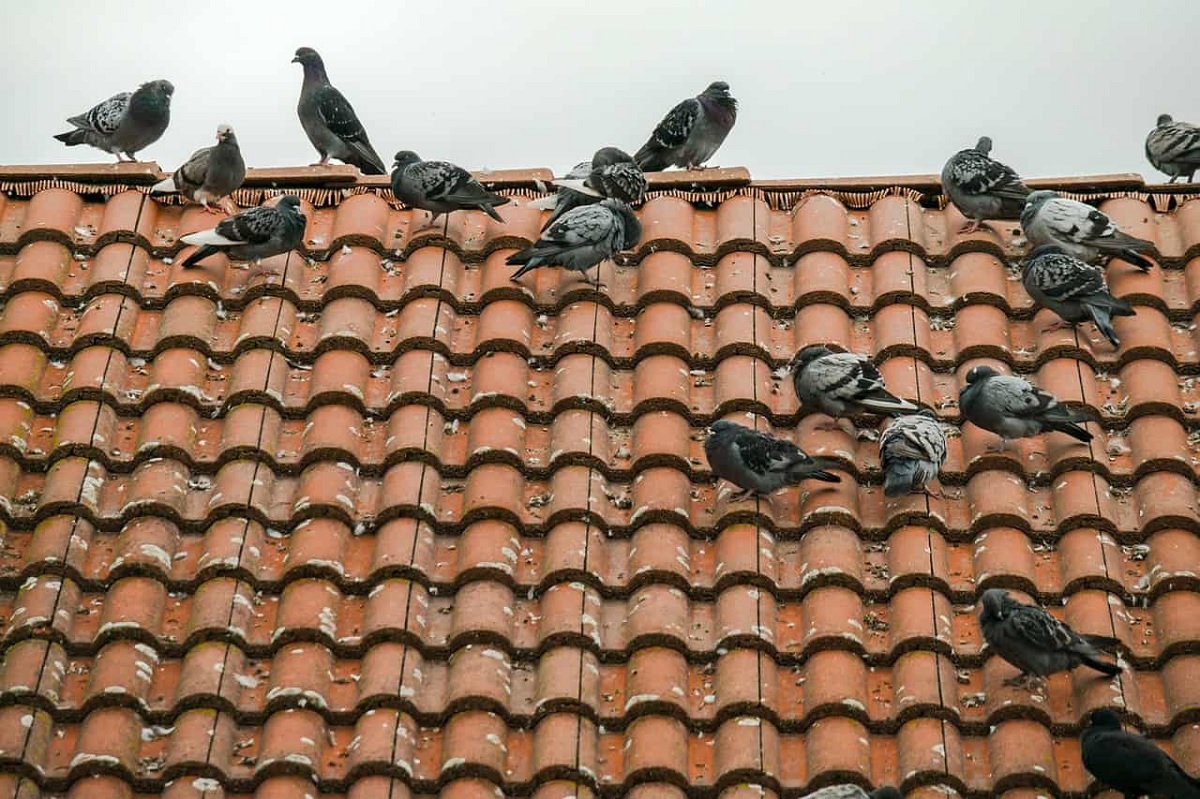
Pigeons and doves are among the most common birds to roost on ledges, particularly in urban areas. Their adaptability to human environments makes them frequent occupants of building facades, rooftops, and window sills. They are attracted to ledges for safety, easy takeoff points, and proximity to food scraps often found in city settings. Pigeons often return to the same ledges daily, forming semi-permanent roosts, which can result in accumulations of droppings, feathers, and nesting materials.
These birds are highly social and tend to roost in groups, which amplifies maintenance and hygiene concerns. Their droppings are acidic and can damage building materials over time, making preventive measures important for property owners. Understanding pigeon and dove behavior, such as their preference for sheltered, flat surfaces and morning and evening activity peaks, allows for targeted deterrent strategies. Effective methods often include physical barriers, such as spikes or netting, or visual deterrents that discourage them from settling without harming them. Recognizing these patterns helps maintain ledge cleanliness while reducing the likelihood of repeated roosting.
Sparrows and Starlings
Smaller birds like house sparrows and European starlings also frequently use ledges for roosting, especially during colder months. These birds are drawn to narrow ledges, eaves, and architectural nooks that provide shelter from predators and weather. Starlings, in particular, are known for their large communal roosts, which can create significant hygiene concerns due to droppings and nesting debris. Sparrows often form smaller groups but exhibit similar tendencies to return to the same locations consistently.
These species are highly adaptable and exploit small ledge spaces that may seem unsuitable for larger birds. Their persistence requires creative deterrent solutions, including reflective surfaces, decoys, or mild auditory deterrents. Understanding the preferred roosting habits, timing, and social behavior of sparrows and starlings allows property owners to implement effective prevention methods. By addressing these smaller yet persistent species, you can reduce ledge occupancy and maintain cleaner, safer outdoor spaces while minimizing disturbance to the birds themselves.
Physical Deterrents
Physical deterrents are among the most effective ways to prevent birds from roosting on ledges. These methods work by making the surface uncomfortable, inaccessible, or unsafe for birds to land without causing them harm. Common physical deterrents include spikes, netting, angled barriers, and other modifications that discourage perching. Understanding how to properly install and position these devices ensures maximum effectiveness while maintaining the aesthetic appeal and functionality of the ledge.
Bird Spikes and Surface Modifications
Bird spikes are one of the most widely used physical deterrents for ledges. These spikes create an uneven surface that prevents birds from landing comfortably, effectively discouraging roosting without harming them. They are available in various materials, including plastic, stainless steel, and polycarbonate, and can be installed along narrow ledges, window sills, and roof edges. Proper installation is crucial: spikes must cover the entire surface and be angled correctly to prevent birds from finding gaps to perch.
Surface modifications can also include sloped or angled ledges, which make it physically challenging for birds to land. By changing the ledge’s shape or texture, you reduce its attractiveness as a resting spot. Combined with spikes, these modifications offer a long-term solution for persistent roosting issues. Regular inspection and maintenance are important to ensure deterrents remain effective, as debris or wear can create new landing opportunities. These physical measures are durable, humane, and highly effective when applied correctly, offering property owners a reliable way to protect ledges.
Netting and Barrier Installations
Bird netting is another effective physical deterrent, particularly for larger ledges, balconies, or areas where spikes are impractical. Netting creates a barrier that prevents birds from accessing the ledge altogether. It can be customized to fit the size and shape of the area and anchored securely to surrounding structures. Fine mesh netting is ideal for excluding both small and large birds, ensuring comprehensive protection.
Barrier installations can include acrylic or metal panels that extend vertically or at an angle, making ledges unsuitable for perching. Transparent or low-profile designs preserve visibility and aesthetics while maintaining effectiveness. These deterrents are especially useful in areas where high bird traffic or communal roosting occurs.
Combining netting with spikes or angled modifications enhances overall results, creating a multi-layered defense that minimizes maintenance needs and reduces the risk of repeated roosting. Careful planning and installation ensure that birds are excluded safely, humanely, and efficiently.
Maintenance And Monitoring
Proper maintenance and regular monitoring are essential to ensure the long-term effectiveness of bird deterrent strategies on ledges. Deterrents can lose effectiveness over time due to wear, weather conditions, or birds adapting to them. Regular inspections, cleaning, and adjustments help maintain a safe and bird-free environment. Monitoring also allows for timely identification of new roosting attempts or damage, ensuring interventions are applied promptly. Consistent attention to maintenance maximizes the lifespan of deterrents while keeping ledges clean, safe, and visually appealing.
Regular Inspections and Cleaning
Routine inspections are crucial for maintaining deterrent effectiveness. Physical devices such as spikes, netting, and angled barriers can become damaged, loose, or obstructed by debris, reducing their ability to prevent birds from perching. Checking for gaps, bent spikes, or worn netting ensures that deterrents continue to function as intended. Cleaning ledges regularly removes droppings, feathers, and nesting materials, discouraging birds from returning to previously occupied areas.
Regular cleaning also helps prevent hygiene and structural issues caused by accumulated waste, such as staining, corrosion, or blocked drainage. Keeping ledges free of debris minimizes the visual appeal and comfort for birds, reinforcing the deterrent measures. By combining inspection with routine cleaning, property owners maintain both functionality and aesthetics while prolonging the life of installed deterrents. Consistent monitoring ensures that birds do not find alternative perching spots and allows for quick corrective action whenever necessary.
Monitoring Bird Activity and Adjusting Strategies
Monitoring bird activity is an essential part of an effective deterrent plan. Observing the frequency, species, and behavior of birds attempting to roost on ledges helps determine the success of existing measures. Identifying patterns, such as preferred times of day or specific ledge locations, allows for targeted interventions and adjustments. Birds may habituate to certain deterrents over time, so changing the type, placement, or combination of visual, auditory, and physical deterrents can restore effectiveness.
Adjusting strategies based on monitoring also ensures that interventions remain humane and environmentally responsible. For example, combining reflective visual cues with netting or repositioning predator decoys can prevent birds from resettling. Keeping detailed records of bird activity, deterrent performance, and maintenance actions provides valuable insight for long-term management. By actively observing and adapting deterrent measures, property owners can maintain clean, safe, and bird-free ledges while minimizing ongoing effort and reducing the risk of repeated infestations.
FAQs
What Are The Most Effective Physical Methods To Keep Birds Off Ledges
He or she can use bird spikes, angled barriers, and netting as effective physical deterrents. You will notice that spikes prevent birds from perching without harming them, while netting blocks access entirely. Angled or sloped surfaces make landing uncomfortable. Regularly inspecting and maintaining these installations ensures ongoing effectiveness. Combining multiple methods often produces the best results, as birds may adapt to a single strategy. By implementing physical barriers thoughtfully, you can significantly reduce roosting and nesting activity on ledges around your property.
Can Visual Deterrents Prevent Birds From Perching On Ledges
He or she can use reflective tape, predator decoys, and balloons to discourage birds from landing on ledges. You will find that these visual cues create a sense of threat, making birds hesitant to approach. While not always 100% effective alone, combining visual deterrents with physical barriers increases success. You, as a property owner, should move or change decoys periodically to prevent birds from becoming accustomed. Observing the ledge over time helps you adjust the strategy for maximum impact.
Do Sound Devices Work To Keep Birds Off Ledges
He or she can use ultrasonic or recorded predator sounds to deter birds, but effectiveness varies by species and location. You will notice that sound devices may work temporarily, as birds can become habituated over time. You, as the user, should combine auditory methods with physical or visual deterrents for long-term success. Monitoring noise levels ensures minimal disturbance to humans and neighboring properties. Regular adjustments and varied sound patterns help maintain the deterrent effect.
Are Chemical Repellents Safe To Use On Ledges
He or she can use gel or spray repellents designed for ledges, which make surfaces sticky or unpleasant for birds to land on. You will find that these non-toxic repellents are generally safe for birds if applied correctly. You, as the caretaker, should follow manufacturer instructions carefully, avoid overuse, and clean surfaces regularly. Chemical repellents work best alongside physical or visual deterrents. Using them ethically ensures birds are discouraged without causing harm to them or the surrounding environment.
How Can I Maintain Ledges To Discourage Birds
He or she should keep ledges clean and free of food, debris, and nesting materials to reduce attractiveness. You will notice that regular cleaning removes droppings and smells that may invite birds back. You, as a property owner, should also inspect deterrent devices for damage and repair or replace them as needed. Consistent maintenance reinforces other deterrent strategies and helps prevent birds from becoming established on ledges over time.
Are There Legal Considerations When Keeping Birds Off Ledges
He or she should be aware that some bird species are protected by law, and harming them is illegal. You must use humane methods and comply with local regulations when installing deterrents. You, as the property manager, should avoid traps or poisons that could injure birds. Consulting local wildlife authorities ensures that your deterrent strategies are both effective and legal. Ethical compliance protects you from fines while allowing you to manage bird activity responsibly.
What Long-Term Strategies Ensure Birds Stay Off Ledges
He or she can combine multiple deterrents, including physical, visual, and auditory methods, for long-term success. You should also consider structural modifications, like angled ledges, and landscaping adjustments to make perching less appealing. Regular monitoring and timely maintenance reinforce these strategies. You, as a property owner, should adapt methods seasonally, as bird behavior may change throughout the year. A consistent, multi-layered approach provides the most reliable results for keeping birds off ledges while remaining humane and effective.
Conclusion
Keeping birds off ledges requires a combination of strategies that address both their natural behaviors and environmental preferences. Using physical deterrents such as spikes, netting, or angled barriers makes ledges uncomfortable or inaccessible, while visual and auditory deterrents exploit birds’ instincts to avoid perceived threats. Regular maintenance, monitoring, and cleaning ensure these methods remain effective over time, preventing habituation and recurring roosting.
Understanding which species frequent your property and tailoring deterrent methods to their habits further enhances results. Addressing the question of how to keep birds off ledges involves balancing humane practices with practical solutions to maintain cleanliness, protect structures, and minimize disturbances. By implementing a consistent, multi-faceted approach, property owners can create ledge areas that are unattractive to birds, reduce maintenance challenges, and enjoy a safe, clean, and aesthetically pleasing environment.