Is Human Saliva Toxic To Birds – What You Need To Know Before Handling Them
Many people enjoy interacting with birds, whether feeding them by hand or observing them up close. During these moments, questions often arise about how human contact might affect their health. Birds have delicate systems, and substances that seem harmless to humans can sometimes pose risks to them.
One concern that frequently comes up is the safety of human saliva around birds. Saliva contains enzymes and bacteria that are perfectly normal for humans but may not be suitable for birds. Understanding the potential risks is essential for anyone who wants to interact safely with wild or pet birds.
This concern leads to the question is human saliva toxic to birds. Learning the answer helps you know how to safely handle birds and whether practices like feeding by mouth could be harmful.
Being aware of such risks allows you to maintain safe interactions. By understanding what birds can and cannot tolerate, you protect their health while enjoying close contact and observation.
Composition Of Human Saliva And Its Effect On Birds
Human saliva plays an essential role in digestion and oral health for humans, but its composition can affect other species differently. Birds have sensitive digestive and immune systems that are not adapted to human enzymes, bacteria, or chemical residues. Understanding the composition of saliva helps explain why it may pose risks to birds and why caution is necessary during interactions.
Enzymes Present In Human Saliva
Human saliva contains digestive enzymes such as amylase, which breaks down carbohydrates, and lipase, which initiates fat digestion. These enzymes are perfectly suited for human physiology, aiding in the digestion of food before it reaches the stomach. Birds, however, have a different digestive system that does not require these enzymes in the same way.
Introducing human saliva to a bird’s mouth can potentially interfere with their natural digestive processes. The enzymes may alter the composition of food or interact with gut microbiota, creating an environment that is not optimal for nutrient absorption. While a small, incidental contact may not cause immediate harm, repeated exposure or feeding by mouth increases the risk of digestive disruption and stress to the bird’s system.
Bacteria And Microorganisms In Saliva
Saliva naturally contains various bacteria and microorganisms that maintain oral health in humans. He or she may carry hundreds of different species, most of which are harmless to humans but unfamiliar to birds. Birds have a highly sensitive immune system, and their exposure to foreign bacteria can result in illness or infection.
Some bacteria in human saliva can be pathogenic to birds, causing digestive upset, respiratory problems, or even systemic infections. You may notice symptoms such as reduced appetite, lethargy, or abnormal droppings if a bird is exposed to harmful microbes. Avoiding direct contact and feeding with saliva reduces the risk of transferring these microorganisms, ensuring that birds remain healthy while minimizing stress and illness.
Chemicals And Residues In Saliva
Human saliva may contain trace chemicals from foods, drinks, or oral care products. Toothpaste, mouthwash, and residual sugars can be present even after rinsing. These compounds are generally safe for humans but may be toxic or irritating to birds, whose bodies are not adapted to process these substances.
Even small amounts of sugar or fluoride can upset a bird’s digestive system or interfere with normal metabolic processes. Birds may become sick after ingesting contaminated food or water. Being aware of this risk helps you avoid accidental exposure. Feeding birds without using saliva ensures that they receive only safe, bird-appropriate food.
Impact On Bird Health And Behavior
Repeated exposure to human saliva can affect birds both physically and behaviorally. Beyond potential digestive or microbial risks, birds may become stressed by unnatural contact, which can suppress appetite, reduce energy levels, or increase susceptibility to disease. You may notice reluctance to feed from your hand or changes in social behavior if a bird associates feeding with harmful effects.
Providing food directly without saliva minimizes these risks and encourages natural feeding behaviors. Understanding the composition of human saliva and its effects on birds highlights the importance of safe, hygienic interactions. By respecting their delicate systems, you can maintain healthy, stress-free encounters with birds.
Risks Of Direct Contact With Human Saliva
Direct contact with human saliva can pose significant risks to birds. Their immune and digestive systems are highly sensitive to foreign substances that are harmless to humans. Understanding these risks is important for anyone who interacts with birds, whether feeding, handling, or observing them closely, to ensure their safety and well-being.
Transmission Of Harmful Bacteria
Human saliva naturally contains a variety of bacteria, most of which are harmless to humans but can be dangerous for birds. Exposure to these microorganisms can lead to infections, digestive upset, or respiratory problems. Birds do not have immunity to many human-specific bacteria, making them vulnerable to even small amounts of contamination.
You may notice symptoms such as reduced appetite, lethargy, abnormal droppings, or respiratory distress in birds that have been exposed to saliva-borne bacteria. This risk is particularly high when feeding birds directly from the mouth or allowing contact with your lips. Avoiding direct contact and using clean utensils or bird-safe feeders significantly reduces the chance of transmitting harmful bacteria, ensuring that birds remain healthy and stress-free.
Spread Of Viruses And Pathogens
Beyond bacteria, human saliva can carry viruses and other pathogens that may not affect humans but can be harmful to birds. He or she may unknowingly carry influenza strains, cold viruses, or other microbes capable of causing illness in avian species. Birds exposed to these pathogens may develop severe symptoms, ranging from respiratory distress to digestive issues.
Even brief contact with saliva during hand-feeding or playful interaction can be enough to transfer pathogens. Using safe feeding practices, such as avoiding direct mouth-to-beak contact, prevents the spread of viruses and protects both pet and wild birds from potential outbreaks. Awareness of this risk is crucial for maintaining a safe environment for all birds.
Chemical Contamination Risks
Human saliva can contain residues from foods, drinks, or oral hygiene products. Toothpaste, mouthwash, or residual sugar may seem harmless to humans but can be toxic to birds. Exposure to these chemicals may cause digestive upset, irritation, or long-term health issues.
Birds are particularly sensitive to chemical ingestion due to their small size and fast metabolism. Even small amounts introduced via saliva can create stress and affect their ability to process normal food. Providing food through clean feeders or hands free from saliva ensures that birds are not exposed to harmful substances.
Behavioral And Stress Impacts
Direct saliva contact may also impact bird behavior. Birds may associate human interaction with discomfort or illness, leading to fear or reluctance to approach people. He or she may avoid feeding, become stressed, or display defensive behaviors that disrupt normal routines.
By avoiding saliva contact, you reduce behavioral stress while maintaining safe and positive interactions. Safe feeding techniques protect bird health, prevent disease transmission, and support natural feeding behaviors, fostering trust and minimizing risks associated with human saliva.
Handling Birds Safely Without Risk
Handling birds requires careful attention to hygiene, technique, and the bird’s comfort. Birds have delicate respiratory, digestive, and immune systems that can easily be stressed or exposed to harmful substances. By following safe practices, you ensure that interactions are beneficial, stress-free, and safe for both the bird and the handler.
Using Gloves And Clean Hands
Using clean hands or gloves is one of the most effective ways to protect birds during handling. Birds are highly sensitive to bacteria, viruses, and chemical residues that may be present on human skin. Gloves act as a protective barrier, reducing the risk of transmitting microbes while also preventing direct contact with natural oils or sweat.
Even when using gloves, thorough handwashing before and after handling is crucial. Avoid applying lotions, perfumes, or other chemicals beforehand, as these substances can irritate a bird’s skin or feathers. Consistent use of gloves or clean hands minimizes infection risks, protects the bird from harmful contaminants, and ensures safe interactions during feeding, relocation, or routine care. Maintaining hygiene also helps you create a safer and more controlled environment for the bird.
Safe Feeding Techniques
Feeding birds safely requires avoiding direct mouth-to-beak contact. Human saliva contains bacteria, viruses, and chemical residues that can be harmful to birds. He or she benefits from using feeders, spoons, or bird-safe feeding tools to provide seeds, fruits, or other suitable foods.
Positioning food carefully helps reduce stress, especially when multiple birds are feeding together. Small, manageable portions allow birds to consume food comfortably without risk of choking or overeating. Observing the birds’ behavior during feeding ensures that each receives proper nutrition while preventing competition or injury. Using safe feeding methods protects birds from exposure to harmful microbes and chemicals while supporting natural foraging behaviors and maintaining a healthy diet.
Gentle Handling And Support
Birds require gentle support when being handled. Their bones are fragile, and excessive pressure can cause injury. He or she should be held securely but comfortably, with careful attention to supporting the wings and body. Calm, slow movements reduce panic and help the bird feel safe.
Talking softly and avoiding sudden gestures can prevent stress-related reactions. Birds that feel threatened may struggle, increasing the risk of injury to themselves or the handler. Allowing voluntary interaction whenever possible ensures that the bird remains calm and cooperative. Proper restraint combined with gentle handling protects both the bird’s physical health and emotional well-being, making future interactions safer and more positive.
Environmental Precautions And Observation
Creating a safe environment is crucial for handling birds. Avoid areas with drafts, toxic fumes, or potential predators, as these can stress the bird and increase the risk of injury. He or she should have access to a quiet, secure space during handling.
Careful observation of the bird’s behavior helps detect signs of discomfort, stress, or illness early. Adjusting your handling techniques based on these cues ensures that interactions remain safe. Combining hygiene, gentle restraint, and environmental control creates a protective framework that benefits both the bird and the handler. This approach encourages trust, reduces stress, and promotes safe, regular interaction.
Signs Birds May React To Human Saliva
Birds are highly sensitive creatures, and exposure to human saliva can provoke noticeable reactions. Their digestive and immune systems are not adapted to human enzymes, bacteria, or chemical residues, which can lead to stress or health issues. Recognizing these signs helps you respond appropriately, preventing harm while maintaining safe interactions with both pet and wild birds.
Behavioral Changes And Avoidance
One of the first signs that a bird may be reacting negatively to human saliva is a change in behavior. Birds may hesitate to approach food or avoid feeding altogether if they associate the taste or presence of saliva with discomfort. You may notice sudden reluctance during hand-feeding or when interacting with humans who have recently come into contact with the bird.
In some cases, birds may display defensive behaviors such as flapping, vocalizing loudly, or retreating to a safe corner. These reactions are stress signals indicating that something in their environment feels unsafe. Repeated exposure to human saliva can strengthen this aversion, making birds more cautious in future interactions. Observing these behavioral cues is critical for maintaining trust and ensuring that birds feel secure during feeding or handling sessions.
Physical Signs Of Discomfort
Birds may also exhibit physical symptoms after contact with human saliva. Digestive distress, such as changes in droppings, reduced appetite, or vomiting, can indicate that their sensitive digestive system is struggling with foreign enzymes or bacteria. You may notice lethargy or reduced activity levels as a result of discomfort or mild illness.
In some cases, respiratory irritation can occur if saliva introduces harmful microorganisms or chemical residues. Birds may cough, sneeze, or display rapid breathing. Monitoring these signs allows you to intervene early, such as removing contaminated food, cleaning feeders, or providing a safe environment. Recognizing physical indicators ensures that potential health issues are addressed promptly, protecting the bird from long-term complications.
Stress Indicators And Emotional Reactions
Birds experiencing stress from human saliva may show subtle emotional reactions. He or she may become more skittish, avoiding direct contact or moving away from humans. Feather ruffling, repeated preening, or nervous movements can indicate underlying anxiety caused by exposure.
Emotional stress affects overall well-being and can suppress immune function, making birds more vulnerable to illness. Observing these reactions helps you modify your approach, such as offering food indirectly, using tools to avoid saliva contact, or providing quiet feeding spaces. Minimizing stress ensures that birds remain confident, comfortable, and healthy during interactions.
Long-Term Behavioral Impacts
Repeated exposure to human saliva can have lasting effects on bird behavior. Birds may develop persistent feeding avoidance, distrust of humans, or heightened aggression toward handling. He or she may associate feeding or handling with negative experiences, reducing the likelihood of safe, voluntary interaction in the future.
Preventing direct saliva contact and using safe feeding techniques reduces the risk of long-term behavioral issues. By recognizing early signs of reaction and adapting feeding practices, you can protect birds’ health, maintain positive interactions, and ensure that their natural behaviors remain intact. Observing both immediate and lasting responses is key to responsible and safe bird care.
People Also Asked
Is Human Saliva Toxic To Birds?
Human saliva is not inherently toxic to birds, but it can carry bacteria, viruses, or other microorganisms that may harm their sensitive digestive systems. Birds, especially baby or weak birds, have delicate immune systems and may develop infections if exposed to saliva. Even if an adult bird appears healthy, repeated contact with saliva can increase the risk of illness or stress.
You should always avoid letting your saliva come into direct contact with birds. Using gloves, tools, or clean feeding devices helps protect both you and the bird.
Can Saliva Cause Illness In Baby Birds?
Yes, saliva can be particularly dangerous for baby birds. Their immune systems are underdeveloped, making them highly susceptible to infections. Even minor bacteria in saliva can lead to digestive issues or respiratory infections.
If you are feeding orphaned chicks, never lick their food or water. Always wash your hands thoroughly, use sanitized feeding syringes, and ensure the feeding environment is clean. This reduces the chance of illness and helps baby birds grow strong.
Is It Safe To Kiss Or Pet Birds On The Beak?
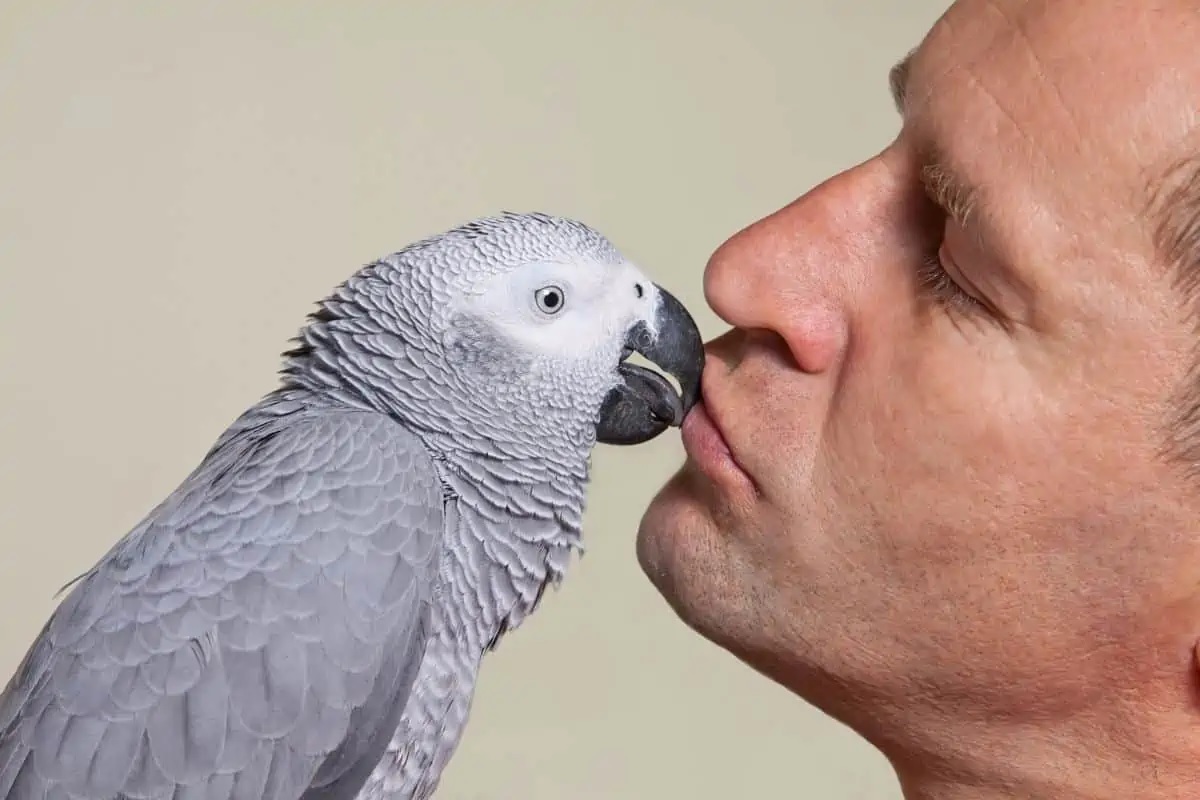
No, kissing or touching a bird’s beak with your mouth is unsafe. Birds’ beaks and mouths are highly sensitive, and your saliva may introduce harmful pathogens. This is especially risky for smaller or exotic birds that are more vulnerable to bacterial infections.
To bond with birds, use gentle petting on their head or back instead of the beak. Offer treats from your hand without direct mouth contact to keep interactions safe for both of you.
Can Handling Birds With Saliva On Your Hands Harm Them?
Yes, even indirect saliva exposure can pose risks. If you have saliva on your hands from eating, drinking, or talking, the bacteria in it can transfer to the bird’s feathers or food. Birds may ingest harmful microorganisms while preening.
Always wash your hands thoroughly before handling birds. Using gloves or sanitizing your hands minimizes the risk and keeps your pet or wild bird healthy. Regular hand hygiene is crucial for safe interactions.
Are Certain Birds More Sensitive To Human Saliva?
Yes, baby birds, small songbirds, and exotic species are particularly sensitive to foreign bacteria in human saliva. Larger birds may tolerate minor exposure, but it’s still unsafe as repeated contact can lead to infections or stress.
When caring for birds, prioritize species-specific precautions. Avoid mouth contact, clean feeding tools, and monitor for signs of illness to protect sensitive birds from potential harm.
Can Human Saliva Affect A Bird’s Digestive System?
Yes, human saliva contains enzymes and bacteria that birds are not adapted to digest. Ingesting saliva-contaminated food may lead to diarrhea, vomiting, or other digestive problems, especially in young or weakened birds.
Feeding birds safely involves clean hands, sanitized utensils, and avoiding any contact with your mouth. Proper hygiene ensures their digestive systems remain healthy and reduces the risk of long-term health issues.
How Can You Safely Feed Birds Without Risking Saliva Exposure?
To feed birds safely, use clean tools such as syringes, spoons, or tweezers instead of your hands or mouth. Wash your hands before and after feeding and avoid direct contact with the bird’s food or beak.
You can offer pre-cut fruits, seeds, or prepared bird formulas in sanitized containers. These simple precautions prevent the transfer of bacteria from your saliva, keeping birds healthy and reducing stress during feeding.
Final Thoughts
Understanding the potential risks of human contact with birds is essential for safe interaction and care. Birds have highly sensitive digestive and immune systems, and exposure to foreign substances like enzymes, bacteria, or chemical residues in saliva can cause stress, digestive issues, or illness. Observing their behavior and health is key to preventing accidental harm.
The question of is human saliva toxic to birds highlights the importance of caution during feeding or handling. Even small amounts of saliva can introduce bacteria or chemicals that are harmless to humans but dangerous to birds. Using safe feeding methods, gloves, and clean hands minimizes the risk of transmission and protects the bird’s health while allowing for enjoyable interactions.
By understanding the composition of human saliva and its effects on birds, you can ensure that your interactions remain safe and responsible. Avoiding direct contact, observing behavioral signs, and providing a clean environment reduces health risks and supports the bird’s well-being. This awareness helps maintain positive relationships with birds while keeping them healthy.