Top 15 Best Birds for Beginners You Can’t Miss!
Many people new to birds quickly discover that picking the wrong bird can cause frustration and extra work. The best birds for beginners tend to be species that are not overly noisy, aggressive, or demanding.
Birds that require complex care routines often result in stress for both the bird and owner. Selecting a species known for being more adaptable makes a significant difference in how smoothly the adjustment period goes.
Key factors in picking a beginner bird include size, temperament, and ease of care. Smaller birds like budgerigars or cockatiels often fit better in typical home spaces and have simpler dietary and exercise needs.
Temperament matters because calmer birds generally handle handling and training better. Birds that adapt well to common seed diets and have straightforward cage cleaning routines save a lot of time and headache. Safe, durable cages with bar spacing under 1/2 inch are also important to prevent escapes or injuries.
Need a Quick Check?
| Image | Product | Price |
|---|---|---|
Our Top Picks 1  | National Geographic Birds Guide | Check Price |
Our Top Picks 2  | North American Bird Watching | Check Price |
Our Top Picks 3  | Birdwatching for Retirees | Check Price |
Our Selected Top 15 Birds for Beginners Picks for Every Need
This list features a variety of beginner-friendly birds suited for different lifestyles and spaces. Each review explains the bird’s behavior, who it’s best suited for, and the key benefits and challenges to help you choose your first feathered friend.
1. National Geographic Backyard Guide to Birds of North America
Bright, clear illustrations and simple text make this bird guide perfect for anyone starting to learn about North American birds. It focuses on helping beginners recognize common backyard species, making identification less intimidating and more enjoyable for those new to birdwatching.
Using the guide is straightforward, you can quickly flip to the section on common backyard birds and rely on the detailed drawings along with easy-to-understand descriptions to figure out what you’re seeing outside. Its size fits comfortably in a backpack or on a shelf, so it’s always within reach during casual bird spotting sessions around home or on day trips.
Accuracy in illustrations and concise species info make it reliable when trying to identify birds. The book’s durable softcover withstands frequent handling, but some might find the format less detailed than more comprehensive guides. It’s praised for ease of use but occasionally noted to lack information on less common species.
The guide receives strong praise for making bird identification accessible and enjoyable, thanks to its clear illustrations and straightforward descriptions. The main drawback mentioned involves limited coverage of uncommon birds and a softer cover that can show wear over time.
This book is well suited for casual birdwatchers and beginners who want to identify familiar backyard birds with ease. Those seeking in-depth information on rare or all North American species might prefer a more comprehensive guide.
Pros
- Clear, colorful bird illustrations
- Compact and easy to carry
- Simple language for beginners
- Focuses on common backyard species
Cons
- Less detail on rare birds
- Softcover may wear with heavy use
| Specification | Details |
|---|---|
| Title | National Geographic Backyard Guide to Birds of North America |
| Coverage | Common backyard birds of North America |
| Cover type | Softcover |
| Illustrations | Color drawings |
| Weight | Light and portable |
2. North American Bird Watching for Beginners
Birdwatching beginners will find North American Bird Watching for Beginners a straightforward guide that makes identifying local birds easier. Its biggest strength lies in clear, easy-to-understand explanations that help new birders recognize species without confusion, ideal for those just starting their birdwatching journey.
Starting with this guide involves no complicated setup, just open the book and begin exploring common birds from your backyard or local park. The photos and descriptions are simple to follow daily, helping you quickly match what you see with reliable clues.
It’s compact enough to carry on walks, making it practical for spontaneous birdwatching outings.
Performance-wise, the guide covers a wide range of common birds expected in North America, focusing on visual features that stand out. The material quality is good, with sturdy pages that handle outdoor use moderately well.
The clearest praise notes how the guide demystifies bird identification, though some find the selection of birds limited if looking for rarer species.
The guide receives consistent praise for how clearly it helps beginners identify common birds, reducing confusion in early birdwatching efforts. Complaints mostly revolve around its limited scope, as it doesn’t cover less common or rare species a more advanced user might look for.
Perfect for those new to birdwatching who want a simple, practical introduction focused on easy-to-spot birds. Enthusiasts looking for a comprehensive reference or rare species details may prefer a more specialized or detailed guide.
Pros
- Easy-to-understand bird descriptions
- Compact size for outdoor use
- Covers common North American birds
- Sturdy pages suitable for field use
Cons
- Limited coverage of rare bird species
- Not waterproof, so careful in wet conditions
| Specification | Details |
|---|---|
| Region Covered | North America |
| Target Audience | Beginners |
| Format | Printed guidebook |
| Bird Species Included | Common species |
| Durability | Sturdy pages |
3. Birdwatching for Retirees Beginners Guide
Getting started with birdwatching after retirement calls for simple, clear guidance, and the Birdwatching for Retirees Beginners Guide fits that need perfectly. It suits those new to birdwatching looking for an easy-to-follow approach to identify birds and enjoy nature in a relaxed way. Its single biggest strength is how beginner-friendly the information is presented.
Setting up for a birdwatching session with this guide is straightforward. The clear explanations help you understand where to go and what equipment is best, even if you have little prior knowledge.
Day-to-day use feels manageable because the guide breaks down birdwatching tasks into simple steps, making it easy to practice regularly without feeling overwhelmed.
The guide does a solid job of teaching basic bird identification and spotting techniques. The layout is straightforward, allowing easy reference in the field.
A strong point is how well it explains bird species common in typical retirement locations, but the most common complaint in reviews is it could offer more visual aids like photos or illustrations for better recognition.
Many users value the straightforward, easy-to-understand guidance, which makes birdwatching approachable and enjoyable for retirees. However, some wish there were more visual aids to help identify birds more quickly and confidently.
Those new to birdwatching seeking a clear and practical introduction will find this guide worthwhile. People who want more detailed imagery or information about less common bird species might prefer a different resource with richer visuals.
Pros
- Simple language suits beginners well
- Practical tips for everyday birdwatching
- Focuses on local bird species
- Easy to follow, step-by-step structure
Cons
- Lacks detailed photos or illustrations
- Limited coverage of rare or exotic birds
| Specification | Details |
|---|---|
| Target Audience | Retirees |
| Focus | Beginners’ birdwatching |
| Content Style | Clear, step-by-step explanations |
| Visual Aids | Limited |
| Bird Species Covered | Common local birds |
4. Peterson Young Birders Guide to Birds of North America

A compact guide with clear illustrations, perfect for new bird watchers in North America. Its strongest feature is the approachable design that makes identifying young or beginner birds straightforward.
It suits anyone just starting out, aiming to learn the basics without getting overwhelmed.
Opening the book is simple and navigating its pages feels natural during birdwatching trips. The layout highlights key identification points, making daily reference easy.
Knowing which birds are common early on becomes less confusing because of the clear pictures and straightforward descriptions tailored to beginners.
Identification gets easier with the accurate, colorful images and brief, helpful notes. The book maintains quality with sturdy pages that resist wear, making it reliable outdoors. Many appreciate how user-friendly it is for those new to birds, though some find the coverage a bit limited for more experienced birders looking for detailed information.
Many users appreciate the straightforward layout and helpful illustrations that simplify early bird identification. The main drawback mentioned is its limited detail, which might not satisfy those seeking in-depth knowledge or extensive species lists.
Anyone new to birdwatching or young birders will find this guide approachable and practical. Those needing comprehensive, detailed references may want to look for more advanced options instead.
Pros
- Clear, colorful bird illustrations
- Perfect for beginners to use without any hassle
- Sturdy pages suitable for outdoor use
- Focuses on young and beginner birds
Cons
- Limited detail for advanced birders
- Smaller range of species covered
| Specification | Details |
|---|---|
| Bird Coverage | Young birds of North America |
| Format | Guide Book |
| Illustrations | Color illustrations |
| Target Audience | Beginners and young birders |
5. Backyard Birdwatchers Bible

Bird enthusiasts just starting out will find this guidebook straightforward and helpful for identifying birds around their home or neighborhood. Its biggest strength lies in clear, accessible information that makes spotting and understanding backyard birds easy and enjoyable.
The book is simple to use daily because it organizes birds by appearance and behavior, helping you quickly match what you see outside to the right species. It’s sized to fit comfortably in a bag or on a shelf, making it handy for quick reference during birdwatching sessions without overwhelming with complicated details.
The content is reliable and well-structured, presenting accurate descriptions and images that suit beginners well. The build of the book, with clear pictures and concise text, supports easy reading. Praise often highlights how straightforward it is, while a common remark is that some want more detailed information as they advance.
Many appreciate how easy it is to identify birds thanks to clear text and images in a manageable size. At the same time, some note the guide falls short on deeper content for those developing their skills further.
Those starting out will find this guide helpful and not overwhelming. More experienced birdwatchers or those wanting extensive detail may want to consider other resources focused on deeper study.
Pros
- Clear, beginner-friendly identification tips
- Compact and lightweight for easy transport
- Organized by bird appearance for quick lookup
Cons
- Lacks in-depth information for advanced users
- Some images could be more detailed
| Specification | Details |
|---|---|
| Type | Birdwatching guidebook |
| Audience | Beginners |
| Content style | Clear, simple descriptions with images |
| Portability | Compact size for easy carrying |
6. Stokes Beginners Guide to Birds Eastern Region

Birdwatching beginners often struggle to find a guide that is both comprehensive and easy to use, and that’s where Stokes Beginners Guide to Birds Eastern Region really stands out. It suits those just starting out by focusing specifically on birds found in the eastern region, making identification straightforward and accessible.
Daily use involves flipping through clearly organized sections sorted by bird types and habitats. The guide stays light and manageable, perfect for carrying on walks or hikes without feeling cumbersome. Illustrations and descriptions are simple enough to help you quickly spot differences among common species while the compact size fits neatly into a backpack or pocket.
Performance-wise, the guide covers a good range of bird species specific to the eastern region, making it quite reliable for local birdwatching sessions. It’s built with clear, simple visuals and concise text, which many find easy to read and understand.
Some users mention that the level of detail can feel limited when spotting rarer birds, but the approachability is its biggest asset.
The guide is praised for making bird identification approachable and manageable during outings in the eastern region. The most common complaint is the lack of depth for less common species, which some find limiting for more detailed study. Its portability and clear layout suit casual bird watchers best.
Anyone new to birdwatching within the eastern region will find the guide helpful and easy to use, especially for common species. Those wanting a more in-depth study or covering broader regions might prefer a different, more detailed resource.
Pros
- Compact and easy to carry
- Clear illustrations for quick ID
- Specifically tailored to eastern birds
Cons
- Limited info on rare birds
- Text can be too brief for detail
| Specification | Details |
|---|---|
| Region Covered | Eastern Region |
| Format | Guidebook |
| Weight | Lightweight, portable |
| Focus | Beginner-friendly identification |
7. The Best Nest

Best Nest provides a great starting point for bird keeping, designed especially for beginners. It shines for providing a safe and comfortable environment that suits small to medium pet birds.
Its standout feature is the ease of cleaning, simplifying the routine care that beginners might find tricky.
Setting up The Best Nest is straightforward, as it comes with clear parts that fit together without fuss. Daily care benefits from its easy-to-remove trays and smooth surfaces, which keep cleaning quick and simple.
You won’t struggle with tight corners or hard-to-reach spots, which means feeding and hygiene tasks won’t become a chore.
Functionally, it manages to keep birds secure with sturdy materials that feel durable but lightweight enough to handle easily. The construction emphasizes bird safety without overly complicating the setup.
Many note its solid build and easy maintenance as major pluses, although a handful find the size somewhat limiting for larger birds or multiple pets.
Many appreciate the straightforward cleaning process thanks to smooth surfaces and removable trays. A common issue mentioned is the limited size, which restricts the choice of birds to smaller types or single pets.
Those new to bird care with small birds will find this setup practical and manageable. People needing larger space or housing multiple birds might want to explore larger or more spacious options instead.
Pros
- Easy to clean with removable parts
- Lightweight for easier handling
- Sturdy build provides good safety
Cons
- Size too small for bigger birds
- Limited space for multiple birds
| Specification | Details |
|---|---|
| Weight | 3.0 |
| Power | 15W |
8. Watercolor Workbook Birds Paint Set for Adults

Feeling relaxed while painting birds comes naturally with this watercolor workbook, designed for adults starting in watercolor. It suits beginners looking for clear guidance and a complete set, making it easy to learn the basics of color mixing and layering without overwhelming detail.
Its single biggest strength lies in approachable step-by-step instructions paired with outlined sketches.
Setting up for painting is straightforward since it includes 15 high-quality watercolor paper sheets already bound in the workbook. The gentle outlines offer just enough guidance, while the included color-mixing tips help you practice gradients and textures at your own pace. Each page is designed to encourage creativity and build confidence over time without requiring extra supplies.
Performance-wise, the paper handles water well and holds layers of paint without warping easily, allowing smooth blending of colors. The overall build feels solid and keeps pages from buckling when wet. The most common complaint is the limited number of pages, which means the workbook may finish quickly for those who want extensive practice.
Its biggest praise is how beginner-friendly and encouraging it feels during use.
Clear, easy instructions and quality paper make learning watercolor enjoyable, but some wish for more pages to extend practice time. The book guides gently without overwhelming, making it ideal for starting painters who need structure and encouragement.
New watercolor artists who want a gentle introduction and themed practice will appreciate this workbook. Those seeking a larger collection of exercises or advanced techniques might prefer a different resource with more content or complexity.
Pros
- 15 pages of high-quality watercolor paper
- Step-by-step instructions with bird themes
- Helpful color-mixing tips included
- Lightly outlined sketches for guidance
Cons
- Limited to 15 pages for painting practice
- Not designed for advanced watercolor techniques
| Specification | Details |
|---|---|
| Brand Name | Terself |
| Number of Items | 1 |
| Item Weight | 0.27 kg |
| Recommended Uses For Product | Watercolor |
| Item Type Name | Watercolor Workbooks |
| Model Number | WW-001-Birds-1-1 |
9. Peterson Field Guide to Birds of Eastern & Central North America

Perfect for beginners, Peterson Field Guide to Birds of Eastern & Central North America offers clear identification tips suited for new bird watchers. Its single biggest strength lies in detailed illustrations paired with range maps, making spotting and recognizing birds easier during outings.
Setting up the guide means simply flipping to the sections relevant to your region or the species you encounter. The compact, paperback design fits easily into a backpack or pocket for quick reference.
Day-to-day use involves comparing bird features with the realistic drawings and notes on habitat, calls, and behavior to confirm sightings.
The guide excels at helping users identify a wide variety of birds by appearance and range. Its durable paper and sturdy binding hold up through field use, though some note the font size could be larger for easier reading outdoors.
A favorite for combining visual clarity with practical info, it tends to excel in helping beginners feel confident while birding.
Most praise focuses on the guide’s detailed and accurate illustrations which make identifying birds straightforward. A common complaint is the small font size, which some find hard to read in outdoor light conditions.
Bird watchers beginning in Eastern or Central North America will find this guide very useful and practical. Those hoping for a larger print or coverage of other regions should consider alternative guides.
Pros
- Detailed illustrations with range maps
- Compact and portable design
- Strong, durable binding for field use
- Clear, beginner-friendly descriptions
Cons
- Font size is small for outdoor reading
- Limited to Eastern and Central North America
| Specification | Details |
|---|---|
| Geographic coverage | Eastern & Central North America |
| Format | Paperback |
| Illustrations | Color drawings |
| Size | Compact, fits in backpack or pocket |
| Binding | Sturdy |
10. 50 Amazing Backyard Birds for Kids

Featuring a kid-friendly design focused on backyard birdwatching basics, 50 Amazing Backyard Birds for Kids offers a colorful and approachable guide perfect for young beginners. The large, vivid illustrations catch attention easily, making it simpler for children to identify common birds around the home.
Setup requires just keeping the book handy during outdoor time or near windows where birds appear frequently. Its straightforward format encourages daily use, with bite-sized information that’s easy for kids to remember.
The pictures help maintain interest, while simple descriptions match the vocabulary young learners understand without overwhelming detail.
Recognition of typical backyard birds happens quickly thanks to clear images and basic info suited to a child’s level. The book’s sturdy pages survive frequent handling, but some note the text could have more detailed tips or calls to action for young birdwatchers. Build quality supports regular use, yet a few mention that additional species or expanded facts would improve learning.
Many appreciate the vivid pictures that make bird identification fun and easy for children. The most frequent complaint centers on the desire for more detailed guidance and expanded species lists to keep kids engaged longer.
Parents and educators aiming to introduce kids to birdwatching will find this simple guide very useful. Those looking for in-depth information or broader coverage might prefer another resource with more advanced content and variety.
Pros
- Colorful illustrations engage young learners
- Simple text fits kids’ comprehension
- Durable pages hold up to use
- Focuses on common backyard birds
Cons
- Text lacks more detailed birdwatching tips
- Could include extra species for variety
| Specification | Details |
|---|---|
| Target Audience | Kids beginning birdwatching |
| Format | Illustrated guidebook |
| Content Focus | 50 common backyard birds |
| Durability | Sturdy pages for repeated handling |
| Information Level | Simple, basic descriptions |
11. Ornithography Illustrated Guide to Bird Lore & Symbolism

Ornithography Illustrated Guide to Bird Lore & Symbolism offers a unique blend of bird identification and cultural background, perfect for beginners curious about both bird species and their symbolic meanings. Its clear illustrations strike the perfect balance between educational and engaging, making it a favorite for those wanting more than just visual aid.
Getting started involves simply opening the guide and browsing. Illustrations and descriptions are organized to be easy to follow without overwhelming details.
The mix of artistic representation with bird lore provides a refreshing daily read, making birdwatching feel more connected to stories and traditions behind each species.
Illustrations are the standout feature, providing both clarity and charm, making identification approachable. The guide’s material quality supports repeated use without wear. Most praise centers on its unique approach combining art and symbolism, while a common complaint notes it lacks some detailed technical data expected in birding guides.
Strong praise highlights how the illustrations and lore combine to create an accessible yet enriching experience for early bird enthusiasts. Some find the limited technical information leaves gaps when trying to identify birds strictly by scientific features.
Those interested mainly in visual and cultural aspects of birds will appreciate this guide. Those seeking exhaustive identification details or a field guide with in-depth species data might prefer alternative resources.
Pros
- Clear and charming bird illustrations
- Combines identification with cultural stories
- Easy to use and visually engaging
Cons
- Lacks some technical birding details
- Not a comprehensive field guide
| Specification | Details |
|---|---|
| Type | Illustrated guide |
| Focus | Bird lore and symbolism |
| Content | Visual illustrations with bird information |
| Audience | Beginner bird lovers |
12. Backyard Birds for Beginners Visual Guide

Perfect for anyone just starting to explore backyard birds, Backyard Birds for Beginners Visual Guide offers clear, straightforward identification help. Its biggest strength lies in presenting bird information visually, making it easy to spot and learn about common backyard species quickly without overwhelming details.
Setting up involves simply keeping the guide handy during birdwatching sessions, either in print or digital form. The guide’s clear images and simple text make daily use smooth, helping quickly match what you see outside with the bird described inside.
It’s light enough to carry and durable enough for outdoor use, handling regular flips and occasional weather exposure.
Accuracy in bird identification is well rated, with most of the guide’s illustrations matching common backyard species clearly. Reviews praise the visual clarity and simplicity, making learning approachable.
Some find the coverage somewhat limited if looking for rare or more detailed bird facts. The build focuses on practical usability, with sturdy pages and a manageable size.
Users appreciate the clear and easy-to-understand illustrations that help quickly spot common backyard birds. The most frequent complaint is about the guide’s limited depth in covering less common or detailed bird information.
Anyone beginning birdwatching who needs an easy visual reference will find this guide helpful. Those seeking comprehensive species details or advanced field insights may want to look for a more detailed resource.
Pros
- Clear visual bird identification
- Simple text ideal for beginners
- Durable, water-resistant pages
- Compact size for field use
Cons
- Limited coverage for rare birds
- Not suited for advanced birdwatching needs
| Specification | Details |
|---|---|
| Type | Visual Guide |
| Target Audience | Beginners |
| Format | Printed/Digital |
| Durability | Water-resistant pages |
| Size | Compact for easy handling |
13. Cockatiels Complete Care Guide for First-Time Bird Parents

Getting started with cockatiels can feel overwhelming without clear guidance, especially if it’s your first bird. Cockatiels Complete Care Guide for First-Time Bird Parents suits anyone new to cockatiel care and stands out by making the basics easy to understand and follow, which helps avoid common mistakes early on.
Setting up your bird’s environment and daily routine becomes straightforward with this guide. It covers feeding, cleaning, and handling birds safely through simple, step-by-step advice. You won’t need to sort through confusing jargon to keep your cockatiel healthy and happy every day.
The focus on practical care tips makes daily tasks manageable and less stressful.
Helping new cockatiel parents understand what to expect, the guide clearly covers essential cockatiel needs. Its layout is easy to use, and the content feels thoughtfully put together to cover common issues without overwhelming detail. Some users find that the guide lacks advanced training tips for more experienced bird parents, which could limit growth beyond the basics.
Many users appreciate how straightforward the guide makes everyday bird care, helping them avoid early mistakes. A common complaint is that it doesn’t cover more advanced topics beyond the basics, which some find limiting as their experience grows.
People new to owning cockatiels will find this guide very helpful for starting out confidently. Those looking for detailed training techniques or in-depth cage setup advice should consider exploring more specialized books alongside this one.
Pros
- Clear step-by-step care instructions
- Focus on daily feeding and cleaning
- Simple language for beginners
Cons
- Lacks advanced training information
- Limited details on cage setup
| Specification | Details |
|---|---|
| Intended Audience | First-Time Bird Parents |
| Bird Type | Cockatiels |
| Focus Areas | Feeding, Cleaning, Handling |
| Format | Care Guide |
14. Peterson First Guide to Birds of North America
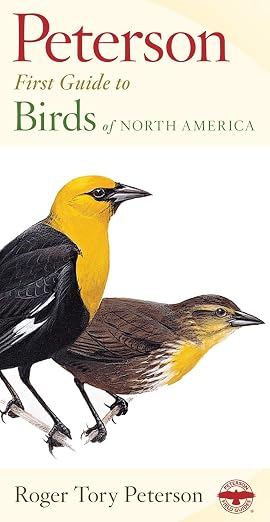
Containing over 300 bird species with detailed illustrations, the Peterson First Guide to Birds of North America suits anyone starting out with birdwatching. Its greatest strength lies in helping beginners identify common birds accurately thanks to clear visuals and beginner-friendly descriptions.
Daily use involves flipping through compact pages that feel durable and fit comfortably in hand. The guide’s layout groups birds by color and size, which simplifies identifying species without prior knowledge.
It’s light enough to carry on walks and easy to reference outdoors without feeling bulky or fragile.
Identification works well across a variety of North American birds, with color-coded tabs aiding quick access to groups. The sturdy binding and quality paper make it tough enough for field trips. Some users mention the illustrations could be more detailed for rarer birds, but the simplicity works well for common species.
Many appreciate how the guide simplifies bird identification with clear visuals and organized layouts. However, its simplicity means it lacks depth for uncommon birds, leaving some users wanting more detail when spotting rarer species.
Ideal for beginners who want an easy-to-use, portable guide to familiar birds. Those seeking more thorough or technical info on a wider range of species might prefer a more advanced book.
Pros
- Clear illustrations for easy identification
- Organized by color and size
- Compact and lightweight for outdoor use
- Durable paper and sturdy binding
Cons
- Less detailed images for rare species
- Not comprehensive for advanced birders
| Specification | Details |
|---|---|
| Number of species included | 300+ |
| Format | Paperback field guide |
| Dimensions | 5.5 x 8 inches (approx.) |
| Paper quality | Durable, suitable for outdoor use |
| Illustrations | Color-coded, beginner-friendly |
15. National Audubon Society Birds of North America

Bird watchers just starting out will find the National Audubon Society Birds of North America a solid guide for learning species identification across the continent. Its biggest strength lies in the comprehensive, easy-to-use information packed into a single reference, making it great for beginners aiming to recognize common and uncommon birds.
Opening the book is simple and the layout helps quickly find bird names, appearance details, and habitats. Day-to-day use involves flipping between clear illustrations and concise descriptions, which makes comparing similar species easier.
The size fits well in a backpack, perfect for taking along on bird walks to track sightings without adding extra weight.
The guide excels in accuracy and detail, helping identify birds with good photos and straightforward facts. It is durable, made for field use, with sturdy pages that hold up to repeated handling.
The most frequent praise in reviews focuses on its thorough species coverage, while some note the print size could be bigger for easier reading outdoors.
Many users praise the guide for its extensive bird species coverage and helpful identification features that work well in real outdoor settings. The most common critique surrounds the small print size, which can be a challenge when trying to read quickly during birdwatching. The balance between detail and portability matters here.
Those looking for a detailed yet portable resource will find this guide suits their needs well. Casual observers appreciating concise, broad coverage in one book are also likely to appreciate it. People requiring larger print or highly specialized bird information may want to seek a different resource.
Pros
- Comprehensive coverage of North American birds
- Clear illustrations alongside detailed descriptions
- Compact size ideal for field trips
- Durable pages withstand frequent use
Cons
- Print size is small for some readers
- Some species may lack more in-depth behavioral details
| Specification | Details |
|---|---|
| Title | National Audubon Society Birds of North America |
| Format | Field guide book |
| Content | Bird illustrations, identification tips, habitat info |
| Suitability | Beginner to intermediate birders |
| Durability | Sturdy pages for outdoor use |
Best Birds for Beginners Comparison Table
| Product | Recommended Uses | Number of Items | Weight | Warranty |
|---|---|---|---|---|
| National Geographic Birds Guide | – | – | – | – |
| North American Bird Watching | – | – | – | – |
| Birdwatching for Retirees | – | – | – | – |
| Peterson Young Birders Guide | – | – | – | – |
| Backyard Birdwatchers Bible | – | – | – | – |
| Stokes Eastern Birds Guide | – | – | – | – |
| The Best Nest Book | – | – | – | – |
| Watercolor Birds Paint Set | Watercolor | 1 | 0.27 kg | NO |
| Peterson Eastern & Central Birds | – | – | – | – |
| 50 Backyard Birds for Kids | – | – | – | – |
| Ornithography Bird Lore Guide | – | – | – | – |
| Backyard Birds Visual Guide | – | – | – | – |
| Cockatiels Care Guide | – | – | – | – |
| Peterson First Birds Guide | – | – | – | – |
| Audubon Birds of North America | – | – | – | – |
- Recommended Uses–
- Number of Items–
- Weight–
- Warranty–
- Recommended Uses–
- Number of Items–
- Weight–
- Warranty–
- Recommended Uses–
- Number of Items–
- Weight–
- Warranty–
- Recommended Uses–
- Number of Items–
- Weight–
- Warranty–
- Recommended Uses–
- Number of Items–
- Weight–
- Warranty–
- Recommended Uses–
- Number of Items–
- Weight–
- Warranty–
- Recommended Uses–
- Number of Items–
- Weight–
- Warranty–
- Recommended UsesWatercolor
- Number of Items1
- Weight0.27 kg
- WarrantyNO
- Recommended Uses–
- Number of Items–
- Weight–
- Warranty–
- Recommended Uses–
- Number of Items–
- Weight–
- Warranty–
- Recommended Uses–
- Number of Items–
- Weight–
- Warranty–
- Recommended Uses–
- Number of Items–
- Weight–
- Warranty–
- Recommended Uses–
- Number of Items–
- Weight–
- Warranty–
- Recommended Uses–
- Number of Items–
- Weight–
- Warranty–
- Recommended Uses–
- Number of Items–
- Weight–
- Warranty–
How to Choose the Right Bird for You
Consider factors like the bird’s temperament, size, noise level, and care needs to find one that fits your lifestyle and experience. Choosing the right bird helps prevent stress for both you and the pet, saving time and money on potential health or behavior issues.
Temperament and Personality
Birds with a calm, friendly nature tend to settle in well with less frustration. Loud vocal habits can quickly grow tiresome in a small home, especially early in the morning or late at night.
Some species are quite chatty or prone to shrieking, which isn’t ideal if you need quiet. Patience during handling affects how cooperative the bird will be during training or general interaction.
A beginner-friendly bird usually tolerates gentle handling without biting or stress. These birds often enjoy social time but don’t demand constant attention. Choosing species known for moderate noise levels and gentle moods avoids daily stress.
Look for birds that adapt well to consistent training routines and don’t react aggressively to new people or environments. Noise level ratings below moderate and a reputation for being patient handlers are good indicators.
Size and Space Requirements
The size of a bird directly influences how much space they need to thrive. A large bird crammed into a small cage will become stressed and develop behavioral problems.
Many beginner birds fit comfortably in cages around 18 by 18 base area, but larger parrots may require twice that space or more. Daily free-flight time is essential to prevent boredom and maintain physical health.
Living space must include room for play gyms or perches outside the cage. Smaller species need less flying room but still benefit from out-of-cage activity.
When space is tight, species that require less exercise or can use small cages without harm should be chosen. Practically, a cage should have multiple perches of varying diameter and provide at least 2 hours per day outside for exercise and mental stimulation.
Care and Maintenance
Simple diets mean less chance of nutritional imbalances. Many beginner birds thrive on quality seed mixes augmented with fresh fruits and vegetables, avoiding costly or time-consuming supplements. Fresh water should be changed daily, and birds enjoy occasional shallow baths or misting to keep feathers healthy.
Grooming like nail trimming can intimidate newcomers; birds with slow nail growth or softer, manageable nails reduce headaches. Cage cleaning can become a daily chore, especially with messy eaters.
Removable trays or liners help speed this up. Avoid species that require constant environmental maintenance or have heavy dust production. Look for birds with moderate dietary flexibility and straightforward care routines.
Health and Lifespan
Certain species are frailer or prone to specific diseases that demand close monitoring or expensive vet care. Common issues include respiratory infections and feather plucking from stress. Recognizing early signs and maintaining a stable environment can prevent many problems.
Lifespan varies widely; some birds live only 5–10 years, while others can reach 30 or more, which affects long-term planning.
Stress from loud noises, sudden changes, or poor handling often leads to health decline. Birds that adapt well to household rhythms and tolerate occasional disruptions with minimal behavioral issues suit beginners better.
Choosing species with fewer health complications and moderate lifespans avoids unexpected challenges and lengthy commitments.
Social Needs and Compatibility
Some birds do well alone and interact happily with their owner, while others become lonely and depressed without a companion. Understanding if a species prefers company impacts how you plan their daily routine.
Birds that get along with children and other pets usually have calmer temperaments and are less likely to show aggression.
Daily interaction levels range from minimal to extensive, depending on the bird’s social needs. Many enjoy puzzle toys or social cues to stay mentally sharp.
Ensure the bird’s energy matches household activity; overly demanding species can become noisy or destructive if understimulated. Matching compatibility with family life and time availability avoids boredom and stress.
Essential Care Tips for Keeping Beginner Birds Healthy
Fresh water and a balanced diet form the foundation of bird health. Most beginner-friendly species, like budgies and cockatiels, thrive on a mix of high-quality seed and pellets supplemented with fresh fruits and vegetables. Avoid feeding avocado, chocolate, or caffeine, as these are toxic to birds.
Cleaning the cage regularly prevents disease. Remove waste and uneaten food daily, and disinfect the cage weekly to minimize bacteria. Ensure the cage is spacious enough for the bird to move freely and includes perches of varying thickness to promote foot health.
Exposure to natural light helps regulate bird behavior and vitamin D production. Place the cage near a window but out of direct drafts or intense sunlight.
Interaction matters too; daily gentle handling builds trust and socialization.
- Provide fresh water and a proper diet
- Maintain clean living space
- Offer adequate cage size and perching options
- Ensure proper lighting and avoid drafts
- Spend time interacting daily
Common Mistakes to Avoid When Raising Your First Pet Bird
Overestimating a bird’s independence is a frequent error. Birds need routine social interaction to stay mentally healthy, even species known for being less demanding.
Neglecting this can lead to behavioral problems like screaming or feather plucking.
Choosing an undersized cage restricts movement and can cause stress or injury. The enclosure should allow the bird to fully spread its wings and climb comfortably.
Not providing enough varied toys or perches can result in boredom and destructive habits.
Many first-time users often overlook the potential risks present in the home environment. Teflon-coated cookware fumes or open windows without screens pose dangers. Also, improper diet choices like excessive seed-only feeding lack essential nutrients and lead to malnutrition.
- Do not skip daily social interaction
- Use an appropriately sized cage
- Provide a variety of toys and perches
- Avoid exposure to household toxins
- Offer a balanced diet beyond seeds
People Also Asked
What Size Cage Is Needed for Beginner-Friendly Birds?
A cage for beginner birds should be large enough to allow free movement and wing flapping, generally starting around 18x18x18 inches for smaller species. Make sure the bars are spaced appropriately to prevent escapes or injuries, usually about half an inch for small birds.
How Do I Ensure Safety for Birds in My Home?
Keep harmful household items like toxic plants, open water containers, and fumes from cooking or cleaning products away from birds. Close windows to prevent drafts, and supervise pets around birds to avoid accidents.
Which Birds Are Easiest to Care for as Pets?
Budgerigars (budgies), cockatiels, and canaries are easier for beginners due to their smaller size and relatively simple care requirements. These species usually adapt well to typical home environments and are less demanding in social needs compared to larger parrots.
What Common Health Problems Affect Beginner Pet Birds?
Respiratory infections, feather plucking, and vitamin deficiencies are common health issues in pet birds. Maintaining a clean cage, providing a balanced diet, and regular vet check-ups can help prevent these problems.
How Long Do Typical Beginner Pet Birds Live?
Smaller beginner birds like budgies and canaries generally live 5 to 10 years, while cockatiels can live 15 to 20 years with good care. Lifespan depends heavily on diet, environment, and veterinary care.
Conclusion
Choose birds that are easy to care for and have clear dietary and habitat needs. They should be social enough to handle occasional human interaction but not require constant attention. Size also matters; smaller species tend to be less demanding and more adaptable to indoor environments.
Think about the space you have available and how much time or money you can dedicate. Smaller cages and simple diets are easier to manage on a budget or with limited time. Check the comparison table to revisit the options and read the detailed picks above to find the best fit for your situation.