Top 15 Best Slope Seed That Transforms Your Hills Fast
Steep hills or uneven ground often cause problems for gardeners trying to establish reliable grass coverage. The best slope seed helps prevent erosion and patchy growth, common issues with lower-quality mixes that wash away easily or fail to root deeply.
Getting the right seed saves time and avoids constant reseeding, which can quickly become frustrating and costly.
Good slope seed typically contains a mix of hardy grass varieties suited for poor soil and steep terrain, such as tall fescue or fine fescues. Seed size matters too, smaller seeds tend to settle better into crevices and sprout evenly.
Look for seeds with high germination rates, usually above 80 percent, and resistance to drought and heavy rain to ensure strong, lasting coverage on slopes.
Need a Quick Check?
| Image | Product | Price |
|---|---|---|
Our Top Picks 1  | Pennington No Mow Fescue | Check Price |
Our Top Picks 2  | Pennington Smart Patch Shade | Check Price |
Our Top Picks 3 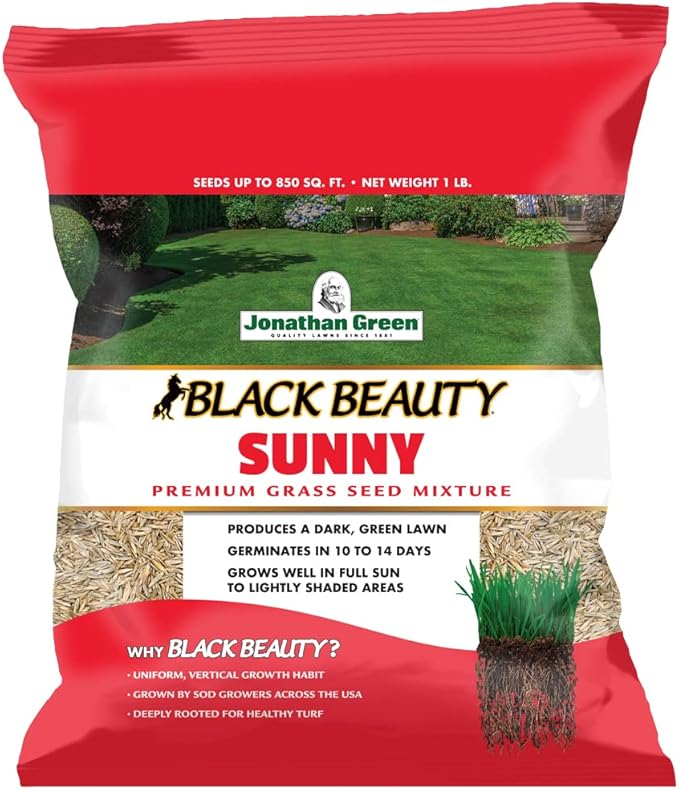 | Jonathan Green Black Beauty | Check Price |
Our Selected Top 15 Slope Seed Worth Considering
This list features a variety of seeds designed specifically for stabilizing and beautifying slopes. Each entry highlights performance, ideal usage conditions, and key advantages as well as potential drawbacks, helping readers choose the best option for their specific terrain and climate.
1. Pennington No Mow Mix Fescue Grass Seed
Pennington No Mow Mix Fescue Grass Seed offers a low-maintenance solution ideal for slopes, hills, and hard-to-mow areas. It suits homeowners wanting a sustainable lawn that stays neat without frequent mowing, thanks to its natural growth habit that settles around 6 inches tall after reaching 12 inches.
Preparing soil and spreading the seed evenly with a grass seed spreader is straightforward. Regular watering encourages uniform growth throughout the growing season, which lasts from spring to fall.
The mix needs about 4-6 hours of sun per day and performs well outdoors, especially in erosion-prone spots where mowing can be tricky or unsafe.
Growth is drought tolerant and maintains coverage on slopes to prevent soil erosion effectively. The seeds consistently grow to about 12 inches before naturally folding down to a manageable height, minimizing the need for mowing. Most praise highlights its easy upkeep, while some find the height a bit taller than expected, occasionally requiring light trimming.
The seed mix grows reliably across various zones and keeps slopes covered well, reducing erosion concerns. Most users appreciate the low mowing demands, but some find the grass a bit taller than they anticipated, which can require occasional trimming.
Anyone managing a large or uneven lawn that’s hard to mow will find this mix beneficial, especially on slopes. Those wanting a shorter, manicured lawn or minimal watering needs may want to consider alternatives better matching those preferences.
Pros
- Low-maintenance, no mowing required
- Drought tolerant for tough spots
- Well-suited for slopes and erosion control
- Supports eco-friendly lawn care
Cons
- Grows taller than some expect
- Needs regular watering for best results
| Specification | Details |
|---|---|
| Sunlight Exposure | 4-6 Hours of Sun Per Day |
| Expected Plant Height | 12 inches |
| Expected Blooming Period | Spring to Fall |
| Expected Planting Period | Fall |
| USDA Hardiness Zone | 1-12 |
| Moisture Needs | Regular Watering |
2. Pennington Smart Patch Dense Shade Grass Seed
Tall Fescue and American Rye grass seed mix with a tackifier makes this seed ideal for shaded slopes where soil erosion from rain is a concern. Perfect when you need a seed that not only grows well in dense shade but also stays put on hills without washing away.
Application includes spreading the seed combined with fertilizer and mulch, which simplifies setup since you don’t need separate products. The mulch turns lighter when dry, acting as a watering cue.
The tackifier clings to slopes so the seeds stay in place, which means less re-seeding. Designed for outdoor use, it thrives with 2 to 6 hours of sun daily and is best planted in spring.
The grass seed mix does a good job repairing bare spots and offers built-in protection against disease thanks to microbials in the fertilizer. The tackifier is praised for preventing seed washout on hills, which is a standout feature. Some users found the watering indicator a bit hard to interpret, but overall, it supports healthy growth.
The height stays manageable around 3 inches.
The seed mix’s ability to stay put on hills through rain is highly valued, reducing the need for repeated applications. The watering indicator mulch is a helpful feature but sometimes confusing, which requires attention to avoid over or under-watering. Many users appreciate the combined fertilizer and disease-preventing microbials within the package for healthier growth.
Ideal for anyone needing grass seed for shaded, sloped areas where erosion is a problem. Not recommended for full sun lawns or for spots that get less than two hours of sunlight daily. People wanting a simple all-in-one solution for lawn spot repair on hills will find it useful.
Pros
- Includes fertilizer and mulch for simpler lawn repair
- Tackifier keeps seed secure on slopes and during rain
- Microbials help prevent lawn diseases naturally
- Mulch color change signals watering needs
Cons
- Watering indicator can be difficult to read
- Limited to areas with partial shade only
| Specification | Details |
|---|---|
| Sunlight Exposure | 2 – 6 Hours of Sun a Day |
| Expected Blooming Period | Spring |
| Expected Plant Height | 3 inches |
| USDA Hardiness Zone | 1-12 |
| Indoor/Outdoor Usage | Outdoor |
3. Jonathan Green Black Beauty Sunny Grass Seed
Heat tolerance stands out as the main reason this grass seed is chosen for sunny slopes and southern exposures. It suits those wanting to grow a lawn that can handle lots of sun and dry conditions without giving up on green and healthy turf.
The grass seed is known for thriving in full sun with limited shade.
Setting it up involves planting in loam soil with moderate watering. The drought-resistant grass grows well in conditions where water runoff often dries out the ground.
It features a waxy leaf coating that helps preserve moisture which reduces the need for constant watering. Regular care means it handles heat and sunlight well through spring to fall.
The mix includes perennial rye, Kentucky bluegrass, and tall fescue, which helps it grow thick, resilient grass. The toughest praise highlights its ability to stay green during hot periods with less water.
On the downside, some mention it doesn’t perform as well in heavy shade or very poor soil. It maintains a moderate height of about 65 centimeters which fits well in most outdoor settings.
Strong praise focuses on how well the grass stays green and healthy in hot, dry conditions thanks to the waxy leaf coating. The most common complaint is its poor performance in shaded areas and the requirement for suitable soil types, limiting where it can grow best.
People with sunny slopes or southern-facing lawns experiencing runoff will appreciate this seed’s toughness and drought resistance. Those needing grass for shady or poor soil areas should consider alternatives that handle those conditions better.
Pros
- Heat tolerant for sunny, dry slopes
- Drought resistant with waxy leaf coating
- Good blend of cool-season grasses
- Maintains color spring to fall
Cons
- Struggles in heavy shade
- Needs loam soil for best results
| Specification | Details |
|---|---|
| Sunlight Exposure | Full Sun |
| Soil Type | Loam Soil |
| Moisture Needs | Moderate Watering |
| Expected Plant Height | 65 centimeters |
| Indoor Outdoor Usage | Outdoor |
4. JRK Cabin Grass Seed Mix

Ideal for hillsides and slopes with minimal watering, this seed mix suits anyone looking for a low-maintenance lawn solution. Its biggest advantage is the quick soil coverage it delivers on steep terrain without demanding constant care or irrigation.
Planting requires little preparation, focusing on areas that get full sun to partial shade. Once established, fertilizing just once or twice a season maintains the lawn’s health. It thrives with minimal watering and performs well on slopes that might otherwise erode, offering easy upkeep without the fuss of high-maintenance grass.
Covering soil rapidly on tough hillsides is where this mix shines. It grows steadily without needing much fertilizer or water, making it a practical choice for less accessible places. Most praise mentions how it holds up on slopes well, while some say it’s not the best fit for lush, high-maintenance lawns.
The seed mix provides reliable, fast coverage on slopes with limited watering and fertilizer. Most people appreciate how it holds soil well, but it won’t give the lush appearance expected from higher-maintenance grasses.
Those seeking a simple, hardy grass for erosion control and less attention will be satisfied. Anyone wanting a vibrant, manicured lawn should consider other options better suited for frequent care.
Pros
- Quick soil cover on steep slopes
- Low irrigation and fertilizer needs
- Performs well in sun or part shade
- Easy maintenance after establishment
Cons
- Not for medium or high maintenance lawns
- Limited fertilizer use may slow growth
| Specification | Details |
|---|---|
| Sunlight Exposure | Full Sun, Partial Shade |
| Maintenance Level | Low |
| Irrigation Needs | Little or None |
| Fertilization | 1-2 times per season after establishment |
| Suitable Terrain | Hillsides, Steep Slopes |
5. Pennington Kentucky 31 Tall Fescue Grass Seed

Growing a lawn that thrives on a slope with mixed sun and shade can be tricky. Pennington Kentucky 31 Tall Fescue Grass Seed suits outdoor spaces that receive 4-8 hours of sun, especially in areas needing a tough, drought-resistant grass.
Its main strength lies in adapting well to both sun and medium shade conditions.
Planting is recommended in spring, ensuring the soil, which can be clay-based, is regularly watered to keep the seeds moist. The coated seeds help speed up germination, and the coverage of up to 4,000 sq.
ft. makes it suitable for larger patches. Mowing at a height of about 3 inches maintains the grass’s health without stressing it out.
The grass holds up well through spring and summer, offering reliable coverage and durability on slopes. It’s sturdy against wear, and its tolerance to sun and shade makes it versatile. On the downside, some find it grows slower than expected, and regular watering is essential to keep it thriving.
The seed coating adds ease to the planting, but patience is needed.
Many note that the grass maintains a good balance between handling shade and sun but express a need for consistent watering, which is crucial for its growth. Coated seeds simplify the planting process, although the slower growth can test patience during early stages.
Those looking for durable grass on sloped areas with mixed sun and shade will appreciate this seed. It suits gardeners who can commit to regular watering and don’t mind waiting for full establishment. Anyone needing fast results or low-maintenance turf might want to explore other options.
Pros
- Works well in sun and medium shade
- Covers up to 4,000 sq. ft.
- Coated seeds for easier planting
- Adapts to clay soil types
Cons
- Requires regular watering for best growth
- Grows slower than some other fescues
| Specification | Details |
|---|---|
| Sunlight Exposure | 4-8 Hours of Sun |
| Expected Plant Height | 3 inches |
| Soil Type | Clay Soil |
| Coverage Area | Up to 4,000 sq. ft. |
| Expected Planting Period | Spring |
6. Pennington Clover Grass Seed Mix

Covering up to 1,400 sq ft with a blend of white clover and grass seed makes this mix ideal for northern US lawns looking for a sturdy and attractive ground cover. Its biggest strength lies in combining clover with grass to create a low-height, green lawn that thrives with moderate sunlight.
Planting works best in the fall, which is when the seeds are expected to start blooming. It requires about 4-6 hours of sun daily and regular watering to establish properly.
Spreading the 7 lbs mix over the intended space offers good coverage, and the clover keeps the grass healthy by fixing nitrogen in the soil. Maintaining the lawn means keeping the moisture consistent and expects the grass to stay quite short at about 2 inches tall.
The mix performs well outdoors across USDA zones 1-12, making it versatile for various climates. Reviewers commonly note how the clover keeps the lawn looking green even during dry spells, but a frequent remark is the slow blooming period, especially in cooler regions. The product is easy to spread and grows steadily with consistent care, making it practical for those willing to water regularly.
Strong praise centers on how the clover maintains a vibrant green lawn even with occasional dry spells. The most common complaint involves a slower than expected blooming period, particularly noticeable in areas with cooler temperatures.
People wanting a low-maintenance, nitrogen-fixing ground cover will appreciate this mix. Those looking for quick germination or who cannot commit to regular watering might want to consider alternatives better suited to faster growth or drought tolerance.
Pros
- Covers up to 1,400 sq ft with just 7 lbs
- Combines clover and grass for healthier soil
- Performs well in a wide range of US climates
- Maintains short, manageable lawn height
Cons
- Slow blooming in cooler northern climates
- Needs consistent watering to thrive
| Specification | Details |
|---|---|
| Indoor/Outdoor Usage | Outdoor |
| Sunlight Exposure | 4-6 Hours of Sun Per Day |
| Expected Planting Period | Fall |
| USDA Hardiness Zone | 1-12 |
| Expected Plant Height | 2 inches |
| Moisture Needs | Regular Watering |
7. Pennington Annual Ryegrass Seed

Gardeners looking to keep their lawns green and healthy throughout the winter months will appreciate how well this ryegrass adapts to southern climates. It’s designed to grow quickly, offering a vibrant green cover that helps protect warm-season grasses during their dormant period.
Getting the seed down is straightforward, especially in areas that get 6 to 8 hours of sunlight each day. It usually shows green shoots within a week and fits perfectly as an overseed for Bermuda or Zoysia lawns. Moderate watering is needed to keep the seed moist but not saturated, making daily care quite simple and practical.
Growth is rapid with a nice color that holds up well against foot traffic, making it suitable for active outdoor spaces. The seed comes coated, which aids in even spreading and germination.
The most common downside mentioned is that since it’s an annual, it only provides temporary grass cover, so it needs replanting every year to maintain the look.
Growth happens fast with a rich green color that survives regular use, but the grass only lasts for a season, needing to be overseeded annually. It suits lawns that need quick winter support, particularly in southern states where warm-season grasses go dormant.
Gardeners looking for a short-term winter green will find this seed fits well. Those wanting long-term lawn coverage are better off looking for a perennial solution instead. It offers good disease resistance and handles foot traffic better than many alternatives.
Pros
- Quick establishment with visible results in 3 to 7 days
- Works well for overseeding warm-season grasses
- Resists disease and foot traffic wear
- Adaptable to most U.S. growing zones
Cons
- Only provides temporary coverage as an annual
- Requires replanting each season for consistent results
| Specification | Details |
|---|---|
| Sunlight Exposure | Full Sun to Light Shade (6-8 hrs sun) |
| Expected Blooming Period | Winter |
| Planting Period | Spring |
| Expected Plant Height | 3 inches |
| Moisture Needs | Moderate Watering |
| Seed Treatment Method | Coated |
8. Wicked Tuff Turf Hillside Stabilizer Grass Seed

Designed specifically for challenging slopes and rough terrain, Wicked Tuff Turf Hillside Stabilizer Grass Seed suits anyone needing strong erosion control. Its main strength lies in its ability to bind soil firmly on banks and ditches, focusing on survival instead of a perfect lawn appearance.
Applying the seed on disturbed soil or steep slopes is straightforward, thanks to a well-thought-out blend of grasses and legumes. The creeping red fescue quickly spreads across the surface, while birdsfoot trefoil sends deep taproots into the soil. It tolerates wet spots as well as dry conditions, so once established, you won’t have to fuss over constant watering or fertilizing.
It holds soil exceptionally well, thanks to the strong root network. The nitrogen-fixing feature from the legumes means that even poor soils support growth without extra fertilizer.
Some users note that the appearance leans more natural and rough rather than manicured, so it’s not for those expecting a neat, park-like lawn. Otherwise, it performs reliably on slopes.
The deepest roots and nitrogen-fixing legumes make this seed mix particularly effective at stabilizing soil, which is the most praised feature. Common remarks point out that the overall look is more natural and somewhat rough, so it won’t provide a smooth, uniform turf.
Those needing solid erosion control on steep or variable wetness slopes will find this very effective. People wanting a neatly trimmed and ornamental lawn should consider other options since this blend prioritizes function over form.
Pros
- Strong soil binding on slopes
- Handles both wet and dry conditions
- No fertilizer needed on established slopes
- Deep root system stabilizes soil effectively
Cons
- Not ideal for manicured lawn appearance
- Seed mix may establish unevenly in some spots
| Specification | Details |
|---|---|
| Item Weight | 5 pounds |
| Unit Count | 1 Count |
| Number of Items | 1 |
| Nitrogen-Fixing Legumes | 16% |
| Taproots Depth | 3–4 ft |
9. Purple Aubrieta Rock Cress Seeds

Purple Aubrieta Rock Cress Seeds are perfect for anyone looking to cover slopes, rock gardens, or garden edges with bright purple flowers. They thrive in sunny spots and offer a colorful, fast-growing ground cover that attracts bees and butterflies, making it ideal for low-maintenance outdoor spaces.
Planting these seeds is straightforward during the summer, especially in well-drained, sandy soil. The seeds grow best in full sun and require only moderate watering. They spread quickly between stones and along pathways, helping to stabilize soil and add vibrant color.
Their compact growth of about 3 inches keeps them low to the ground, so they don’t overpower other plants.
The flowers bloom from summer to fall, providing lasting color during those seasons. Known for a high germination rate, these seeds produce dense, cascading blooms that really fill in spaces well.
Feedback often praises how well the plants attract pollinators like bees. Some find the plant height to be quite low, which might not suit gardens looking for taller cover.
The seeds grow densely with bright purple flowers that attract many pollinators throughout summer and fall. Most people appreciate how quickly they spread and cover slopes, though the low height might not suit all landscaping plans.
Those wanting fast, colorful ground cover in sunny, well-drained spots will find this product fitting. Gardeners seeking taller or bushier plants may want to consider other seed varieties.
Pros
- Attracts pollinators like bees and butterflies
- High germination rate for quick growth
- Thrives in full sun with little fuss
- Compact, dense blooming ground cover
Cons
- Plants remain very low, only about 3 inches tall
- Needs well-drained, sandy soil to thrive
| Specification | Details |
|---|---|
| Sunlight Exposure | Full Sun |
| Expected Plant Height | 3 inches |
| Planting Period | Summer |
| Soil Type | Sandy Soil |
| Moisture Needs | Moderate Watering |
| USDA Hardiness Zone | 4-11 |
10. Pennington Smart Patch Bermuda Grass Seed

Getting a bare spot on a sunny lawn to fill in can be tough, especially on slopes where seed often washes away. Perfect for southern lawns, this patch works well where the sun shines strong, thanks to its mix of Bermudagrass seed, fertilizer, mulch, and a tackifier that holds everything firmly in place.
Setting it up is straightforward, spread the patch on the bare spot during spring, especially on areas that get at least 8 hours of sun daily. The mulch changes color to a lighter shade indicating when the grass needs watering again, helping to keep moisture levels right. The fertilizer included gives the new grass the nutrients it needs to take hold, reducing extra steps in feeding your lawn.
The patch does a solid job holding seed in place on slopes, preventing washout during rain. Built with a tackifier, it keeps everything snug and protected. The best part is how the mulch signals watering time, keeping the grass healthy.
Some say the patch only grows to about 3 inches, which might be short for certain lawn looks.
The patch holds seed in place thanks to its tackifier, which is great for slopes and rainy conditions. Most appreciate how the mulch turning lighter signals when to water, helping the lawn stay on track. A common note is that the grass doesn’t grow very tall, which may not suit all preferences.
Ideal for homeowners with sunny, southern lawns who want an all-in-one patch solution that guards against seed washout. Those seeking taller grass or wanting less frequent watering might want to explore other options better suited to those needs.
Pros
- Protects seed from washing away on slopes
- Includes fertilizer for easy lawn repair
- Mulch color shows when to water
- Designed for sunny southern lawns
Cons
- Grass grows only up to 3 inches
- Requires regular watering to succeed
| Specification | Details |
|---|---|
| Expected Plant Height | 3 inches |
| Sunlight Exposure | 8+ Hours of Sun a Day |
| Expected Planting Period | Spring |
| USDA Hardiness Zone | 7, 8, 9, 10 |
| Moisture Needs | Regular Watering |
| Indoor Outdoor Usage | Outdoor |
11. Wicked Tuff Turf Sheep Fescue Seed

Wicked Tuff Turf Sheep Fescue Seed suits those looking to cover slopes with a low-maintenance, attractive grass. Its biggest strength is slow growth, which cuts down on mowing and upkeep, making it ideal for natural or tidy lawn styles.
Applying the seed works best in fall, especially on loam soil and areas with partial shade. Regular watering helps maintain health, while its cold resistance means it thrives through cooler seasons without fuss.
It easily suppresses weeds and helps control erosion, making daily yard care simpler on tricky slopes.
It grows into a dense, soft turf with fine, needle-like blades that create a pleasant blue-green carpet effect. The seed is built to retain nutrients and improve soil as it spreads.
Strong points include good weed suppression and erosion control; the common downside is it thrives mostly within USDA zones 4-8, limiting use in hotter or colder climates.
The seed produces a dense, pleasing turf that needs less frequent mowing and resists weeds well. Some find it best suited for cooler areas within its zone range and note watering is necessary to keep it healthy.
Those wanting low-maintenance, natural-looking grass on slopes in moderate climates will be pleased. Anyone outside the listed USDA zones or with very dry conditions should look at other options better suited for those environments.
Pros
- Slow growth means less mowing
- Cold-resistant for cooler climates
- Helps control erosion effectively
- Attractive blue-green, fine-textured turf
Cons
- Limited to USDA zones 4-8
- Requires regular watering to thrive
| Specification | Details |
|---|---|
| Sunlight Exposure | Partial Shade |
| Expected Planting Period | Fall |
| USDA Hardiness Zone | 4-8 |
| Soil Type | Loam Soil |
| Moisture Needs | Regular Watering |
12. Rock Cress Aubrieta Ground Cover Seeds

Vibrant and hardy, Rock Cress Aubrieta Ground Cover Seeds bring a splash of color to outdoor spaces. Perfect for gardeners looking to brighten slopes or rock gardens with a low-growing plant, it stands out for its ability to return year after year, reducing the need for frequent replanting.
Planting is straightforward when you sow the seeds outdoors after the last frost or start them indoors 6-8 weeks beforehand. It grows well in full sun with well-drained soil, tolerating sandy, loamy, or even rocky and alkaline soils. Daily care is minimal since it’s drought tolerant and thrives with basic watering in suitable conditions.
The seeds deliver colorful, mixed blooms from spring to early summer, covering slopes and borders attractively up to about 6 inches tall. Known for its durability in various USDA zones (4-9), the ground cover provides consistent coverage. Some find its growth rate slower than expected, but its low maintenance and perennial nature often outweigh this for gardeners.
The seeds consistently produce a vibrant, spreading ground cover that fills slopes beautifully with vibrant colors each spring, meeting expectations for long-lasting coverage. Slow initial growth appears as the most mentioned concern, requiring patience for the full effect to show.
Those seeking a low-maintenance, colorful perennial ground cover will find this seed mix fitting well. Gardeners needing fast coverage or with limited sun exposure should consider alternative options better suited to their site conditions.
Pros
- Colorful blooms with mixed shades
- Perennial with year-to-year return
- Drought tolerant once established
- Works well in poor or rocky soils
Cons
- Growth speed may be slower than expected
- Requires full sun to thrive optimally
| Specification | Details |
|---|---|
| Sunlight Exposure | Full Sun |
| Expected Plant Height | 6 inches |
| Expected Blooming Period | Spring To Early Summer |
| Soil Type | Well-drained, Sandy Or Loamy Soil; Tolerates Poor, Rocky, Or Alkaline Soils |
| USDA Hardiness Zone | 4-9 |
| Quantity | 100 seeds per pack |
13. Heirloom Wildflower Seeds

A vibrant mix of 1000 wildflower seeds brings color and life to outdoor slopes, ideal for those looking to attract pollinators while controlling erosion. Best suited for gardeners aiming for natural scenery with strong germination and straightforward planting.
Scatter the seeds on well-raked, moist soil in a sunny spot for easy planting. Keep the area watered until the plants establish. Versatile enough to cover meadows, roadside banks, or garden borders, it works well in USDA zones 3 through 9 during spring, summer, and fall seasons.
Seeds reliably sprout thanks to a high germination rate, producing blooms from spring to fall. The non-hybrid nature of the seeds supports a sustainable, open-pollinated garden.
The most frequent remark praises its ability to attract bees and butterflies, while some note the need for consistent moisture during early growth.
The flowers attract a variety of pollinators, which many have appreciated for natural wildlife support. Maintaining consistent moisture during the early stages can be challenging as the seeds need to stay moist until established.
Anyone wanting to beautify a sunny outdoor slope with native wildflowers will find this seed mix effective. Those with shady areas or unreliable watering conditions might want to consider other options better suited to those environments.
Pros
- Attracts bees, butterflies, and beneficial insects
- High germination rate from open-pollinated seeds
- Easy to plant by scattering on prepared soil
- Suitable for slopes, meadows, and garden borders
Cons
- Requires regular watering until plants establish
- Only thrives in full sun locations
| Specification | Details |
|---|---|
| Expected Blooming Period | Spring to Fall |
| Sunlight Exposure | Full Sun |
| Expected Planting Period | Spring, Summer, Fall |
| USDA Hardiness Zone | 3-9 |
| Soil Type | Well-drained, Raked Soil |
| Moisture Needs | Regular Watering Until Established |
14. Easycare Low-Maintenance Grass Seed

EasyCare Low-Maintenance Grass Seed is perfect for anyone wanting a lush lawn on a slope without constant watering or upkeep. Its biggest strength lies in creating a thick, green turf while saving water, making it well-suited for homeowners aiming to keep their outdoor areas healthy with minimal effort.
Setting up requires just planting in areas with partial sun, such as slopes or borders. Once the grass starts growing, it stays dense and requires very little maintenance.
The drought-resistant nature means you don’t have to water daily like with other seeds, which is handy during dry spells or if you want a low-upkeep garden.
Performance-wise, the seed produces a vibrant, rich green lawn that handles dry weather much better than many other types. The grass holds its color well from summer to fall.
Some users find that while it’s tough, getting it fully established can be slow at first. Durability is solid, making it a reliable choice for outdoor spaces prone to less-than-ideal watering.
Many appreciate the seed’s drought resistance and rich green color that lasts through harsh dry weather. A common issue is the slower-than-expected growth when first sowing, which may require patience before the lawn looks full.
Good fits are anyone who wants a visually strong lawn on slopes or borders with limited watering and care. Those needing quick ground cover or shade tolerance may want to consider other options.
Pros
- Produces dense lawn with minimal water
- Maintains vibrant green color through dry periods
- Ideal for sloped or embankment areas
- Requires little upkeep once established
Cons
- Establishment period can be slow
- Best suited for partial sun, not full shade
| Specification | Details |
|---|---|
| Indoor Outdoor Usage | Outdoor |
| Low Maintenance | Yes |
| Expected Blooming Period | Summer to Fall |
| Sunlight Exposure | Partial Sun |
15. Pennington Smart Seed Perennial Rye Grass Seed

Getting grass to grow on shaded, sloped areas can be a struggle, especially with fluctuating weather and foot traffic. Designed for spots receiving 4 to 6 hours of sun, this seed works best for those wanting a lush, hardy lawn that bounces back year after year. Its water-saving feature is an excellent bonus for less frequent watering.
Setting the seed is straightforward, with coverage up to 750 square feet per bag, making it practical for mid-sized slopes. Expect to see new growth within 8 to 14 days, which feels fast compared to some other grass seeds.
The coated seed treatment helps with germination, and the grass thrives with moderate watering, so it won’t demand constant attention once established.
Built to handle both cool and warm seasons temporarily, this perennial ryegrass holds color late into winter and stands up well to foot traffic. It’s disease-resistant, contributing to its durability over time.
The strongest praise notes how quickly and evenly the seed germinates, while the most common complaint concerns the moderate water needs during establishment, which some find a bit demanding.
The seed reliably germinates quickly and grows into a thick, fine-bladed lawn that’s resistant to disease and tolerant of foot traffic. Most users find that maintaining moderate moisture while the grass establishes is necessary, which may require extra attention during dry spells.
People with partially shaded slopes looking for a hardy, long-lasting lawn will appreciate its performance. Those dealing with full sun areas or seeking a grass that thrives with little water should consider alternatives better suited to those conditions.
Pros
- Good for shaded spots with 4-6 hours sun
- Germinates in 8 to 14 days
- Uses up to 30% less water
- Maintains color into winter
Cons
- Needs moderate watering during establishment
- Not ideal for full sun locations
| Specification | Details |
|---|---|
| Sunlight Exposure | 4-6 Hours |
| Expected Plant Height | 3 inches |
| Expected Blooming Period | spring, winter |
| Seed Treatment Method | Coated |
| Expected Planting Period | Spring |
| USDA Hardiness Zone | 1-12 |
Best Slope Seeds Comparison Table
| Product | Sunlight Exposure | Moisture Needs | USDA Hardiness Zone | Special Features |
|---|---|---|---|---|
| Pennington No Mow Fescue | 4-6 Hours Sun | Regular Watering | 1-12 | No Mow Mix |
| Pennington Smart Patch Shade | 2-6 Hours Sun | – | 1-12 | Dense Shade Mix |
| Jonathan Green Black Beauty | Full Sun | Moderate Watering | – | Drought Tolerant |
| JRK Cabin Grass Mix | Full Sun, Partial Shade | – | – | – |
| Pennington Kentucky 31 Fescue | 4-8 Hours Sun | – | 1-8 | Kentucky 31 Tall Fescue |
| Pennington Clover Mix | 4-6 Hours Sun | Regular Watering | 1-12 | Clover & Grass Mix |
| Pennington Annual Ryegrass | Full Sun to Light Shade | Moderate Watering | 1-12 | Annual Ryegrass |
| Wicked Tuff Hillside Seed | – | – | – | – |
| Purple Aubrieta Seeds | Full Sun | – | 4-11 | Attracts Pollinators |
| Pennington Smart Patch Bermuda | 8+ Hours Sun | – | 7,8,9,10 | Bermudagrass Mix |
| Wicked Tuff Sheep Fescue | Partial Shade | Regular Watering | 4-8 | Erosion Control |
| Rock Cress Aubrieta | Full Sun | – | – | Drought Tolerant |
| Heirloom Wildflower Seeds | Full Sun | – | 3-9 | High Germination Rate |
| Easycare Low-Maintenance Grass | Partial Sun | – | – | Low Maintenance |
| Pennington Smart Seed Ryegrass | 4-6 Hours Sun | Moderate Watering | 1-12 | Perennial Ryegrass |
- Sunlight Exposure4-6 Hours Sun
- Moisture NeedsRegular Watering
- USDA Hardiness Zone1-12
- Special FeaturesNo Mow Mix
- Sunlight Exposure2-6 Hours Sun
- Moisture Needs–
- USDA Hardiness Zone1-12
- Special FeaturesDense Shade Mix
- Sunlight ExposureFull Sun
- Moisture NeedsModerate Watering
- USDA Hardiness Zone–
- Special FeaturesDrought Tolerant
- Sunlight ExposureFull Sun, Partial Shade
- Moisture Needs–
- USDA Hardiness Zone–
- Special Features–
- Sunlight Exposure4-8 Hours Sun
- Moisture Needs–
- USDA Hardiness Zone1-8
- Special FeaturesKentucky 31 Tall Fescue
- Sunlight Exposure4-6 Hours Sun
- Moisture NeedsRegular Watering
- USDA Hardiness Zone1-12
- Special FeaturesClover & Grass Mix
- Sunlight ExposureFull Sun to Light Shade
- Moisture NeedsModerate Watering
- USDA Hardiness Zone1-12
- Special FeaturesAnnual Ryegrass
- Sunlight Exposure–
- Moisture Needs–
- USDA Hardiness Zone–
- Special Features–
- Sunlight ExposureFull Sun
- Moisture Needs–
- USDA Hardiness Zone4-11
- Special FeaturesAttracts Pollinators
- Sunlight Exposure8+ Hours Sun
- Moisture Needs–
- USDA Hardiness Zone7,8,9,10
- Special FeaturesBermudagrass Mix
- Sunlight ExposurePartial Shade
- Moisture NeedsRegular Watering
- USDA Hardiness Zone4-8
- Special FeaturesErosion Control
- Sunlight ExposureFull Sun
- Moisture Needs–
- USDA Hardiness Zone–
- Special FeaturesDrought Tolerant
- Sunlight ExposureFull Sun
- Moisture Needs–
- USDA Hardiness Zone3-9
- Special FeaturesHigh Germination Rate
- Sunlight ExposurePartial Sun
- Moisture Needs–
- USDA Hardiness Zone–
- Special FeaturesLow Maintenance
- Sunlight Exposure4-6 Hours Sun
- Moisture NeedsModerate Watering
- USDA Hardiness Zone1-12
- Special FeaturesPerennial Ryegrass
How to Choose the Best Slope Seed
Choosing the right slope seed depends mainly on soil type, climate, and erosion control needs. Selecting seeds suited to these conditions ensures strong growth, reduces maintenance costs, and prevents soil loss, ultimately saving money and avoiding common problems with patchy or weak coverage.
Seed Composition and Blend
Slopes often challenge grass establishment due to runoff and uneven moisture. Seeds with deep, strong roots improve soil hold and reduce bare patches that lead to erosion.
A mix blending drought-resistant grasses with fast-growing varieties usually offers a solid balance of durability and visual appeal. Fine fescues paired with perennial ryegrass, for example, provide both toughness and a fuller look. Some blends include soil enhancers like mycorrhizal fungi or moisture-retaining additives which help seedlings take hold faster, especially in sandy or less fertile slope soils.
Using a seed composition solely focused on appearance risks thinning under stress, while a purely durable mix might look sparse. Look for blends specifically tagged for slopes or erosion control that list root depth, drought tolerance, and soil-improving elements. Seed packets will often detail these features, which make a notable difference in ongoing slope stability and lawn health.
Erosion Control Effectiveness
Seed that takes hold swiftly can prevent serious erosion during heavy rains or gusty winds common on slopes. There’s a difference between grass that germinates slowly and leaves soil exposed for weeks and seed designed to establish a protective cover quickly. The soil type and slope angle influence this timing, steeper or sandier slopes usually require seeds suited for rapid growth and strong anchoring.
Plants with a dense root network stabilize the soil better, reducing washing or soil movement in storms. Some seed varieties perform reliably on 30-degree slopes or more, while others struggle beyond gentle inclines.
Check for seed mixes tested or recommended for specific slope gradients and compatible with your local soil type to ensure effective erosion control, especially where rainfall is heavy or wind a frequent problem.
Growth Rate and Maintenance
Seed that shoots up and forms a dense lawn fast makes upkeep manageable. Germination times vary widely, some grasses emerge in under ten days, while others can take several weeks and require more patient watering and care. Rapid establishment reduces weed intrusion and lowers effort spent maintaining bare areas vulnerable to erosion.
Slopes tend to have variable moisture, so seeds that tolerate less frequent watering or resist common pests and fungal diseases make a real difference. Varieties known for robustness reduce the need for chemical treatments and frequent monitoring.
Reading seed labels for germination rates and pest resistance ratings helps select types that save time and effort on slope care.
Environmental Adaptability
Local climate shapes grass performance on slopes noticeably. Seeds suited for cooler zones often struggle with the sun exposure and heat slopes gather, while drought-tolerant types can thrive with less irrigation.
Adjusting seeding choices for temperature ranges and sunlight levels prevents slow growth or plant loss.
Soil pH also varies widely on slopes, affecting nutrient availability. Seeds adaptable to pH extremes or low fertility soils avoid patchy growth. Heat and drought tolerance further ensure the planting stays alive through dry spells or hot days typical of exposed hillside locations.
Look for comprehensive adaptability on seed labels, focusing on those rated for wide environmental conditions.
Seed Density and Coverage Rate
Getting the seeding rate right impacts both lawn density and slope erosion control. Applying too little seed results in thin cover with exposed soil vulnerable to runoff. Over-seeding wastes product and can cause seedlings to compete poorly, frustrating uniform growth.
A standard rate for slopes with erosion risk often falls around 3 to 5 pounds per 1,000 square feet, but slope severity and soil texture might call for adjustments.
Uniform coverage is harder on uneven slopes; seed blends with varying seed sizes aid even distribution, and preventing clumping helps reduce bare spots. Proper seeding density helps roots intertwine and strengthens the grass stand against rain and wind.
Most seed packaging provides recommended coverage rates, which are useful starting points to achieve steady, complete lawn establishment across your slopes.
Tips for Preparing and Maintaining Slopes Before Seeding
Proper slope preparation significantly improves seed germination and reduces erosion risks. Start by removing large rocks, roots, and debris that can interfere with seed-to-soil contact.
Compact the soil lightly but avoid making it too hard, as this limits root growth. For slopes prone to runoff, installing erosion control mats or netting will help hold the soil in place while seeds establish.
Regular watering is critical, especially in the first few weeks. Without sufficient moisture, seeds may dry out and fail to sprout.
Applying a thin layer of mulch or straw also protects the seed and helps retain soil moisture. Avoid heavy fertilizers at planting time; they can burn new seedlings or encourage weed growth. Instead, wait until grass is well-established before any feeding.
- Clear debris and loosen soil
- Lightly compact but maintain soil aeration
- Use erosion control materials on steep slopes
- Water consistently and avoid drying out
- Mulch to conserve moisture and protect seeds
Common Mistakes to Avoid When Planting Slope Seed
Skipping soil preparation often leads to poor seed establishment on slopes. Planting directly on compacted or bare soil reduces germination rates and increases erosion. It’s important to work the soil adequately and ensure good seed-to-soil contact.
Using broadcast seed without covering it leaves seeds exposed to birds and wind, causing loss before they can sprout. Lightly raking the seed into the soil or covering with a thin soil layer prevents this problem.
Another mistake is overwatering, which can wash seeds away or create runoff on steep grades. Water in small, frequent amounts that soak in without causing erosion.
Applying too much fertilizer can damage seedlings or encourage weeds that compete for resources. Wait until the grass is growing well before adding nutrients. Finally, choosing the wrong seed type for your slope’s conditions often causes failure.
Select seeds suited for slope soil, sun exposure, and moisture levels.
People Also Asked
How Do I Properly Care for Slope Seed After Planting?
Keep the soil consistently moist after planting slope seed to ensure good germination. Applying a light layer of mulch can help retain moisture and prevent soil erosion on slopes during the early growth stages.
What Is the Ideal Slope Seed Size for Steep Hills?
Smaller seed sizes are generally better for steep hills because they settle into the soil more easily and establish quicker. This helps create a denser cover which reduces erosion effectively.
Are Slope Seeds Safe to Use Around Pets and Children?
Most slope seed varieties are safe for pets and children once established. Avoid using chemical fertilizers or seed treatments that can be harmful during the growing phase.
How Long Does Slope Seed Typically Last Before Reapplication?
Slope seed usually lasts for a full growing season, but reapplication might be necessary after heavy rains or washouts. Monitoring the coverage early on helps decide if reseeding is needed.
What Common Problems Occur When Using Slope Seed on Uneven Terrain?
Uneven terrain often causes uneven seed distribution and washouts. Applying seed with a stabilizing blanket or erosion control mat can reduce these problems and promote even growth.
Conclusion
Choosing the right slope seed depends largely on the type of soil you have, how much sun or shade the area receives, and the slope’s steepness. It’s important the seed can establish quickly to prevent erosion and is suited for your climate. Also, consider how thick the coverage will be since that affects both appearance and soil retention.
Match your selection to the size of the slope and how much time you can spend maintaining it. Smaller areas or infrequent care might call for low-maintenance options, while larger or steeper slopes may need more specialized blends.
Check the comparison table and product details above to find what fits your situation best.