Can Secretary Birds Fly: Understanding Their Unique Flight Abilities
Secretary birds are among the most distinctive raptors in the animal kingdom, easily recognizable by their long legs, striking plumage, and prominent crest of feathers. Observing their behavior in the wild reveals a fascinating combination of walking and hunting techniques that set them apart from other birds of prey.
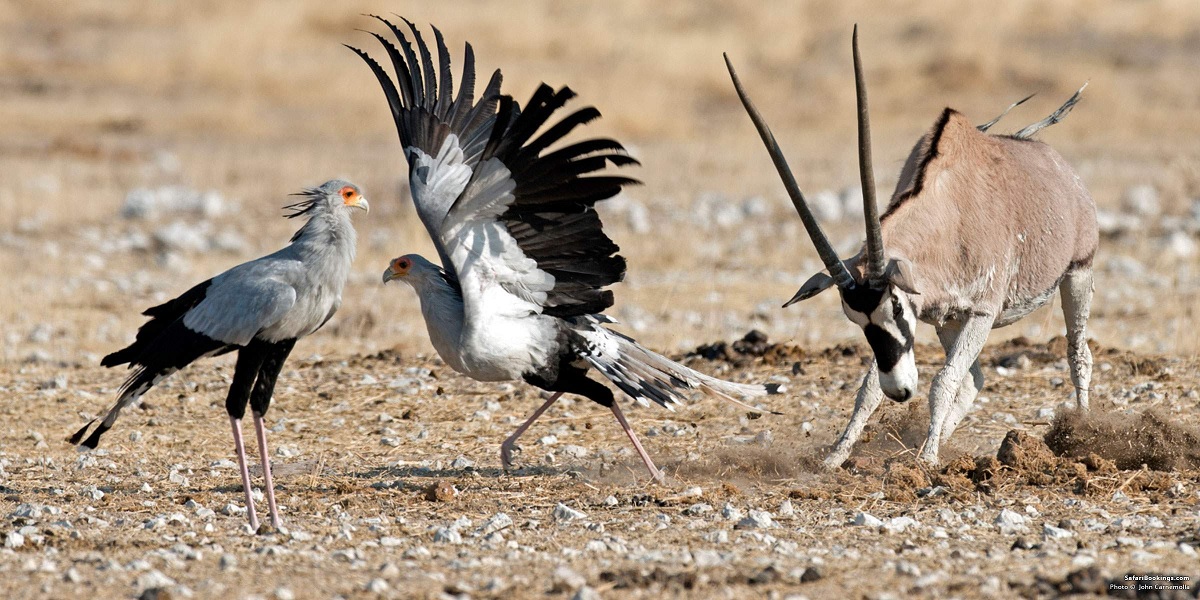
These birds are primarily terrestrial hunters, covering vast distances on foot as they search for prey such as snakes, insects, and small mammals. Their long legs provide both speed and leverage, allowing them to deliver powerful stomps when capturing prey. However, their unique anatomy and hunting style have led many to wonder about their flying capabilities.
The question of whether can secretary birds fly has intrigued bird enthusiasts and researchers alike. While they possess large wings and are capable of flight, their movements in the wild are dominated by walking and running, making flight less frequent.
Understanding the flight capabilities of secretary birds provides insight into their adaptation strategies, energy use, and survival in the African savannas where they thrive. Their combination of terrestrial and aerial abilities illustrates the versatility and specialization of this remarkable species.
Flight Capabilities Of Secretary Birds
Secretary birds are unique among raptors for their primarily terrestrial lifestyle. While known for their exceptional hunting skills on foot, they are also capable of flight. Understanding their flight capabilities sheds light on how these birds balance terrestrial hunting with aerial mobility, showcasing a remarkable adaptation to their environment.
Anatomy And Wing Structure
The flight capabilities of secretary birds are closely linked to their anatomy and wing structure. You may notice that their wings are broad and relatively long, allowing for gliding and sustained flight when necessary. Unlike many raptors that rely heavily on soaring, secretary birds use their wings primarily for short-distance flights or to navigate over obstacles.
Their long legs and slender body contribute to a low center of gravity, optimized for walking and running but less ideal for frequent flapping flight. Despite this, their strong wing muscles and broad feathers enable them to lift off when escaping predators, relocating territory, or reaching nesting sites. The combination of walking-adapted legs and flight-capable wings highlights their dual adaptation to both terrestrial and aerial environments.
Flight Patterns And Behavior
Flight patterns in secretary birds are distinct from those of typical raptors. You may observe that they rarely engage in continuous soaring or long-distance hunting from the air. Instead, they prefer low, gliding flights primarily to move between areas of open savanna or to roost in trees or elevated perches.
Their takeoff often involves running with wings extended to generate lift, reflecting their terrestrial emphasis. Once airborne, they glide efficiently, conserving energy while covering moderate distances. These flight behaviors are functional, supporting survival needs such as evading threats, reaching nesting sites, or patrolling territory, rather than hunting from the air like eagles or hawks.
The flight style emphasizes energy efficiency and safety, allowing secretary birds to navigate their environment without compromising their terrestrial hunting advantage.
Role In Hunting And Predation
Flight plays a secondary but important role in hunting and predation for secretary birds. You may notice that while most of their hunting occurs on the ground, flight allows them to spot prey from above or move quickly between hunting areas. Elevated positions provide better visibility, helping them detect predators and potential prey across the savanna landscape.
Occasional flights enable them to approach prey stealthily or access areas inaccessible on foot. However, their hunting strategy is overwhelmingly terrestrial, relying on speed, agility, and powerful stomps to capture snakes, insects, and small mammals. Flight complements but does not replace these ground-based techniques, demonstrating an evolutionary balance between aerial and terrestrial skills.
Flight capabilities thus enhance overall adaptability, providing an additional tool for survival without compromising their primary hunting method.
Seasonal And Environmental Influences On Flight
Environmental conditions can influence how often and how effectively secretary birds fly. You may notice that during dry seasons or in areas with sparse prey, these birds may increase flight activity to travel longer distances in search of food or suitable nesting sites.
Strong winds, open landscapes, and low vegetation facilitate gliding flights, allowing them to cover ground efficiently without expending excessive energy. Conversely, dense bush or heavy vegetation may limit flight, encouraging walking as the primary mode of travel. Seasonal changes in prey availability, weather patterns, and habitat structure all shape flight behavior, illustrating the adaptability of secretary birds to varying ecological conditions.
The integration of flight with terrestrial locomotion ensures that secretary birds maintain survival flexibility in diverse environments.
Energy Efficiency And Adaptation
The limited but strategic use of flight reflects the energy efficiency and adaptive strategies of secretary birds. You may notice that they rely on walking for most of their daily activity, reserving flight for essential tasks such as escaping predators, reaching nesting sites, or relocating to areas with higher prey density.
This dual adaptation allows them to conserve energy while maintaining mobility and safety. Their flight capabilities, though secondary to terrestrial movement, demonstrate a well-balanced evolutionary strategy, enabling secretary birds to thrive in the challenging savanna ecosystems of sub-Saharan Africa. By combining terrestrial expertise with functional flight, they occupy a unique niche among raptors.
How Often Secretary Birds Take Flight
Secretary birds are remarkable for their terrestrial hunting style, but they are also capable fliers. Understanding how often they take flight provides insight into their daily behavior, energy use, and adaptation strategies. Observing their flight patterns reveals the balance between ground-based hunting and occasional aerial mobility in their natural habitats.
Daily Flight Frequency And Patterns
Secretary birds primarily spend their days walking and hunting on the savanna floor. You may notice that flight is not a routine activity for them; instead, it is used sparingly. Most flights occur to move between hunting areas, escape predators, or reach roosting and nesting sites.
Typically, a secretary bird may take a few short flights per day, covering moderate distances to conserve energy. Long-distance flights are uncommon because walking provides an efficient way to traverse large territories while actively hunting prey. Their energy-efficient gliding technique allows them to fly when necessary without expending excessive effort, highlighting a careful balance between terrestrial and aerial mobility.
These patterns show that while secretary birds can fly well, their reliance on walking makes flight a secondary activity rather than a primary mode of movement.
Factors Influencing Flight Frequency
Several factors influence how often secretary birds take flight. You may notice that environmental conditions, such as wind strength, terrain, and prey distribution, affect flight frequency. In open habitats with sparse vegetation, they may fly more frequently to cover larger areas or reach elevated vantage points.
Predator presence is another critical factor. Flights are often triggered as an escape response when threats are detected, rather than for routine movement. Seasonal changes, such as periods of drought or low prey availability, can also increase flight frequency, as birds must traverse greater distances to find food and suitable nesting locations.
By responding strategically to environmental pressures, secretary birds minimize energy expenditure while maximizing survival, demonstrating the adaptive flexibility of their flight behavior.
Flight During Breeding And Nesting
Flight plays a more noticeable role during the breeding and nesting season. You may notice that secretary birds take short flights to access nesting sites, deliver nesting materials, or guard territories from intruders. These flights are typically brief and targeted rather than prolonged aerial excursions.
Male and female secretary birds may both fly to elevated areas or trees to check for predators or to establish visibility over their nesting territory. While hunting remains ground-focused, flight becomes an important tool for ensuring reproductive success, territorial maintenance, and chick safety. The selective use of flight during this period reflects the practical integration of aerial and terrestrial abilities.
These behaviors highlight that flight is strategically employed to complement their primary terrestrial lifestyle rather than replace it.
Energy Conservation And Terrestrial Preference
Energy efficiency is a key reason why secretary birds take flight infrequently. You may notice that their long legs and walking adaptations allow them to hunt effectively on foot, reducing the need for frequent aerial travel. Flight, while useful, requires more energy than walking, especially given their relatively large body size and wing span.
By prioritizing terrestrial movement and reserving flight for essential tasks, secretary birds conserve energy for hunting and survival. This preference underscores an evolutionary adaptation that favors ground mobility while maintaining the flexibility to fly when necessary.
Observational Insights And Behavioral Studies
Long-term observations in the wild confirm that secretary birds are predominantly ground-based, with flights occurring only a few times each day under specific conditions. You may notice that these birds adjust their flight frequency based on prey availability, territory size, predator density, and habitat structure.
Behavioral studies indicate that occasional flights serve critical functions, such as relocation, predator avoidance, and nesting support, rather than daily transportation or hunting. These insights reveal how secretary birds integrate flight selectively into their daily routines, demonstrating a well-balanced approach to energy expenditure, survival, and ecological adaptation.
Flight Patterns And Techniques
Secretary birds possess a unique combination of terrestrial and aerial skills, and their flight patterns and techniques reflect this dual adaptation. While they are primarily ground hunters, understanding how they fly provides insight into their mobility, energy efficiency, and survival strategies in the African savannas.
Takeoff And Landing Mechanics
The takeoff of secretary birds is distinctive due to their terrestrial hunting lifestyle. You may notice that they often begin by running with wings partially extended to generate lift, using their long legs to push off the ground. This running-assisted takeoff is efficient for launching a large-bodied bird without expending excessive wing energy.
Landing also requires coordination. Their long legs act as shock absorbers, allowing smooth and controlled contact with the ground. Unlike raptors that soar and swoop to land, secretary birds tend to glide gently onto open ground or low perches, emphasizing stability over speed. This takeoff and landing method reflects their primary adaptation for walking while retaining functional flight abilities for survival and territorial navigation.
Gliding And Low-Level Flight
Gliding is a common flight technique for secretary birds. You may observe them using extended wings to maintain altitude with minimal flapping, especially when moving between hunting areas or scanning for prey. Low-level gliding allows birds to conserve energy while still achieving mobility over longer distances than walking alone.
These glides are usually short and deliberate, often not exceeding a few hundred meters. The technique is particularly effective in open savanna habitats, where trees or elevated structures provide occasional resting or vantage points. Gliding supports their survival strategy by combining energy efficiency with the ability to quickly relocate when necessary.
Aerial Surveillance And Hunting Support
Although secretary birds hunt primarily on the ground, flight assists in surveillance. You may notice birds taking short flights to gain a higher vantage point, helping them spot prey, detect predators, or monitor territory. This elevated perspective complements their terrestrial hunting style by providing visual information over a wider area.
During these flights, they rarely dive or swoop like other raptors; instead, they maintain steady, controlled flight to scan the landscape. This technique reflects the functional integration of flight into a ground-based hunting strategy, enabling birds to combine aerial awareness with terrestrial efficiency.
Environmental Adaptation Of Flight Techniques
Environmental factors significantly influence the flight patterns and techniques of secretary birds. You may notice that wind, vegetation density, and terrain shape how and when they fly. Open savannas facilitate low gliding, while dense bush or uneven terrain limits aerial movement, encouraging walking.
Seasonal changes, such as droughts or food scarcity, can prompt longer flights to locate resources. These adaptations demonstrate behavioral flexibility, allowing secretary birds to balance the energy costs of flight with the practical benefits of mobility, surveillance, and territory maintenance.
Integration With Terrestrial Lifestyle
Flight patterns and techniques are closely integrated with the secretary bird’s terrestrial lifestyle. You may observe that they reserve flight for strategic purposes—predator avoidance, relocation, and nest access—while spending most of the day walking and hunting on foot.
This integration highlights a highly specialized adaptation: the ability to combine ground and aerial skills effectively. By using flight selectively, secretary birds maintain energy efficiency, expand their observational reach, and enhance survival in their diverse and sometimes challenging habitats.
Limitations And Challenges In Flight
While secretary birds are capable fliers, their anatomy and lifestyle impose certain limitations and challenges. Understanding these constraints provides insight into why these birds rely heavily on terrestrial locomotion and how their flight behavior has adapted to meet ecological demands.
Anatomical Constraints
The anatomy of secretary birds presents inherent challenges to sustained flight. You may notice that their long, muscular legs are optimized for walking and stomping prey, but they create a high center of gravity that can make long-distance or agile flight more difficult. Their wings are broad but relatively short compared to other raptors, limiting lift efficiency for continuous soaring.
These anatomical features mean that while secretary birds can take off, glide, and land effectively, prolonged flight requires considerable energy. Their skeletal and muscular structure favors terrestrial mobility over aerial dominance, making walking and running the primary modes of movement. Understanding these anatomical constraints highlights the balance between their specialized hunting abilities and their limited flight efficiency.
Energy Demands And Flight Duration
Energy consumption is another limitation for secretary birds in flight. You may notice that their large body size combined with their leg-heavy musculature requires significant effort to maintain altitude and speed. Consequently, they rarely engage in long or frequent flights, instead relying on gliding and short bursts of wing-assisted movement.
Extended flights can be exhausting, particularly when carrying prey or navigating windy conditions. This high energy cost reinforces their preference for walking as the main form of locomotion. By conserving energy through terrestrial hunting and selective flight, secretary birds maintain stamina for foraging, predator avoidance, and territorial defense.
Environmental Challenges
Environmental factors also impose challenges on flight. You may notice that dense vegetation, uneven terrain, and high temperatures can restrict aerial mobility, forcing birds to rely on walking for most activities. Wind patterns can aid gliding but also present obstacles during takeoff or landing.
In savanna habitats, limited elevated perches and tree cover make flight primarily a functional tool rather than a primary hunting method. Secretary birds must adapt to these environmental constraints, using flight strategically for territory movement, predator evasion, or nest access, rather than as a routine form of travel.
Predation And Safety Considerations
Flight limitations can influence predator interactions. You may observe that secretary birds’ slower takeoff and short-duration flight make them vulnerable to aerial predators during escape attempts. Their reliance on running to evade threats is a direct consequence of these limitations.
By understanding their constraints, secretary birds develop behavioral strategies that minimize risk, such as walking in open areas to detect threats early and reserving flight for urgent situations. These adaptations demonstrate the interplay between physical limitations and survival strategies.
Behavioral Adaptations To Overcome Flight Challenges
Despite these challenges, secretary birds exhibit adaptations that allow effective use of flight when necessary. You may notice running-assisted takeoffs, gliding to conserve energy, and short, targeted flights for nest access or territory movement.
By integrating flight selectively with their primary terrestrial lifestyle, they overcome many challenges associated with anatomy, energy demands, and environmental pressures. These strategies highlight the evolutionary balance that allows secretary birds to thrive as both hunters on foot and capable—but limited—fliers.
Hunting Behavior On The Ground Vs. In The Air
Secretary birds are exceptional hunters, combining unique terrestrial skills with occasional aerial observation. Comparing hunting behavior on the ground versus in the air reveals how their adaptations maximize efficiency and survival. Their dual approach illustrates the balance between energy conservation, prey capture, and predator awareness in their African savanna habitats.
Ground-Based Hunting Techniques
The primary hunting strategy of secretary birds occurs on the ground. You may notice them walking steadily through grasslands, scanning for prey such as snakes, insects, and small mammals. Their long legs allow rapid movement and powerful stomps, which are critical for subduing dangerous prey like venomous snakes.
Ground hunting involves stealth, speed, and precision. Birds rely on keen eyesight to detect motion and carefully approach their target before delivering a series of strong stomps to immobilize or kill it. This technique reduces injury risk and ensures successful capture without relying on aerial attacks. The combination of visual acuity, leg strength, and tactical movement makes ground hunting highly effective and energy-efficient, which is why secretary birds rarely depend on flying to hunt.
Aerial Observation And Support
Flight plays a supportive rather than primary role in hunting. You may observe secretary birds taking short flights or gliding low over the terrain to locate prey or monitor larger areas for potential threats. Elevated vantage points provide a broader perspective, helping them identify prey concentrations and avoid predators.
Unlike raptors that dive from the sky to capture prey, secretary birds rarely strike from above. Instead, flight is a tool for reconnaissance, enabling birds to plan ground-based attacks more effectively. This aerial support complements their walking-hunting strategy, allowing efficient energy use while enhancing situational awareness.
Comparison Of Efficiency And Energy Use
Ground hunting is far more energy-efficient than hunting from the air. You may notice that stalking and stomping prey requires less energy than sustained flight, especially given the bird’s large body and wing structure. Walking allows continuous observation and engagement with prey without the high caloric cost associated with flapping or gliding for long periods.
Aerial techniques, while useful for spotting prey, are typically short in duration and reserved for specific situations, such as surveying territory or moving between hunting areas. This selective use of flight demonstrates an evolutionary adaptation that prioritizes energy efficiency while maintaining flexibility in hunting strategies.
Adaptation To Habitat And Prey Behavior
Secretary birds’ hunting behavior reflects adaptation to both habitat and prey. You may notice that ground-based hunting suits open savannas, where grass height allows visibility but requires careful approach. Flight is less suited for direct attacks but valuable for monitoring large territories or detecting potential threats in open landscapes.
The combination of terrestrial precision and aerial reconnaissance provides an effective balance. Ground hunting ensures high capture success and safety, while flight enhances environmental awareness. This dual approach allows secretary birds to thrive in their ecosystems, demonstrating the adaptive synergy between walking and flying in their hunting strategy.
FAQs
Can Secretary Birds Fly At All?
Yes, secretary birds can fly, but they do so differently from many other birds of prey. Their large wings allow them to take flight when necessary, but they usually prefer to stay on the ground due to their long legs and hunting style.
You may notice that secretary birds use flight primarily to travel longer distances, escape predators, or reach roosting areas. While they are capable of sustained flight, it is less frequent compared to their terrestrial movement. Observing them on the ground highlights their unique combination of walking and occasional flying.
How High Can Secretary Birds Fly?
Secretary birds typically fly at moderate altitudes, often low to the ground. They are not built for high-altitude soaring like eagles or hawks, so their flights are generally closer to the landscape.
You may see them lifting off trees or low hills, gliding short distances to conserve energy. This lower flight pattern suits their hunting style, allowing them to spot prey on the ground while avoiding prolonged energy expenditure. Their height in flight is sufficient for safe travel and observation.
Why Do Secretary Birds Prefer Walking Over Flying?
Secretary birds prefer walking because their long legs make them highly efficient hunters on the ground. Walking allows them to stomp and chase prey such as snakes, insects, and small mammals with precision.
Flight is energy-intensive for secretary birds due to their size and leg length. You will notice them using wings mainly for short bursts or gliding to conserve energy. Their walking behavior also helps them scan the terrain for prey while maintaining control over their hunting territory.
How Often Do Secretary Birds Take Flight?
Secretary birds take flight occasionally rather than frequently. They usually walk for hunting and only fly when necessary, such as escaping danger or moving between feeding areas.
You might observe them spreading their wings to glide short distances or to reach trees and other elevated roosting spots. Flight is not a constant behavior in secretary birds, so spotting them flying is relatively rare and often tied to specific needs rather than daily activity.
Are Secretary Birds Good Fliers Compared To Other Birds?
Secretary birds are capable fliers, but they are not as agile or long-distance oriented as many raptors. Their long legs and terrestrial hunting preference make them more specialized for ground movement than aerial maneuvers.
You can see that their flight is functional rather than elegant. They use it primarily to traverse areas safely, escape predators, or reach roosting sites. While not poor fliers, they are considered moderate flyers adapted to a lifestyle that balances walking and occasional flight.
Can Secretary Birds Hunt While Flying?
Secretary birds rarely hunt while flying. Their hunting strategy is almost entirely terrestrial, using their long legs to stomp and catch prey on the ground.
Flight may assist in approaching a hunting area or escaping threats, but it is not used to capture prey. Observing their hunting behavior demonstrates that their strength lies in ground-based agility and precision rather than aerial attacks, making them unique among birds of prey.
Final Thoughts
Secretary birds are fascinating for their unique combination of terrestrial and aerial abilities. Observing their behavior in the wild reveals that while they are primarily ground hunters, they retain functional flight capabilities that support survival, territory management, and predator avoidance. Their long legs, broad wings, and specialized takeoff techniques allow them to glide and cover moderate distances when necessary.
Addressing the question can secretary birds fly, the answer is yes, but their flight is selective rather than frequent. They use flight strategically for relocation, surveillance, and accessing nesting sites, rather than for routine hunting. Ground-based hunting remains their dominant mode of foraging, reflecting an energy-efficient adaptation to the open savanna environment.
Understanding the flight capabilities of secretary birds highlights the balance between energy conservation, mobility, and survival strategies. Their ability to combine walking, running, and occasional flight demonstrates remarkable adaptability and makes them one of the most unique raptors in the animal kingdom.