What Birds Eat Slugs: Natural Pest Controllers for Your Garden
Slugs can be a persistent problem in gardens, damaging plants and vegetables with their feeding habits. Understanding which natural predators help control slug populations can make a big difference for gardeners and wildlife enthusiasts alike. Birds play an important role in this process, as many species actively seek out slugs as a nutritious food source.
Learning what birds eat slugs helps you identify the species that can naturally keep these pests in check. Observing their feeding habits not only provides insight into local ecosystems but also highlights the benefits of encouraging bird activity in your garden. By attracting slug-eating birds, you can reduce the need for chemical controls and create a more balanced, healthy environment. Understanding their diets and behaviors allows you to support these helpful birds while managing slug populations effectively.
Common Birds That Eat Slugs
Birds play a vital role in controlling slug populations in gardens and natural environments. Several bird species actively seek out slugs as part of their diet, helping to maintain ecological balance. Understanding which birds feed on slugs allows gardeners and wildlife enthusiasts to encourage these natural predators, promoting healthier plants and a more sustainable ecosystem.
Blackbirds
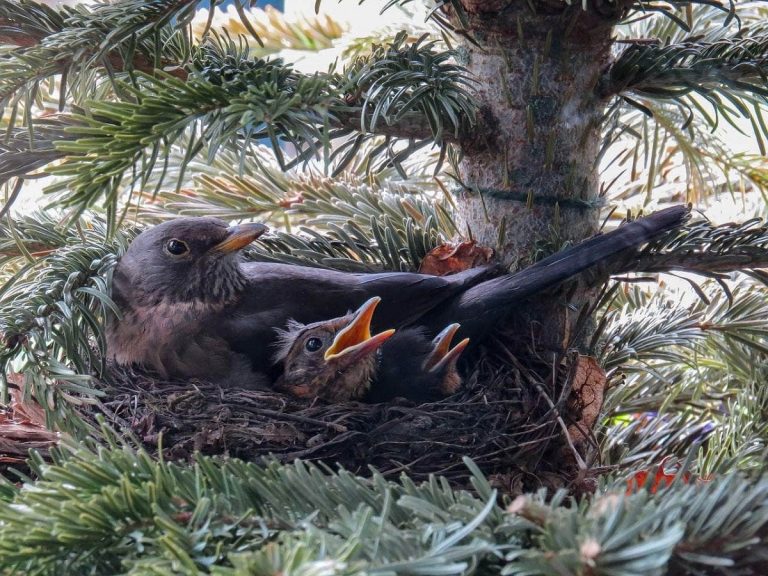
Blackbirds are among the most common slug-eating birds. They forage on the ground, often during early morning or late evening when slugs are most active. Their keen eyesight allows them to detect movement in leaf litter and moist soil, where slugs typically hide.
These birds are omnivorous, feeding on insects, worms, fruits, and seeds, but slugs provide a rich source of protein, especially during the breeding season. Blackbirds use their strong beaks to pick up and consume slugs efficiently. Encouraging blackbirds in your garden by providing shrubs, hedges, and water sources can increase their presence, helping control slug populations naturally. Observing their foraging behavior also provides insight into how they contribute to pest management.
Song Thrushes
Song thrushes are another notable slug predator. They are well-known for their unique feeding method, often using stones to break the shells of snails and consume soft-bodied slugs. Song thrushes actively search moist areas, gardens, and lawns where slugs are plentiful.
These birds prefer small invertebrates, including slugs, worms, and insects. By consuming slugs, song thrushes help reduce damage to plants and seedlings. Providing natural cover, such as dense shrubs and leaf litter, encourages song thrushes to inhabit your garden, enhancing their role as natural pest controllers. Their feeding habits also contribute to soil health by promoting aeration and nutrient cycling.
Robins
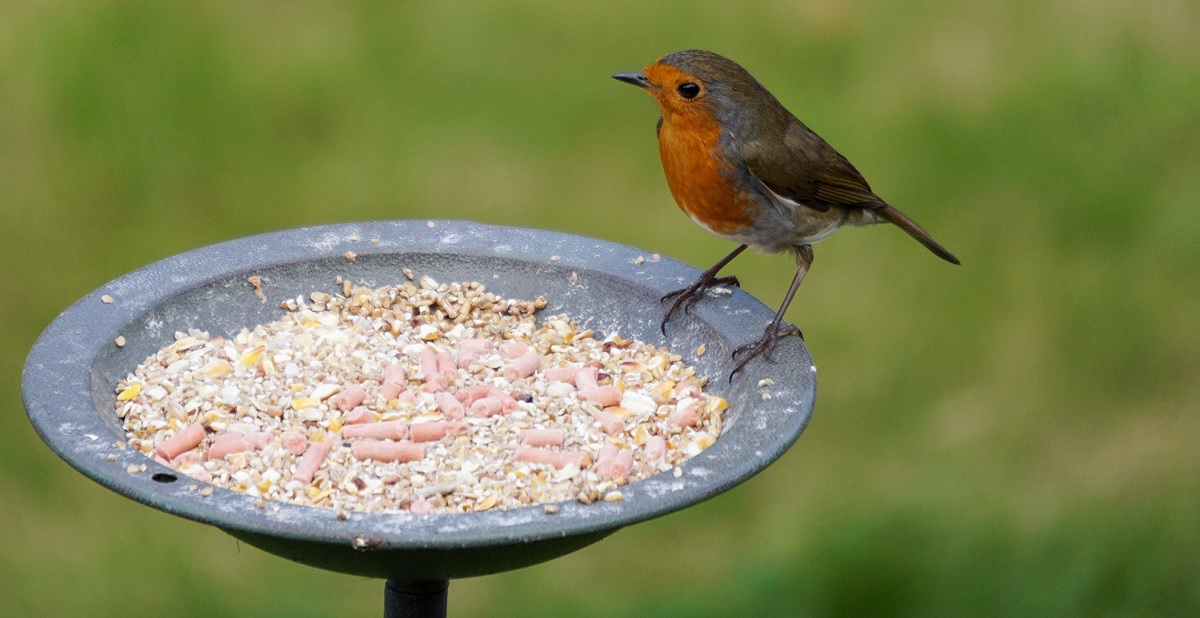
Robins are agile and opportunistic feeders that frequently consume slugs alongside other invertebrates. They typically hunt on the ground, hopping through lawns, garden beds, and hedgerows in search of worms, insects, and slugs.
Slugs offer a high-protein food source for robins, particularly during the breeding season when adults need extra energy to feed their chicks. Robins use their sharp eyesight and quick reflexes to catch slugs efficiently. Planting native shrubs and maintaining moist soil conditions attract robins, supporting both their dietary needs and your garden’s slug management efforts. Observing robins can also provide enjoyment and encourage continued wildlife-friendly gardening practices.
Starlings
Starlings are highly adaptable birds that feed on a variety of invertebrates, including slugs. They are known for their energetic foraging behavior, probing soil and leaf litter to uncover hidden prey. Starlings consume slugs as part of a broader diet that includes insects, worms, seeds, and fruits.
By controlling slug populations, starlings help reduce plant damage and support garden health. Their presence can be encouraged by providing bird feeders, open spaces, and nesting boxes. These birds are social, often foraging in groups, which increases their effectiveness in reducing slugs across larger areas. Their adaptability makes them valuable natural allies in integrated pest management.
Wrens and Hedge Sparrows
Smaller bird species like wrens and hedge sparrows also consume slugs. They primarily forage close to the ground, exploring dense vegetation, leaf litter, and undergrowth where slugs hide during the day. Despite their size, these birds contribute significantly to controlling slug numbers.
Wrens and hedge sparrows have high metabolic rates, so slugs provide an important source of protein and energy. Encouraging these birds involves creating a wildlife-friendly garden with shrubs, hedges, and safe nesting sites. Their active foraging behavior ensures that even less visible areas of your garden are patrolled for slugs, complementing the efforts of larger birds and supporting a balanced ecosystem.
Benefits of Birds Eating Slugs
Birds that feed on slugs provide numerous advantages for gardeners, homeowners, and natural ecosystems. By naturally controlling slug populations, they reduce the need for chemical pest management and help maintain a healthy balance between flora and fauna. Observing and supporting slug-eating birds also promotes biodiversity and contributes to the overall well-being of local wildlife.
Natural Pest Control
One of the primary benefits of birds eating slugs is natural pest control. Slugs can damage leaves, seedlings, and crops, causing significant harm to gardens and agricultural areas. Birds, such as blackbirds, robins, and song thrushes, actively hunt and consume slugs, keeping their numbers in check.
This natural predation reduces the reliance on chemical pesticides, which can harm beneficial insects and the surrounding environment. By encouraging birds in your garden, you create a self-sustaining system where predators help regulate pests, protecting plants while maintaining a healthy, balanced ecosystem. This approach is safer for pets, humans, and the wider environment.
Enhanced Garden Health
Birds that feed on slugs contribute indirectly to improved garden health. As they forage, they disturb the soil and leaf litter, promoting aeration and nutrient cycling. This activity enhances soil structure, benefiting plant growth and root development.
Additionally, by reducing slug populations, birds prevent extensive plant damage, ensuring leaves and seedlings remain healthy. The reduction in pest-related stress allows plants to grow more vigorously, improving flowering, fruiting, and overall productivity. A garden with natural predators often requires less intervention, fostering a more resilient and sustainable environment.
Supporting Local Biodiversity
Encouraging slug-eating birds enhances local biodiversity by providing food sources for various species and supporting natural predator-prey relationships. Birds play a crucial role in ecosystems by controlling invertebrate populations, dispersing seeds, and contributing to pollination in some cases.
A diverse bird population strengthens ecological stability and resilience. By attracting birds that consume slugs, you create an environment where multiple species coexist and contribute to natural balance. This biodiversity also benefits other wildlife, such as beneficial insects and small mammals, further enhancing the health of your garden ecosystem.
Cost and Labor Savings
Allowing birds to control slug populations can save gardeners time, effort, and money. Fewer slugs mean less need for manual removal, slug traps, or chemical treatments. This reduces the overall cost of maintaining a garden and decreases exposure to potentially harmful pesticides.
Additionally, monitoring and supporting natural predators like birds requires minimal effort compared to ongoing pest control measures. By creating bird-friendly habitats with food, water, and shelter, you encourage natural pest management that works continuously, providing long-term benefits with limited maintenance.
Educational and Recreational Benefits
Observing birds feeding on slugs offers educational and recreational advantages. Watching their foraging behavior provides insight into natural ecosystems and predator-prey interactions. It can be a relaxing and engaging activity, fostering a connection to nature for both adults and children.
These observations also encourage wildlife-friendly gardening practices, inspiring people to create habitats that support native birds and insects. By understanding the benefits of birds eating slugs, you gain a deeper appreciation for the natural processes that maintain garden health and ecosystem balance.
Attracting Slug-Eating Birds
Encouraging slug-eating birds to visit your garden provides natural pest control and supports local wildlife. By creating a welcoming environment, you can increase the presence of beneficial birds that help manage slug populations. Strategic planting, habitat creation, and providing essential resources all play a role in attracting these helpful species and enhancing the health of your garden ecosystem.
Providing Food Sources
Offering food sources is a key strategy for attracting slug-eating birds. While birds naturally hunt slugs, supplemental feeding can draw them to your garden and increase their foraging activity. Seeds, mealworms, and suet provide additional nutrition, especially during colder months or when natural prey is scarce.
Planting native shrubs, flowering plants, and ground cover also encourages insects and other invertebrates that complement a bird’s diet. This creates a diverse food web that supports healthy bird populations. Ensuring birds have access to both natural and supplemental food sources increases the likelihood they will stay in your garden and help control slug populations consistently.
Creating Shelter and Nesting Areas
Birds are more likely to frequent gardens that offer safe shelter and nesting opportunities. Dense shrubs, hedges, and small trees provide protection from predators and harsh weather. Nesting boxes or birdhouses can also encourage breeding pairs to settle nearby, increasing long-term presence.
Providing multiple layers of cover allows birds to forage safely while reducing stress. Leaf litter and ground cover are particularly important for species that hunt slugs on the soil surface. A garden with well-designed shelter options gives slug-eating birds a secure environment where they can thrive and perform their natural pest-control role effectively.
Water Sources
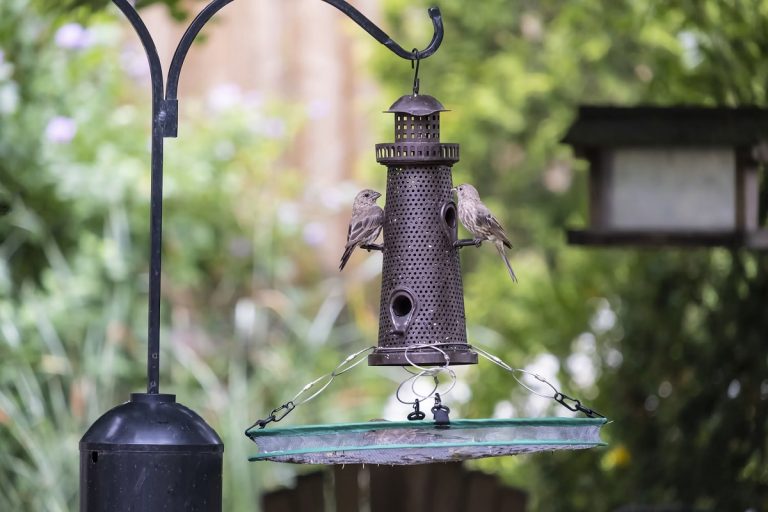
Access to fresh water is essential for attracting birds. Shallow birdbaths, small ponds, or water dishes provide hydration and opportunities for bathing, which is critical for feather maintenance. Birds are more likely to visit and remain in gardens that offer consistent water availability.
Ensure that water sources are clean, replenished regularly, and positioned to minimize the risk of predation. Incorporating moving water, like a small fountain, can attract more birds by providing sound cues and keeping water fresh. Proper water access encourages frequent visits from slug-eating birds, supporting both their health and their pest-control activities.
Minimizing Disturbances
Minimizing disturbances is crucial for attracting and retaining birds. Avoid placing cages, feeding stations, or nesting boxes in high-traffic or noisy areas. Sudden movements, loud sounds, and domestic pets can scare birds away and reduce their willingness to forage in your garden.
By creating calm, consistent spaces for feeding, shelter, and water, you provide a safe environment where birds can comfortably hunt slugs. Observing their behavior from a distance and maintaining quiet areas encourages natural foraging, helping your garden benefit from their pest-control services while keeping the birds stress-free.
Feeding Behavior and Preferences
Understanding the feeding behavior and preferences of birds that eat slugs is essential for supporting their role in natural pest control. Different species have unique foraging techniques, dietary needs, and hunting patterns that influence how effectively they consume slugs. Observing these behaviors helps gardeners create environments that encourage healthy populations of beneficial birds.
Foraging Techniques
Birds employ a variety of foraging techniques to locate and capture slugs. Ground-feeding birds like blackbirds and robins use their keen eyesight to detect movement in leaf litter and soil. They often hop or scratch the ground to uncover hidden prey, targeting moist areas where slugs are most active.
Song thrushes use an interesting method, sometimes striking snails and slugs against stones to break through protective shells or slime coatings. These natural techniques are highly effective and reduce the need for chemical pest control. By providing an environment rich in ground cover, leaf litter, and soft soil, you encourage birds to forage actively and increase slug predation in your garden.
Dietary Preferences
While slugs are a valuable protein source, many birds consume them alongside a varied diet of insects, worms, fruits, and seeds. Blackbirds, robins, and starlings are opportunistic feeders, balancing slug consumption with other available foods. Offering supplemental foods like mealworms or seeds can attract birds and sustain them when natural prey is scarce.
Understanding dietary preferences ensures that gardens provide resources beyond slugs, supporting bird health and encouraging consistent foraging. A diverse diet not only benefits the birds but also enhances the overall ecosystem by promoting the presence of multiple predator species that help control pests.
Seasonal Feeding Patterns
Feeding behavior can vary with the seasons. During spring and summer, birds consume more protein-rich foods like slugs and insects to support breeding and chick development. In colder months, they may shift focus toward seeds and fruits when slugs are less abundant.
Providing year-round food sources, such as native shrubs, fruit-bearing plants, and bird feeders, helps maintain bird populations and encourages regular foraging. Seasonal awareness allows gardeners to adjust habitats and food offerings, ensuring birds continue their pest-control activities regardless of changing environmental conditions.
Behavioral Observations
Observing how birds interact with slugs and their environment provides valuable insight into their preferences. Some birds prefer open spaces for hunting, while others forage under dense cover or near water sources. Watching these patterns helps you understand which areas of your garden are most effective for attracting slug-eating birds.
Behavioral observation also highlights the importance of safe, undisturbed spaces. Birds are more likely to feed effectively in environments where they feel secure, free from predators and excessive human activity. Adapting garden layouts to accommodate these preferences maximizes the impact of natural pest control.
Encouraging Healthy Feeding
Encouraging healthy feeding habits involves creating a garden environment that meets the needs of slug-eating birds. Provide ground cover, leaf litter, and safe foraging areas while supplementing with seeds and water sources.
By understanding feeding behavior and preferences, you support bird health and enhance their effectiveness in controlling slugs. Creating a diverse, bird-friendly habitat ensures both natural pest management and a thriving garden ecosystem.
FAQs
What Birds Commonly Eat Slugs?
Several bird species actively feed on slugs, helping to control pest populations in gardens. Common examples include blackbirds, robins, song thrushes, starlings, wrens, and hedge sparrows. These birds forage on the ground, searching leaf litter, soil, and damp areas where slugs are most active.
By encouraging these species in your garden, you can naturally reduce slug numbers. Observing their foraging behavior also provides insight into how they contribute to maintaining ecological balance. Providing suitable habitat, food, and water helps attract these natural predators to your outdoor spaces.
How Do Birds Find And Eat Slugs?
Birds use keen eyesight and movement detection to locate slugs hiding under leaves, mulch, or soil. Ground-foraging species like blackbirds and robins hop, scratch, and probe the soil to uncover their prey. Song thrushes may even use stones to break protective shells or slime coatings.
Once located, birds consume slugs quickly, gaining protein and nutrients essential for energy and breeding. By creating bird-friendly environments with leaf litter, dense shrubs, and moist soil, you can encourage natural slug predation and reduce damage to your plants without chemical interventions.
Why Are Slugs Important In A Bird’s Diet?
Slugs provide a rich source of protein, essential for growth, energy, and reproduction. Birds, especially during the breeding season, rely on high-protein prey to feed themselves and their chicks. Slugs are soft-bodied, easy to digest, and abundant in gardens, making them an ideal food source.
Including slugs in their diet allows birds to maintain health while naturally controlling pest populations. Supporting this feeding behavior benefits both your garden, by reducing plant damage, and the birds, by providing vital nutrients that help them thrive throughout the year.
Which Bird Habits Make Them Good Slug Predators?
Birds that feed on slugs typically exhibit ground-foraging behavior, strong eyesight, and quick reflexes. Species like robins and blackbirds actively search leaf litter and soil for invertebrates, while song thrushes use tools like stones to access their prey.
Curiosity and opportunistic feeding also make certain birds more effective at controlling slugs. Observing these habits allows you to understand which species are likely to benefit your garden most and how to design environments that encourage their natural pest-control activities.
How Can I Attract Slug-Eating Birds To My Garden?
Attracting slug-eating birds involves providing food, water, and shelter. Planting native shrubs, dense hedges, and ground cover creates hiding spots for birds while allowing them to hunt safely. Bird feeders and water sources encourage regular visits, while nesting boxes support breeding pairs.
Maintaining a garden with leaf litter and soft soil also increases slug availability, attracting birds naturally. A diverse, wildlife-friendly environment ensures that these birds feel secure, can forage effectively, and contribute to natural pest management.
Do All Birds Eat Slugs Equally?
Not all birds consume slugs in the same way or frequency. Ground-foraging species like blackbirds, robins, and thrushes are the most effective predators, while smaller birds like wrens or hedge sparrows may eat fewer slugs due to size and dietary preferences.
Behavior, size, and habitat influence how birds interact with slugs. Understanding which species are more efficient allows you to focus on attracting the right birds to your garden. By creating suitable environments, you can maximize natural slug control while supporting diverse bird populations.
Conclusion
Encouraging birds in your garden can naturally help control slug populations, reducing the need for chemical interventions. By understanding which birds are most likely to feed on slugs, you can create a welcoming environment that supports both your plants and local wildlife. Birds such as thrushes, robins, and blackbirds play a crucial role in maintaining a balanced garden ecosystem.
Providing food, water, and safe shelter attracts these natural pest controllers, allowing them to thrive while performing an important ecological service. Observing their feeding behavior not only helps reduce slug damage but also offers an opportunity to enjoy the beauty and activity of birds in your garden.
Knowing [what birds eat slugs] helps gardeners make informed choices about plant placement, feeding stations, and habitat creation. By fostering a bird-friendly garden, you enhance biodiversity, protect your plants naturally, and support the health of local bird populations.