Is Vinegar Safe for Birds? Essential Tips for Pet Owners
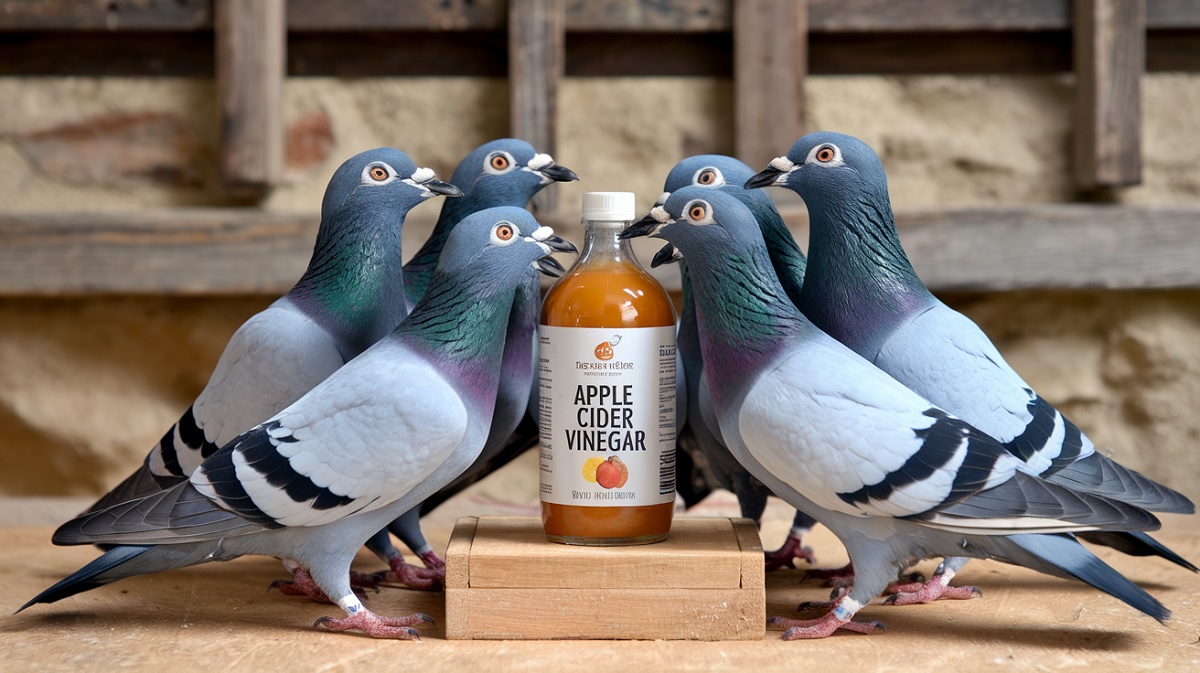
Many bird owners and enthusiasts often seek natural cleaning and pest control solutions in their homes or aviaries. Vinegar is a common household item praised for its disinfectant properties, but its use around birds requires careful consideration. Understanding the potential effects of everyday substances helps ensure a safe and healthy environment for these delicate creatures.
Birds have highly sensitive respiratory systems, which makes them more susceptible to strong fumes and chemicals than many other pets. Even seemingly harmless products can pose risks if not used appropriately. Observing bird reactions and knowing which substances are safe is essential for maintaining their well-being.
Vinegar is often used for cleaning cages, perches, and feeding areas because of its natural antibacterial and deodorizing properties. Knowing the proper application and potential hazards helps bird owners avoid unintended harm.
Exploring whether vinegar is safe for birds allows enthusiasts to make informed decisions, creating a clean and secure living space while protecting their pets’ health.
Vinegar and Its Uses Around Birds
Vinegar is a versatile household item commonly used for cleaning, deodorizing, and pest control. Its natural antibacterial properties make it appealing for bird owners seeking non-toxic alternatives to harsh chemicals. Understanding the applications, benefits, and potential risks of vinegar around birds ensures a safe environment while maintaining hygiene in cages, aviaries, and feeding areas.
Cleaning Bird Cages and Accessories
Vinegar is often used to clean bird cages, perches, and feeding dishes due to its ability to remove dirt, mineral buildup, and odors. A diluted vinegar solution, typically one part vinegar to three parts water, can be applied to surfaces to disinfect them without harsh chemicals.
Bird owners must rinse thoroughly after cleaning to remove any residual acidity, as direct exposure to concentrated vinegar can irritate birds’ sensitive skin or respiratory system. Using vinegar in moderation provides a safer alternative to chemical cleaners, maintaining hygiene while reducing potential exposure to harmful substances. Observing how your birds react to the cleaned environment ensures that the solution is safe and non-irritating.
Deodorizing and Removing Odors
Vinegar is effective at neutralizing odors in bird cages and aviaries. It can absorb unpleasant smells from droppings, spilled food, and stagnant water, creating a fresher environment for both birds and owners.
To deodorize, a small amount of vinegar diluted in water can be wiped on cage bars or sprayed lightly on non-porous surfaces. Proper ventilation is essential to prevent strong fumes from accumulating, as birds’ respiratory systems are highly sensitive. Using vinegar as a deodorizer maintains air quality while avoiding the risks associated with synthetic air fresheners and chemical sprays.
Pest Control and Deterring Insects
Some bird owners use vinegar to deter ants, fruit flies, and other insects around cages. The strong smell of vinegar acts as a natural repellent, discouraging pests without exposing birds to toxic chemicals.
A diluted solution can be placed near cage entrances or areas where insects are prevalent. Care must be taken to avoid direct contact with birds, as concentrated fumes or sprays can cause stress or respiratory irritation. Observing pest behavior and adjusting application methods ensures that vinegar is effective while maintaining the safety and comfort of your birds.
Precautions and Safety Measures
While vinegar has multiple uses, safety precautions are essential when using it around birds. Birds are highly sensitive to fumes, so strong or undiluted vinegar should never be sprayed directly near them. Proper dilution, thorough rinsing, and adequate ventilation are crucial to prevent irritation.
Using vinegar in combination with other safe cleaning practices, such as routine cage maintenance and regular water changes, enhances effectiveness while minimizing risks. Monitoring birds for signs of distress, sneezing, or unusual behavior ensures that vinegar use remains safe. By taking these measures, bird owners can harness vinegar’s benefits while protecting their pets’ health.
Vinegar offers a natural and effective solution for cleaning, deodorizing, and pest control around birds when used responsibly. Understanding proper dilution, application, and safety measures allows owners to maintain a hygienic and comfortable environment while minimizing potential risks to their feathered companions.
Safety Concerns for Birds
Maintaining a safe environment for birds is crucial, as their delicate physiology and sensitive respiratory systems make them vulnerable to numerous hazards. Understanding potential risks, from toxic substances to environmental stressors, helps bird owners prevent injury, illness, and distress. Proper awareness and proactive measures can significantly enhance the well-being and longevity of pet and aviary birds.
Respiratory Sensitivity and Fumes
Birds have highly efficient but sensitive respiratory systems, making them susceptible to fumes, smoke, and airborne chemicals. Strong cleaning agents, aerosols, scented candles, and even concentrated vinegar vapors can irritate their lungs and lead to respiratory distress or illness.
Symptoms of respiratory exposure may include sneezing, labored breathing, lethargy, and changes in vocalization. Ventilation is essential in areas where cleaning or cooking occurs, and any chemical use should be carefully monitored. Avoiding sprays or fumes directly around birds and using non-toxic, bird-safe alternatives reduces risk while maintaining a hygienic living space. Awareness of these sensitivities ensures that you create a safer environment for your feathered companions.
Toxic Foods and Substances
Birds are prone to poisoning from certain human foods, plants, and household chemicals. Substances such as avocado, chocolate, caffeine, alcohol, and certain essential oils are highly toxic to birds. Even small amounts can cause severe health issues, including organ failure and death.
Vigilance in monitoring what your birds have access to is key. Avoid placing unsafe items within reach, and ensure that cleaning products and pest control agents are bird-safe. Educating yourself about toxic substances and keeping them out of the aviary prevents accidental ingestion, promoting long-term health and safety.
Environmental Hazards and Physical Safety
Birds are also vulnerable to environmental hazards such as sharp objects, open windows, ceiling fans, and poorly designed cages. Escapes or injuries can occur quickly, leading to trauma or death.
Ensuring that cages are free of protruding wires, sharp edges, or loose components reduces physical risk. Monitoring open doors and windows, as well as keeping fans and other hazards turned off near free-flying birds, is essential. Proper perching, safe toys, and secure aviary design all contribute to reducing accidents and promoting a safe living space for birds.
Behavioral Stress and Well-Being
Stress is another significant safety concern for birds. Excessive noise, overcrowding, sudden changes in environment, or frequent handling can lead to behavioral and physiological stress responses. Chronic stress can weaken immune function, disrupt feeding, and increase susceptibility to disease.
Providing consistent routines, adequate space, and enrichment activities such as toys or foraging opportunities reduces stress. Observing changes in behavior, appetite, or vocalization helps identify early signs of stress, allowing timely interventions. Balancing social interaction with safe solitude ensures birds feel secure and supported.
Birds face a variety of safety concerns, including respiratory sensitivity, exposure to toxins, physical hazards, and stress. By understanding these risks and implementing protective measures, you create a safer, healthier environment that supports their overall well-being and longevity.
Proper Use of Vinegar Around Birds
Vinegar is a versatile and natural cleaning agent, but using it safely around birds requires careful attention. Birds are highly sensitive to fumes, and improper use of vinegar can cause irritation or respiratory issues. Understanding proper dilution, application, and safety precautions ensures that vinegar can be an effective cleaning tool without compromising your birds’ health or comfort.
Dilution and Safe Concentrations
When using vinegar around birds, always dilute it with water. A common ratio is one part vinegar to three parts water. This reduces the acidity and minimizes potential irritation to your birds’ respiratory system. Concentrated vinegar should never be sprayed near birds or allowed to pool in areas they frequent.
Diluted solutions can be safely applied to cage bars, perches, and feeding dishes. After cleaning, thoroughly rinse all surfaces to remove residual vinegar. This ensures that birds do not come into contact with strong acidic residues. Using proper dilution balances cleaning effectiveness with bird safety, allowing you to maintain hygiene without exposing them to harmful fumes or irritation.
Cleaning Techniques
Apply the diluted vinegar solution with a cloth or sponge rather than directly spraying. Wiping down surfaces carefully ensures even cleaning while minimizing airborne vapors. Focus on areas that accumulate droppings, food residue, or water deposits, which can harbor bacteria.
After cleaning, allow surfaces to air dry or rinse with fresh water. Avoid leaving damp spots that might concentrate the vinegar and produce strong odors. Using these techniques ensures a hygienic environment while keeping fumes and exposure low, protecting your birds from potential respiratory stress or discomfort.
Ventilation and Safety Precautions
Always ensure proper ventilation when using vinegar around birds. Open windows, doors, or use fans to disperse any lingering odors. Birds should not be in the room during the cleaning process to prevent inhalation of concentrated vapors.
Observing your birds for signs of distress, such as sneezing, coughing, or lethargy, is essential. If such symptoms appear, remove them from the area and provide fresh air. Using vinegar responsibly, combined with proper ventilation, ensures safe cleaning without compromising bird health.
Complementary Cleaning Practices
Vinegar can be combined with regular cage maintenance for optimal hygiene. Changing water daily, removing leftover food, and routinely wiping perches and surfaces enhances cleanliness while reducing bacteria or mold growth.
By incorporating vinegar safely into your cleaning routine, you maintain a sanitary environment without exposing birds to harmful chemicals. Following proper dilution, application, and ventilation guidelines allows you to use vinegar effectively while prioritizing your birds’ well-being.
FAQs
Is Vinegar Safe To Use Around Birds?
Vinegar can be safe for birds when used correctly, primarily as a diluted cleaning agent. Birds have highly sensitive respiratory systems, so strong fumes or concentrated vinegar can cause irritation or distress.
Using a diluted solution, typically one part vinegar to three parts water, and rinsing surfaces thoroughly ensures safety. Proper ventilation and avoiding direct spraying near birds further minimize risks. With careful handling, vinegar provides a natural, effective cleaning option without exposing your birds to harmful chemicals or strong odors.
Can Birds Ingest Vinegar Safely?
Birds should not ingest vinegar directly. While small amounts in water or food might not always cause immediate harm, concentrated vinegar can irritate their digestive tract and lead to discomfort or illness.
Avoid adding vinegar to drinking water or feeding dishes. Birds naturally receive hydration and nutrition from clean water and appropriate food sources. Ensuring vinegar is kept out of reach helps protect your birds from accidental ingestion and maintains their digestive health.
How Should Vinegar Be Diluted For Cleaning?
Proper dilution is essential when using vinegar around birds. A common and safe ratio is one part vinegar to three parts water, which reduces acidity while retaining cleaning effectiveness.
Apply the diluted solution with a cloth or sponge rather than spraying directly near birds. After cleaning, rinse surfaces with fresh water to remove any residual vinegar. This method ensures hygiene without exposing birds to harmful fumes or excessive acidity.
Can Vinegar Fumes Harm Birds?
Yes, concentrated vinegar fumes can irritate birds’ sensitive respiratory systems, potentially causing sneezing, coughing, or labored breathing. Birds are far more sensitive to fumes than mammals.
To minimize risk, use diluted vinegar solutions and maintain proper ventilation during cleaning. Keeping birds out of the room until fumes dissipate ensures safety. Monitoring their behavior after cleaning helps detect any signs of discomfort early.
Is Vinegar Effective For Cleaning Bird Cages?
Vinegar is an effective and natural cleaning agent for bird cages, perches, and feeding areas. Its antibacterial and deodorizing properties help remove buildup and odors safely when used properly.
Regular cleaning with a diluted vinegar solution reduces bacteria, mold, and unpleasant smells. Pairing vinegar use with routine cage maintenance, such as daily water changes and food removal, ensures a hygienic and healthy environment for your birds without relying on harsh chemicals.
Can Vinegar Be Used For Pest Control Around Birds?
Vinegar can act as a mild deterrent for insects like ants or fruit flies near bird cages. Its strong scent discourages pests without exposing birds to toxic chemicals.
Apply a diluted solution around cage perimeters or problem areas, avoiding direct contact with birds. Proper ventilation is essential to prevent respiratory irritation. Using vinegar responsibly provides a safe, natural method for pest control while maintaining a comfortable environment for your feathered pets.
Conclusion
Using household products around pet birds requires careful consideration to ensure their safety and well-being. Birds have highly sensitive respiratory systems and delicate skin, which makes them vulnerable to strong chemicals and acidic substances. Understanding how certain products interact with their environment is essential for any responsible bird owner.
Vinegar, while commonly used as a natural cleaner, must be handled with caution. Even diluted, direct exposure to birds can cause irritation or health issues. Observing your birds for any unusual behavior or physical symptoms can help prevent serious problems. Educating yourself about safe cleaning practices ensures that your birds remain healthy while your living spaces stay clean.
By taking informed precautions, you can maintain a safe environment for your feathered companions. Knowing the proper ways to use vinegar and being aware of potential risks helps answer the important question of is vinegar safe for birds while protecting their health and comfort.