How To Keep Birds Off Window Ledges – Effective Tips For A Bird-Free View
Birds add beauty to our surroundings, but their presence on window ledges can create challenges. Droppings, noise, and potential damage to window frames or sills are common concerns for homeowners. Keeping birds away from these areas ensures a cleaner, safer, and more pleasant living environment.
Many people struggle to find humane and effective ways to deter birds from landing or nesting on window ledges. Traditional methods like nets, spikes, or reflective objects are often used, but understanding bird behavior and habits can make deterrence more successful.
The question of how to keep birds off window ledges arises frequently among those who want to protect their property without harming the birds. By using thoughtful techniques that address both comfort and safety, you can manage the problem effectively.
Learning about bird deterrence not only protects your home but also encourages coexistence in a way that respects wildlife. A combination of practical solutions and behavioral awareness often leads to the best results.
Why Birds Are Attracted To Window Ledges
Window ledges often seem like an unusual attraction for birds, yet many species frequently land or perch on them. Understanding why birds are drawn to these areas is key to managing and deterring them effectively. Their behavior is influenced by safety, food, reflection, and environmental conditions. Recognizing these factors allows you to implement humane and targeted solutions.
Safety And Perching Opportunities
Birds are naturally drawn to elevated surfaces where they feel safe from predators. Window ledges provide a convenient perch that offers a clear view of the surrounding area, allowing birds to monitor for potential threats while resting. Small songbirds and sparrows often use ledges as temporary resting spots during flight or foraging.
The ledge’s elevation also provides protection from ground-based predators such as cats or rodents. Even brief pauses on a ledge give birds a sense of security and allow them to conserve energy. This instinctual behavior makes window ledges appealing spots, especially in urban or suburban areas where natural perching locations may be limited. Understanding this safety-seeking tendency is essential when considering deterrent strategies.
Reflections And Confusing Images
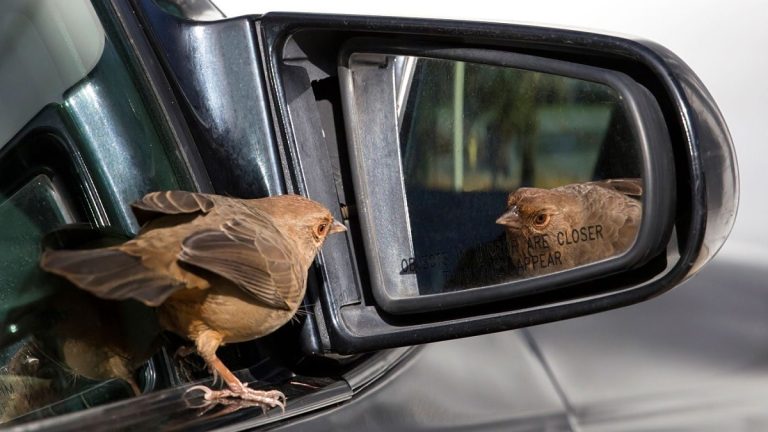
Reflections on glass can attract birds because they often mistake them for open sky or additional habitat. A tree, shrub, or sky reflected on a window may appear as a safe landing or foraging area. This phenomenon explains why birds repeatedly attempt to land or interact with windows despite repeated deterrence.
He or she may fly toward the reflection, believing it to be part of their environment. This can lead to collisions or repeated visits to the ledge. Recognizing that reflections play a role in attraction helps homeowners consider solutions such as decals, films, or other visual barriers that break up the reflected image, making the ledge less enticing.
Food Sources And Foraging Behavior
Window ledges sometimes offer food opportunities, either intentionally or unintentionally. Birds may find insects, crumbs, or seeds near the ledge, making it a convenient foraging spot. He or she may also associate human activity with feeding, especially in areas where people habitually leave out bird food or crumbs.
This foraging instinct drives repeated visits, particularly for species that rely on opportunistic feeding. Maintaining cleanliness and avoiding leaving food near windows reduces attraction and helps guide birds to safer, more natural feeding areas. Understanding the role of food availability explains why ledges can become consistent gathering points for birds.
Shelter And Nesting Considerations
Birds may also perceive window ledges as potential shelter or nesting sites. He or she may consider the ledge a protected niche that offers cover from wind, rain, or predators. In some cases, ledges located near plants or other structures are even more attractive as semi-sheltered spots.
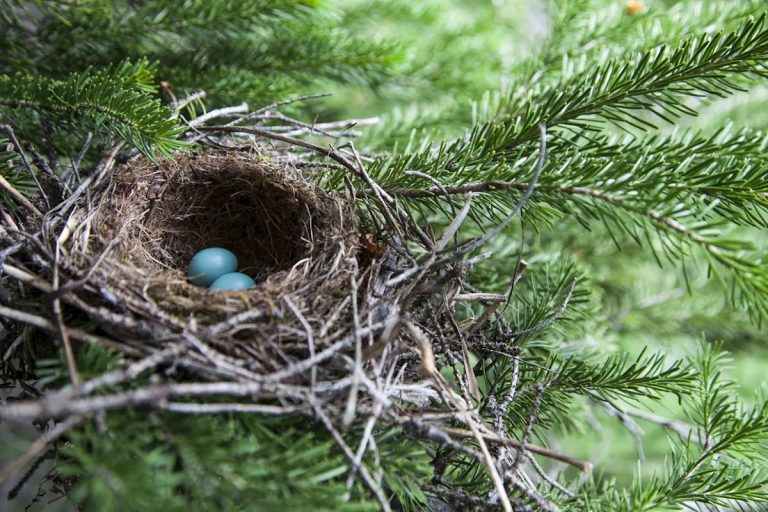
During breeding seasons, ledges may be targeted for nesting attempts, as the birds search for elevated, secure areas to lay eggs. Recognizing this behavior is essential for homeowners who want to prevent nesting while encouraging safe spaces elsewhere. Solutions should focus on deterring birds from settling without causing harm, addressing the instinctual appeal of window ledges.
Physical Barriers To Deter Birds
Using physical barriers is one of the most effective ways to prevent birds from landing or nesting on window ledges. These barriers create a tangible obstruction that birds cannot easily bypass, ensuring that your home remains clean and safe. Combining different types of barriers with proper placement can deter a variety of bird species effectively while being humane and low-maintenance.
Window Spikes And Anti-Perch Devices
Window spikes, also called anti-perch strips, are designed to make ledges uncomfortable or impossible for birds to land on. He or she may encounter these thin, pointed strips on window sills, balconies, or rooftops, which act as a simple yet effective deterrent. These devices do not harm birds but prevent them from settling comfortably.
Spikes are particularly useful for larger birds like pigeons or crows that need stable perching surfaces. Installation is usually straightforward and can be adjusted to cover different lengths of ledges. Anti-perch devices are durable, weather-resistant, and require minimal maintenance, making them a long-term solution. By creating a physical barrier, you can discourage repeated visits without causing injury or stress to the birds.
Netting And Mesh Barriers
Bird netting or mesh is another effective physical barrier that prevents access to ledges, balconies, or other outdoor areas. Netting forms a protective enclosure that stops birds from reaching surfaces they might otherwise land on. He or she may attempt to approach, but the net acts as a visible obstruction that discourages persistent attempts.
Netting is versatile and can be installed over large areas, making it ideal for windows, gardens, or entire building facades. It is particularly effective for small to medium-sized birds, including sparrows and finches. Maintenance involves occasional checks for holes or sagging, ensuring consistent protection. Netting is a humane solution that allows birds to remain nearby without causing harm while keeping your property clean and free from droppings.
Angled Ledges And Surface Modifications
Modifying the angle or slope of window ledges can discourage birds from perching. Birds prefer flat surfaces for landing and resting, so installing angled surfaces or sloping extensions makes it difficult for them to gain stability. He or she may attempt to land but will find the ledge uncomfortable or unstable.
This method is subtle and aesthetically pleasing, blending seamlessly with architectural designs. Angled ledges are particularly useful in preventing smaller birds from gathering in clusters. By combining surface modifications with other physical barriers, you create a multi-layered deterrent strategy that reduces the likelihood of birds returning while maintaining the building’s visual appeal.
Combination Approaches For Maximum Effectiveness
Using a combination of spikes, netting, and angled surfaces often provides the most effective deterrence. Birds are intelligent and adaptable, so a single barrier may not always be sufficient. He or she may test the ledge for landing opportunities, but layered defenses create multiple obstacles that are difficult to overcome.
Combining physical barriers ensures comprehensive coverage, protecting windows, balconies, and other ledges from persistent visitors. Regular inspection and maintenance of these barriers keep them functional and effective over time. A well-planned combination approach offers a humane, long-term solution to keeping birds away while minimizing property damage and cleanup efforts.
Visual And Sound Deterrents
Visual and sound deterrents are effective tools for discouraging birds from landing on window ledges. These methods work by exploiting birds’ natural instincts to avoid perceived threats or uncomfortable environments. When used correctly, visual and auditory cues can reduce bird activity without causing harm, creating a safer and cleaner space around your home.
Reflective Objects And Shiny Surfaces
Birds are naturally wary of reflective or shiny surfaces, which can mimic water, predators, or confusing visual stimuli. Hanging reflective tapes, CDs, or metallic strips near window ledges can deter birds from landing. He or she may attempt to perch initially, but the movement and glare of reflections create discomfort and uncertainty.
The constant change in reflections and light patterns triggers birds’ avoidance instincts. Smaller species like sparrows and finches, in particular, respond quickly to these cues. Placement is key: objects should be positioned where sunlight hits the windows and creates noticeable flashes or movements. Reflective deterrents are low-cost, easy to install, and environmentally friendly. When combined with other strategies like physical barriers, they enhance overall effectiveness in keeping birds away.
Predator Decals And Visual Repellents
Using predator decals, such as silhouettes of hawks or owls, can discourage birds from approaching window ledges. Birds instinctively recognize these shapes as threats and tend to avoid areas where they appear. He or she may hesitate, fly away, or select alternative locations for perching.
Decals should be placed strategically on windows or nearby surfaces to maximize visibility. Varying the position occasionally prevents birds from becoming accustomed to the images, maintaining effectiveness over time. These visual deterrents are humane, reusable, and easy to implement. They are particularly effective for medium-sized birds that rely on keen eyesight for safety, helping reduce bird activity without causing injury or stress.
Sound-Based Repellents And Noise Makers
Sound deterrents use noises that birds find threatening or disturbing. Devices can emit predator calls, ultrasonic signals, or sudden startling sounds that discourage birds from landing. He or she may avoid the area due to the perceived danger, creating a quiet and clean window ledge environment.
Timing and volume are important for effectiveness. Sounds should be noticeable but not harmful, and devices can be motion-activated to target specific areas. Sound-based deterrents are particularly useful in combination with visual cues, reinforcing the impression of danger or an inhospitable environment. These tools provide a non-invasive, humane method of managing bird activity around windows.
Combining Visual And Sound Deterrents
Using visual and sound deterrents together often enhances their effectiveness. Birds respond to multiple stimuli that signal danger or discomfort, making it less likely they will return to the area. He or she may attempt to investigate initially but quickly learns to avoid the ledge.
A combination approach allows for customization based on species and environmental conditions. Rotating decals, reflective objects, and adjusting sound devices keeps birds alert and maintains deterrence over time. Integrating these methods with physical barriers creates a comprehensive strategy that minimizes bird presence while protecting your property and maintaining humane practices.
Physical Barriers To Deter Birds
Physical barriers provide one of the most reliable ways to prevent birds from landing or nesting on window ledges. By creating tangible obstacles, these methods directly block access while remaining humane and safe. When implemented thoughtfully, physical barriers can protect your property from droppings, damage, and noise without harming the birds, making them an effective long-term solution.
Window Spikes And Anti-Perch Strips
Window spikes, also known as anti-perch strips, are designed to make ledges uncomfortable for birds to land on. He or she may encounter these thin, pointed strips on sills, balconies, or rooftops. The spikes do not harm the birds but prevent them from settling comfortably, effectively discouraging repeated visits.
These devices are particularly useful for larger birds such as pigeons, crows, or starlings that require stable surfaces to perch. Installation is generally straightforward, and the strips can be cut or adjusted to fit different ledge lengths. Spikes are weather-resistant and durable, requiring minimal maintenance over time. By creating a physical obstacle, spikes allow birds to remain in the area without causing property damage or stress, making them a practical and humane deterrent for window ledges.
Netting And Mesh Fences
Bird netting or mesh is another highly effective barrier for keeping birds away from ledges, balconies, or other outdoor areas. The netting forms a protective enclosure that prevents access while remaining safe for the birds. He or she may approach the ledge but quickly learns it is inaccessible, reducing repeated attempts.
Netting is versatile and can be installed over large surfaces, including multiple windows or an entire building façade. It is particularly effective for small to medium-sized birds like sparrows and finches. Proper maintenance, such as checking for holes or sagging, ensures long-term efficiency. This method keeps birds away humanely, allowing them to remain in the surrounding environment without causing mess or damage to your property.
Angled Ledges And Surface Modifications
Altering the angle of window ledges is a subtle yet effective way to discourage birds from perching. Birds prefer flat surfaces for landing and resting, so sloped or angled surfaces make it difficult for them to maintain balance. He or she may attempt to land but will find it uncomfortable, encouraging them to seek alternative perches.
This approach is visually unobtrusive and can blend seamlessly with the building’s design. Angled ledges work particularly well in combination with spikes or netting to provide layered protection. By modifying the surface, you create a natural deterrent that leverages birds’ instincts without causing harm or stress. This method complements other barriers, forming part of a comprehensive bird management strategy.
Combining Physical Barriers For Maximum Effect
For optimal results, using multiple physical barriers together is often most effective. Birds are intelligent and adaptable, so a single deterrent may not always prevent repeated visits. He or she may test the ledge, but layered barriers such as spikes, netting, and angled surfaces make perching difficult or impossible.
Combining different physical barriers ensures comprehensive protection for windows, balconies, and other ledges. Regular inspection and maintenance keep these barriers functional and effective over time. A well-planned combination approach provides a humane, long-term solution that prevents property damage, reduces cleanup, and discourages birds from establishing habitual perching spots.
Maintenance And Cleaning Tips
Maintaining and cleaning areas around window ledges is crucial when trying to keep birds away. Regular upkeep ensures that deterrents remain effective and prevents the buildup of droppings, debris, or food that could attract birds. Proper cleaning practices also promote hygiene and protect both your property and the surrounding environment from potential damage or health risks.
Regular Inspection Of Deterrents
Routine inspection of physical barriers like spikes, netting, and angled surfaces is essential to ensure they remain effective. Over time, weather, debris, or wear and tear can reduce their ability to deter birds. He or she may find areas where spikes are bent, netting has holes, or ledges have shifted, allowing birds to perch.
Checking these deterrents weekly or monthly allows you to identify and fix problem areas before birds start frequenting them again. Cleaning off dust, leaves, or droppings also maintains the barrier’s functionality. Regular inspection ensures that deterrents continue to provide a safe and humane method for keeping birds off window ledges while reducing potential property damage and minimizing cleaning challenges in the future.
Cleaning Droppings And Debris
Bird droppings and accumulated debris on window ledges can create health risks and attract additional birds. He or she may notice droppings causing staining, corrosion, or unpleasant odors. Prompt cleaning using bird-safe cleaning solutions or mild detergents helps maintain hygiene and protects window frames or ledge materials.
Wearing gloves and using a soft cloth or brush prevents direct contact with potentially harmful pathogens. Cleaning should be done carefully to avoid spreading bacteria or contaminating nearby areas. Keeping ledges free from droppings and debris discourages birds from returning and reduces maintenance challenges over time. Routine cleaning also reinforces the effectiveness of deterrents and ensures that the area remains safe and visually appealing.
Seasonal Adjustments And Upkeep
Seasonal changes can affect both bird behavior and the effectiveness of deterrents. He or she may observe increased activity during breeding or migration seasons, requiring more frequent inspections and adjustments. For instance, spikes or netting may need repositioning to block new perching spots, or angled ledges may require reinforcement after storms or heavy winds.
Adapting maintenance schedules to seasonal patterns ensures that deterrents continue to perform optimally. Cleaning frequency should also increase during high-activity periods to manage droppings and debris effectively. Paying attention to seasonal changes helps maintain a consistent, safe environment that discourages birds from settling on window ledges.
Long-Term Maintenance Tips
For lasting results, combine regular cleaning, inspection, and seasonal adjustments. He or she should monitor ledges for signs of wear, accumulation of dirt, or areas where birds attempt to bypass barriers. Consistency in maintenance prevents deterrents from becoming less effective and ensures a safe, hygienic space.
Using bird-safe products, protective gear, and proper tools makes maintenance easier and safer. Keeping a schedule for cleaning and inspection helps maintain both the property and the effectiveness of deterrent measures. Long-term maintenance not only protects your home but also promotes humane and responsible management of bird activity.
Frequently Asked Questions
What Are The Most Effective Ways To Keep Birds Off Window Ledges?
The most effective ways to keep birds off window ledges combine physical barriers, visual deterrents, and sound devices. He or she can use spikes, netting, or angled surfaces to make landing uncomfortable. Reflective objects or predator decals can create the illusion of danger, while sound deterrents mimic predator calls or ultrasonic signals.
Using multiple methods together increases success, as birds may adapt to a single deterrent. Consistent maintenance and monitoring ensure these methods remain effective, providing a safe, humane, and long-term solution for keeping birds away from your window ledges.
Can Window Spikes Prevent Birds From Landing?
Yes, window spikes are one of the most reliable physical deterrents. He or she may find these thin, pointed strips installed along window sills or ledges, making it uncomfortable for birds to perch. Spikes are especially effective for larger birds like pigeons or crows that require a stable landing area.
Spikes do not harm birds but create a physical obstacle that prevents repeated visits. They are durable, weather-resistant, and low-maintenance, making them a long-term solution. Proper installation ensures maximum coverage and effectiveness while protecting both your property and the birds.
How Does Bird Netting Help Deter Birds?
Bird netting creates a physical barrier that prevents access to window ledges and balconies. He or she may approach the ledge but will quickly learn that it is inaccessible, which discourages repeated attempts. Netting is versatile and can cover large areas, making it ideal for multiple windows or entire building facades.
It is particularly effective for small to medium-sized birds like sparrows and finches. Regular inspection and maintenance of the netting ensure that no gaps or holes appear. This method is humane, safe, and allows birds to remain nearby without causing property damage or mess.
Do Visual Deterrents Really Work On Birds?
Yes, visual deterrents such as reflective objects, shiny tapes, or predator decals can be very effective. He or she may perceive reflections, moving objects, or predator shapes as threats, which discourages landing on window ledges. Birds instinctively avoid areas that seem unsafe.
Placement is key: reflective objects should catch sunlight, and predator decals should be clearly visible. Rotating or repositioning these items prevents birds from becoming accustomed to them. Visual deterrents are low-cost, safe, and can be combined with physical barriers for better results, making your ledges less attractive to birds.
Can Sound Devices Help Keep Birds Away?
Sound devices can effectively discourage birds by emitting predator calls, sudden noises, or ultrasonic signals. He or she may avoid the area due to the perception of danger, reducing visits to window ledges. Motion-activated devices can target specific areas and limit unnecessary noise.
Volume and timing are important for effectiveness. Sound deterrents work best when combined with visual or physical barriers, reinforcing the impression of an inhospitable environment. Using these devices humanely ensures birds are not harmed while keeping them at a safe distance from your property.
How Can I Make Window Ledges Less Attractive To Birds?
You can make window ledges less attractive by removing food sources, keeping them clean, and modifying surfaces. He or she may be drawn to crumbs, seeds, or insects near ledges, so regular cleaning is essential. Angled surfaces or sloped ledges also reduce landing comfort.
Combining surface modifications with deterrents like spikes or visual cues enhances effectiveness. Maintaining a clean, uninviting environment prevents birds from establishing habitual perching spots, ensuring your window ledges remain bird-free in a safe and humane manner.
Are There Humane Ways To Keep Birds Off Ledges?
Yes, most methods to keep birds off window ledges can be humane. He or she can use spikes, netting, reflective objects, predator decals, or sound devices without causing injury. These approaches work by discouraging landing rather than harming the bird.
Consistency in placement, maintenance, and monitoring is key to long-term success. Using humane methods protects both your property and the birds, ensuring safe interactions. A combination of deterrents and environmental management provides effective, lasting, and responsible bird control for window ledges.
Final Thoughts
Keeping birds away from window ledges requires a combination of patience, creativity, and consistent effort. Birds are naturally attracted to ledges for resting, nesting, or finding food, so simply removing one factor may not be enough. By using physical barriers, visual deterrents, and safe maintenance practices, you can significantly reduce the number of birds perching on your windows.
Understanding how to keep birds off window ledges ensures that you protect your home while remaining humane. Installing spikes, netting, or angled covers, combined with reflective or sound deterrents, creates an environment that discourages birds without causing them harm. Regular cleaning and removing attractants also play a vital role in keeping birds away consistently.
By implementing multiple strategies together, you can achieve lasting results and enjoy clear, bird-free window spaces. Knowing how to keep birds off window ledges empowers you to maintain both the beauty and safety of your home environment while respecting local wildlife.