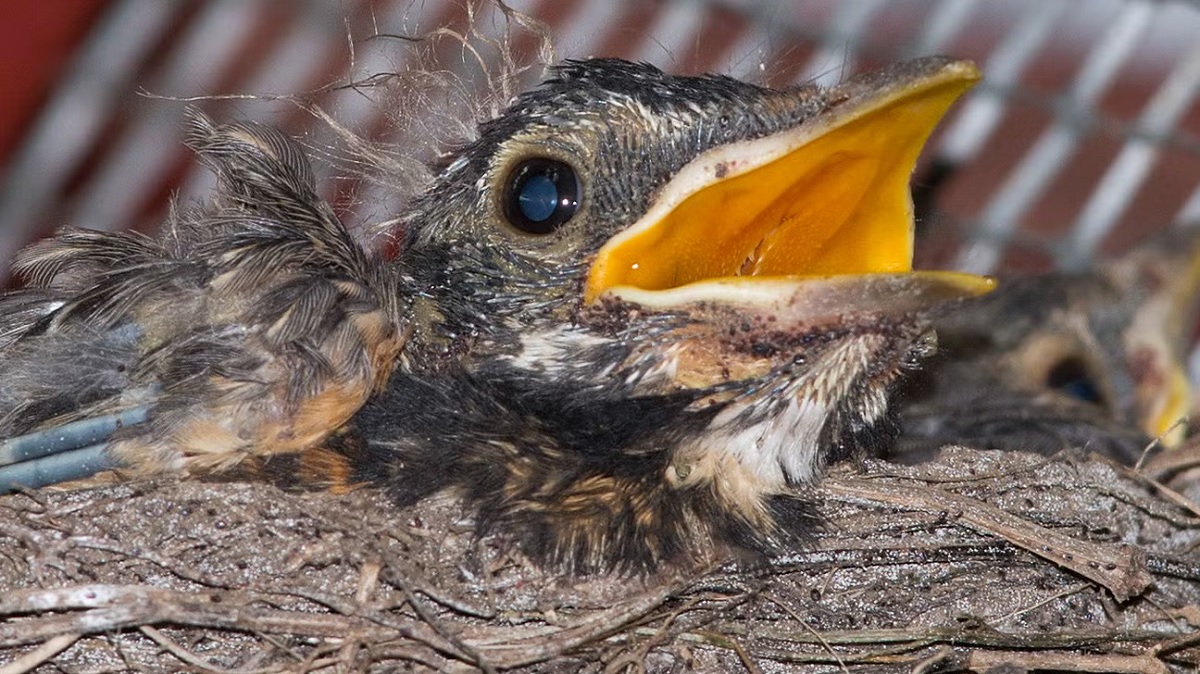
How To Kill Mites On Birds: Effective Treatment And Prevention Tips
Birds, whether kept as pets or observed in the wild, can face a variety of health challenges, and one of the most common is mite infestations. These tiny parasites can cause significant discomfort, leading to feather damage, skin irritation, and even more serious health issues over time. Proper management is essential to ensure birds remain healthy and stress-free.
Understanding the best approaches for how to kill mites on birds is crucial for anyone responsible for avian care. Effective treatment not only eliminates the pests but also prevents reinfestation, ensuring a safe environment for the birds. Mites can hide in feathers, skin folds, or nesting areas, making thorough treatment and environmental control essential.
Knowledge of mite behavior, life cycle, and treatment options allows bird owners and caretakers to act efficiently. Timely action can reduce suffering and maintain the overall well-being of the birds.
Addressing mite infestations requires a combination of safe treatments, proper hygiene, and consistent monitoring. Learning the most effective techniques ensures that birds remain healthy and vibrant while minimizing the risk of recurring infestations.
Identifying Mites On Birds
Mites are tiny parasites that can infest birds, causing discomfort and health issues. Identifying them early is critical to effective treatment and prevention. Recognizing the signs of a mite infestation allows bird owners and caretakers to intervene promptly, protecting the bird’s well-being and preventing further spread. Understanding where and how mites appear on birds is key to accurate detection.
Physical Signs Of Mite Infestation
Mites often leave visible signs on a bird’s body that indicate their presence. You may notice redness, irritation, or scabs along the skin, particularly around the vent, under the wings, and near the beak and eyes. Feather damage, including broken, missing, or ruffled feathers, can also suggest a mite problem. Birds may scratch or preen excessively, attempting to relieve the irritation caused by mites.
Some species may develop more severe skin conditions if mites remain untreated. The combination of feather damage and skin irritation often points to specific mite types, such as feather mites or scaly leg mites. Close observation of these physical indicators is essential for early identification and effective management of infestations.
Behavioral Changes Linked To Mites
Infested birds often display noticeable behavioral changes due to discomfort and stress. You may observe increased preening, scratching, or rubbing against cage bars, perches, or other surfaces. Birds may also become more irritable, restless, or lethargic, reflecting the physical stress caused by persistent mites.
In severe infestations, feeding patterns can be affected. Birds might eat less or appear weaker due to the irritation and energy loss caused by mites. Recognizing these behavioral changes in conjunction with physical signs allows for quicker diagnosis and highlights the urgency of treatment, as prolonged infestations can compromise overall health.
Inspecting Feathers And Skin Closely
A detailed inspection of feathers and skin is crucial for confirming mite presence. You may notice tiny, fast-moving specks among feathers or along the skin. Using a magnifying glass under good lighting can help detect these nearly invisible parasites. Pay attention to areas where feathers are thinner, as mites often congregate in protected or less-accessible regions.
Feather mites, scaly leg mites, and air sac mites infest different parts of a bird’s body. Feather mites primarily target plumage, scaly leg mites affect the legs and feet, and air sac mites reside in the respiratory system. Identifying the specific type of mite is important for choosing the most effective treatment and preventing recurrence.
Environmental Indicators Of Mites
Mite infestations are not limited to the bird alone; their environment often shows clues as well. You may notice small, dark specks in nesting material, perches, or cages, which can indicate the presence of mites. Dusty or unclean environments increase the likelihood of mite proliferation.
Monitoring and maintaining a clean habitat helps in both identification and prevention. Observing environmental indicators alongside physical and behavioral signs strengthens the accuracy of diagnosis. Regular checks and proper hygiene reduce the risk of long-term infestations and support bird health.
Importance Of Early Detection
Early detection of mites is critical for effective treatment and bird health. You may notice that prompt action prevents severe skin and feather damage, reduces stress, and minimizes the spread of mites to other birds. Consistent monitoring, careful observation, and familiarity with mite signs enable bird owners and caretakers to act quickly.
By combining awareness of physical symptoms, behavioral changes, and environmental indicators, you can identify mite infestations accurately and implement appropriate interventions. This proactive approach ensures healthier birds and a cleaner, safer living environment.
Safe Treatment Options For Birds
Treating mites in birds requires careful consideration of safety and effectiveness. Birds are sensitive to many chemicals, so selecting treatments that eliminate parasites without harming the bird is crucial. Understanding safe treatment options ensures the well-being of birds while effectively addressing mite infestations and preventing reinfestation in their environment.
Topical Treatments And Applications
Topical treatments are among the most common and effective methods for controlling mites. You may notice that products containing bird-safe insecticides or natural oils are applied directly to affected areas, including under the wings, around the vent, and near the beak and eyes. These treatments help eliminate mites while minimizing stress to the bird.
Application requires gentle handling to avoid injury and ensure coverage of the areas where mites reside. For feather mites, careful application along the feather shafts and skin can disrupt their life cycle. For scaly leg mites, treatment is applied to the legs and feet, sometimes combined with light massaging to ensure absorption. Consistent application according to product instructions is key to effectiveness.
Topical treatments are preferred for their direct impact and controlled dosage, making them safer than systemic chemicals that may pose higher risks to sensitive birds.
Environmental Cleaning And Supportive Measures
Treating the bird alone is not sufficient to eliminate mites entirely. You may notice that thorough cleaning of cages, perches, nesting materials, and surrounding areas is essential to prevent reinfestation. Washing or replacing bedding, disinfecting surfaces with bird-safe solutions, and ensuring proper ventilation reduce mite populations in the environment.
Environmental control complements topical treatments by removing hiding places and interrupting the mite life cycle. Supportive measures, such as providing clean water, balanced nutrition, and stress-free conditions, help strengthen the bird’s immune system and improve recovery. Regular monitoring during and after treatment ensures that mites do not return, maintaining a healthy habitat for the bird.
Natural Remedies And Alternatives
Some bird owners prefer natural or home-based remedies to treat mite infestations. You may notice that safe options include diluted essential oils such as neem or eucalyptus, or gentle powders designed for avian use. These remedies can be applied carefully to affected areas, reducing irritation and eliminating mites without harsh chemicals.
Natural treatments are most effective when combined with environmental cleaning and careful observation. While they may act more slowly than chemical insecticides, they provide a low-risk alternative for sensitive or young birds. Consistency and patience are essential, as repeated applications may be necessary to fully eradicate mites and prevent recurrence.
Veterinary Intervention And Prescription Options
In severe infestations, veterinary intervention may be necessary. You may notice that veterinarians can prescribe medications, such as oral or injectable treatments, that target mites more effectively than over-the-counter solutions. These options are particularly useful for birds showing significant stress, feather damage, or secondary infections.
Veterinary guidance ensures proper dosage, minimizes side effects, and addresses underlying health concerns that may exacerbate mite problems. Additionally, professional assessment helps identify the specific mite species, allowing for targeted treatment and reducing the risk of unnecessary chemical exposure. Regular follow-ups with a veterinarian help monitor the bird’s recovery and prevent reinfestation.
Consistency And Monitoring
Regardless of the treatment method, consistent application and careful monitoring are essential for success. You may notice that combining topical treatments, environmental management, natural remedies, and veterinary guidance maximizes effectiveness while maintaining bird safety. Observing the bird for improvements in feather condition, reduced irritation, and behavioral normalization confirms that the treatment is working.
Ongoing vigilance ensures that mites do not return and supports the long-term health of the bird. By selecting safe and effective treatment options, bird owners can eliminate infestations while protecting their pets from harm and stress.
Environmental Cleaning And Disinfection
A clean and well-maintained environment is essential for controlling mites on birds. Mites can persist in cages, perches, toys, and nesting areas, making environmental cleaning a critical part of any treatment plan. Effective sanitation not only eliminates mites and their eggs but also prevents reinfestation, ensuring the long-term health and comfort of the birds.
Comprehensive Cage Cleaning
Cages are the central habitat for birds and often harbor mites and eggs. You may notice that removing all perches, food dishes, toys, and bedding is the first step toward thorough cleaning. Warm water and bird-safe disinfectants should be used to scrub all surfaces, paying special attention to corners, joints, and crevices where mites often hide.
After cleaning, rinse the cage thoroughly to remove all traces of cleaning products, then allow it to dry completely before reintroducing the bird. Consistent cage cleaning, performed at least weekly or more frequently during infestations, significantly reduces mite populations and supports the effectiveness of direct treatments applied to the bird.
Regular inspection during cleaning can also help identify early signs of reinfestation, allowing for prompt action before the problem escalates.
Cleaning Perches, Toys, And Accessories
Birds’ perches, toys, and other cage accessories are common hotspots for mites. You may notice that these items should be soaked in warm, soapy water and scrubbed with a disinfectant that is safe for birds. Non-washable items, such as certain wooden or porous toys, may need to be replaced to fully eliminate mites.
Regular cleaning and rotation of perches and toys prevent the buildup of debris, droppings, and organic matter that support mite survival. Close observation of how birds interact with their accessories can help pinpoint areas requiring extra attention during cleaning. Maintaining hygiene for these items contributes to a healthier overall environment and reduces the risk of recurring infestations.
Nesting Area Sanitation
Nesting areas are particularly vulnerable to mite infestations due to warmth, humidity, and the presence of organic material. You may notice that removing old bedding, scrubbing nesting boxes with a bird-safe disinfectant, and replenishing nests with fresh material is essential.
Routine cleaning of nests prevents mite populations from establishing and spreading, protecting both adult birds and chicks. Monitoring nesting areas for signs of mites allows early intervention and reduces the risk of severe infestations, which can affect feather health and overall well-being. Proper sanitation ensures a safe and comfortable environment during breeding and rearing periods.
Safe Disinfection Practices
Using bird-safe disinfectants is critical to avoid harming the birds while eliminating mites. You may notice that common household cleaners can be toxic to birds, so selecting products specifically formulated for avian use is essential. Correct dilution, thorough rinsing, and sufficient drying time ensure that disinfectants are both effective and safe.
Disinfection should be applied consistently to all surfaces and accessories in the bird’s environment, creating a comprehensive barrier against mites. Combining proper cleaning techniques with safe disinfectants enhances the overall success of mite control efforts and supports the long-term health of the birds.
Consistency And Routine Maintenance
Consistency is key in environmental cleaning and disinfection. You may notice that occasional cleaning is insufficient to prevent mite reinfestation. Establishing a routine that includes regular cage cleaning, accessory sanitation, and nest maintenance ensures that the environment remains free of mites and their eggs.
Routine maintenance also allows for early detection of any new mite activity, enabling timely intervention. By maintaining a clean, disinfected habitat, bird owners can provide a safe and comfortable living space that supports effective treatment, prevents recurrence, and promotes the overall health and well-being of their birds.
Preventing Reinfestation
Once mites are treated on birds, preventing reinfestation is equally important. Without proper measures, birds can quickly become re-exposed to mites from contaminated environments or other birds. Implementing proactive strategies ensures long-term protection, maintains bird health, and supports the effectiveness of prior treatments. Preventive care combines hygiene, monitoring, and behavioral management to keep infestations at bay.
Regular Cage And Environment Maintenance
Consistent cleaning of cages, perches, and accessories is the foundation of preventing reinfestation. You may notice that routine washing with bird-safe disinfectants removes lingering mites and eggs before they can establish new populations. Bedding, nesting materials, and toys should be cleaned or replaced regularly to eliminate potential hiding spots.
Maintaining dry, well-ventilated environments reduces the survival rate of mites. Moisture and organic debris create ideal conditions for mite development, so ensuring proper airflow and dryness in cages is essential. Regular environmental maintenance also allows for early detection of new infestations, enabling quick intervention before they spread or worsen.
Quarantine And Care For New Birds
Introducing new birds without proper quarantine can be a major source of reinfestation. You may notice that keeping new or returning birds isolated for at least two to three weeks allows for observation and treatment of any hidden mites. During this period, monitoring for physical signs, behavioral changes, and environmental contamination is critical.
Quarantining new birds prevents mites from spreading to healthy birds already in the flock. Combined with routine inspections and preventive treatments, quarantine acts as an essential barrier against reinfestation, ensuring the safety and health of all birds in the environment.
Monitoring And Early Detection
Vigilant monitoring is key to preventing reinfestation. You may notice that regular physical inspections of birds’ feathers, skin, and behavior help detect early signs of mite activity. Look for increased preening, feather damage, redness, or scabs, which may indicate the presence of mites.
Monitoring should also extend to the environment, including perches, nesting areas, and feeding stations. Early detection allows for swift intervention with safe treatments, preventing minor infestations from becoming severe. Establishing a monitoring routine ensures proactive management and minimizes stress for the birds.
Use Of Preventive Treatments
In some cases, preventive treatments may be used to reduce the risk of reinfestation. You may notice that topical applications, powders, or sprays formulated for birds can provide a protective barrier against mites. These treatments should be applied carefully, following recommended dosages and instructions to avoid harming the birds.
Preventive treatments work best when combined with proper hygiene and environmental management. By maintaining clean surroundings and monitoring for early signs, these measures create a comprehensive defense against mite reinfestation, supporting long-term bird health.
Education And Ongoing Management
Preventing reinfestation also requires ongoing education and awareness. You may notice that understanding mite behavior, life cycles, and environmental preferences allows bird owners to implement effective strategies. Staying informed about best practices in hygiene, quarantine, and treatment ensures that preventative measures are applied consistently and correctly.
Regular training and observation help caretakers recognize early warning signs and respond promptly. Combining knowledge, vigilance, and proactive management creates a sustainable approach to preventing reinfestation, safeguarding birds from recurring mite problems while maintaining their overall health and comfort.
Handling Severe Infestations
Severe mite infestations in birds require immediate and comprehensive intervention. These cases can cause extreme discomfort, feather loss, skin damage, and even health complications. Understanding how to handle severe infestations ensures that birds receive effective treatment while minimizing stress and preventing further spread to other birds or the environment. Prompt action is critical to restoring their health.
Intensive Treatment Measures
Severe infestations often require a combination of direct treatment methods. You may notice that topical applications alone may not suffice; multiple treatments spaced over several days or weeks are often necessary to break the mite life cycle. Bird-safe insecticidal powders, sprays, or medicated oils can be applied carefully to affected areas, targeting skin, feathers, and legs where mites tend to congregate.
In addition to topical applications, supportive care such as providing extra nutrition, hydration, and rest is essential. Birds under severe infestations may experience stress and weakness, and addressing their overall health improves recovery outcomes. Close monitoring during this period helps ensure that treatments are effective and adjusted as needed for maximum impact.
Environmental Control And Disinfection
Severe infestations often originate from heavily contaminated environments. You may notice that cages, perches, toys, and nesting areas must be thoroughly cleaned and disinfected. Bedding and other porous materials should be replaced to eliminate hidden mites and eggs, while hard surfaces should be scrubbed with bird-safe disinfectants.
Environmental control is critical to preventing reinfestation, as mites can quickly recolonize birds from contaminated surroundings. In cases of severe infestations, multiple rounds of environmental cleaning may be necessary, combined with routine inspections to ensure no mites remain in hiding.
Veterinary Intervention And Medical Support
Severe infestations may require veterinary care, especially when birds show signs of significant feather loss, skin lesions, or secondary infections. You may notice that veterinarians can prescribe systemic treatments, oral medications, or specialized topical solutions not available over the counter.
Veterinary intervention ensures correct dosage, proper administration, and monitoring for potential side effects. In addition, veterinarians can identify the specific mite species, allowing for targeted treatment and a faster, more effective resolution. Severe infestations benefit from professional guidance to ensure both eradication of mites and recovery of bird health.
Monitoring And Follow-Up
Ongoing monitoring is crucial after initial treatment of severe infestations. You may notice that repeated inspections of the bird and environment help detect any surviving mites or early signs of reinfestation. Follow-up treatments and environmental checks are often necessary to fully eliminate the problem.
By combining intensive treatments, environmental sanitation, veterinary support, and vigilant follow-up, caretakers can effectively manage severe infestations. This comprehensive approach ensures that birds recover fully, remain healthy, and are protected from future mite outbreaks.
FAQs
How Can I Tell If My Bird Has Mites?
You may notice signs such as excessive scratching, feather damage, or red, irritated skin when your bird has mites. Birds often preen more than usual in an attempt to relieve discomfort. Some mite species cause visible scabs, especially on the legs, vent, or under the wings.
Observing behavior changes, such as restlessness, decreased appetite, or lethargy, can also indicate an infestation. Close inspection under proper lighting and using a magnifying glass can help detect tiny moving mites. Early identification is key to preventing severe infestations and ensuring timely treatment.
What Are Safe Topical Treatments For Birds With Mites?
Topical treatments are commonly used to eliminate mites safely. You may notice that bird-safe oils, medicated sprays, or powders are applied directly to affected areas like under wings, around the vent, and on legs. These treatments target mites without harming your bird.
Consistency is important. Apply the product according to the instructions and monitor the bird for irritation or stress. Regular follow-ups may be necessary to address any remaining mites and ensure the infestation is fully eradicated. Combining topical treatment with environmental cleaning increases overall effectiveness.
How Important Is Environmental Cleaning In Killing Mites?
Environmental cleaning is crucial because mites can live in cages, perches, bedding, and toys. You may notice that thorough washing and disinfecting of all areas removes eggs and adult mites, preventing reinfestation. Replace or clean nesting material and accessories regularly to eliminate hiding spots.
Maintaining a clean, dry, and well-ventilated environment supports ongoing mite control. Regular inspection and routine sanitation help identify potential problem areas early. Environmental hygiene ensures that treatments applied to birds remain effective and long-lasting.
Can I Use Natural Remedies To Kill Mites On Birds?
Natural remedies, such as neem oil or eucalyptus sprays formulated for birds, can be effective for controlling mites. You may notice that these options are gentler on the bird’s skin and feathers compared to chemical insecticides.
Natural treatments often require multiple applications and combined environmental cleaning for full effectiveness. Observing your bird during treatment helps ensure they are not stressed or irritated. While slower than conventional chemicals, natural remedies provide a safer alternative for sensitive or young birds.
When Should I Consult A Veterinarian For Mite Infestations?
Veterinary guidance is essential in severe or persistent infestations. You may notice that birds with extensive feather loss, skin lesions, or lethargy require professional assessment. A veterinarian can prescribe oral or injectable treatments not available over the counter.
Veterinary intervention ensures the correct dosage and application method, reducing stress and potential side effects. Additionally, identifying the specific mite species allows for targeted treatment, increasing the likelihood of complete eradication and faster recovery.
How Can I Prevent Mites From Returning After Treatment?
Preventing reinfestation involves consistent cleaning, monitoring, and quarantine measures. You may notice that maintaining a clean cage, washing accessories, and regularly replacing bedding reduces the likelihood of mites returning.
Quarantining new birds before introducing them to your flock prevents spreading mites. Observing behavior and feather condition regularly allows early detection. Combining environmental hygiene, monitoring, and safe preventive treatments ensures that your birds remain healthy and free from future infestations.
Final Words
Mite infestations can cause significant discomfort and health issues for birds, making prompt and effective treatment essential. Identifying the type of mite and recognizing early signs such as itching, feather loss, or scaly skin helps ensure timely action. Combining proper treatment with environmental cleaning maximizes the chances of successful eradication.
Learning how to kill mites on birds involves using safe and effective methods tailored to the species and severity of the infestation. Topical treatments, oral medications, and natural remedies can all play a role when applied correctly, while regular monitoring ensures that the birds are responding well. Attention to hygiene in cages, perches, and nesting areas is equally important to prevent reinfestation.
Supporting your birds’ overall health during treatment is crucial. Providing proper nutrition, reducing stress, and maintaining hydration help them recover more quickly. Understanding how to kill mites on birds empowers you to protect your flock, ensuring they remain healthy, comfortable, and active.