How To Keep Birds Out Of Balcony: Smart Tips To Protect Your Outdoor Space
Balconies can be a relaxing space for fresh air, gardening, or enjoying a view, but they often attract unwanted bird visitors. Birds can leave droppings, damage plants, and create noise, turning a peaceful area into a source of frustration. Managing this problem requires practical strategies that balance effectiveness with safety for both you and the birds.
Understanding bird behavior is key to preventing them from frequenting your balcony. Birds are drawn to areas that provide shelter, food, or safe perching spots. By addressing these attractions, you can make your balcony less appealing and reduce repeated visits.
Learning how to keep birds out of balcony spaces involves a mix of physical barriers, visual and sound deterrents, and ongoing maintenance. Each approach works best when combined thoughtfully, ensuring your balcony remains clean and usable.
With consistent measures and careful observation, you can reclaim your balcony as a comfortable, bird-free space. Implementing simple strategies allows you to enjoy your outdoor area without constant interruptions or mess.
Physical Barriers For Balcony Protection
Using physical barriers is one of the most reliable ways to keep birds from occupying your balcony. These methods create a clear obstruction, making it difficult or uncomfortable for birds to perch, nest, or access your space. By integrating barriers into your balcony design, you can maintain a cleaner, safer, and more enjoyable area while minimizing ongoing maintenance and cleaning.
Installing Bird Netting
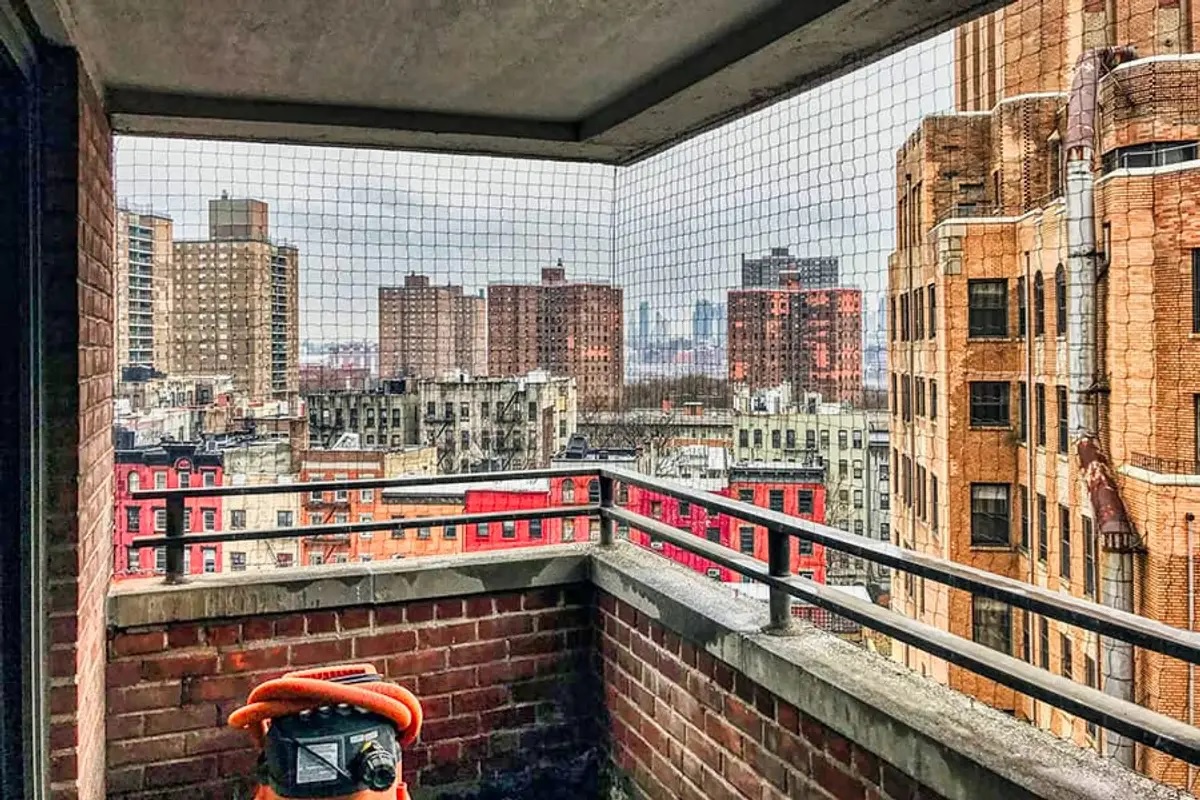
Bird netting is a highly effective solution for preventing birds from entering your balcony. The net creates a physical barrier that covers openings, railings, or entire sections of the balcony, keeping birds out while allowing airflow and sunlight. Netting comes in various materials, including nylon, polyethylene, and stainless steel, each offering different levels of durability and visibility.
Installing netting requires careful measurement and tensioning to ensure there are no gaps. Gaps allow small birds to slip through, undermining effectiveness. You can attach netting using hooks, tension rods, or brackets to secure it firmly. Netting can be installed across open sides, ceilings, or along the railing to cover common entry points.
For you, netting is a long-term investment that provides consistent protection. It is particularly useful in high-rise buildings or areas where balconies are frequently visited by flocks, creating a nearly invisible barrier that does not disrupt your view or airflow.
Using Balcony Screens And Panels
Balcony screens and panels are another effective barrier method. These can be made of materials like plexiglass, acrylic, or fine mesh, and act as a shield against birds. Screens block access to ledges and nooks where birds might perch, while also adding a layer of privacy and wind protection for your space.
Panels can be mounted on the sides, ceiling, or railing, depending on where bird activity is most concentrated. Removable or sliding panels offer flexibility for ventilation and cleaning. Panels also provide aesthetic benefits, as they can blend with balcony decor while serving a functional purpose.
For you, using screens or panels creates a visually clean and effective barrier. They require minimal upkeep and can be customized to fit your balcony’s size and style. Combined with other deterrent methods, screens maximize protection while maintaining usability and comfort.
Installing Spikes And Sloped Surfaces
Bird spikes and sloped surfaces deter birds from perching on railings, ledges, and balcony furniture. Spikes, made of plastic or stainless steel, create an uneven surface that is uncomfortable but harmless, discouraging birds from landing. Sloped surfaces prevent birds from gaining a stable foothold, reducing the likelihood of settling or nesting.
Spikes should be installed along edges where birds are likely to perch. Proper placement ensures effectiveness without compromising safety or balcony aesthetics. Sloped additions can be integrated into railing designs or planter edges to make surfaces inaccessible to birds.
For you, these modifications are low-maintenance and highly effective, especially when paired with netting or panels. They allow birds to remain unharmed while teaching them to avoid your balcony entirely.
Combining Barriers For Maximum Protection
Using multiple barrier methods together enhances protection and reduces the chance of birds finding alternative entry points. Combining netting, screens, spikes, and sloped surfaces creates a layered defense that addresses various bird behaviors. Birds are less likely to attempt entry when multiple deterrents are present, providing more reliable results.
Layered barriers also allow flexibility for different areas of the balcony. For example, netting may cover open sides while spikes prevent perching on railings, and panels block corners. This comprehensive approach ensures that your balcony remains bird-free without constant monitoring.
For you, combining physical barriers provides long-term security and reduces maintenance efforts. It allows you to enjoy your balcony comfortably while keeping birds at a safe distance, creating a clean and inviting outdoor space.
Visual And Sound Deterrents
Visual and sound deterrents are effective non-invasive methods to discourage birds from frequenting your balcony. These strategies leverage natural instincts and sensitivities, creating an environment that birds perceive as unsafe or unappealing. Using these deterrents in combination with physical barriers can significantly reduce bird activity while keeping your balcony safe and accessible.
Reflective Objects And Shiny Surfaces
Birds are naturally wary of bright, reflective surfaces, which can mimic the movement of predators or sudden threats. Hanging reflective tape, CDs, aluminum foil strips, or mirrored objects around your balcony creates constant motion and flashes that discourage birds from landing. The light reflections are unsettling and make the space less attractive for perching.
Placement is key for effectiveness. Attach reflective objects near railings, ledges, plants, or other areas birds are likely to approach. Moving or rotating these objects periodically maintains their impact, as birds can eventually habituate to stationary items. Lightweight materials are ideal, as they sway in the wind and enhance the visual deterrent effect.
For you, reflective objects are low-cost and safe for birds. They provide a visual signal that discourages visits without harming the animals, making them a practical addition to any balcony bird-control strategy.
Predator Decals And Figures
Using predator-shaped decals or figures can also discourage birds. Owl or hawk silhouettes, for example, exploit birds’ natural fear of predators. Placing these figures strategically on railings, walls, or planters triggers avoidance behavior, prompting birds to seek safer areas.
Decals are effective when placed in visible locations and rotated periodically to prevent birds from becoming accustomed. Three-dimensional predator figures can enhance the effect, especially when combined with reflective surfaces. The visual cues should mimic natural threats as closely as possible, increasing their deterrent value.
For you, predator figures and decals provide a harmless and visually unobtrusive way to reduce bird presence. They integrate well with balcony decor while leveraging instinctive bird behavior to maintain a safe space.
Ultrasonic And Sound Devices
Sound deterrents, particularly ultrasonic devices, emit high-frequency noises that are uncomfortable for birds but generally inaudible to humans. These devices create an environment that birds find unsettling, reducing the likelihood of perching or nesting on your balcony.
Placement is critical for effectiveness. Position sound devices near common entry points or areas where birds typically gather. Some devices also simulate predator calls or distress sounds, triggering avoidance instincts. Combining sound with visual deterrents enhances results and maintains a bird-free environment over time.
For you, ultrasonic devices offer a low-maintenance, hands-off solution. They are safe for birds while providing consistent protection, especially when used alongside reflective objects and predator figures, ensuring your balcony remains clean and inviting.
Plant And Natural Repellents
Using plants and natural repellents is an eco-friendly way to discourage birds from frequenting your balcony. These strategies leverage scents, textures, and plant properties that birds naturally avoid, creating a safe and non-invasive deterrent. Combining greenery with natural repellents allows you to maintain a pleasant and functional outdoor space while minimizing bird activity.
Bird-Repelling Plants
Certain plants naturally deter birds due to their scent or texture. Examples include lavender, rosemary, marigold, and rue. Birds find the strong aromas unpleasant and tend to avoid areas where these plants are concentrated. Placing potted versions of these plants along railings, corners, or near balcony furniture can create an effective barrier.
Planting in clusters amplifies the effect, making your balcony less attractive as a landing spot. In addition to deterring birds, these plants often provide aesthetic value and pleasant fragrances, enhancing the balcony environment for you. Regular maintenance, including trimming and watering, keeps the plants healthy and ensures the deterrent effect remains consistent.
For you, using bird-repelling plants offers a dual benefit: a visually appealing balcony and a natural method of discouraging birds. They integrate seamlessly with other strategies like netting or visual deterrents for a comprehensive approach.
Essential Oils And Homemade Sprays
Essential oils such as peppermint, eucalyptus, or citronella can also help keep birds away. These oils produce strong odors that birds find unpleasant. Mixing a few drops of essential oil with water in a spray bottle allows you to apply the solution to balcony corners, railings, or planter edges.
Homemade sprays using ingredients like vinegar, chili powder, or citrus juice also create a bird-repelling environment. Spraying these solutions regularly helps maintain effectiveness, but care must be taken to avoid damaging plants or balcony surfaces. Periodic reapplication ensures the scent remains strong enough to discourage birds consistently.
For you, natural sprays are an affordable, safe, and flexible option. They complement physical barriers and visual deterrents, offering a holistic approach that keeps birds off your balcony without causing harm.
Integrating Plants With Other Deterrents
Combining bird-repelling plants with physical barriers or visual deterrents enhances effectiveness. For example, placing reflective tape near potted lavender or hanging predator figures above rosemary plants creates multiple layers of deterrence. Birds are less likely to attempt entry when several deterrents are present simultaneously.
Strategic placement is key. Taller plants can shield balcony corners, while smaller pots can protect ledges or railings. This integration also allows you to create an attractive, functional outdoor space that naturally discourages unwanted visitors while remaining enjoyable for humans.
For you, combining natural repellents with other methods provides a sustainable and aesthetic solution. Birds are guided away without risk, and your balcony remains clean, safe, and visually appealing.
Cleaning And Maintenance Habits
Maintaining a clean and bird-free balcony requires consistent cleaning and proper upkeep of deterrent measures. Regular habits not only keep the space hygienic but also reinforce the effectiveness of physical barriers, visual deterrents, and natural repellents. Establishing a routine ensures long-term protection while minimizing damage to surfaces, plants, and furniture from bird droppings or debris.
Regular Cleaning Schedule
Establishing a consistent cleaning schedule is essential for preventing bird droppings and debris from accumulating. Use mild detergents and warm water to wipe down railings, floors, furniture, and planter edges where birds frequently land. Microfiber cloths or soft brushes help avoid scratches on surfaces while ensuring thorough cleaning.
Spot-cleaning droppings as soon as they appear prevents staining and protects paint, wood, or metal surfaces from corrosive damage. Regular washing also allows you to check for early signs of nesting attempts, damaged barriers, or areas where birds may be finding access. Incorporating cleaning into a weekly or bi-weekly routine reduces long-term maintenance and keeps the balcony inviting.
For you, maintaining a regular cleaning schedule ensures your outdoor space remains pleasant and functional while reinforcing other deterrent strategies, creating a balanced and bird-free environment.
Maintenance Of Deterrent Tools
Physical and visual deterrents require routine checks to maintain effectiveness. Netting, spikes, panels, reflective tape, and predator figures should be inspected for wear, damage, or misalignment. Repositioning or replacing worn items ensures birds do not find alternative access points.
Natural deterrents, including plants and essential oil sprays, also require care. Healthy, vibrant plants maintain their scent and repelling properties, while oils or sprays need reapplication to remain effective. Periodic watering, pruning, and replenishing plant soil support consistent performance.
For you, regular maintenance of deterrent tools prolongs their lifespan and ensures continued protection. Combining this with cleaning habits maximizes the effectiveness of all measures, creating a low-stress, long-term solution.
Observation And Adaptation
Monitoring bird activity is a key maintenance habit. Observing patterns, such as frequent landing spots, time of day, or seasonal changes, helps you adapt cleaning and deterrent routines. Adjust placement of netting, reflective items, or plants based on observed behavior to maintain maximum effectiveness.
Seasonal changes, including migration or nesting periods, may require intensified cleaning or reinforcement of deterrents. Birds can habituate to static setups, so minor adjustments, rotations, or additions of new deterrents keep the balcony consistently unattractive to them.
For you, observation allows a proactive approach, preventing problems before they escalate. Tracking bird activity ensures that your cleaning and maintenance habits remain relevant and effective, keeping your balcony bird-free year-round.
Combining Habits For Long-Term Success
Integrating cleaning, maintenance, and observation habits creates a comprehensive long-term strategy. Regular upkeep prevents damage, maintains the effectiveness of deterrents, and ensures your balcony remains a safe and enjoyable space.
By scheduling consistent cleaning, monitoring bird activity, and caring for deterrents, you create a system that requires minimal reactive effort. Over time, these habits become second nature, reducing stress and preserving the beauty and usability of your balcony.
Long-Term Monitoring And Adaptation
Maintaining a bird-free balcony requires more than just initial deterrent measures; it involves ongoing monitoring and adaptation. Birds are intelligent and may change their behavior over time, so observing their patterns and adjusting strategies ensures sustained effectiveness. Long-term monitoring allows you to anticipate issues, reinforce existing measures, and maintain a clean, safe, and enjoyable outdoor space.
Observing Bird Patterns
The first step in long-term monitoring is carefully observing bird activity around your balcony. Note which species frequent the area, the times of day they visit, and preferred landing or perching spots. Understanding these patterns helps identify vulnerable points and informs adjustments to deterrents.
Birds often return to the same safe, sheltered areas repeatedly. Observing where they congregate allows you to position physical barriers, reflective surfaces, or predator figures more effectively. Similarly, monitoring changes in behavior during different seasons, such as nesting or migration periods, ensures that your strategies remain relevant.
For you, consistent observation creates a proactive approach. Instead of reacting to bird issues after they occur, you can anticipate their movements and take preventive action, reducing the likelihood of recurring problems on your balcony.
Adjusting Deterrents Over Time
Birds can become habituated to static deterrents, making periodic adjustments essential. Rotate reflective strips, reposition predator figures, and move netting or spikes to maintain their effectiveness. Changing the orientation or location of deterrents keeps birds uncertain and prevents them from exploiting perceived safe zones.
Natural repellents, such as plants or essential oil sprays, also require adaptation. Replace or refresh plants to maintain strong scents, and reapply sprays regularly to ensure continued efficacy. This proactive approach maximizes deterrent performance and reduces the chances of birds returning.
For you, adaptation ensures that your initial investment in deterrents continues to pay off. Small changes can dramatically improve long-term success, maintaining a clean and functional balcony environment.
Seasonal Considerations And Strategy Updates
Bird activity fluctuates with seasons, affecting the type and frequency of deterrents needed. During nesting seasons, increased vigilance is required to prevent perching and potential nest building. Migration periods may bring temporary spikes in visits, necessitating heightened deterrent measures.
Monitoring seasonal trends helps you plan maintenance schedules, refresh repellents, and check physical barriers for wear and tear. Adjusting strategies to match seasonal patterns ensures that your balcony remains consistently protected without requiring constant intensive effort.
For you, aligning deterrent measures with seasonal bird behavior provides a sustainable, long-term solution. Anticipating changes reduces reactive maintenance and helps maintain a bird-free outdoor space throughout the year.
Integrating Monitoring With Maintenance
Combining monitoring with routine cleaning and maintenance reinforces overall protection. Observing bird activity informs where to focus cleaning efforts, while regular upkeep of deterrents maintains their effectiveness. This integrated approach ensures that your balcony remains hygienic, visually appealing, and safe from damage caused by birds.
For you, integrating monitoring and adaptation into daily or weekly habits creates a comprehensive system. It minimizes surprises, reduces stress, and maintains a consistently enjoyable balcony environment that deters birds naturally over time.
FAQs
What Are The Most Effective Physical Barriers To Keep Birds Out Of My Balcony?
Using physical barriers is one of the most reliable ways to prevent birds from entering your balcony. He or she can install bird netting, mesh, or transparent screens that block entry while still allowing air and light. Proper installation ensures there are no gaps where birds can slip through.
Balcony rail guards and covers can further reinforce protection. These barriers are durable, low-maintenance, and safe for birds. Combining multiple types of physical barriers often produces the best results, especially in areas with heavy bird activity.
Can Visual Deterrents Help Prevent Birds From Visiting My Balcony?
Yes, visual deterrents can significantly reduce bird visits. He or she can use reflective tapes, CDs, or shiny objects that move with sunlight and create a sense of threat. Birds often avoid areas with unusual reflections or sudden movements.
Predator decoys, such as owl or hawk figures, can also scare birds away. For best results, rotate decoys and reflective objects occasionally so birds don’t become accustomed to them. Combining visual deterrents with physical barriers enhances long-term effectiveness.
How Do Sound And Ultrasonic Repellents Work On Balcony Birds?
Sound-based repellents emit noises that birds find disturbing but are usually inaudible to humans. He or she can install ultrasonic devices on balconies or nearby walls to discourage birds from perching.
Effectiveness depends on proper placement and bird species. Some birds may adapt over time, so combining sound repellents with visual deterrents or physical barriers increases efficiency. Regular monitoring ensures these methods continue to work.
Are There Natural Or Plant-Based Methods To Keep Birds Off My Balcony?
Yes, using plants and natural repellents can help reduce bird activity. He or she can place plants birds dislike, such as certain herbs or fragrant flowers, around the balcony perimeter. Essential oils or homemade sprays made from citrus, vinegar, or herbs can also create an unpleasant scent for birds.
These methods are safe, eco-friendly, and can be combined with other deterrents. While not as immediately effective as physical barriers, consistent use of natural repellents contributes to a bird-free balcony over time.
How Does Cleaning And Removing Food Sources Affect Bird Activity On My Balcony?
Regular cleaning and removal of food sources is crucial. He or she should sweep, wash, and ensure no crumbs, pet food, or trash attract birds. Dirty surfaces or leftover seeds encourage birds to visit repeatedly.
Keeping the balcony tidy reduces nesting opportunities and discourages perching. Trash bins should be sealed, and fallen fruits or plants monitored. Combining cleanliness with deterrents provides a holistic approach to keeping birds away.
Can Balcony Furniture Arrangement Help Prevent Birds From Landing?
Yes, arranging furniture strategically can minimize bird landings. He or she can cover outdoor furniture with protective sheets or tarps to remove perching spots. Avoid placing bird feeders or fruit plants directly on the balcony, as these attract birds.
Lightweight mats or temporary coverings can deter birds from hopping onto surfaces. Rotating furniture and using multiple deterrent methods together ensures the balcony remains an unattractive spot for birds without compromising usability.
Final Words
Maintaining a clean and enjoyable balcony requires thoughtful strategies to deter birds effectively. Birds are naturally attracted to elevated, sheltered, and food-rich areas, which makes balconies an appealing perch. By implementing a combination of physical barriers, visual and sound deterrents, natural repellents, and proper maintenance habits, you can significantly reduce their presence and protect your outdoor space.
Understanding and observing bird behavior plays a crucial role in long-term success. Monitoring activity, adjusting deterrents, and incorporating seasonal considerations ensures that your efforts remain effective over time. Regular cleaning, upkeep of deterrents, and strategic placement of barriers help maintain a bird-free environment without harming the animals.
For you, learning practical methods for how to keep birds out of balcony spaces provides peace of mind and preserves the aesthetics and functionality of your outdoor area. Consistent application of these strategies ensures a clean, safe, and comfortable balcony year-round.