Why Do Birds Tweet At Night: Uncovering The Secrets Of Nighttime Chirps
Birdsong is often associated with the morning chorus, yet many people notice birds singing well into the night. This unexpected nocturnal vocalization can leave observers curious and sometimes puzzled. Understanding why birds sing at unusual hours provides insight into their behavior, communication, and environmental responses.
Several factors contribute to nighttime singing. Some birds, especially males, use late-night songs to establish territory, attract mates, or signal their presence to rivals. Urban environments with artificial lighting can extend activity periods, prompting birds to sing beyond daylight hours.
Different species exhibit varying tendencies toward nighttime vocalization. While most songbirds are primarily diurnal, certain nightingales, mockingbirds, and robins are known for their occasional nocturnal songs. Seasonal influences, such as the breeding period, can also increase the frequency of nighttime singing.
Exploring why birds tweet at night reveals the complexity of avian communication. Observing this behavior can enhance understanding of bird ecology, adaptation, and the effects of human activity on natural rhythms.
Common Birds That Tweet At Night
While most birds are active during the day, several species are known for vocalizing at night. Nighttime tweeting can be linked to mating behavior, territorial defense, or environmental factors such as artificial lighting. Understanding which birds are most commonly heard at night helps bird watchers identify these species and appreciate the complexity of their behaviors, even outside typical daylight hours.
Northern Mockingbird
The Northern mockingbird is one of the most famous nighttime singers. Known for its impressive repertoire of songs and ability to mimic other birds and sounds, this species often continues singing after sunset. Male mockingbirds use nighttime vocalizations to establish territory, attract mates, and compete with neighboring males.
Mockingbirds thrive in urban and suburban areas, where streetlights and other artificial lighting extend their active periods. During the breeding season, males may sing for several hours into the night, especially when undisturbed. Nighttime singing can also be a response to environmental noise, as quieter evenings provide a better opportunity for their songs to carry.
Observing mockingbirds at night requires patience and awareness of their preferred habitats, including parks, gardens, and residential areas. Recognizing their unique mimicking ability and varied song patterns allows enthusiasts to identify these birds even in darkness. The Northern mockingbird’s nighttime tweeting highlights their adaptability and complex communication strategies.
Eastern Whip-poor-will
Eastern whip-poor-wills are crepuscular birds, meaning they are most active during twilight and nighttime hours. Their characteristic repetitive call, which gives the species its name, is often heard during late spring and early summer evenings. These birds are primarily nocturnal, feeding on insects under low-light conditions while maintaining vocal communication.
Whip-poor-wills inhabit wooded areas and forest edges, often remaining well-camouflaged during the day. At night, their continuous calls serve both territorial and mating purposes, signaling presence to other whip-poor-wills. Unlike many daytime singers, their vocalizations are more rhythmic and consistent, making them easier to identify audibly.
Environmental factors, such as moonlight and temperature, can influence their nighttime activity. During full moons, whip-poor-wills are particularly vocal, as visibility improves for foraging and territorial displays. Understanding the natural rhythms of these birds enhances nighttime bird-watching experiences.
Northern Cardinal
Northern cardinals, typically associated with daytime singing, occasionally tweet at night. In urban areas with abundant artificial lighting, males may continue their songs well after sunset. Nighttime vocalizations in cardinals often indicate territorial defense or mate attraction, especially during the breeding season.
Cardinals prefer dense shrubs and trees for nesting, providing cover while allowing their songs to carry over long distances. Even short bursts of nighttime singing can communicate important messages to neighboring birds. Their loud, clear, and melodious whistles are recognizable, making it easier for observers to detect them in low-light conditions.
Observing cardinals at night can be rewarding for enthusiasts who recognize their vocal patterns. These nocturnal songs demonstrate the species’ adaptability to human-altered environments and highlight the influence of artificial lighting on natural behaviors.
European Robin
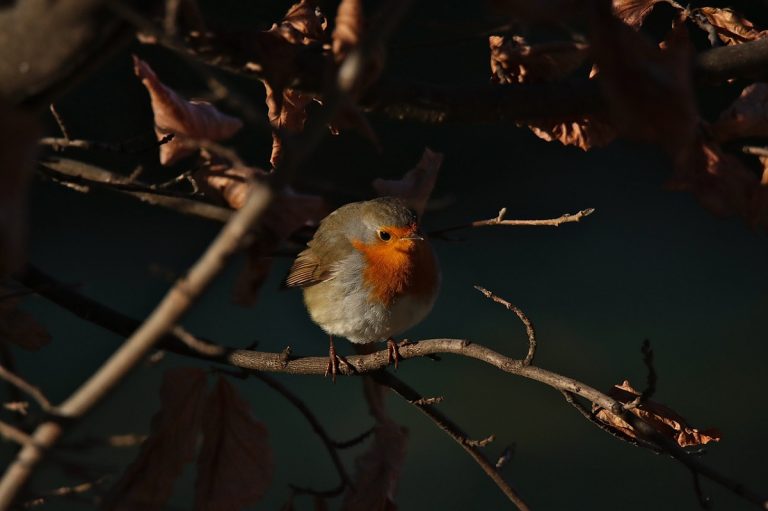
European robins are another species known for nighttime singing, particularly in urban settings. Artificial light often extends their activity periods, and males use nocturnal vocalizations to maintain territory and attract mates. Singing at night can also occur during colder months when competition for resources is heightened.
Robins typically build nests in shrubs, trees, or even garden structures, allowing them to remain partially concealed while vocalizing. Their soft, melodic, and repetitive songs can carry through quiet night air, alerting other robins to their presence. Urban environments, with reduced nighttime predation risk, often encourage increased nocturnal activity.
In addition to urban influences, seasonal changes affect the frequency of robins’ nighttime singing. During the breeding season, males are particularly persistent, using extended hours to reinforce territorial boundaries. Observing robins at night provides insight into their adaptive strategies and vocal versatility.
Common Nightingale
The common nightingale is renowned for its nighttime singing, which has inspired literature, music, and folklore. These birds sing extensively after dusk, with males performing long, complex sequences of notes to attract mates and establish territory. Nightingales are mostly active during the breeding season and thrive in dense undergrowth or woodland habitats.
Their nocturnal songs are powerful and melodic, often louder and more elaborate than daytime calls. The extended night singing allows males to reduce competition and ensure that their vocalizations are heard over longer distances. Nightingales’ nocturnal activity demonstrates how some species use nighttime to maximize reproductive success.
Observers can enjoy the nightingale’s songs without disturbing the birds by listening from a distance or using audio recording equipment. The presence of artificial light can also affect their patterns, but these birds largely rely on instinct and seasonal cues to guide nighttime singing.
Black-capped Chickadee
Black-capped chickadees are primarily diurnal, but under certain conditions, they may tweet at night. Urban environments with artificial lighting or moonlit nights can trigger extended activity. Nighttime vocalizations often serve as alert calls or territorial signals rather than full songs.
These small, adaptable birds are known for their distinctive “chick-a-dee-dee” calls, which are used to communicate with flock members and warn of potential threats. Nighttime tweeting may occur when birds are startled or during periods of increased competition for resources.
Chickadees’ nocturnal behavior highlights their flexibility in responding to environmental changes. Observing them at night provides a unique perspective on how even typically daytime species adjust to urbanization, seasonal shifts, and habitat conditions.
Reasons Birds Tweet At Night
Birds tweeting at night can seem unusual, but this behavior serves important purposes related to communication, reproduction, and environmental adaptation. Understanding why birds vocalize after dark provides insight into their survival strategies and how they interact with their surroundings. Observing these nocturnal songs allows bird watchers and enthusiasts to appreciate the complexity of avian behavior beyond daytime activity.
Territorial Defense
One of the primary reasons birds tweet at night is to defend their territory. Male birds use vocalizations to signal their presence and warn other males to stay away from their established area. Nighttime singing can be particularly effective because fewer environmental noises, like traffic or wind, allow songs to travel farther.
Urban environments often extend periods of activity due to artificial lighting, allowing birds to continue asserting territorial boundaries even after sunset. Continuous vocalization reassures neighboring birds of occupancy and reduces the likelihood of conflicts over nesting sites or resources. In some species, persistent night singing is especially pronounced during the breeding season, reinforcing dominance and ensuring access to mates.
By tweeting at night, birds maximize the effectiveness of their territorial signals. Observers can recognize specific patterns, sequences, and repetitions in these songs that serve as markers of ownership and social hierarchy within avian communities.
Mate Attraction
Nighttime singing is also closely linked to attracting mates. Male birds often use extended hours to display their vocal abilities and advertise their fitness to potential partners. Singing at night can provide an advantage because it occurs when fewer competitors are vocalizing, making their songs more noticeable to females.
This behavior is most common during the breeding season when males are actively seeking mates. Songs communicate strength, health, and genetic quality, giving females information about the best potential partner. In species like nightingales and mockingbirds, prolonged night singing enhances visibility and reproductive success by ensuring their vocal displays are heard over long distances.
Nighttime vocalization for mate attraction demonstrates the importance of acoustics and timing in bird communication. Observing these behaviors can provide valuable insight into reproductive strategies and the role of sound in natural selection.
Response To Environmental Factors
Birds may tweet at night in response to environmental conditions such as artificial lighting, temperature, or noise levels. Streetlights, porch lights, and urban glow can extend the perceived daylight hours, encouraging birds to continue their activity into the night.
Additionally, calm, quiet evenings offer ideal conditions for songs to carry further. Birds take advantage of reduced ambient noise to communicate more effectively with rivals or mates. Seasonal changes also influence nighttime tweeting, with longer nights during breeding seasons allowing males to extend vocal displays without interruption.
Understanding environmental triggers helps explain why some species sing at night more frequently in urban or suburban areas. Observers can correlate nighttime vocal activity with lighting conditions, habitat type, and human influence to better understand behavioral adaptations.
Stress And Disturbance
Another reason birds may tweet at night is stress or disturbance. Sudden noises, predator presence, or human activity can prompt nighttime vocalizations as alert calls or alarm signals. These tweets communicate danger to other birds and can prompt coordinated defensive behavior.
Species like chickadees, robins, and cardinals may use short, repetitive calls during nighttime disturbances. These calls serve both as warnings and as attempts to maintain social cohesion within flocks. Understanding these vocalizations requires careful observation, as they often differ from regular daytime songs in tone, duration, and pattern.
Nighttime tweeting in response to stress highlights birds’ adaptability and vigilance. Observing these behaviors can reveal how birds perceive threats, communicate risk, and maintain safety in varying environments.
Social Interaction And Communication
Birds also tweet at night to maintain social bonds or coordinate group activity. Certain species use nocturnal calls to communicate location, synchronize movements, or reinforce pair bonds. These calls can be especially important for migratory or nocturnal species that rely on coordinated activity.
By vocalizing at night, birds strengthen social ties and ensure group cohesion, even when foraging or resting patterns differ. Nighttime communication can help younger or less experienced birds learn song patterns and establish territory boundaries within social groups.
Understanding social reasons for nighttime tweeting emphasizes the complexity of avian communication. Observers gain appreciation for how vocal behavior supports survival, reproduction, and group dynamics, illustrating that bird songs are not merely decorative but essential for ecological success.
How To Observe Nighttime Bird Songs Safely
Observing nighttime bird songs can be a fascinating and rewarding experience for bird watchers. However, nighttime observation requires special care to ensure the safety of both the observer and the birds. Following proper guidelines allows you to enjoy the unique sounds and behaviors of nocturnal and crepuscular birds without causing stress or disturbance.
Choose Safe and Quiet Locations
Selecting the right location is crucial for safe nighttime bird watching. Parks, wooded areas, and backyards with minimal foot traffic or artificial hazards provide ideal observation points. Quiet areas not only allow you to hear bird songs more clearly but also reduce the likelihood of startling the birds.
Avoid locations near busy roads, construction sites, or areas with high human activity, as these can pose risks and interfere with natural bird behavior. Bring a flashlight with a red filter or low-intensity light to navigate safely without disturbing birds’ night vision. Observing from elevated paths or decks can also help you maintain distance while providing a clear view and better sound reception.
Choosing safe and quiet locations enhances the experience by allowing birds to sing naturally while keeping you protected from environmental hazards. Careful site selection ensures both observer and wildlife safety, creating an enjoyable nighttime bird-watching experience.
Use Binoculars and Audio Equipment
Using binoculars and audio recording devices allows you to observe and document nighttime bird songs without approaching nests or perches. Binoculars help you view birds from a distance, reducing the risk of disturbing them while still providing detailed visual observation.
Audio recorders or smartphone apps can capture songs for later study, allowing you to identify species and patterns without needing prolonged presence near the birds. Directional microphones enhance recording quality, especially in quiet nighttime environments. Combining audio and visual observation provides a comprehensive understanding of bird behavior while minimizing disturbance.
This equipment ensures that you can enjoy detailed observation while prioritizing bird safety. By using these tools responsibly, you contribute to respectful and ethical nighttime bird-watching practices.
Maintain Distance and Minimize Disturbance
Maintaining a safe distance is essential when observing nighttime bird songs. Many birds are sensitive to human presence, and approaching too closely can disrupt their natural behaviors or cause stress. Staying at least 15 to 20 feet away from nesting or perching areas is recommended.
Minimize sudden movements, bright lights, and loud noises. Birds rely on quiet conditions for communication and predator detection, so excessive disturbance can interfere with their vocalizations. Avoid handling birds, eggs, or nests, as this can be harmful and may result in abandonment.
By keeping your distance and reducing disturbance, you allow birds to sing naturally while observing their behaviors safely. Respecting their space ensures that the nighttime environment remains conducive to both vocalization and safe observation.
Record Observations Responsibly
Documenting what you hear and see enhances your understanding of nighttime bird behavior. Use notebooks, audio recordings, or photography from a safe distance to capture observations without interfering with the birds. Note the time, weather, location, and type of song to track patterns over multiple nights.
Responsible documentation also helps in identifying species and learning about seasonal or environmental influences on bird vocalization. Avoid posting exact nest locations publicly, as this could attract predators or overly curious humans, putting the birds at risk.
Recording observations responsibly allows you to enjoy the educational and recreational aspects of nighttime bird-watching while protecting wildlife and promoting ethical practices.
Dress Appropriately and Prepare for Safety
Nighttime observation often involves cooler temperatures and limited visibility. Dressing in layers, wearing sturdy shoes, and bringing insect repellent or a small first aid kit can make the experience safer and more comfortable. Carrying a flashlight with red or low-intensity light helps you navigate without disturbing the birds.
Planning your visit in advance, including knowing the terrain and having a communication plan, reduces risks. Avoid venturing alone in unfamiliar or remote areas at night. Being well-prepared ensures that your focus remains on observing and enjoying bird songs safely.
Preparation, appropriate attire, and careful planning contribute to a safe, enjoyable nighttime bird-watching experience. Following these precautions helps you appreciate nocturnal avian behavior while minimizing risks to yourself and the birds.
FAQs
Why Do Birds Tweet At Night?
You may notice birds singing after the sun goes down and wonder why this happens. Birds often tweet at night to communicate with potential mates or rivals while the environment is quieter. Nighttime provides less competition from other daytime sounds, allowing their calls to travel farther.
For species like nightingales or mockingbirds, nighttime singing can be a way to establish territory or signal reproductive readiness. Environmental factors like artificial lights and quiet neighborhoods can also encourage birds to extend their singing into the night. Observing this behavior shows you how adaptive and strategic birds can be.
Which Birds Are Known To Tweet At Night?
Several birds are more active vocally at night, including nightingales, mockingbirds, and some owls. Nightingales are famous for their melodic nocturnal songs, while mockingbirds often repeat various tunes into the night. Even some species not strictly nocturnal may occasionally sing after dark due to environmental influences.
Understanding which birds tweet at night helps you identify patterns in your area. If you live near urban areas with lights or quiet countryside, these birds may take advantage of the reduced noise to communicate effectively. Recognizing these species allows you to appreciate their unique behaviors.
Do Birds Tweet At Night For Mating Purposes?
Yes, a major reason birds sing at night is to attract mates. Male birds often use their songs to demonstrate vitality and suitability as partners, and nighttime provides a quieter environment to stand out. Their melodies can travel farther when there’s less ambient noise.
This behavior is most common during breeding seasons when attracting a mate is critical. Female birds may listen carefully to nighttime songs as part of selecting a partner. By observing these patterns, you can see how important song is in the reproductive strategies of birds.
Can Artificial Light Affect Birds Tweeting At Night?
Artificial light can indeed influence birds to sing at night. Streetlights, porch lights, or urban glow can extend their activity hours by tricking their internal clocks into thinking it’s still daytime. This causes some birds to continue their songs later than usual.
While this may give you a beautiful nighttime concert, it can disrupt natural cycles for the birds. Extended singing at night may affect rest, energy levels, and overall health. Recognizing this impact highlights the importance of mindful urban lighting.
Is Nighttime Tweeting A Territorial Behavior?
Yes, many birds tweet at night to defend their territory. By singing after dark, they signal to rivals that a particular area is already claimed. Nighttime songs can effectively deter other birds because fewer competitors are active at that hour.
For species like nightingales or mockingbirds, nighttime songs are both a warning and a communication tool. This territorial behavior ensures their nesting area and food resources remain secure. Observing these behaviors gives insight into the complex social strategies of birds.
How Can I Safely Observe Birds That Tweet At Night?
You can enjoy nighttime bird songs without disturbing the birds by maintaining distance and using binoculars or sound recording devices. Avoid approaching nests or handling eggs, as this can cause stress and disrupt natural behaviors.
Recording their songs can help you identify species and study patterns over time. Make sure to minimize artificial light and noise during observation to avoid interfering with their natural routines. By watching responsibly, you can appreciate the fascinating phenomenon of birds tweeting at night.
Final Words
Birds vocalize at night for a variety of important reasons, including territorial defense, mate attraction, and adaptation to environmental conditions. These nighttime songs reflect the complexity of avian communication and provide insights into behaviors that are often overlooked during the day. Understanding these patterns helps you appreciate how birds interact with their surroundings and respond to both natural and human-influenced environments.
Exploring why birds tweet at night also highlights the impact of urbanization and artificial lighting on wildlife. Birds in cities or well-lit areas may extend their activity hours, using the quiet of night to communicate more effectively. Observing these behaviors can reveal how adaptable species are to changing habitats and how they maximize opportunities for mating and territorial reinforcement.
Ultimately, learning why birds tweet at night enhances bird-watching experiences and fosters a deeper connection with nature. By listening carefully and observing responsibly, you gain insight into the rhythms and strategies of nocturnal and crepuscular species while contributing to their protection and appreciation.