Great Horned Owl Feather Identification: Tips, Tricks, and Key Features
Identifying feathers in the wild can be a fascinating yet challenging task, especially when it comes to birds of prey. Among these majestic raptors, the great horned owl stands out not only for its size and distinctive appearance but also for the unique patterns and textures of its feathers. Observing these features closely allows bird enthusiasts, researchers, and wildlife trackers to gain valuable insights into the owl’s habits and habitat.
The process of great horned owl feather identification involves examining various aspects such as color, size, shape, and markings. Each feather carries clues about the owl’s age, health, and even recent activity, making careful observation both exciting and informative.
Understanding feather characteristics also helps in distinguishing the great horned owl from other similar species. From the soft downy underfeathers to the larger flight feathers, each type serves a specific purpose in the bird’s survival and adaptation.
For those interested in studying owls or contributing to wildlife monitoring, mastering great horned owl feather identification is an essential skill. This knowledge enriches the connection between humans and these powerful nocturnal hunters.
Key Features of Great Horned Owl Feathers
The feathers of a great horned owl are more than just tools for flight; they are vital indicators of the bird’s adaptability, health, and hunting efficiency. Their unique structure and coloration help the owl blend into its environment, protect it from harsh weather, and allow near-silent flight. Observing these key features provides insights into how this formidable predator thrives in diverse habitats across North and South America. Understanding these characteristics is crucial for bird enthusiasts, researchers, and wildlife trackers interested in studying owl behavior.
Plumage Coloration and Pattern
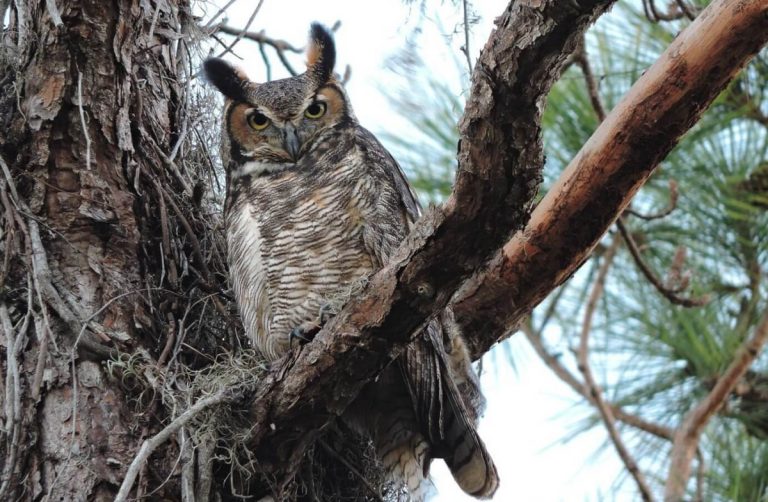
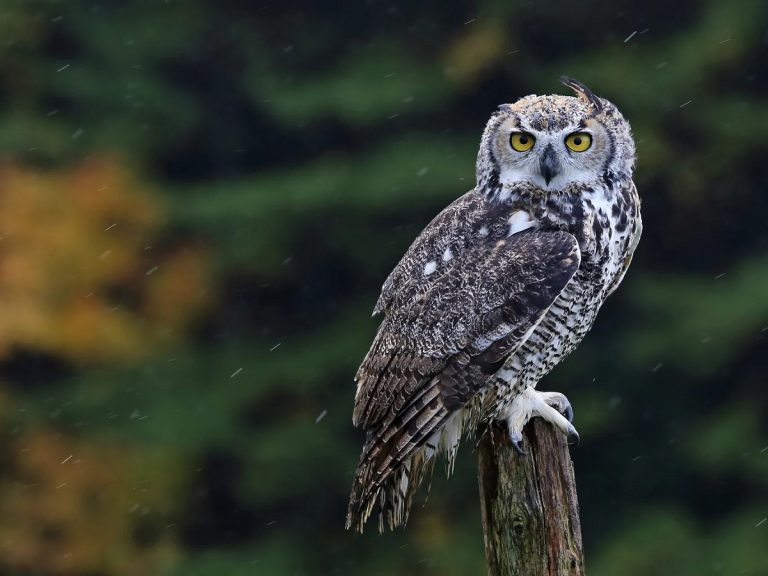
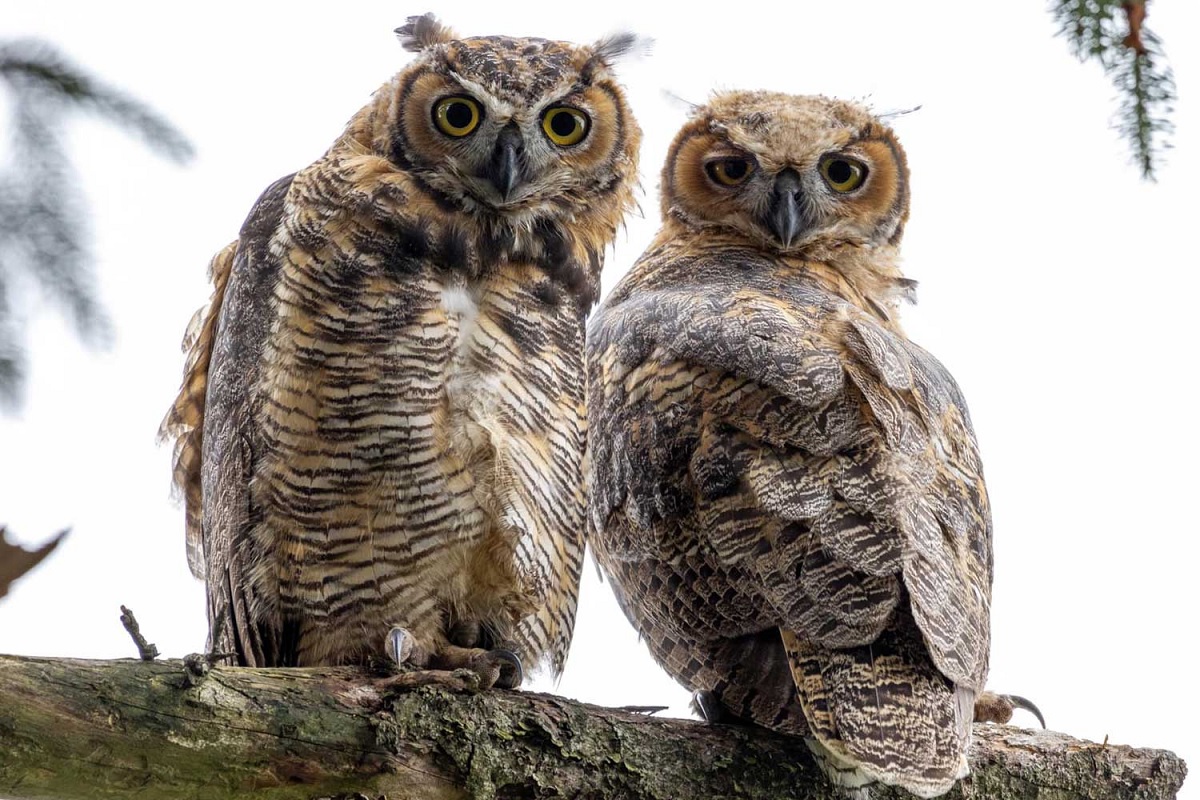
The coloration and pattern of great horned owl feathers play a critical role in camouflage. Their feathers typically feature a mottled mix of brown, gray, and buff tones, with streaks and spots that break up the bird’s outline. This natural pattern allows them to blend seamlessly into tree bark, foliage, or rocky landscapes during the day when they rest.
Additionally, the dark “horns” or tufts on their heads, which are actually modified feathers, contribute to their intimidating appearance. These tufts help with visual signaling and may also aid in communication with other owls. The feather patterns differ slightly between individuals, which can assist researchers in identifying specific birds or tracking populations. Overall, the coloration is an essential survival trait, keeping these nocturnal hunters concealed from both prey and potential predators.
Feather Structure and Texture
The structural design of great horned owl feathers is one of the most fascinating aspects of their biology. These feathers are soft and flexible, with a velvety texture that reduces friction during flight. This adaptation is critical for their signature silent flight, allowing them to approach prey without detection.
Flight feathers, particularly the primaries and secondaries, are long and sturdy, providing lift and precise maneuverability. The edges of these feathers are serrated, which further dampens sound and improves stealth. Underneath, softer down feathers provide insulation, keeping the owl warm in cold weather while also offering a cushioning layer for sudden impacts during hunting. This combination of structural strength and softness demonstrates how evolution has finely tuned these feathers for hunting efficiency and environmental adaptation.
Size and Shape Variations
Great horned owl feathers vary significantly in size and shape, reflecting their specialized functions. Wing feathers are long and broad, aiding in lift and gliding, while tail feathers act as rudders, enabling agile turns in dense forests or open landscapes. Body feathers tend to be shorter and more densely packed, providing warmth and protection.
The variation in feather length also assists in thermoregulation. By adjusting feather positioning, the owl can conserve heat during cold nights or cool down during warmer days. Additionally, feather wear and replacement patterns provide insight into the bird’s age, health, and activity levels. Observing these size and shape differences is essential for proper feather identification and for understanding the physical demands placed on these birds during hunting and survival in the wild.
Unique Adaptations for Hunting
Every feather on a great horned owl contributes to its hunting prowess. Silent flight feathers allow stealthy approaches, while the mottled body feathers provide camouflage during ambushes. Even the subtle markings on wing feathers can break up the owl’s silhouette against the night sky, making it nearly invisible to prey.
Feather density and layering also help the owl absorb impact when landing or capturing struggling prey. The combination of soft underfeathers with rigid outer feathers creates an adaptive system that balances agility, stealth, and durability. Observing these specialized features in detail helps bird watchers and researchers appreciate the evolutionary marvel that allows great horned owls to remain apex nocturnal predators.
Feather Molt and Maintenance
Feather maintenance is crucial for the owl’s survival. Great horned owls undergo a molting process where old feathers are gradually replaced with new ones, ensuring continued flight efficiency and insulation. Molting occurs in stages to prevent compromising the bird’s ability to hunt.
During this period, feathers may appear ragged or uneven, but this is a natural process. Preening is another important maintenance behavior, where the owl cleans, aligns, and oils feathers to maintain their functionality. Proper feather care ensures that silent flight, insulation, and camouflage remain effective. Understanding molt patterns and maintenance habits adds depth to the study of great horned owl feather identification and provides a window into the daily survival strategies of these formidable predators.
How to Identify Feathers by Body Location
Feathers are not uniform across a bird’s body; each type serves a unique purpose depending on its location. Understanding these differences is essential for bird enthusiasts, researchers, and wildlife trackers who want to identify birds accurately. Observing feather shape, size, texture, and placement helps determine the bird’s behavior, age, and even health. Recognizing feathers by body location provides insight into flight mechanics, insulation, and communication strategies in birds, making it a critical skill for both amateurs and professionals.
Flight Feathers: Wings and Tail
Flight feathers are among the most distinctive on a bird’s body, found primarily on the wings and tail. Wing feathers, including primaries, secondaries, and tertiaries, are long, stiff, and asymmetrical to maximize lift and control during flight. Primaries, located at the wingtip, are the main propellers that allow rapid maneuvering, while secondaries provide stability and gliding capability. Tertiary feathers, closer to the body, assist in smooth airflow across the wing.
Tail feathers, or rectrices, act as rudders, helping the bird steer, brake, and maintain balance in flight. These feathers are typically broader and symmetrical compared to wing feathers. Observing the wear, shape, and size of flight feathers can also give clues about a bird’s age and species. Color patterns on flight feathers may serve as identification markers or camouflage, and their arrangement can vary among species, making them critical for proper feather identification.
Contour Feathers: Body Covering
Contour feathers cover the bird’s body, giving it its overall shape and streamlined appearance. These feathers are medium-sized and overlap like shingles on a roof, protecting the bird from wind, water, and injury. They also provide insulation, keeping the bird warm in cold conditions and preventing overheating in hot climates.
The texture of contour feathers can vary depending on location; those on the back and wings are usually tougher to withstand abrasion, while feathers on the belly and underwings are softer for flexibility and comfort. Coloration and patterning on contour feathers play an important role in camouflage and communication, signaling age, gender, or social status. By examining contour feathers closely, bird enthusiasts can identify the bird species, recognize seasonal changes, and understand how birds adapt to their habitats.
Down Feathers: Insulation Layer
Down feathers are small, fluffy, and located beneath the contour feathers, primarily covering the chest, belly, and under the wings. They are specialized for insulation rather than flight, trapping air to maintain the bird’s body temperature in cold conditions. Down feathers lack the stiff central shaft seen in flight and contour feathers, giving them a soft and pliable texture.
These feathers are crucial for survival in harsh climates and during nighttime when temperatures drop. In juvenile birds, down feathers often dominate before adult feathers fully develop, making them important markers for age determination. Down feathers may also appear in molting birds as old feathers fall out, giving insight into the bird’s health and lifecycle. Observing the location, density, and quality of down feathers is key to understanding the overall condition and adaptation strategies of birds in different environments.
Semiplume and Filoplume Feathers: Support and Sensory Functions
Semiplume feathers are intermediate between contour and down feathers, combining features of both. They are located beneath the contour feathers and help in insulation and maintaining body shape. Semiplumes are soft, with a slightly developed central shaft, providing both flexibility and support.
Filoplume feathers, on the other hand, are hair-like and sparse, usually found near the base of flight and contour feathers. These feathers serve a sensory function, detecting changes in feather position during flight or movement. Filoplumes are essential for monitoring feather alignment and detecting environmental changes, helping the bird maintain balance and efficiency in flight. Observing these specialized feathers in specific body locations can offer insights into a bird’s adaptation, flight mechanics, and tactile responsiveness.
Covert Feathers: Covering the Joints
Covert feathers are smaller feathers that overlay the bases of flight feathers on both wings and tail, acting as protective coverings. They smooth airflow over the wing during flight, reducing turbulence and enhancing efficiency. Covert feathers also provide additional insulation and protection to sensitive joints where flight feathers attach.
Different types of coverts, such as greater, median, and lesser coverts, are arranged in layers, contributing to a sleek and aerodynamic wing surface. Their coloration and pattern can help in species identification, especially when combined with primary flight feather markings. By analyzing covert feathers, researchers can understand wing structure, flight efficiency, and overall bird health.
Seasonal and Age Variations in Feathers
Feathers are not static; they change in appearance and function based on both the season and the age of the bird. These variations are essential for survival, influencing flight efficiency, camouflage, and thermoregulation. Observing these differences provides important clues for researchers, bird watchers, and wildlife enthusiasts about the bird’s life stage, health, and environmental adaptations. Understanding seasonal and age-related feather changes is crucial for proper identification and monitoring of bird populations.
Seasonal Molt Patterns
Many birds undergo seasonal molting, replacing old or damaged feathers with new ones to maintain optimal flight and insulation. Molting patterns often correspond with breeding, migration, or climate conditions. For example, some species replace their wing and tail feathers gradually to avoid losing flight capability, while others may shed contour feathers to adjust camouflage for changing landscapes.
During seasonal molts, feathers may exhibit different colors or patterns, enhancing survival. Breeding plumage often appears brighter or more vibrant to attract mates, while non-breeding plumage may be duller, blending with the environment to reduce predation risks. Observing these seasonal changes allows identification of the bird’s reproductive status and readiness for migration. Researchers can also track the timing and extent of molting to study environmental impacts on bird populations, making seasonal feather patterns a key aspect of avian ecology.
Age-Related Feather Changes
Feather characteristics also change as birds mature. Juvenile birds often display downy, softer feathers that provide warmth but limited protection and camouflage. These early feathers are gradually replaced with stronger, more structured adult feathers that support flight and enhanced thermoregulation.
In many species, coloration shifts dramatically with age. Juvenile plumage may be duller or patterned differently to avoid predation, while adults exhibit brighter or more distinct patterns for mating and territorial signaling. Wing and tail feathers may also vary in size and symmetry as the bird matures, reflecting improved flight skills and endurance. Observing these age-related differences is essential for proper identification and understanding the bird’s life stage, behavior, and ecological role.
Impact on Flight and Survival
Seasonal and age-related variations in feathers directly impact a bird’s ability to survive. Worn or incomplete feathers can reduce flight efficiency, limit hunting success, and increase vulnerability to predators. Seasonal molts and growth of new feathers restore optimal function, ensuring continued mobility and thermoregulation.
Younger birds, in particular, face challenges during feather transitions. Their first adult feathers are critical for learning to fly efficiently and navigating their environment safely. Seasonal molts in older birds, meanwhile, maintain feather integrity and allow adaptation to changing habitats. Observing feather condition and variation provides valuable insight into a bird’s overall health, feeding success, and ecological resilience, highlighting the importance of these changes for survival.
Color and Pattern Adaptation
Feather coloration and patterns also change with age and season to improve camouflage or signaling. In juvenile birds, feathers are often mottled or subdued to reduce visibility to predators. Seasonal changes, such as brighter breeding plumage or duller winter coats, support reproductive success and survival in variable environments.
Color and pattern changes are not only aesthetic but functional, influencing thermoregulation, social interaction, and predator avoidance. Brightly colored feathers during mating season can signal fitness, while duller plumage during non-breeding seasons provides concealment. Age-related color changes also help researchers determine the maturity and potential reproductive status of individual birds, offering critical data for population studies and conservation efforts.
Monitoring Feather Health
Understanding seasonal and age variations also helps monitor overall feather health. Birds with damaged or delayed feather replacement may struggle with flight, insulation, or predator avoidance. Observing molting stages and comparing juvenile versus adult plumage can indicate environmental stressors, nutritional deficiencies, or disease presence.
Regular monitoring of feather conditions across seasons allows conservationists to track population health and detect ecological pressures. By studying these variations, researchers gain insight into the adaptive strategies birds use to survive in dynamic environments. Feather observation, therefore, becomes a powerful tool for both species identification and ecological study.
FAQs
How Can You Recognize Great Horned Owl Feathers?
You can recognize great horned owl feathers by examining their size, texture, and coloration. They typically feature a mottled mix of brown, gray, and buff tones, often with streaks and spots that help the bird camouflage in trees and forests.
Pay attention to the soft underfeathers that provide insulation and the stiffer flight feathers that allow silent hunting. The presence of “horns” or feather tufts on the head is another key marker, helping distinguish this owl from other species. Close observation of patterns and shapes can aid proper identification.
What Are the Differences Between Flight and Body Feathers?
Flight feathers are long, rigid, and located on the wings and tail, providing lift, maneuverability, and stealth during flight. They often have serrated edges to reduce noise and are usually more uniform in shape.
Body feathers, also called contour feathers, cover the torso, back, and head. They are softer, overlapping, and help with insulation, protection, and camouflage. By comparing these feather types, you can determine their location on the owl’s body and their functional role in survival and hunting efficiency.
How Do Juvenile Feathers Differ From Adult Feathers?
Juvenile great horned owls have softer, downy feathers that provide warmth but limited camouflage. Their coloration is usually duller and more uniform to avoid drawing attention from predators.
As they mature, these feathers are replaced with stronger, patterned adult feathers. Adult feathers are stiffer and better suited for flight, hunting, and signaling. Observing the differences in feather texture, size, and coloration can help you determine the age of the bird and understand its developmental stage.
How Do Seasonal Changes Affect Feather Appearance?
Seasonal changes can influence the color, pattern, and condition of great horned owl feathers. During breeding season, feathers may appear brighter or more defined to attract mates. In winter or non-breeding seasons, feathers may look duller for camouflage.
Molting occurs to replace worn feathers, and this can temporarily alter their appearance. By noting seasonal variations, you can better identify the owl, understand its life cycle, and observe its adaptation strategies to different environmental conditions.
Can You Identify Feathers Based on Location on the Body?
Yes, you can identify feathers based on where they are located on the owl’s body. Wing and tail feathers are long and stiff, aiding flight, while contour feathers cover the body for insulation and camouflage. Down feathers underlie the contour feathers to provide warmth.
Additionally, filoplume and semiplume feathers serve sensory and supportive roles, often near the base of flight feathers. Observing the feather’s size, shape, and texture in relation to its body location helps in accurate identification and understanding the bird’s behavior.
What Tools or Methods Help in Feather Identification?
To identify great horned owl feathers, you can use visual observation, comparison with reference guides, and magnification tools like hand lenses. Measuring feather length, noting color patterns, and checking texture helps differentiate feather types.
Photographs and diagrams can assist in recording and comparing features. Observing feathers in different lighting conditions or angles often reveals subtle markings. Consistent documentation and cross-referencing with species-specific characteristics ensure accurate identification, whether for research, wildlife tracking, or educational purposes.
Conclusion
Observing and studying owl feathers can be a fascinating way to connect with nature, especially when focusing on a species as distinctive as the great horned owl. By paying attention to size, color patterns, and feather texture, you can gain a deeper understanding of these nocturnal hunters and their behaviors. Careful observation also helps distinguish them from other owl species, making field identification more accurate and rewarding.
For anyone interested in wildlife tracking or birdwatching, great horned owl feather identification offers a practical skill that enhances your knowledge of local ecosystems. Recognizing differences in wing, tail, and body feathers, as well as variations between juveniles and adults, allows you to gather important insights without disturbing the birds.
Ultimately, great horned owl feather identification combines patience, attention to detail, and respect for wildlife. Whether for scientific study or personal interest, mastering these skills strengthens your connection to the natural world and encourages responsible observation.