How To Stop Bird Seed From Growing Under Feeder: Easy Tips To Prevent Unwanted Sprouts
Bird feeders bring joy to backyard spaces, attracting a variety of birds and providing opportunities to observe nature up close. However, spilled seeds can fall beneath feeders, creating unintended problems. Left unattended, these seeds often sprout, leading to unwanted plants, crowded garden spaces, and increased maintenance. Controlling this growth is important for maintaining a tidy and manageable yard.
Understanding why bird seed grows beneath feeders is the first step in addressing the problem. Many seeds are viable and, when combined with moisture and sunlight, can germinate quickly. Birds naturally scatter seeds while feeding, and the surrounding soil often provides ideal conditions for sprouting.
Practical strategies can minimize seed sprouting while still supporting backyard wildlife. Adjusting feeder placement, managing fallen seeds, and considering ground coverings can all play a role. Learning how to stop bird seed from growing under feeder ensures your yard remains clean, healthy, and enjoyable for both birds and people.
How To Stop Bird Seed From Growing Under Feeder With Proper Placement
Proper placement of your bird feeder is one of the most effective ways to prevent seed from sprouting underneath. By carefully selecting the location, you can reduce scattered seeds, limit favorable growing conditions, and make maintenance easier. Strategic placement not only keeps your yard tidy but also ensures birds can feed safely and comfortably without causing long-term growth problems below the feeder.
Choosing the Right Surface
Placing your feeder over hard surfaces such as concrete, gravel, or mulch significantly reduces the likelihood of seeds taking root. These surfaces prevent soil contact, which is essential for germination. Concrete or stone patios, gravel beds, or compacted ground create an environment where seeds cannot sprout.
Using trays or shallow basins under the feeder can further control seed dispersal. Any fallen seeds land on a contained surface, making cleanup easy and reducing scattered growth. While soft soil encourages sprouting, placing the feeder over a hard or well-drained surface disrupts natural germination, keeping the area beneath your feeder clean and manageable.
Avoiding Moisture-Prone Areas
Bird seed requires moisture to germinate, so positioning your feeder in areas that remain dry helps prevent sprouting. Avoid placing feeders in low-lying spots where water collects, near sprinkler zones, or beneath overhanging branches that drip rainwater onto the ground.
Elevating the feeder on poles or hanging it from sturdy branches ensures better airflow and keeps seeds away from moisture-rich surfaces. This reduces the chances of seeds developing roots and sprouting underneath. By combining height with dry placement, you create an environment less conducive to unwanted growth, keeping the area neat while still feeding your backyard birds effectively.
Strategic Distance From Plants
Feeder placement relative to garden beds and lawns also affects seed sprouting. Positioning feeders away from flower beds or vegetable gardens minimizes the chance that stray seeds will germinate in areas where they are unwanted. Birds naturally scatter seeds as they feed, and planting areas provide ideal conditions for growth.
Using an open area with minimal vegetation around the feeder allows you to monitor fallen seeds and remove them quickly. A clear zone of a few feet around the feeder ensures that spilled seeds won’t settle into soil-rich areas. This strategy protects your garden plants while reducing cleanup and controlling unwanted sprouting.
Considering Sunlight And Shade
Sunlight plays a key role in seed germination. Placing feeders in areas with limited direct sunlight can slow or prevent sprouting of seeds that fall underneath. Partial shade areas, like under trees with filtered light or covered patios, reduce the warmth and energy seeds need to sprout.
Balancing sunlight exposure is important for bird activity as well. Birds often prefer well-lit areas, but scattered seed in shaded areas is less likely to grow. By understanding the microenvironment beneath your feeder, you can place it where bird activity remains high while minimizing conditions that encourage unwanted plant growth.
Combining Placement With Maintenance
While proper placement greatly reduces seed germination, combining it with routine maintenance maximizes effectiveness. Using trays, catching spilled seed, or sweeping the area beneath the feeder periodically prevents any stray seeds from taking root.
Regular monitoring allows you to adjust feeder height, location, or surrounding surface as needed. Thoughtful placement, combined with simple maintenance practices, ensures that your backyard remains clean, reduces sprouting, and continues to attract birds safely and efficiently. Proper placement is a proactive step in managing both bird feeding and yard health.
Using Seed Catchers
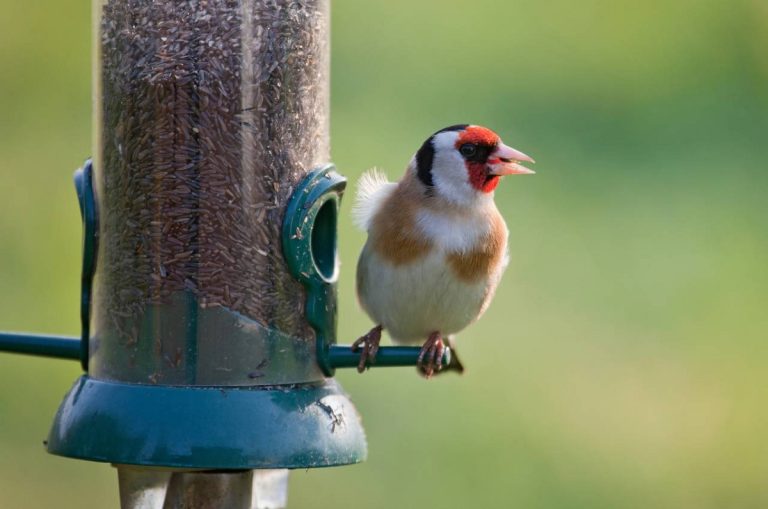
Seed catchers are an effective way to prevent bird seed from spreading under feeders while still providing food for your backyard birds. These devices collect stray seeds that birds drop, keeping the ground clean and reducing the chances of unwanted germination. Using seed catchers helps maintain a tidy feeding area, protects surrounding plants, and simplifies cleanup, making them an essential tool for responsible bird feeding.
How Seed Catchers Work
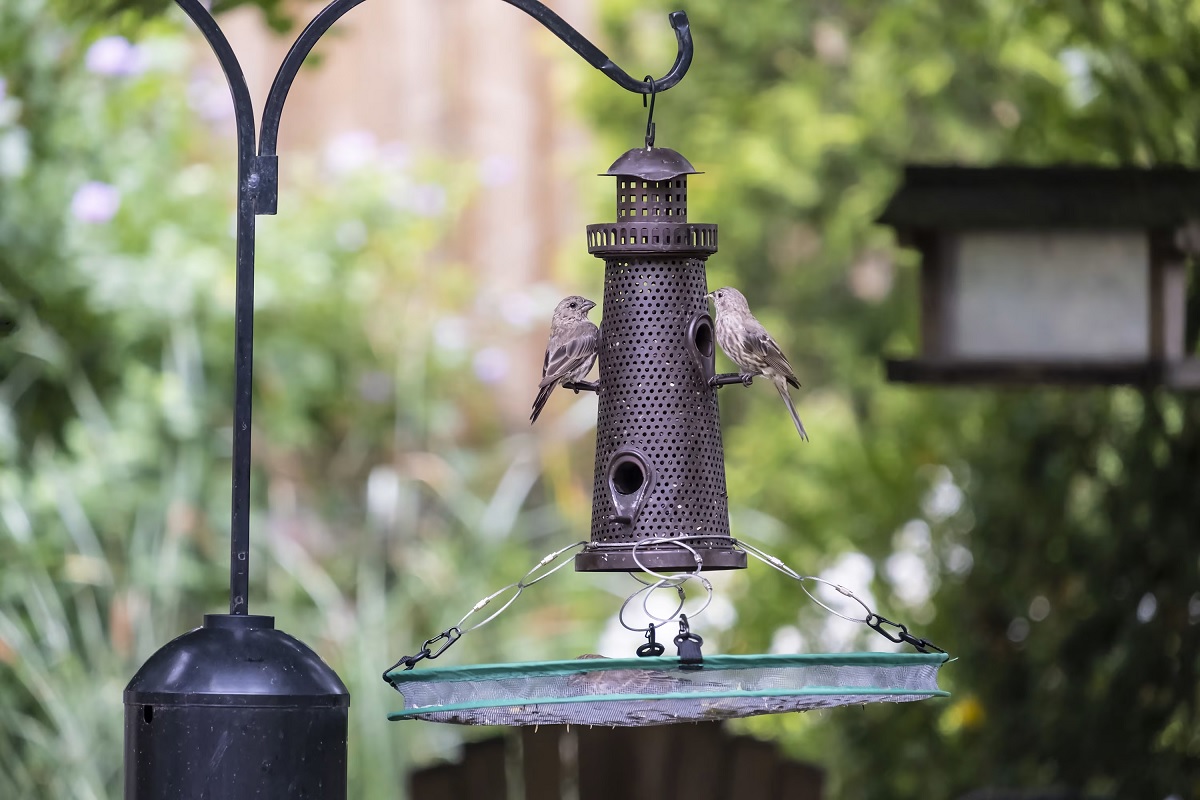
Seed catchers are typically trays, nets, or mesh attachments placed beneath bird feeders to collect falling seeds. As birds feed, any spilled seeds land in the catcher instead of on soil or grass. This prevents seeds from coming into contact with moisture and soil, which are necessary conditions for germination.
Some seed catchers are designed to be slightly concave, allowing seeds to accumulate in one area for easy removal. Others are flat trays that can be removed, cleaned, and replaced regularly. They are compatible with a variety of feeders, including tube, hopper, and platform types, making them versatile for different backyard setups. Using seed catchers ensures that birds can feed naturally without creating extra work or enabling unwanted plant growth beneath the feeder.
Benefits Of Using Seed Catchers
Seed catchers provide multiple benefits beyond preventing seed sprouting. By keeping the area under the feeder clean, they reduce the likelihood of attracting pests such as rodents or insects that are drawn to spilled seeds. A tidy feeding area also decreases the risk of mold or bacterial growth from decomposing seeds.
Additionally, seed catchers protect your lawn, garden beds, and pathways from becoming overrun by random seedlings. They also make feeding more efficient for birds, as seeds remain accessible on the catcher instead of being lost in dirt or mulch. Overall, they create a cleaner, safer, and more manageable bird-feeding environment.
Choosing And Installing Seed Catchers
Selecting the right seed catcher depends on the type of feeder and the space available. Trays or mesh baskets are ideal for larger feeders, while smaller catchers suit hanging tube feeders. Durable materials like metal or heavy-duty plastic are preferred for longevity and ease of cleaning.
Installation is usually straightforward, with most catchers attaching directly to the feeder or hanging beneath it. Ensure that the catcher is level and secure so that seeds don’t spill outside of it. Periodically emptying and cleaning the catcher ensures continued effectiveness and prevents buildup of debris or mold, maintaining a hygienic feeding area for birds.
Enhancing Effectiveness With Placement
Seed catchers work best when combined with proper feeder placement. Positioning the feeder over a hard surface, away from garden beds, and in a well-drained area ensures that any seeds that escape are minimal. This combination reduces the chance of germination and makes it easier to clean up residual seeds.
Monitoring bird activity and adjusting the feeder or catcher height can improve efficiency. When used thoughtfully, seed catchers minimize waste, reduce sprouting, and maintain a neat backyard feeding station while supporting healthy bird populations.
Through Seed Selection
Choosing the right type of bird seed is an important step in preventing unwanted growth under your feeder. Some seeds are more likely to germinate than others, especially when spilled onto soil or mulch. By carefully selecting seeds that are less viable or slower to sprout, you can reduce the chances of seedlings appearing beneath your feeder while still attracting birds to your yard.
Opting For Hulled Or Shelled Seeds
Hulled or shelled seeds are seeds that have had their outer coating removed. Without the protective shell, many of these seeds are less likely to germinate if they fall to the ground. Common options include hulled sunflower seeds or peanuts, which provide nutrition to birds but minimize the risk of sprouting.
Using hulled seeds also reduces waste because birds can eat them more efficiently. The absence of shells means fewer fragments left behind that might otherwise take root. While these seeds may cost slightly more than unhulled varieties, their advantages in maintaining a clean and low-maintenance feeding area make them a worthwhile investment.
Choosing Non-Viable Or Heat-Treated Seeds
Another approach is selecting seeds that have been heat-treated or are non-viable. Heat-treated seeds are sterilized to prevent germination, ensuring that any seed dropped under the feeder will not sprout. This option is particularly effective for high-traffic areas or small garden spaces where stray seedlings would be problematic.
Non-viable seeds are commonly available at specialty bird stores and are often marketed specifically for use in feeders. They provide all the nutritional benefits birds need without the risk of creating new plants below your feeding station. Combining non-viable seeds with proper feeder placement and seed catchers enhances overall effectiveness.
Avoiding Highly Germinable Seeds
Some seeds, like millet or canary seed, germinate easily when exposed to soil and moisture. These types should be avoided if your goal is to minimize growth under the feeder. Birds enjoy these seeds, but they can quickly sprout and create unwanted seedlings.
Instead, focus on seeds that are less likely to take root, such as sunflower kernels, safflower, or heat-treated mixes. This reduces cleanup time and prevents your yard from becoming overrun with random plants. Being selective about seed type ensures that feeding remains a low-maintenance activity while still attracting a variety of birds.
Combining Seed Selection With Feeding Practices
Selecting the right seed works best when paired with good feeding practices. Using trays, seed catchers, or feeder placement strategies minimizes spillage and further reduces the chance of germination. Feeding only what birds can consume in a day or two also limits leftover seeds.
By thoughtfully choosing seeds and combining them with practical feeding habits, you maintain a tidy, healthy backyard environment. This approach prevents unwanted growth under feeders while still providing birds with the nutrition and energy they need.
Regular Cleaning
Maintaining a clean bird-feeding area is essential to prevent seed from germinating under your feeder. Regular cleaning reduces the buildup of spilled seeds, debris, and droppings, which can create ideal conditions for unwanted plant growth. By incorporating consistent cleaning practices into your routine, you protect your yard, minimize maintenance, and keep the feeding area safe and attractive for birds.
Cleaning The Feeder And Surrounding Area
One of the first steps in regular cleaning is attending to the feeder itself. Empty the feeder periodically and remove any old, damp, or moldy seeds. Moldy seeds not only attract pests but also create fertile ground for sprouting when spilled.
The area beneath the feeder should also be cleaned regularly. Sweep or rake away fallen seeds, leaves, and other debris to prevent accumulation. Using a small brush or handheld vacuum can help reach corners or tight spaces. By keeping both the feeder and surrounding area clean, you reduce the likelihood of seeds germinating and keep the environment healthier for birds.
Using Trays And Liners For Easier Cleanup
Incorporating trays or liners beneath your feeder can make regular cleaning simpler. Trays catch most of the dropped seeds, while removable liners allow for quick disposal and cleaning without disturbing the feeder.
Regularly emptying and washing trays prevents mold, bacteria, or seed buildup, which can lead to germination. Liners made of non-porous materials, like plastic or metal, are ideal because they are easy to wipe down and disinfect. By combining trays and liners with routine cleaning, you maintain a tidy feeding area that requires minimal effort.
Disinfecting To Prevent Mold And Germination
Regular cleaning isn’t just about removing seeds; disinfecting the feeder and surrounding area is equally important. A mild bleach solution or vinegar-based cleaner can kill bacteria, mold, and fungi that may encourage seed sprouting.
Rinse thoroughly after disinfecting to ensure no harmful residue remains that could affect birds. Consistent sanitation practices reduce the risk of germination while also promoting the overall health of visiting birds. A clean, disinfected feeding area deters pests and maintains a safe environment year-round.
Establishing A Cleaning Schedule
Consistency is key to preventing seed from growing under feeders. Establish a regular cleaning schedule based on feeder usage and bird activity. During peak feeding seasons, weekly cleaning may be necessary, while lighter activity periods may allow for biweekly maintenance.
Monitoring the area beneath your feeder helps determine when additional cleaning is needed. Combining this schedule with proper feeder placement, seed selection, and seed catchers creates a comprehensive approach to minimizing seed germination. A consistent cleaning routine ensures that your feeding area remains tidy, safe, and bird-friendly.
Benefits Of Regular Cleaning
Regular cleaning provides multiple benefits beyond preventing unwanted seedlings. It reduces the likelihood of pests, mold, and foul odors while keeping the area aesthetically pleasing. Birds also benefit from a clean, safe feeding environment.
By making cleaning a routine practice, you maintain control over seed spillage and germination. Combined with other preventive strategies, regular cleaning ensures your backyard remains organized and inviting for birds, while minimizing extra work and maintaining a healthy, attractive space.
How To Stop Bird Seed From Growing Under Feeder Using Mulch Or Barriers
Using mulch or barriers under your bird feeder is a highly effective method to prevent unwanted seed germination. These materials create a physical layer that blocks seeds from reaching soil, while also improving aesthetics and reducing maintenance. By combining proper surface coverage with regular upkeep, you can maintain a tidy feeding area and minimize the chances of sprouts appearing beneath your feeder.
Using Mulch To Prevent Germination
Mulch is an excellent option for controlling bird seed growth under feeders. Materials such as bark chips, wood chips, straw, or gravel create a protective layer that limits soil exposure and reduces moisture contact, which are essential conditions for seed germination.
Spread a thick layer of mulch—about 2 to 3 inches—under the feeder, covering the entire area where seeds are likely to fall. This not only prevents seeds from taking root but also improves drainage and reduces weeds. Mulch also adds a visually appealing surface to your yard while making cleanup easier, as fallen seeds remain on top of the mulch rather than embedding in soil.
Using Barriers And Ground Covers
Barriers provide another solution for stopping seed sprouting. Materials such as landscape fabric, plastic trays, rubber mats, or mesh screens create a solid surface beneath your feeder, preventing seeds from contacting soil.
Landscape fabric allows water to pass through but blocks seed growth, while plastic trays or rubber mats catch spilled seeds for easy disposal. These barriers can be cut to size and placed directly under feeders or extended to cover a larger feeding area. Regularly removing seeds from these surfaces ensures continued effectiveness. Combining barriers with mulch can provide a layered approach, further minimizing germination risk.
Placement And Depth Considerations
Effectiveness depends on proper placement and coverage. Ensure mulch or barriers extend beyond the feeder’s drip line, as birds often scatter seeds to the sides. Wider coverage reduces the chance of seeds finding exposed soil.
The depth of mulch or the sturdiness of a barrier is equally important. Thin layers may not prevent small seeds from reaching soil, while heavier or denser layers provide more protection. Adjust the materials based on the type of seed you offer and the local climate to optimize results.
Maintenance And Longevity
Using mulch or barriers is not a one-time solution; regular maintenance is required. Over time, mulch can decompose, shift, or compact, reducing its effectiveness. Barriers may accumulate debris or develop holes that allow seeds to reach the soil.
Rake and replenish mulch periodically, and inspect barriers for damage. Cleaning the surface and replacing worn sections ensures that seeds continue to be blocked and makes it easier to remove collected debris. Consistent maintenance keeps the feeding area safe, tidy, and free of unwanted seedlings.
Combining With Other Strategies
Mulch and barriers work best when combined with other preventive strategies, such as seed catchers, proper seed selection, and feeder placement. Using multiple methods together creates a comprehensive system that minimizes seed loss, germination, and cleanup efforts.
By thoughtfully layering mulch, installing barriers, and maintaining them regularly, you can significantly reduce unwanted growth under your bird feeder. This approach keeps your yard organized, protects surrounding plants, and supports a healthy feeding environment for birds.
How To Stop Bird Seed From Growing Under Feeder Using Mulch Or Barriers
Using mulch or barriers under your bird feeder is a highly effective method to prevent unwanted seed germination. These materials create a physical layer that blocks seeds from reaching soil, while also improving aesthetics and reducing maintenance. By combining proper surface coverage with regular upkeep, you can maintain a tidy feeding area and minimize the chances of sprouts appearing beneath your feeder.
Using Mulch To Prevent Germination
Mulch is an excellent option for controlling bird seed growth under feeders. Materials such as bark chips, wood chips, straw, or gravel create a protective layer that limits soil exposure and reduces moisture contact, which are essential conditions for seed germination.
Spread a thick layer of mulch—about 2 to 3 inches—under the feeder, covering the entire area where seeds are likely to fall. This not only prevents seeds from taking root but also improves drainage and reduces weeds. Mulch also adds a visually appealing surface to your yard while making cleanup easier, as fallen seeds remain on top of the mulch rather than embedding in soil.
Using Barriers And Ground Covers
Barriers provide another solution for stopping seed sprouting. Materials such as landscape fabric, plastic trays, rubber mats, or mesh screens create a solid surface beneath your feeder, preventing seeds from contacting soil.
Landscape fabric allows water to pass through but blocks seed growth, while plastic trays or rubber mats catch spilled seeds for easy disposal. These barriers can be cut to size and placed directly under feeders or extended to cover a larger feeding area. Regularly removing seeds from these surfaces ensures continued effectiveness. Combining barriers with mulch can provide a layered approach, further minimizing germination risk.
Placement And Depth Considerations
Effectiveness depends on proper placement and coverage. Ensure mulch or barriers extend beyond the feeder’s drip line, as birds often scatter seeds to the sides. Wider coverage reduces the chance of seeds finding exposed soil.
The depth of mulch or the sturdiness of a barrier is equally important. Thin layers may not prevent small seeds from reaching soil, while heavier or denser layers provide more protection. Adjust the materials based on the type of seed you offer and the local climate to optimize results.
Maintenance And Longevity
Using mulch or barriers is not a one-time solution; regular maintenance is required. Over time, mulch can decompose, shift, or compact, reducing its effectiveness. Barriers may accumulate debris or develop holes that allow seeds to reach the soil.
Rake and replenish mulch periodically, and inspect barriers for damage. Cleaning the surface and replacing worn sections ensures that seeds continue to be blocked and makes it easier to remove collected debris. Consistent maintenance keeps the feeding area safe, tidy, and free of unwanted seedlings.
Combining With Other Strategies
Mulch and barriers work best when combined with other preventive strategies, such as seed catchers, proper seed selection, and feeder placement. Using multiple methods together creates a comprehensive system that minimizes seed loss, germination, and cleanup efforts.
By thoughtfully layering mulch, installing barriers, and maintaining them regularly, you can significantly reduce unwanted growth under your bird feeder. This approach keeps your yard organized, protects surrounding plants, and supports a healthy feeding environment for birds.
How To Stop Bird Seed From Growing Under Feeder Using Mulch Or Barriers
Using mulch or barriers under your bird feeder is a highly effective method to prevent unwanted seed germination. These materials create a physical layer that blocks seeds from reaching soil, while also improving aesthetics and reducing maintenance. By combining proper surface coverage with regular upkeep, you can maintain a tidy feeding area and minimize the chances of sprouts appearing beneath your feeder.
Using Mulch To Prevent Germination
Mulch is an excellent option for controlling bird seed growth under feeders. Materials such as bark chips, wood chips, straw, or gravel create a protective layer that limits soil exposure and reduces moisture contact, which are essential conditions for seed germination.
Spread a thick layer of mulch—about 2 to 3 inches—under the feeder, covering the entire area where seeds are likely to fall. This not only prevents seeds from taking root but also improves drainage and reduces weeds. Mulch also adds a visually appealing surface to your yard while making cleanup easier, as fallen seeds remain on top of the mulch rather than embedding in soil.
Using Barriers And Ground Covers
Barriers provide another solution for stopping seed sprouting. Materials such as landscape fabric, plastic trays, rubber mats, or mesh screens create a solid surface beneath your feeder, preventing seeds from contacting soil.
Landscape fabric allows water to pass through but blocks seed growth, while plastic trays or rubber mats catch spilled seeds for easy disposal. These barriers can be cut to size and placed directly under feeders or extended to cover a larger feeding area. Regularly removing seeds from these surfaces ensures continued effectiveness. Combining barriers with mulch can provide a layered approach, further minimizing germination risk.
Placement And Depth Considerations
Effectiveness depends on proper placement and coverage. Ensure mulch or barriers extend beyond the feeder’s drip line, as birds often scatter seeds to the sides. Wider coverage reduces the chance of seeds finding exposed soil.
The depth of mulch or the sturdiness of a barrier is equally important. Thin layers may not prevent small seeds from reaching soil, while heavier or denser layers provide more protection. Adjust the materials based on the type of seed you offer and the local climate to optimize results.
Maintenance And Longevity
Using mulch or barriers is not a one-time solution; regular maintenance is required. Over time, mulch can decompose, shift, or compact, reducing its effectiveness. Barriers may accumulate debris or develop holes that allow seeds to reach the soil.
Rake and replenish mulch periodically, and inspect barriers for damage. Cleaning the surface and replacing worn sections ensures that seeds continue to be blocked and makes it easier to remove collected debris. Consistent maintenance keeps the feeding area safe, tidy, and free of unwanted seedlings.
Combining With Other Strategies
Mulch and barriers work best when combined with other preventive strategies, such as seed catchers, proper seed selection, and feeder placement. Using multiple methods together creates a comprehensive system that minimizes seed loss, germination, and cleanup efforts.
By thoughtfully layering mulch, installing barriers, and maintaining them regularly, you can significantly reduce unwanted growth under your bird feeder. This approach keeps your yard organized, protects surrounding plants, and supports a healthy feeding environment for birds.
High Traffic Areas
High traffic areas around your yard can influence how bird seed behaves and where it may sprout. Areas with frequent foot traffic, pets, or even strong winds often see more seed displacement, which can either prevent germination or create concentrated patches of growth. Understanding how these zones affect seed dispersal allows you to implement strategies that minimize unwanted sprouting while maintaining a safe and functional feeding area for birds.
Effects Of Foot Traffic On Seed Germination
Foot traffic plays a significant role in preventing seed from sprouting under feeders. When people or pets walk over scattered seeds, they are often crushed or displaced, reducing the likelihood that they will make contact with soil in a way that supports germination.
However, heavy traffic can also push seeds into soil cracks or softer surfaces where they may still sprout. To manage this, it’s important to monitor high-traffic areas and consider adding protective layers like mulch, trays, or mats. These surfaces help distribute the impact of traffic while keeping seeds contained and preventing germination, balancing accessibility for birds with effective yard management.
Using Barriers In High Traffic Zones
Installing barriers in high traffic zones is another effective approach. Raised trays, rubber mats, or landscape fabric create a protected area where seeds can fall safely without being displaced or compacted into soil.
Barriers also make cleanup easier in areas where foot traffic is frequent. Fallen seeds can be collected and removed regularly without interfering with pedestrian movement or causing messy patches of sprouted plants. Choosing sturdy, non-slip materials ensures that barriers remain functional and safe even in busy areas.
Placement And Monitoring
Strategic placement of feeders in high traffic zones can minimize issues with seed dispersal. Position feeders in areas that allow natural bird access but avoid pathways where seeds may be scattered by people, pets, or vehicles.
Monitoring these areas regularly helps you detect where seeds tend to accumulate or sprout. Adjust feeder placement, barrier position, or protective coverings as needed to prevent concentrated growth. Combining observation with proactive placement ensures the area remains tidy and functional.
Combining High Traffic Management With Other Methods
High traffic areas are most effective when combined with other seed management strategies. Using seed catchers, selecting less germinable seeds, and applying mulch or barriers all complement traffic management.
By integrating multiple methods, you reduce the risk of seed germination while maintaining a clean feeding area. Managing high traffic zones ensures your backyard bird-feeding environment remains safe, accessible, and low-maintenance, providing a healthier experience for both birds and people.
People Also Asked
How Can I Prevent Bird Seed From Sprouting Under My Feeder?
You can prevent bird seed from sprouting under your feeder by combining proper feeder placement, seed selection, and cleanup practices. Placing feeders over hard surfaces like concrete or gravel reduces soil contact, while using trays or seed catchers collects spilled seeds before they can germinate.
Selecting hulled or heat-treated seeds further limits the chance of growth. Regularly cleaning the area beneath the feeder and removing fallen seeds ensures that no stray seeds take root. By integrating these strategies, you can maintain a tidy feeding area while still attracting birds safely.
What Is The Role Of Mulch In Preventing Seed Growth?
Mulch acts as a physical barrier between fallen seeds and the soil, preventing germination. Materials like bark chips, wood chips, straw, or gravel create a protective layer that limits moisture and sunlight, which are essential for seeds to sprout.
Spreading a 2-3 inch layer beneath your feeder not only blocks growth but also improves drainage and makes cleanup easier. Mulch helps maintain a tidy yard, reduces weeds, and protects surrounding plants. Combining mulch with seed catchers or trays provides an effective, low-maintenance solution for controlling unwanted seed growth.
Do Seed Catchers Really Help Stop Sprouting?
Yes, seed catchers are very effective at preventing seed from reaching soil and germinating. These devices, which can be trays or mesh attachments, collect seeds that fall from the feeder. Birds continue feeding naturally while dropped seeds are contained for easy disposal.
Seed catchers reduce mess, limit the risk of attracting pests, and prevent mold or fungal growth from decomposing seeds. They are suitable for various feeder types and, when emptied regularly, provide a clean and safe feeding area. Using a seed catcher is a practical way to minimize unwanted seed growth.
Can Seed Selection Make a Difference?
Absolutely. Choosing the right type of seed significantly impacts whether sprouting occurs. Seeds that are hulled, shelled, or heat-treated are less likely to germinate when spilled on the ground. Avoid highly germinable seeds like millet or canary seed in areas prone to sprouting.
Using bird-friendly but non-viable seeds allows birds to feed safely while preventing random seedlings in your yard. Seed selection works best when paired with proper feeder placement and maintenance to ensure a tidy and low-maintenance feeding area.
How Often Should I Clean Under My Feeder?
Regular cleaning is essential to prevent seed growth. During peak feeding seasons, cleaning weekly is recommended, while biweekly maintenance may suffice during slower periods. Remove fallen seeds, debris, and droppings to limit germination opportunities.
Disinfecting feeders and trays occasionally reduces mold and bacterial buildup, further preventing sprouting. Establishing a routine ensures that stray seeds do not take root and keeps the area safe and tidy for birds. Consistent cleaning enhances the effectiveness of all other seed management strategies.
Does Feeder Placement Affect Seed Sprouting?
Yes, placement is crucial. Position feeders over hard, well-drained surfaces away from garden beds, low-lying soil, or areas that retain moisture. Elevating feeders or hanging them from branches reduces seed contact with soil, minimizing the chance of sprouting.
Proper placement also makes cleanup easier and keeps birds safe from predators or foot traffic. Combining strategic placement with seed catchers, mulch, and proper seed selection ensures that spilled seeds do not take root while maintaining an inviting feeding environment.
Are There Other Barriers That Help Prevent Seed Growth?
In addition to mulch, trays, and seed catchers, landscape fabric, rubber mats, and mesh screens can act as effective barriers. These surfaces block seeds from contacting soil while still allowing drainage and easy cleanup.
Barriers prevent seedlings from establishing beneath feeders, reducing maintenance and protecting surrounding plants. Regularly checking and maintaining these surfaces ensures continued effectiveness. Using barriers alongside proper feeder placement and seed selection creates a comprehensive strategy to prevent bird seed from growing under feeders.
Final Words
Maintaining a clean area under your bird feeder is essential to prevent unwanted plants from sprouting and creating extra maintenance work. By choosing the right location, using seed catchers, and installing barriers like mulch or gravel, you can significantly reduce the chances of seeds taking root. Regular cleaning and monitoring further ensure that spilled seeds don’t have the opportunity to grow.
Seed selection also plays a key role in controlling unwanted growth. Opting for hulled seeds or pellet-style bird food minimizes the likelihood of germination. Combining this with proper feeder design and placement helps keep your feeding area tidy and prevents seedlings from appearing in your garden or yard.
Following these practical steps demonstrates how to stop bird seed from growing under feeder while still enjoying the benefits of attracting birds. With consistent care and thoughtful feeder management, you can maintain a clean, healthy, and bird-friendly outdoor space year-round.