How To Keep Birds Out Of Your Carport: Simple And Effective Solutions
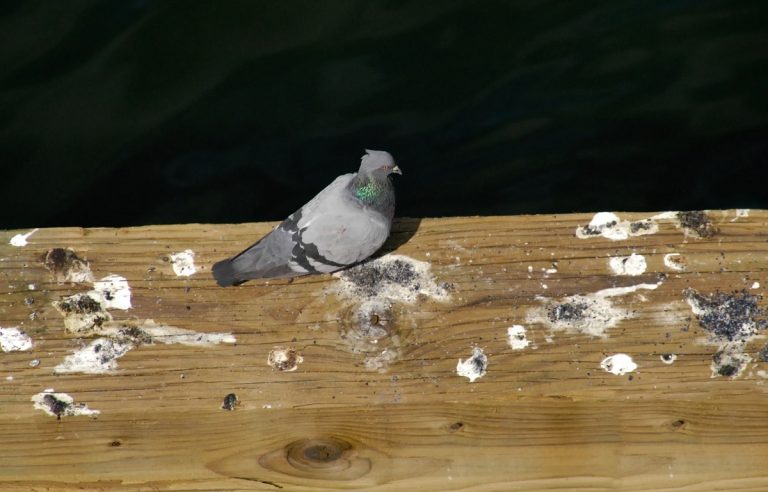
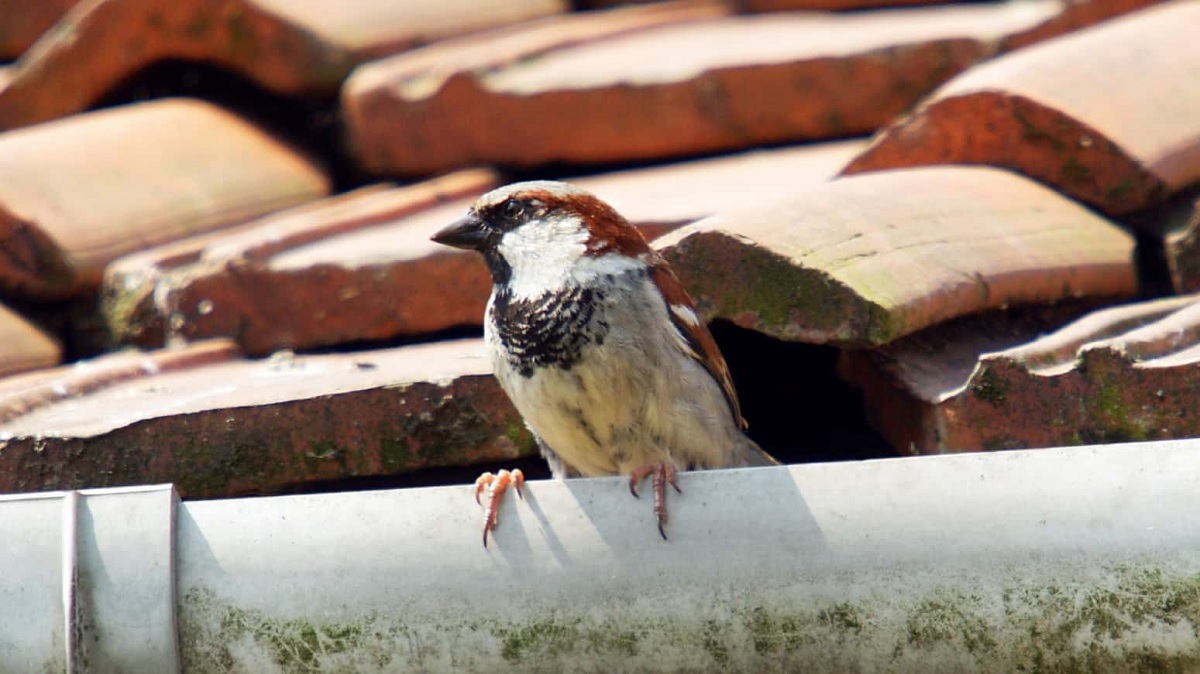
Birds can be a common nuisance when they choose to roost or nest in areas where humans work or store vehicles. Their droppings, nesting materials, and constant activity can cause damage, create messes, and even pose health risks. Protecting spaces like carports from bird activity is essential for maintaining cleanliness and preventing long-term damage.
Understanding bird behavior and their reasons for choosing certain spots is the first step toward effective management. Birds are drawn to sheltered areas that offer safety from predators and the elements, making carports an appealing option. Their perching habits and territorial instincts can make them persistent if left unmanaged.
Proper planning and preventive measures can help reduce or eliminate the presence of birds in these areas. By using practical strategies and deterrents, you can protect your vehicles and storage spaces while still respecting local wildlife.
Physical Barriers
Physical barriers are one of the most effective ways to prevent birds from entering and roosting in your carport. These barriers limit access to areas where birds might perch, nest, or cause damage. By using thoughtfully designed solutions, you can protect vehicles and property while minimizing harm to wildlife. Understanding the different types of physical barriers helps you implement strategies that are safe and effective.
Netting And Mesh Screens
Netting and mesh screens are widely used to block birds from entering open areas. Installing durable bird netting around the perimeter of your carport creates a protective shield, preventing birds from accessing beams, rafters, or vehicles. Fine mesh is particularly effective for smaller species like sparrows and finches, while larger mesh works for pigeons or crows.
Netting can be attached to walls, ceilings, and support beams to cover all potential entry points. It’s important to ensure the netting is taut and properly secured to prevent birds from getting trapped or injured. Maintenance involves periodic checks to repair holes or sagging areas. Properly installed netting not only blocks access but also preserves the aesthetic of your carport while creating a safe environment for both birds and humans.
Spikes And Perch Deterrents
Bird spikes are another physical barrier designed to prevent perching on beams, rafters, and ledges. Made from durable materials like stainless steel or plastic, these spikes create uncomfortable surfaces that discourage birds from landing without causing harm. Installing spikes along key areas such as roof edges, light fixtures, and rafters reduces the likelihood of repeated visits.
Perch deterrents can also include angled metal strips or flexible wires that make landing difficult. Placement should cover all potential roosting spots and be adjusted to target species-specific behaviors. While spikes are effective for larger birds like pigeons and starlings, combining them with netting or visual deterrents enhances overall protection. These measures reduce maintenance needs by preventing accumulation of droppings and nesting materials in the carport area.
Barriers Around Vehicles And Storage
In addition to structural deterrents, physical barriers can protect vehicles and stored items directly. Car covers, garage curtains, or temporary enclosures create a layer of protection, preventing birds from landing on cars or leaving droppings. Covering vehicles overnight or when not in use is particularly effective during nesting or migration seasons.
For storage areas, sealed containers, shelving with protective flaps, and overhead screens prevent birds from accessing items that may attract them. Combining these barriers with other strategies, such as reducing food sources or water access, ensures that birds are discouraged from visiting the carport altogether. These solutions are practical, affordable, and customizable for different carport designs.
Maintaining Barriers For Long-Term Effectiveness
Physical barriers require ongoing maintenance to remain effective. Netting, mesh, and spikes should be inspected regularly for damage or wear. Torn netting or loose spikes can allow birds to enter or even trap them, creating safety hazards. Cleaning debris from barriers also ensures that they continue to function properly.
By regularly maintaining these deterrents, you can provide consistent protection for your carport. Physical barriers work best when combined with other methods, such as visual or auditory deterrents, creating a comprehensive approach to preventing birds from roosting. Proper installation, periodic inspection, and timely repairs maximize the effectiveness of these tools, making your carport a bird-free space while maintaining safety for wildlife.
Visual Deterrents
Visual deterrents are an effective way to discourage birds from settling in your carport without causing them harm. These deterrents work by exploiting birds’ natural instincts to avoid perceived threats, such as predators or sudden movements. By using strategically placed visual cues, you can reduce perching, nesting, and early-morning activity in areas where birds are unwanted.
Reflective Objects And Shiny Surfaces
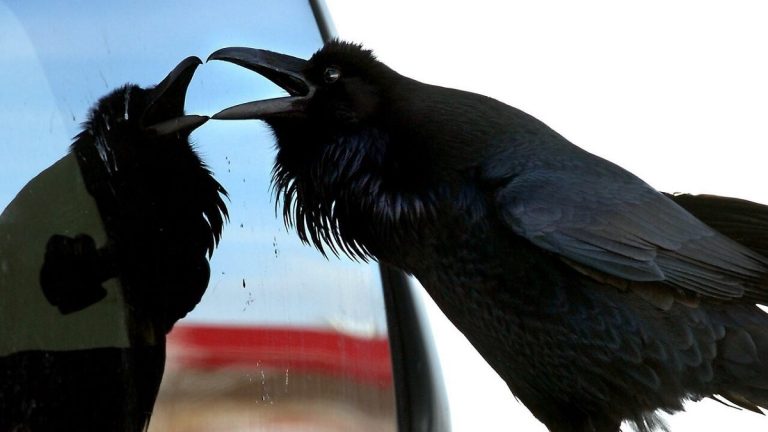
Reflective objects are one of the simplest and most cost-effective visual deterrents. Birds are often startled by sudden flashes of light or moving reflections, which mimic potential predators or unfamiliar activity. Hanging reflective tape, old CDs, or mirrors near perching areas in your carport can create flashes of light that discourage birds from approaching.
Placement is crucial for effectiveness. Position reflective items where sunlight or artificial light hits them frequently, creating movement and reflections that birds notice. Swiveling or mobile reflective decorations can increase the sense of unpredictability, making birds less likely to habituate. While these objects don’t harm birds, they provide enough visual disruption to make your carport an unattractive location for roosting.
Predator Decoys And Models
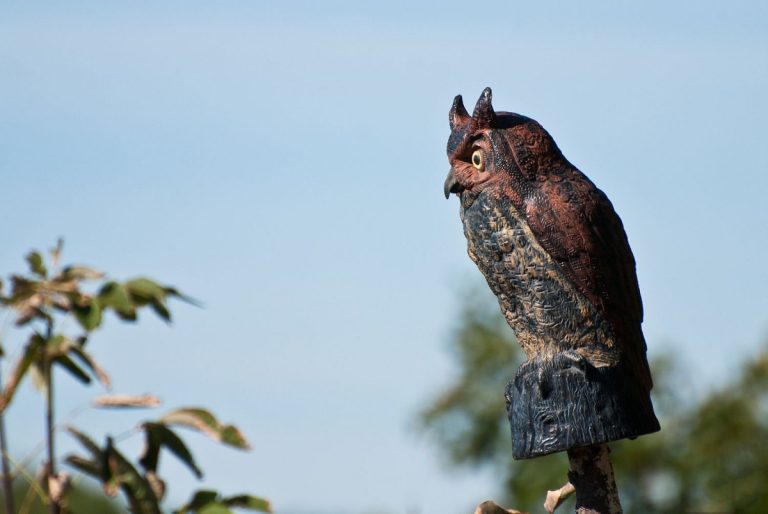
Using predator decoys, such as plastic owls, hawks, or snakes, is another visual strategy. Birds naturally avoid areas where predators are present, and decoys exploit this instinct to keep them away. Placing decoys on beams, rafters, or near entrances can effectively reduce bird activity.
For best results, decoys should be moved periodically to maintain the illusion of a real threat. Birds may eventually realize a stationary decoy poses no actual danger, so rotating locations or combining with other deterrents helps sustain effectiveness. Predator models work well in conjunction with reflective objects or netting, creating a multi-layered visual deterrent that minimizes bird presence without causing harm.
Flagging And Streamers
Flags, ribbons, and streamers that move in the wind can act as dynamic visual deterrents. Birds are naturally wary of sudden motion, and fluttering objects create a sense of instability or danger. Using lightweight materials in bright or metallic colors enhances visibility and increases the perceived threat.
Placing these streamers along carport beams, roof edges, or near storage areas encourages birds to avoid these zones. Wind-activated motion adds unpredictability, preventing birds from becoming accustomed to the deterrent. Regularly adjusting or repositioning streamers maintains their effectiveness and keeps birds from settling into your carport.
Combining Visual Deterrents For Maximum Effect
Visual deterrents are most effective when combined with multiple strategies. Reflective surfaces, predator decoys, and moving streamers can be used together to create a layered defense. Birds are less likely to approach areas with several types of visual threats, reducing the likelihood of nesting or perching.
Maintenance is key to long-term success. Ensure reflective surfaces are clean, decoys are intact, and streamers are replaced if damaged. Monitoring bird activity allows you to adjust placements for maximum impact. By thoughtfully combining visual deterrents, you can create a carport environment that discourages birds while maintaining safety and aesthetics.
Using Sound
Sound is a powerful tool for discouraging birds from gathering in your carport. Birds rely heavily on auditory cues for communication, navigation, and detecting threats. By using sound strategically, you can create an environment that feels unsafe or uncomfortable for birds, reducing their presence without causing harm. Understanding how different sounds affect bird behavior is key to implementing this method effectively.
Ultrasonic And High-Frequency Devices
Ultrasonic or high-frequency sound devices are designed to emit noises that are unpleasant to birds but mostly inaudible to humans. These devices can help keep birds away from carports by creating an auditory disturbance that discourages perching and nesting. Placement is important, as sound intensity and coverage depend on distance and barriers such as walls or vehicles.
Birds are sensitive to sudden or continuous high-pitched sounds, which can mimic the distress calls of other birds or signal potential threats. These devices work best when combined with other deterrents, like visual or physical barriers, to prevent birds from habituating to the noise. Regular monitoring and adjusting the device location ensures that the sound remains effective and continues to discourage activity in the targeted area.
Recorded Distress Calls And Predator Sounds
Using recorded distress calls or predator sounds can also discourage birds from entering your carport. These sounds trigger instinctual avoidance behaviors, signaling danger or competition. Playing recordings of owls, hawks, or flock distress calls can make birds perceive your carport as unsafe.
Timing and volume are important factors. Sounds should be played intermittently rather than continuously to prevent birds from becoming accustomed to them. Adjusting volume ensures the sound reaches the desired area without disturbing nearby residents. Combining auditory cues with visual deterrents like decoys or reflective surfaces further strengthens the effectiveness of this method.
Natural Environmental Sounds
In addition to artificial devices, natural environmental sounds can influence bird behavior. For example, frequent human activity, movement, or the sound of flowing water can create a sense of disruption that discourages birds from settling. Using wind chimes, water fountains, or even low-level background noise can subtly alter the environment to make it less appealing to birds.
Integrating natural sounds with targeted auditory deterrents creates a multi-layered approach that discourages birds from roosting in your carport. Monitoring the results allows you to adjust sound types, locations, and schedules for optimal effectiveness. By thoughtfully using sound, you can protect your carport from unwanted birds while maintaining a peaceful environment for humans.
Removing Attractants
One of the most effective ways to keep birds out of your carport is by removing the factors that draw them in. Birds are naturally attracted to food, water, shelter, and safe perching areas. By identifying and eliminating these attractants, you can discourage birds from frequenting your carport, reducing mess, damage, and early-morning disturbances.
Managing Food Sources
Food is a primary attractant for birds. Open trash cans, pet food left outside, and bird feeders near your carport can all encourage birds to visit. Removing these food sources reduces the incentive for birds to linger or establish a roost in the area.
Ensure garbage is stored in tightly sealed containers and avoid leaving pet food out overnight. If bird feeders are essential, place them far from the carport and maintain a consistent cleaning schedule to prevent spilled seeds from accumulating. Reducing accessible food limits repeated visits and discourages birds from developing a habit of using your carport as a feeding ground.
Controlling Water Access
Water sources can also attract birds. Standing water in puddles, planters, or pet bowls near your carport can make the area appealing for drinking or bathing. Limiting water access is a key step in removing attractants.
Use covered or elevated water stations for pets and regularly empty any standing water near your carport. If you have ornamental water features, consider positioning them away from the carport or adding deterrents like mesh covers. Birds are less likely to remain in areas where essential resources like water are scarce, helping to keep your carport bird-free.
Reducing Shelter And Perching Spots
Birds look for safe, sheltered areas to perch, nest, or rest. Carport beams, rafters, and nearby trees or shrubs provide ideal locations. Reducing these opportunities can discourage birds from staying in the area.
Trimming back overhanging branches, removing dense vegetation near the carport, and limiting access to rafters or ledges can make your carport less inviting. Installing bird spikes or netting on beams and surfaces further reduces perching options. By minimizing available shelter, birds are more likely to seek safer locations elsewhere.
Maintaining A Clean Environment
Regular maintenance and cleanliness play a crucial role in removing attractants. Debris, fallen seeds, and accumulated nesting materials can draw birds back repeatedly. Keeping your carport clean makes it less appealing as a habitat.
Sweep and wash surfaces regularly, check for fallen seeds or food scraps, and remove any old nests promptly. Combining cleanliness with food, water, and shelter management ensures a comprehensive approach to discouraging birds from using your carport. A well-maintained environment signals to birds that the area is unsuitable for roosting or feeding, reducing their presence over time.
Scare Devices
Scare devices are a popular and effective method for keeping birds out of your carport without causing them harm. These devices work by exploiting birds’ natural instincts to avoid predators or unfamiliar threats. When used strategically, scare devices can prevent birds from perching, roosting, or nesting, reducing mess and protecting vehicles. Understanding the different types of scare devices helps homeowners choose the most suitable solutions for their carport.
Visual Scare Devices
Visual scare devices rely on creating the illusion of danger to deter birds. Common examples include predator decoys, reflective objects, and moving streamers. Predator decoys, such as plastic owls or hawks, simulate natural threats, causing birds to avoid the area. Reflective items like CDs or metallic tape create sudden flashes of light that startle birds, while wind-activated streamers produce movement that discourages landing.
Placement is key to effectiveness. Decoys should be positioned where birds frequently perch, and reflective objects should catch sunlight or artificial light. Streamers should be hung in areas that experience wind movement. Rotating decoys or changing the positions of reflective materials periodically prevents birds from becoming accustomed to the deterrent. When combined, these visual scare devices create an environment that birds perceive as unsafe, reducing activity in your carport.
Sound-Based Scare Devices
Sound is another powerful tool for bird deterrence. Devices that emit distress calls, predator sounds, or sudden loud noises exploit birds’ natural responses to danger. Distress calls mimic signals from other birds in trouble, while predator sounds indicate the presence of threats like hawks or owls. Both types trigger avoidance behavior, encouraging birds to relocate.
Timing and volume are critical. Sounds should be played intermittently to prevent birds from habituating. Positioning speakers to cover high-activity areas ensures maximum coverage without disturbing neighbors. Combining auditory scare devices with visual deterrents increases overall effectiveness, as birds are less likely to ignore simultaneous cues of danger. Sound devices are especially helpful in areas where physical barriers may be difficult to install.
Motion-Activated Devices
Motion-activated scare devices, such as sprinklers or lights, startle birds when movement is detected. These devices respond dynamically, creating an unpredictable environment that birds avoid. Sprinklers, for example, release a quick burst of water when birds enter the carport, while motion-activated lights or reflective elements produce sudden flashes or movement.
Motion-activated devices are effective because they combine both visual and tactile stimuli. Birds are naturally wary of sudden disturbances, and the unpredictability of these devices makes them difficult to ignore. Proper placement ensures that high-traffic areas are covered, while regular adjustments prevent habituation. These devices are particularly useful for deterring birds from perching on beams, rafters, or vehicles.
Combining Scare Devices For Maximum Effect
For best results, scare devices should be used in combination with other deterrent methods. Physical barriers, sound, and visual scare devices work together to create a multi-layered defense that reduces the likelihood of birds settling in your carport. Regular monitoring and adjustments ensure ongoing effectiveness.
Maintenance is also important. Decoys should be cleaned and checked for damage, sound devices should be tested periodically, and motion-activated tools should be inspected for proper operation. By thoughtfully integrating scare devices into your bird deterrent strategy, you can maintain a safe, clean, and bird-free carport while respecting wildlife.
FAQs
How Can I Keep Birds From Nesting In My Carport?
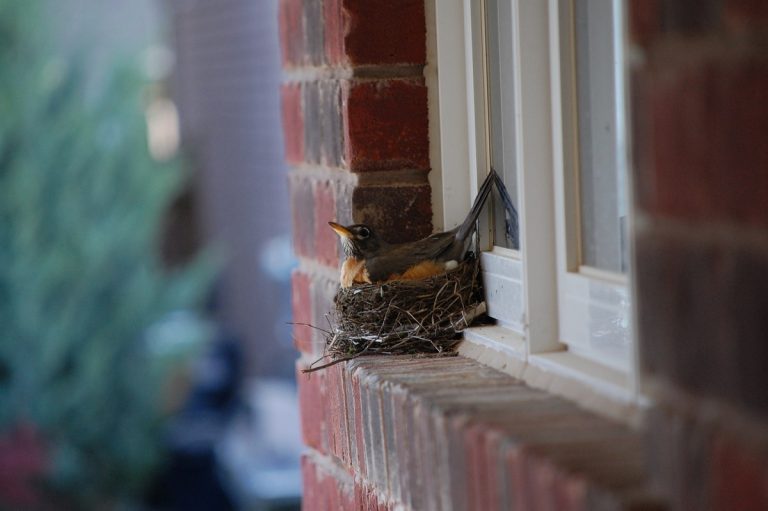
You can prevent birds from nesting in your carport by reducing access to safe and sheltered areas. Installing bird netting or spikes along rafters and beams blocks potential nesting spots. Regularly inspecting your carport and removing any old nests also discourages birds from returning.
Additionally, limiting attractants such as food, water, or nearby shrubs helps prevent birds from choosing your carport as a nesting site. Combining these methods ensures that birds do not establish long-term nests while maintaining a safe environment for wildlife.
What Are The Best Physical Barriers To Keep Birds Out Of A Carport?
Physical barriers like bird netting, mesh screens, and spikes are highly effective at keeping birds out of carports. Netting can cover open areas, preventing entry, while spikes deter birds from perching on beams, rafters, or ledges.
Placement is crucial for effectiveness. Make sure barriers are installed securely and cover all possible entry points. Regular maintenance ensures the barriers remain functional and prevents birds from finding gaps. Combining these physical solutions with other deterrents, such as visual or sound devices, provides a comprehensive approach to keeping your carport bird-free.
How Do Visual Deterrents Help Keep Birds Away From A Carport?
Visual deterrents work by exploiting birds’ natural fear of predators or unfamiliar movements. Reflective objects, like metallic tape, mirrors, or old CDs, create flashes of light that startle birds. Predator decoys, such as plastic owls or hawks, mimic natural threats and discourage birds from approaching.
Motion-activated streamers or wind-driven objects add dynamic movement, enhancing the deterrent effect. Proper placement and occasional rotation prevent birds from becoming accustomed to the devices. Visual deterrents are safe, non-lethal, and effective, especially when combined with other methods like physical barriers or sound devices.
Can Sound Devices Prevent Birds From Entering My Carport?
Yes, sound devices can discourage birds from frequenting your carport. Ultrasonic devices, predator calls, or recorded distress calls trigger birds’ avoidance instincts. These sounds make birds perceive the area as unsafe, reducing perching, roosting, and nesting.
Effectiveness depends on volume, placement, and timing. Intermittent use prevents habituation, while strategic placement ensures coverage of high-activity areas. Combining sound with visual or physical deterrents strengthens results. Sound devices provide a non-invasive way to keep birds away while maintaining a quiet and safe carport for your vehicles and property.
How Can I Remove Food And Water Sources To Deter Birds?
Removing attractants is essential to keep birds out of your carport. Store garbage in tightly sealed containers, avoid leaving pet food outside overnight, and relocate bird feeders away from the carport. Standing water in planters or puddles should also be minimized.
Limiting access to food and water reduces birds’ incentive to visit your carport repeatedly. By removing these resources, you make the area less appealing, encouraging birds to find alternative locations. Combined with other deterrents, this approach effectively reduces bird presence without causing harm.
Are Motion-Activated Devices Effective For Bird Control?
Motion-activated devices, such as sprinklers or lights, are highly effective because they create unpredictable disturbances that birds instinctively avoid. Sprinklers spray water when birds enter the area, while motion-activated lights or reflective devices startle them, discouraging perching or nesting.
These devices work best when placed in high-traffic areas like rafters, beams, or vehicle tops. Their unpredictability prevents birds from habituating, increasing long-term effectiveness. Motion-activated solutions are safe for birds and humans while providing a practical method for keeping your carport bird-free.
How Can I Maintain A Bird-Free Carport Long-Term?
Maintaining a bird-free carport requires a combination of deterrents and ongoing monitoring. Regularly clean the area to remove debris, seeds, or nesting materials. Inspect and repair physical barriers, visual deterrents, and sound devices to ensure they remain functional.
Seasonal adjustments may also be necessary, especially during breeding or migration periods when bird activity increases. By combining habitat management, visual and auditory deterrents, and regular maintenance, you can sustain a clean, safe, and bird-free environment in your carport year-round.
Final Thoughts
Keeping birds away from your carport requires a combination of prevention, deterrents, and regular maintenance. By using physical barriers like netting, spikes, or mesh, you can block common entry points and make your carport less inviting. Visual and sound deterrents add an extra layer of protection, helping to prevent birds from settling in or nesting.
Understanding the importance of removing attractants is also essential. Keeping your carport clean from food, trash, and debris reduces the reasons birds are drawn to the area. Seasonal adjustments, like adding extra deterrents during nesting or migration periods, ensure that your carport remains bird-free year-round.
When implementing these strategies, you can successfully manage bird activity while preserving the structure and cleanliness of your space. Following these practical steps will give you peace of mind and a safer, cleaner environment, effectively showing how to keep birds out of your carport without harming them.