Are There Cardinal Birds In Arizona: Sightings, Habitats, and Tips for Birdwatchers
Cardinals are among the most recognized and admired songbirds in North America, celebrated for their bright red plumage and melodic calls. Birdwatchers and nature enthusiasts often search for them across different states, eager to spot their vibrant colors against a natural backdrop. Their presence in a region often sparks curiosity about where these striking birds can be found throughout the year.
For those exploring the southwestern United States, the question are there cardinal birds in Arizona frequently arises. Arizona’s diverse landscapes, ranging from deserts to riparian forests, offer a unique environment for various bird species. Understanding which birds inhabit the state helps both casual observers and dedicated birdwatchers plan where and when to see them.
Cardinals are known for their adaptability, which allows them to thrive in different habitats. Observing their behavior in Arizona provides insight into how these birds interact with local flora and other wildlife. Their distinct appearance and song make them a memorable sight for anyone exploring the region.
Learning about cardinals in Arizona not only satisfies curiosity but also contributes to a greater appreciation of the state’s avian diversity. The presence of these birds highlights the intersection of migration patterns, habitat preferences, and seasonal changes, making Arizona an interesting location for cardinal enthusiasts.
Are There Cardinal Birds In Arizona
Arizona is known for its diverse landscapes, from desert lowlands to mountainous forests, which support a wide variety of bird species. Among these, cardinals stand out for their striking appearance and cheerful songs. Understanding whether cardinals inhabit Arizona involves exploring their preferred habitats, seasonal patterns, and adaptability to the region’s unique environmental conditions. Their presence provides insight into how these birds thrive outside their more commonly known eastern range.
Habitat Preferences Of Cardinals In Arizona
Cardinals in Arizona are most commonly found in areas that provide dense vegetation and adequate food sources. While the state is famous for its arid deserts, cardinals tend to favor riparian zones, suburban gardens, and areas with shrubs and trees that offer cover. These habitats provide nesting opportunities, protection from predators, and access to seeds, fruits, and insects.
Cardinals are highly adaptable and can thrive near human settlements, taking advantage of bird feeders and landscaped gardens. Arizona’s urban areas with ornamental trees and shrubs have become important habitats for these birds. They use dense brush and thickets to conceal their nests, making residential areas surprisingly hospitable.
Unlike desert specialists such as cactus wrens or roadrunners, cardinals require areas with sufficient water and cover. This explains why they are concentrated near rivers, streams, and irrigated gardens, where vegetation is more abundant. These habitat preferences demonstrate their selective adaptability to Arizona’s varied environments.
Seasonal Patterns And Migration
Cardinals are generally non-migratory birds, meaning that populations found in Arizona remain there year-round. Unlike migratory songbirds that travel long distances, cardinals establish territories and maintain them throughout the seasons, relying on consistent food sources and protective cover.
Seasonal changes influence their behavior rather than their location. In hotter months, they may seek shaded areas and water sources to cope with high desert temperatures. During the cooler months, they continue foraging in residential areas where feeders provide seeds and fruits. This year-round presence makes Arizona a reliable location for birdwatchers hoping to spot cardinals.
Arizona’s cardinals often form small family groups outside of the breeding season, using dense vegetation for communal roosting. The combination of sedentary behavior and habitat preference allows them to thrive in a state that combines desert expanses with pockets of vegetated environments.
Identification And Behavior Of Arizona Cardinals
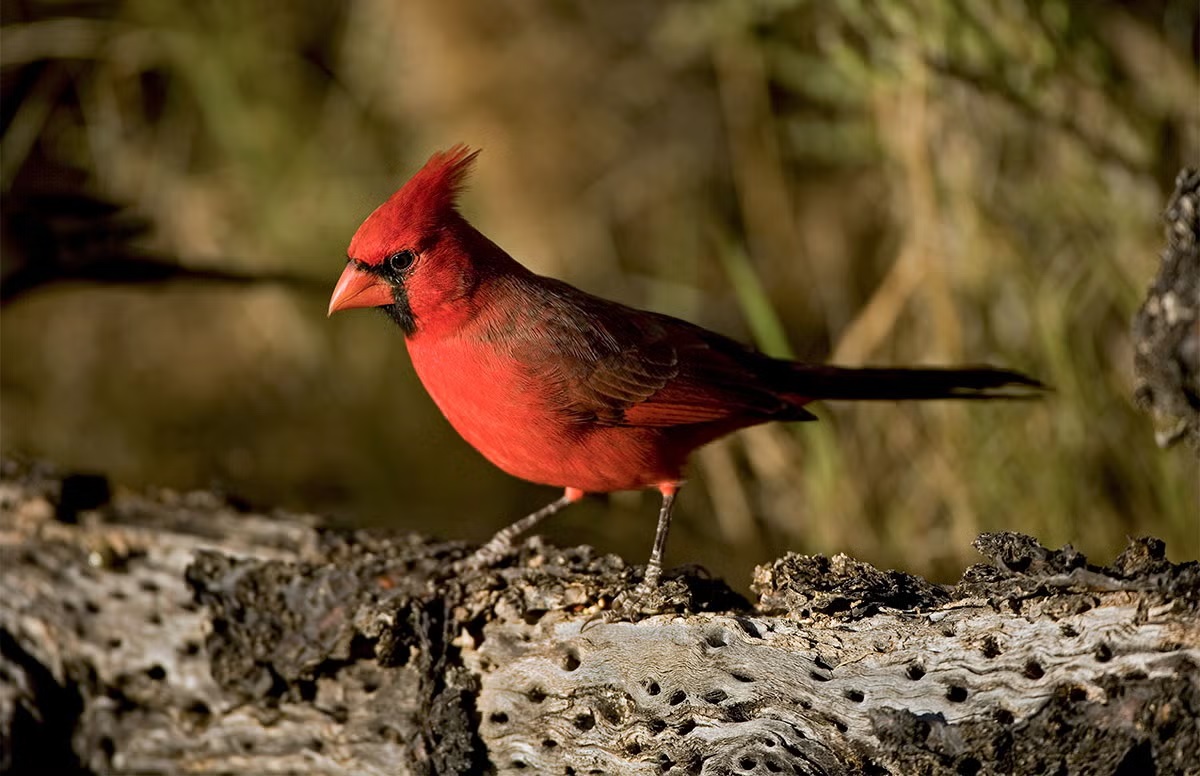
Spotting cardinals in Arizona is relatively straightforward due to their vivid red plumage in males and more subdued tan and red coloring in females. Their distinctive crests and black facial markings make them easily recognizable even in thick shrubs. Juvenile cardinals have softer tones, but their shape and behavior still allow identification.
Cardinals are known for their melodic whistles and calls, which are prominent throughout the day. In Arizona, these birds often vocalize from high perches in shrubs and trees to defend territories or communicate with mates. Observing their foraging behavior reveals their diet, which consists of seeds, berries, and small insects, adapted to available local resources.
Behaviorally, cardinals are territorial and tend to remain within a defined home range. This territoriality allows them to exploit local food and nesting sites efficiently. Their presence in suburban and riparian areas of Arizona reflects their ability to adapt to human-modified landscapes without compromising essential behaviors.
Conservation Status And Human Interaction
Cardinals in Arizona are not currently considered threatened, thanks to their adaptability and wide range of suitable habitats. Human-altered landscapes, including gardens, parks, and irrigated areas, provide additional food and nesting opportunities, supporting stable populations.
Feeding cardinals at backyard feeders encourages observation and helps support local populations, especially during dry periods when natural food sources are scarce. Planting native shrubs and trees also enhances their habitat, giving them cover and nesting opportunities. Responsible interaction and habitat support allow residents to enjoy cardinals while contributing to their conservation.
Understanding cardinals in Arizona demonstrates how a species typically associated with the eastern United States can thrive in the Southwest. Their ability to adapt to local habitats, remain resident year-round, and coexist with humans highlights both their resilience and the diversity of Arizona’s birdlife.
Identifying Cardinal Birds In Arizona
Cardinals are some of the most easily recognized birds in North America, known for their bright colors and distinctive calls. In Arizona, spotting a cardinal can be exciting due to the contrast of their plumage against desert and riparian landscapes. Identifying these birds requires understanding their physical characteristics, sexual dimorphism, vocalizations, and behavior, which all help distinguish them from other local bird species.
Physical Appearance And Sexual Dimorphism
Male cardinals in Arizona are immediately recognizable by their vibrant red feathers, black mask around the beak, and prominent crest on the head. These features make them stand out in both suburban areas and natural habitats. Their beaks are thick, cone-shaped, and bright orange, adapted for cracking seeds and consuming berries.
Females, on the other hand, are more subdued in coloration, typically light brown or tan with reddish highlights on the wings, tail, and crest. Despite the differences in color, their shape, size, and facial markings help identify them as cardinals. Sexual dimorphism allows you to distinguish males and females easily while observing pairs, which is particularly useful during the breeding season when both are actively foraging and defending territory.
Juvenile cardinals resemble adult females but may have paler tones and softer feathering. Observing these subtle differences in coloration, size, and crest development helps accurately identify cardinals at various life stages in Arizona’s diverse habitats.
Vocalizations And Songs
One of the most reliable ways to identify cardinals is through their vocalizations. Cardinals produce clear, whistling calls that are often repeated several times in succession. Males and females have distinct songs, and both use calls to communicate with mates, defend territory, or signal alarm.
In Arizona, their calls are particularly noticeable during early morning or late afternoon when birds are most active. Even in dense vegetation or urban areas, their melodic whistles can help locate them when visual identification is difficult. Recognizing cardinal songs can also help differentiate them from similar-sounding birds, such as grosbeaks or finches, which may inhabit the same regions but have different vocal patterns.
Listening for repeated, melodic whistles combined with observing the bird’s behavior is a key method for accurate identification, especially in areas where dense shrubs and riparian zones may obscure visual cues.
Behavior And Habitat Clues
Cardinals in Arizona display specific behaviors that help with identification. They are primarily terrestrial foragers, often moving through shrubs, trees, and low vegetation in search of seeds, berries, and insects. They are also territorial, often seen defending feeding areas or perching prominently to sing and communicate.
Habitat can provide additional clues. Cardinals favor riparian areas, suburban gardens, and regions with dense shrubbery. While they may occasionally appear in desert-edge landscapes, they are most abundant where water and cover are accessible. Observing feeding habits, perching patterns, and movement within vegetation can help confirm a sighting, especially when combined with visual and auditory cues.
Their tendency to remain within defined territories year-round also makes it easier to track individuals or pairs across seasons, enhancing opportunities for identification.
Seasonal Variation And Molting
Cardinals experience seasonal variations that can affect identification. During molting periods, their feathers may appear duller or uneven, which can temporarily make males less vividly red and females appear slightly darker or patchy. Understanding these seasonal changes helps prevent misidentification during different times of the year.
Breeding season also brings noticeable behavioral changes, as males sing more frequently and are highly visible while defending territories. Nesting activity often reveals both males and females together, providing excellent opportunities to observe sexual dimorphism and pairing behaviors.
By considering seasonal variation, vocalizations, habitat preference, and physical characteristics, birdwatchers in Arizona can accurately identify cardinals in a variety of environments. This comprehensive approach ensures that sightings are confidently distinguished from similar bird species, making the observation experience more rewarding and educational.
Cardinal Behavior and Habits in Arizona
Cardinals are among the most active and engaging birds in Arizona, drawing attention with their vibrant plumage and melodic calls. Understanding their behavior and daily habits provides insight into how these birds interact with their environment, secure food, defend territories, and reproduce. Observing cardinals in Arizona highlights their adaptability to both natural and human-modified landscapes.
Foraging and Feeding Habits
Cardinals in Arizona are primarily ground and shrub foragers, searching for seeds, berries, and insects throughout the day. They are often seen hopping between low branches, thickets, and garden shrubs, using their strong, conical beaks to crack open seeds or consume small fruits. Cardinals are highly adaptable in their feeding habits, readily taking advantage of backyard bird feeders filled with sunflower seeds, safflower seeds, or mixed bird seed.
Their foraging behavior is deliberate, often involving pauses to scan for predators or competitors. In riparian areas, they may probe leaf litter and low vegetation for insects, while in suburban areas, they rely more on ornamental plants and feeders. This versatility ensures that cardinals can sustain themselves year-round, even in Arizona’s variable climates.
Territorial and Social Behavior
Cardinals are highly territorial, with males vigorously defending their space from intruders. In Arizona, territorial disputes often involve song duels, where males perch on prominent branches and sing loudly to warn rivals. These vocal displays are not only for defense but also serve to attract mates and signal fitness.
Outside of the breeding season, cardinals may display mild social behavior, forming loose family groups or staying close to food sources. However, territorial instincts remain strong, especially when food or nesting resources are limited. Understanding these social patterns helps observers predict where and when to spot cardinals in urban gardens, riparian zones, and forested areas.
Breeding and Nesting Habits
Breeding in Arizona typically begins in spring, with males intensifying their singing and courtship displays. Cardinals build cup-shaped nests in dense shrubs or low trees, providing cover from predators and harsh weather. Both male and female contribute to nest building, though females primarily incubate the eggs.
Cardinals lay between two and five eggs per clutch, and chicks hatch relatively helpless, requiring extensive parental care. Both parents feed and protect the young, demonstrating strong biparental investment. Nesting sites are usually concealed in vegetation, often within 3 to 10 feet off the ground, blending with shrubs or low tree branches to remain hidden.
Daily Activity Patterns
Cardinals are diurnal, most active during early morning and late afternoon. In Arizona, they take advantage of cooler temperatures during these periods to forage, sing, and engage in social interactions. Midday activity often slows, especially in hotter desert regions, with birds seeking shaded areas or dense cover.
Even in urban areas, cardinals maintain consistent daily routines, visiting feeders, bathing in birdbaths, and interacting with mates or offspring. Their consistent activity patterns make them predictable and enjoyable for birdwatchers, who can observe foraging, territorial displays, and vocalizations during peak activity times.
Interaction With Humans and Other Birds
Cardinals are highly adaptable to human presence, frequently visiting backyard feeders and landscaped areas. They coexist with other local birds, such as doves, finches, and sparrows, often competing for food but rarely engaging in aggressive conflict.
Their bold colors and distinct songs make them easy to recognize, and their willingness to tolerate human activity allows for close observation. In Arizona, maintaining feeders and native shrubs encourages cardinals to visit, supporting their survival while providing opportunities to study and enjoy their behavior.
Best Places To Spot Cardinals In Arizona
Arizona is home to a surprising diversity of bird species, and cardinals are among the most colorful and easily recognizable. Their bright plumage and melodic songs make them a favorite for birdwatchers. To increase your chances of spotting these birds, it helps to understand their preferred habitats, seasonal movements, and human-friendly environments across the state. Cardinals thrive in areas with dense vegetation, water sources, and abundant food.
Riparian Zones And Waterways
Riparian zones, which are areas along rivers, streams, and creeks, are prime locations for observing cardinals in Arizona. These areas provide dense shrubs and trees for nesting and foraging, as well as consistent water sources, which are vital in the arid Southwest.
Birdwatchers often find cardinals along the Salt River, Verde River, and other northern and central Arizona waterways. The combination of cottonwood, willow, and mesquite trees creates ideal shelter and feeding opportunities. Cardinals forage in leaf litter and low branches, using their keen sense of smell and strong beaks to find seeds, berries, and insects. These habitats are particularly active in the early morning and late afternoon when cardinals are most active.
Riparian areas not only support cardinals but also attract a variety of other bird species, making them excellent spots for broader birdwatching experiences.
Suburban Gardens And Parks
Urban and suburban areas with gardens, parks, and bird feeders have become increasingly important for cardinals in Arizona. These environments provide food, water, and protective cover, allowing cardinals to thrive close to human settlements.
Home gardens with native shrubs, berry-bearing plants, and bird feeders attract cardinals year-round. Parks with shaded trees and dense undergrowth also serve as resting and foraging areas. Cardinals often use low branches for perching, vocalizing, and defending their territories. Their bright red coloration makes them highly visible against green lawns and ornamental shrubs, making suburban birdwatching particularly rewarding.
Encouraging cardinals to visit your backyard by offering feeders and planting native vegetation can turn private spaces into reliable cardinal-spotting locations.
Forested And Mountainous Regions
While cardinals are more commonly associated with riparian and suburban areas, they can also be found in forested and mountainous regions of Arizona. Oak woodlands, pine forests, and canyon areas provide cover, food sources, and nesting sites for cardinals.
The higher elevation forests around Sedona, Prescott, and the Mogollon Rim offer excellent opportunities to spot cardinals foraging among shrubs, berry bushes, and low trees. In these areas, cardinals remain active during daylight hours, often singing from prominent perches to communicate and defend territories. Observing them in these habitats highlights their adaptability to different environments across the state.
Mountain and forested areas also offer cooler temperatures and more moisture, which attract insects and other small prey for cardinals, enhancing their foraging efficiency.
Seasonal Considerations For Spotting Cardinals
Cardinals are non-migratory birds, which means they remain in Arizona throughout the year. However, seasonal changes can affect their visibility and behavior. During the spring and summer breeding season, males are highly vocal, singing from prominent perches to attract mates and defend territories. This makes them easier to locate.
In the hotter summer months, cardinals may seek shaded areas and water sources, concentrating their activity near riparian zones, birdbaths, and shaded gardens. Observing during early morning or late afternoon provides the best opportunities, as cardinals are more active and visible during these cooler periods.
Seasonal Considerations For Cardinal Sightings
Cardinals are vibrant, year-round residents of Arizona, but seasonal changes significantly influence their visibility, behavior, and habitat use. Understanding these patterns can help birdwatchers and enthusiasts plan the best times and locations to observe these birds. From breeding displays in spring to feeding habits in summer and sheltering strategies in winter, seasonal shifts impact where and how cardinals are seen across the state.
Spring And Breeding Season Activity
Spring marks the start of the cardinal breeding season in Arizona, and this period is one of the best times to spot these birds. Males become highly vocal, singing from prominent perches to establish and defend their territories. Their bright red plumage is especially vivid during this season, making them easier to spot against green vegetation.
During spring, cardinals focus on courtship and nest building. Females often select dense shrubs or low trees for nesting sites, while males bring food and provide territorial defense. The activity associated with nesting, including frequent trips to and from food sources, makes them more noticeable to observers. Birdwatchers often find cardinals in suburban gardens, riparian areas, and forest edges during this time, where nesting opportunities are abundant.
Summer Foraging And Heat Adaptations
Summer in Arizona brings high temperatures, particularly in desert regions, which affects cardinal behavior. During the hottest parts of the day, cardinals reduce their activity to conserve energy and avoid overheating. They seek shaded areas, dense shrubs, and riparian zones with access to water for hydration and cooling.
Early mornings and late afternoons are the most productive times for observing cardinals in summer. During these periods, they forage actively for seeds, berries, and insects to feed themselves and their chicks. Backyard feeders and birdbaths in shaded areas become prime locations for sightings. The birds’ ability to adapt their daily routines according to temperature demonstrates their resilience and makes seasonal observations particularly interesting.
Fall And Pre-Winter Movements
In fall, cardinals prepare for the cooler months by focusing on foraging and building fat reserves. They continue to remain territorial, but increased food-seeking behavior makes them more visible in suburban and natural habitats. Cardinals take advantage of berry-bearing shrubs, seed-rich feeders, and fallen fruits during this time.
Although cardinals do not migrate, they may shift their range slightly within Arizona in search of reliable food and shelter. Riparian areas, residential gardens, and areas with dense vegetation become essential for maintaining energy levels and staying protected from predators. Observing cardinals in fall often involves noting increased movement as they forage intensively to prepare for winter.
Winter Behavior And Visibility
Winter sees cardinals remaining in Arizona year-round, but their activity patterns change with cooler temperatures and reduced daylight. They are often seen in small family groups or pairs, foraging together in sheltered areas. Their bright plumage provides a striking contrast against muted winter landscapes, making them easier to spot even when food is less abundant.
Cardinals rely heavily on feeders and native vegetation during winter, seeking seeds and berries to supplement their diet. Riparian zones continue to serve as refuges, providing cover and access to insects that may still be active. Early morning observation is particularly effective, as birds take advantage of daylight for feeding before temperatures drop. Seasonal changes in behavior, grouping, and feeding make winter sightings different but rewarding.
Planning Cardinal Observations Throughout The Year
Understanding seasonal considerations for cardinal sightings allows birdwatchers in Arizona to maximize their chances of observing these birds. Spring provides heightened activity with vocal displays and nesting behavior, while summer requires timing observations during cooler hours. Fall focuses on foraging behavior, and winter emphasizes group activity and feeder visitation.
By considering habitat preferences, time of day, and seasonal behavior, enthusiasts can plan visits to riparian areas, gardens, parks, and forest edges to see cardinals in all seasons. Seasonal awareness enriches the birdwatching experience and highlights how these adaptable birds thrive year-round in Arizona’s diverse environments.
People Also Asked
Are There Cardinal Birds In Arizona?
Yes, Northern Cardinals can be found in Arizona, though they are more common in the southeastern and central parts of the state. Their presence is influenced by suitable habitats like woodlands, riparian areas, and residential gardens with plenty of trees and shrubs.
You may notice these birds year-round, as they are mostly non-migratory. They are most active during the early morning and late afternoon, often singing from high perches. By understanding where and when they appear, you can increase your chances of spotting them in the wild or even attracting them to your backyard.
How Can I Identify Cardinal Birds In Arizona?
You can identify cardinal birds by their bright red plumage in males and a warm brown with reddish tinges in females. Both sexes have a distinct crest on their head and a strong, cone-shaped orange-red beak.
Juveniles are usually duller and may take a few months to develop full coloration. Paying attention to their song, which is a clear, whistling melody, can also help identify them, especially in dense shrubs or wooded areas where visual spotting may be difficult.
Where Are Cardinals Most Commonly Seen In Arizona?
Cardinals are commonly seen in areas with dense shrubs, backyard gardens, parks, and riparian corridors with water sources. Residential areas with feeders and native plants are particularly attractive, as they provide food and shelter.
They often prefer places with thorny bushes or trees where they can safely build nests. If you are birdwatching, checking early in the morning near feeders or along shaded paths increases your chances of spotting these bright, active birds.
Do Cardinals Migrate In Arizona?
Most Northern Cardinals in Arizona are non-migratory, meaning they stay in the same area year-round. However, local movement may occur based on food availability and weather conditions.
In colder northern regions, cardinals may move to lower elevations, but in Arizona, this behavior is minimal. You can expect to see them consistently throughout the year, making them a reliable species for backyard birdwatching or local wildlife observation.
What Do Cardinal Birds Eat In Arizona?
Cardinals are omnivorous, feeding on seeds, fruits, insects, and small invertebrates. In Arizona, they enjoy sunflower seeds, berries, and insects like beetles or caterpillars, especially during breeding season for protein.
You can attract them to your yard by offering bird feeders stocked with sunflower seeds, safflower, or mixed seeds. Planting native shrubs and berry-producing trees also provides natural food sources, supporting their diet and encouraging regular visits.
How Do Cardinals Nest In Arizona?
Cardinals build cup-shaped nests in dense shrubs or low tree branches, often hidden to protect eggs and chicks from predators. The female primarily constructs the nest using twigs, grasses, and leaves.
In Arizona, breeding typically occurs in spring and summer. You may notice increased activity as males sing and display to attract females. Observing nests should be done carefully to avoid disturbing the birds, as they are sensitive to human interference during this period.
Are Cardinal Populations Thriving In Arizona?
Cardinal populations in Arizona are generally stable, thanks to adaptable feeding habits and tolerance of suburban habitats. They benefit from bird feeders, native plants, and protected green spaces.
However, threats like habitat loss, predation by cats, and extreme weather events can impact local numbers. By providing food, shelter, and water, you can support the local cardinal population and enjoy regular sightings of these beautiful, bright birds.
Final Words
Arizona’s diverse landscapes provide an ideal environment for a wide variety of bird species, including the vibrant and easily recognizable cardinals. From riparian zones and suburban gardens to forested areas, these birds have adapted well to both natural and human-modified habitats. Observing their behavior, feeding patterns, and vocalizations highlights how cardinals thrive in such varied conditions.
Birdwatchers often ask are there cardinal birds in Arizona, and the answer is a clear yes. Cardinals are non-migratory and can be seen year-round, especially in areas with dense shrubs, accessible water, and abundant food sources. Their striking red plumage, distinctive crest, and melodic calls make them highly visible and easy to identify, adding charm to Arizona’s birdwatching experiences.
Understanding where and when to spot cardinals, along with their seasonal habits, allows enthusiasts to plan their outings effectively. Whether in suburban backyards, riverside habitats, or mountainous forests, cardinals remain a vibrant and memorable part of Arizona’s avian community, demonstrating their adaptability and resilience.