Barred Owl vs Great Grey Owl: Key Differences in Appearance, Habitat, and Behavior
Owls are among the most fascinating and mysterious birds of prey, capturing the attention of birdwatchers and nature enthusiasts alike. Among the many species, the barred owl and the great grey owl stand out for their unique appearances, hunting techniques, and habitats. Comparing these two species offers insight into how owls adapt to their environments and the subtle differences that make each one distinct.
The barred owl is known for its striking striped plumage and expressive dark eyes, while the great grey owl impresses with its enormous size and round facial disc. Exploring their behavior, vocalizations, and preferred territories helps highlight the contrasts and similarities between them. Understanding the nuances of barred owl vs great grey owl enriches the appreciation of these majestic birds and provides valuable knowledge for anyone interested in observing or studying them in the wild.
Physical Appearance Comparison
The physical appearance of barred owls and great grey owls is one of the most striking ways to tell them apart. Each species has unique features that reflect their adaptations to different habitats and hunting strategies. From size and plumage to facial structure and coloration, these characteristics not only influence identification but also impact their behavior and survival. Observing these details closely allows bird enthusiasts to appreciate the diversity among owls and understand how appearance plays a critical role in their ecology.
Size And Body Structure
Barred owls are medium-sized, with a stocky, rounded body and a length ranging from 16 to 25 inches. They have broad wings and a short tail, which aids in maneuvering through dense forests. Their robust body structure gives them strength and stability, allowing them to swoop silently through woodland areas while hunting small mammals and birds. Barred owls weigh around 1 to 2 pounds, and their compact build makes them well-suited for wooded habitats.
Great grey owls, in contrast, are among the largest owls by length, measuring 24 to 33 inches with an impressive wingspan that can exceed five feet. Despite their large size, they have a relatively lightweight body, which helps them glide silently over open forests and meadows. Their elongated legs and large feet are adapted for hunting in snow or dense underbrush. The difference in size and structure between barred owls and great grey owls reflects the unique ecological niches each species occupies.
Plumage And Coloration
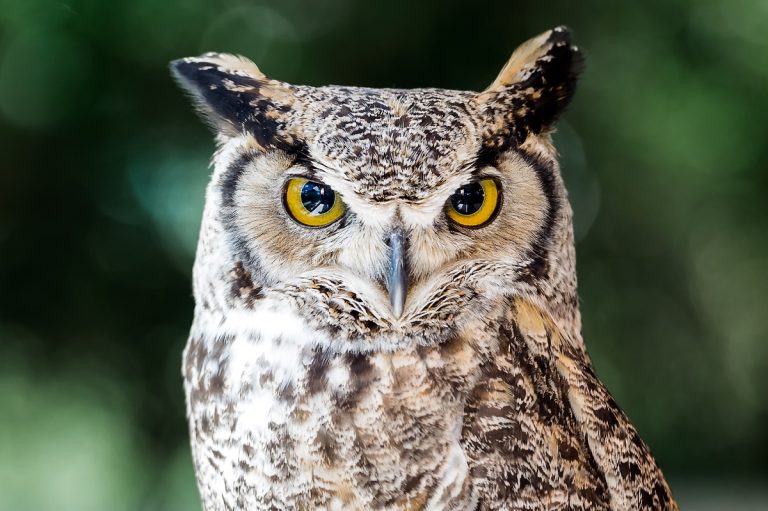
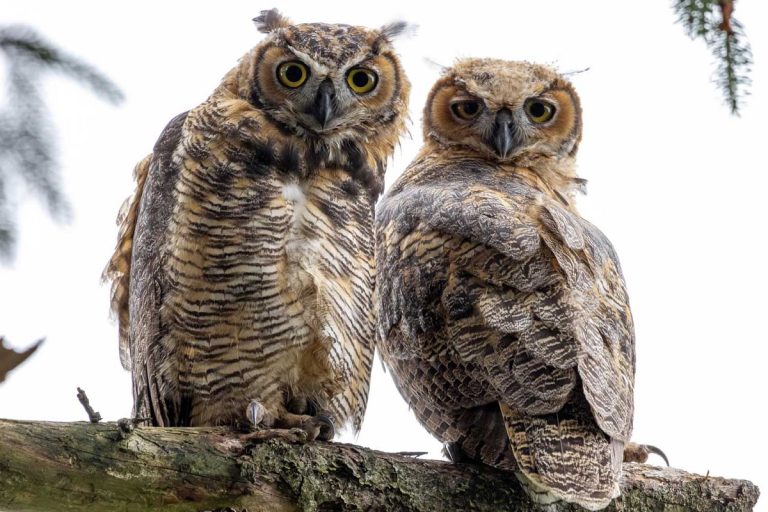
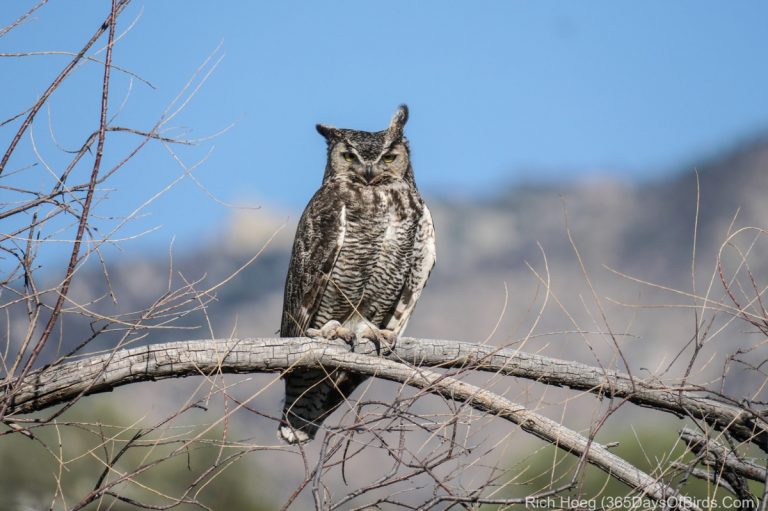
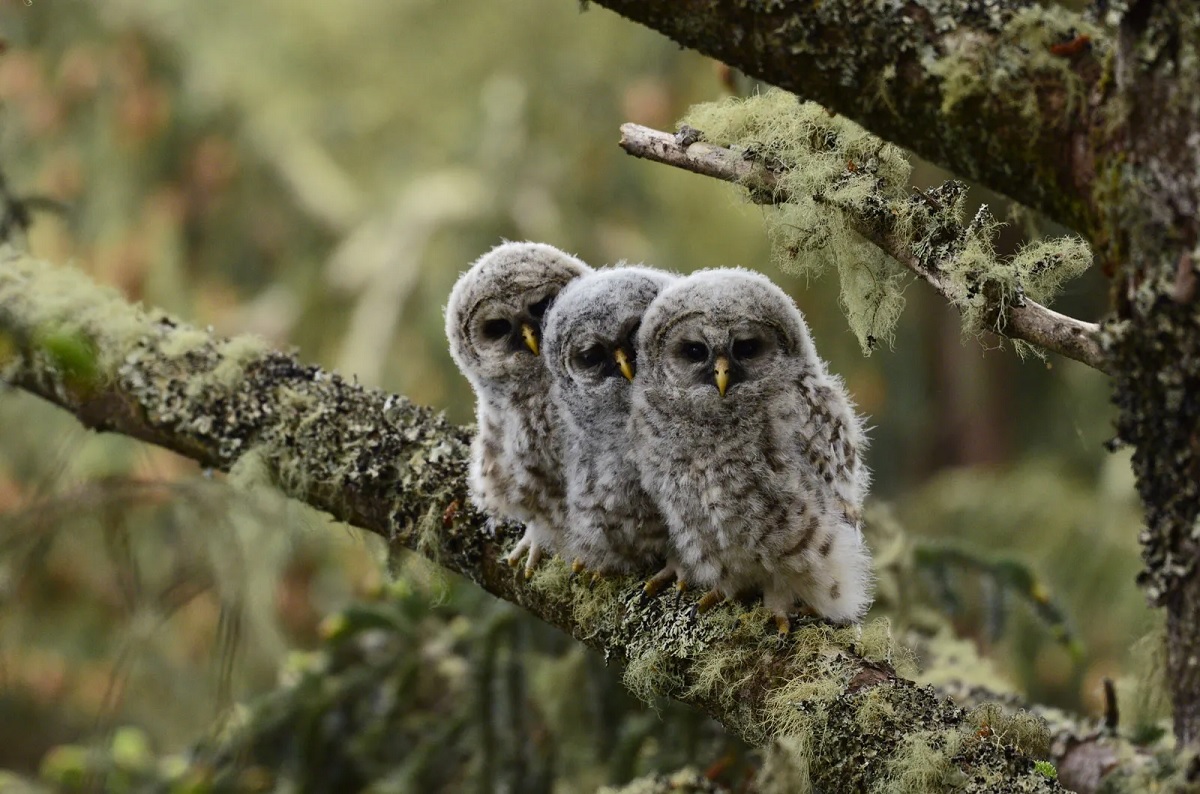
Barred owls are known for their distinctive brown-and-white striped pattern across the chest and horizontal barring on the belly. Their face is round with dark eyes set against a pale facial disc, giving them an expressive, alert appearance. The coloration provides excellent camouflage among tree trunks and shaded forest areas, allowing them to remain concealed from both prey and predators. Feather texture is soft, aiding in silent flight, which is critical for hunting efficiency.
Great grey owls feature a more muted gray plumage with fine white and darker streaks throughout the body. Their most notable feature is the enormous, rounded facial disc with concentric rings that enhances hearing accuracy for pinpointing prey. Yellow eyes and a small, inconspicuous beak add to their distinctive look. Unlike barred owls, their coloration blends well with snowy or misty environments, providing effective camouflage in boreal forests. The differences in plumage and facial structure make each owl visually unique and easily identifiable to keen observers.
Head Shape And Facial Features
The barred owl has a rounded head without prominent ear tufts, giving it a smooth, classic owl silhouette. Its dark eyes, positioned close together, contribute to excellent binocular vision for hunting at night. The pale facial disc is subtle, emphasizing its alert and curious expression. Short, dense feathers cover the head, aiding in quiet flight and effective camouflage within dense woodland habitats. These facial features combine to give the barred owl its signature appearance, making it familiar and recognizable to birdwatchers.
Great grey owls have a massive, rounded head that appears disproportionately large compared to their body. They lack ear tufts as well, but their facial disc is far more prominent, with concentric circles that help amplify sound and detect prey under snow or foliage.
The bright yellow eyes contrast sharply with the gray feathers, enhancing their piercing gaze. Their small beak is almost hidden by the facial disc feathers, giving the face a distinct, flattened appearance. The exaggerated head features of great grey owls make them stand out and highlight their specialization as precise nocturnal hunters in open and northern habitats.
Habitat and Geographic Range
The habitat and geographic range of barred owls and great grey owls reveal important differences in how these species adapt to their environments. Their preferred landscapes, nesting areas, and territorial ranges influence hunting strategies and population distribution. While both are forest-dwelling birds, each has distinct preferences that determine where they thrive. Understanding these habitat patterns helps birdwatchers locate and identify them more accurately and highlights the ecological niches that support their survival in the wild.
Barred Owl Habitat and Range
Barred owls are primarily found in dense, mature forests with a mix of large trees and open understory. They favor wooded swamps, river valleys, and old-growth forests that provide ample nesting cavities and cover for hunting. These owls are highly adaptable and can also be found in suburban areas with sufficient tree cover. Geographically, barred owls are widespread across eastern North America, from the Great Lakes region down to the Gulf Coast, and have expanded into the Pacific Northwest over recent decades.
Their adaptability to different forest types allows them to exploit a variety of prey, including small mammals, birds, and amphibians. They prefer areas with water sources nearby, as these attract prey species and support a rich ecosystem. Barred owls establish territories and are relatively sedentary, often remaining in the same area year-round. This strong site fidelity helps maintain stable populations in suitable habitats, even in regions affected by urbanization.
Great Grey Owl Habitat and Range
Great grey owls inhabit boreal and montane forests, often in regions with dense coniferous trees interspersed with open meadows or bogs. They prefer cooler climates and are commonly found in northern North America, including Canada, Alaska, and the northern United States, as well as parts of northern Europe and Asia. Their preference for remote, undisturbed forests makes them less visible to casual observers compared to barred owls.
These owls rely on open spaces within forests for hunting small mammals, particularly voles, which they detect under snow or vegetation using their exceptional hearing. Great grey owls are highly territorial during breeding season but may move locally in winter following prey availability. Their range and habitat selection reflect adaptations to colder climates and prey abundance, highlighting the specialized nature of their survival strategies in boreal and montane ecosystems.
Hunting and Diet Differences
Barred owls and great grey owls exhibit distinct hunting techniques and dietary preferences that reflect their adaptations to different habitats and prey availability. Understanding these differences highlights how each species meets its nutritional needs and survives in its environment. Factors such as hunting style, time of activity, prey selection, and physical adaptations all contribute to variations in feeding behavior. Observing these owls in action provides insight into their ecological roles and the strategies that make each species an effective predator.
Barred Owl Hunting and Diet
Barred owls are primarily nocturnal hunters but are also active during the day, particularly at dawn and dusk. They rely on stealth and acute vision to detect prey in dense forests. Their hunting technique involves perching silently and scanning the forest floor for small mammals, birds, amphibians, and insects.
Once a target is located, they swoop down with precision, using their sharp talons to capture and immobilize it. Barred owls have a diverse diet, which allows them to thrive in various forested environments, including swamps and suburban areas.
These owls often cache extra prey in tree cavities or hidden spots, ensuring a supply during lean periods. Their broad diet also includes frogs, crayfish, and occasionally fish, demonstrating flexibility in exploiting available resources.
The barred owl’s hunting approach emphasizes patience, stealth, and adaptability, allowing it to maintain stable populations across its extensive range. Their moderate size and maneuverability make them well-suited for hunting in cluttered forest habitats, where quick, precise strikes are necessary for success.
Great Grey Owl Hunting and Diet
Great grey owls rely heavily on acute hearing for hunting, particularly in snowy or open habitats where prey may be concealed under dense vegetation or snow cover. They are primarily nocturnal but can also hunt during daylight hours in northern latitudes. Their diet consists mainly of small mammals, especially voles, mice, and shrews, although they may occasionally capture birds. Great grey owls hover briefly or perch silently, listening intently before plunging feet-first to seize prey with remarkable accuracy.
The great grey owl’s large size and long legs allow it to reach prey hidden beneath snow, giving it a distinct advantage in colder regions. Unlike barred owls, their diet is highly specialized, focusing on areas with high rodent populations.
They are less likely to eat amphibians or reptiles, reflecting their adaptation to boreal and montane forests. Hunting strategies are tailored to open spaces and snow-covered terrain, with reliance on sound over vision. These specialized feeding behaviors make the great grey owl an efficient predator in its preferred northern and mountainous habitats.
Behavior and Activity Patterns
Behavior and activity patterns are key aspects that distinguish barred owls from great grey owls. These patterns influence how they hunt, interact with their environment, and communicate with other owls. Understanding the differences in daily routines, vocalizations, territoriality, and social interactions provides insight into their ecological roles. Observing these behaviors in the wild reveals how each species adapts to its habitat and optimizes survival, highlighting the unique strategies that make barred owls and great grey owls remarkable among forest-dwelling predators.
Barred Owl Behavior and Activity
Barred owls are primarily nocturnal but exhibit significant crepuscular activity, meaning they are often active at dawn and dusk. This flexible schedule allows them to hunt efficiently in dense forests, where low light conditions prevail. They are known for their distinctive “Who cooks for you? Who cooks for you all?” call, which serves multiple functions including territory establishment and communication with mates. Barred owls are generally territorial and will defend their nesting and hunting areas aggressively against intruders, including other owls.
These owls display a strong site fidelity, often returning to the same roosts and nesting cavities year after year. They are largely solitary outside of mating pairs, although juveniles may remain with parents for some months after fledging. Barred owls are highly adaptable, capable of foraging in both natural and semi-urban environments.
Their behavior emphasizes stealth and patience, using quiet perching and keen observation to capture prey while minimizing energy expenditure. Social and hunting behaviors are finely tuned to their wooded habitat, ensuring survival in diverse forest ecosystems.
Great Grey Owl Behavior and Activity
Great grey owls are mainly crepuscular and nocturnal hunters but may also be active during daylight, particularly in northern regions with extended daylight hours. Their hunting behavior relies heavily on acute hearing to locate small mammals beneath snow or dense ground cover. Unlike barred owls, great grey owls are more solitary and exhibit strong territoriality during the breeding season. They often select remote areas with minimal human disturbance, reflecting their preference for boreal and montane forest habitats.
Communication is more subtle in great grey owls, with low-pitched hoots and soft calls used for mating and territory signaling rather than loud, repetitive vocalizations. These owls are relatively sedentary, often staying within the same territory for extended periods if prey is abundant.
During winter, they may shift locally to follow prey populations but generally avoid long-distance migration. The great grey owl’s behavior emphasizes patience, stealth, and precision, reflecting adaptations to cold climates and prey that is harder to detect. These patterns make them highly efficient and specialized predators within their preferred habitats.
Lifespan and Reproduction
Lifespan and reproduction are critical aspects of the life history of barred owls and great grey owls. These factors determine population stability, survival strategies, and how each species adapts to environmental pressures. Differences in nesting habits, mating behavior, clutch size, and juvenile development reveal important distinctions between the two species. Understanding these elements provides insight into their long-term survival and helps birdwatchers and researchers appreciate the unique life cycles of these remarkable owls.
Barred Owl Lifespan and Reproduction
Barred owls typically live between 10 and 15 years in the wild, though some individuals may survive longer under favorable conditions. They reach sexual maturity around two years of age and are generally monogamous, forming long-term pair bonds. Breeding occurs in late winter to early spring, with pairs selecting tree cavities, abandoned nests of other large birds, or man-made structures for nesting.
A typical clutch consists of two to five eggs, which are incubated for approximately 28 to 33 days. Both parents share incubation and feeding responsibilities, with the male providing food while the female stays on the nest. After hatching, the young remain in the nest for around four to five weeks before fledging, though they may continue to depend on parental care for several additional weeks. Barred owls’ reproductive success is closely linked to prey availability and suitable nesting sites, highlighting the importance of stable habitats for population maintenance.
Great Grey Owl Lifespan and Reproduction
Great grey owls generally have a slightly longer lifespan, averaging 10 to 20 years in the wild. Sexual maturity is typically reached at two to three years, and they are also monogamous, often returning to the same breeding territories annually. Nesting usually occurs in boreal or montane forests, with preference for old tree nests abandoned by other large birds, such as hawks or ravens.
Clutch size is relatively small, usually consisting of three to five eggs, and incubation lasts approximately 28 to 36 days. The female primarily incubates the eggs, while the male provides food during this period. After hatching, chicks remain in the nest for about four to six weeks and continue to rely on parental care after fledging. Reproductive success for great grey owls is strongly influenced by prey density, particularly voles, and environmental conditions. These life history traits reflect adaptations to colder, northern habitats and specialized hunting requirements.
Frequently Asked Questions
What Are The Main Physical Differences Between Barred Owl And Great Grey Owl
He will notice that barred owls are medium-sized with a round head, brown and white streaked feathers, and dark eyes, while great grey owls are larger, with a massive facial disc, grey plumage, and yellow eyes. She can spot the barred owl’s more compact frame versus the great grey owl’s long legs and wingspan. You will also see that barred owls have a shorter tail and more mottled feather pattern, whereas great grey owls appear more elongated and ghostly in appearance. These distinctions make them easy to identify in the wild.
How Do Barred Owls And Great Grey Owls Differ In Habitat
He will find barred owls mostly in dense forests with proximity to water, favoring deciduous or mixed woodlands. She will notice that great grey owls prefer boreal forests, open woodlands, and regions with meadows for hunting. You, as an observer, will see that barred owls adapt better to suburban areas, whereas great grey owls require vast, undisturbed territories. Understanding these habitat preferences helps you predict where each owl species might appear and appreciate their ecological roles.
What Are The Key Differences In Their Hunting And Diet
He will see that barred owls primarily hunt small mammals like mice, squirrels, and birds, often from low perches using stealth. She will note that great grey owls specialize in voles and small rodents, hunting by listening carefully and swooping silently from higher perches. You will notice that the great grey owl relies heavily on its incredible hearing, while barred owls use vision and surprise attacks. Recognizing these hunting habits gives you insight into their behavior and ecological niches.
How Do Their Vocalizations Differ
He will hear that barred owls produce a distinct “Who cooks for you?” call, which is loud and repetitive. She will notice that great grey owls have a deep, resonant hoot, often more mellow and prolonged. You will understand that these vocal differences are essential for territory marking and mating communication. Listening carefully to these calls can help you identify which species is present, even at night or in dense forest areas.
Are There Differences In Their Breeding And Nesting Habits
He will find that barred owls nest in tree cavities or abandoned nests, laying 2 to 4 eggs, with both parents caring for the young. She will notice that great grey owls often use large tree nests built by other birds or old raptor nests, laying 3 to 5 eggs. You will see that barred owls may tolerate closer neighbors, whereas great grey owls prefer more isolated nesting sites. Observing nesting behavior helps you understand their reproductive strategies and territorial needs.
What Threats Do Barred Owls And Great Grey Owls Face
He will learn that barred owls face habitat loss and competition from other raptors, especially as they expand into new regions. She will see that great grey owls are vulnerable to deforestation, climate change, and reductions in prey populations. You will notice that both species must navigate human encroachment and environmental changes. Knowing these threats can help you appreciate conservation efforts and the importance of preserving their habitats.
How Can You Tell Barred Owl From Great Grey Owl In The Wild
He will look for size, coloration, and eye color differences; barred owls are smaller with brown streaks and dark eyes, while great grey owls are larger, grey, and have yellow eyes. She can observe the facial disc shape: rounded for barred owls and massive, circular for great grey owls. You will also notice differences in behavior, calls, and habitat preferences. By paying attention to these features, you can accurately identify which owl species you are watching during birding or wildlife observation.
Final Thoughts
Comparing barred owls and great grey owls reveals the fascinating diversity within forest-dwelling raptors. Both species share similarities, such as nocturnal activity patterns and reliance on small mammals for food, yet they differ significantly in size, appearance, habitat preferences, and hunting strategies. Barred owls thrive in dense eastern forests with a varied diet and expressive vocalizations, while great grey owls dominate northern and montane regions with specialized hunting adaptations and a strikingly large facial disc.
Observing these differences enhances appreciation for how each species has evolved to succeed in its unique environment. Understanding barred owl vs great grey owl not only supports better identification in the wild but also highlights the ecological roles they play within their respective habitats. Their contrasting characteristics demonstrate nature’s adaptability and the remarkable ways these owls navigate survival and reproduction in diverse ecosystems.