When Do Baby Birds Hatch? Understanding Timing and Factors
The hatching of baby birds is a fascinating and critical stage in their life cycle, marking the transition from developing embryos to vulnerable nestlings dependent on parental care. Knowing when do baby birds hatch helps bird watchers, caregivers, and conservationists anticipate their needs, provide proper care, and observe natural behaviors. Hatching times vary among species, influenced by factors such as incubation period, temperature, and environmental conditions.
Understanding the timing allows for better preparation in both wild and managed settings, ensuring the safety and survival of the young birds. By learning about the typical hatching timelines and signs of imminent hatching, you can gain insight into avian development, support proper feeding and protection, and enjoy the unique opportunity to witness one of nature’s most delicate and remarkable moments as life begins outside the egg.
Typical Incubation Periods
Incubation periods are a vital aspect of avian development, determining how long eggs must be kept warm before baby birds emerge. These periods vary widely among species, influenced by factors such as egg size, parental behavior, and environmental conditions. Understanding typical incubation durations helps bird enthusiasts, caregivers, and wildlife rehabilitators anticipate when chicks are likely to hatch. Proper knowledge of incubation periods also ensures eggs receive consistent warmth and protection, increasing the chances of successful hatching and healthy nestling development.
Small Songbirds
Small songbirds, such as finches, sparrows, and robins, generally have shorter incubation periods compared to larger species. Their eggs typically hatch within 10 to 14 days after the female begins consistent incubation. The shorter period is linked to their smaller egg size and higher metabolic rates, which accelerate embryonic development. During this time, parents maintain warmth by continuously sitting on the eggs, often taking brief breaks for feeding and hydration.
Consistent temperature and humidity are critical during this stage, as fluctuations can delay hatching or affect chick viability. Nest location also plays a role, with sheltered sites helping maintain stable conditions. By understanding the typical incubation periods for small songbirds, caregivers and wildlife observers can better anticipate the arrival of chicks, prepare for feeding and monitoring, and avoid unnecessary disturbance that could jeopardize successful hatching. Observation of parental behavior, such as frequent egg turning and attentive brooding, provides additional cues that hatching is approaching, allowing for timely interventions or preparations.
Larger Birds
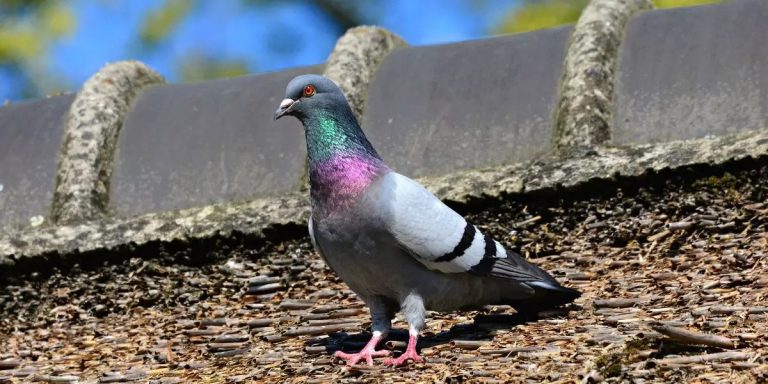
Larger bird species, including pigeons, crows, and raptors, often have longer incubation periods due to their larger eggs and slower embryonic development. These periods can range from 18 to 35 days depending on the species and environmental conditions. Both parents may participate in incubation in some species, ensuring that eggs remain at a stable temperature while allowing the adults to feed and rest.
Monitoring larger eggs requires careful attention to temperature consistency and protection from predators. These birds’ extended incubation periods mean that eggs are exposed to environmental fluctuations for longer, making nest placement and parental behavior even more crucial.
Understanding the typical incubation timelines for larger birds helps wildlife rehabilitators and enthusiasts anticipate hatching, plan for nest protection, and prepare for the feeding and care of the newly hatched chicks. Observing signs such as increased parental vigilance or subtle movements inside the eggs can indicate that hatching is imminent, allowing for closer monitoring without disturbing the natural process.
Factors Affecting Hatching Time
Hatching time for baby birds is influenced by a variety of biological and environmental factors. Temperature, humidity, parental behavior, egg size, and species-specific characteristics all play critical roles in determining when chicks emerge. Understanding these factors helps bird watchers, caregivers, and wildlife rehabilitators anticipate hatching events and provide proper care. Recognizing the variables that affect hatching time ensures that eggs remain viable, supports healthy development, and minimizes risks during this delicate stage of avian life.
Temperature and Humidity
Temperature and humidity are among the most critical factors influencing hatching time. Eggs require consistent warmth to support embryonic development, with even small fluctuations potentially delaying hatching or affecting chick viability. Parent birds regulate these conditions by brooding, often leaving eggs uncovered only briefly to feed or drink. In species where both parents share incubation duties, the eggs generally experience more stable temperatures, promoting timely hatching.
Humidity levels also impact hatching success. Low humidity can lead to dehydration of the embryo or cause the egg membranes to dry out, making hatching difficult. Conversely, excessively high humidity can create mold or bacterial growth, compromising the egg’s health. Understanding the interplay between temperature and humidity allows caregivers to maintain optimal incubation conditions, especially for orphaned or hand-reared eggs. Properly managed environmental factors enhance the likelihood of healthy, timely hatching and support the survival of the nestlings once they emerge.
Species, Egg Size, and Parental Behavior
Species-specific characteristics and egg size significantly influence hatching time. Smaller eggs from songbirds generally hatch faster, while larger eggs from raptors or waterfowl require extended incubation periods. Genetic factors and metabolic rates inherent to each species determine the speed of embryonic development and the duration required before chicks are ready to emerge.
Parental behavior is equally important. Regular turning of eggs ensures even heat distribution and prevents adhesion of the developing embryo to the shell. Interruptions in incubation due to environmental disturbances, predators, or parental absence can delay hatching or reduce survival rates.
The timing of parental feeding, brooding, and protective behaviors also affects the microclimate within the nest, which in turn impacts embryo development. By understanding how species, egg size, and parental care influence hatching, caregivers can provide targeted support, anticipate hatching dates more accurately, and promote optimal development for healthy nestlings.
Signs That Hatching Is Imminent
Recognizing the signs that baby birds are about to hatch allows caregivers and observers to prepare for this critical stage. Nestlings approaching hatching exhibit behavioral and physical indicators, and parent birds often adjust their activities in anticipation. Being able to identify these signs helps ensure the eggs are protected, provides insight into the timing of feeding and monitoring, and reduces disturbances that could negatively affect the hatchlings’ survival. Awareness of these cues is essential for both wild and hand-reared birds.
Egg Movements and Shell Changes
One of the earliest signs that hatching is imminent is subtle movement inside the egg. Embryos begin to wiggle or shift as they position themselves to break through the shell. This activity may be visible as faint rocking or shaking of the egg when touched gently or observed carefully. Cracks, pipping marks, or small punctures in the shell are clear indications that the chick is actively trying to emerge.
Changes in the shell texture can also signal hatching. Some eggs may develop slight thinning, flaking, or tiny holes that indicate the chick is ready to break free. Careful observation without disturbing the nest is key, as excessive handling or movement can stress both parents and embryos. Recognizing these physical changes allows caregivers to anticipate the timing of the hatch and prepare to provide appropriate support, ensuring the chicks emerge safely and under optimal conditions.
Parental Behavior
Parental birds often exhibit distinct behaviors when hatching is near. Increased attentiveness, constant brooding, or frequent repositioning of the eggs are common signs. Parents may also vocalize more or adjust their feeding routines to accommodate the impending hatch. Some species engage in behaviors such as lightly tapping the eggs or remaining unusually close to the nest to protect the vulnerable embryos.
Monitoring these behavioral changes provides additional insight into the timing of hatching. Observers can plan feeding schedules for nearby nestlings, ensure the nest environment is safe, and minimize disturbances. Understanding parent activity patterns, combined with visual cues from the eggs, allows for accurate anticipation of hatching events. This preparation helps improve survival rates for the baby birds and ensures a smooth transition from embryo to hatchling.
Differences Between Altricial and Precocial Birds
Bird species vary widely in their developmental strategies, particularly in how chicks are born and cared for. Two major categories are altricial and precocial birds. Understanding these differences is crucial for bird watchers, caregivers, and conservationists, as it affects feeding, protection, and monitoring practices. Altricial chicks are born underdeveloped and dependent on parental care, while precocial chicks hatch more mature and independent. Recognizing these distinctions helps in providing proper care, anticipating hatching timelines, and understanding the unique challenges each type faces in early life.
Altricial Birds
Altricial birds hatch in a highly undeveloped state, often blind, featherless, and completely dependent on their parents for warmth, feeding, and protection. Species such as songbirds, hawks, and many parrots exhibit this strategy. Because these chicks cannot regulate their body temperature or move efficiently, parents must provide constant care, including frequent feedings and brooding to maintain warmth. The incubation period for altricial eggs tends to be shorter, but the post-hatch care period is extensive, often lasting several weeks until the chicks can feed themselves and leave the nest.
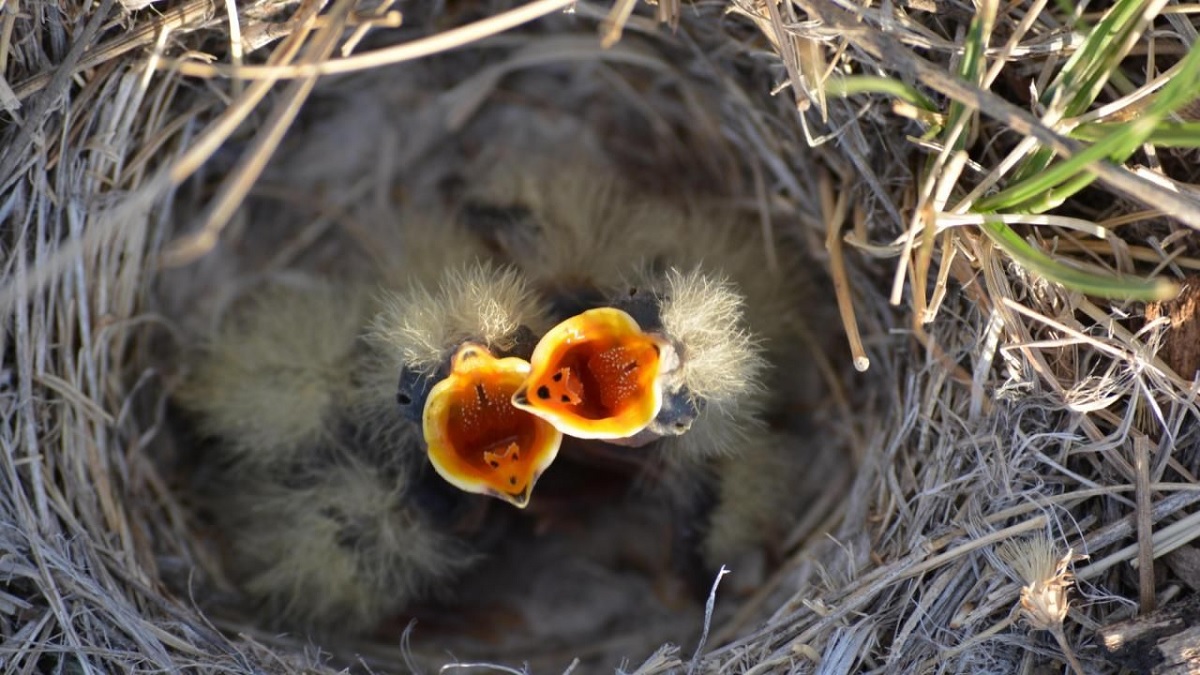
Altricial chicks typically grow rapidly due to the high-protein diet provided by their parents. They may display begging behaviors, such as loud calls or open mouths, signaling hunger and ensuring they receive adequate nourishment. This dependency makes altricial species more vulnerable to environmental disturbances and predation, highlighting the importance of stable nesting conditions. Caregivers working with orphaned or rescued altricial birds must replicate parental care closely, providing appropriate warmth, feeding schedules, and hygiene to ensure healthy development and survival.
Precocial Birds
In contrast, precocial birds hatch in a relatively mature state, with open eyes, downy feathers, and the ability to move and feed themselves shortly after birth. Species like ducks, chickens, and quail demonstrate this strategy. Precocial chicks are more independent and require less direct parental care, though parents often guide them to food sources and provide protection from predators. Their incubation periods are generally longer than those of altricial species, allowing embryos more time to develop fully within the egg.
Precocial chicks’ independence allows them to forage and explore almost immediately, reducing the intensity of parental involvement. However, they still rely on guidance and protection in the early days of life, particularly in the wild.
This strategy reduces vulnerability in certain environments but demands that caregivers or observers understand the chick’s developmental capabilities. Recognizing the differences between altricial and precocial birds enables appropriate care practices, ensures timely interventions when necessary, and helps predict feeding and movement behaviors during the critical early stages of life.
Monitoring Hatching Progress
Keeping track of hatching progress is essential for anyone caring for or observing bird eggs. Monitoring allows you to anticipate when chicks will emerge, ensure the eggs remain viable, and respond promptly to any issues that may arise. Understanding behavioral cues, shell changes, and parental activities helps provide a safe and supportive environment for the eggs. Proper monitoring balances observation with minimal disturbance, ensuring that both the parent birds and developing embryos are protected during this critical stage of avian life.
Observing Egg and Nest Conditions
One key aspect of monitoring hatching progress is observing the physical condition of the eggs and the nest. Subtle movements, such as rocking or twitching inside the egg, often indicate that the embryo is preparing to hatch. Pipping marks—small cracks or holes in the shell—signal that the chick is actively working to break free. Additionally, changes in shell coloration or texture, such as slight thinning or flaking, may indicate imminent hatching.
Maintaining a clean and stable nest environment is crucial during this stage. Remove debris or excess moisture without disturbing the eggs, as nest sanitation supports healthy development and reduces the risk of infection. Observing these conditions allows caregivers to anticipate hatching timelines, provide additional support if necessary, and ensure that emerging chicks face minimal stress. Careful attention to egg and nest conditions is essential for successful hatching while preserving natural behaviors and parental care patterns.
Monitoring Parental Behavior
Parental behavior provides important cues about hatching progress. Parents often increase attentiveness as the hatching date approaches, adjusting their brooding positions, frequently turning the eggs, and remaining close to the nest to protect the vulnerable embryos. Some species vocalize more or engage in tapping or nudging behaviors that encourage the chick to begin breaking the shell.
By observing these behaviors, caregivers can gauge the stage of development without directly disturbing the eggs. Understanding patterns such as feeding schedules, brooding frequency, and protective behaviors allows for better planning and preparation for the hatch. Monitoring parental activity, combined with egg observations, provides a comprehensive picture of hatching progress. This approach ensures that chicks emerge safely, receive immediate care, and benefit from natural parental support, ultimately improving survival and early development outcomes.
FAQs
How Long Does It Take For Baby Birds To Hatch?
The hatching time for baby birds varies by species. Small songbirds often hatch within 10 to 14 days after incubation begins, while larger birds like raptors or waterfowl may take 28 to 35 days. Environmental factors such as temperature, humidity, and nest safety also affect development. Observing parental behavior and egg conditions can help you estimate when hatching will occur. Consistent incubation by parent birds ensures embryos develop properly and emerge healthy, so timing depends on a combination of species traits and environmental conditions.
What Factors Influence When Baby Birds Hatch?
Several factors influence the hatching time of baby birds. Temperature and humidity levels play a critical role, as eggs require stable warmth for proper embryo development. Species-specific traits, such as egg size and metabolic rate, determine how long embryos take to mature. Parental behaviors like turning and brooding also affect development speed. Environmental disturbances or exposure to predators can delay hatching. By understanding these factors, you can better anticipate when chicks will hatch, ensuring proper preparation for feeding, protection, and monitoring during this crucial stage.
How Can You Tell When Hatching Is About To Happen?
You can recognize signs that hatching is imminent by observing both the eggs and parent behavior. Subtle movements inside the egg, small cracks, or pipping marks indicate the chick is actively preparing to emerge. Parents may become more attentive, frequently repositioning the eggs or remaining close to the nest. Increased vocalizations or protective behaviors often occur as well. Careful observation without disturbing the nest allows you to anticipate hatching, prepare for feeding and monitoring, and support the emerging chicks while ensuring that natural parental care continues.
Do All Birds Hatch At The Same Time?
No, hatching timing varies widely among bird species. Small birds like finches and sparrows tend to hatch within two weeks, while larger birds such as herons or eagles may take over a month. Even within the same nest, slight differences can occur depending on when each egg was laid or variations in incubation by the parents. Understanding these differences helps you predict the sequence and timing of hatching, allowing better preparation for feeding and care, especially for hand-reared or rescued birds.
Can Environmental Conditions Delay Hatching?
Yes, environmental conditions such as temperature fluctuations, low humidity, or prolonged exposure to cold can delay hatching. Eggs require consistent warmth to support embryonic growth, and disruptions in parental incubation can slow development. Conversely, overly high humidity can lead to mold or bacterial growth that impacts the embryo. By ensuring stable nest conditions and minimizing disturbances, you can help maintain proper development and avoid delayed hatching, increasing the likelihood of healthy and timely emergence of baby birds.
How Do Parent Birds Affect Hatching Time?
Parent birds play a critical role in determining hatching time. Their consistent incubation provides warmth and protection, while turning the eggs evenly prevents the embryo from sticking to the shell. Variations in parental attentiveness, feeding breaks, or absence from the nest can alter development speed. In some species, both parents share incubation duties, which helps maintain stable temperatures and more predictable hatching times. Observing parental behavior provides insight into when eggs are likely to hatch, ensuring that caregivers can prepare for feeding and monitoring the chicks.
When Should You Intervene If Hatching Is Delayed?
Intervention is rarely needed unless eggs show signs of problems, such as being cold, unturned, or exposed for long periods. Patience is essential because slight delays are normal due to environmental fluctuations or species-specific incubation differences. If you care for orphaned or hand-reared eggs, maintain consistent warmth, proper humidity, and gentle handling. Always avoid unnecessary disturbance, as stress can harm embryos. Monitoring without interfering allows you to support the hatching process safely, ensuring healthy development while respecting natural parental behaviors when they are present.
Final Words
The timing of baby bird hatching depends on several factors, including species, egg size, parental care, and environmental conditions. Smaller birds generally hatch more quickly, while larger or precocial species may require longer incubation periods. Temperature and consistent incubation play a critical role in ensuring eggs develop properly, and disruptions can delay or prevent hatching. Observing subtle signs like egg movement or increased parental activity can indicate that hatching is imminent.
Understanding these patterns is valuable for bird watchers, researchers, and wildlife rehabilitators, as it helps ensure safe observation and minimal disturbance. By recognizing species-specific variations and environmental influences, you can better anticipate the arrival of new chicks. Overall, having knowledge of [when do baby birds hatch] allows enthusiasts and caretakers to support healthy development while appreciating the fascinating process of avian life.