Can Birds Eat Brazil Nuts: Safe Feeding Tips For Your Feathered Friends
Birds are known for their varied diets, ranging from seeds and fruits to insects and nuts. Among the many nuts people commonly consume, Brazil nuts are rich in nutrients and often considered a healthy treat. This raises an important question for bird enthusiasts and pet owners alike: can birds eat Brazil nuts safely? Understanding the implications of feeding these nuts to birds is essential for maintaining their health and well-being.
Brazil nuts are large, dense, and packed with essential vitamins and minerals. While they can offer nutritional benefits, their size and composition may pose challenges for certain bird species. Birds have unique digestive systems, and not all types of nuts are suitable for every bird.
Exploring whether birds can safely consume Brazil nuts involves examining both the benefits and risks. Factors like bird size, chewing ability, and overall diet must be considered to ensure proper nutrition without causing harm.
By understanding how to offer Brazil nuts appropriately, bird owners can provide a balanced and enjoyable diet that supports their feathered companions’ health. Proper portioning and preparation are key to integrating nuts safely into a bird’s diet.
Nutritional Benefits of Brazil Nuts for Birds
Brazil nuts are widely recognized for their dense nutritional profile, which includes healthy fats, protein, and essential minerals. Offering these nuts to birds in moderation can provide dietary enrichment and support overall health. Understanding the specific nutrients Brazil nuts contain and how they benefit birds helps in making informed feeding choices.
High in Healthy Fats
Brazil nuts are rich in monounsaturated and polyunsaturated fats, which serve as a concentrated energy source for birds. These healthy fats are crucial for maintaining feather quality, supporting metabolic processes, and providing sustained energy for active species.
For birds that engage in long flights or frequent foraging, the caloric density of Brazil nuts can be particularly beneficial. However, because of the high fat content, portions should be carefully managed to prevent obesity or digestive issues. Offering small, appropriately sized pieces ensures birds receive energy without overconsumption. Healthy fats also support the absorption of fat-soluble vitamins like A, D, E, and K, further enhancing nutritional value and overall well-being.
Rich Source of Protein
Protein is a fundamental component of a bird’s diet, necessary for muscle development, feather growth, and tissue repair. Brazil nuts provide a notable protein content, contributing to these essential physiological functions.
In addition to protein, Brazil nuts contain amino acids that support overall health. Amino acids are building blocks for hormones, enzymes, and other critical molecules in the body. Including Brazil nuts in a bird’s diet, along with seeds, fruits, and vegetables, helps ensure a balanced intake of protein necessary for growth and maintenance. Protein-rich treats like Brazil nuts are especially useful during molting periods when birds require additional nutrients to support new feather development.
Essential Vitamins and Minerals
Brazil nuts are abundant in minerals such as selenium, magnesium, zinc, and phosphorus. Selenium, in particular, is a potent antioxidant that supports immune function and protects cells from oxidative stress, which is important for both wild and pet birds.
Magnesium and zinc contribute to bone health, enzyme activity, and overall metabolic efficiency. These minerals support neurological function, cardiovascular health, and reproductive health. By incorporating Brazil nuts into a varied diet, birds can benefit from these micronutrients, which are sometimes lacking in seed-only diets. Proper portioning ensures birds receive nutritional advantages without the risk of mineral overdose.
Dietary Fiber and Digestive Support
Brazil nuts contain dietary fiber, which aids in digestion and promotes a healthy gut microbiome. Fiber helps regulate bowel movements and can reduce the risk of gastrointestinal issues, particularly in captive birds with limited foraging opportunities.
When offered in small, manageable pieces, Brazil nuts provide both fiber and chewing stimulation. This helps maintain beak strength and prevents boredom in pet birds. For wild birds, foraging for small nut fragments can mimic natural behaviors, encouraging mental stimulation and promoting physical activity.
Energy Boost and Enrichment
In addition to nutrition, Brazil nuts serve as a form of dietary enrichment. Birds enjoy the challenge of cracking and manipulating the nuts, which stimulates problem-solving skills and physical activity. The energy-dense composition provides a boost during periods of high activity, such as breeding, migration preparation, or molting.
By integrating Brazil nuts thoughtfully into a bird’s diet, owners can enhance both nutrition and enrichment. Combining these nuts with other dietary elements ensures birds receive a balanced, stimulating, and health-supportive feeding experience that mirrors natural foraging behaviors.
Birds That Commonly Eat Brazil Nuts
Brazil nuts are a nutrient-dense food that appeals to a variety of bird species. While not all birds can handle their size and hardness, certain species are well-adapted to cracking and consuming these large nuts. Understanding which birds can safely eat Brazil nuts helps ensure dietary benefits without risk of choking or digestive issues.
Parrots and Macaws
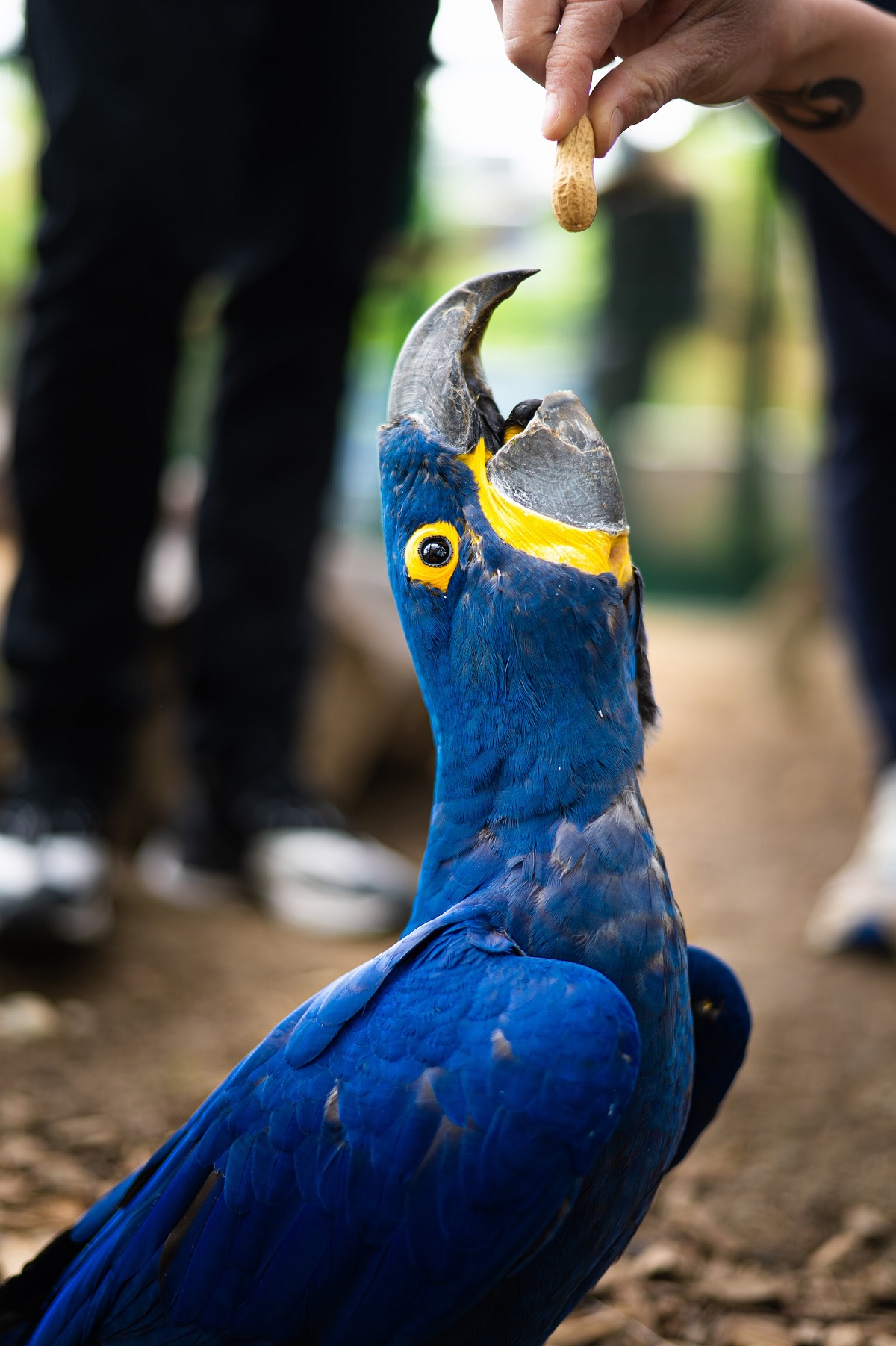
Parrots and macaws are among the most well-known birds that can eat Brazil nuts. Their strong, curved beaks are specifically adapted for cracking hard shells, making them ideal candidates for consuming this dense nut. The high fat and protein content of Brazil nuts provides essential energy for these highly active species.
In addition to nutrition, offering Brazil nuts to parrots and macaws provides enrichment. The challenge of cracking the nuts encourages natural foraging behavior, stimulating both mental and physical activity. Careful portioning is important, as these nuts are calorically dense. Providing nuts in moderation alongside a varied diet ensures balanced nutrition while supporting feather health, muscle strength, and overall vitality.
Toucans and Aracaris
Toucans and aracaris, tropical birds native to South America, are also capable of enjoying Brazil nuts. Their large, strong bills allow them to manipulate and break the tough shells. Brazil nuts provide a rich source of fats and essential minerals, supporting these birds’ high-energy lifestyles and natural dietary needs.
Feeding Brazil nuts to toucans and aracaris mirrors natural behaviors, as they often consume seeds and nuts in the wild. Nuts serve as both nutrition and enrichment, encouraging the birds to use problem-solving skills and dexterity to access the edible portion. Care should be taken to offer appropriately sized pieces, especially for younger birds, to prevent choking hazards and ensure safe consumption.
Crows and Jays
Certain members of the corvid family, including crows and jays, can also consume Brazil nuts. These intelligent birds are adept at using tools or dropping nuts from heights to crack them open, displaying remarkable problem-solving skills. Brazil nuts offer a dense source of energy, protein, and fats, supporting their active foraging and social behaviors.
In addition to nutrition, providing Brazil nuts encourages natural behaviors such as caching and manipulating objects. This type of enrichment is particularly valuable in captive or urban settings, where birds may have fewer opportunities to engage in instinctive foraging activities. Offering Brazil nuts in moderation complements other foods in their diet, helping maintain overall health and cognitive stimulation.
Large Finches and Grosbeaks
Some larger finches and grosbeak species are capable of eating Brazil nuts, especially when the nuts are pre-split or offered in small, manageable pieces. These birds benefit from the protein, healthy fats, and minerals found in Brazil nuts, supporting feather growth and reproductive health.
Incorporating Brazil nuts into the diets of finches and grosbeaks also provides behavioral enrichment. These birds enjoy pecking and manipulating food, which stimulates their beaks and encourages problem-solving. Offering nuts alongside seeds, fruits, and vegetables ensures a balanced diet while minimizing the risk of overconsumption or digestive upset.
Pet Birds and Companion Species
Many pet birds, including cockatoos, conures, and amazons, can safely enjoy Brazil nuts as part of a balanced diet. Their strong beaks and active nature make them well-suited to handling these large, nutrient-dense nuts. Brazil nuts provide essential nutrients while also serving as a form of enrichment, encouraging natural foraging behavior.
When offering Brazil nuts to pet birds, it is crucial to consider portion size and preparation. Breaking the nuts into smaller pieces or lightly roasting them can make them more manageable and safer for consumption. Combining Brazil nuts with a variety of seeds, fruits, and vegetables ensures a balanced diet that supports overall health, energy levels, and behavioral stimulation.
Incorporating Brazil Nuts Into Bird Diets
Overall, Brazil nuts are best suited for birds capable of handling hard, large seeds. Providing these nuts in moderation, alongside a varied diet, maximizes nutritional benefits while promoting enrichment and natural behaviors. Observing how birds interact with Brazil nuts can inform portioning and preparation, ensuring safe and enjoyable consumption for each species.
By focusing on birds with the physical ability and behavioral adaptability to consume Brazil nuts, owners and caretakers can enhance both nutrition and quality of life. Careful monitoring and thoughtful integration into daily feeding routines allow birds to thrive while enjoying the energy and enrichment these nuts provide.
Potential Risks and Precautions
While Brazil nuts offer significant nutritional benefits for birds, there are potential risks associated with feeding them improperly. Understanding these risks and implementing appropriate precautions ensures the safety and well-being of your feathered companions. Overconsumption, choking hazards, and imbalanced nutrition are among the primary concerns that need careful attention.
Choking and Size-Related Hazards
One of the main risks of feeding Brazil nuts to birds is choking. These nuts are large and hard, making them difficult for smaller birds to handle safely. Birds that attempt to swallow large pieces without breaking them down may experience choking or digestive blockages.
To prevent accidents, always offer Brazil nuts in small, manageable pieces suitable for the bird’s size. For larger species like macaws or cockatoos, whole nuts may be appropriate, but younger or smaller birds should receive pre-split or crushed pieces. Monitoring feeding sessions and ensuring that nuts are appropriately sized significantly reduces the risk of choking while still providing the nutritional benefits of the nut.
Overconsumption and High Fat Content
Brazil nuts are calorie-dense and rich in healthy fats. While beneficial in moderation, overfeeding can lead to obesity, liver problems, and other health issues in birds. Unlike humans, birds cannot easily regulate their fat intake, making portion control crucial.
Providing Brazil nuts as an occasional treat rather than a staple food helps maintain a balanced diet. Combining nuts with seeds, fruits, and vegetables ensures birds receive a variety of nutrients without excessive caloric intake. Keeping track of feeding frequency and portion sizes helps prevent overconsumption and maintains overall health.
Allergic Reactions and Sensitivities
Some birds may have sensitivities or allergic reactions to certain nuts, including Brazil nuts. Symptoms can include digestive upset, diarrhea, vomiting, or skin irritation. While true allergies are rare, being cautious when introducing any new food is essential.
Introduce Brazil nuts gradually and observe the bird for any adverse reactions. If any signs of sensitivity appear, discontinue feeding and consult an avian veterinarian. Ensuring that the bird has access to a balanced diet and observing for unusual behaviors or physical changes are important precautions to maintain health and safety.
Risk of Mold and Contamination
Brazil nuts, like all nuts, can be prone to mold growth, particularly aflatoxins, which are toxic to birds. Moldy or improperly stored nuts can cause severe health problems, including liver damage and digestive issues.
To minimize this risk, store Brazil nuts in a cool, dry place and inspect them carefully before offering them to birds. Only provide fresh, uncontaminated nuts, and discard any that appear discolored, shriveled, or have an unusual odor. Using proper storage and handling practices ensures that birds receive safe and nutritious treats.
Safe Feeding Practices
Implementing safe feeding practices is essential to avoid potential risks. Offer Brazil nuts in moderation, prepare them in appropriate sizes, and supervise feeding when necessary. Combine them with other foods to provide balanced nutrition and encourage natural foraging behaviors.
Regularly monitor the bird’s health and behavior when introducing new foods. Providing a varied diet and safe feeding environment reduces the likelihood of adverse effects while maximizing the nutritional and enrichment benefits of Brazil nuts. Thoughtful precautions ensure that feeding these nuts remains both safe and enjoyable for birds.
People Also Asked
Can Birds Safely Eat Brazil Nuts?
Yes, many birds can safely eat Brazil nuts when offered in moderation and appropriately prepared. These nuts provide essential nutrients such as protein, healthy fats, and minerals that support overall health, energy levels, and feather quality.
However, because Brazil nuts are large and hard, they should be broken into smaller, manageable pieces for most birds. This prevents choking hazards and ensures safe digestion. Offering Brazil nuts as an occasional treat alongside a balanced diet of seeds, fruits, and vegetables is the best approach for safe consumption.
Which Bird Species Can Eat Brazil Nuts?
Larger bird species with strong beaks, such as macaws, cockatoos, parrots, toucans, and certain corvids like crows and jays, are best suited to consume Brazil nuts. Their physical adaptations allow them to crack the hard shell and safely access the nut inside.
Smaller birds or young birds may struggle with whole Brazil nuts. For these species, nuts should be pre-split or finely chopped to prevent choking. Providing Brazil nuts to the right bird species ensures both safety and nutritional benefits while encouraging natural foraging behavior.
How Often Can Birds Eat Brazil Nuts?
Brazil nuts should be given to birds occasionally rather than daily. Due to their high fat content and caloric density, overfeeding can lead to obesity, liver problems, or other health issues.
A safe guideline is to offer small portions a few times per week as a treat or enrichment item. Combining Brazil nuts with a varied diet of seeds, fruits, and vegetables helps maintain nutritional balance while still allowing birds to enjoy the taste and mental stimulation of cracking and eating the nuts.
Are There Any Risks Associated With Feeding Brazil Nuts?
Yes, there are several risks to consider. Choking is a primary concern, particularly for smaller birds that cannot handle the large nut pieces. Overconsumption can lead to obesity and digestive issues due to the high fat content. Mold and aflatoxin contamination in improperly stored nuts can also pose serious health risks.
To minimize risks, break nuts into appropriate sizes, store them properly in cool, dry conditions, and monitor your birds when introducing new foods. Observing reactions and offering nuts in moderation ensures both safety and health benefits.
Can Young or Small Birds Eat Brazil Nuts?
Young or small birds should not be given whole Brazil nuts due to the risk of choking and difficulty in handling the hard shells. These birds lack the physical strength and dexterity to safely crack and consume large nuts.
For these species, Brazil nuts can be finely chopped, crushed, or pre-split to make them manageable. Offering small pieces allows young birds to enjoy the nutritional benefits, such as protein, healthy fats, and minerals, without compromising safety. Always supervise their first few feedings to ensure they can handle the nut pieces effectively.
How Should Brazil Nuts Be Prepared for Birds?
Proper preparation is key to safely offering Brazil nuts to birds. Large nuts should be cracked, chopped, or finely diced depending on the bird’s size and beak strength. Avoid salted, roasted, or flavored nuts, as these additives can be harmful to birds.
Offering nuts raw and fresh ensures they retain their nutritional value. Regularly inspect Brazil nuts for mold, discoloration, or unusual odors before feeding. By preparing the nuts appropriately, you reduce choking risks, maximize nutrient intake, and provide safe enrichment for birds, encouraging natural foraging and problem-solving behaviors.
Final Thoughts
Brazil nuts can be a nutritious and enjoyable treat for many bird species when offered properly. Their high content of healthy fats, protein, and essential vitamins supports energy, plumage health, and overall well-being. Birds such as parrots and macaws can particularly benefit from these nutrient-rich nuts, while smaller birds may require the nuts to be chopped into manageable pieces.
If you are wondering can birds eat brazil nuts, the answer is yes, but moderation is key. Overfeeding or offering whole nuts that are too large can lead to choking or digestive discomfort. It’s important to prepare the nuts safely, monitor your birds’ reactions, and integrate them into a varied diet that includes fruits, vegetables, and seeds.
Providing Brazil nuts also encourages natural foraging and mental stimulation. Understanding can birds eat brazil nuts helps you safely enhance your birds’ diet while promoting healthy eating habits and enrichment, keeping them happy and thriving.