Are Birds Affected By Capsaicin And How It Influences Their Feeding Behavior
Birds and their interactions with certain plants have long fascinated both scientists and gardeners, particularly regarding how they respond to compounds that affect mammals. Capsaicin, the active ingredient in chili peppers, is known to produce a strong burning sensation in mammals, but its effect on birds is less commonly understood. Observing birds in gardens, forests, or farms often raises the question of whether this compound influences their behavior, feeding choices, or physiology.
Are birds affected by capsaicin explores how these creatures process and respond to substances that repel mammals, highlighting key differences in sensory perception and digestion. Understanding these interactions can inform gardeners, conservationists, and researchers about seed dispersal, plant-bird relationships, and ecological balance, while also revealing the fascinating ways birds navigate and interact with their environments in response to chemical cues that might deter other animals.
Birds And Capsaicin Sensitivity
Birds display unique responses to chemical compounds that affect mammals, with capsaicin being a prime example. Unlike mammals, many bird species show little to no sensitivity to this pungent compound, allowing them to consume chili peppers without discomfort. Understanding birds’ tolerance to capsaicin provides insight into ecological interactions, seed dispersal, and feeding behavior. Observing these reactions highlights the remarkable differences in sensory perception between birds and mammals, illustrating how evolution shapes species’ interactions with plant defenses.
Physiological Basis Of Capsaicin Tolerance
Birds’ insensitivity to capsaicin is primarily physiological. Unlike mammals, birds lack receptors that trigger the burning sensation typically associated with chili peppers. The absence of these receptors means that compounds irritating to mammals pass through a bird’s digestive system without causing pain or discomfort. This adaptation allows birds to consume seeds and fruits containing capsaicin freely, facilitating effective seed dispersal.
By eating chili peppers and other capsaicin-rich plants, birds contribute to the propagation of these species. Seeds pass through their digestive tract intact and are often deposited far from the parent plant, enhancing survival and genetic spread. This tolerance demonstrates an evolutionary advantage, allowing birds to access a food resource that is largely protected from mammalian competitors.
Ecological Significance And Seed Dispersal
Birds’ tolerance to capsaicin has important ecological implications. Plants producing capsaicin benefit from selective seed dispersal, as birds spread seeds without damaging them, while mammals that might destroy seeds are deterred. This relationship illustrates a mutually beneficial interaction where plants protect reproductive material and birds gain a reliable food source.
Moreover, capsaicin tolerance influences bird foraging patterns and habitat selection. Birds may preferentially feed on spicy fruits or peppers in areas where competition with mammals is high. Observing these patterns helps ecologists understand the co-evolution of birds and plants, revealing the subtle ways chemical compounds shape ecological networks and species interactions over time.
Impacts On Agricultural Practices
Understanding birds’ insensitivity to capsaicin also informs agricultural practices. Farmers often use chili-based deterrents to protect crops from mammals, knowing that birds can still access seeds or fruits without harm. This selective protection allows for targeted pest management, reducing crop damage while supporting natural seed dispersal.
In addition, bird tolerance to capsaicin highlights potential benefits for wildlife gardens and conservation programs. By planting capsaicin-containing species, gardeners can attract birds while minimizing mammal interference, creating a balanced environment that encourages biodiversity. Observing these interactions emphasizes the importance of species-specific responses to chemical compounds in shaping ecological outcomes.
Feeding Behavior Around Capsaicin
Birds exhibit distinctive feeding behaviors when interacting with capsaicin-containing plants, such as chili peppers. Unlike mammals, they consume these fruits without discomfort, allowing them access to a food source that is largely protected from other animals. Observing their feeding behavior around capsaicin provides insight into foraging strategies, seed dispersal patterns, and ecological advantages. Studying these interactions also reveals how birds exploit available resources while supporting plant reproduction in habitats where chemical defenses limit competition.
Selective Consumption And Foraging Patterns
Birds display selective consumption behaviors around capsaicin-containing fruits. They often target the flesh surrounding seeds while avoiding parts that are less nutritious or harder to digest. This selective foraging ensures efficient energy intake and promotes effective seed dispersal. Unlike mammals, birds do not perceive the pungent effects of capsaicin, which allows them to feed freely without deterrence.
Their foraging patterns are influenced by availability, competition, and habitat. Birds may focus on plants with high fruit density or prefer locations where predation risk is lower. These behaviors demonstrate adaptability, as birds optimize feeding efficiency while simultaneously performing a vital ecological role. By observing these patterns, researchers can better understand how birds contribute to the propagation of capsaicin-producing plants and maintain ecological balance in their habitats.
Feeding Techniques And Strategies
Birds employ specialized feeding techniques to consume capsaicin-rich fruits efficiently. Many species use their beaks to peel or puncture the fruit, accessing the seeds and pulp without ingesting unwanted parts. Some birds may remove seeds while feeding, dispersing them nearby or carrying them to distant locations.
These strategies maximize nutritional benefits and aid plant reproduction by ensuring seeds remain viable. The lack of sensitivity to capsaicin allows birds to exploit these resources continuously, giving them a competitive advantage over mammals. Understanding these feeding techniques highlights the co-evolutionary relationship between birds and capsaicin-producing plants and demonstrates how chemical defenses can shape animal behavior in complex ecosystems.
Impact On Ecological Interactions
Feeding behavior around capsaicin affects broader ecological interactions, influencing both plant and animal communities. Birds’ ability to consume and disperse seeds helps maintain plant populations and promotes biodiversity. Their selective feeding also reduces competition with mammals, which are deterred by capsaicin, creating distinct niches in the ecosystem.
These interactions further affect predator-prey dynamics, foraging ranges, and habitat usage. By observing how birds navigate capsaicin-containing foods, ecologists gain insight into the intricate balance between chemical plant defenses, animal feeding behavior, and ecological stability. The tolerance and feeding behavior of birds highlight their unique adaptations and essential role in supporting healthy, diverse ecosystems.
Effects On Bird Health
Birds’ interaction with capsaicin-rich foods generally has minimal negative effects on their health. Unlike mammals, birds lack the receptors that make capsaicin irritating, allowing them to consume these fruits without pain or digestive distress. Understanding the effects on bird health highlights how evolution has shaped their dietary adaptations, ensuring they can exploit these food sources safely. Studying these effects also reveals how tolerance to capsaicin supports their nutrition, energy intake, and overall ecological role.
Digestive Tolerance And Nutritional Benefits
Birds’ digestive systems are uniquely adapted to handle capsaicin without adverse reactions. The compound passes through their gastrointestinal tract without causing irritation or discomfort, unlike in mammals. This tolerance allows birds to consume capsaicin-rich fruits as a safe and reliable food source, providing essential nutrients, vitamins, and energy.
In addition to avoiding harm, consuming these fruits can enhance birds’ diet diversity. Many capsaicin-containing plants are rich in sugars, carotenoids, and other beneficial compounds, contributing to energy for flight, breeding, and foraging. Their digestive adaptation ensures that they can efficiently process these foods while simultaneously aiding in seed dispersal, demonstrating a mutually beneficial relationship between birds and plants.
Potential Indirect Health Effects
While capsaicin itself does not harm birds, indirect effects may occur in certain contexts. For example, overconsumption of any fruit, including chili peppers, can lead to dietary imbalance or insufficient intake of other essential nutrients. Birds feeding predominantly on capsaicin-rich fruits must still access a variety of foods to meet their nutritional needs fully.
Monitoring bird diets in habitats where capsaicin plants are abundant ensures that energy requirements and nutrient balance are maintained. Understanding these indirect effects helps ecologists and bird enthusiasts manage feeding behavior, particularly in areas where natural food sources may be limited, ensuring that birds remain healthy while exploiting available resources.
Long-Term Implications For Bird Populations
Capsaicin tolerance supports bird populations by providing access to unique food sources that are largely protected from mammalian competitors. This tolerance can enhance survival rates, especially in habitats where other fruits or seeds are scarce. Birds consuming these foods can maintain energy levels for migration, reproduction, and daily activity without negative health consequences.
The evolutionary advantage of capsaicin tolerance underscores its significance in shaping feeding behavior and ecological interactions. By promoting safe consumption, birds contribute to seed dispersal, plant propagation, and ecosystem stability. Observing these effects emphasizes the adaptive strategies that enable birds to thrive while supporting biodiversity and ecological balance.
Human Use Of Capsaicin To Repel Birds
Humans have long experimented with capsaicin-based solutions to protect crops, gardens, and property from unwanted wildlife. While capsaicin is highly effective in deterring mammals, birds are largely unaffected due to their physiological tolerance. Understanding how humans use capsaicin to manage bird and animal interactions helps clarify its selective effectiveness, the limitations of this approach, and the implications for ecological management. Observing these applications demonstrates the intersection between human needs, wildlife behavior, and the chemistry of deterrents.
Effectiveness Of Capsaicin On Bird Deterrence
Despite its widespread use, capsaicin is generally ineffective at repelling birds. Birds lack the sensory receptors that trigger the burning sensation in mammals, so they can consume capsaicin-containing foods without discomfort. As a result, spraying or coating bird-prone areas with capsaicin solutions typically does not prevent birds from feeding, perching, or nesting.
Some humans attempt to combine capsaicin with other deterrents, such as visual or auditory repellents, to increase effectiveness. While capsaicin alone does not influence bird behavior significantly, these combined strategies may create a multi-sensory deterrent that discourages birds from frequenting specific areas. Understanding the limitations of capsaicin in bird management is essential for designing realistic and humane approaches to wildlife control.
Applications In Agriculture And Gardening
Farmers and gardeners commonly use capsaicin sprays or chili-based deterrents to protect fruits, vegetables, and other crops from mammals like deer, squirrels, and rabbits. While these measures successfully reduce mammal damage, birds often continue to access crops freely. This selective effectiveness allows humans to manage one group of potential pests without harming bird populations.
Understanding this dynamic helps balance agricultural needs with wildlife conservation. By exploiting the difference in capsaicin sensitivity between mammals and birds, humans can implement crop protection strategies that minimize harm to non-target species. Observing these applications highlights how knowledge of animal physiology informs practical solutions for managing ecological interactions.
Ethical And Ecological Considerations
Using capsaicin as a deterrent raises ethical and ecological questions. While it provides a non-lethal method to protect plants from mammals, its limited effect on birds means that alternative strategies are necessary for comprehensive wildlife management. Relying solely on capsaicin may lead to frustration and ineffective results for bird-prone areas.
Combining capsaicin with habitat management, netting, or supervised deterrents can create more humane and ecologically balanced solutions. Recognizing the limits of capsaicin emphasizes the importance of species-specific approaches in wildlife management, ensuring that humans protect crops responsibly while minimizing unintended consequences for local ecosystems.
FAQs
Are Birds Affected By Capsaicin Like Mammals?
No, birds are not affected by capsaicin in the same way mammals are. Mammals experience a burning sensation because they have specialized receptors that detect capsaicin, triggering pain signals. Birds, however, lack these receptors, allowing them to consume capsaicin-rich fruits without discomfort. This physiological difference enables birds to access certain food sources freely while mammals are deterred. Observing this distinction highlights the unique adaptations of birds and explains why plants producing capsaicin often rely on birds for seed dispersal rather than mammals.
Can Birds Eat Chili Peppers Safely?
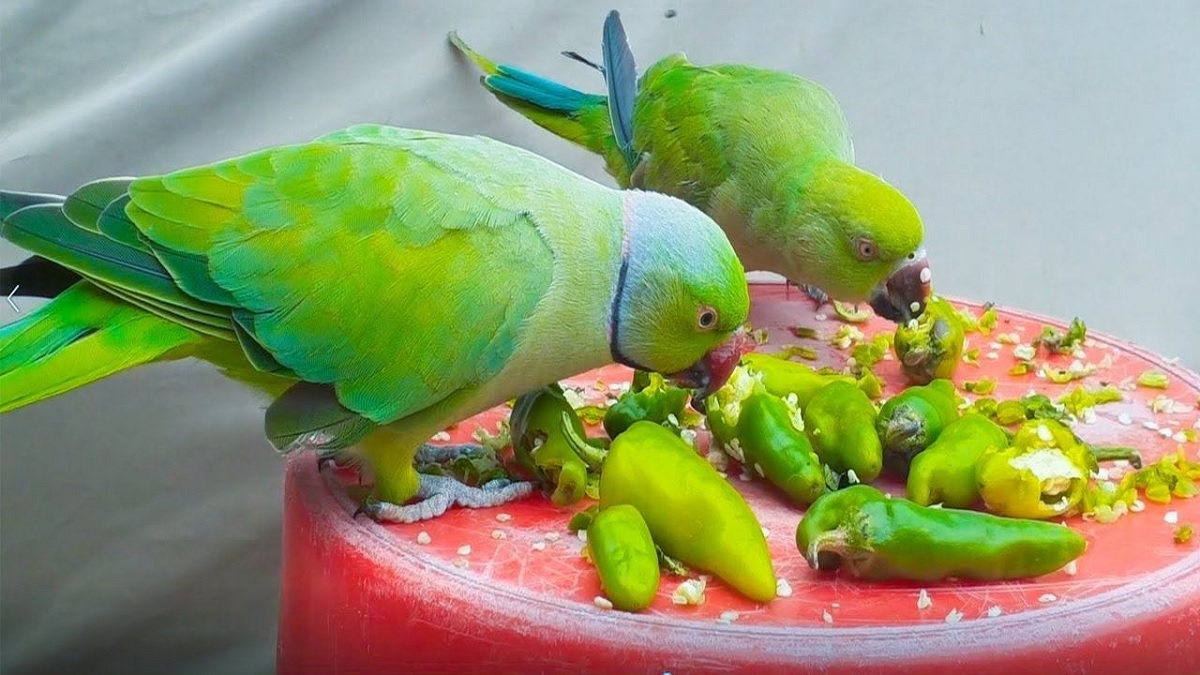
Yes, birds can safely consume chili peppers and other capsaicin-rich fruits. Unlike mammals, they do not experience irritation or digestive distress. Their digestive systems allow capsaicin to pass through without harm, making these fruits a viable food source. Consuming such foods provides birds with essential nutrients and energy while enabling effective seed dispersal. This safe consumption benefits both birds, which gain sustenance, and plants, which rely on birds to spread seeds across habitats efficiently.
Do All Bird Species Tolerate Capsaicin Equally?
Most bird species tolerate capsaicin, but feeding preferences can vary depending on species, habitat, and availability of other food sources. While physiological tolerance is widespread, some birds may prefer non-spicy fruits for easier digestion or higher nutrient content. Observing feeding patterns reveals that tolerance does not always mean preference, but it does provide birds with access to food sources largely protected from mammalian competitors. These adaptations ensure that birds can exploit ecological niches where capsaicin-rich plants are present.
Why Are Birds Important For Capsaicin-Containing Plants?
Birds play a crucial role in dispersing seeds from capsaicin-rich plants. Since they are unaffected by the compound, they consume fruits and transport seeds to new locations. This selective interaction benefits plants by preventing mammalian predation and enhancing seed survival. Birds’ feeding behavior ensures the propagation of capsaicin-producing species, illustrating a mutually beneficial relationship. Understanding this dynamic highlights the ecological significance of birds in maintaining plant populations and shaping habitat structure.
Can Capsaicin Protect Crops From Birds?
Capsaicin is largely ineffective at deterring birds because they lack the receptors that cause the burning sensation in mammals. Birds can still access and consume crops coated with chili-based deterrents. While capsaicin works well against mammals like deer or squirrels, alternative strategies, such as netting, visual deterrents, or auditory devices, are needed to manage bird predation effectively. Knowing this limitation helps gardeners and farmers implement more targeted wildlife management practices.
Does Capsaicin Affect Bird Health Or Digestion?
Capsaicin has minimal to no negative effect on bird health or digestion. Birds’ digestive systems efficiently process capsaicin-containing foods without causing irritation or discomfort. Additionally, these foods provide essential nutrients, energy, and hydration. Observing their consumption patterns shows that capsaicin-rich fruits can be a safe and beneficial component of birds’ diets. Their ability to tolerate capsaicin supports both individual health and the broader ecological role of seed dispersal.
How Does Capsaicin Influence Bird Feeding Behavior?
Capsaicin does not deter birds, allowing them to feed freely on spicy fruits. This tolerance influences feeding behavior by providing a food source largely free from mammalian competition. Birds may develop specific foraging patterns around capsaicin-rich plants, selectively consuming fruits and dispersing seeds efficiently. Understanding this behavior highlights how birds exploit ecological niches and maintain balance in ecosystems where chemical plant defenses protect resources from mammals.
Conclusion
Birds are largely unaffected by capsaicin, the compound that gives chili peppers their heat, due to differences in their sensory receptors compared to mammals. This allows them to eat spicy fruits and seeds without discomfort, making them important dispersers of plants that rely on spicy fruit for reproduction. Capsaicin acts as a deterrent for mammals, protecting seeds from being destroyed while allowing birds to consume and spread them.
When considering [are birds affected by capsaicin], it becomes clear that their immunity plays a key role in ecological balance and plant propagation. Understanding this natural adaptation helps gardeners and farmers use capsaicin strategically to deter unwanted mammals while keeping birds safe. By appreciating how birds interact with spicy foods, you can support wildlife-friendly practices and enhance biodiversity, ensuring that both plants and birds benefit from this unique relationship without harm.