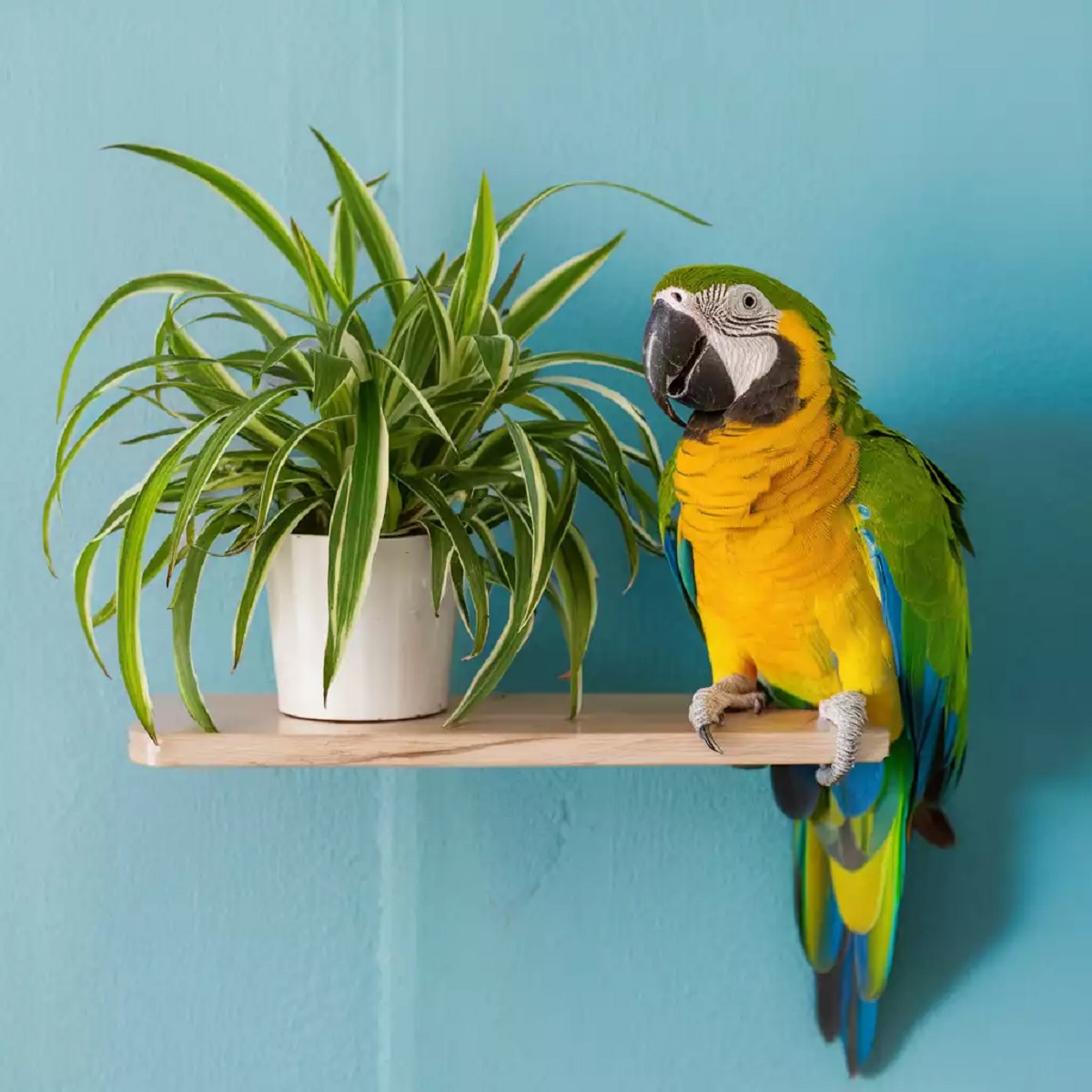
Are Snake Plants Toxic to Birds: What Every Bird Owner Should Know
Snake plants are a popular choice for homes due to their striking appearance and low-maintenance care requirements. Their upright, sword-like leaves add a modern touch to any space, making them a favorite among plant enthusiasts. However, for households with pets or birds, understanding plant safety becomes essential. Birds are naturally curious and may peck at leaves, chew on stems, or explore pots, which raises concerns about potential toxicity.
Knowing whether plants pose a risk to your feathered friends helps prevent accidental poisoning and ensures a safe living environment. Observing bird behavior around indoor plants and recognizing signs of ingestion are important for their well-being. Exploring the question of are snake plants toxic to birds allows you to make informed decisions about placement, care, and interaction, ensuring both your plants and birds thrive together safely.
Toxic Compounds in Snake Plants
Snake plants, while visually appealing and easy to care for, contain chemical compounds that can be harmful to animals if ingested. Understanding the toxic compounds in snake plants is crucial for pet and bird owners to ensure the safety of their household companions. These compounds affect the digestive and nervous systems, which is why caution is necessary when keeping these plants around curious birds.
Saponins And Their Effects
The primary toxic compounds in snake plants are saponins, naturally occurring chemicals found throughout the leaves and stems. Saponins serve as a defense mechanism for the plant, deterring herbivores and insects from feeding. When ingested by birds, saponins can cause gastrointestinal irritation, leading to symptoms such as vomiting, diarrhea, and loss of appetite.
Birds are particularly sensitive to saponins because their digestive systems are delicate. Even small amounts of plant material can trigger mild to moderate reactions. Understanding the presence of saponins helps you take preventive measures, such as keeping snake plants out of reach or using physical barriers to prevent accidental ingestion.
Potential Neurological Impacts
In addition to gastrointestinal effects, saponins and related compounds in snake plants may have mild neurological impacts on birds. Symptoms like lethargy, unsteady movement, or unusual behavior can occur in cases of ingestion. These effects are usually temporary but can escalate if larger amounts are consumed.
Birds that chew on leaves or nibble on tips are at higher risk. Monitoring behavior and recognizing early warning signs is essential for prompt intervention. Ensuring that birds do not have access to snake plants is the safest approach to prevent exposure to these toxic compounds.
Risk Factors And Exposure
The level of risk depends on factors such as the bird’s size, species, and the amount of plant ingested. Smaller birds are more susceptible to even small amounts of saponins, while larger birds may tolerate minor exposure without severe effects.
Other risk factors include repeated exposure and the presence of additional stressors like illness or poor nutrition. Being aware of these variables helps you assess the potential danger in your environment and take steps to minimize contact between your birds and snake plants.
Precautionary Measures
Preventing ingestion is the most effective way to protect birds from the toxic compounds in snake plants. Placing the plant in areas that birds cannot access, using hanging pots, or keeping them in separate rooms reduces the likelihood of accidental exposure.
Regularly observing your birds for signs of curiosity or nibbling near plants can also help prevent incidents. Combining strategic placement with careful monitoring ensures both your indoor plants and your feathered friends remain safe and healthy.
Symptoms of Snake Plant Poisoning in Birds
Birds are naturally curious and may peck at houseplants, making it essential to recognize signs of poisoning from toxic plants like snake plants. Understanding the symptoms of snake plant poisoning in birds helps owners identify potential problems early and take timely action. These symptoms often affect multiple systems, including digestive, neurological, and behavioral responses, and can vary depending on the bird’s species and size.
Gastrointestinal Distress
One of the most common signs of snake plant poisoning in birds is gastrointestinal distress. Ingesting the plant’s saponins can irritate the digestive tract, leading to vomiting, diarrhea, and a sudden loss of appetite. Birds may also show signs of discomfort, such as crouching, ruffling their feathers, or frequent vocalizations.
The severity of symptoms depends on the amount consumed and the bird’s size. Smaller species, like finches or parakeets, are particularly sensitive and may exhibit rapid onset of digestive issues. Observing these signs promptly allows for quick intervention, which can prevent dehydration and more severe complications.
Lethargy and Weakness
Neurological effects are another symptom of snake plant poisoning. Birds may appear unusually tired, weak, or lethargic, often spending more time sitting quietly or perching without activity. Their movements may seem uncoordinated, and they may have difficulty balancing or flying.
These signs occur because saponins can affect the nervous system, interfering with normal muscle function and energy levels. Lethargy may also be accompanied by drooping wings or reluctance to interact with their environment. Monitoring birds for these changes helps owners identify poisoning before it becomes critical.
Respiratory Symptoms
In some cases, snake plant toxicity can affect the respiratory system. Birds may show labored breathing, wheezing, or frequent tail bobbing as they struggle to maintain oxygen intake. While less common than gastrointestinal or neurological symptoms, respiratory distress can indicate more severe poisoning.
Immediate attention is crucial if breathing problems are observed. Providing a calm environment, minimizing stress, and contacting an avian veterinarian quickly can prevent further complications. Early recognition of respiratory signs significantly improves recovery chances.
Behavioral Changes
Behavioral changes are often subtle but can indicate poisoning. Birds may become unusually quiet, withdrawn, or irritable. They may also avoid normal activities like feeding, grooming, or interacting with their owners.
These changes often accompany other physical symptoms and should not be ignored. Noticing a combination of behavioral and physical signs allows for a more accurate assessment of the bird’s condition. Prompt intervention ensures the bird receives proper care and reduces the risk of long-term effects.
Physical Signs and Monitoring
Physical signs such as drooling, pawing at the beak, or swollen areas around the mouth can also indicate snake plant ingestion. Ruffled feathers, trembling, or unsteady perching are additional clues to potential poisoning.
Continuous monitoring is essential once exposure is suspected. Recording symptoms, observing their progression, and contacting an avian veterinarian immediately can save the bird’s life. Early recognition of these physical signs provides the best chance for effective treatment and recovery.
High-Risk Bird Species
Certain bird species are more vulnerable to snake plant toxicity due to their size, feeding habits, and natural curiosity. Understanding which birds are at high risk helps owners take precautions to prevent accidental ingestion and protect their feathered companions. Species that are small, inquisitive, or tend to explore their environment actively are particularly susceptible to the toxic compounds present in snake plants.
Small Parrots and Budgerigars
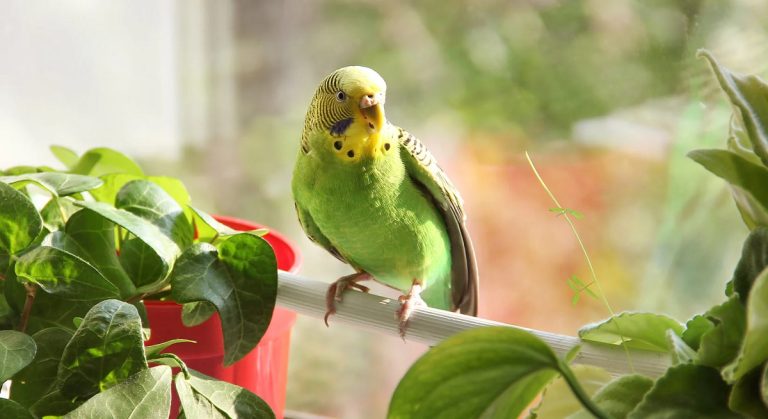
Small parrots, including budgerigars and parakeets, are at high risk because of their size and feeding behaviors. These birds are naturally curious and often explore new objects with their beaks, making them more likely to nibble on houseplants. Even a small amount of snake plant material can cause gastrointestinal upset, lethargy, or other toxic symptoms.
Budgerigars’ small body mass means that toxins like saponins affect them more quickly and severely compared to larger birds. Their rapid metabolism can accelerate the onset of symptoms, including vomiting, diarrhea, and loss of appetite. Monitoring their behavior and preventing access to toxic plants is essential. Providing safe, bird-friendly greenery or placing plants out of reach minimizes exposure and keeps these small parrots healthy.
Cockatiels and Lovebirds
Cockatiels and lovebirds are also considered high-risk species. Both are playful, inquisitive, and prone to chewing on leaves or stems during exploration. Their strong beaks allow them to bite into plant material, increasing the likelihood of ingesting harmful toxins. Even a brief interaction with snake plants can trigger symptoms.
These birds may show subtle signs of poisoning, such as lethargy, ruffled feathers, or unusual vocalization, which can escalate if not addressed quickly. Because they are small to medium-sized, their bodies cannot tolerate large doses of toxic compounds. Owners should provide safe alternatives for chewing, such as bird-safe toys and leafy greens, while keeping snake plants completely out of their reach to prevent accidental ingestion.
Finches and Canaries
Finches and canaries are among the smallest and most delicate birds kept as pets, making them extremely sensitive to snake plant toxicity. Their exploratory behavior often involves pecking at surrounding objects, which increases the risk of ingesting even tiny amounts of harmful plant material.
Symptoms in these species can develop rapidly, including digestive upset, lethargy, and behavioral changes. Due to their small size, finches and canaries can deteriorate quickly if exposed to toxins. Ensuring that snake plants are entirely inaccessible and providing safe, bird-friendly alternatives is critical. Even brief exposure can be dangerous, so vigilant monitoring and proactive preventive measures are essential to protect these tiny, high-risk birds.
Medium-Sized Parrots
Medium-sized parrots, such as conures and pionus parrots, are curious and active foragers that may explore houseplants thoroughly. Their beaks are strong, capable of tearing leaves and accessing plant tissue, which increases the risk of ingesting saponins. While larger than budgerigars, their size still makes them vulnerable to moderate amounts of toxins.
These parrots may initially show mild signs, like reduced appetite or slight lethargy, but prolonged exposure can result in more serious symptoms, including vomiting and unsteady movement. Preventing access to snake plants, providing alternative safe greenery, and monitoring interactions closely ensures that these medium-sized birds remain healthy and safe in indoor environments.
People Also Asked
Are Snake Plants Toxic To Birds?
Yes, snake plants are toxic to birds due to the presence of saponins, naturally occurring compounds in their leaves and stems. Ingesting even small amounts can cause gastrointestinal upset, lethargy, and other mild to moderate symptoms.
Birds are naturally curious and may peck at indoor plants, which increases the risk of exposure. Understanding this toxicity helps you take precautionary measures, such as placing snake plants out of reach or providing bird-safe alternatives to ensure your feathered friends remain safe and healthy in a shared indoor environment.
What Symptoms Indicate Snake Plant Poisoning In Birds?
Symptoms of snake plant poisoning in birds typically include vomiting, diarrhea, loss of appetite, and lethargy. Some birds may show uncoordinated movements, ruffled feathers, or changes in behavior, such as withdrawal or decreased activity.
Respiratory distress is less common but can occur in severe cases, with signs like labored breathing or tail bobbing. Recognizing these symptoms early is crucial for prompt intervention. Monitoring your birds for subtle changes in eating habits, behavior, or physical condition allows you to act quickly and prevent more serious complications.
Which Bird Species Are Most At Risk From Snake Plants?
Small and medium-sized birds are most at risk from snake plant toxicity. Species like budgerigars, finches, canaries, cockatiels, lovebirds, and conures are particularly susceptible due to their small body mass and curious nature.
These birds explore their environment with their beaks, increasing the likelihood of ingesting toxic leaves. Even minor exposure can trigger symptoms like gastrointestinal upset or lethargy. Understanding which birds are high-risk allows you to take extra precautions, such as relocating plants or offering safe alternatives for chewing and foraging.
Can Birds Recover From Snake Plant Poisoning?
Yes, birds can recover from snake plant poisoning with prompt care. Immediate steps include removing access to the plant, providing fresh water, and monitoring for dehydration or worsening symptoms.
In cases of significant ingestion or severe symptoms, consulting an avian veterinarian is essential. Treatment may involve supportive care, such as fluid therapy or medications to ease gastrointestinal distress. Early intervention increases recovery chances, and with proper care, birds can fully recover and avoid long-term health issues.
How Can I Prevent My Birds From Being Exposed To Snake Plants?
Preventing exposure involves strategic placement and supervision. Keep snake plants in rooms that birds cannot access, use hanging pots, or place plants on high shelves where curious birds cannot reach.
Providing safe alternatives, such as bird-friendly greenery or chewable toys, helps satisfy their natural foraging instincts. Regularly observing bird behavior near plants and maintaining a secure indoor environment ensures both your feathered companions and snake plants coexist safely, reducing the risk of accidental ingestion and potential poisoning.
Final Thoughts
Bird owners must always be aware of the plants they bring into their homes, as certain species can pose serious risks to their feathered friends. Snake plants, while popular for their low maintenance and aesthetic appeal, contain compounds that can be harmful if ingested by birds. Recognizing the potential danger helps prevent accidental poisoning and ensures a safer environment for pets.
Observing your birds for any unusual behavior or signs of distress is crucial. Knowing how to respond quickly if exposure occurs can make a significant difference in recovery. Veterinary guidance is essential when symptoms appear, and prompt action can prevent more severe health complications.
Understanding [are snake plants toxic to birds] emphasizes the importance of careful plant selection and placement. By choosing safe alternatives and maintaining awareness, bird owners can enjoy greenery at home without compromising the health and well-being of their birds.