Are Killdeer Birds Dangerous? Facts Every Backyard Observer Should Know
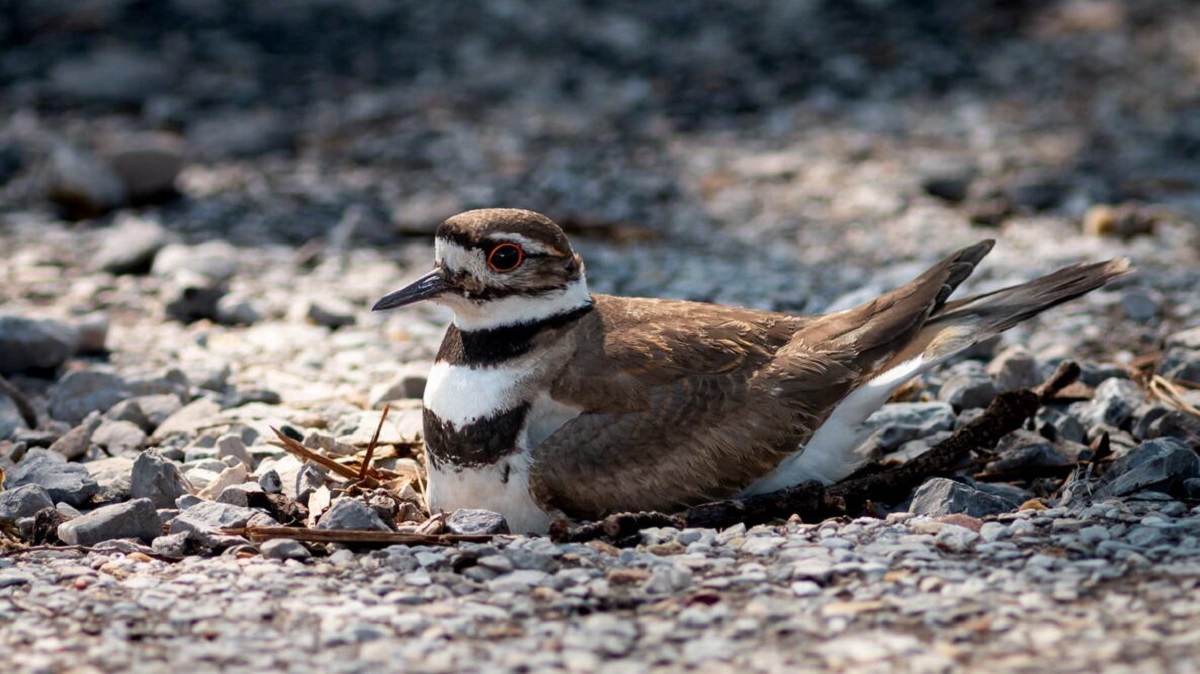
Killdeer birds are commonly spotted in open fields, lawns, and gravel areas, easily recognizable by their distinctive double black chest bands and loud, high-pitched calls. Their presence often sparks curiosity among bird watchers, homeowners, and outdoor enthusiasts who notice their unique behavior, especially during nesting season. Understanding their habits and interactions with humans is essential for determining potential risks.
These birds are ground-nesters, often laying eggs in open areas that make them highly protective of their territory. Their defense mechanisms, including loud alarm calls and distraction displays, are designed to protect their young rather than harm intruders. Observing killdeer behavior provides insight into how they respond to perceived threats and how cautious one should be when approaching nesting sites.
The question of whether they pose any danger arises from their aggressive displays and frequent alarm calls. Considering their behavior and ecological role helps clarify whether killdeer birds are dangerous or simply protective of their nests and young. Understanding their actions can enhance safe coexistence while appreciating their unique wildlife presence.
Behavior Patterns of Killdeer Birds
Killdeer birds exhibit distinctive behavior patterns that make them fascinating to observe. Their actions, from foraging to nesting, reflect adaptations to open habitats and predation pressures. Understanding these behaviors provides insight into their survival strategies, social interactions, and how they respond to humans and other animals in shared environments.
Foraging and Feeding Habits
Killdeer are opportunistic feeders, primarily foraging on insects, spiders, worms, and small invertebrates. They prefer open ground, such as gravel paths, lawns, or mudflats, where prey is easily accessible. Killdeer employ a “run-and-pause” technique while hunting, running a short distance, stopping, and pecking at prey when detected.
Their feeding patterns are influenced by both time of day and habitat conditions. Early mornings and late afternoons are prime foraging times, especially during warmer months when insect activity peaks. Killdeer may also consume seeds and small crustaceans when insect availability is low. Their diet flexibility enables them to thrive in a range of environments, from urban parks to agricultural fields. Observing their methodical foraging behavior highlights their adaptability and efficiency in locating food.
Nesting and Territorial Behaviors
Killdeer are ground-nesting birds, and their nesting behavior is strongly tied to territory defense. Nests are simple depressions in open areas, often lined with small stones or debris. Because eggs and chicks are exposed, adults exhibit protective behaviors, including loud alarm calls, distraction displays, and aggressive posturing to deter predators.
The well-known “broken-wing display” is a signature behavior during nesting. When threatened, an adult bird feigns injury, flapping along the ground to draw predators away from eggs or chicks. Killdeer may also dive-bomb intruders that venture too close. Territorial boundaries are established during breeding season, and adults actively defend these spaces from other killdeer and potential threats. These behaviors maximize the survival of their offspring while minimizing the risk to the adults themselves.
Vocalization and Communication
Killdeer are vocal birds, using a variety of calls to communicate with mates, offspring, and intruders. Their sharp, high-pitched “kill-deer” call is both a territorial signal and an alarm. Vocalizations are essential for alerting others to predators and coordinating parental care.
During the breeding season, pairs use calls to strengthen bonds and coordinate nesting activities. Alarm calls intensify when humans, pets, or larger animals approach nesting sites. Juveniles learn to recognize and respond to adult calls, which aids in predator awareness and foraging efficiency. Communication plays a vital role in the survival and social organization of killdeer populations.
Seasonal Movements and Habitat Use
Killdeer exhibit partial migratory behavior, with northern populations moving south during colder months. Migration is generally short-distance, and many birds remain year-round in temperate regions. Habitat preference includes open fields, shorelines, and gravel areas, where visibility helps them detect predators and forage effectively.
Seasonal movements influence breeding timing, foraging strategies, and territorial behavior. In winter, killdeer may congregate in small flocks for safety while feeding in exposed habitats. Understanding their seasonal patterns helps observers predict where and when these birds are likely to be active, providing opportunities to watch their unique behaviors without disturbing their routines.
Killdeer behavior patterns, including foraging, nesting, communication, and seasonal movements, reveal a bird highly adapted to open habitats and predation pressures. By studying these behaviors, you gain insight into their survival strategies, social interactions, and the ways they navigate shared environments with humans and other animals.
Aggression Levels and Threat Assessment
Killdeer birds are often perceived as aggressive due to their protective behaviors, especially during nesting season. While they do not pose a physical threat to humans, their vocalizations, displays, and defensive tactics can appear intimidating. Understanding their aggression levels and how they assess threats provides insight into their survival strategies and helps people safely coexist with these birds.
Defensive Behaviors and Aggression
Killdeer display aggression primarily in defense of their nests and offspring. Their “broken-wing display” is a common tactic, where the bird feigns injury to lure predators or intruders away from eggs or chicks. This display may involve flapping, running, and vocalizing loudly, creating the impression of heightened aggression.
Physical attacks on humans or larger animals are extremely rare. Killdeer focus on distraction and alarm rather than direct confrontation. Their aggressive behaviors are context-specific, triggered only when they perceive a threat to their territory or young. Observing these defensive strategies helps clarify that aggression in killdeer is protective rather than predatory, reflecting an instinctual survival mechanism that ensures offspring safety.
Threat Detection and Risk Assessment
Killdeer are highly alert and rely on keen eyesight to detect potential threats. They can assess the size, distance, and behavior of approaching animals, deciding whether to flee, perform a distraction display, or emit alarm calls. This ability to evaluate risk is crucial for survival in open habitats where hiding is limited.
The birds balance energy expenditure with safety, often avoiding unnecessary confrontations. Smaller or more distant threats may trigger loud calls without any further action, while persistent intruders near nests provoke more elaborate distraction tactics. This calculated assessment minimizes risk to the adult bird while maximizing protection for vulnerable eggs and chicks, highlighting the adaptive nature of killdeer aggression.
Aggression During Breeding Season
Aggression levels are highest during the breeding season when nests and eggs are most vulnerable. Adults establish and defend territories, issuing alarm calls and engaging in distraction displays against intruders. Aggressive displays are also a form of communication to other killdeer, signaling occupied nesting areas and deterring potential rivals.
Mating pairs coordinate their defense, often taking turns distracting threats while the other incubates eggs. Aggression during this period is not directed at humans or non-threatening animals unless they approach the nest closely. Recognizing that aggression is tied to reproductive priorities helps people interpret killdeer behavior and interact safely during sensitive periods.
Coexistence and Safety Measures
Understanding killdeer aggression allows humans and pets to coexist safely with these birds. Maintaining a respectful distance from nesting areas reduces stress and prevents unnecessary displays of aggression. Temporary barriers or signs can help protect nests in areas with frequent human or pet activity.
Observing without interference and avoiding approaches to eggs or chicks ensures that adults do not perceive a threat. By recognizing the contexts that trigger aggression, you can appreciate killdeer behaviors while minimizing disturbance. Knowledge of their threat assessment and defensive strategies promotes safe coexistence and fosters an appreciation for their instinctive protective behaviors.
Killdeer aggression is primarily a defensive mechanism tied to nesting and offspring protection. By understanding their behaviors, threat detection, and seasonal variations in aggression, you can safely coexist with these birds while respecting their natural survival instincts.
How to Safely Coexist with Killdeer Birds
Killdeer birds are common in open landscapes, lawns, and gravel areas, and their unique behaviors can be both fascinating and occasionally alarming. Coexisting safely with killdeer requires understanding their instincts, nesting habits, and communication patterns. By adopting practical strategies, you can enjoy observing these birds while minimizing stress for both the birds and yourself.
Respecting Nesting Areas
The most important step in coexisting with killdeer is respecting their nesting areas. Killdeer are ground-nesters, often laying eggs in open spaces that are vulnerable to disturbance. Avoid walking, mowing, or allowing pets near known or suspected nesting sites during breeding season.
Creating temporary barriers or marking nesting areas with flags or signs can help protect these birds while still allowing access to other parts of your yard. Observing from a distance is key; approaching too closely can trigger alarm calls, distraction displays, and stress for the adult birds. By giving killdeer space, you ensure that their reproductive activities proceed without interference, increasing the survival chances of eggs and hatchlings.
Understanding and Responding to Distraction Displays
Killdeer are famous for their “broken-wing display,” a defensive tactic used to distract predators from eggs or chicks. This behavior can be startling, as the bird flaps and calls loudly near your presence. Understanding that this display is protective rather than aggressive is essential.
When you encounter a killdeer performing a distraction display, maintain distance and avoid chasing or attempting to capture the bird. Do not interfere with the nest or chicks. Observing calmly allows the bird to continue its natural behavior without heightened stress. By recognizing these behaviors as defensive rather than hostile, you can coexist safely while appreciating their instinctive strategies for protecting offspring.
Providing Safe Foraging Opportunities
Killdeer primarily feed on insects, worms, and other small invertebrates. Supporting their natural diet in your garden can encourage healthy foraging behavior while minimizing interactions with humans. Avoid leaving potentially harmful food sources, such as chemically treated areas, toxic plants, or human food scraps, where killdeer may feed.
Planting native vegetation or maintaining open, pesticide-free areas provides birds with safe spaces to forage. By ensuring that food and habitat are available in natural locations, you reduce the likelihood of killdeer entering high-traffic areas or displaying defensive behaviors. This proactive approach benefits both the birds and people sharing the environment.
Minimizing Disturbances and Threats
Noise, pets, and frequent human activity can stress killdeer and trigger defensive behaviors. Limiting disturbances around nesting sites is critical for maintaining a peaceful coexistence. Fencing or designating quiet zones in yards or parks during the breeding season can prevent unnecessary stress.
Educating family members, neighbors, and visitors about killdeer behaviors and the importance of respecting nests further promotes safety. Observing quietly, keeping pets leashed, and avoiding heavy equipment near nesting areas helps maintain harmony between humans and birds. These measures allow killdeer to continue their natural behaviors without perceiving people as threats.
Encouraging Long-Term Coexistence
Long-term coexistence with killdeer involves understanding their behaviors, maintaining safe habitats, and minimizing stressors. By respecting nesting areas, responding appropriately to defensive displays, providing safe foraging opportunities, and reducing disturbances, you foster an environment where killdeer can thrive.
Appreciating their ecological role and observing their unique behaviors enhances your connection with local wildlife. Thoughtful planning and awareness create a shared space where birds and humans coexist safely. These strategies ensure that both parties benefit, allowing killdeer populations to flourish while people enjoy the presence of these fascinating ground-nesting birds.
Frequently Asked Questions
Why Do Birds Target Door Wreaths?
Birds often target door wreaths because they resemble natural nesting materials and provide shelter or food. Evergreen branches, ribbons, and decorative elements can attract birds seeking a cozy spot, especially during breeding season.
You may notice birds pecking, rearranging, or even attempting to nest in wreaths. Their activity can damage decorations and create messes around your entryway. Understanding why birds are drawn to wreaths helps you take preventive measures, such as altering materials, adding deterrents, or positioning wreaths in a less accessible area. This approach reduces bird interference while maintaining the decorative appeal of your wreaths.
How Can I Make Wreaths Less Attractive To Birds?
Making wreaths less appealing involves using materials that do not mimic natural nesting sites. Avoid loose twigs, moss, or soft plant fibers that birds may interpret as nesting supplies.
Incorporating synthetic decorations, ribbons, or tightly woven artificial foliage can discourage birds from landing or pecking. Reflective ornaments, shiny ribbons, or lightweight deterrent objects also make wreaths less inviting. By adjusting your wreath’s design, you maintain its aesthetic appeal while minimizing the chances that birds will treat it as a potential nesting or foraging site.
Do Visual Deterrents Work To Keep Birds Away From Wreaths?
Yes, visual deterrents can be effective for discouraging birds. Items like reflective tape, pinwheels, or holographic ornaments create movement and reflections that birds perceive as threats.
Placing these deterrents near your wreath can prevent birds from landing or lingering. Birds rely heavily on sight for detecting danger, so the presence of sudden movement or reflective surfaces can make them avoid the area. Regularly moving or adjusting the deterrents increases effectiveness, keeping birds from becoming accustomed to static decorations. Combining visual cues with other strategies enhances overall protection.
Can Scent-Based Solutions Help Keep Birds Out?
Scent-based solutions can deter birds to some extent. Birds generally dislike strong odors such as peppermint, vinegar, or commercial bird repellents designed for outdoor use.
Applying mild scent repellents around the wreath, but not directly on the decorative elements, discourages birds from approaching. You must reapply scents frequently, as weather conditions can diminish their effectiveness. While scent alone may not fully prevent birds from targeting wreaths, combining it with visual deterrents and secure materials improves your chances of keeping birds away.
Does Wreath Placement Affect Bird Interference?
Yes, the location of your wreath significantly impacts bird activity. Wreaths placed near trees, shrubs, or ledges are more accessible to birds, increasing the likelihood of visits.
Positioning wreaths on doors away from high-traffic perches or overhanging branches reduces access. Installing wreaths on smooth surfaces without nearby footholds makes it harder for birds to land. Strategic placement, combined with deterrents and suitable materials, minimizes interference while keeping your decorations visually appealing. Observing bird patterns around your home helps you choose the safest location.
What Are Long-Term Strategies To Prevent Bird Damage?
Long-term strategies involve using durable materials, adding deterrents, and routinely monitoring wreaths. Artificial foliage, tightly secured ornaments, and reflective elements reduce bird attraction.
Regularly inspecting wreaths and adjusting deterrents ensures continued effectiveness. Seasonal changes may require updating materials or repositioning decorations to maintain protection. Educating household members to avoid feeding birds near the door also helps. Implementing these strategies creates a consistent, bird-unfriendly environment around wreaths, allowing you to enjoy festive decorations without repeated damage or disruption.
Final Thoughts
Protecting your decorative door wreaths from birds requires a combination of awareness and proactive measures. Birds are naturally curious and often explore new textures and colors, which can lead them to peck at or nest in wreaths. Understanding their habits and preferences can help you implement strategies that discourage them without causing harm.
Using deterrents, altering placement, and choosing bird-resistant materials are effective ways to minimize unwanted attention. Visual barriers, mild repellents, or spacing wreaths away from areas where birds frequently perch can significantly reduce interference. Regularly inspecting your wreaths also ensures that any early signs of bird activity are addressed promptly.
By taking thoughtful steps, you can enjoy festive and elegant door decorations while keeping wildlife safe. Knowing practical methods for how to keep birds out of door wreaths allows homeowners to maintain their aesthetic appeal without compromising on bird safety or comfort.