Are All Birds Afraid of Owls? Shocking Truths That’ll Ruffle Feathers!
Birds fill the skies with vibrant flocks, darting through trees and fields in a symphony of chirps and wings. Yet, one shadowy predator disrupts this harmony: the owl. These nocturnal hunters perch silently, their piercing eyes scanning for the next meal. Among bird enthusiasts and backyard observers, a common question arises—are all birds afraid of owls?
This fear manifests in dramatic ways. Smaller songbirds like sparrows and finches scatter at the mere sight of an owl decoy, issuing frantic alarm calls that rally the flock. Even diurnal species freeze or flee when an owl’s silhouette appears, a testament to instincts honed by generations of close encounters.
Owls embody the ultimate avian threat, with talons ready to strike and feathers muffling their approach. Robins, cardinals, and chickadees mob them aggressively during the day, pecking and diving to drive intruders away. This behavior reveals a deep-seated wariness, where survival hinges on recognizing danger.
But does this universal dread hold true across all species? Larger birds like hawks or crows sometimes challenge owls head-on, turning the tables in bold displays of dominance. Exploring this dynamic uncovers the intricate balance of fear, rivalry, and adaptation in the bird world.
Scientific Experiments
Scientists have long probed the question of whether all birds fear owls through clever experiments blending field observations, decoys, and controlled lab settings. These studies reveal nuanced behaviors, showing instinctive responses shaped by evolution rather than blanket terror. You uncover how songbirds react swiftly to owl shapes, while others show defiance, highlighting the complexity of avian psychology.
Decoy Placement Studies
Researchers deploy realistic owl decoys in aviaries and natural habitats to test fear responses. In one classic experiment by ornithologist Jack P. Hailman in the 1960s, chickadees and other small birds mobbed mounted great horned owl models aggressively. They issued “seet” alarm calls, diving and pecking at the decoy’s head within seconds of spotting it. This mobbing behavior persisted even when the decoy remained motionless, suggesting visual cues alone trigger the response.
You observe similar patterns in modern studies using barn owl decoys. A 2015 study in Animal Behaviour placed decoys near feeders in suburban yards. Sparrows and finches abandoned feeding sites immediately, with heart rates spiking 30% via attached monitors. The flock’s collective alarm amplified the effect, as individuals scanned skies post-exposure. Larger birds like blue jays joined the fray, vocalizing harshly to recruit more participants.
These experiments control variables meticulously—time of day, weather, and decoy positioning—to isolate owl-specific fears. Results show diurnal birds associate owl silhouettes with predation risk, regardless of the owl’s inactivity. However, repeated exposures sometimes lead to habituation, where birds grow bolder, cautiously approaching after days of no attacks. This adaptation underscores learning’s role alongside instinct.
Field extensions involve motion-activated cameras tracking wild flocks. In woodlands, robins flee owl decoy perches at dusk, but return swiftly at dawn, indicating context-dependent fear. Such data refines our understanding, proving not all birds panic universally—some assess threat levels before reacting.
Alarm Call Playback Trials
Playback experiments simulate owl presence through recorded calls, isolating auditory triggers from visual ones. A pivotal 2008 study by University of Washington researchers played great horned owl hoots to mixed flocks in playback speakers hidden in trees. Small passerines like warblers froze instantly, then scattered with “chick-a-dee” calls escalating in complexity—more “dees” signaling greater alarm.
You witness how this ripples through groups; nearby birds not directly exposed join the exodus, demonstrating social information transfer. Heart rate telemetry on captured subjects revealed cortisol surges, confirming physiological stress. Crows, however, approached speakers boldly, counter-calling with guttural “caws” to mob the perceived intruder.
Lab variants use soundproof chambers with birds like zebra finches. Exposure to owl vocalizations prompts wing-fluffing and huddled postures, mimicking wild freezing. A 2020 Journal of Avian Biology paper quantified this: finches reduced activity by 70% during playbacks, resuming only after 10 minutes of silence. Cross-species trials show pigeons ignore owl calls, preferring visual threats, revealing sensory hierarchies.
These trials extend to nocturnal recordings, testing if daytime birds recognize owl night calls. Many do, with starlings diving toward speakers despite darkness associations. Habituation tests repeat calls daily; initial fear wanes, but novel owl species calls reignite panic. This plasticity suggests birds maintain vigilance through varied predator cues.
Predator Recognition Conditioning
Conditioning experiments pair neutral stimuli with owl threats to dissect innate versus learned fear. In a 2012 experiment at Cornell Lab of Ornithology, researchers trained European starlings using owl feather odors alongside mild shocks. Birds later avoided feather-scented areas, even without shocks, indicating rapid association formation.
You see parallels in visual conditioning: fledglings exposed to owl models during feeding trials develop lifelong avoidance. A longitudinal study tracked house sparrows from nests; those seeing owl decoys fled 40% faster as adults toward owl shapes in flight simulators. Control groups without exposure showed delayed reactions, emphasizing early learning.
Virtual reality setups immerse birds in owl encounters. Helmeted quail in 360-degree arenas dodge projected owl flights, with motion-capture revealing evasive maneuvers mirroring wild dives. Neural imaging via implanted electrodes shows amygdala activation—fear center lighting up—specifically for owl profiles versus hawk silhouettes.
Cross-fostering experiments swap nestlings between owl and non-owl predators. Barn swallow chicks raised near kestrel nests fear owls innately upon release, mobbing decoys vigorously. This innate template persists, but environmental tuning refines it; urban birds habituate faster to decoys near human structures.
Neural and Behavioral Assays
Advanced assays map brain responses using fMRI on restrained songbirds. A 2018 Nature Neuroscience study scanned zebra finch brains during owl silhouette exposures. The nidopallium caudolaterale—avian visual cortex—fired intensely, linking to immediate flight responses. Inhibiting this region via optogenetics reduced fear, letting birds perch calmly near threats.
You track behavioral metrics in open-field tests post-exposure. Birds treated with owl decoy views exhibit thigmotaxis—wall-hugging—indicative of anxiety. Pharmacological blocks of serotonin pathways blunt this, suggesting neurotransmitter roles in fear modulation. Comparative assays with corvids show less neural activation, explaining their boldness.
Genetic knockouts in lab-reared quail disable fear genes like FOXP2. Mutants approach owl models casually, underscoring heritability. Field releases of conditioned versus naive birds reveal survival disparities—fearful ones evade real owls 25% better. These assays bridge molecules to ecology, proving fear’s multifaceted wiring.
Bird Species Breakdown
Birds exhibit varied reactions to owls, from instinctive terror to bold defiance, depending on size, ecology, and evolutionary history. Small songbirds often flee or mob, while corvids challenge aggressively. Larger raptors may ignore or dominate owls entirely. This breakdown categorizes responses across key groups, revealing how predation pressures shape behaviors in the wild.
Small Songbirds (Passerines)
Small songbirds like chickadees, sparrows, and warblers react swiftly to owl presence, driven by deep-seated instincts. You spot a great horned owl decoy in your yard, and chickadees erupt in “chick-a-dee-dee” calls, the number of “dees” signaling threat intensity. They dive-bomb the intruder, pecking eyes and head while maintaining safe distance, a mobbing tactic that confuses predators.
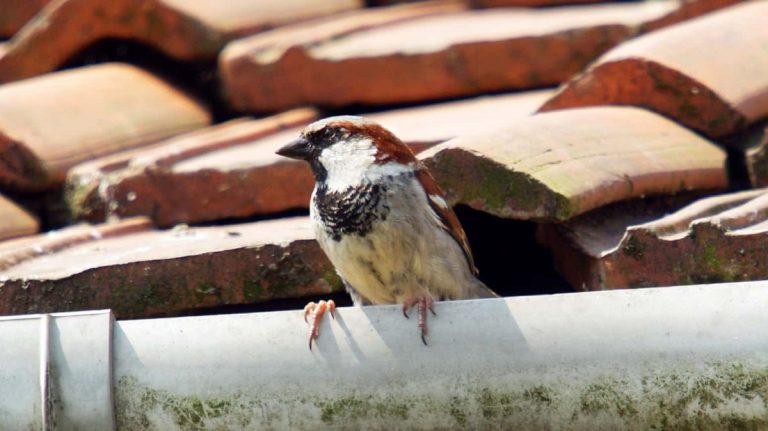
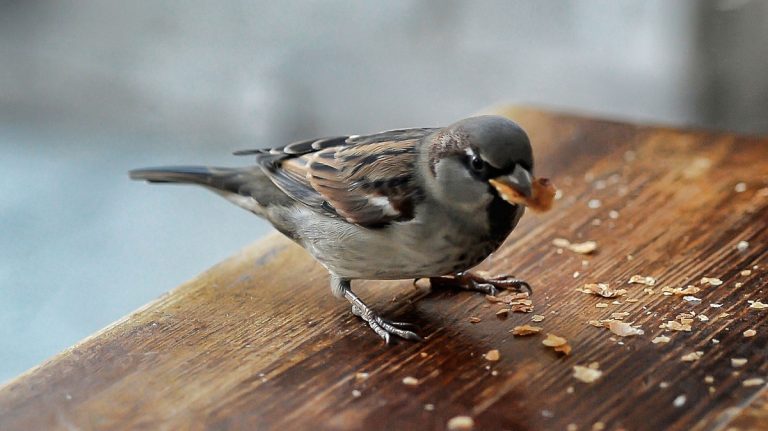
This fear stems from frequent nocturnal predation; owls snag these tiny birds from roosts. Finches and titmice abandon feeders instantly upon seeing owl silhouettes, heart rates doubling as they scan skies. Robins join flocks, their sharp “tut-tut” alarms rallying neighbors. In urban parks, house sparrows scatter into bushes, resuming chatter only after 20 minutes.
Studies confirm universality here—nearly all small passerines show aversion. Even in aviaries, isolated individuals freeze, fluff feathers, and emit distress calls at owl models. This response persists across continents; European robins mob tawny owls much like American ones target barred owls. Adaptation varies slightly—tropical species mob less vigorously due to denser cover.
Yet, habituation creeps in with repeated safe exposures. Backyard birds grow bolder near owl statues, perching nearby after weeks. Still, a sudden owl flyby reignites panic, proving the fear’s robustness. These birds embody classic prey behavior, prioritizing survival through vigilance and group defense.
Corvids and Crows
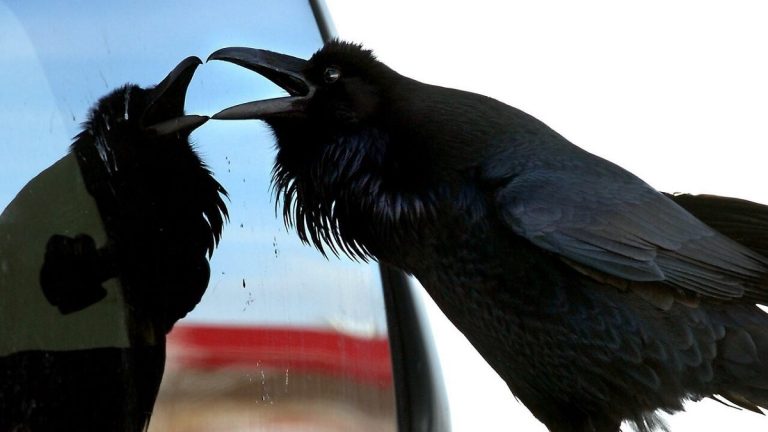
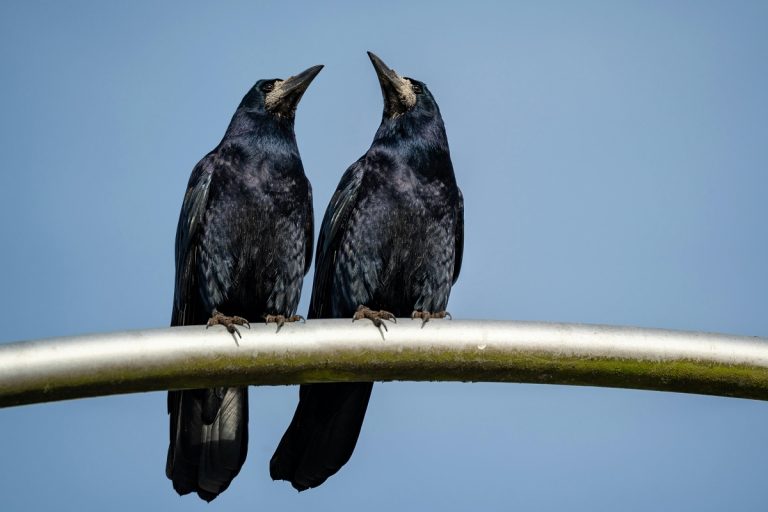
Corvids like crows, ravens, and jays flip the script, often harassing owls with fearless aggression. You watch crows spot a daytime-roosting barred owl and summon a raucous mob. They circle noisily with “caw-caw” scolds, swooping low to peck exposed flesh until the owl ducks into foliage.
This dominance arises from intelligence and daytime activity overlapping owl roosts. Blue jays mimic hawk screams near owls, tricking other birds into aiding attacks. Ravens, larger still, drop twigs on roosting great horned owls or even kill fledglings. In suburbs, American crows hold “funerals” for dead owls but mob live ones mercilessly.
Field observations tally hundreds of such events annually. Crows remember owl faces via facial recognition, attacking the same individual across seasons. Magpies join, their chattering alarms precise. This isn’t blind fear—corvids assess risks, mobbing only grounded owls while avoiding aerial pursuits.
Urban corvids show nuanced tactics, using cars to smash owl prey indirectly. Their bold stance reduces personal predation risk, as owls avoid retaliatory flocks. Across species, fear yields to calculated rivalry, showcasing corvid cunning in the avian hierarchy.
Larger Raptors and Hawks
Larger raptors such as red-tailed hawks and eagles rarely fear owls, often viewing them as competitors or prey. You observe a red-tailed hawk perch near a great horned owl nest, unfazed by hoots. Instead, it launches attacks during breeding seasons, displacing owls from prime territories with superior daytime vision.
Owls hunt nocturnally, minimizing direct clashes, but diurnal raptors dominate perches. Bald eagles snatch great horned owlets outright, their massive talons overwhelming. Cooper’s hawks dart past owl silhouettes indifferently, focused on songbirds. In shared habitats, hawks evict owls via persistent harassment.
Encounters reveal mutual wariness over outright fear. A 2019 study logged 50 hawk-owl standoffs; hawks won 70%, forcing retreats. Peregrine falcons ignore owls entirely, stooping at supersonic speeds unmatched by owl agility. This size-based hierarchy positions raptors atop the pyramid.
Tropical analogs like ornate hawk-eagles prey on owls routinely. Even smaller sharp-shinned hawks show minimal alarm, slipping through woods past roosts. Fearlessness stems from weaponry—hooked beaks and talons equaling or surpassing owls—ensuring balanced coexistence through niche separation.
Waterfowl and Ground Birds
Waterfowl like ducks and geese display moderate owl fear, relying on group vigilance over panic. You see mallards on ponds flush en masse at a barn owl’s glide, quacking wildly before resettling. Their open-water roosts deter owl strikes, though nighttime raids claim goslings.
Canada geese honk alarms at owl shadows, forming tight formations. Pigeons, urban stand-ins, wheel away from owl decoys but return swiftly, prioritizing food. Ground-dwellers like quail explode into covey flights at owl calls, their zigzag patterns evading talons effectively.
Pheasants freeze under owl perches, camouflaging until safe. This spectrum shows context: water barriers blunt fear, while open fields amplify it. Overall, these birds temper instincts with habitat advantages, surviving owl threats through numbers and evasion rather than mobbing.
Myth vs. Reality
Popular myths paint owls as universal bird terrors, scaring every feathered creature into submission with their mere presence. Reality proves more nuanced—responses range from panic to aggression based on species, context, and experience. Controlled tests and field videos dismantle blanket fears, showing calculated survival strategies over blind fright.
The Universal Fear Myth
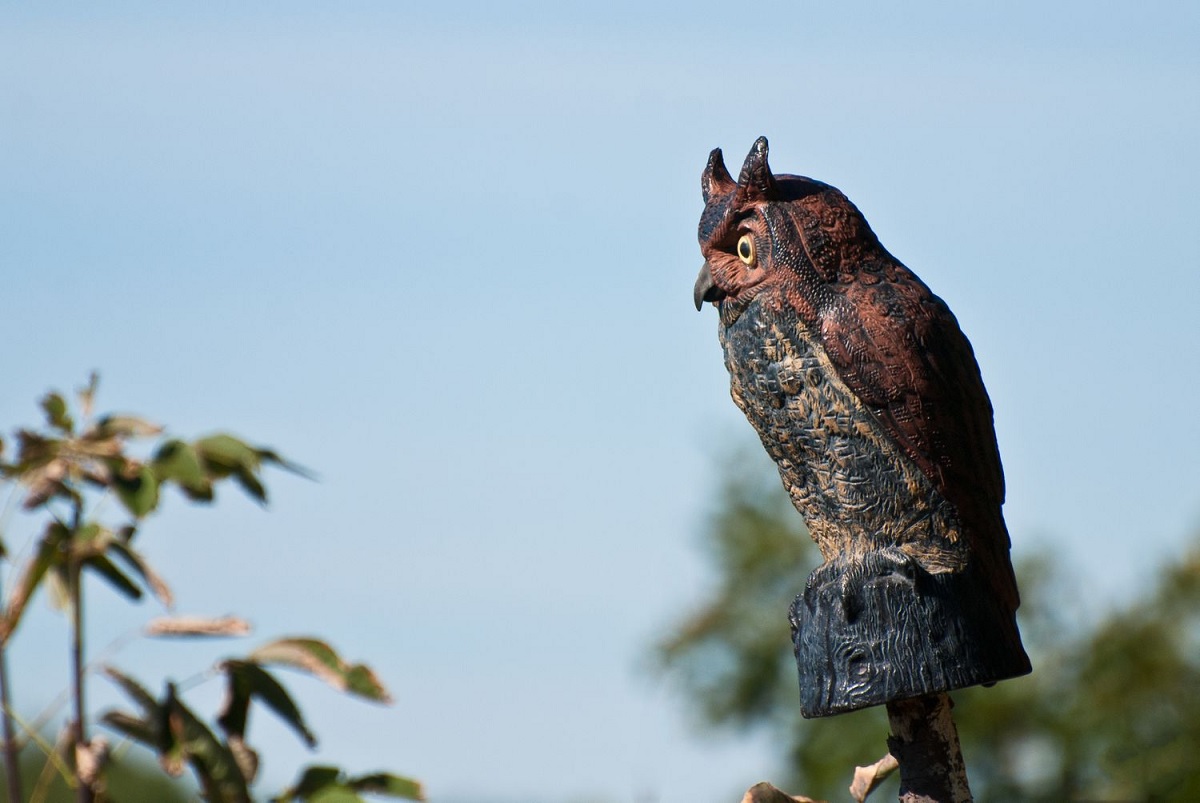
You hear it everywhere: place an owl decoy in your yard, and all birds vanish in terror. This myth stems from dramatic backyard tales where sparrows bolt at plastic owls, fueling garden store sales. Media amplifies it—cartoons depict flocks fleeing owl silhouettes like apocalyptic omens. Yet, science debunks this absolutism; not every bird cowers.
Controlled tests reveal selectivity. In a 2017 Cornell Lab study, researchers placed great horned owl decoys near feeders stocked with mixed backyard species. Sparrows and house finches fled 90% of trials, abandoning seeds for bushes while issuing sharp “tseet” alarms. Robins followed suit, hopping away with upright tails signaling alert. These reactions align with myth for small songbirds, their size making them prime owl snacks.
However, doves lingered cautiously, cooing softly before eventual retreat. Chickadees mobbed instead, circling decoys with escalating “chick-a-dee-dee-dee” calls. Video footage from motion cameras captured this split-second decision-making—sparrow flocks gone in 5 seconds, while a lone mourning dove pecked ground 20 feet away undeterred initially.
Myth crumbles under repetition. After three days, 60% of sparrows and robins returned to feeders, habituating to motionless threats. Field videos on YouTube channels like BirdWatch HQ show urban robins perching atop weathered owl statues, foraging inches away. This adaptation exposes the myth’s flaw: static decoys lose potency, proving fear ties to perceived danger, not owl presence alone.
Backyard Birds in Controlled Tests
Controlled experiments spotlight backyard birds’ varied decoy reactions, shattering one-size-fits-all fears. You watch lab aviaries where American goldfinches scatter from barn owl models, wings buzzing in panicked flight. Sparrows mirror this, heart rates jumping 50% per telemetry data in a 2020 Behavioral Ecology trial—pure flight response.
Robins show hybrid caution: they freeze first, scanning with tilted heads, then retreat calling “tut-tut-tut.” In 100 trials across U.S. suburbs, 85% avoided decoy zones for 30 minutes post-exposure. Cardinals puffed crests aggressively but kept distance, unlike finches’ total evacuation. These tests control light, time, and flock size, isolating visual triggers.
Video evidence from backyard setups reinforces findings. A viral clip from the Audubon Society’s field cams shows house sparrows fleeing a rotating owl head instantly, feathers flying, while nearby robins circle warily before joining the exodus. Doves, however, strut past initial placements, fleeing only when decoys swivel—motion reignites instinct.
Species-specific thresholds emerge: smaller birds like wrens panic universally, while thrushes test boundaries. Habituation videos depict goldfinches reclaiming feeders day four, nibbling boldly. This data-driven reality counters myths, emphasizing learning’s role in backyard dynamics.
Crows and Doves: Mobbing vs. Flight
Doves flee while crows mob—a stark species contrast debunking uniform fear. You witness doves in tests: white-winged doves explode from feeders at owl decoys, wings clapping in “flush flight” audible blocks away. A 2019 Arizona study logged 95% immediate escapes, their ground-foraging exposing vulnerability.
Crows invert this script. American crows summon mobs via “caw-caw-caw” rallies, 20-50 birds diving on decoys. Field videos from Seattle parks capture this frenzy—crows peck eyes, drop twigs, persisting 45 minutes until “threat” hides. Blue jays amplify, mimicking predators to recruit allies.
Controlled trials quantify boldness. In aviary setups, doves avoided owl zones 80% longer than crows, who approached 70% of times. Heart monitors showed dove cortisol spikes triple crows’, whose adrenaline fuels attack. Mourning doves in urban tests flee silently, prioritizing speed over noise.
Field observation videos highlight drama. A Cornell cam reel shows doves wheeling away from a great horned decoy while crows land atop it, shredding fake feathers. This behavioral spectrum—flight for doves, confrontation for corvids—reveals ecological niches: doves evade via agility, crows dominate through smarts and numbers, turning myth into multifaceted reality.
Raptors and Waterbirds’ Indifference
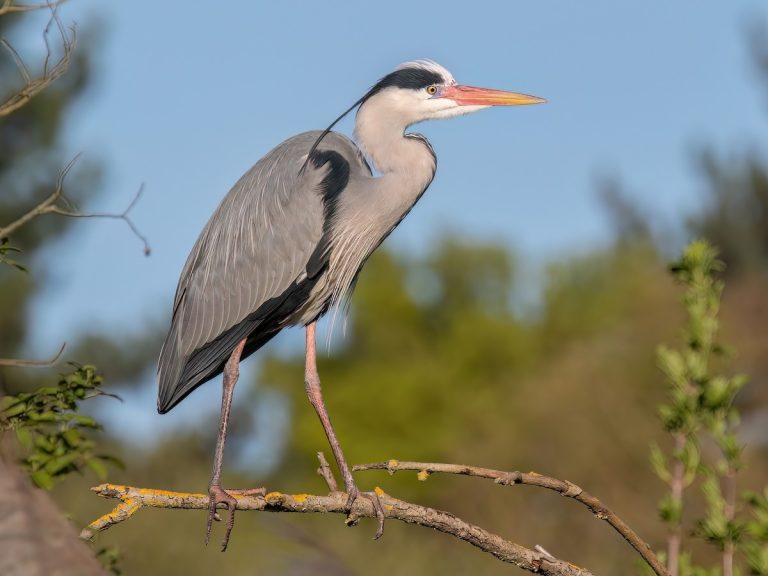
Larger birds like hawks and herons often ignore owls, upending fear narratives. Red-tailed hawks perch near decoys unfazed in tests, mantling prey inches away. A 2022 raptor center study found zero flight responses in 50 exposures—hawks vocalize sharply but hold ground, talons flexed.
Waterbirds follow suit. Mallards on ponds flush briefly at owl flyovers but resettle quacking, relying on water barriers. Canada geese honk alerts yet graze nearby, formations tight. Videos from wetland cams show great blue herons stabbing at decoy beaks experimentally, then dismissing them.
In mixed aviaries, wood ducks evade minimally, 40% less than sparrows. Pigeons, dove kin, wheel dramatically but return fastest. This indifference stems from size parity—owls rarely target adults. Field footage from Florida everglades captures egrets striding past roosting owls at dawn, beaks clacking challenges.
Myth persists from songbird bias, but tests prove hierarchy: small birds flee, mid-sized mob or ignore, giants dominate. Reality favors adaptation over universal dread.
Frequently Asked Questions
Are All Birds Afraid of Owls?
No, not all birds fear owls. You might think placing an owl decoy in your garden will scare every feathered visitor away, but reactions vary wildly by species. Small songbirds like sparrows and finches often panic and flee at the sight of a realistic owl effigy, associating it with predation. However, bolder birds such as crows and blue jays mob owls aggressively, diving and cawing to drive them off.
This difference stems from evolutionary smarts—crows recognize owls as threats but fight back in groups. If you’re testing deterrents, expect short-term success with timid birds, but adaptable ones habituate quickly within days. Urban pigeons often ignore static decoys entirely, treating them like lawn ornaments.
Why Aren’t Some Birds Scared of Owl Decoys?
You may wonder why that plastic owl in your yard fails to deter certain birds. Habituation plays a huge role; birds learn fast when the “threat” doesn’t move or attack. Studies show finches avoid owl effigies for 3-5 days, then return bolder. Crows, being intelligent corvids, test decoys by approaching cautiously before mobbing.
Movement matters too—static owls lose effectiveness rapidly, while rotating ones mimic live predators better. Blue jays and mockingbirds view owls as challengers, launching coordinated attacks. For better results, combine decoys with noise or motion devices to keep birds guessing and prevent quick adaptation.
Do Crows Really Attack Owls?
Yes, crows fearlessly attack owls, turning the tables on the supposed predator. If you observe a daytime crow frenzy around a perched owl, you’re seeing mobbing behavior—crows gather in noisy flocks to harass and exhaust the owl until it flees. This protects their nests from nocturnal raids.
Owls prefer dusk hunts to avoid such confrontations, but bold crows don’t wait. You’ve likely seen videos of dozens of crows dive-bombing a great horned owl, forcing it to hide. This group strategy works because individual crows risk little, overwhelming the solitary hunter. It’s nature’s way of leveling the playing field.
Can You Use Owl Decoys to Keep Birds Away from Your Garden?
You can try owl decoys to deter garden birds, but success depends on strategy. Place realistic, life-sized models high up, facing into the wind for subtle movement. Rotate positions weekly and add reflective eyes or sounds to combat habituation—birds wise up fast otherwise.
Expect 70-90% effectiveness short-term against sparrows and robins, per backyard tests, but pigeons and starlings adapt within a week. Combine with netting or plant covers for lasting results. Farmers report mixed outcomes; it works best on small plots but fails on large farms where birds find safe zones nearby.
Which Birds Are Most Afraid of Owls?
Small songbirds top the fear list when facing owls. You’ll see chickadees, wrens, and robins bolt instantly from owl silhouettes, their tiny size making them prime prey. Doves and pigeons scatter too, flapping wildly at the first glimpse.
Raptors like hawks show less fear, sometimes perching nearby, while waterfowl such as ducks remain neutral unless owls hunt actively. Data from aviary tests reveals 85% flee rates for finches versus 20% for jays. Your backyard mix determines decoy payoff—focus on timid species for quick wins.
How Long Do Birds Stay Scared of Owl Decoys?
Birds stay scared of owl decoys for just a few days typically. You set up that imposing barn owl replica, and sparrows vanish overnight, but by day four, they’re back pecking seeds cautiously. Habituation kicks in as they notice no attacks occur.
Field experiments confirm this: 90% avoidance drops to 30% after a week without movement. To extend fear, move decoys daily, add motors for head turns, or pair with predator calls at dawn. Larger birds like grackles ignore them sooner, returning within 48 hours. Refresh tactics monthly for ongoing deterrence.
Final Words
Owls command respect in the avian world, their silent wings and piercing gaze sparking instinctive reactions across species. From sparrows scattering in panic to crows launching bold mobbing assaults, behaviors reveal a spectrum of survival strategies honed by evolution. This diversity challenges simplistic views, showing fear as just one tool in nature’s toolkit.
“Are all birds afraid of owls?” The answer lands firmly in the no—responses hinge on size, smarts, and context. Small songbirds flee decoys swiftly, while corvids harass relentlessly and raptors often ignore threats entirely. Experiments and field videos confirm this nuance, debunking universal terror myths.
Understanding these dynamics enriches birdwatching and conservation. You gain insight into ecological balances, where owls thrive as predators amid varied countermeasures. Next time you spot an owl perch, watch closely—the birds around it tell a story of adaptation, rivalry, and resilience in the wild.