What Does It Mean When a Bird Sleeps on Your Porch? Signs and Insights
Observing a bird settling on your porch overnight can be both intriguing and puzzling. Birds typically seek safe, sheltered spots to rest, and a porch may provide the security and protection they need from predators and harsh weather. Their choice to rest nearby can carry a mix of ecological, behavioral, and symbolic meanings.
Some people view the presence of a bird on a porch as a sign of comfort and trust, indicating that your space feels safe to wildlife. Others consider it a symbolic gesture, often tied to folklore or personal interpretations about luck, change, or messages from nature.
From a behavioral perspective, birds are attracted to quiet, elevated, and sheltered areas for sleeping. Porches often meet these criteria, making them an ideal resting spot.
Exploring what it means when a bird sleeps on your porch provides insight into both natural bird behavior and the potential symbolic interpretations associated with this fascinating occurrence.
Bird Behavior on Porches
Birds often explore human spaces, and porches can become temporary resting or feeding spots. Their behavior on porches reflects both natural instincts and adaptations to urban or suburban environments. Observing these actions provides insight into their needs, safety strategies, and the interactions they have with humans. Understanding these behaviors helps you interpret why birds might choose your porch as a resting place.
Reasons Birds Choose Porches
Birds select porches for several practical reasons. Elevated positions and roof overhangs provide protection from predators, harsh weather, and sudden temperature changes. Quiet and sheltered areas make them feel secure while resting or observing the surrounding environment.
Additionally, porches may offer nearby food sources, such as feeders, potted plants, or insects attracted to human activity. Birds are highly adaptable and quickly learn that these areas can provide safety, sustenance, and convenient vantage points. Observing repeated visits or specific resting spots can indicate that the bird has found your porch to be a reliable refuge.
Social and Individual Behaviors
Bird behavior on porches varies depending on species and social structure. Some birds are solitary and prefer to perch quietly without drawing attention. Others may visit in small groups, especially if there is a food source present, demonstrating cooperative or competitive behaviors.
Interactions between birds can include vocalizations, displays of dominance, or careful spacing to avoid conflict. Juvenile birds may also use porches as safe learning areas, practicing perching, hopping, or minor foraging skills. Watching these patterns can reveal how individual and social instincts influence their porch visits.
Interaction With Humans
Birds may show curiosity or caution around humans while on porches. Some species become accustomed to human presence and may approach closely, especially when food is offered. Others maintain distance, using the porch as a temporary lookout while remaining alert to activity.
This interaction highlights their intelligence and adaptability. Birds can assess risks, respond to environmental cues, and adjust their behavior based on human movement and noise levels. Respecting their space and avoiding sudden disturbances encourages continued safe visits and minimizes stress.
Environmental Cues and Time of Day
Birds often use porches in response to environmental factors such as light, temperature, and predator presence. Evening and nighttime visits may indicate the porch provides a safe resting location, while morning activity might relate to foraging and exploration.
Seasonal changes can also influence porch visits, with migratory or juvenile birds seeking temporary shelter during travel or growth stages. Observing these patterns allows you to predict bird behavior, understand their needs, and create a safer environment that supports their natural instincts.
Bird behavior on porches reflects a combination of safety-seeking, adaptability, social interaction, and environmental awareness. By understanding these patterns, you gain a clearer picture of why birds may rest, explore, or forage near human dwellings.
Signs and Messages from Birds
Birds have fascinated humans for centuries, often being interpreted as messengers or symbols. Observing their behavior, presence, or patterns can carry meaning in both cultural and personal contexts. Understanding these signs allows you to connect with nature, interpret potential messages, and appreciate the subtle ways birds communicate through their actions.
Behavioral Signs
Bird behavior can often indicate underlying messages or intentions. For example, a bird lingering near your home, repeatedly visiting the same perch, or calling in a distinctive manner may signal curiosity, territory, or comfort with the surroundings. Sudden agitation, repeated flight, or protective posturing may indicate the presence of nearby predators or environmental disturbances.
By closely observing these behaviors, you can better understand what the bird is communicating. For instance, birds that remain calm and explore may symbolize trust or adaptability, while more nervous or erratic movements can suggest caution or alertness. Behavioral cues provide a window into their needs, emotional state, and interactions with the environment.
Symbolic and Cultural Interpretations
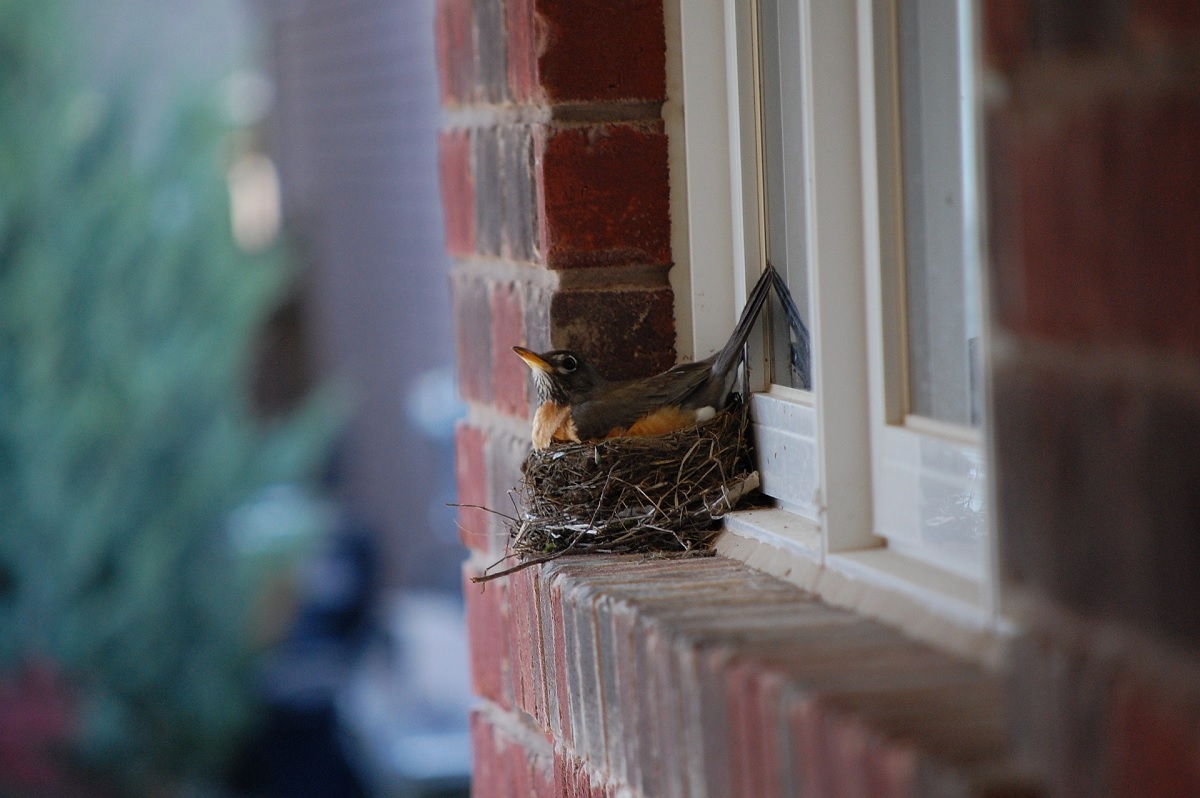
In many cultures, birds are viewed as symbols of messages from nature, the spirit world, or personal intuition. A bird appearing unexpectedly on a porch or window sill may be interpreted as a sign of change, opportunity, or a gentle reminder to pay attention to your surroundings.
Colors, species, and timing can influence interpretations. For example, a bright or singing bird may be associated with joy and communication, while a quiet or solitary visit may symbolize reflection or introspection. Understanding these symbolic meanings adds depth to your observation and enhances your connection to natural surroundings.
Repetition and Patterns
Repeated appearances of birds in the same area often carry more significance than a one-time visit. Patterns such as regular visits at dawn or dusk, consistent perching spots, or recurring vocalizations can indicate territory, resource availability, or the bird’s routine behavior.
Recognizing patterns helps distinguish between random occurrences and meaningful signals. Birds are creatures of habit, and their repeated actions may provide insight into both their own needs and potential messages they are perceived to convey. Monitoring these patterns allows you to interpret their behavior more accurately over time.
Personal Reflection and Observation
Paying attention to how birds interact with your environment encourages mindfulness and reflection. Noticing details such as a bird’s species, movement, or vocalizations can inspire curiosity and a deeper appreciation for nature.
Birds’ visits can also serve as gentle reminders to slow down, observe, and connect with the present moment. Combining behavioral observations with symbolic interpretations allows you to interpret the signs and messages from birds in a way that resonates personally and meaningfully.
Birds communicate through behavior, presence, and patterns, offering both practical and symbolic messages. Observing their actions carefully allows you to interpret potential meanings, fostering a stronger connection with the natural world and the subtle language of these fascinating creatures.
Safety Considerations for Birds and Homeowners
Having birds visit your porch or garden can be enjoyable, but ensuring the safety of both birds and homeowners is crucial. Birds are delicate creatures with sensitive respiratory systems and high vulnerability to environmental hazards, while homeowners need to protect their property and maintain hygiene. Understanding safety measures fosters a harmonious coexistence and reduces potential risks for both parties.
Preventing Accidental Injuries
Birds are at risk of injury from household hazards, including open windows, ceiling fans, and sharp edges on porches or railings. Collisions with glass doors or windows are a common cause of trauma. Providing visual markers or decals on large glass surfaces can help birds avoid accidents.
Cage setups, feeders, and decorations should be free of sharp objects or loose parts that could harm visiting birds. Ensuring that spaces are secure and safe for birds to perch or explore reduces accidents and promotes confident behavior. Regular inspections of porches, balconies, and garden areas allow you to address hazards promptly, protecting birds while maintaining a safe environment for human occupants.
Managing Disease and Cleanliness
Birds can carry bacteria, parasites, and viruses that may pose risks to other birds or even humans in rare cases. Maintaining cleanliness in areas frequented by birds is essential. Proper disposal of droppings, cleaning of feeders, and regular sanitization of perches prevent the spread of disease.
Using safe cleaning agents, such as diluted vinegar, avoids exposing birds to harsh chemicals. Wearing gloves while cleaning and washing hands afterward adds an extra layer of protection for homeowners. By prioritizing hygiene and disease management, both birds and humans benefit from a healthier living environment.
Reducing Environmental Stress
Porches and outdoor areas may expose birds to sudden noise, pets, or frequent human movement, which can cause stress or panic. Providing quiet zones, avoiding sudden disturbances, and limiting direct interaction helps birds feel secure.
Stress can affect birds’ behavior, appetite, and overall health. Observing their reactions to environmental stimuli allows you to adjust the setup, reducing tension. Creating a calm and safe space encourages natural behaviors, such as foraging or resting, while minimizing the risk of injury or unnecessary stress.
Safe Feeding Practices
Feeding visiting birds can be rewarding but requires caution. Avoid offering processed foods or items toxic to birds, such as chocolate, avocado, or caffeine. Providing appropriate seeds, fruits, or specialized bird feed ensures nutrition without compromising safety.
Position feeders securely to prevent falls or predator access. Keep feeding areas clean to discourage pests and reduce the risk of disease transmission. Proper feeding practices protect the birds’ health and maintain a safe, enjoyable space for homeowners to observe them.
Prioritizing safety for birds and homeowners involves preventing injuries, managing disease, reducing stress, and ensuring proper feeding. By implementing these measures, you create an environment that fosters positive interactions and protects the well-being of both wildlife visitors and humans.
Encouraging or Discouraging Birds
Birds visiting your porch or yard can be a delightful experience, but sometimes you may want to encourage their presence or limit it for safety and cleanliness. Understanding natural behaviors and practical strategies allows you to create an environment that either attracts birds for observation or discourages unwanted visits without causing harm.
Methods to Encourage Birds
Providing food, water, and shelter are the primary ways to attract birds to your porch or garden. Feeders filled with seeds, nectar, or fruit suitable for local species encourage regular visits. Fresh water in shallow dishes or birdbaths also attracts birds for drinking and bathing.
Shelter such as shrubs, trees, or small perches gives birds a sense of security. Positioning feeders and water sources near safe, elevated areas allows birds to observe the surroundings and feel protected. By offering these essentials, you create a welcoming environment that supports their natural needs while giving you the opportunity to observe their behavior closely.
Ways to Discourage Birds
Discouraging birds may be necessary to protect property, maintain hygiene, or avoid overcrowding. Visual deterrents such as reflective objects, wind chimes, or decoy predators can make areas less appealing. Limiting access to food sources and keeping trash sealed reduces attraction.
Structural modifications, like netting or spikes on ledges, prevent perching in unwanted areas without harming birds. Observing which strategies are most effective depends on species and behavior. Consistency and patience are key, as birds adapt quickly to changes in their environment.
Balancing Attraction and Safety
While encouraging birds can be rewarding, safety considerations should guide your approach. Ensure that feeders, water sources, and perches are clean, stable, and placed away from hazards like predators or windows. Avoid overfeeding, which may attract pests or cause competition among birds.
Discouraging birds should also be balanced with humane practices, avoiding harmful chemicals or traps. Observing how birds respond to modifications provides insight into what works best for your space. By combining attraction and deterrence strategies responsibly, you can enjoy birdwatching while maintaining a safe and controlled environment.
Creating a balanced environment allows you to either encourage or discourage bird visits effectively. By considering their needs, behaviors, and safety, you can manage their presence in a way that benefits both the birds and your living space.
People Also Asked
Why Is A Bird Sleeping On My Porch?
You might notice a bird sleeping on your porch for several reasons. Often, porches provide shelter from harsh weather like rain, wind, or cold. Birds naturally seek safe spots to rest, and a quiet porch can feel secure compared to exposed trees or bushes.
Additionally, birds may be attracted to your porch if there is a food source nearby or a sense of human safety. They are opportunistic creatures and sometimes use porches as temporary resting spots during migration or after long flights. Observing their behavior can help you understand why they chose your space.
Does A Bird Sleeping On My Porch Mean It Feels Safe?
Yes, a bird sleeping on your porch generally indicates that it perceives the area as safe. Birds are highly alert animals, and they only rest in locations where they feel minimal threat from predators or sudden disturbances.
If a bird repeatedly chooses your porch, it may be identifying it as a reliable safe spot. This behavior shows trust in the environment, not necessarily in you personally, but in the calmness, shelter, and potential food sources present near your porch.
Can A Bird Sleep On My Porch Be Sick Or Injured?
Sometimes, a bird sleeping on your porch could be unwell or injured. Birds in distress may choose accessible, quiet spots like porches to conserve energy while recovering.
You should observe it for signs of injury such as drooping wings, difficulty flying, or lethargy. If it appears sick or hurt, avoid handling it directly and contact a local wildlife rescue or rehabilitator for guidance. Timely intervention can help the bird recover safely.
Should I Feed A Bird That Sleeps On My Porch?
Feeding a bird on your porch can be helpful but should be done with caution. Providing appropriate bird food like seeds, nectar, or insects may support a tired or migrating bird.
However, avoid giving bread, junk food, or anything harmful. Feeding should also be limited to prevent dependency, as the bird still needs to forage naturally. Maintaining a clean feeding area reduces the risk of disease or attracting pests.
Is It Normal For Birds To Return To The Same Porch?
Yes, it is common for birds to return to the same porch if they find it safe and comfortable. Birds remember reliable shelter spots, especially during migration or cold weather, and may revisit repeatedly.
Repeated visits suggest that the environment meets their needs for safety, warmth, or temporary rest. Observing these patterns can help you understand the bird’s habits and consider ways to either welcome or gently discourage them, depending on your preference.
How Can I Protect The Bird While It Sleeps On My Porch?
You can take simple measures to keep a bird safe while it sleeps on your porch. Minimize disturbances like loud noises, pets, or constant human activity around the area.
Providing cover, such as a small overhang or quiet corner, can give extra protection from weather and predators. Ensure the porch is free from toxic plants or chemicals. By creating a safe environment, you allow the bird to rest without stress while respecting its natural behavior and habitat.
Final Thoughts
Observing a bird resting on your porch can be a fascinating experience that combines elements of natural behavior and personal reflection. Birds often choose safe, sheltered spaces to sleep, and your porch may provide the perfect combination of protection, warmth, and quiet. This choice reflects their instinctual need for security and their adaptability to human environments.
Understanding what does it mean when a bird sleeps on your porch allows you to appreciate both the practical and symbolic aspects of this behavior. Practically, it shows that your porch offers a safe haven where birds can rest undisturbed. Symbolically, many people interpret such visits as signs of trust, comfort, or even a gentle message from nature encouraging mindfulness and observation.
By observing patterns, timing, and the species involved, you can gain deeper insight into their behavior and the subtle messages they convey. Recognizing the significance of these visits strengthens your connection with wildlife and fosters a greater appreciation for the natural world around your home.