Are Crows Birds Of Prey Or Just Intelligent Opportunistic Hunters
Crows are among the most intelligent and adaptable birds people see every day, whether in cities, farmlands, or open countryside. Their bold behavior, sharp calls, and problem-solving skills often make people curious about where they truly fit in the bird world. Many notice crows chasing smaller birds, scavenging food, or even mobbing hawks, which naturally raises questions about their hunting abilities and diet. This curiosity leads to a common and intriguing question: are crows birds of prey? To answer it properly, you need to look beyond appearances and consider how crows behave, what they eat, and how scientists classify different types of birds.
Unlike eagles or hawks that rely on powerful talons and specialized hunting techniques, crows survive through intelligence, teamwork, and flexibility. Understanding their role in nature helps clear up confusion and reveals why these birds are so successful across the globe. Exploring this topic also highlights the important differences between true birds of prey and highly adaptable species like crows.
Classification Of Crows In The Bird World
Crows belong to the family Corvidae, a group that also includes ravens, jays, and magpies. They are classified as passerines, or perching birds, which have strong feet adapted for gripping branches. Unlike birds of prey, crows are omnivorous and rely on intelligence and adaptability to survive in varied environments. Their widespread presence across cities, farmlands, and forests highlights their remarkable ability to thrive wherever resources are available.
Understanding their classification helps separate them from raptors, emphasizing their social behavior, problem-solving skills, and ecological versatility. Crows have often been mistaken for birds of prey due to occasional hunting behavior, but examining their taxonomy clarifies the distinction. Their adaptability and intelligence are key features that define their place in the bird world.
Taxonomic Position Of Crows
Crows fall under the genus Corvus, which includes over 40 species worldwide. This genus is part of the family Corvidae, known for highly intelligent birds capable of complex problem-solving and social interaction. Corvids are passerines, belonging to the order Passeriformes, the largest order of birds. Passerines are characterized by their perching ability, vocal communication, and complex social structures.
Unlike raptors, crows do not have specialized talons or hooked beaks for hunting. Instead, they use generalist feeding habits, intelligence, and cooperative behavior to find food. This taxonomic position underscores why crows can survive in urban and wild environments alike. Their classification highlights cognitive skills over predatory features, setting them apart from birds of prey.
Differences Between Crows And Birds Of Prey
Crows sometimes display hunting-like behavior, such as chasing smaller animals or scavenging, but they are not true birds of prey. Raptors, including eagles, hawks, and falcons, belong to orders like Accipitriformes and Falconiformes. They possess hooked beaks, strong talons, and keen eyesight specialized for capturing live prey.
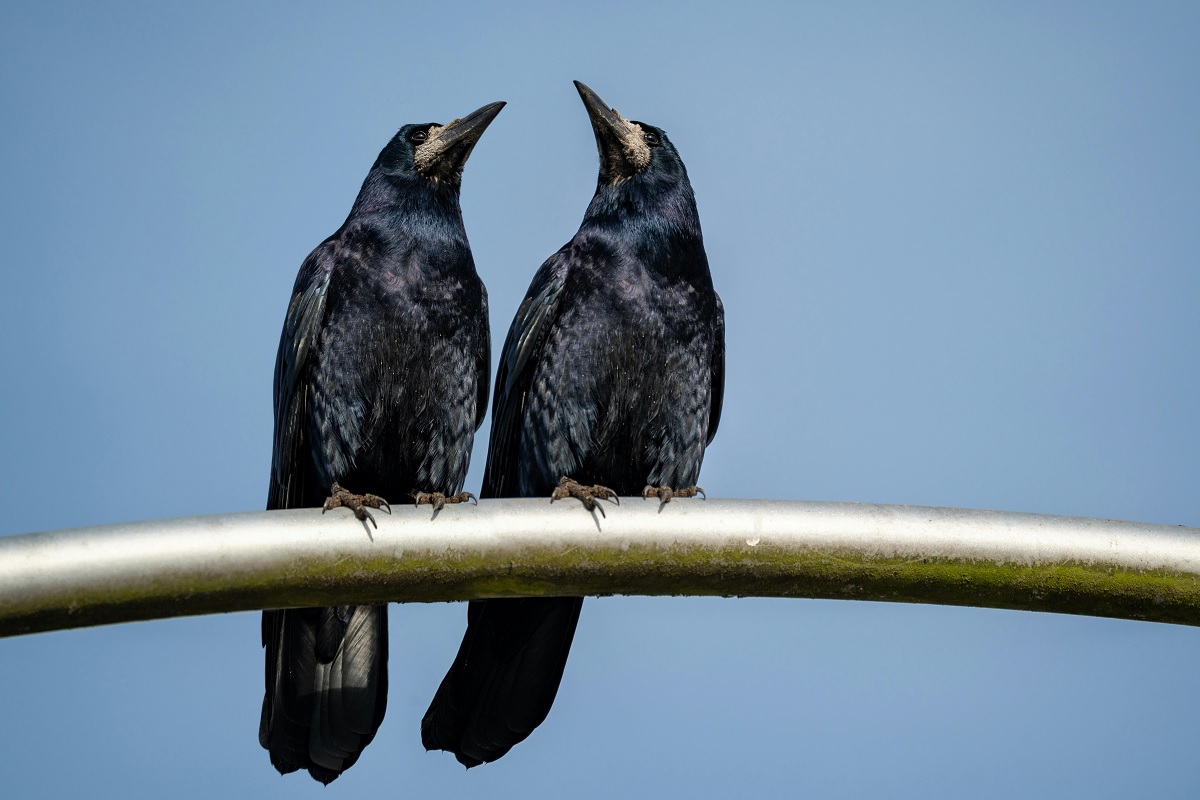
Crows, on the other hand, have straight beaks and rely on intelligence, adaptability, and teamwork. Their diet includes insects, seeds, fruits, small animals, carrion, and human leftovers rather than specialized hunting. Anatomical and behavioral differences, such as the lack of predatory adaptations, make it clear that crows occupy a unique ecological role distinct from raptors. This distinction explains why occasional hunting behavior does not classify them as birds of prey.
Global Distribution And Species Variation
Crows are found on every continent except Antarctica, making them one of the most widespread bird genera. Species such as the American crow (Corvus brachyrhynchos), carrion crow (Corvus corone), and common raven (Corvus corax) vary in size, plumage, and behavior. Despite these differences, all crows share high intelligence, problem-solving skills, and complex social interactions.
Their adaptability allows them to thrive in urban, rural, and forested habitats, unlike many raptors that require specific prey populations and environments. The global presence of crows demonstrates their resilience and ecological versatility. Studying this widespread distribution helps clarify their classification and emphasizes the importance of cognitive ability over predatory specialization in defining their place in the bird world.
Hunting Behavior
Crows are often observed engaging in hunting-like activities, but their approach is distinct from true birds of prey. They are opportunistic feeders, relying on intelligence, observation, and social cooperation rather than sheer physical power. Crows will scavenge, forage, and sometimes hunt small animals, insects, or eggs. Their hunting behavior is closely tied to problem-solving, learning, and adaptability, which allows them to exploit a wide range of food sources in both urban and wild environments. Understanding this behavior helps clarify why crows, while sometimes predatory, are not classified as birds of prey.
Opportunistic Feeding Strategies
Crows rely heavily on opportunistic feeding strategies, adapting their hunting behavior to available resources. In urban areas, they often scavenge human food, while in forests or farmlands, they hunt insects, small mammals, eggs, or carrion. This flexibility allows them to survive in varied environments where specialized predators might struggle. Their intelligence plays a key role in this strategy, as crows can remember food locations, recognize patterns, and even plan for future feeding opportunities.
Unlike birds of prey that have specialized talons and hunting instincts, crows often rely on observation and social learning. Young crows watch adults and learn which food sources are safe and which techniques are effective. In some cases, crows use tools, such as sticks, to extract insects from tree bark or open containers of food. This combination of opportunism, observation, and learned behavior demonstrates how their hunting behavior is adaptive rather than instinct-driven.
Cooperative Hunting And Problem Solving
Crows frequently hunt and forage in groups, displaying cooperative behavior that improves their success rate. By working together, they can distract predators, access food sources, or even flush out hidden prey. Social hunting is particularly effective when targeting eggs or small animals, as multiple birds can monitor each other’s actions and respond to threats collectively.
Problem-solving is a hallmark of crow hunting behavior. They use intelligence to overcome obstacles, such as dropping nuts onto hard surfaces to crack them or baiting animals to reveal hidden food. This cognitive flexibility sets them apart from birds of prey, whose hunting relies largely on physical adaptations. The ability to strategize, experiment, and learn from experience makes crows exceptional hunters in their own right, despite lacking the anatomical features of raptors.
Adaptations Supporting Hunting Behavior
Crows possess several physical and behavioral adaptations that enhance their hunting efficiency. Their strong, versatile beaks allow them to peck, tear, and manipulate food, while sharp eyesight helps them spot small prey or food from a distance. Combined with intelligence, these adaptations make them effective foragers across different habitats.
Behaviorally, crows display remarkable patience and ingenuity. They can spend minutes or even hours figuring out how to access hard-to-reach food, demonstrating a problem-solving approach that mimics, but does not replicate, the predatory instincts of raptors. Their hunting success is tied to learning, observation, and adaptability, highlighting the unique ways crows interact with their environment to obtain food.
Diet Patterns Of Crows
Crows have highly flexible diet patterns that contribute to their success across diverse habitats. They are omnivorous, consuming a wide variety of foods ranging from insects, small animals, and eggs to fruits, seeds, and human leftovers. Their diet changes with seasonal availability, habitat type, and social learning within their groups. Understanding their feeding habits sheds light on their ecological adaptability, intelligence, and opportunistic behavior. These diet patterns also explain why crows are often mistaken for birds of prey despite lacking specialized predatory adaptations.
Omnivorous Feeding Habits
Crows are true generalists when it comes to diet. They consume both plant and animal matter, which allows them to survive in environments that fluctuate in resource availability. In natural habitats, their diet includes insects, worms, small mammals, amphibians, eggs, and carrion. In urban areas, they adapt by scavenging human food, trash, and discarded items. This omnivorous nature ensures that crows rarely face food scarcity and can thrive in both cities and wild landscapes.
Their feeding habits are supported by intelligence and problem-solving skills. Crows learn which foods are safe and nutritious by observing others or experimenting themselves. For example, they can memorize locations of food sources, time their visits for optimal access, and even use simple tools to extract difficult-to-reach items. Unlike birds of prey that rely on hunting specialization, crows’ omnivory and adaptability allow them to exploit a broader range of food resources effectively.
Seasonal And Habitat-Based Variation
The diet of crows varies significantly depending on the season and the habitat they occupy. During spring and summer, they often focus on insects, worms, and small animals that are abundant, while in autumn and winter, seeds, nuts, and fruits become more prominent in their diet. In farmland areas, they may feed on crops or leftover grains, whereas in forests, they may prefer natural food sources like berries, fungi, and small vertebrates.
This seasonal variation demonstrates their ability to adjust feeding strategies according to availability. Such flexibility is enhanced by social learning, as young crows observe experienced adults to identify safe and abundant food sources. These variations also highlight why crows are not strictly predatory—they rely more on opportunism, adaptation, and intelligence than on specialized hunting skills. Their ability to modify diet patterns according to changing conditions underlines their ecological success worldwide.
Foraging Techniques And Food Preferences
Crows exhibit diverse foraging techniques that reflect their intelligence and adaptability. They often probe soil, peck at surfaces, or use tools to extract hidden insects or food from containers. They also scavenge for carrion, raid nests for eggs, and collect leftover human food, demonstrating remarkable flexibility in obtaining nourishment. Their techniques vary depending on the difficulty of the task and the type of food, showing a problem-solving approach rarely seen in other birds.
Food preferences in crows are influenced by both availability and experience. They may prefer high-calorie foods when preparing for winter or select foods that require minimal energy to acquire. Social learning plays a key role, as younger crows mimic older individuals’ techniques and choices. Their adaptability in foraging and diverse diet allows crows to thrive in urban, rural, and wild settings, reinforcing their reputation as intelligent and opportunistic omnivores.
Physical Characteristics And Adaptations
Crows are easily recognizable by their sleek black feathers, strong straight beaks, and sharp, intelligent eyes. These physical traits are complemented by behavioral adaptations that allow them to thrive in diverse habitats, from urban areas to dense forests. Their body structure supports agile flight, problem-solving, and opportunistic foraging. Understanding the physical characteristics and adaptations of crows provides insight into their survival strategies and explains how they succeed in both natural and human-altered environments.
Anatomical Features Supporting Survival
Crows possess several anatomical features that enhance their survival. Their strong, straight beaks allow them to peck, tear, and manipulate food, giving them access to a wide variety of dietary sources. Their sturdy legs and feet enable perching on branches, walking on the ground, and even handling objects skillfully. These features, combined with keen eyesight, allow crows to spot food or potential threats from a distance.
Feathers play a significant role in their adaptability. The glossy black plumage provides camouflage in shadows and dense forests, while also offering protection against harsh weather. Their wings are designed for strong, sustained flight as well as short bursts of maneuverability, which is essential for escaping predators or navigating urban landscapes. Together, these anatomical traits make crows versatile foragers and resilient survivors across different environments.
Behavioral Adaptations And Intelligence
Crows exhibit behavioral adaptations that complement their physical traits. They are highly intelligent, capable of problem-solving, tool use, and complex social interactions. These behaviors enhance their ability to find food, evade predators, and communicate within groups. For example, crows can drop nuts onto hard surfaces to crack them or use sticks to extract insects from bark. Such problem-solving behavior is closely linked to their physical dexterity and strong beaks.
Their social behavior is another adaptation that enhances survival. Crows often live in family groups, learning from older members about food sources and potential dangers. They can also engage in cooperative strategies to access food or defend against threats. These behavioral adaptations work in tandem with their physical traits, creating a combination of intelligence, agility, and resourcefulness that ensures their success across diverse habitats.
Adaptations For Urban And Rural Environments
Crows are highly adaptable to both urban and rural settings due to a combination of physical and behavioral traits. In cities, they exploit human food sources, navigate traffic, and use buildings as perches, showcasing remarkable flexibility. Their physical agility, sharp vision, and strong beaks allow them to handle discarded food or open containers, making urban survival feasible.
In rural areas or forests, crows utilize their flight skills, intelligence, and beak strength to access natural foods like insects, eggs, and seeds. Their keen awareness of surroundings and ability to learn from experiences make them exceptional at avoiding predators and thriving in changing environments. This adaptability underscores how their physical characteristics and behavioral strategies work together, making them one of the most resilient and versatile bird species in the world.
Ecological Role Of Crows
Crows play a significant role in maintaining ecological balance due to their diverse diet, intelligence, and adaptability. As scavengers, predators, and seed dispersers, they contribute to nutrient cycling and population control in ecosystems. Their presence affects the behavior of other species and influences the structure of their habitats. Understanding the ecological role of crows highlights their importance beyond common perceptions, showing that these birds are more than just opportunistic feeders—they are integral participants in the environments they inhabit.
Scavenging And Nutrient Recycling
Crows are natural scavengers, feeding on carrion, waste, and decaying matter. This behavior contributes significantly to nutrient recycling in ecosystems. By consuming dead animals and organic waste, they help prevent the spread of disease and return nutrients to the soil, supporting plant growth. Scavenging also reduces the availability of food for pests and other opportunistic species, indirectly influencing local biodiversity.
Their scavenging habits are enhanced by intelligence and social learning. Crows often locate food sources through observation and communicate with group members to access resources efficiently. In urban environments, scavenging crows help manage waste by consuming discarded human food, while in forests and farmland, they perform a similar ecological service. This dual role demonstrates how crows bridge natural and human-altered ecosystems, highlighting their importance in maintaining ecological balance.
Predation And Population Control
Although not birds of prey, crows do engage in predatory behavior that affects local populations of smaller animals. They feed on insects, small mammals, amphibians, and eggs, contributing to the regulation of these populations. By selectively preying on vulnerable species, crows help maintain a balance that prevents overpopulation, which could otherwise disrupt ecosystem stability.
Crows’ predatory actions are complemented by intelligence and problem-solving skills, allowing them to locate nests, hunt efficiently, and exploit available resources. Social behavior, such as group hunting, enhances their success rates, making them effective in controlling prey populations. This predatory aspect of their ecological role illustrates that crows influence multiple trophic levels and play a complex part in ecosystem dynamics.
Seed Dispersal And Habitat Influence
Crows contribute to seed dispersal through their foraging and feeding habits. By carrying fruits, nuts, and seeds away from the source, they help plant species colonize new areas, promoting genetic diversity and vegetation growth. This behavior supports forest regeneration, crop distribution, and the expansion of certain plant populations, highlighting their influence on habitat structure.
Moreover, their presence affects the behavior of other species. Prey animals may alter nesting or feeding patterns to avoid crows, indirectly shaping local biodiversity and resource use. Through scavenging, predation, and seed dispersal, crows integrate multiple ecological functions, demonstrating their role as key ecosystem participants. Their adaptability ensures that they remain influential across urban, rural, and wild habitats, reinforcing their ecological significance.
FAQs
Are Crows Considered Birds Of Prey?
No, crows are not considered true birds of prey. While they may sometimes hunt small animals or raid eggs, they lack the specialized features of raptors, such as strong talons, hooked beaks, and exceptional eyesight designed for hunting. Crows are omnivores and rely on intelligence, adaptability, and opportunistic feeding rather than physical predatory skills. Their hunting behavior is occasional and strategic, not instinctive like in hawks or eagles. Understanding this difference helps you recognize that crows occupy a unique ecological niche, separate from traditional birds of prey.
What Makes Birds Of Prey Different From Crows?
Birds of prey, or raptors, possess physical adaptations like hooked beaks, sharp talons, and strong vision to catch and kill live prey efficiently. Crows, on the other hand, have straight beaks, versatile feet for perching, and rely on intelligence to access food. Unlike raptors, crows use problem-solving, observation, and social strategies to find food rather than specialized hunting techniques. You can see that while crows occasionally hunt, their anatomy and feeding methods are designed for flexibility, not predation, distinguishing them clearly from true birds of prey.
Do Crows Hunt Other Animals?
Yes, crows do hunt, but their hunting is opportunistic rather than specialized. They may feed on insects, small mammals, amphibians, eggs, or carrion. Hunting is usually part of a broader feeding strategy rather than a primary survival method. Unlike raptors that rely on strength and speed, crows often use intelligence, observation, and cooperation to capture or scavenge food. When you notice crows hunting, it reflects their adaptability and problem-solving skills, not predatory specialization. Their behavior shows flexibility in diet but does not classify them as birds of prey.
Can Crows Kill Larger Prey Like Birds Of Prey Do?
No, crows are generally unable to kill larger prey like hawks or eagles. Their beaks and talons are not designed for overpowering strong animals. Instead, crows rely on scavenging, small prey, and opportunistic feeding. When you observe them attacking eggs or chicks, it is strategic and opportunistic rather than a reflection of raptor-like hunting. Their intelligence and social behavior allow them to exploit available resources successfully, but their physical limitations prevent them from functioning as true birds of prey.
Why Are Crows Sometimes Mistaken For Birds Of Prey?
Crows are sometimes mistaken for birds of prey because of their aggressive behavior, hunting of eggs, and scavenging habits. Their boldness and occasional predatory actions, combined with their intelligence, make them seem like hunters. However, you should note that these behaviors are opportunistic rather than instinctive hunting. Unlike raptors, crows lack specialized talons, hooked beaks, and acute predatory vision. Observing their feeding methods closely reveals that they rely on strategy and flexibility rather than predation, which is why they are classified separately.
How Does Their Diet Affect The Classification Of Crows?
Crows have an omnivorous and highly adaptable diet that includes fruits, seeds, insects, small animals, and human leftovers. This dietary flexibility distinguishes them from birds of prey, which rely primarily on meat. Their ability to exploit multiple food sources demonstrates intelligence, problem-solving, and opportunistic behavior rather than predatory specialization. When you consider their diet alongside their anatomy and social behavior, it becomes clear that crows are not birds of prey, even though they sometimes hunt small animals or eggs. Their feeding strategy emphasizes adaptability over predation.
Conclusion
While crows share some traits with predatory birds, such as hunting small animals and showing aggressive behavior when defending territory, they are fundamentally different from true birds of prey. Crows are highly intelligent omnivores that rely on opportunistic feeding rather than specialized hunting techniques seen in raptors. Their physical characteristics, including beak shape and talon structure, are not designed for capturing and killing prey like hawks or eagles.
Understanding these differences helps clarify misconceptions about their role in nature. When people ask, [are crows birds of prey], it is clear that they are not classified as such, despite occasional predatory behaviors. Instead, crows occupy a unique ecological niche, serving as scavengers, pest controllers, and problem-solvers in their environments. Recognizing this distinction allows us to appreciate crows for their intelligence and adaptability, rather than mistakenly labeling them as predators.