Can Birds Eat Broccoli: Safe Feeding Tips And Benefits
Broccoli is widely recognized as a nutritious vegetable packed with vitamins, minerals, and antioxidants, making it a popular choice in human diets. For bird owners and enthusiasts, understanding how human foods impact avian health is essential. Among the questions that arise, many wonder about the suitability of vegetables like broccoli in a bird’s diet.
Broccoli offers nutrients such as vitamin C, vitamin K, calcium, and fiber, which are important for overall health and immune function. Its crunchy texture also provides mental stimulation and can encourage natural foraging behaviors, promoting activity and engagement.
Exploring whether broccoli is safe and beneficial for birds involves examining its preparation, portion size, and potential effects on digestion. Birds have specific dietary needs that differ significantly from humans, so not all human foods are suitable.
Addressing the question of can birds eat broccoli helps you make informed choices for your pet or backyard birds. Including vegetables thoughtfully can support balanced nutrition, overall well-being, and healthy development.
Proper knowledge about feeding birds vegetables like broccoli also ensures their meals are both safe and enjoyable. By understanding the benefits and precautions, you can enhance their diet and encourage natural, healthy behaviors.
Nutritional Value Of Broccoli For Birds
Broccoli is often considered a nutrient-dense vegetable, and its value extends beyond human diets into avian nutrition as well. For birds, broccoli can provide essential vitamins, minerals, and plant compounds that support overall health when offered correctly. Understanding its nutritional profile helps you decide how this vegetable can fit into a balanced and bird-safe diet.
Vitamins And Antioxidants In Broccoli
Broccoli is rich in several vitamins that play important roles in a bird’s health. It contains vitamin C, which supports immune function and helps birds cope with stress and environmental changes. Vitamin A precursors found in broccoli contribute to healthy vision, skin, and feather condition, all of which are vital for daily activity and flight.
Another important nutrient is vitamin K, which supports proper blood clotting and bone health. Birds with access to vitamin-rich vegetables often show improved vitality and resilience. These vitamins work together to maintain internal balance and support normal physiological processes.
Broccoli also provides antioxidants that help protect cells from oxidative damage. These compounds support long-term health by reducing inflammation and supporting cellular repair. For birds, especially those exposed to environmental stressors, antioxidants can play a supportive role in maintaining energy and overall well-being.
When offered as part of a varied diet, broccoli’s vitamin content helps fill nutritional gaps. It should complement seeds, pellets, fruits, and other vegetables rather than replace them, ensuring birds receive a wide range of nutrients for optimal health.
Minerals And Bone Support
Minerals are another key aspect of broccoli’s nutritional value for birds. Broccoli contains calcium, which is essential for strong bones, proper muscle function, and healthy eggshell formation in breeding birds. Adequate calcium intake supports skeletal strength and reduces the risk of bone-related issues.
In addition to calcium, broccoli provides smaller amounts of magnesium and potassium. These minerals contribute to muscle coordination, nerve function, and fluid balance within the body. For active birds, proper mineral intake supports movement, balance, and overall physical performance.
The mineral content in broccoli can be especially beneficial for growing birds and older birds that may need extra skeletal support. However, balance is important, as excessive intake of any single food can disrupt mineral ratios.
Including broccoli alongside other calcium sources, such as leafy greens or fortified pellets, helps maintain nutritional balance. This approach ensures birds benefit from the mineral content without over-reliance on one vegetable, supporting long-term bone and muscle health.
Fiber And Digestive Health
Broccoli contains dietary fiber, which supports healthy digestion in birds. Fiber helps regulate the digestive process by promoting normal gut movement and supporting beneficial gut bacteria. A healthy digestive system allows birds to absorb nutrients more efficiently from their food.
The fibrous texture of broccoli can also encourage natural foraging and chewing behaviors. This mental and physical engagement is beneficial for pet birds, reducing boredom and supporting beak health. Birds that actively explore their food often show improved overall well-being.
While fiber is beneficial, moderation is important. Too much fibrous food can lead to digestive discomfort or reduced nutrient absorption. Offering broccoli in appropriate portions ensures birds receive digestive benefits without upsetting their system.
When combined with other vegetables and fruits, broccoli contributes to a diverse diet that supports digestive balance. This variety helps maintain gut health, encourages natural feeding behaviors, and supports consistent energy levels throughout the day.
How To Safely Feed Broccoli To Birds
Feeding broccoli to birds can be a healthy choice when done the right way. Proper preparation, portion control, and observation are key to making sure birds benefit from this vegetable without digestive or nutritional issues. Understanding how to introduce and serve broccoli helps you keep meals safe, balanced, and enjoyable for birds in both pet and backyard settings.
Proper Preparation And Serving Methods
Preparing broccoli correctly is one of the most important steps when offering it to birds. Fresh broccoli should be washed thoroughly under clean running water to remove dirt, pesticides, or chemical residues that could be harmful. Organic broccoli is often preferred, but washing is still necessary to ensure safety. Only the florets and tender stems should be used, as very tough stalks can be difficult for birds to chew and digest.
Broccoli can be served raw or lightly steamed. Light steaming softens the texture, making it easier for smaller birds to eat while preserving most nutrients. Overcooking should be avoided because it reduces vitamin content and can make the vegetable mushy. Raw broccoli works well for birds that enjoy crunching and shredding their food.
Cut broccoli into small, manageable pieces based on the bird’s size. Smaller birds need finely chopped portions, while larger parrots may enjoy holding and tearing larger pieces. Serving broccoli plain, without salt, oil, or seasoning, is essential. Simple preparation ensures birds receive nutrition without exposure to harmful additives.
Portion Size And Feeding Frequency
Even healthy foods should be offered in moderation, and broccoli is no exception. Broccoli should be treated as a supplemental vegetable rather than a main food source. A few small pieces mixed into a regular meal provide nutritional benefits without overwhelming the diet. Too much broccoli can lead to digestive upset or reduce interest in other essential foods.
For pet birds, offering broccoli two to three times per week is generally suitable. This frequency allows birds to enjoy its nutrients while maintaining dietary variety. Birds thrive on diverse meals, and rotating vegetables helps prevent nutrient imbalances. Broccoli pairs well with other bird-safe vegetables such as carrots, bell peppers, and leafy greens.
Observing how a bird responds to broccoli is important. Some birds may eat it eagerly, while others may need time to adjust. Introducing small amounts first allows you to monitor digestion and behavior. Gradual inclusion reduces the risk of digestive discomfort and helps birds accept new foods more easily.
Balancing broccoli with seeds, pellets, fruits, and other vegetables supports overall health. This approach ensures birds receive a wide range of nutrients while enjoying broccoli as a healthy and interesting addition to their diet.
Signs Of Tolerance And Foods To Avoid Pairing
Paying attention to a bird’s reaction after eating broccoli helps ensure it is well tolerated. Normal droppings, steady energy levels, and regular eating habits indicate that broccoli suits the bird. Any signs of diarrhea, lethargy, or refusal to eat other foods suggest that portions may need adjustment. Removing uneaten broccoli after a few hours prevents spoilage and reduces the risk of bacterial growth.
Broccoli should never be paired with unsafe foods. Avoid mixing it with foods containing salt, sugar, sauces, or dairy products, as birds cannot process these ingredients properly. Human leftovers and seasoned dishes should always be kept away from bird meals. Clean feeding dishes before and after serving broccoli to maintain hygiene.
Some birds may prefer broccoli mixed with familiar foods. Combining small broccoli pieces with favorite vegetables can encourage acceptance without forcing changes. This gentle approach supports positive feeding experiences and reduces stress around new foods.
Consistent observation and mindful pairing keep broccoli feeding safe and beneficial. When served thoughtfully, broccoli can become a nutritious and enjoyable part of a bird’s regular diet while supporting long-term health and well-being.
Bird Species That Can Eat Broccoli
Many birds can safely eat broccoli when it is prepared correctly and offered in moderation. This green vegetable provides vitamins, fiber, and antioxidants that support overall bird health. However, not all birds process vegetables the same way. Understanding which bird species can eat broccoli helps you offer it as a nutritious supplement rather than a dietary risk, ensuring birds benefit without digestive stress.
Parrots And Parakeets
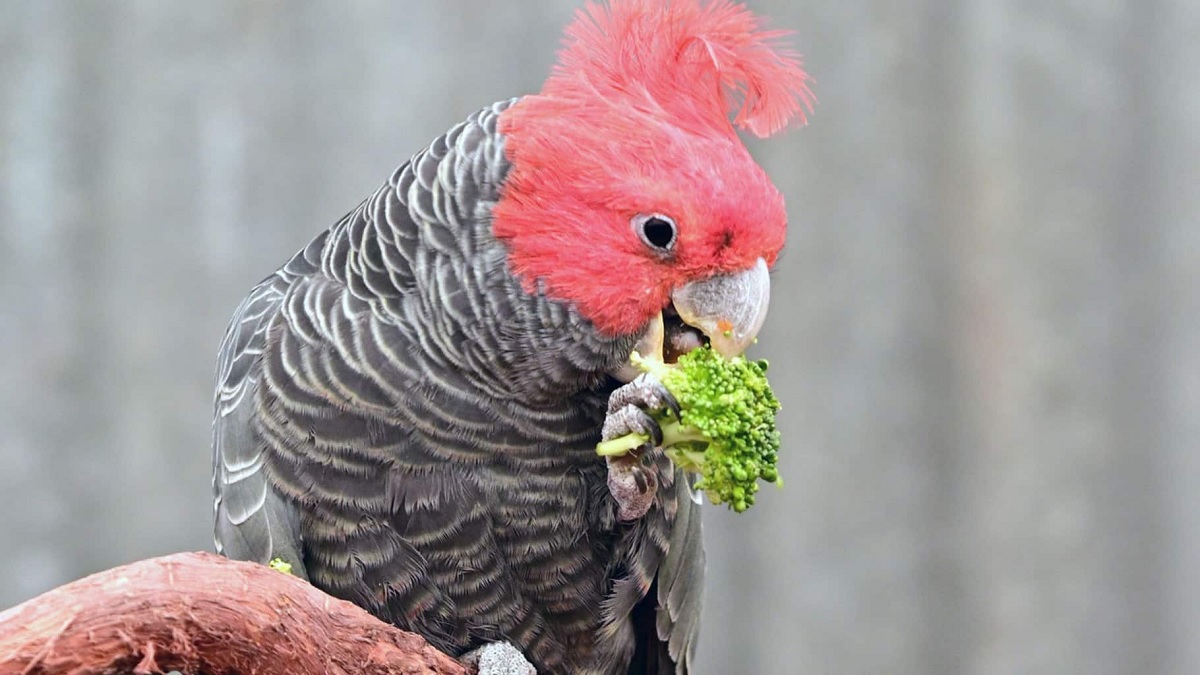
Parrots and parakeets are among the bird species that can eat broccoli safely and benefit from its nutritional value. In the wild, these birds consume a wide range of plant-based foods, including leaves, buds, fruits, and vegetables. Broccoli fits well into this natural feeding pattern because it contains vitamin C, vitamin K, and fiber, all of which support immune function and digestion. When offered raw and finely chopped, broccoli florets and stems provide a crunchy texture that parrots enjoy.
For parrots, variety is essential to prevent nutrient deficiencies and boredom. Broccoli can be mixed with other safe vegetables like carrots, bell peppers, and leafy greens to create a balanced meal. Lightly steaming broccoli is also acceptable, especially for birds that struggle with raw textures, but it should never be seasoned or cooked with oil. Plain preparation ensures the vegetable remains safe and digestible.
Portion control plays a key role in feeding broccoli to parrots. While nutritious, broccoli should not replace staple foods like pellets or formulated diets. Offering small pieces a few times a week allows parrots to gain nutrients without overloading their digestive system. Monitoring droppings after introducing broccoli helps identify any sensitivity or digestive upset.
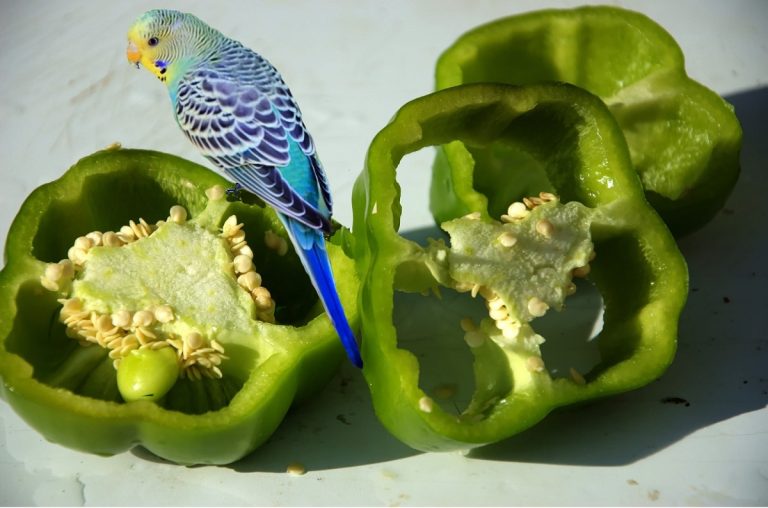
Parakeets, including budgies, can also eat broccoli when it is finely chopped or shredded. Smaller birds may prefer tender florets over thick stems. Hanging broccoli pieces inside the cage can encourage natural foraging behavior, keeping these intelligent birds mentally stimulated while they eat.
Chickens
Chickens are another bird species that can eat broccoli and often show great interest in it. As omnivores, chickens naturally consume seeds, insects, and plant matter, making vegetables a valuable addition to their diet. Broccoli offers calcium, fiber, and antioxidants that support bone strength, digestion, and overall flock health. Both raw and lightly cooked broccoli can be fed to chickens, but raw florets are often preferred for pecking.
When feeding broccoli to chickens, it works best as a treat rather than a main food source. Hanging a whole broccoli head from a string inside the run encourages activity and reduces boredom, especially during confinement. This method allows chickens to peck gradually, preventing waste and overconsumption. Chopped broccoli mixed with kitchen scraps is another practical feeding option.
Moderation is important because too many vegetables can dilute the nutritional balance of commercial feed. Broccoli should make up only a small percentage of a chicken’s daily intake. Excessive amounts may lead to loose droppings due to its fiber content. Offering broccoli two or three times a week is generally sufficient for healthy birds.
Young chicks should not be given broccoli until they are old enough to digest solid foods properly. For adult chickens, removing thick stems or lightly steaming them helps prevent choking. Clean, pesticide-free broccoli ensures safety and reduces exposure to harmful chemicals.
Pigeons And Doves
Pigeons and doves are often overlooked, but they are bird species that can eat broccoli when it is prepared appropriately. These birds primarily consume seeds and grains, yet they also benefit from small amounts of fresh vegetables. Broccoli provides essential vitamins and minerals that can enhance feather quality and immune strength when included occasionally in their diet.
Because pigeons and doves have relatively delicate digestive systems, broccoli should always be offered in small, finely chopped pieces. Raw broccoli is suitable, but lightly steaming it can make digestion easier, especially for older birds. Avoid feeding large chunks, as these birds are not equipped to tear tough vegetables efficiently.
Broccoli works best when mixed with familiar foods such as soaked grains or seeds. This encourages acceptance and reduces the risk of selective feeding. Introducing broccoli gradually allows the bird’s digestive system to adjust without stress. Observing behavior and droppings helps determine tolerance.
While broccoli is nutritious, it should never dominate the diet of pigeons and doves. Seeds remain their primary energy source, and vegetables serve as supplements. Offering broccoli once or twice a week provides nutritional diversity without disrupting dietary balance. Clean preparation and removal of uneaten pieces prevent spoilage and bacterial growth, ensuring safe feeding conditions.
Benefits Of Broccoli In A Bird’s Diet
Broccoli offers several nutritional advantages when included properly in a bird’s feeding routine. This vegetable contains essential vitamins, minerals, and fiber that support different aspects of avian health. When served fresh, clean, and in moderation, broccoli can act as a valuable supplement alongside a bird’s regular diet, improving overall wellbeing without replacing core nutritional foods.
Supports Immune System And Overall Health
One of the key benefits of broccoli in a bird’s diet is its positive impact on the immune system. Broccoli is rich in vitamin C and antioxidants, which help birds fight off infections and cope with environmental stress. Birds exposed to changing temperatures, seasonal shifts, or new surroundings often benefit from immune-supporting foods that strengthen natural defenses. Including small portions of broccoli can contribute to better resistance against common illnesses.
Broccoli also contains vitamin K and small amounts of calcium, both of which play roles in maintaining healthy bones and proper blood function. These nutrients are especially important for growing birds, breeding birds, and species prone to calcium deficiencies. While broccoli alone cannot meet all mineral needs, it supports overall nutritional balance when paired with pellets, seeds, or grains.
Antioxidants found in broccoli help reduce oxidative stress in a bird’s body. Oxidative stress can affect energy levels, feather condition, and organ health over time. By adding antioxidant-rich vegetables, birds may experience improved vitality and stronger long-term health. This benefit is particularly noticeable in captive birds that rely heavily on formulated diets.
Another advantage is hydration support. Broccoli has a high water content, which can help birds stay hydrated, especially during warmer months. Proper hydration supports circulation, digestion, and temperature regulation. Fresh vegetables like broccoli contribute moisture in a natural, bird-safe way.
Aids Digestion And Encourages Natural Feeding Behavior
Another major benefit of broccoli in a bird’s diet is digestive support. Broccoli contains dietary fiber that helps regulate digestion and maintain healthy gut movement. Fiber supports nutrient absorption and reduces the risk of digestive sluggishness, which can be common in birds fed mainly on dry foods. When introduced gradually, broccoli can help promote smoother digestion without causing discomfort.
Broccoli also encourages natural feeding and foraging behavior. Many birds enjoy pecking, shredding, or chewing on broccoli florets and stems. This interaction stimulates mental engagement and reduces boredom, particularly for intelligent species like parrots and parakeets. Engaging with food in a natural way supports both physical and psychological wellbeing.
Chewing fibrous vegetables helps keep a bird’s beak active and properly worn. Beak overgrowth can become a concern in captive birds, and textured foods like broccoli provide gentle resistance that supports natural beak maintenance. This benefit complements toys and perches designed for beak health.
Including broccoli can also help diversify a bird’s diet. Dietary variety reduces the risk of nutritional gaps caused by repetitive feeding habits. Birds exposed to different textures, colors, and flavors are often more adaptable and less likely to develop picky eating behaviors. Broccoli’s mild taste makes it easier to introduce compared to stronger-flavored vegetables.
People Also Asked
Can Birds Eat Broccoli Safely?
Yes, birds can eat broccoli safely when you prepare it properly and serve it in moderation. You should always wash broccoli thoroughly to remove pesticides and dirt before offering it. Raw broccoli florets are generally safe, and light steaming is also acceptable as long as you avoid salt, oil, or seasoning.
You should treat broccoli as a supplement, not a replacement for a bird’s regular diet. When you introduce it slowly and watch how the bird reacts, broccoli can be a healthy and safe addition to everyday feeding.
Is Raw Or Cooked Broccoli Better For Birds?
Raw broccoli is usually better for birds because it retains more nutrients and provides a crunchy texture that encourages natural feeding behavior. You can offer small, chopped florets that are easy for birds to handle and digest. Many birds enjoy pecking at raw broccoli, which also helps keep them mentally stimulated.
Lightly steamed broccoli can be helpful if a bird struggles with raw textures. You should make sure it is plain, soft, and cooled before serving. Avoid boiling, as it removes nutrients and makes broccoli less beneficial.
How Much Broccoli Should You Feed Birds?
You should feed broccoli in small portions because birds need a balanced diet that includes seeds, pellets, or grains as the main food source. A few small pieces of broccoli two or three times a week is usually enough for most birds. Overfeeding vegetables can lead to digestive upset or loose droppings.
You should observe the bird’s behavior and droppings after feeding broccoli. If digestion remains normal and the bird eats well, the portion size is suitable. Moderation ensures birds gain benefits without nutritional imbalance.
Can All Bird Species Eat Broccoli?
Many bird species can eat broccoli, but not all birds process vegetables the same way. Parrots, parakeets, chickens, pigeons, and doves generally tolerate broccoli well when it is chopped into appropriate sizes. These birds naturally consume plant matter, making broccoli a suitable supplement.
You should be cautious with birds that have sensitive digestive systems. Always introduce broccoli gradually and avoid feeding it to wild birds in large amounts. Understanding the species helps you decide whether broccoli is a safe and helpful food choice.
Does Broccoli Provide Health Benefits For Birds?
Broccoli provides several health benefits for birds when included correctly in the diet. It contains vitamins like vitamin C and vitamin K, which support immune health and proper body function. The antioxidants in broccoli help protect cells and may improve overall vitality.
Broccoli also provides fiber and moisture, which support digestion and hydration. You should remember that broccoli alone cannot meet all nutritional needs. When combined with a balanced diet, it supports better health, feather condition, and energy levels in birds.
What Precautions Should You Take When Feeding Broccoli To Birds?
You should always clean broccoli thoroughly and remove any spoiled or moldy parts before feeding it to birds. Avoid seasoning, oils, sauces, or additives, as these can harm birds. Chopping broccoli into bird-appropriate sizes helps prevent choking and improves digestion.
You should remove uneaten broccoli after a few hours to prevent bacterial growth. Watching for changes in droppings or behavior helps you identify any intolerance. Careful preparation and moderation ensure broccoli remains a safe and beneficial food option.
Final Thoughts
Adding fresh vegetables to a bird’s diet can greatly support overall health and well-being. Broccoli offers valuable vitamins, minerals, and antioxidants that contribute to strong immunity, healthy feathers, and better digestion when served in appropriate portions. Preparing it properly and offering it alongside other foods helps ensure birds enjoy its benefits safely.
Moderation is always essential when introducing new foods. While many birds can tolerate broccoli well, overfeeding or improper preparation may lead to digestive discomfort. Observing how your bird responds and adjusting portion sizes allows you to maintain a balanced and nutritious diet that meets individual needs.
When considering dietary choices, understanding can birds eat broccoli helps you make informed feeding decisions. Offering broccoli as part of a varied menu encourages healthier eating habits, supports long-term vitality, and promotes a happier, more active bird in both pet and wild environments.