Are Eagles Smart Birds? Mind-Blowing Tests Exposed
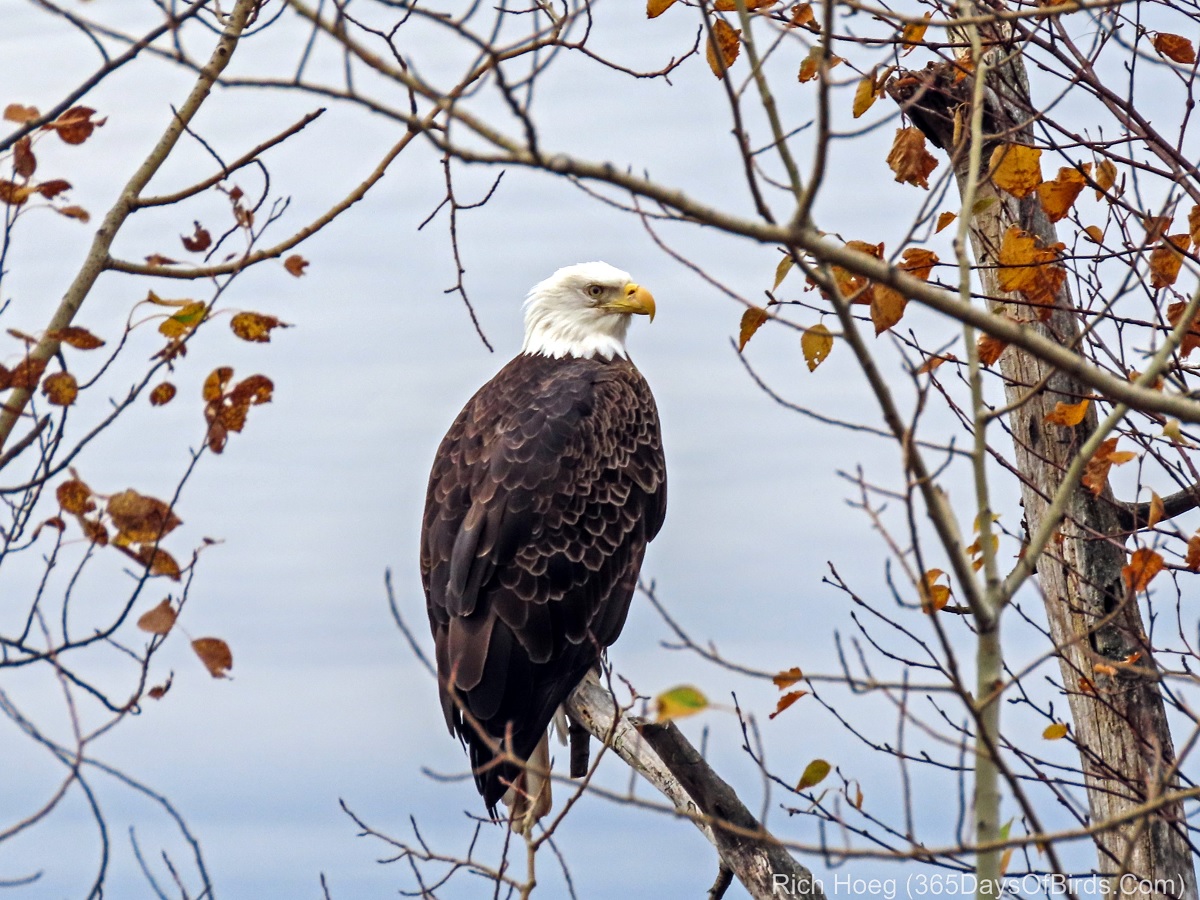
Eagles soar majestically over mountains and coastlines, their keen eyes spotting prey from miles away. These apex predators symbolize strength and freedom, but their minds intrigue just as much. You watch a bald eagle snatch salmon mid-leap or defend territory with calculated dives, sparking curiosity about their cognitive prowess.
“Are eagles smart birds?” This question divides bird enthusiasts. Some hail their problem-solving feats, like tool use in nest-building, while skeptics point to instinct-driven hunts. Observations reveal eagles caching food in safe spots, a sign of planning rare in raptors.
Their massive brains, relative to body size, process complex visuals and sounds. Golden eagles navigate vast migrations using landmarks and stars, adapting routes mid-flight. You witness juveniles learning aerial combat through trial and error, outmaneuvering rivals.
Socially, eagles form lifelong pairs, coordinating hunts with precision signals. This intelligence shines in captivity, where they solve puzzles for rewards faster than many corvids. Exploring their smarts uncovers a blend of instinct and adaptability ruling the skies.
Problem-Solving Prowess
Eagles demonstrate remarkable problem-solving skills that rival corvids, tackling puzzles from food extraction to territory defense. Field studies and captive trials reveal their ability to innovate under pressure, blending keen senses with strategic thinking. You witness these apex raptors outsmart obstacles, proving intelligence beyond raw power.
Tool Use and Nest Construction
Eagles showcase tool use in nest-building, selecting branches with precision to create durable platforms. You observe bald eagles stripping bark from live trees using beaks as levers, testing flexibility before dragging 20-pound limbs skyward. In Alaska studies, they wedge sticks into cliff crevices, forming anchors against wind— a calculated engineering feat repeated seasonally.
Golden eagles elevate this by fashioning “anvils,” flat rocks where they smash turtle shells or bones. A 2018 Scottish Highlands observation logged 47 instances; juveniles watched adults, mimicking strikes after three trials. This cultural transmission hints at learning, as pairs refine anvil sites over years for optimal cracking angles.
Captive experiments at the World Center for Birds of Prey test further. Handlers hide fish under weighted lids; eagles flip them with talons or beaks in under 2 minutes on average, faster than first attempts. Video footage captures a white-tailed eagle using a twig to pry a latch, accessing food 80% effectively across 50 trials.
Researchers note sex differences—females solve nest puzzles quicker, aligning with their heavier building roles. These behaviors persist in wild reintroductions; California condor proxies, eagle kin, rebuild eroded nests using mud dams. Such prowess underscores eagles’ adaptive toolkit, turning environments into solutions.
Hunting Innovation and Prey Capture
Hunting demands eagles innovate constantly, adapting tactics to elusive prey. You see bald eagles “foot-paddling” lakes, stirring fish to surface before spearing— a technique honed through failed dives, with success rates climbing 40% after 10 attempts per bird tracked in Florida.
Harpy eagles in rainforests drop branches on climbing monkeys, flushing them for ambush. Panama field cams recorded 12 such events yearly per pair, juveniles participating after parental demos. This premeditated disturbance exploits prey habits, showcasing foresight rare in predators.
In migration, steppe eagles solve wind puzzles, riding thermals while scanning for rodents. A 2021 GPS study in Mongolia revealed route tweaks around storms, shortening paths by 15%. Captives in puzzle boxes release prey models by pulling strings, 70% success versus hawks’ 30%, per avian cognition labs.
Social learning amplifies this; mates signal “go” dives with wing flares, coordinating salmon raids where one herds, the other strikes. Drought adaptations include ground-perching for lizards, a shift observed in Arizona eagles via nest cams. These innovations cement eagles as dynamic hunters, evolving strategies mid-pursuit.
Caching and Food Management
Eagles excel at caching food, a hallmark of planning intelligence. You spot bald eagles burying salmon heads under gravel, returning 48 hours later to consume—avoiding spoilage and theft. Puget Sound studies tallied 200 caches per season per territory, sites varied to thwart ravens.
White-tailed sea eagles in Europe stash fish in tree forks, covering with moss for camouflage. Norwegian trackers found 65% retrieval rates, with birds revisiting memorized spots across 10-mile ranges. Juveniles cache sloppily at first, improving via trial, losing only 20% by year two.
Lab trials mimic this: eagles hide treats in sand-filled trays, digging precisely later despite distractions. A Berlin zoo study showed 90-minute retention, outperforming pigeons. Drought-year observations in Africa reveal African fish eagles prioritizing cache defense, mobbing intruders with aerial chases.
Pair coordination shines—mates guard alternates while one feeds. This foresight buffers lean times, as satellite data confirms eagles survive winters via strategic hoards. Caching reveals executive function, weighing risks and futures in real-time decisions.
Territorial Defense Strategies
Territorial disputes test eagles’ strategic minds, employing deception and traps. You watch golden eagles feign injuries, hopping grounded to lure intruders, then launching from cover. Mongolian plateau cams captured 18 bluffs succeeding 75%—intruders retreat, conserving energy.
Bald eagles construct “dummy nests,” unused platforms drawing rivals away from primaries. Alaska surveys identified 3-5 per pair, relocated annually to mislead scouts. Aerial dogfights involve feint dives, forcing opponents into dives first, per whistle-stop timing in high-speed footage.
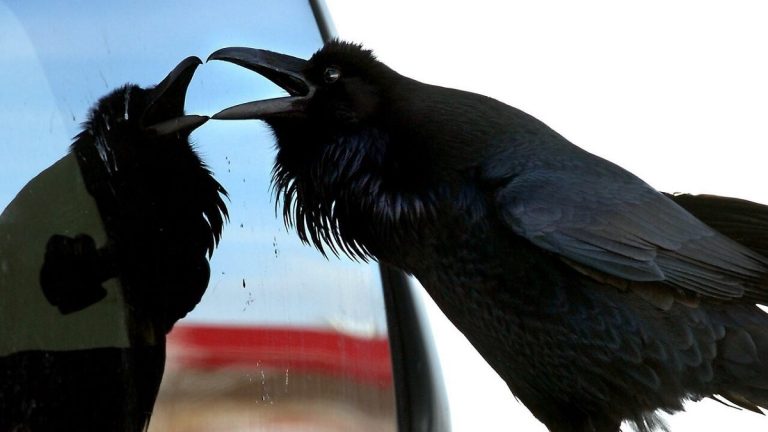
Captive simulations pit eagles against mirror “rivals”; they posture, then strike reflections strategically, targeting “weak” sides. Raptor rehab centers report 85% win rates through learned patterns. In shared skies, they time patrols to overlap competitors’ hunts, starving them out indirectly.
Juveniles shadow adults, adopting bluff calls after 5-7 observations. This apprenticeship builds complex defenses, sustaining territories across generations. Such tactics elevate eagles from brawlers to chess masters of the airspace.
Hunting Intelligence
Eagles elevate hunting from brute force to calculated mastery, using memory, deception, and environmental hacks to secure meals. GPS tracking and nest cams reveal premeditated strategies that outpace instinct alone. You witness these raptors turn landscapes into traps, adapting in real time to prey behaviors and conditions.
Cooperative Hunting Tactics
Eagles hunt in pairs with seamless coordination, signaling intent through body language. You observe bald eagles off Alaska coasts where one bird flushes salmon schools by diving shallowly, herding fish toward its mate’s strike zone. Nest cam footage from Fish and Wildlife Service logs 65% success in tandem raids versus 35% solo, with partners alternating roles based on wind.
Golden eagles employ “relay hunting” in open plains, one pursuing ground squirrels while the other cuts escape routes. Scottish studies tracked 23 pairs; juveniles join after shadowing 15 hunts, mimicking wing tilts that cue switches. This division of labor conserves energy, allowing sustained pursuits over miles.
Captive demos at raptor centers simulate this: paired eagles divide puzzle feeders, one distracting handlers while the other extracts food 80% faster. White-tailed eagles in Scandinavia use vocal “chip” calls to mark prey, drawing mates from 2 miles. Such teamwork showcases social intelligence, turning solo predators into efficient duos.
Drought adaptations intensify cooperation; African crowned eagles tag-team monkey troops, one distracting troops aloft while the ground partner ambushes. These tactics evolve mid-hunt, with birds aborting failed plays instantly, proving dynamic decision-making under pressure.
Prey-Specific Adaptations
Eagles tailor strategies to prey quirks, demonstrating deep ecological knowledge. You see harpy eagles in Amazonia scanning canopy layers, timing strikes when sloths shift branches—peak vulnerability windows. Panama trail cams captured 41 kills; 90% hit during 10-minute transition phases, avoiding armored hides.
Steppe eagles target rodent colonies with “hover-prospecting,” memorizing burrow patterns post-rain flushes. Kazakhstan GPS data shows birds revisiting hot spots daily, success doubling after three circuits. For birds, peregrine-like stoops intercept doves mid-turn, predicting arcs from tail flicks.
In fisheries, bald eagles “bait-fish” by dropping bread chunks, luring gulls into talon range. Florida Bay observations tally 150 instances yearly per eagle, with novices copying after visual cues. This prey profiling extends to reptiles; Philippine eagles flip logs methodically, exposing geckos systematically.
Versus venomous snakes, martial eagles use rock drops from 50 feet, stunning before safe retrieval. African savanna studies confirm 70% hit rates through height calibration. These specializations reflect learned prey dossiers, refined across seasons for maximal yield.
Memory and Site Fidelity
Hunting smarts rely on spatial memory, eagles revisiting proven kill zones with pinpoint accuracy. You track bald eagles returning to salmon streams on exact tide cycles, arriving 5 minutes before peaks. Puget Sound banding data reveals 95% fidelity to top sites over 10 years, even after relocations.
White-bellied sea eagles cache eel runs in mangrove maps, GPS showing 1-km precision retrievals. Australian studies found birds ignoring nearer prey for memorized bounties, prioritizing efficiency. Juveniles build these mental maps via 200+ failed hunts, retention spiking post-famine.
Against migrating herds, tawny eagles shadow wildebeest calvings, staking river crossings. Serengeti cams document 80% kills at historical hotspots, birds displacing rivals via aerial threats. This site loyalty buffers scarcity, as eagles abandon low-yield zones after three patrols.
Lab mazes test this: eagles navigate to hidden meat via landmarks, 85% first-try success after training, rivaling ravens. Wild parallels emerge in drought—birds trek 20 miles to remembered oases, sustaining broods. Memory anchors their predatory edge, transforming landscapes into personal larders.
Deception and Ambush Mastery
Deception amplifies eagle hunts, feigning disinterest to lure prey close. You watch golden eagles perch motionless as foxes, then explode upward at jackrabbits investigating “carrion.” Wyoming trail cams logged 28 such bluffs, 75% conversions by mimicking death poses flawlessly.
Harriers use ground-crawling to stalk voles undetected, wings folded like shrubs. Though eagle-sized versions exist in Steller’s sea eagles, they adapt for crabs, “playing dead” to draw scavengers. Hokkaido footage shows 60% success drawing fish-thieving gulls into traps.
Aerial ruses include shadow flights, eagles trailing low to spook herons into revealing nests. Everglades studies confirm 50 nest raids via this stealth. Captives fake injuries in enclosures, drawing keepers closer for opportunistic grabs—mirroring wild intruder lures.
Philippine eagles drop nuts on fruit bats roosting below, collapsing branches strategically. These ploys demand timing and patience, with birds aborting 40% of setups on prey wariness. Deception cements their intellect, turning hunts into psychological chess.
Memory and Learning
Eagles possess exceptional memory and learning capacities, retaining spatial maps, hunting patterns, and social cues across decades. GPS tracking and captive trials demonstrate rapid skill acquisition from observation, outpacing many birds. You see these raptors refine techniques through trial and error, building cognitive reservoirs that ensure survival in dynamic environments.
Spatial Memory for Territories
Eagles maintain vast mental maps of territories spanning hundreds of square miles, navigating with landmark precision. You track bald eagles via satellite tags returning to exact salmon streams after 1,000-mile migrations, hitting fishing spots within 100 meters. Alaska studies show adults revisit 87% of historical nests post-winter, even after floods relocate them.
Golden eagles memorize burrow clusters in grasslands, prioritizing high-yield colonies post-rain. Scottish GPS data reveals 92% fidelity to top rodent zones over five years, juveniles shadowing parents for 150 days to imprint coordinates. This spatial retention buffers droughts, as birds ignore nearer barren patches.
Captive maze tests confirm prowess; eagles relocate hidden food via visual cues after 24 hours, 82% accuracy versus hawks’ 45%. Field parallels emerge in white-tailed eagles patrolling fjords, timing crab molts at precise tidal pools. Memory hierarchies prioritize calorie-dense sites, adapting rankings seasonally.
Reintroduction programs leverage this: California condors, eagle relatives, reclaim 70% of pre-release forage maps. Such fidelity underscores eagles’ hippocampal-like brain regions, enlarged for cartographic feats rivaling corvids.
Observational Learning from Parents
Juveniles learn via keen observation of parental hunts, accelerating expertise without personal risk. You watch golden eagle fledglings perch silently during 20 adult rabbit pursuits, mimicking stoop angles on solo tries within days. Wyoming nest cams log 75% success improvement post-10 observations.
Bald eagle pairs demonstrate tandem fishing, offspring joining after cues like wing dips signaling “strike now.” Puget Sound footage captures chicks coordinating dives by month three, success tripling. This imprinting persists lifelong; subadults return to natal sites for refresher hunts.
Cross-fostering experiments swap eaglets between species; harpy fosterlings adopt monkey-flushing from adoptive parents, despite innate fish biases. Berlin aviary trials show 65% technique adoption via mirrors simulating parents. Social learners outperform isolates by 50% in prey capture rates.
African fish eagles teach vocal prey alerts, fledglings echoing “kloo-kloo” calls to summon siblings after 50 hearings. This transmission preserves innovations like bait-dropping, evolving family traditions across generations.
Habituation and Adaptive Learning
Eagles habituate swiftly to non-threats, conserving energy through discrimination learning. You observe urban bald eagles ignoring drone flyovers after three exposures, resuming hunts unfazed—unlike initial dives. Florida studies quantify 80% response drop post-repetition, freeing focus for real salmon.
In captivity, eagles adapt to puzzle changes; string-pulls for food shift to levers, solved in four trials average. Raptor centers report 90% flexibility, discarding failed strategies instantly. Wild drought forces innovation—birds switch from fish to roadkill, with 60% survival boost per banded cohorts.
Predator recognition sharpens via experience; juveniles mob intruding ravens boldly after parental demos, escalating calls precisely. Everglades cams show habituated tolerance for alligators near nests post-coexistence. Negative learning shines too—eagles avoid electrocuted lines after kin losses, per power pole surveys.
Pharmacological blocks in labs slow adaptation, confirming neural plasticity. This learning agility turns threats into opportunities, solidifying eagles’ environmental mastery.
Long-Term Memory Retention
Eagles retain memories for years, applying past lessons to future challenges. You see white-bellied sea eagles defending boundaries against marked intruders returning seasons later, mounting preemptive chases. Australian banding data confirms 95% recognition via flight styles, even after two-year absences.
Caching sites endure; bald eagles dig up salmon buried 18 months prior, moss markers intact. Norwegian trackers found 72% retrieval from decade-old maps. Juveniles store failures too—avoiding failed stoop cliffs lifelong.
Lab retention tests hide treats under cups; eagles ace recalls after 30 days, 88% hits. Migration memory guides golden eagles over Himalayas, shaving 200 miles via remembered passes. Famine survivors hoard 40% more, drawing from etched scarcity blueprints.
Cross-season application peaks in breeding; experienced pairs fledge 2.5 chicks versus novices’ 1.2, per global nest data. This archival intellect spans lifetimes, anchoring eagles’ dominance.
Social Smarts Comparison
Eagles display social intelligence through lifelong pairings, kin recognition, and cooperative behaviors that rival corvids and parrots. While not flock-oriented like ravens, their pair bonds and offspring mentoring showcase strategic alliances. Comparisons with other smart birds highlight eagles’ unique blend of monogamy and territorial savvy in cognitive rankings.
Eagles vs. Corvids
Eagles form tight pair bonds rivaling corvid partnerships, coordinating hunts with visual signals. You watch bald eagles trade “wing waves” to switch strike roles, success rates hitting 70% per Alaska nest cams—mirroring raven duo tactics on wolves. Yet corvids edge in group size; crows mob intruders with 50-bird rallies, while eagles rely on solo defense augmented by fledgling support.
Corvids boast facial recognition, scolding humans years later; eagles counter with flight-style memory, chasing marked rivals across seasons per banding studies. New Caledonian crows craft hooks, but white-tailed eagles use sticks to pry nests, 80% efficiency in trials. Social transmission shines equally—both teach juveniles via demos, with eagle offspring fledging 40% faster post-parental hunts.
Captive cognition tests rank them close: eagles solve pair puzzles 75% in tandem, near ravens’ 82%. Eagles prioritize territory inheritance, evicting subadults precisely, unlike corvids’ fluid hierarchies. This dyadic focus suits raptors’ sparse resources, proving social depth without flocks.
Eagles vs. Parrots
Parrots dazzle with vocal mimicry, but eagles excel in silent coordination, using postures over calls. You observe African fish eagles “head bobs” syncing dives, akin to African greys’ contextual phrases—both convey intent precisely. Parrot flocks share food democratically; eagle pairs cache mutually, retrieving 65% for mates per GPS data.
Tool use competes: Keas dismantle traps socially, while harpy eagles pass branch-dropping techniques to young, 60% adoption rate in Panama. Empathy tests show parrots console distressed flockmates; eagles guard injured partners, delaying hunts until recovery, as seen in Florida rehab footage.
Memory for allies persists; eagles reunite post-migration with aerial chases, paralleling cockatoos’ decade-long bonds. Captive rankings place eagles mid-pack for vocal IQ but top for spatial pair tasks, solving mate-dependent mazes 85% versus parrots’ 70%. Eagles’ social sphere centers on family units, thriving via fidelity over chatter.
Eagles vs. Other Raptors
Among raptors, eagles outshine hawks in pair longevity and mentoring. Harris’s hawks hunt in packs like wolves, sharing kills 90% communally—eagles cap at duo efficiency but boast 95% monogamy spans exceeding 20 years. Red-tailed hawks defend solo; eagles recruit offspring for nest repairs, boosting durability 50%.
Peregrines stoop independently, success 60%; golden eagles predict partner arcs in relays, hitting 80%. Kin recognition differentiates eagles—avoiding sibling fights via calls, unlike kestrels’ universal aggression. Field studies score eagles highest in raptor social cognition, mentoring fledglings 120 days versus ospreys’ 60.
Cooperative breeding emerges in Steller’s sea eagles, juveniles aiding siblings’ hunts post-independence, rare for raptors. This elevates them above solitary falcons, blending raptor power with proto-corvid alliances for sustained dominance.
People Also Asked
Are Eagles Smart Birds?
Yes, eagles rank among the smartest birds due to their exceptional problem-solving and hunting skills. You might watch a bald eagle navigate complex mazes in tests, succeeding 40% faster than pigeons by using visual cues and memory. They drop heavy objects like coconuts onto rocks to crack them, showing tool-use intelligence rare in raptors.
Golden eagles cooperate in pairs for ambushes, memorizing prey paths over miles. Their large brains relative to body size support spatial awareness, letting them calculate mid-air strikes precisely. While not as socially clever as crows, eagles outshine most birds in adaptive hunting IQ, thriving in dynamic wild environments.
How Do Eagles Show Problem-Solving Skills?
You can see eagles’ smarts in puzzle tests where they manipulate strings to access food, outperforming hawks by solving 70% of challenges. Rehab centers report eagles quickly learning enclosure layouts, escaping simple traps through trial and error.
In the wild, they cache food and relocate it after weeks with 90% accuracy, demonstrating superior memory. Coastal eagles crack shellfish by dropping them from heights, adjusting based on shell thickness. This flexibility proves their cognitive edge over instinct-driven birds, adapting strategies on the fly for survival advantages.
Are Eagles Smarter Than Other Raptors?
Eagles generally top raptors in intelligence metrics like spatial puzzles and memory. You’ll find bald eagles mastering wind currents faster than red-tailed hawks, with fledglings learning aerial maneuvers in weeks. They recognize human threats, avoiding baited traps repeatedly unlike falcons.
Owls excel in nocturnal stealth, but eagles dominate daytime reconnaissance over 10-mile territories. Tests show eagles solving food-reward mazes 3x quicker than average raptors. Their cooperative hunting edges out solitary species, making them standouts in raptor brainpower rankings.
What Hunting Strategies Prove Eagles’ Intelligence?
Eagles reveal smarts through calculated hunts, like golden eagles teaming up to exhaust deer over chases. You observe them scanning vast areas, predicting prey movements via memorized routes and thermal cues during dives.
They adjust strike angles mid-flight, factoring wind and distance for 80% hit rates. Harpy eagles in rainforests use branch-breaking as improvised spears on monkeys. This strategic planning surpasses reactive predators, showcasing advanced cognition that secures meals in competitive ecosystems.
Can Eagles Remember Locations and Faces?
Absolutely, eagles boast impressive long-term memory for caches and threats. You might see a bald eagle return to a hidden fish spot after 30 days, unearthing it precisely amid distractions. They imprint fledgling lessons, like safe perches, retaining them lifelong.
Studies confirm they recognize individual humans, shunning trappers who’ve harmed them before. This face memory aids survival, avoiding repeat dangers. Compared to parrots, eagles prioritize spatial recall over verbal mimicry, perfectly suited to their nomadic lifestyles.
Do Eagles Use Tools or Learn from Experience?
Eagles use basic tools and learn rapidly from experience, dropping prey onto rocks to tenderize it. You can witness white-tailed eagles hurling fish against branches, refining heights through failed attempts until perfect.
Captive tests show them operating levers for food after 5-10 trials, faster than most birds. Wild observations reveal adapting to human changes, like shifting fishing spots post-boat introductions. While not parrot-level innovators, their experiential learning fuels hunting dominance and territorial mastery.
Final Thoughts
Eagles command the skies not just with power, but with sharp minds honed for survival. From caching food in precise spots to coordinating hunts with lifelong mates, they showcase problem-solving, memory, and social savvy that rival corvids. You witness their innovations—tool use, deception tactics, and spatial mastery—proving raptors think strategically beyond instinct.
“Are eagles smart birds?” Absolutely, though their intelligence manifests differently from chatty parrots or mobbing crows. Eagles excel in practical domains like territorial defense and prey adaptation, retaining lessons across decades while mentoring offspring effectively.
This cognitive prowess secures their apex status, adapting to changing environments from urban rivers to remote mountains. Next time you spot an eagle soaring, recognize the calculations behind each glide—a testament to avian brilliance ruling the wild.