Are Birds Nocturnal or Diurnal And How Their Behavior Affects Their Survival
Birds display a wide range of behaviors, and one of the most fascinating aspects is their activity patterns. Understanding when birds are most active provides insight into their feeding, mating, and social behaviors. Some species thrive during the day, while others are specially adapted to nighttime life, navigating in darkness with unique senses. The question many nature enthusiasts and bird watchers ask is are birds nocturnal or diurnal, as this distinction affects how they interact with their environment.
Diurnal birds, active during daylight, rely on vision to forage and communicate, whereas nocturnal species have evolved exceptional night vision and heightened hearing to hunt and navigate. Recognizing these patterns helps you understand bird behavior more accurately and plan observation, feeding, or study schedules that align with their natural rhythms, ensuring a deeper appreciation for their diverse lifestyles.
Differences Between Nocturnal And Diurnal Birds
Birds can be categorized based on the times of day they are most active, which profoundly affects their behavior, anatomy, and ecological roles. Nocturnal birds are primarily active at night, while diurnal birds operate during daylight hours. Understanding the differences between these two groups sheds light on how birds have adapted to their environments. Factors such as vision, hunting strategies, communication, and sleep patterns vary significantly between nocturnal and diurnal species, influencing their survival and interactions within ecosystems.
Vision And Sensory Adaptations
One of the most significant differences between nocturnal and diurnal birds lies in their vision and sensory adaptations. Diurnal birds, such as sparrows, eagles, and pigeons, have eyes optimized for daylight. They possess a high density of cone cells in their retinas, which allows them to perceive vibrant colors and detect movement with precision during the day. Their eyes are structured to handle bright light, providing detailed visual information essential for foraging, predator detection, and navigation.
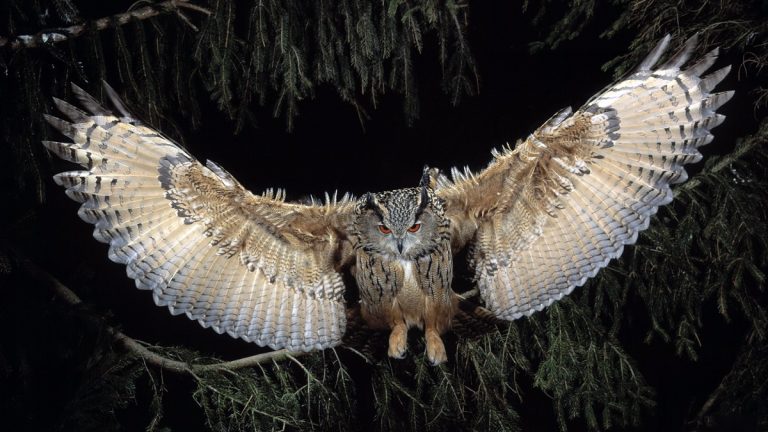
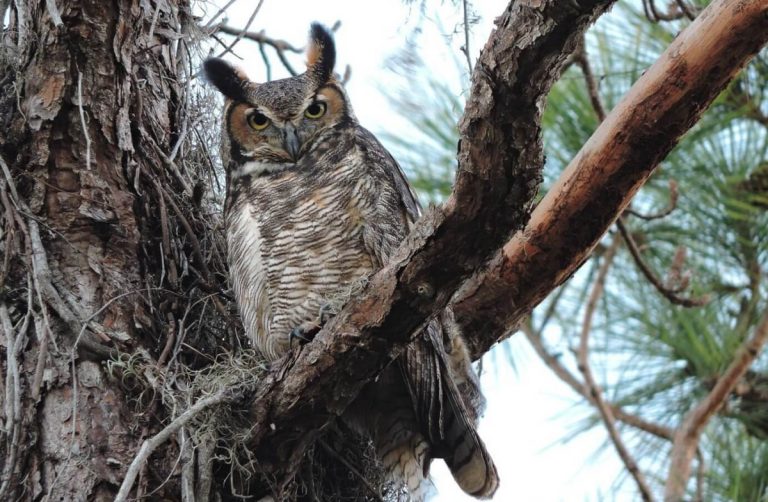
Nocturnal birds, like owls and nightjars, have evolved eyes adapted to low-light conditions. They possess a higher ratio of rod cells, enhancing their ability to see in dim light while sacrificing color perception. Many nocturnal species have large, forward-facing eyes that increase light intake, and their retinas often feature a reflective layer called the tapetum lucidum to maximize night vision.
Additionally, some nocturnal birds rely heavily on acute hearing and facial disc structures to locate prey in darkness. These specialized adaptations illustrate how vision and other senses dictate survival strategies in both groups.
Behavioral And Hunting Strategies
Behavioral patterns and hunting strategies also differ markedly between nocturnal and diurnal birds. Diurnal birds typically rely on visual cues to find food, engage in social interactions, and defend territory. Their foraging often involves observing other animals, tracking movement, and utilizing daylight for efficient hunting or scavenging. Social communication, including songs and displays, is usually prominent in diurnal species, facilitating mating, territory defense, and flock coordination.
Nocturnal birds, on the other hand, have evolved behaviors suited to nighttime activity. Owls, for example, hunt silently using specialized feathers that reduce wing noise and rely on precise hearing to detect prey under low-light conditions. Nightjars use camouflage and quiet flight to ambush insects. These species often have solitary or small-group behaviors to minimize detection by predators. The contrast in hunting and social strategies highlights the profound influence of daily activity patterns on behavior, feeding efficiency, and ecological interactions.
Sleep Patterns And Daily Activity
Sleep and daily activity cycles further distinguish nocturnal and diurnal birds. Diurnal birds are active during the day and sleep at night, often in sheltered perches or communal roosts. Their daily routines are influenced by daylight, which regulates feeding, mating, and migration patterns. Hormonal cycles, such as melatonin production, are tied closely to light exposure, guiding their activity levels and rest periods.
Nocturnal birds follow an inverted schedule, resting during daylight and becoming active at night. Sleep locations often provide safety from predators, with some species roosting in dense foliage or tree cavities. Their activity levels peak during nighttime hours, allowing them to exploit resources with minimal competition from diurnal species. These distinct sleep patterns support different survival strategies and ecological roles, demonstrating how activity timing affects energy management, foraging efficiency, and interspecies interactions.
Ecological Roles And Interactions
The ecological roles of nocturnal and diurnal birds are shaped by their activity patterns. Diurnal birds often serve as pollinators, seed dispersers, and daytime predators, influencing plant reproduction and insect populations. Their interactions with other species are visible and measurable, impacting ecosystems in multiple ways.
Nocturnal birds fill ecological niches that would otherwise be underutilized during nighttime hours. They control populations of nocturnal insects, small mammals, and other prey, contributing to ecosystem balance. Their hunting patterns reduce competition with diurnal species and support biodiversity. Understanding these differences highlights how both groups are integral to maintaining ecological stability, with complementary roles that ensure resources are used efficiently across the full 24-hour cycle.
Mixed Activity Patterns
While many birds clearly fall into nocturnal or diurnal categories, some species exhibit mixed activity patterns, showing flexibility in their active periods. These birds adjust their behavior based on environmental conditions, food availability, or seasonal changes. Understanding mixed activity patterns helps explain why certain birds may be active at unexpected times, blending the characteristics of both nocturnal and diurnal species. Observing these patterns provides insights into adaptive strategies that enhance survival and resource use.
Flexible Foraging Behavior
Birds with mixed activity patterns often adjust their foraging times to maximize food availability. For instance, some species may forage during the day in areas with low predation risk or sufficient light but switch to crepuscular or twilight activity when competition or danger is higher. Crepuscular activity, occurring at dawn or dusk, allows these birds to exploit food resources while avoiding peak activity periods of strictly diurnal or nocturnal competitors.
This flexibility also helps birds respond to changes in weather or seasonal shifts. During colder months, birds might extend daylight foraging hours to meet energy needs, while in areas with abundant nighttime insects, some species may hunt after sunset. By adopting a mixed schedule, these birds optimize energy intake and survival chances. Observing this behavior highlights the adaptability and intelligence of birds in balancing ecological pressures with their physiological needs.
Social And Environmental Influences
Social behavior and environmental factors play key roles in shaping mixed activity patterns. Birds living in highly competitive habitats may shift their active periods to reduce overlap with other species, minimizing conflict and resource competition. Similarly, predator presence can influence when birds are active, pushing typically diurnal species to forage during low-light hours or twilight.
Environmental cues such as temperature, light intensity, and food abundance also guide activity adjustments. Birds with mixed patterns often display high behavioral plasticity, allowing them to adapt to urban areas, human activity, or habitat disturbances. This adaptability enhances survival and demonstrates the dynamic relationship between birds and their environment. Observing these adjustments provides valuable insight into how birds balance ecological pressures and optimize their daily routines.
Adaptive Advantages Of Mixed Patterns
Mixed activity patterns provide birds with several adaptive advantages. By being active during both day and twilight hours, birds can access a wider range of food resources and reduce competition with strictly diurnal or nocturnal species. This flexibility also helps them respond to sudden changes in the environment, such as shifts in prey availability, weather conditions, or predator activity.
Additionally, mixed activity patterns support energy efficiency. Birds can exploit optimal feeding times, rest during less productive periods, and adjust their behavior to seasonal variations. This strategic balance enhances survival, reproduction, and overall fitness. Studying these patterns demonstrates the remarkable adaptability of birds and highlights the complex interplay between physiology, behavior, and ecological context in shaping activity cycles.
Behavioral And Ecological Implications
The activity patterns of birds—whether nocturnal, diurnal, or mixed—have profound effects on their behavior and ecological roles. These patterns influence feeding strategies, social interactions, predator-prey relationships, and resource allocation within ecosystems. Understanding how activity timing shapes behavior and ecology provides valuable insight into survival strategies, interspecies competition, and biodiversity. Birds’ activity schedules affect not only their own health and reproduction but also the broader balance of their habitats.
Impact On Feeding And Foraging Behavior
Activity patterns significantly shape how and when birds access food. Diurnal birds rely on daylight to visually locate seeds, insects, or small animals, while nocturnal species have evolved enhanced night vision and hearing to capture prey in low-light conditions. Birds with mixed activity patterns adjust their foraging times according to resource availability, predator presence, or environmental factors.
These differences influence feeding efficiency and energy expenditure. Diurnal species often exploit abundant daylight resources but may face greater competition from other daytime animals. Nocturnal birds can exploit night-active prey and avoid daytime predators, giving them access to otherwise untapped resources. Mixed-pattern birds gain flexibility, reducing competition and optimizing energy intake. Understanding these behavioral adaptations highlights how activity patterns govern foraging strategies, dietary choices, and overall survival in varying ecological contexts.
Influence On Social And Reproductive Behavior
Activity timing also impacts social interactions and reproductive strategies. Diurnal birds commonly use visual signals, songs, and displays during daylight hours for mating, territory defense, and flock coordination. Nocturnal species, in contrast, rely on auditory cues, subtle movements, and pheromonal signals to communicate under low-light conditions. Mixed activity birds may blend both strategies, adjusting communication methods depending on the time of day.
These behavioral adaptations directly affect reproductive success and social cohesion. For example, diurnal species can attract mates using brightly colored plumage and displays, whereas nocturnal species rely more on vocalizations or stealth behaviors. Mixed activity patterns allow birds to optimize mating and social interactions according to environmental conditions, ensuring flexibility in communication, territory maintenance, and offspring care. Activity timing thus plays a critical role in shaping social and reproductive dynamics.
Ecological Roles And Predator-Prey Dynamics
Bird activity patterns have direct ecological implications, affecting predator-prey relationships and ecosystem balance. Diurnal birds influence daytime insect populations, pollination, and seed dispersal, while nocturnal species control populations of night-active insects, small mammals, or amphibians. Birds with mixed activity patterns fill ecological niches that overlap with both day and night species, contributing to resource balance and reducing competition.
These patterns also impact predator behavior. Nocturnal predators rely on darkness to hunt, whereas diurnal birds are active when different predators dominate. Birds’ activity timing influences prey availability, ecosystem interactions, and biodiversity. By understanding these implications, you can see how activity patterns shape ecological networks, demonstrating the interconnectedness of behavior, resource use, and ecosystem health. The timing of bird activity is therefore integral to both individual survival and broader ecological processes.
People Also Asked
Are Birds Nocturnal Or Diurnal?
Birds can be either nocturnal, active at night, or diurnal, active during the day, depending on their species and ecological adaptations. Nocturnal birds, like owls and nightjars, rely on enhanced night vision and hearing to hunt and navigate in low-light conditions. Diurnal birds, such as sparrows and eagles, depend on daylight for foraging, communication, and social interactions. Observing a bird’s active periods helps you understand its behavior, feeding habits, and ecological role, providing insight into its survival strategies and daily routines.
What Is The Difference Between Nocturnal And Diurnal Birds?
The main difference lies in the timing of their activity. Diurnal birds are active during daylight hours, using vision to find food and interact socially. Nocturnal birds are active at night, relying on heightened senses like night vision and hearing. These differences affect hunting strategies, communication, and sleep patterns. Understanding this distinction allows you to interpret bird behavior more accurately and provides insight into how birds adapt to their environments. The timing of activity also influences their ecological impact and interactions with other species.
Can Birds Have Mixed Activity Patterns?
Yes, some birds display mixed or crepuscular activity patterns, being active during dawn and dusk rather than strictly day or night. These birds adjust their routines based on food availability, predator presence, or environmental conditions. Mixed activity patterns allow them to exploit resources with minimal competition and maintain flexibility in feeding and social behavior. Observing these birds helps you understand how species adapt to changing conditions and highlights the diversity of activity strategies in the avian world.
How Does Activity Timing Affect Feeding Behavior?
Activity timing directly influences how and when birds forage. Diurnal birds rely on daylight to spot food such as seeds, insects, and small animals. Nocturnal birds hunt or scavenge at night, using specialized senses like night vision or acute hearing. Birds with mixed activity schedules adjust their feeding periods based on environmental cues or resource availability. Understanding these differences helps you anticipate their dietary needs and observe feeding behavior effectively, while also revealing how birds minimize competition and optimize energy intake.
How Do Nocturnal Birds Navigate At Night?
Nocturnal birds have unique adaptations that allow them to navigate and hunt in darkness. Many species have large, forward-facing eyes for improved night vision and high rod cell density in their retinas to detect low light. Some, like owls, rely on acute hearing and specialized facial discs to locate prey accurately. These adaptations help them avoid obstacles, locate food, and communicate with others at night. Observing these behaviors demonstrates how evolution has shaped nocturnal birds to thrive in low-light environments.
Do Diurnal Birds Sleep At Night?
Yes, diurnal birds are generally active during the day and sleep at night. They roost in safe locations, such as trees, shrubs, or communal shelters, to rest and conserve energy. Their sleep patterns are closely tied to light cycles, influencing hormone production, foraging activity, and social behaviors. Understanding diurnal birds’ sleep routines can help you predict activity levels and feeding times, providing better insight into their daily habits and overall well-being.
Why Is Understanding Bird Activity Patterns Important?
Knowing whether birds are nocturnal, diurnal, or mixed helps you interpret their behavior, feeding habits, and ecological roles. It informs conservation efforts, bird-watching strategies, and habitat management. Understanding activity patterns also helps predict predator-prey interactions and resource use within ecosystems. By observing when birds are active, you can better support their health, provide suitable environments, and appreciate their adaptations and survival strategies in diverse habitats.
Final Words
Bird activity patterns vary widely, with some species thriving during the day and others specialized for nighttime activity. Understanding these patterns helps explain feeding habits, social interactions, and survival strategies. Diurnal birds, such as eagles and sparrows, rely on daylight for foraging, communication, and navigation, while nocturnal species, like owls and nightjars, have adaptations such as enhanced vision and acute hearing to hunt effectively in the dark. Some birds even exhibit crepuscular behavior, being active during dawn and dusk to take advantage of specific ecological niches.
When exploring [are birds nocturnal or diurnal], it becomes clear that these distinctions are not just about timing but also about evolutionary adaptations that allow birds to thrive in diverse environments. Recognizing these differences enhances observation, birdwatching, and conservation efforts while providing a deeper appreciation of avian diversity.