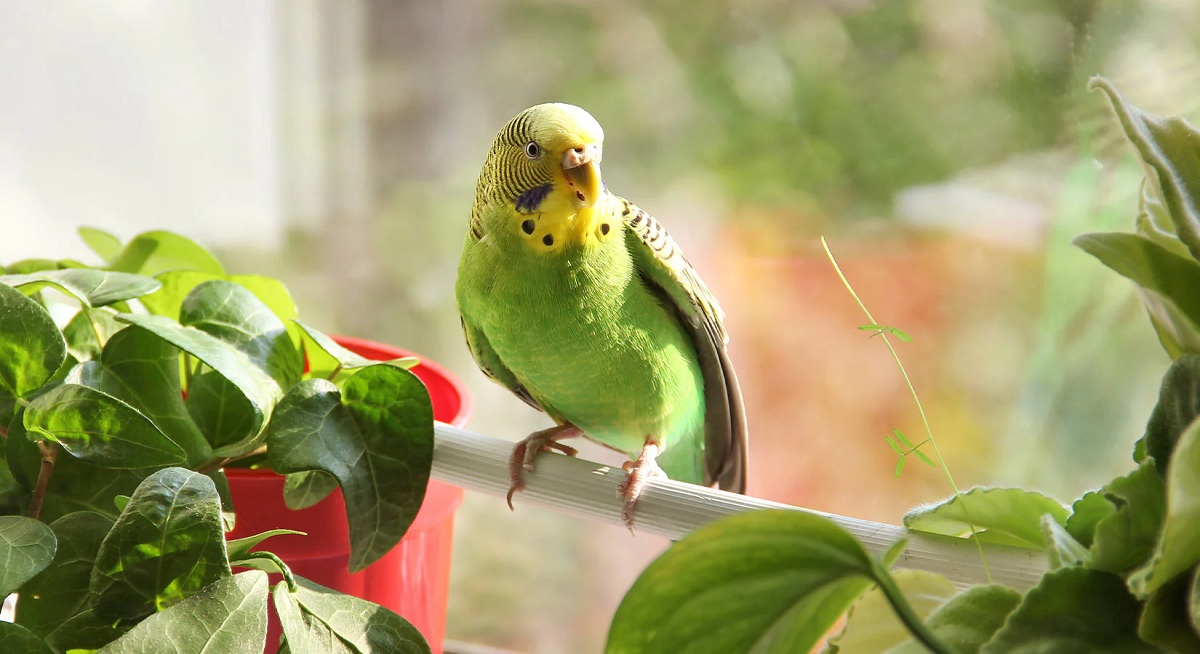
Are Ficus Trees Poisonous To Birds And How To Keep Your Pets Safe
Ficus trees are popular houseplants and landscaping trees, appreciated for their lush green leaves and ability to improve indoor air quality. Many bird owners enjoy having plants around their feathered pets, both for aesthetic value and as part of a naturalistic environment. However, not all plants are safe for birds, and some can pose serious health risks when ingested. Observing birds exploring or nibbling on foliage often raises questions about plant toxicity and safety.
One common concern among pet owners is are ficus trees poisonous to birds, as these trees are widely accessible and frequently found in homes. Understanding the potential risks associated with ficus trees helps you provide a safe environment for birds while maintaining greenery. Awareness of plant toxicity is essential for preventing accidental poisoning and ensuring the overall health and well-being of your feathered companions.
Toxic Components Of Ficus Trees
Ficus trees contain compounds that can pose health risks to birds when ingested. While these trees are visually appealing and common in homes, their leaves, stems, and sap may contain substances that irritate or harm avian digestive and respiratory systems. Understanding the toxic components of ficus trees helps bird owners provide a safe environment and prevent accidental poisoning. Awareness of these natural toxins is crucial for maintaining both the well-being of birds and the safe presence of indoor greenery.
Ficus Sap And Its Effects
The milky sap present in many ficus species contains latex and other chemical compounds that can be toxic to birds. When birds nibble on leaves or stems, the sap may cause irritation to the mouth, throat, or digestive tract. Ingesting sap in larger quantities can lead to gastrointestinal upset, vomiting, or diarrhea, particularly in smaller bird species with sensitive digestive systems.
Latex in the sap may also trigger mild allergic reactions in some birds, causing discomfort or respiratory issues. Birds often explore their surroundings with their beaks, increasing the likelihood of contact with sap. Because the sap is present throughout the tree, including on leaves, stems, and cuttings, exposure can occur even without intentional ingestion. Recognizing this risk allows owners to minimize contact and protect their birds from adverse effects.
Leaves And Other Plant Parts
Ficus leaves contain natural compounds such as ficin and other proteolytic enzymes, which can irritate a bird’s digestive system if ingested. Chewing or swallowing leaves may lead to nausea, vomiting, or mild gastrointestinal distress. While occasional contact may not be immediately harmful, repeated ingestion can accumulate these effects and negatively impact health over time.
Stems and branches also carry these compounds along with traces of sap, meaning that birds perching on or chewing parts of the plant are at risk. Even dried leaves retain some chemical activity, so fallen foliage should not be left within reach. Monitoring how birds interact with ficus trees and limiting access to leaves, stems, and cuttings helps reduce exposure and ensures that your birds remain safe while enjoying greenery in their environment.
Species Variability And Sensitivity
Different ficus species, such as Ficus benjamina, Ficus elastica, and Ficus lyrata, vary in the concentration of toxic compounds they contain. Some species have higher latex or enzyme levels, increasing the potential risk to birds. Additionally, individual birds may respond differently based on size, age, and health, with smaller or more sensitive species being particularly vulnerable to toxic effects.
Awareness of these species differences is important for bird owners choosing indoor or outdoor ficus plants. Observing bird behavior around the tree, providing safe alternative perches, and restricting access to leaves or sap-exposed areas helps prevent accidental ingestion. Understanding the variability in toxicity ensures a safer environment and allows owners to enjoy ficus greenery without compromising their birds’ health.
Symptoms Of Ficus Poisoning In Birds
Ficus trees, while attractive and common in households, contain compounds that can be harmful to birds when ingested. Recognizing the early signs of ficus poisoning is essential for timely intervention and preventing serious health complications. Birds may display both physical and behavioral symptoms, which can vary depending on the species, size, and amount of exposure. Understanding these warning signs helps owners protect their feathered pets while maintaining a safe environment with indoor or outdoor ficus plants.
Gastrointestinal Symptoms
One of the most common signs of ficus poisoning in birds is gastrointestinal distress. Birds that have ingested leaves, stems, or sap may experience vomiting, diarrhea, or regurgitation. These symptoms can lead to dehydration, lethargy, and reduced appetite if left unaddressed.
Smaller bird species are particularly vulnerable because even small amounts of ficus compounds can cause noticeable digestive upset. Owners may observe their birds picking at food less frequently, producing loose droppings, or exhibiting discomfort during perching or movement. Monitoring feeding patterns and droppings can help detect early gastrointestinal issues, allowing you to remove access to ficus and seek veterinary guidance promptly. Timely action is crucial to prevent long-term digestive problems and ensure recovery.
Behavioral Changes And Discomfort
Birds affected by ficus poisoning often show behavioral changes alongside physical symptoms. They may become unusually quiet, lethargic, or withdrawn, avoiding social interaction or perching in familiar areas. Some birds may scratch at their beak, mouth, or face due to irritation caused by latex or proteolytic enzymes in the sap and leaves.
These behavioral indicators often appear before more severe symptoms and can be a useful early warning sign. Paying attention to subtle changes in activity, vocalization, or interaction can help you identify potential exposure. Birds that display discomfort or restlessness may have ingested toxic parts of the ficus, and immediate removal of the plant and veterinary evaluation are recommended to prevent worsening of symptoms.
Respiratory And Other Health Indicators
In some cases, ficus poisoning can affect a bird’s respiratory system, especially if latex or sap particles are inhaled. Birds may exhibit labored breathing, wheezing, or sneezing, which indicates irritation of the respiratory tract. Chronic exposure may increase susceptibility to infections due to stress on the immune system.
Other potential indicators include drooling, puffed-up feathers, and uncoordinated movements. Smaller or sensitive species are more prone to these reactions, but larger birds may also show mild signs of distress. Observing birds closely and maintaining a ficus-free zone or controlled access can prevent exposure. Prompt recognition of these symptoms ensures timely veterinary care and minimizes risks associated with ficus poisoning.
Birds Most At Risk
Not all birds react the same way to toxic plants like ficus trees. Some species are more susceptible due to their size, digestive sensitivity, or natural feeding habits. Understanding which birds are most at risk helps owners take proactive measures to protect their pets. Smaller birds, young chicks, and birds with pre-existing health conditions are often more vulnerable. Awareness of risk levels ensures that you can provide a safe environment while still enjoying indoor or outdoor greenery.
Small Birds And Finches
Small birds, including finches, canaries, and budgies, are particularly vulnerable to ficus toxicity. Their tiny body size means that even a small amount of ficus leaves or sap can cause gastrointestinal upset, vomiting, or diarrhea. Digestive disturbances can quickly escalate in these species, potentially leading to dehydration or nutrient deficiencies if not addressed promptly.
These birds also tend to explore their environment by nibbling on plants, increasing the likelihood of ingestion. Their fast metabolism and delicate digestive systems make monitoring critical. Even minor exposure can result in noticeable behavioral changes, such as lethargy or reduced appetite. Providing a ficus-free zone and offering safe alternatives, like bird-friendly herbs or leafy greens, ensures that these small species remain healthy and safe.
Young Chicks And Juveniles
Juvenile birds are more at risk due to their developing organs and digestive systems. Young chicks may not yet have the ability to tolerate mild toxins, making them highly sensitive to ficus compounds. Exposure can lead to symptoms ranging from mild digestive upset to more serious health issues, affecting growth and overall development.
Caregivers should pay special attention to young birds kept in environments where ficus trees are present. Even incidental contact with leaves or sap can trigger adverse reactions. Providing a controlled, safe environment with carefully selected, non-toxic plants is essential for supporting their growth and preventing potential poisoning. Observation of behavior, droppings, and feeding habits allows you to catch any signs of distress early.
Birds With Pre-existing Health Conditions
Birds with compromised health, chronic illnesses, or sensitive digestive systems are also at higher risk when exposed to ficus plants. Conditions affecting the liver, kidneys, or respiratory system may exacerbate the effects of toxic compounds found in ficus sap or leaves. Even small exposure could lead to prolonged discomfort or complications.
Monitoring these birds closely is crucial. Limiting access to ficus and providing alternative enrichment ensures that they maintain a balanced diet without unnecessary risk. Tailoring their environment and dietary options to their specific health needs can prevent accidental exposure and promote recovery and overall well-being.
Safe Interaction With Ficus Trees
Ficus trees can enhance indoor and outdoor spaces, but bird owners need to ensure safe interaction to prevent accidental poisoning. Understanding how to provide controlled access and minimize exposure to toxic compounds is essential. By creating a safe environment, you can allow birds to enjoy greenery while avoiding health risks associated with ficus leaves, stems, and sap. Awareness, monitoring, and preventive measures make it possible to maintain both plant aesthetics and your bird’s safety.
Limiting Direct Access
One of the most effective ways to ensure safe interaction with ficus trees is by limiting direct access. Birds should not be allowed to perch on, nibble, or chew the leaves, stems, or branches, as these contain latex, enzymes, and other compounds that can cause irritation or digestive issues. Creating barriers, such as placing ficus trees on high shelves or using protective coverings, helps prevent accidental contact.
Supervision is also important, especially for smaller birds or curious species that tend to explore with their beaks. By monitoring behavior and restricting direct interaction, you reduce the risk of ingestion. Providing alternative perches and safe plant options allows birds to engage in natural exploration while keeping them away from toxic parts of the ficus. Consistent enforcement of these boundaries is key to preventing accidental exposure and ensuring your bird’s well-being.
Using Safe Alternatives And Enrichment
Birds benefit from foraging and interaction with plants, so offering safe alternatives can satisfy their curiosity without risk. Herbs like basil, parsley, or mint, and other bird-safe leafy greens, provide sensory stimulation, mental enrichment, and dietary variety. Rotating these options keeps birds engaged and reduces the temptation to explore ficus trees.
Additionally, enrichment activities like hanging bird toys, foraging puzzles, or safe climbing branches divert attention from toxic plants. These alternatives encourage natural behaviors such as pecking, climbing, and exploring while maintaining safety. By combining restricted access to ficus with safe enrichment options, you can provide a stimulating environment that supports both physical and mental health. This approach ensures that birds enjoy greenery safely and reduces the risk of ficus-related poisoning.
Monitoring And Immediate Response
Even with precautions, occasional accidental contact may occur. Monitoring your birds regularly for signs of stress, irritation, or digestive upset helps catch potential issues early. Birds that nibble on ficus leaves or come into contact with sap should be observed closely for any changes in behavior, appetite, or droppings.
Having a plan for immediate response, such as rinsing the mouth, removing access to the plant, and consulting a veterinarian if symptoms persist, ensures quick intervention. Regular cleaning of areas where ficus leaves or sap might fall also reduces risk. By combining monitoring, preventive barriers, and immediate action, you create a safe environment where birds can enjoy indoor greenery without exposure to harmful toxins.
FAQs
Are Ficus Trees Poisonous To Birds?
Yes, ficus trees can be poisonous to birds due to compounds in their leaves, stems, and sap. Birds that nibble on these parts may experience irritation, digestive upset, or more severe symptoms depending on the species and amount ingested. While not all exposure results in serious illness, small or sensitive birds are particularly at risk. By understanding the toxic potential of ficus trees, you can take preventive measures to keep your birds safe and maintain a healthy environment for both your plants and pets.
Which Parts Of The Ficus Tree Are Toxic To Birds?
The leaves, stems, and milky sap of ficus trees contain natural compounds such as latex and proteolytic enzymes that can irritate a bird’s digestive system and mouth. Even dried leaves may retain some level of toxicity. Birds that chew on these parts may experience vomiting, diarrhea, or drooling. Monitoring bird behavior around ficus trees and restricting access to leaves, stems, and sap-exposed areas helps prevent accidental ingestion and ensures their safety while keeping the tree in your home or garden.
What Symptoms Indicate Ficus Poisoning In Birds?
Birds exposed to ficus toxicity may show gastrointestinal symptoms like vomiting, diarrhea, or regurgitation. Behavioral changes such as lethargy, reduced appetite, or withdrawal from social activity are also common. In some cases, respiratory issues like wheezing or labored breathing may appear if sap particles are inhaled. Smaller or sensitive species tend to display symptoms more quickly. Recognizing these warning signs early allows you to remove access to the ficus tree and seek veterinary advice to prevent further complications.
Which Birds Are Most At Risk From Ficus Trees?
Small birds such as finches, budgies, and canaries are most vulnerable to ficus toxicity due to their tiny size and sensitive digestive systems. Young chicks and juveniles are also at higher risk because their organs are still developing. Birds with pre-existing health conditions may experience stronger reactions to exposure. Understanding which species are most at risk helps you take precautions, like keeping ficus trees out of reach, providing safe plant alternatives, and closely monitoring birds for any signs of poisoning.
Can Birds Safely Interact With Ficus Trees?
Birds can interact safely with ficus trees if access is carefully controlled. Preventing birds from chewing leaves, stems, or branches reduces the risk of exposure to toxic compounds. Creating barriers, placing trees on high surfaces, or using protective coverings allows you to maintain greenery while protecting your pets. Providing alternative bird-safe plants or enrichment options ensures that birds can engage in natural behaviors like foraging without coming into contact with harmful parts of the ficus.
How Can I Prevent Ficus Poisoning In Birds?
Preventing ficus poisoning involves a combination of environmental control and supervision. Keep ficus trees out of reach of birds, provide alternative safe plants for enrichment, and monitor bird behavior regularly. Clean areas beneath the plant to remove fallen leaves or sap residues. Teaching birds safe boundaries and offering engaging toys or foraging activities reduces the likelihood of accidental ingestion. By maintaining these preventive measures, you create a safer environment that allows birds to thrive without the risk posed by ficus trees.
Conclusion
Ficus trees contain compounds, such as sap and latex, that can be harmful to birds if ingested or contacted in large amounts. While not all interactions lead to serious poisoning, exposure can cause digestive upset, respiratory irritation, or behavioral changes in sensitive species. Monitoring your birds closely around ficus trees and preventing them from chewing leaves or branches is essential for their safety.
Pet birds like parrots, canaries, and finches are particularly vulnerable due to their curiosity and tendency to nibble on plants. When considering [are ficus trees poisonous to birds], it is clear that caution is necessary, and preventive measures should be taken in any environment where birds and ficus trees coexist. By providing bird-safe alternatives and supervising interactions, you can ensure that your feathered companions remain healthy, happy, and free from the risks associated with ficus exposure.