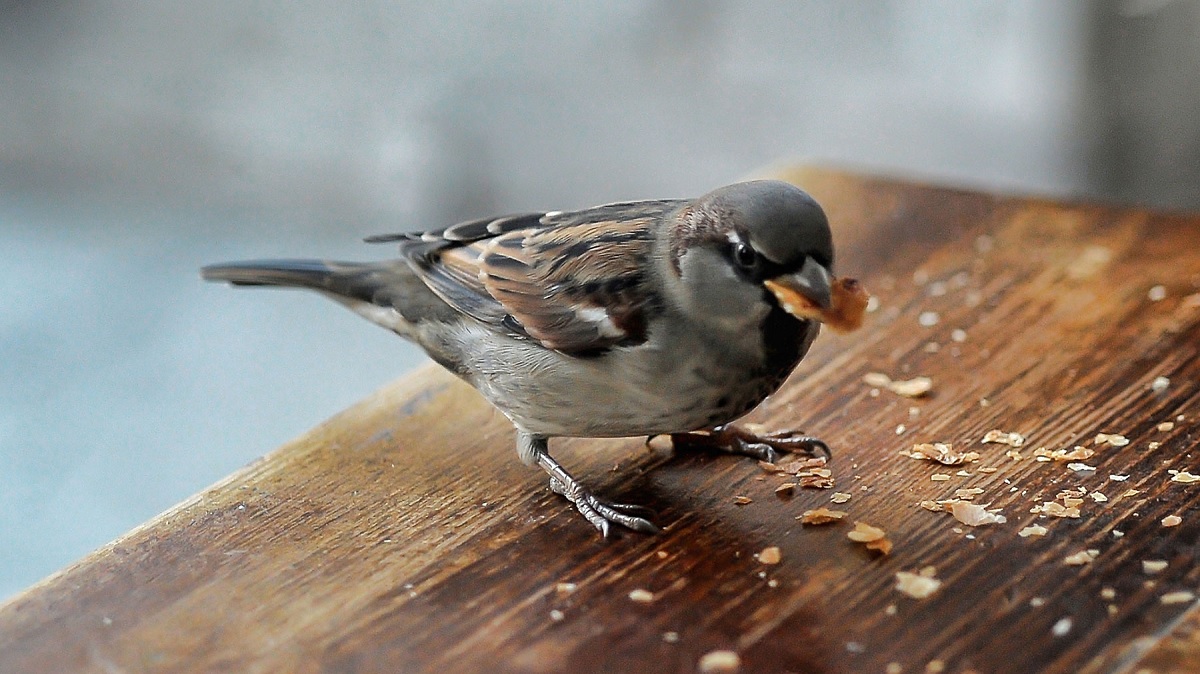
How To Get Birds To Stop Pooping On My Deck Quickly And Safely
Birds can bring beauty and life to outdoor spaces, but they can also create a mess, particularly on decks and patios. The accumulation of droppings not only looks unsightly but can also damage wood surfaces, create slippery areas, and raise hygiene concerns. Homeowners often struggle to maintain a clean outdoor space while still enjoying the presence of birds.
Many are searching for practical ways to protect their decks without harming the birds. The question of how to get birds to stop pooping on my deck is common, and addressing it requires a combination of prevention, deterrence, and environmental management. By understanding bird behavior and using humane solutions, you can keep your deck clean, reduce maintenance, and still appreciate the natural wildlife around your home.
Physical Barriers To Prevent Birds
Physical barriers are among the most effective methods for keeping birds off decks without causing them harm. These solutions work by blocking access to areas where birds like to perch, roost, or land, making your deck less appealing. By using a combination of strategically placed barriers, you can reduce droppings and protect your outdoor space. Physical deterrents provide a long-term solution and can be combined with other strategies to create a bird-free environment while maintaining the aesthetic of your deck.
Netting And Mesh Solutions
Bird netting is a highly effective physical barrier for preventing birds from landing on your deck. The mesh creates a safe and impenetrable space that birds cannot enter, reducing the likelihood of perching or nesting nearby. Netting comes in various materials and sizes, allowing you to cover large areas, railings, or pergolas effectively.
Installing netting requires careful placement to ensure there are no gaps where birds can slip through. The mesh should be taut and secured to posts, railings, or overhead structures. Using UV-resistant or weatherproof netting extends its durability and effectiveness. While the visual impact is minimal, netting acts as a strong deterrent without harming birds, making it suitable for decks, patios, and garden areas. Birds quickly learn to avoid these blocked areas, which reduces droppings and potential damage over time.
Spikes And Anti-Perching Devices
Bird spikes are another practical physical deterrent for decks, railings, and ledges. These devices create uncomfortable perching surfaces without harming the birds. By installing spikes along common landing areas, you discourage birds from sitting, roosting, or congregating near your deck.
Spikes are typically made from durable materials like stainless steel or polycarbonate, ensuring long-term effectiveness in various weather conditions. They are discreet, easy to install, and require minimal maintenance. Birds quickly adapt by avoiding spiked areas, which reduces droppings and potential noise from congregating flocks. For maximum results, spikes can be combined with other physical deterrents such as netting or overhead barriers. Using these tools together creates a comprehensive strategy for keeping your deck clean while respecting local wildlife.
Overhead Barriers And Screens
In addition to rail and ledge deterrents, overhead barriers can prevent birds from accessing your deck from above. Screens, wires, or angled panels installed above the deck create an enclosed or semi-enclosed space that is unappealing to birds. Overhead barriers are particularly useful for decks near trees or rooftops where birds might swoop down to perch.
These installations work by creating a visual and physical obstruction that discourages landing and roosting. Birds avoid areas where movement is restricted or where obstacles impede natural flight paths. Materials like clear or thin wires maintain visibility while providing effective deterrence. Overhead barriers complement spikes and netting, offering a multi-layered approach that maximizes protection for your deck. Consistently using overhead deterrents ensures that birds learn to avoid your deck entirely, keeping surfaces cleaner and safer.
Visual Deterrents
Visual deterrents are an effective and humane way to prevent birds from landing or roosting on your deck. These tools work by creating a sense of danger or disturbance that encourages birds to stay away. Unlike physical barriers, visual deterrents influence bird behavior through perception rather than restriction. By strategically placing reflective, moving, or predator-like objects, you can reduce bird activity and keep your deck cleaner while maintaining a safe environment for wildlife.
Reflective Objects And Surfaces
Reflective objects, such as shiny tape, aluminum foil strips, or old CDs, are widely used to deter birds. The movement of these objects in the wind creates flashes of light that birds perceive as potential threats, making your deck less attractive for landing or roosting. Reflective surfaces are inexpensive, easy to install, and can be positioned around railings, overhead structures, or perches to maximize effectiveness.
Birds are highly sensitive to changes in light, so even subtle movements of reflective materials can discourage them. For longer-lasting solutions, consider using reflective garden ornaments or specialized bird-deterrent tapes that maintain shine and durability under weather conditions. Over time, birds learn to avoid areas with frequent visual disturbances, reducing droppings and potential damage. Combining reflective materials with other deterrents enhances the overall effectiveness of your bird control strategy.
Predator Decoys And Shapes
Predator decoys are another effective visual deterrent, designed to simulate natural threats like owls, hawks, or snakes. Birds recognize these shapes as dangerous and are less likely to approach areas where predators appear to be present. Placing decoys on railings, near perches, or at the edges of your deck can significantly reduce bird visits.
Effectiveness depends on regular movement or repositioning of decoys to prevent birds from becoming accustomed to them. Some decoys feature motion or sound components to enhance realism, making them more convincing. Visual deterrents like predator decoys are particularly useful when combined with reflective objects, creating a multi-sensory approach that encourages birds to avoid your deck. These methods are humane, non-invasive, and help maintain a cleaner, safer outdoor environment.
Moving Or Animated Devices
Moving or animated visual devices, such as spinning pinwheels, fluttering ribbons, or kinetic bird scarers, use motion to startle birds and discourage landings. The movement creates unpredictability, which birds interpret as a potential threat, making them reluctant to approach your deck. These devices are effective for decks exposed to wind, as the natural movement amplifies their deterrent effect.
Placement and variety are key for success. Rotating devices, combining reflective surfaces with moving elements, and ensuring devices are visible from multiple angles increase effectiveness. Birds quickly associate these cues with danger, reducing the frequency of visits over time. Using animated visual deterrents in conjunction with other strategies, like physical barriers or sound deterrents, provides comprehensive protection for your deck.
Sound-Based Repellents
Sound-based repellents are an effective method to discourage birds from frequenting your deck without causing them harm. These devices work by emitting noises that birds perceive as threats or disturbances, influencing their behavior and prompting them to avoid the area. By using a combination of ultrasonic sounds, predator calls, or distress signals, you can create an environment that is unappealing to birds. Proper placement and variety in sound patterns enhance effectiveness and help maintain a cleaner outdoor space.
Ultrasonic Devices
Ultrasonic devices emit high-frequency sounds that are typically inaudible to humans but can be disturbing to birds. These sounds trigger discomfort or anxiety, encouraging birds to avoid areas where the devices are active. Ultrasonic repellents are popular because they are humane, silent to humans, and easy to install around decks, patios, or garden spaces.
Effectiveness depends on proper placement and coverage. Devices should be positioned to cover the entire area without obstructions and may require multiple units for larger decks. Birds may become accustomed to continuous, unchanging sounds, so some devices incorporate random or variable patterns to maintain effectiveness. Combining ultrasonic devices with other deterrents, such as visual barriers or reflective surfaces, enhances their impact and helps create a bird-free environment.
Predator Calls And Distress Sounds
Another approach involves using recorded predator calls or bird distress signals. These sounds mimic natural threats, such as hawks, owls, or alarmed conspecifics, which birds instinctively avoid. Playing these sounds periodically discourages birds from landing on your deck or nearby areas. Audio devices can be automated to play at random intervals, increasing unpredictability and preventing habituation.
The key to effectiveness is variety and timing. Continuous playback may lead to desensitization, so alternating calls and adjusting volume or placement helps maintain the deterrent effect. Combining sound-based repellents with visual deterrents, such as reflective surfaces or predator decoys, creates a multi-sensory strategy that maximizes bird avoidance while keeping your deck clean.
Considerations And Best Practices
When using sound-based repellents, consider the type of birds in your area and the sensitivity of nearby humans or pets. Devices should be placed in locations where the sound will reach target birds but minimize disturbance to people. Regular maintenance and adjustments ensure continued effectiveness, especially as birds may adapt over time.
Sound-based repellents are most successful when integrated with other deterrent strategies, such as physical barriers and visual cues. Using a layered approach increases overall success in keeping birds away from your deck. Monitoring bird behavior and adjusting the devices as needed ensures a long-term solution for a cleaner and safer outdoor space.
Behavioral Strategies And Observation
Behavioral strategies focus on understanding bird habits and using observation to reduce unwanted activity on your deck. By learning when and why birds frequent your space, you can implement targeted measures that discourage perching and droppings. Observing patterns, adjusting feeding routines, and creating subtle environmental changes allow for humane deterrence while respecting wildlife. Combining behavioral insights with physical, visual, or auditory deterrents maximizes effectiveness and helps maintain a cleaner, safer outdoor environment.
Monitoring Bird Activity
Careful observation is the first step in developing effective behavioral strategies. By noting which species visit your deck, their active times, and preferred perching spots, you can identify patterns and vulnerabilities. For example, birds may consistently arrive at dawn or congregate near specific plants or railings. Tracking these behaviors helps you implement targeted interventions, such as moving perches, adjusting decorations, or timing deterrents.
Regular monitoring allows you to evaluate the effectiveness of deterrent measures over time. Observing bird responses to barriers, sound devices, or visual deterrents reveals what works best for your specific situation. Behavioral monitoring ensures that strategies are adaptive, humane, and sustainable, reducing frustration while maintaining deck cleanliness.
Adjusting Feeding And Environment
Bird behavior is often influenced by available food sources and shelter. Adjusting feeding routines, removing exposed seeds, or relocating bird feeders away from the deck reduces attraction. Similarly, trimming nearby trees or shrubs that serve as convenient perches discourages repeated visits. Small environmental changes can significantly alter bird patterns without causing harm.
Providing alternative perching or feeding areas away from the deck redirects birds naturally. Combined with observation, these subtle adjustments leverage birds’ instincts to maintain their safety while keeping your deck cleaner. Understanding environmental preferences ensures interventions are effective and long-lasting, minimizing the need for constant manual cleaning.
Reinforcing Consistent Deterrents
Consistency is key when applying behavioral strategies. Birds quickly learn which areas are safe or threatening based on repeated experiences. Using deterrents regularly, combined with observation, reinforces avoidance behavior. This might include consistent placement of spikes, reflective surfaces, sound devices, or temporary barriers that complement natural observation insights.
By reinforcing these deterrents with careful monitoring, you can adjust based on seasonal changes or shifts in bird behavior. Predictable yet dynamic strategies prevent habituation, ensuring birds do not become accustomed to deterrents. This integrated approach enhances effectiveness while respecting wildlife behavior and maintaining a safe, bird-free deck area.
Frequently Asked Questions
How Can I Keep Birds Off My Deck Without Harming Them?
You can keep birds off your deck safely by using a combination of physical, visual, and auditory deterrents. Install bird spikes, netting, or overhead barriers to prevent perching. Reflective objects, predator decoys, and moving devices create visual disturbances that encourage birds to avoid your space. Sound-based repellents or ultrasonic devices can also discourage frequent visits. Combining these methods ensures humane protection while keeping your deck clean. Monitoring bird behavior and adjusting strategies over time improves effectiveness without causing harm to the birds or surrounding wildlife.
What Physical Barriers Work Best Against Birds?
Effective physical barriers include bird netting, spikes, and overhead screens. Netting prevents birds from landing by enclosing your deck or railing areas, while spikes create uncomfortable perching surfaces without injuring them. Overhead barriers like angled panels or wires block access from trees or rooftops. Installing these barriers strategically reduces roosting and droppings, protecting wood surfaces and outdoor furniture. Regularly inspecting and maintaining barriers ensures consistent protection. Physical methods are most effective when combined with visual or sound deterrents for comprehensive bird control.
Do Visual Deterrents Really Work To Keep Birds Away?
Yes, visual deterrents can effectively reduce bird visits. Shiny objects, reflective tapes, fluttering ribbons, or old CDs create movement and light reflections that birds perceive as threats. Predator decoys, such as owls or hawks, simulate natural dangers, encouraging birds to avoid your deck. Moving or kinetic devices increase unpredictability, making the area appear unsafe. The key is to combine multiple visual cues and reposition them periodically to prevent birds from becoming accustomed. Visual deterrents are safe, non-invasive, and complement other strategies like barriers and sound repellents for better results.
Are Sound-Based Repellents Effective For Decks?
Sound-based repellents, including ultrasonic devices, predator calls, and distress signals, can discourage birds from landing on your deck. Ultrasonic devices emit high-frequency sounds that are uncomfortable for birds but inaudible to humans. Predator calls and alarm sounds simulate threats, prompting avoidance behavior. These devices work best when placed strategically, varied in timing, and combined with visual or physical deterrents. Regular monitoring ensures birds do not adapt, making sound-based repellents an effective, humane option for reducing droppings while maintaining a safe outdoor environment.
How Can I Adjust Feeding To Reduce Bird Visits?
Feeding habits greatly influence bird presence. Avoid leaving seeds, crumbs, or accessible food on your deck, as this attracts birds. Relocate feeders away from your deck to encourage birds to eat elsewhere. If you feed birds, use covered feeders or place them in safe areas away from roosting spots. Adjusting food availability naturally discourages birds from lingering, reducing droppings and noise. Combining feeding adjustments with deterrents ensures that birds still have resources without creating mess or health risks on your deck.
Which Birds Are Most Likely To Poop On Decks?
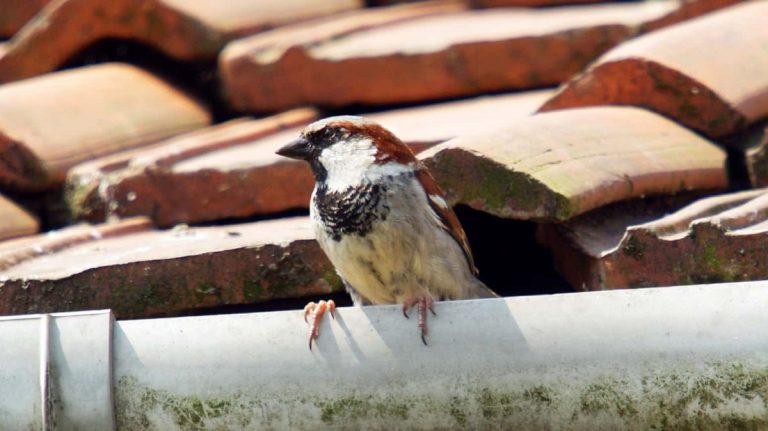
Common culprits include pigeons, sparrows, starlings, and doves, which prefer elevated perches like railings and deck furniture. These species tend to gather in flocks, increasing droppings and debris. Identifying the types of birds frequenting your deck helps you choose appropriate deterrents, such as spikes for perching surfaces or visual and sound devices for specific species. Understanding bird behavior allows for targeted solutions, making it easier to reduce mess while maintaining humane control measures.
How Long Does It Take For Birds To Avoid My Deck?
The time varies depending on the methods used and bird behavior. With consistent application of barriers, visual cues, sound repellents, and environmental adjustments, birds can start avoiding your deck within days to weeks. Changing deterrent positions, combining multiple strategies, and monitoring activity prevents habituation, ensuring long-term effectiveness. Patience and persistence are essential, as birds gradually learn to associate your deck with danger or discomfort, resulting in reduced perching, roosting, and droppings over time.
Final Thoughts
Keeping your deck clean and enjoyable requires a combination of strategies that target birds’ habits without harming them. Using physical barriers, visual and sound deterrents, and safe repellents can effectively discourage birds from landing or lingering on your deck. Maintaining cleanliness, removing food sources, and observing which species frequent your outdoor space will help you apply these methods more successfully. Consistency is key, as birds may return if deterrents are removed or improperly maintained.
When considering [how to get birds to stop pooping on my deck], a thoughtful, multi-pronged approach ensures both effectiveness and safety for your feathered visitors. By combining preventive measures, regular upkeep, and careful observation, you can protect your deck from unwanted messes while still coexisting peacefully with local bird populations, creating a clean, comfortable, and inviting outdoor space for yourself and your family.