Are Herons Birds Of Prey Or Unique Wading Hunters
Herons are among the most graceful and recognizable birds in wetlands, lakes, and riverbanks, often admired for their long legs, elegant necks, and patient hunting techniques. Their presence sparks curiosity about their role in the food chain and whether they possess the traits of predatory birds. Are herons birds of prey is a question that arises because of their hunting style, which involves stalking, striking, and capturing fish, amphibians, and small mammals.
Observing their behavior provides insight into their feeding strategies and adaptations, revealing a fascinating blend of patience, precision, and physical skill. While herons hunt for their meals, their classification within the broader avian world highlights differences from traditional raptors, demonstrating unique ecological roles. Understanding these distinctions helps bird enthusiasts appreciate the heron’s specialized hunting techniques and its place in aquatic and wetland ecosystems.
Physical Characteristics Of Herons
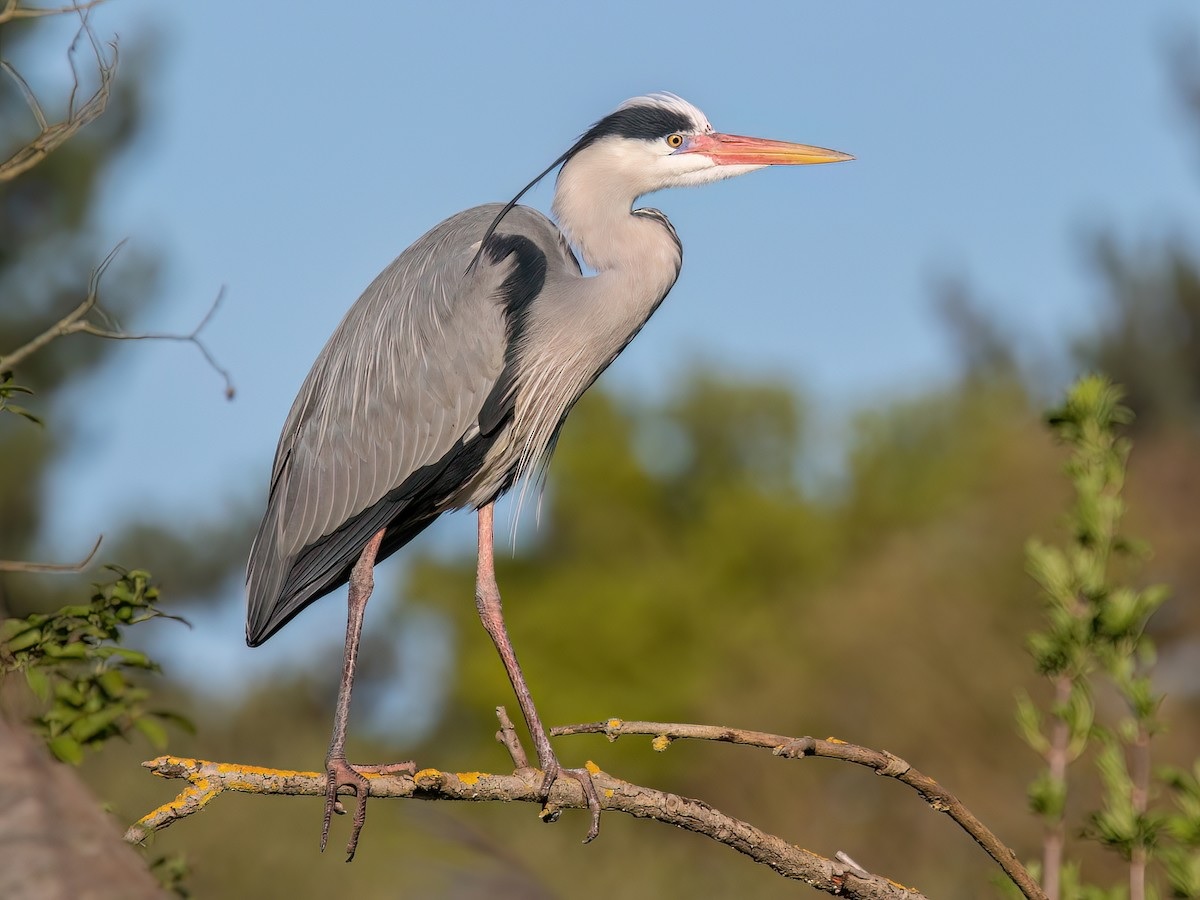
Herons are easily recognized by their tall, slender bodies and elegant posture, which make them stand out in aquatic habitats. Their physical characteristics reflect adaptations for hunting, wading, and survival in wetland environments. From long legs to sharp beaks, each feature contributes to their ability to capture prey and navigate shallow waters efficiently. Understanding these physical traits helps birdwatchers and enthusiasts identify different heron species while appreciating the functional design that supports their unique feeding and behavioral patterns.
Size And Body Structure
Herons are large wading birds, with species varying widely in size. They typically range from 80 to 150 centimeters in height, depending on the species, with long, thin legs adapted for wading through shallow water. Their elongated necks allow them to strike quickly at prey, while a streamlined body reduces water resistance during hunting. The skeletal structure is lightweight yet sturdy, supporting long flights and precise movements during feeding.
The wings of herons are broad and strong, designed for soaring and gliding over wetlands and open areas. This wing structure allows them to conserve energy during long flights while maintaining maneuverability when hunting. Overall, the body shape emphasizes balance, agility, and efficiency, providing a combination of height for observation and speed for capturing prey.
Plumage And Coloration
Heron plumage varies across species, ranging from gray, white, and blue to more muted browns. Feathers are generally smooth and water-resistant, aiding in maintaining body temperature and keeping the bird dry while wading. Some species display ornamental plumes during the breeding season, which serve both mating and signaling functions.
Coloration is not only visually striking but also functional. Gray and brown tones provide camouflage against water and vegetation, helping herons approach prey without detection. White or lighter-colored species often blend with reflective water surfaces, making stealth easier. Seasonal variations in plumage can occur, particularly during breeding, adding to the species’ visual diversity and signaling reproductive readiness.
Beak, Eyes, And Legs
Herons possess long, pointed beaks ideal for stabbing and grasping fish, amphibians, and small invertebrates. This specialized beak allows them to strike quickly and efficiently, capturing prey with precision. Eyes are positioned for excellent binocular vision, helping them judge distance and movement in water or on land.
Legs are long, strong, and often partially scaled, allowing the bird to wade through varying water depths with stability. Their toes are spread to distribute weight and maintain balance on muddy or uneven surfaces. Combined, these features create a highly effective hunting system, demonstrating how physical characteristics are perfectly adapted to ecological roles and predatory behavior.
Hunting And Feeding Behavior
Herons are skilled hunters, relying on patience, precision, and their physical adaptations to capture prey in aquatic and semi-aquatic habitats. Their feeding behavior is a fascinating blend of stealth, quick strikes, and strategic positioning. Observing how herons hunt provides insight into their ecological role as predators and their adaptability in diverse environments. Understanding their feeding strategies highlights the link between behavior, physical traits, and survival, revealing why these birds are highly effective in maintaining balance within wetland ecosystems.
Stalking And Stealth Techniques
Herons are masters of patience, often standing motionless for long periods while scanning water surfaces for prey. This stalking behavior allows them to approach fish, amphibians, and invertebrates without alarming them. Using their long legs to wade slowly and cautiously, herons minimize ripples that could alert prey to their presence.
Once prey is detected, herons employ rapid, precise strikes using their sharp, pointed beaks. This combination of stealth and speed ensures a high success rate in capturing meals. In addition, herons often choose hunting spots with good visibility and minimal obstruction, optimizing their chances. Observing these stalking techniques emphasizes their reliance on patience and physical adaptations to exploit food sources efficiently.
Feeding Techniques And Diet
Herons are opportunistic feeders, consuming a wide range of aquatic and terrestrial prey. Their diet includes fish, frogs, small mammals, insects, and crustaceans, depending on availability and habitat. They may hunt alone or occasionally in loose aggregations when prey is abundant. Herons employ various feeding methods, including spearing, stabbing, and grasping, to secure their catch.
The feeding strategy is highly adaptive, allowing herons to switch techniques based on prey behavior and environmental conditions. For example, in shallow water, they may use quick pecks, while in deeper pools, they rely on longer, more forceful strikes. This versatility ensures their survival across diverse wetland ecosystems. Observing diet preferences provides insight into the bird’s ecological niche and its contribution to maintaining healthy aquatic populations.
Social And Seasonal Feeding Behavior
While herons are primarily solitary hunters, they can exhibit social feeding behavior during certain seasons or in areas with high prey density. Seasonal changes influence activity patterns, with increased hunting in early morning and late afternoon when prey is most active. Migration and breeding cycles also affect feeding intensity and site selection, as birds must balance energy needs with territorial or reproductive demands.
Juveniles often learn hunting techniques by observing adults, gradually developing the precision and timing required for successful feeding. Understanding these social and seasonal behaviors highlights the complexity of herons’ feeding strategies and the interplay between environment, experience, and survival. Their adaptive feeding patterns ensure they remain efficient predators in both stable and changing habitats.
Diet Patterns Of Herons
Herons exhibit highly specialized diet patterns that reflect their role as opportunistic predators in aquatic and semi-aquatic ecosystems. Their feeding behavior is closely linked to habitat availability, seasonal changes, and prey abundance. Studying the diet patterns of herons provides insight into their ecological niche, hunting strategies, and adaptability. By observing what and how herons eat, birdwatchers can better understand the balance these birds maintain within wetland food webs and the environmental factors that influence their feeding success.
Primary Food Sources
Herons primarily feed on fish, which constitute the bulk of their diet in most habitats. They also consume amphibians such as frogs and small reptiles, along with aquatic insects, crustaceans, and occasionally small mammals. The choice of prey is largely determined by habitat and availability, with birds adapting to seasonal shifts in food abundance.
Fish are captured using stealth and precision, with herons standing motionless or slowly stalking through shallow water before striking. Amphibians and insects are seized with rapid pecks or stabbing motions. This varied diet allows herons to exploit a wide range of habitats and maintain nutritional balance throughout the year. Understanding primary food sources highlights the bird’s adaptability and its critical role as a predator within wetland ecosystems.
Opportunistic Feeding And Seasonal Variation
Herons are opportunistic feeders, adjusting their diet according to prey availability. During breeding seasons or in colder months, they may increase hunting frequency or diversify prey selection to meet energy demands. Seasonal changes in water levels, temperature, and insect activity also influence feeding patterns.
For example, in spring and summer, when fish and amphibians are plentiful, herons focus on protein-rich prey to support reproductive efforts. During migration or in winter, they may expand foraging areas and incorporate alternative prey items, demonstrating flexibility and adaptability. These seasonal variations in diet patterns allow herons to thrive in diverse environmental conditions while maintaining energy balance.
Feeding Strategies And Ecological Impact
The feeding strategies of herons include stalking, quick strikes, probing, and occasionally cooperative hunting in areas with abundant prey. These techniques maximize efficiency and reduce energy expenditure while capturing a wide variety of prey. The bird’s diet directly impacts wetland ecosystems by controlling fish and insect populations, preventing overpopulation, and maintaining ecological balance.
By consuming a variety of prey, herons indirectly support biodiversity and ecosystem health. Observing diet patterns and feeding strategies provides insights into the heron’s ecological role, adaptability, and interaction with its environment. Their feeding behavior demonstrates the importance of predator-prey relationships in sustaining balanced wetland habitats.
Behavioral Traits
Herons display a fascinating range of behavioral traits that reflect their adaptability, intelligence, and predatory skills. From their hunting strategies to social interactions and territorial behaviors, these birds exhibit complex patterns that help them survive in diverse habitats. Observing their behavior provides insights into how herons interact with their environment, respond to threats, and maintain ecological balance. Understanding these behavioral traits is key to appreciating the species’ role within wetland and aquatic ecosystems and their remarkable ability to thrive in changing conditions.
Hunting And Foraging Behavior
Herons are patient and methodical hunters, relying on stealth and precision to capture prey. They often stand motionless for extended periods, scanning water surfaces for fish, amphibians, and invertebrates. Once prey is detected, they execute rapid strikes with their sharp beaks, capturing their target efficiently.
Their foraging behavior is highly adaptable, with birds using different techniques depending on habitat and prey type. In shallow waters, they may probe or wade slowly, while in open areas, they employ quick pecking or aerial strikes. These behaviors demonstrate a sophisticated balance between energy conservation and hunting efficiency. By observing these traits, birdwatchers gain a clear understanding of how physical adaptations, such as long legs and necks, enhance survival and feeding success.
Social And Territorial Traits
While herons are primarily solitary feeders, they display social behaviors during breeding seasons or in areas with abundant resources. Territoriality is pronounced during nesting periods, with individuals defending prime feeding and nesting areas from intruders. Vocalizations, posturing, and physical displays help establish boundaries and deter competitors.
Outside breeding periods, herons may tolerate nearby conspecifics in rich feeding grounds, forming loose aggregations. These social dynamics are flexible, balancing competition with opportunities for resource sharing. Observing territorial and social behaviors provides insight into reproductive strategies, survival tactics, and the intricate balance between individual needs and environmental pressures.
Migratory And Seasonal Behavioral Patterns
Herons exhibit seasonal behavioral shifts related to migration, breeding, and feeding. During migration, they travel along predictable routes to exploit favorable climates and food availability. Activity patterns adjust with seasonal changes, with increased foraging intensity during breeding periods and energy conservation during colder months.
These seasonal behaviors also include nest-building, mate selection, and fledgling care, demonstrating the bird’s capacity to adapt activities to ecological demands. Juveniles gradually learn key survival behaviors by observing adults, ensuring the transmission of essential skills. Understanding these behavioral patterns highlights the heron’s resilience, adaptability, and intricate relationship with its environment.
Ecological Role Of Herons
Herons play a vital role in maintaining the balance of aquatic and wetland ecosystems. As skilled predators, they regulate populations of fish, amphibians, and insects, which helps prevent overpopulation and supports biodiversity. Studying the ecological role of herons highlights their importance in sustaining healthy habitats and provides insight into the complex interactions between species. Observing these birds also demonstrates how predators contribute to the overall stability and functioning of ecosystems, emphasizing their significance beyond mere visual appeal.
Predator Role And Population Control
Herons act as top predators in many wetland and aquatic environments, feeding on fish, amphibians, crustaceans, and insects. By controlling these populations, they prevent overgrazing or overpopulation, which can lead to habitat degradation. Their hunting behavior helps maintain ecological equilibrium, ensuring that resources such as food and nesting areas are not depleted.
The predator-prey dynamic also supports the evolution and adaptation of prey species. Fish and amphibians develop behaviors and strategies to evade heron predation, which enhances the resilience of the ecosystem. Observing herons in action provides a clear example of how predators maintain balance and influence population structures, highlighting the bird’s integral role in the food web.
Contribution To Wetland Health
Herons contribute indirectly to wetland health through their feeding and movement patterns. Their foraging stirs sediments, aerates water, and distributes nutrients, which can promote plant growth and support diverse microbial communities. By interacting with multiple trophic levels, herons influence energy flow and nutrient cycling within these habitats.
Additionally, herons often occupy multiple habitat types throughout the year, from rivers and ponds to marshes and estuaries. Their presence indicates a healthy ecosystem with abundant prey and suitable nesting sites. Understanding this contribution emphasizes the importance of conserving wetland habitats, as the health of heron populations is closely linked to the overall vitality of the ecosystem.
Indicator Species And Environmental Awareness
Herons serve as indicator species, reflecting the quality of their habitats. Healthy populations suggest clean water, abundant prey, and well-preserved wetlands, while declining numbers may signal environmental stress or habitat degradation. Monitoring heron populations helps conservationists assess ecosystem health and detect early signs of ecological imbalance.
Their role in environmental awareness also extends to humans, as these birds inspire interest in wetland conservation and biodiversity protection. Observing herons and understanding their ecological significance encourages habitat preservation efforts and promotes sustainable practices that benefit multiple species within these environments.
FAQs
Are Herons Considered Birds Of Prey?
No, herons are not considered birds of prey. While they are skilled hunters, they primarily feed on fish, amphibians, and small aquatic animals rather than actively hunting other birds or mammals. Birds of prey, like hawks and eagles, have specialized talons and hooked beaks designed to capture and kill larger prey. Herons rely on stealth, patience, and their long, sharp bills to catch food, making their hunting style very different. You can observe herons wading slowly in shallow waters, striking quickly at prey, which sets them apart from true raptors.
How Do Herons Hunt Compared To Birds Of Prey?
Herons hunt by wading through shallow waters, carefully stalking fish, frogs, and insects. They remain still for long periods, waiting for the perfect moment to strike with their sharp bills. Unlike birds of prey, herons do not dive from heights or use talons to grab animals. Their hunting is more about patience, precision, and stealth in water rather than aggressive pursuit in the air. You can notice herons standing motionless, which is a key behavioral difference that makes them very different from traditional raptors in their feeding approach.
What Physical Traits Differentiate Herons From Birds Of Prey?
Herons have long legs, long necks, and sharp pointed bills adapted for wading and spearing aquatic prey. Birds of prey, on the other hand, have strong curved talons, hooked beaks, and robust bodies for catching and tearing larger prey. You can tell a heron apart by its slender wading build and methodical movements, compared to the aggressive flight and hunting posture of raptors. These physical differences reflect their distinct hunting strategies, with herons designed for water-based predation and birds of prey for aerial or terrestrial hunting of animals larger than insects or small fish.
Can Herons Be Mistaken For Birds Of Prey?
Yes, people sometimes mistake herons for birds of prey because of their hunting skills and sharp beaks. Their striking and precise hunting method may appear predatory, and their large wingspan in flight can look intimidating. However, herons do not have the hooked talons or aerial hunting behavior typical of raptors. You can differentiate them by observing their environment—herons are usually near water and hunt small aquatic creatures, while birds of prey are more aggressive hunters in forests, fields, or open skies. Recognizing these differences prevents confusion.
Do Herons Pose A Threat To Other Birds Like Raptors Do?
No, herons generally do not pose a threat to other birds. They focus on fish, amphibians, and small invertebrates rather than preying on other bird species. Birds of prey, in contrast, actively hunt smaller birds and mammals as a major part of their diet. You can safely observe herons near nesting colonies or ponds without worrying about them attacking smaller birds. Their primary ecological role is controlling aquatic animal populations, which benefits the local ecosystem, rather than dominating or preying on other birds in their territory.
What Role Do Herons Play In The Ecosystem Compared To Birds Of Prey?
Herons are important for maintaining healthy aquatic ecosystems by feeding on fish, amphibians, and insects, which helps balance populations. Birds of prey control terrestrial animal populations like rodents, small mammals, and other birds. While both are predators, their roles are different: herons manage water-based food chains, and raptors influence land-based ecosystems. You can observe herons as natural controllers of ponds and rivers, reducing overpopulation of small aquatic creatures, whereas birds of prey act as apex predators on land, highlighting the different ecological contributions each group makes.
Conclusion
Herons occupy a fascinating niche in wetland and aquatic ecosystems, combining remarkable physical adaptations with highly specialized hunting strategies. Observing their long legs, sharp beaks, and patient stalking behavior provides clear insight into their predatory skills, though they differ from traditional raptors in classification. Understanding their diet, feeding techniques, and ecological role highlights their importance in controlling fish, amphibian, and insect populations while maintaining environmental balance.
For bird enthusiasts and ecologists alike, examining whether herons fit the criteria of predatory birds offers a deeper appreciation for their behavior and survival strategies. Ultimately, exploring the question of are herons birds of prey reveals that, while they are effective hunters, their unique adaptations and ecological contributions set them apart, demonstrating the diversity of predatory techniques within the avian world.